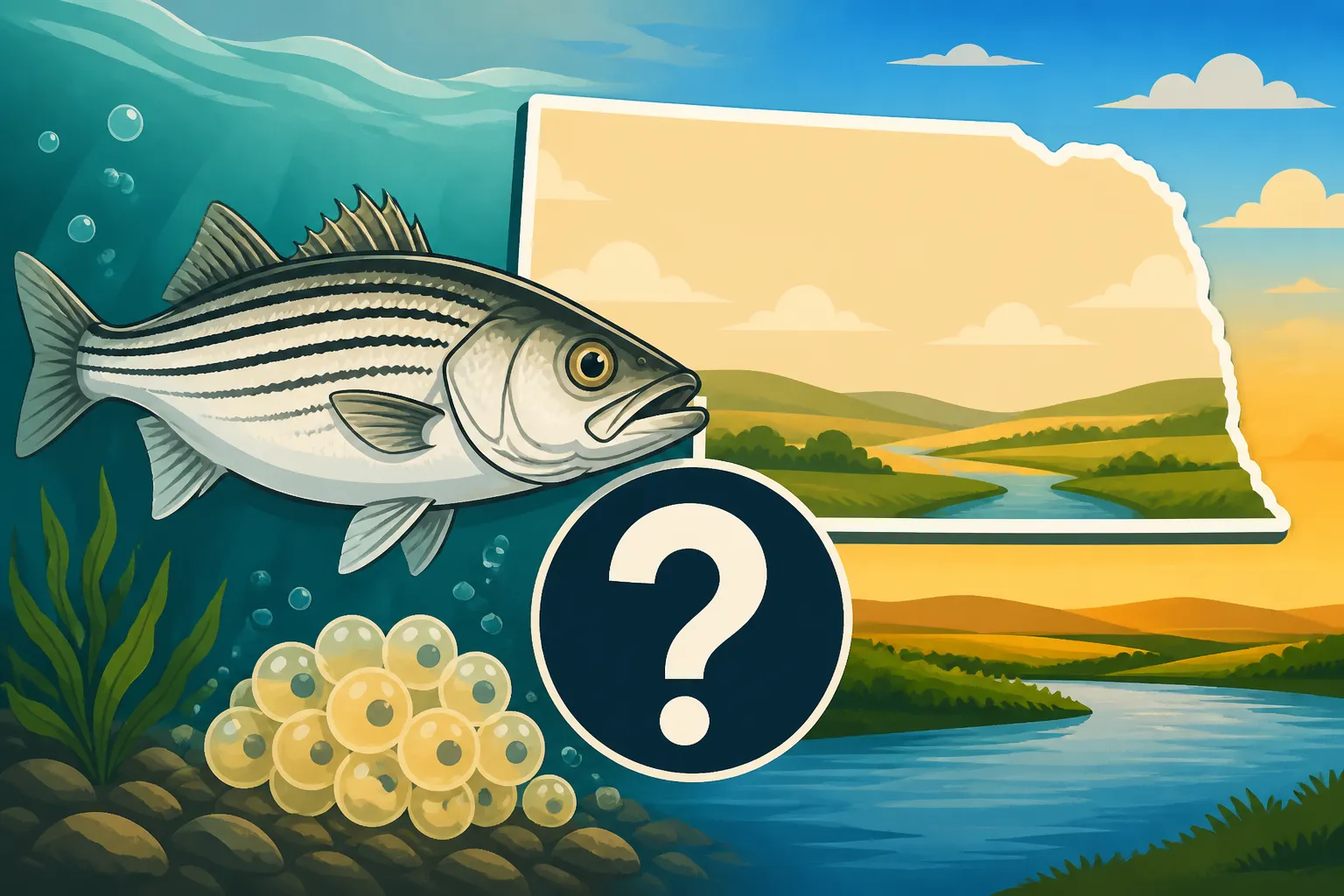
Do Striped Bass Reproduce Naturally in Nebraska?
Many anglers casting their lines into Nebraska's impressive reservoirs, especially giants like Lake McConaughy, often find themselves wondering about the incredible striped bass they pull from the depths. It's only natural to assume that if a species thrives, it must be reproducing right there in those waters. However, when it comes to pure-strain striped bass in Nebraska, the answer is a bit more nuanced than you might think. This guide will dive deep into why striped bass don't naturally reproduce in Nebraska and how our state manages to offer such fantastic fishing for them and their hybrid cousins.
Understanding Striped Bass in Nebraska Waters
It's a common misconception that if a fish species is present and plentiful, it must be spawning successfully on its own. While that's true for many of Nebraska's native species, pure striped bass are a special case. They have very particular needs for successful reproduction that just aren't widely met in the state's waterways.
Natural History and Habitat Needs for Striped Bass Reproduction
True striped bass (often just called "stripers") are fascinating fish with a specific life cycle. Originally, they are anadromous, meaning they spend most of their adult lives in saltwater but migrate to freshwater rivers to spawn. Think of them like salmon, but for a different purpose and often in different environments. When they spawn, they require long stretches of flowing river with a moderate current, typically hundreds of miles. The eggs are semi-buoyant and need to remain suspended in the water column for a significant period while they develop, drifting downstream until they hatch. If the eggs settle on the bottom, they often suffocate or get covered in silt, preventing successful hatching.
This critical need for substantial, continuous river current over long distances for egg development is the primary reason why natural reproduction of striped bass is incredibly rare, if not impossible, in most inland freshwater systems. Reservoirs, by their very nature, are designed to impound water, slowing currents and creating lake-like conditions rather than the free-flowing rivers required for striped bass eggs to survive.
Nebraska's Reservoir Environment and Striped Bass
Nebraska boasts some truly magnificent reservoirs, from the vast expanse of Lake McConaughy to other popular fishing destinations. These large bodies of water provide excellent habitat for adult striped bass, offering ample food, deep cool water in summer, and plenty of room to roam. The abundance of baitfish, like gizzard shad, makes these reservoirs prime feeding grounds, allowing stripers to grow to impressive sizes.
However, despite these ideal conditions for adult fish, the connected river systems feeding into these reservoirs typically lack the necessary characteristics for striped bass spawning. The rivers might be too short, too shallow, too intermittent in flow, or simply don't have the sustained current needed to keep those delicate, semi-buoyant eggs suspended and alive through their incubation period. This environmental mismatch means that while Nebraska's waters are fantastic for growing big, healthy striped bass, they aren't conducive to their natural propagation. It's a key distinction that helps us appreciate the role of fisheries management in providing these unique angling opportunities.
The Role of Stocking Programs
Since nature doesn't quite provide the perfect nursery for pure striped bass in Nebraska, the state's excellent fishing opportunities for these hard-fighting fish are largely due to proactive stocking programs. These programs are a testament to how fisheries managers work to enhance and diversify angling experiences for everyone.
Why Nebraska Stocks Striped Bass and Hybrids
The Nebraska Game and Parks Commission actively manages fish populations to ensure vibrant fisheries. They understand the immense recreational value and popularity of species like the striped bass. While pure stripers don't reproduce, they are incredible sportfish known for their powerful fights and willingness to chase lures, making them a thrilling target for anglers.
By stocking both pure striped bass and their hybrid cousins (wipers), the state can create a self-sustaining fishery in terms of recreational opportunity, even if the fish themselves aren't reproducing naturally. These stocked fish grow quickly, reach impressive sizes, and provide a fantastic challenge. Stocking helps maintain a consistent population, ensuring that anglers have a reliable chance at catching these prized fish year after year. It also adds a top predator to the aquatic ecosystem, helping to control populations of forage fish and maintain balance within the lake. If you're looking for gear specifically designed for targeting these hard-fighting fish, you can often find a wide selection of heavy-duty rods, reels, and specialized lures on platforms like Amazon, perfect for handling their powerful runs.
Striped Bass vs. Wiper Hybrid Striped Bass
This is where things get really interesting for Nebraska anglers! While pure striped bass are stocked, a significant portion of the "striper" fishing in Nebraska actually targets hybrid striped bass, affectionately known as "wipers." Understanding the difference is key to appreciating Nebraska's unique fisheries.
Wipers are a cross between a female striped bass and a male white bass. This hybridization results in a fish that often combines the best traits of both parents: the fighting prowess and larger size potential of the striped bass with the aggressive feeding habits and adaptability of the white bass. Critically, wipers are sterile, meaning they cannot reproduce, just like a mule (a cross between a horse and a donkey).
Here's a quick comparison:
| Feature | Pure Striped Bass | Wiper (Hybrid Striped Bass) |
|---|---|---|
| Scientific Name | Morone saxatilis | Morone saxatilis x Morone chrysops |
| Reproduction | Requires specific river flow conditions; non-existent in NE. | Sterile; cannot reproduce naturally anywhere. |
| Appearance | More streamlined body; prominent, unbroken lateral lines. | Deeper body profile; broken or irregular lateral lines, especially below the lateral line. |
| Size Potential | Can grow larger (20-50+ lbs) | Excellent fighting fish, often 5-15 lbs, with some reaching over 20 lbs. |
| Habitat Preference | Larger, deeper reservoirs | More adaptable, found in many reservoirs, even smaller ones. |
| Stocking Reason | Sportfish value, predator control | Sportfish value, predator control, often more vigorous and easier to grow in hatcheries. |
Because wipers are sterile and generally more robust for hatchery production, they are often the preferred choice for stocking programs designed to create exciting, put-and-take fisheries where natural reproduction isn't possible. This ensures that even though the fish themselves aren't breeding, a steady supply of hard-hitting fighters is available for anglers. You can learn more about these fascinating fish by checking out our detailed article: The Nebraska Wiper Hybrid Fish Explained.
Impact on Nebraska's Anglers and Fisheries
The stocking of striped bass and, more predominantly, wipers, has had a profound and positive impact on Nebraska's angling scene. It has transformed some of our reservoirs into destinations renowned for their trophy potential and exciting, fast-paced fishing.
Popularity and Fishing Opportunities for Stripers and Wipers
The aggressive nature and powerful fights of both pure striped bass and wipers make them incredibly popular among Nebraska anglers. There's nothing quite like the feeling of a heavy wiper or striper hitting your line, peeling drag, and making a run that tests your tackle and your resolve. These fish provide unique angling challenges, whether you're trolling large crankbaits, casting big swimbaits, or chasing boils of feeding fish on the surface.
Lakes like McConaughy, Harlan County Reservoir, and Sherman Reservoir have become legendary for their wiper and striper fishing. Anglers travel from all over to experience the thrill. The pursuit often involves specialized techniques and gear, encouraging innovation and creating a vibrant community of passionate anglers. For those new to chasing these powerful fish, looking for a robust rod and reel setup on a site like Amazon could be a great starting point, as many fishing brands cater specifically to the demands of striper fishing. If you're interested in specific tactics for these fish, our guide How to Catch Striped Bass at Lake McConaughy offers some fantastic insights.
Management and Conservation Efforts for Stocked Species
While these fish don't reproduce naturally, managing their populations is still a critical task for the Nebraska Game and Parks Commission. Their efforts ensure the long-term health of the fisheries and sustainable angling opportunities.
- Stocking Schedules: Fisheries biologists carefully determine how many fish to stock, where to stock them, and what size to stock, based on forage availability, angler demand, and overall ecosystem health. These schedules are often planned years in advance, with fish being raised in state hatcheries.
- Regulations: Specific regulations, including bag limits and length limits, are put in place for striped bass and wipers. These regulations are designed to distribute the harvest among anglers, protect larger trophy fish, and prevent overfishing of the stocked populations. It’s always crucial to stay updated on these rules, which you can find in our comprehensive guide: Nebraska Fishing Regulations Explained.
- Habitat Monitoring: Although these fish are stocked, monitoring the habitat conditions of the reservoirs is still vital. This includes tracking water quality, temperature profiles, and the health of baitfish populations, which directly impacts the growth and survival of wipers and stripers.
- Disease Prevention: Hatchery operations maintain strict protocols to prevent the spread of diseases to stocked fish, ensuring healthy populations are introduced into public waters.
These dedicated management practices allow Nebraska to offer world-class fishing for species that wouldn't otherwise thrive here. It's a prime example of how scientific management can enhance natural resources and provide incredible recreational value to the public. For more on these incredible fish, you might be interested in Why Wipers Are Stocked Instead of Pure Striped Bass or Difference Between a Wiper and a Pure Striped Bass.
In conclusion, while the idea of a fully self-sustaining striped bass population in Nebraska's inland waters is appealing, the biological realities of their reproductive needs simply don't align with our reservoir environments. However, thanks to the dedicated efforts of the Nebraska Game and Parks Commission and their successful stocking programs, anglers across the state can still enjoy the thrill of battling these powerful, hard-fighting fish. So, the next time you feel that powerful tug on your line, remember the intricate dance of nature and management that brings these incredible species to your hook.
Disclaimer
This article is for general informational purposes only and does not constitute professional advice. Laws, prices and regulations vary by location and change over time. Consult a qualified professional for guidance on your specific situation.