Are Striped Bass Stocked Every Year in Nebraska?
It’s a common question among Nebraska anglers, especially those dreaming of a hard-fighting fish that tests their tackle: are striped bass stocked every year in our waters? There’s a bit of confusion around this, partly because what most folks call "striped bass" here in Nebraska are actually their hybrid cousins, the wipers. This guide will cut through the uncertainty and explain Nebraska's stocking practices for these incredible game fish, helping you understand where they come from and why they’re so crucial to our state's fishing scene.
The Reality of Striped Bass Stocking in Nebraska
When you hear excited whispers about "stripers" in Nebraska, chances are anglers are actually talking about the feisty, hard-pulling fish known as wipers. While pure striped bass (often just called "stripers") are a distinct species found primarily in coastal environments and some landlocked reservoirs outside our state, Nebraska's fishery management strategy focuses on its hybrid counterpart. This distinction is really important, not just for identification, but for understanding the entire ecosystem and management approach. It's a classic case of mistaken identity in the fishing world, and it can definitely throw a new angler for a loop when they're trying to figure out what they're truly targeting.
Many seasoned anglers, myself included, have had conversations at the boat ramp where someone proudly declares they caught a massive "striper," only for it to be a beautiful wiper. It doesn't diminish the catch one bit – wipers are phenomenal fighting fish – but understanding the difference helps us appreciate the science behind Nebraska's fantastic fisheries. The decision to stock wipers over pure striped bass is a deliberate one, driven by ecological and management factors tailored to our unique inland reservoirs.
Understanding Hybrid Striped Bass (Wipers) vs. Pure Striped Bass
Let's clear up this common mix-up right away. Pure striped bass (Morone saxatilis) are anadromous, meaning they typically live in saltwater and migrate to freshwater to spawn. While some landlocked populations exist, they rarely, if ever, reproduce naturally in Nebraska's reservoirs due to unsuitable conditions for their eggs. This is where the wiper (Morone saxatilis x Morone chrysops) comes in. Wipers are a cross between a female striped bass and a male white bass. This hybridization creates a fish that combines the growth potential and fighting prowess of the striped bass with the hardiness and adaptability of the white bass, making them incredibly well-suited for our large, fertile reservoirs.
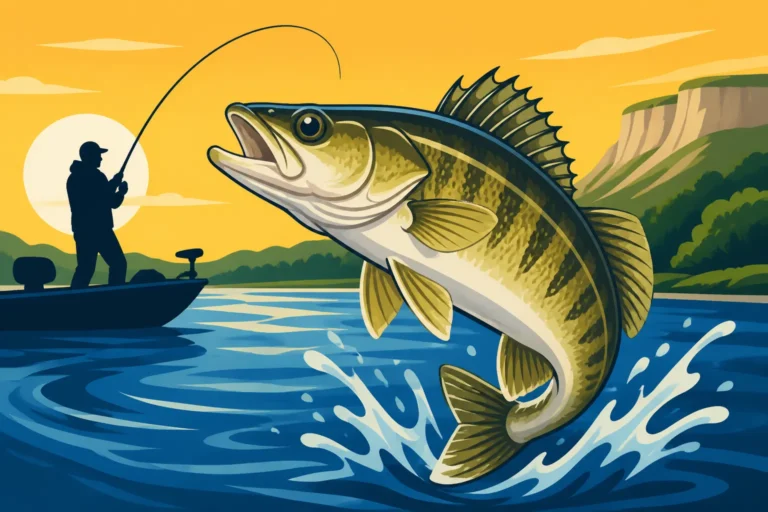
The primary reason wipers are preferred for stocking in places like Nebraska is their ability to thrive in these landlocked, freshwater environments where pure striped bass would struggle to sustain themselves naturally. Wipers grow fast, fight incredibly hard, and are fantastic table fare. They also serve an important ecological role, primarily as a predator of abundant gizzard shad, helping to control baitfish populations and maintain a healthy balance within the reservoir. Anglers often struggle to tell the difference, but generally, wipers have broken, irregular stripes along their sides, whereas pure striped bass have more continuous, unbroken stripes. If you're curious to learn more about identifying them, check out Nebraska Fish Species Identification Guide or The Nebraska Wiper Hybrid Fish Explained.
Annual Stocking Programs and Their Importance
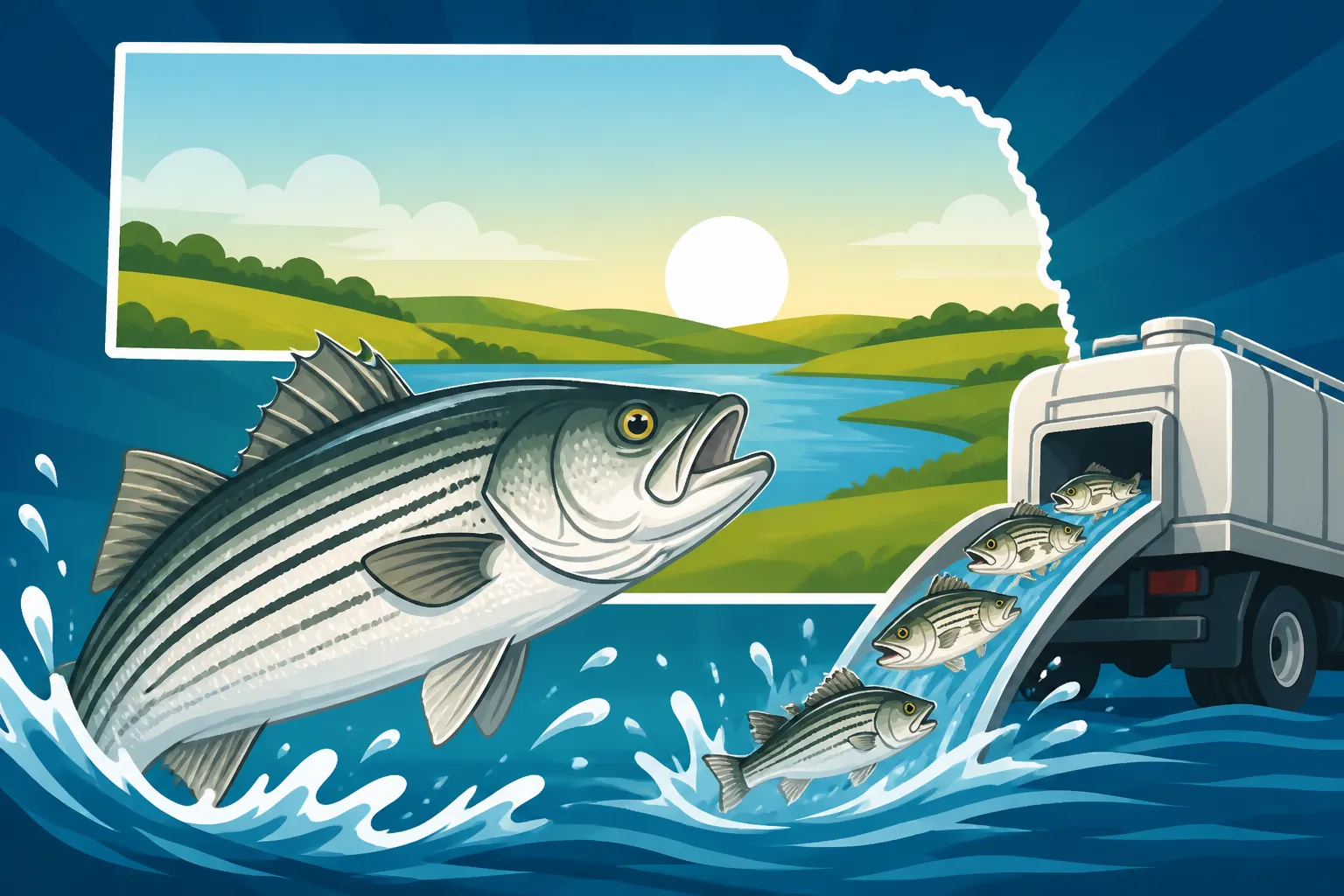
So, to answer the core question: yes, hybrid striped bass (wipers) are indeed stocked annually in certain Nebraska reservoirs, and this program is absolutely vital to the sustained success of these fisheries. The Nebraska Game and Parks Commission (NGPC) meticulously plans and executes these stocking efforts, releasing thousands upon thousands of fingerling wipers into strategic locations each year. This isn't a hit-or-miss operation; it's a carefully managed program designed to ensure that anglers have consistent opportunities to target these exciting fish.
The importance of these annual stocking programs cannot be overstated. Without them, the wiper populations in most Nebraska reservoirs simply wouldn't exist or would be severely diminished. Wipers are sterile, meaning they cannot reproduce on their own. This characteristic is actually a benefit for fisheries managers, as it allows for precise control over their populations and prevents overpopulation or unintended ecological consequences that might arise from a naturally reproducing non-native species. The goals of these stocking programs are multifaceted: they create a vibrant "put-grow-and-take" fishery, providing excellent angling recreation; they help manage forage fish populations, particularly gizzard shad, which can become overabundant; and they diversify the angling opportunities available across the state. For an angler, knowing that these fish are being consistently stocked means you can plan your trips with confidence, knowing there will be wipers to chase year after year. This consistency makes the wiper fishery a reliable target, unlike some species that might have more unpredictable natural fluctuations.
Where and Why Nebraska Stocks Striped Bass (Wipers)
Nebraska isn't a coastal state, so you won't find pure striped bass migrating up major rivers from the ocean. Instead, our wiper fisheries are a testament to smart, proactive fisheries management by the Nebraska Game and Parks Commission. They've identified specific large reservoirs that offer the ideal conditions for wipers to not just survive, but to truly thrive, providing incredible angling experiences for residents and visitors alike. The "why" behind these choices is just as important as the "where," stemming from a deep understanding of the fish's needs and the reservoirs' ecosystems.
It’s often a question I get from folks new to the state, or even long-time residents who haven't branched out much: "Where can I actually catch these wipers everyone talks about?" It's not every lake, that's for sure. The bigger, deeper, and more fertile reservoirs are usually the prime candidates, and understanding why they are chosen helps you predict where to find these hard-fighting fish.
Key Reservoirs for Wiper Stocking
While the specific numbers and exact locations can vary slightly from year to year based on available hatchery stock and individual reservoir conditions, several Nebraska reservoirs consistently receive annual stockings of hybrid striped bass (wipers). These include some of the state's largest and most popular fishing destinations. For example, Lake McConaughy Fishing Guide is renowned for its trophy wiper potential, often producing some of the biggest fish in the state. Harlan County Reservoir Fishing down south is another perennial hotspot, known for its strong wiper population that provides excellent action. You'll also find consistent stockings and strong wiper fisheries at Sherman Reservoir Fishing, Calamus Reservoir Fishing, and Johnson Lake Fishing.
These particular bodies of water are chosen because they offer several crucial characteristics that make them ideal for supporting robust wiper populations. They are typically large, deep reservoirs with expansive open water, providing ample room for these schooling predators to roam and hunt. Crucially, they also possess a healthy and abundant forage base, which brings us to our next point. Without a consistent food source, even the most aggressive wipers wouldn't be able to grow to the impressive sizes they reach in Nebraska.
| Reservoir Name | Primary Wiper Forage | Key Features for Wipers | Angler Focus |
|---|---|---|---|
| Lake McConaughy | Gizzard Shad, Alewife | Large, deep, open water, strong current | Trophy size, open water trolling |
| Harlan County Reservoir | Gizzard Shad | Large, expansive, diverse structure | Consistent action, spring/fall runs |
| Sherman Reservoir | Gizzard Shad | Deep, clear, good structure | Summer schooling, winter ice fishing |
| Calamus Reservoir | Gizzard Shad | Sandhills lake, clear water, good structure | Sight fishing, strong fighters |
| Johnson Lake | Gizzard Shad | Diverse habitat, good boat access | Consistent catches, easy access |
The Role of Forage and Water Conditions
The key to successful wiper stocking, and indeed, any productive fishery, lies in the food chain. For Nebraska's wipers, the primary food source is often the gizzard shad. These prolific baitfish provide an almost endless buffet for growing wipers, allowing them to pack on pounds quickly. Reservoirs with robust gizzard shad populations are therefore prime candidates for wiper stocking, as they ensure the stocked fish have immediate and abundant food supplies, leading to faster growth rates and healthier fish. This is a big reason Why Wipers Are Stocked Instead of Pure Striped Bass often comes down to their efficiency as a predator in these specific inland ecosystems.
Beyond food, suitable water conditions are paramount. Wipers, like many large game fish, require adequate dissolved oxygen levels, especially in deeper waters during warmer months. The large reservoirs chosen for stocking typically have vast expanses of well-oxygenated water, even during the peak of summer, providing thermal refuge and healthy habitat. The depth and overall water quality of these lakes also contribute significantly to the success of the stocking programs. The NGPC continuously monitors these conditions to make informed decisions about where and when to stock, ensuring the best possible chances for survival and growth. Without these ideal conditions, all the stocking efforts in the world wouldn't yield the fantastic wiper fishing experiences we enjoy today.
The Angler's Perspective: What Stocking Means for Your Fishing Success
For us anglers, knowing that wipers are stocked annually by the Nebraska Game and Parks Commission is more than just a piece of trivia; it’s vital intelligence that can directly influence our fishing plans and success rates. It tells us that these fisheries are actively managed and supported, providing a dependable target for our angling efforts. No one wants to spend time and money planning a fishing trip only to find the target species is absent or scarce. With wipers, the stocking program offers a level of assurance that helps take some of the guesswork out of the equation.
I remember one year, a friend was hesitant to buy new gear for wiper fishing because he wasn't sure if the population was sustainable. Once he learned about the annual stocking, his confidence soared, and he ended up investing in some fantastic trolling gear for Lake McConaughy Walleye Fishing, where he often finds wipers too. This knowledge truly empowers anglers to commit to targeting these awesome fish.
Planning Your Wiper Fishing Trips
Understanding the annual stocking cycle for hybrid striped bass (wipers) in Nebraska is a game-changer for planning effective fishing trips. The Nebraska Game and Parks Commission often releases information about their stocking reports, which can be an invaluable resource. By keeping an eye on these reports, anglers can learn not only which reservoirs received stockings but also when and approximately how many fish were released. While these are usually fingerlings, knowing a body of water has a fresh batch of young wipers means that, in a couple of years, it's likely to develop into a prime fishing spot.
This foresight allows you to plan your trips strategically, perhaps focusing on a reservoir that saw a particularly large stocking a few seasons prior, or one known for its consistent production of larger wipers. It also helps in choosing the best time of year to fish. For example, during cooler months, wipers often school tightly and can be located with electronics, providing thrilling action. In warmer periods, they might be found chasing baitfish in open water. This knowledge, combined with an understanding of Nebraska Fishing Seasons Explained, can significantly increase your chances of success. It's about being informed and using that information to your advantage, rather than just showing up and hoping for the best.
Gear and Techniques for Stocked Wipers
Targeting Nebraska's wipers requires a thoughtful approach to gear and techniques, given their aggressive nature and powerful fights. These fish are known for their strong runs and dogged determination, so you'll want tackle that can stand up to the challenge. A medium-heavy to heavy action spinning or baitcasting rod, typically 7 to 8 feet long, paired with a robust reel capable of holding 15-25 pound test monofilament or braided line, is a great starting point. Many anglers opt for braided line due to its strength and sensitivity, often adding a fluorocarbon leader for abrasion resistance and stealth. If you're looking to upgrade your setup, you can find a wide range of options on platforms like Amazon, from high-performance reels to specialized wiper rods.
As for techniques, wipers are opportunistic predators and respond well to a variety of presentations. Trolling crankbaits or spoons in open water is incredibly effective, especially when wipers are suspended and chasing baitfish. Casting large swimbaits, jerkbaits, or topwater lures can be explosive when they are actively feeding on the surface during low light conditions. Live bait, particularly gizzard shad or large shiners, presented under a bobber or on a bottom rig, is also a highly productive method. Consider exploring tactics like those detailed in How to Catch Striped Bass and Wipers for more in-depth strategies. Knowing that these fish are annually stocked reassures you that the investment in quality gear will pay off with consistent opportunities to hook into these fantastic fighters. A good fish finder can also be instrumental in locating schooling wipers, helping you pinpoint their position in the water column.
The Future of Striped Bass (Wiper) Fishing in Nebraska
Nebraska's wiper fishery isn't just about the thrill of the catch; it's a testament to ongoing conservation efforts and thoughtful management. The consistent annual stocking programs by the Nebraska Game and Parks Commission are a cornerstone of this success, but maintaining such a vibrant fishery in an ever-changing environment comes with its own set of challenges. As anglers, understanding these dynamics not only deepens our appreciation for the resource but also empowers us to be better stewards of our aquatic environments.
It's easy to take for granted that the fish will always be there, but there's a lot of work that goes into making that a reality. From the biologists studying fish populations to the hatchery staff raising thousands of fingerlings, it's a collaborative effort. Thinking about Nebraska Fishing Regulations Explained isn't just about avoiding a fine, it's about doing our part to ensure these opportunities continue for generations to come.
Conservation Efforts and Management Challenges
The long-term health and success of Nebraska's wiper fisheries rely heavily on proactive conservation efforts and adaptive management strategies. While annual stocking ensures a consistent population, several environmental factors can present significant challenges. Water levels in Nebraska's reservoirs, influenced by rainfall and agricultural demands, can fluctuate dramatically, impacting everything from spawning habitat for forage fish to overall water quality. Prolonged periods of low water can concentrate fish and make them more vulnerable, while high water can disperse them and make them harder to locate. Climate variations, including extreme heat or cold, can also affect wiper survival and growth rates.
Perhaps one of the most critical aspects is the availability of forage fish, primarily gizzard shad. If shad populations decline due to environmental factors or over-predation, it can directly impact the growth and health of wipers. The NGPC continuously monitors these variables, conducting extensive surveys to assess fish populations, forage availability, and water quality. Based on this data, they adjust stocking numbers, implement harvest regulations like Nebraska Fishing Daily Bag and Possession Limits, and adapt management plans to maintain sustainable and healthy wiper populations. It's a complex balancing act, ensuring that the put-grow-and-take nature of the wiper fishery remains viable for years to come.
How Anglers Can Support the Fishery
As anglers, we play a crucial role in supporting the ongoing health and vibrancy of Nebraska's wiper fisheries. Our actions on and off the water can make a real difference. One of the most important contributions is adhering strictly to fishing regulations, including bag limits and length restrictions, as these are designed to protect the fishery and ensure ample opportunities for all. Practicing responsible catch-and-release, especially for larger, trophy-sized wipers, can help maintain a healthy population structure and allow those impressive fish to continue contributing to the angling experience for others. Properly handling fish you intend to release, minimizing their time out of water, and using appropriate landing nets are all part of being a good conservationist.
Furthermore, engaging with the Nebraska Game and Parks Commission, whether by reporting unusual catches, participating in angler surveys, or simply staying informed about local conditions, can provide valuable data that assists their management efforts. Supporting conservation organizations and purchasing your fishing permits also directly contributes to funding these vital stocking and management programs. If you're looking to educate yourself further, a quick search on Amazon for "Nebraska fishing guides" or "fish identification books" can provide a wealth of knowledge to enhance your understanding of our state's aquatic resources. By being informed, responsible, and engaged, we ensure that the thrilling pursuit of Nebraska's wipers remains a highlight of our state's fishing heritage.
Disclaimer
This article is for general informational purposes only and does not constitute professional advice. Laws, prices and regulations vary by location and change over time. Consult a qualified professional for guidance on your specific situation.