Nebraska Perch Fishing
If you've ever cast a line into a Nebraska lake or river, chances are you've heard whispers of the elusive yellow perch. While often overshadowed by their larger walleye cousins or more aggressive bass, perch offer some of the most consistent and delicious panfish action, if you know where to look. This guide is all about unlocking the secrets to successful perch fishing in Nebraska, from understanding their habits to mastering the best techniques.
Understanding Yellow Perch in Nebraska Waters
Perch might not be the biggest fish in the pond, but what they lack in size, they make up for in flavor and fun. However, finding them consistently can feel like a treasure hunt if you don't understand their preferences and patterns within our diverse Nebraska waters.
The Elusive Nature of Nebraska Perch
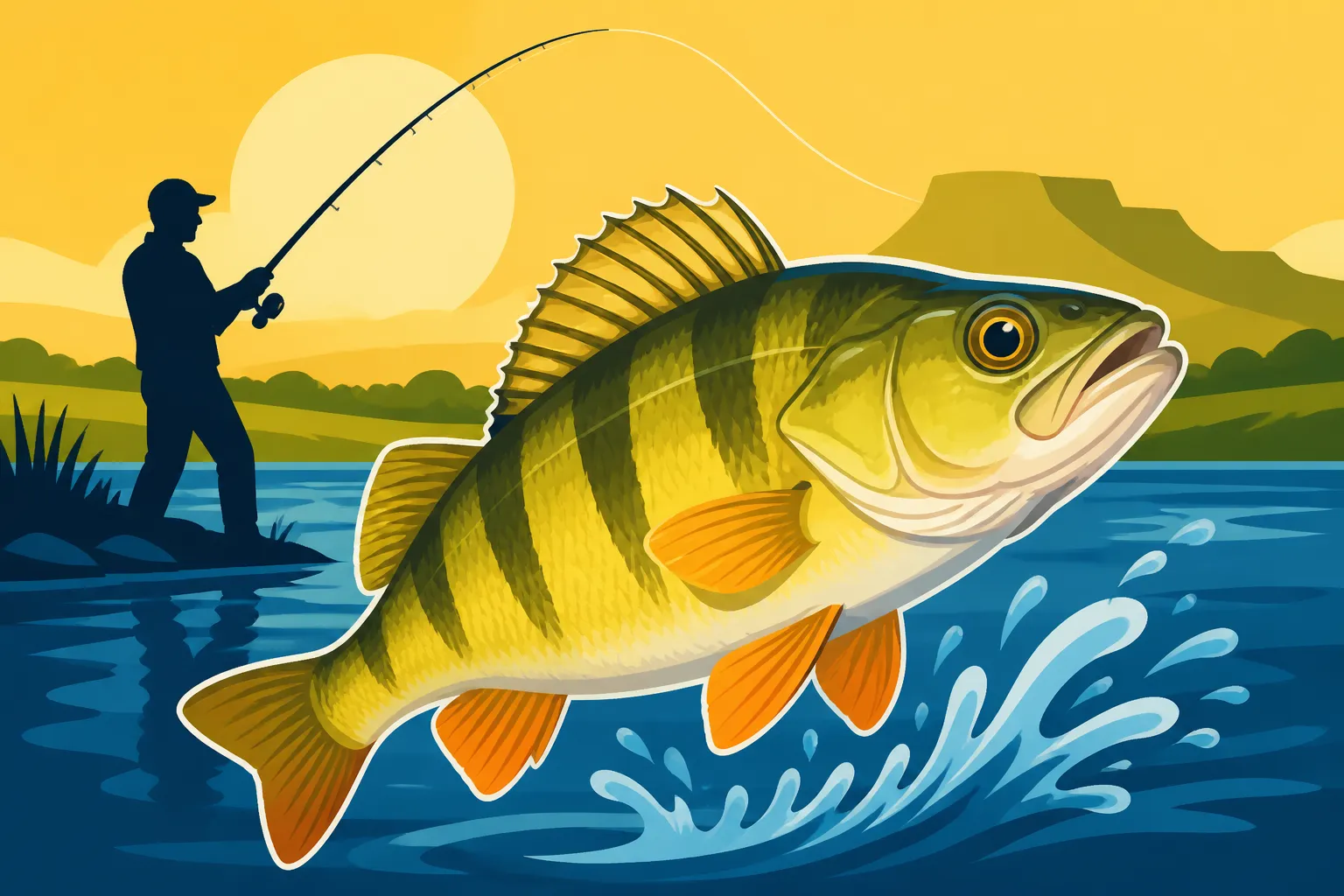
Yellow perch, with their distinctive vertical stripes and often bright orange fins, are truly beautiful fish, but they can be a bit finicky. They're schooling fish, which means if you find one, you're likely to find many more – sometimes a whole school! This is fantastic news when you're on them, but it can also be frustrating if you're casting into empty water. Their preference for cooler, clearer water and specific structures means they aren't always in the same easy-to-reach spots as, say, a sunfish might be.
Many anglers tend to overlook perch, focusing instead on larger game fish. This can be a blessing and a curse. A blessing because it often means less competition for these tasty panfish. A curse because it means less general knowledge and fewer published reports specifically on perch. They often stick to submerged vegetation, drop-offs, and areas with good forage, making them a bit more challenging to locate than the species that might patrol shallow banks more regularly. Don't be discouraged if your first few attempts don't yield a bucketful; persistence is key with perch, and knowing their habits will significantly increase your success rate.
Where to Find Yellow Perch in Nebraska
Nebraska's diverse aquatic landscape, from large reservoirs to smaller sandpit lakes and even some river backwaters, offers a variety of habitats where yellow perch can thrive. They generally prefer cooler water temperatures and areas with ample structure and forage. Think about clear to moderately stained water bodies, rather than heavily turbid rivers.
Large reservoirs like Lake McConaughy, Merritt Reservoir, and Branched Oak Lake are often prime perch habitat. In these larger bodies of water, perch will relate heavily to submerged humps, rock piles, old creek channels, and extensive weed lines. During different seasons, they might move from shallow spawning areas in spring to deeper, cooler waters in summer, and then back to concentrated schools near structure in fall and winter. Smaller sandpit lakes, especially those with good aquatic vegetation and some depth, can also hold surprising numbers of perch. These smaller lakes often have more predictable structure, making it a bit easier for the shore angler or kayak angler to pinpoint productive areas. Understanding the general patterns of Where to Catch Yellow Perch in Nebraska can give you a significant head start. Sometimes, even quiet backwaters of larger river systems can hold perch, especially if there's a good current break and plenty of cover.
Essential Gear for Nebraska Perch Fishing
Just like with any targeted species, having the right tools for the job can make a world of difference when you're out chasing perch. You don't need a high-end bass boat or a tackle shop's worth of gear, but a thoughtful selection of tackle designed for lighter bites and smaller fish will set you up for success.
Rods, Reels, and Line for Perch
When it comes to perch, sensitivity is the name of the game. Their bites can be incredibly subtle – sometimes just a slight tap or a feeling of added weight on your line. This means you want a light, sensitive rod and a reel that can handle light line with precision. A 6 to 6.5-foot ultra-light or light action spinning rod is ideal. These rods have a flexible tip that allows you to detect those faint bites and a soft backbone that won't rip tiny hooks out of a perch's delicate mouth. Paired with a small spinning reel (think 1000 or 2000 series), you'll have a perfectly balanced setup for presenting small baits.
For line, you have a few good options. A 4 to 6-pound test monofilament line is a classic choice, offering good knot strength and enough stretch to absorb sudden runs from a feisty perch. If you prefer more direct feel and less stretch, a 4 to 6-pound test fluorocarbon line can be excellent, as it's nearly invisible underwater and very sensitive. Some anglers even use a very light braided line (say, 6-pound test, which has the diameter of much lighter mono) with a fluorocarbon leader for maximum sensitivity. You can often find great deals on versatile spinning rod and reel combos perfectly suited for panfish on Amazon, making it easy to get started without breaking the bank. The key is balance and sensitivity, allowing you to feel every bump and tick.
Baits and Lures That Perch Can't Resist
Perch are opportunistic feeders, but they do have their favorites. When it comes to live bait, small minnows are arguably the top choice. Shiners, fatheads, or even small crappie minnows presented under a bobber or on a small jig head are deadly. Worms, particularly pieces of nightcrawlers or small redworms, are also very effective, especially for younger anglers or when perch are particularly aggressive. Maggots or wax worms, often used for ice fishing, can also be fantastic baits year-round, tipped on tiny jigs.
For artificial lures, think small and flashy. Tiny jig heads (1/32 to 1/16 ounce) tipped with small soft plastic grubs, tubes, or small marabou jigs are incredibly effective. Colors can vary, but perch often respond well to natural colors like white, brown, or black, as well as brighter colors like chartreuse or orange, especially in stained water. Small spoons, like Kastmasters or Swedish Pimples, particularly when jigged vertically, are excellent, especially during ice fishing season or when targeting deeper schools. You can find a huge variety of these small jigs and spoons on Amazon, allowing you to experiment with different colors and styles to see what the perch are hitting on any given day. Small spinnerbaits or inline spinners can also entice active perch, especially during the spring and fall.
Essential Accessories for a Successful Perch Trip
Beyond your primary rod, reel, and tackle, a few accessories can significantly enhance your perch fishing experience. Firstly, a good selection of bobbers is crucial. Slip bobbers are excellent for targeting various depths, allowing you to easily adjust your bait presentation without constantly re-tying. Fixed bobbers work well for shallower presentations or when fishing near the surface. You'll also need a variety of small hooks, typically sizes 6 to 10, often Aberdeen or baitholder styles for live bait. Split shot or small bullet weights are necessary to get your bait down to the desired depth.
A pair of small needle-nose pliers or a hook remover is invaluable for safely extracting hooks from perch, especially if you plan on practicing catch and release. A small cooler or stringer is essential for keeping your catch fresh if you're planning a delicious perch fry later. Don't forget a tape measure or small ruler to ensure your fish meet any minimum length requirements (though perch often don't have them, it's good practice for other species you might encounter). Finally, a good pair of polarized sunglasses will help you spot subtle movements in the water and protect your eyes from the sun, especially important when fishing clear Nebraska waters. Having these small but mighty tools organized in a small tackle box or bag makes for a more efficient and enjoyable day on the water.
Mastering Perch Fishing Techniques Throughout the Seasons
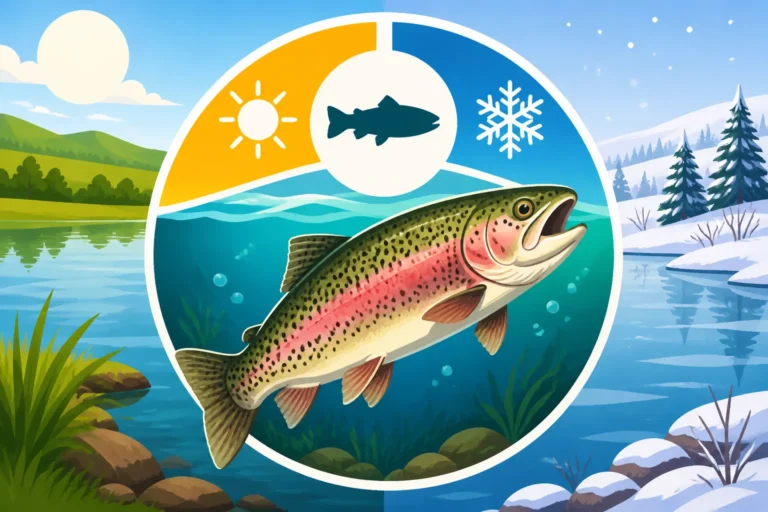
Perch, like many fish, adjust their behavior and location based on water temperature, food availability, and spawning cycles. Understanding these seasonal shifts is crucial for consistent success. What works in the spring might be completely ineffective in the dead of winter, so being adaptable is key.
Spring and Summer Strategies for Active Perch
As spring water temperatures begin to rise, perch become more active and move into shallower areas, often around submerged vegetation or gravelly bottoms, for their spawning ritual. This is an excellent time for Spring Fishing in Nebraska, as perch are often concentrated and aggressively feeding post-spawn. Look for them in bays, coves, and areas protected from strong winds, especially those with emerging weed beds. Techniques like fishing a small minnow or a piece of worm under a slip bobber set relatively shallow (3-6 feet) can be incredibly effective. Cast parallel to weed lines or over shallow flats, letting the bait drift naturally.
During the summer months, as water temperatures climb, perch will generally move to deeper, cooler water. They often school up around deep structure like submerged humps, points, and the edges of old creek channels. While they'll still venture into shallower weed beds early in the morning or late in the evening to feed, the midday bite will typically be in deeper water. This is where electronics become very helpful for locating those schools. Vertical jigging small spoons or drop-shot rigs with tiny soft plastics can be very productive. Look for concentrations of baitfish, as perch will rarely be far from their food source.
Fall and Winter Perch Tactics
Fall is another fantastic time for perch fishing in Nebraska. As water temperatures cool down, perch begin to school up more tightly and feed heavily in preparation for winter. They often move back shallower than their summer haunts, congregating on main lake points, large flats, or along the edges of steep drop-offs where they can ambush baitfish. Trolling with small crankbaits or snap-jigging heavier jigs or spoons along contours can be a great way to cover water and locate these active fall schools. This pre-ice feeding frenzy can offer some of the most rewarding fishing of the year.
When winter truly sets in and the ice forms, perch become a prime target for ice anglers. How to Ice Fish in Nebraska effectively often means finding those same deep-water structures they frequented in late fall. Perch will often suspend at various depths or hug the bottom near weed edges or rock piles. A sensitive ice fishing rod paired with small spoons, tungsten jigs tipped with a wax worm, or a small minnow is the go-to setup. Jigging gently with short upward movements, then pausing, is usually the most effective presentation. Electronics like a flasher or a portable fish finder are invaluable for locating schools under the ice and seeing how they react to your bait. Many anglers find quality ice fishing electronics and appropriate shelters on Amazon for a more comfortable experience.
Shoreline vs. Boat Fishing for Perch
Many of Nebraska's lakes and reservoirs offer excellent opportunities for both shore-based and boat-based perch fishing. Shoreline fishing is incredibly accessible and a fantastic way to enjoy a day outdoors. For shore anglers, focusing on areas with easy access to deeper water, like points, jetties, or public fishing piers, will be most productive. Casting small jigs or bait under a bobber can cover a good amount of water. Best Nebraska Lakes for Shore Fishing Without a Boat are often those with varied bottom contours close to the bank, allowing perch to move between shallow and deep water easily. You might not catch as many as a boat angler who can roam, but you can still have a very successful outing.
Boat fishing, whether from a full-sized fishing boat, a jon boat, or a kayak, significantly expands your reach. With a boat, you can target offshore humps, deep weed lines, and vast flats that are inaccessible from shore. This is particularly advantageous during the summer and winter months when perch often reside in deeper water. Kayaks, in particular, offer a quiet and stealthy approach, allowing you to slip into shallow coves or navigate tight spaces without disturbing the fish. For those interested, exploring Best Nebraska Lakes for Kayak Fishing can open up new opportunities. The ability to move and stay on top of active schools is the primary advantage of boat fishing, allowing for more consistent catches throughout the day.
Regulations and Responsible Perch Angling
As with any fishing endeavor, being aware of and adhering to Nebraska's fishing regulations is not just about staying out of trouble; it's about contributing to the health and sustainability of our valuable fisheries. Perch populations, while generally robust, benefit from responsible angling practices.
Nebraska Perch Regulations and Limits
Before you even think about wetting a line, it's crucial to familiarize yourself with the current Nebraska fishing regulations. While yellow perch are often considered panfish and typically don't have strict length limits, daily bag limits are almost always in place to ensure healthy populations for future generations. These regulations can vary by water body, especially if a specific lake is managed for certain outcomes. For instance, some lakes might have special restrictions or even bonus limits if perch populations are particularly high and need to be thinned out.
It's always a good idea to check the official Nebraska Game and Parks Commission website or pick up a copy of the annual fishing guide before each season. This will provide the most up-to-date information on daily bag limits, possession limits, and any other specific rules for the waters you plan to fish. Understanding the general Nebraska Fishing Regulations Explained will help keep you compliant and ensure you're contributing to conservation efforts rather than inadvertently harming them. Remember, ignorance of the law is generally not considered an excuse, so a quick check can save you a lot of headache.
Ethical Angling and Conservation Practices
Responsible angling goes beyond simply following the rules; it encompasses a mindset of respect for the resource and the environment. If you're planning on catching and releasing some perch, take care to minimize stress on the fish. Handle them gently, avoid touching their gills, and use a de-hooking tool or pliers to remove hooks quickly. Wet your hands before handling fish to protect their protective slime coat. For more detailed advice, check out Catch and Release Best Practices in Nebraska. If you're keeping fish, only take what you plan to eat and process them quickly and humanely.
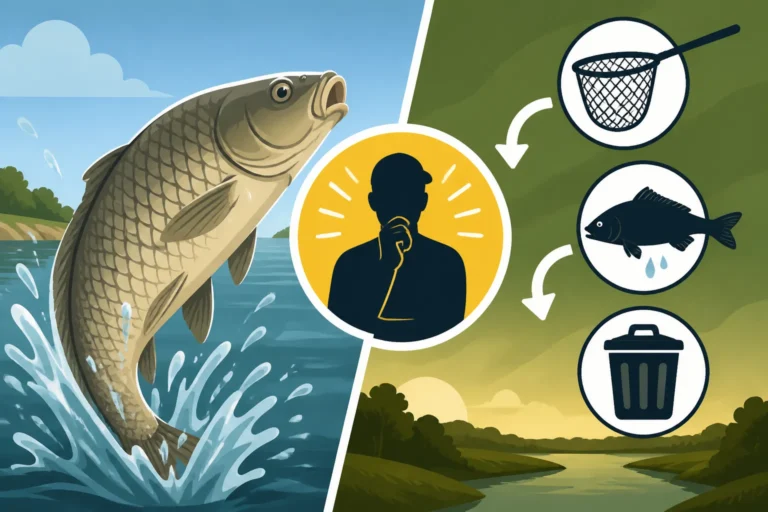
Beyond the fish themselves, responsible angling means respecting the natural environment. Pack out everything you pack in – absolutely no litter left behind. Be mindful of aquatic invasive species; always clean, drain, and dry your boat and gear between waterways to prevent the spread of unwanted plants and animals. Respect private property and other anglers. By practicing ethical angling, you not only ensure continued good fishing for yourself but also for everyone else who cherishes Nebraska's outdoor opportunities.
Identifying Yellow Perch and Similar Species
While yellow perch have fairly distinct markings, it's helpful to know how to properly identify them, especially to distinguish them from other panfish or even young walleye or sauger. Yellow perch are typically elongated, with a high-arched back. Their most striking feature is the 6-8 dark, vertical bars on their yellowish-gold sides. Their dorsal fins are separated into two parts, with the front one being spiny. The lower fins (pelvic and anal) often have a reddish or orange tint, especially during spawning season.
It's easy for new anglers to sometimes confuse a yellow perch with a sunfish or even a crappie, but those species lack the distinct vertical barring and overall body shape. Young walleye or sauger can sometimes be confused with perch due to similar coloration, but walleye typically have a white tip on their tail fin and a more cylindrical body, while sauger have distinct dark spots on their dorsal fin. Knowing these key characteristics, as outlined in a How to Identify Nebraska Game Fish guide, will help you accurately identify your catch, ensuring you comply with regulations and appreciate the specific fish you've landed.
| Season | Preferred Location | Recommended Baits/Lures | Key Technique | Notes |
|---|---|---|---|---|
| Spring | Shallow bays, coves, weed lines, gravel flats | Small minnows, redworms, small jigs with plastic | Slip bobber fishing, casting | Post-spawn aggression, fish are shallower. |
| Summer | Deep humps, points, creek channel edges, deep weed lines | Small spoons, drop-shot rigs, tiny jigging plastics | Vertical jigging, slow retrieve near bottom | Perch move deeper for cooler water and cover. |
| Fall | Main lake points, large flats, steep drop-offs | Small crankbaits, heavier jigs, minnows | Trolling, snap-jigging along contours | Heavy feeding in preparation for winter, often schooling tightly. |
| Winter | Deep structures under ice, weed edges, mid-depths | Tungsten jigs (wax worm tipped), small spoons, minnows | Ice jigging (short lifts and pauses), electronics | Find schools with electronics; sensitive bites. |
Disclaimer
This article is for general informational purposes only and does not constitute professional advice. Laws, prices and regulations vary by location and change over time. Consult a qualified professional for guidance on your specific situation.