Nebraska Ice Fishing Gear Guide
As the bitter Nebraska winter descends, many anglers reluctantly pack away their open-water gear, thinking the season is over. But for those of us who truly embrace the outdoors, it's just the beginning of a whole new adventure: ice fishing! However, stepping onto the frozen tundra unprepared can feel daunting and even dangerous. This comprehensive guide will walk you through all the essential gear you need to stay safe, warm, and successful while chasing those hard-water giants across Nebraska's frozen lakes and reservoirs.
Essential Ice Fishing Safety Gear
When you're out on the ice, safety isn't just a suggestion; it's a non-negotiable requirement. The allure of a quiet, frozen lake can make you forget the inherent risks, but understanding and preparing for potential hazards is paramount. You're essentially walking on water, albeit solid water, and conditions can change rapidly. Having the right safety gear isn't about being paranoid; it's about being prepared and giving yourself the best chance to enjoy the experience without incident.
Ice Safety Tools and How to Use Them
No matter how seasoned you are, always carry basic ice safety tools. The most crucial items are ice picks, which hang around your neck and can be used to pull yourself out if you fall through. They provide vital grip on slippery ice. It’s also wise to have a throwable rope or rescue throw bag readily accessible. This can be quickly deployed to someone who has gone through the ice, providing a lifeline without putting another person at risk. These simple tools are your first line of defense in an emergency.
Another indispensable tool is a spud bar or ice chisel. This heavy metal bar with a chisel tip is used to check ice thickness as you venture out. Before you even set up your first hole, you should be testing the ice every few steps. A good rule of thumb is to strike the ice several times; if it takes more than one solid whack to break through, you're likely on safe ice, but continue to be vigilant. This constant checking is especially important around inlets, outlets, and areas with current, as ice thickness can vary dramatically. For a deeper dive into safe ice conditions, check out our guide on How Thick Ice Needs to Be to Fish Safely in Nebraska.
Proper Layering and Cold Weather Apparel
Staying warm is critical for both comfort and safety. Hypothermia can set in quickly in Nebraska's frigid conditions. The key is layering, allowing you to add or shed clothing as activity levels or temperatures change. Start with a moisture-wicking base layer against your skin to pull sweat away. Cotton is a definite no-go as it retains moisture and chills you. Next, add insulating layers, such as fleece or down, to trap warmth.
Your outer layer should be waterproof and windproof. A good quality ice fishing suit is often the best choice, as many are designed with flotation assistance built-in, offering an extra layer of safety if you do go through the ice. Don't forget extremities: a warm hat that covers your ears, insulated, waterproof gloves or mittens, and thermal socks are a must. High-quality, waterproof, insulated boots are equally crucial to prevent frostbite and keep your feet dry and warm all day long. Many reputable outdoor retailers, including Bass Pro Shops, offer a wide range of specialized ice fishing apparel designed to withstand extreme cold. For a full breakdown of what to wear, see What to Wear Ice Fishing in Nebraska.
Ice Augers and How to Choose the Right One
Cutting a hole through several inches or even a foot of ice might sound like a chore, but with the right auger, it can be surprisingly quick and easy. Choosing the right auger depends on a few factors: how many holes you plan to drill, the thickness of the ice you expect to encounter, and your budget. Modern augers have come a long way, offering power and efficiency that makes the task much less burdensome than in years past.
Manual, Propane, and Electric Augers Compared
You have three main types of augers to consider. Manual augers are the most basic and affordable. They're great for early ice, thinner ice, or when you only need to drill a few holes. They require physical effort but are lightweight and require no fuel or batteries. If you're just getting started or prefer a minimalist approach, a manual auger can be a good choice. However, they can be exhausting if you're drilling many holes or facing thick, late-season ice.
Propane augers offer gasoline-like power without the fumes or mixing of fuel. They start reliably in cold weather and can chew through thick ice quickly. They're generally heavier than manual augers but lighter than many gas models, and the fuel is easily accessible. Companies like Eskimo make excellent propane models. The main consideration is carrying propane cylinders and ensuring they're kept warm enough to operate efficiently.
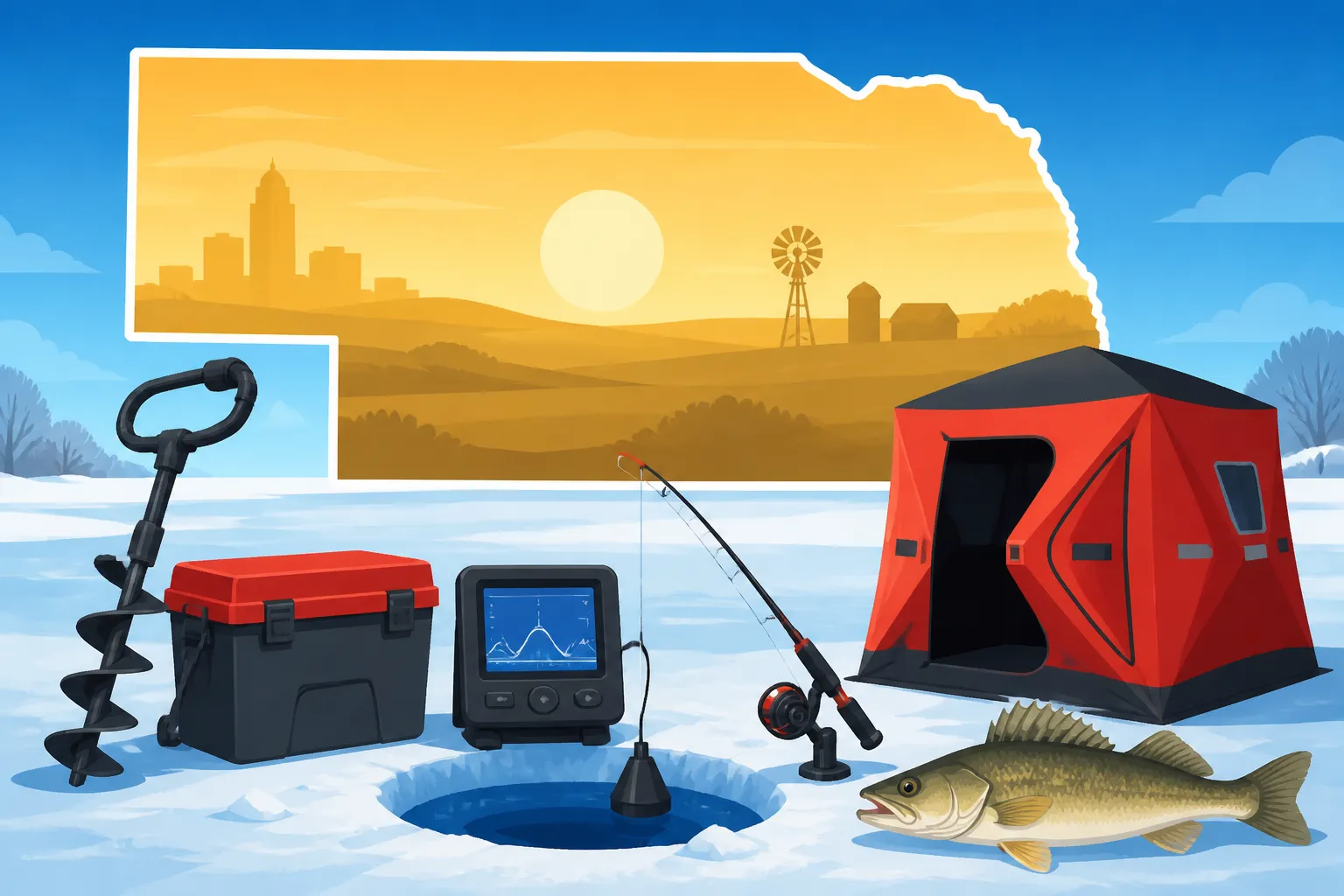
Electric augers are increasingly popular, combining power with quiet operation and no emissions. They run on rechargeable lithium-ion batteries, making them ideal for use inside shelters. They're typically lighter than gas or propane models and require minimal maintenance. Battery life can be a concern on very long fishing days or in extremely cold conditions, so carrying a spare battery is often a good idea. Brands like ION and Strikemaster offer high-performance electric augers. Many anglers are switching to electric for their convenience and environmental friendliness. For a detailed guide on selecting the perfect tool, consult Best Auger for Nebraska Ice Fishing.
Auger Blade Maintenance and Care
Regardless of the type of auger you choose, proper blade maintenance is crucial. Sharp blades are the difference between effortlessly slicing through ice and struggling with every hole. After each trip, always wipe your blades dry to prevent rust. Store them with blade covers to protect the sharp edges from damage and to prevent accidental injury. If your blades become dull or nicked, they can often be sharpened or replaced.
If you find yourself drilling through a lot of dirty ice, which might contain sand or gravel, your blades will dull faster. Pay attention to how easily your auger cuts. If it starts to "chatter" or requires significantly more effort, it's likely time for maintenance. Keeping a spare set of blades, especially for longer trips or remote locations, is a wise investment. Regular inspection of the auger's powerhead (for powered models) for any signs of wear or damage will also extend its life and ensure reliable performance. Especially when dealing with Best Ice Fishing Auger for Thick Nebraska Ice, sharp blades are indispensable.
Ice Fishing Rods, Reels, and Line
Forget your heavy-duty open-water bass rod for ice fishing. This specialized pursuit calls for specific tackle designed for the unique challenges of fishing through a small hole in the ice. Ice fishing rods, reels, and lines are all downsized and engineered to provide maximum sensitivity and control in a confined space. Getting the right setup can vastly improve your bite detection and fighting ability.
Rod Length, Action, and Power for Different Species
Ice fishing rods are typically much shorter than open-water rods, ranging from 24 to 48 inches. This shorter length is practical for fishing inside shelters or standing over a hole. The "action" and "power" of the rod are crucial. Action refers to where the rod bends (fast action bends mostly at the tip, slow action bends throughout). Power refers to the rod's stiffness (light, medium, heavy). For panfish like crappie and bluegill, a light power, fast action rod with a sensitive tip is ideal for detecting subtle bites. For walleye, a medium power, fast action rod gives you the backbone to set the hook and fight bigger fish. Pike and lake trout might require a medium-heavy or heavy power rod.
A sensitive tip is paramount in ice fishing, as bites are often very light "taps" or simply the line going slack. Graphite composite rods tend to offer excellent sensitivity. Many anglers will have a few different rods rigged up for different species and presentations. For instance, you might have one rod for jigging small tungsten jigs for perch and another for deadsticking a minnow for walleye. Thinking about the species you're targeting and the techniques you'll use will help you choose the ideal rod. Check out Best Ice Fishing Rods and Reels for specific recommendations.
Reels Built for the Cold
Ice fishing reels are generally smaller spinning reels, though some anglers prefer inline reels for specific presentations, especially for panfish. When choosing a spinning reel, look for models designed to perform in cold weather. This often means they have less grease, fewer points where ice can build up, and robust drag systems that won't freeze. The drag system is particularly important; it needs to be smooth and consistent to prevent line breaks when fighting a strong fish in cold water.
Inline reels, sometimes called fly-style reels, are fantastic for small jigs and light line because they eliminate line twist. This can be a huge advantage when fishing tiny jigs that need to spin freely to appear natural. They also offer a very direct connection to the fish, which can be exciting. Whatever reel you choose, ensure it has a comfortable handle that you can operate with gloves on, and consider a reel with a larger arbor to reduce line memory and maintain a smoother line flow off the spool. Many anglers will even keep their reels in insulated cases or inside their shelter to prevent them from freezing up on extremely cold days. Consider exploring options from retailers like Amazon for a wide selection of specialized ice fishing reels.
Line Selection for Ice Fishing
The right fishing line is as important as your rod and reel. Monofilament, fluorocarbon, and braided lines all have their place in ice fishing. Monofilament is affordable, has some stretch, and is easy to handle. However, it can absorb water and freeze, and its stretch can reduce sensitivity. Fluorocarbon is virtually invisible underwater, very sensitive, and doesn't absorb water, making it excellent for finesse presentations. Its stiffness can lead to more line coil in cold weather.
Braided line offers incredible strength for its diameter and zero stretch, providing maximum sensitivity. However, it's visible underwater and can be prone to freezing up in guides, especially in extreme cold, or when slush collects. Many ice anglers use a small leader of fluorocarbon with braided main line to get the best of both worlds: sensitivity with invisibility. Line strength typically ranges from 2-pound test for panfish to 8-10 pound test for larger walleye or pike. Matching your line strength to your target species and lure weight is key for optimal performance. Remember, thinner lines generally reduce visibility and allow lures to fall more naturally.
Fish Finders and Electronics for Ice Fishing
In the world of ice fishing, electronics aren't just a luxury; they're practically a necessity for consistent success. Being able to see what's under the ice, identify fish, and even watch how they react to your bait gives you a tremendous advantage. Modern fish finders have evolved significantly, offering incredible insights into the underwater world. They allow you to understand depth, bottom composition, and most importantly, the presence and behavior of fish.
Flashers, Sonar, and Underwater Cameras Explained
The three main types of ice fishing electronics are flashers, LCD sonar units, and underwater cameras. Flashers are the traditional choice for ice anglers. They provide real-time, instantaneous feedback on a circular dial, showing you your jig, the bottom, and any fish between. Their simplicity and speed make them excellent for aggressive jigging and quickly discerning fish activity. Brands like Vexilar and Marcum are synonymous with high-quality flashers.
LCD sonar units (often called graph units or digital fish finders) provide a more detailed, historical view of what's beneath the ice. They offer features like zoom, split-screen displays, and sometimes even GPS mapping. These are great for identifying bottom contours, finding subtle structure, and seeing how fish move through the water column over time. Many open-water units can be adapted for ice fishing with specific transducers.
Underwater cameras offer a visual experience, allowing you to actually see the fish and your lure interacting. This can be incredibly educational, helping you understand how fish react to different baits and presentations. They're particularly fun when fishing with kids or when the bite is slow and you want to confirm fish presence. While they don't replace a flasher or sonar for locating fish, they add another dimension to your ice fishing experience. Many systems can also integrate with your smartphone for easy viewing. For specific recommendations, check out Best Portable Fish Finder for Ice Fishing.
Maximizing Your Electronics on the Ice
To get the most out of your electronics, proper setup and understanding are key. Always ensure your transducer is perfectly level in the ice hole, allowing for an accurate cone angle. Learn to read the different colors or signals on your flasher to distinguish between your jig, small baitfish, and larger game fish. Experiment with gain and range settings to get the clearest picture of the water column you're targeting.
For LCD units, practice interpreting the different arches and bottom readings. Many units allow you to mark waypoints, which is incredibly useful for returning to productive spots. Battery management is also critical; cold weather can drain batteries faster. Always start with a fully charged battery and consider carrying a spare, especially for longer days. Some anglers use portable power stations to extend their run time. Utilizing your electronics effectively will not only help you catch more fish but also make you a more efficient and confident ice angler.
Shelters, Heaters, and Comfort on the Ice
While some hardy souls prefer to brave the elements in the open air, a good ice fishing shelter and a reliable heater can turn a brutal day into a comfortable and enjoyable experience. These amenities not only keep you warm but also block out the wind, allowing for more sensitive bite detection and overall greater endurance on the ice. They truly extend your fishing comfort and focus.
Portable and Hub-Style Shelters
Ice fishing shelters come in two main configurations: portable flip-over shelters and hub-style shelters. Flip-over shelters are designed for mobility. They consist of a sled base, seating, and a fabric tent that flips over the top of the sled. They are incredibly quick to set up and tear down, making them ideal for run-and-gun tactics where you move frequently to find fish. They offer good protection from the elements and often come with built-in seating and storage. Brands like Clam and Shappell are well-known for their durable flip-over models.
Hub-style shelters are free-standing tents that "pop up" by extending hubs on each wall. They offer more interior space for their footprint, making them excellent for larger groups or when you want more room for gear. While they take a little longer to set up than a flip-over, they provide a very comfortable, spacious environment. They are typically lighter to transport without the sled. Both types come in various sizes, from one-person models to shelters big enough for a whole family. Look for insulated models for superior warmth retention in harsh Nebraska winters. For a comprehensive look, see Best Ice Fishing Shelters for Nebraska Winters.
Safe Heating Options for Ice Shacks
Once you have your shelter, a safe and efficient heating source is next. Propane heaters are by far the most popular choice for ice fishing. Portable catalytic heaters, like those made by Mr. Heater, are fantastic because they produce radiant heat, are highly efficient, and have built-in safety features like oxygen depletion sensors and tip-over switches. Always ensure your heater is properly ventilated by cracking a window or door in your shelter to prevent carbon monoxide buildup.
Never use open flame heaters that are not designed for indoor use, and always follow the manufacturer's instructions for any heating device. Carrying extra propane cylinders is a given for longer trips, and storing them properly to prevent them from freezing up is important. Many anglers will keep their propane tanks in an insulated cooler or blanket to ensure they operate optimally. A warm shelter not only makes the day more pleasant but also keeps your hands nimble for tying knots and handling fish.
Tackle, Baits, and Lures for Nebraska Ice Fishing
The world of ice fishing tackle is vast and specialized, designed to tempt fish through a small hole in often crystal-clear, cold water. What works best can vary greatly by species, water body, and even the time of day. Having a diverse selection of lures and baits is key to adapting to changing conditions and finding what the fish are biting on.
Jigs, Spoons, and Rattle Baits for Common Species
When it comes to lures, jigs are perhaps the most fundamental ice fishing presentation. Tiny tungsten jigs, tipped with a small plastic or live bait, are deadly for panfish like crappie, bluegill, and perch. Their heavy-for-their-size design gets them down quickly. Spoons are another staple, especially for walleye, sauger, and even larger panfish. They mimic injured baitfish with their flash and flutter. Popular spoons include the Northland Forage Minnow and the Custom Jigs & Spins Slender Spoon.
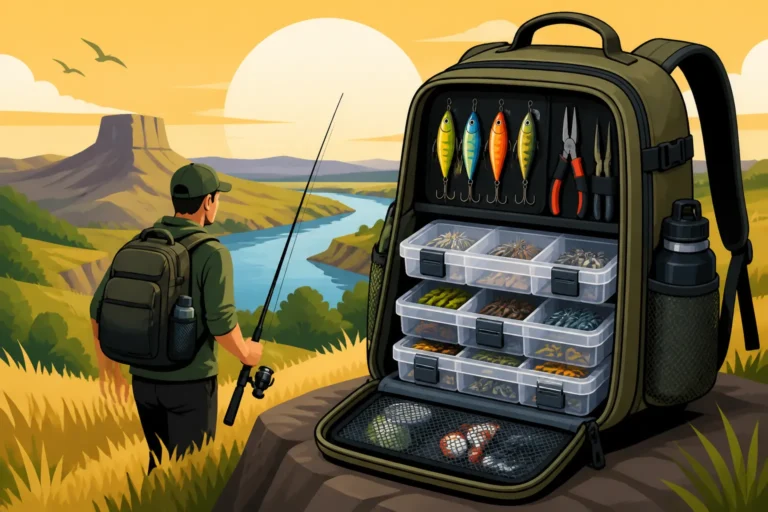
Rattle baits or lipless crankbaits, like the Rapala Rippin' Rap or Slab Rap, create noise and vibration, which can be excellent for attracting aggressive walleye and pike, especially in stained water or when searching for active fish. These lures are often fished with more aggressive jigging motions to maximize their action. Remember, smaller lures are often more effective in cold water, as fish tend to be less aggressive. Experiment with different sizes, colors, and jigging actions to see what the fish respond to on any given day. A well-stocked tackle box should have a variety to choose from, often organized by size and target species.
Live Bait and Scent Attractants
While artificial lures are highly effective, live bait often reigns supreme, particularly in cold water where fish can be finicky. Minnows are a universal ice fishing bait, effective for everything from crappie and perch to walleye and pike. Fatheads, shiners, and large suckers are common choices. Keep your minnows fresh and lively in an insulated bait bucket with an aerator. Worms (waxworms, spikes, mealworms) are excellent for panfish when tipped on small jigs.
Scent attractants can also give you an edge, especially on slow days. These sprays or gels can be applied to your artificial lures or even live bait to add an appealing scent trail in the water. Companies like Berkley and Pro-Cure make a variety of scents specifically formulated for different fish species. The combination of an enticing presentation and an appealing scent can often trigger bites from hesitant fish. Don't underestimate the power of a lively minnow or a fresh worm; sometimes, that natural appeal is exactly what it takes. When ice fishing in Nebraska, this nuanced approach to bait can make all the difference. What Fish You Can Catch Ice Fishing in Nebraska provides more insights into species-specific tactics.
Essential Accessories for a Successful Trip
Beyond the big-ticket items, a collection of smaller, but no less important, accessories can make your ice fishing trip much more organized, comfortable, and productive. These are the unsung heroes that prevent minor annoyances from becoming major frustrations. From getting your gear to the spot to handling your catch, these tools streamline the entire experience.
Sleds, Buckets, and Rod Holders
Transporting all your gear across a frozen lake can be a workout, especially with a full setup. A sturdy ice fishing sled is invaluable. Look for models made of durable plastic that can handle rough ice and snow, and consider one with a tow rope or hitch for pulling by hand or with an ATV/snowmobile. Sleds help consolidate your gear, making fewer trips from the vehicle to your fishing spot. Many anglers even outfit their sleds with milk crates or custom boxes to keep everything organized.
Five-gallon buckets are another versatile item. They serve as comfortable seats, additional storage for bait or smaller tackle, and can even be used to carry your catch. Some buckets come with insulated inserts or specialized lids for bait. Rod holders are essential, especially when deadsticking or jigging multiple holes. They keep your rods secure, off the ice, and in position, reducing fatigue and ensuring your rod doesn't get pulled into the hole by an aggressive fish. Many shelters have built-in rod holders, but portable ones can be anchored in the snow or ice.
Spud Bars, Scoops, and Other Handy Tools
We've already mentioned the importance of a spud bar for safety, but it's also a crucial tool for cutting initial ice around your hole and chipping away new ice that forms. An ice scoop (or skimmer) is another must-have. After drilling a hole, it will be full of slush and ice shavings. An ice scoop allows you to quickly clear the hole so you can fish without interference. Look for one with a long handle to avoid bending over constantly.
Other handy tools include a pair of long-nose pliers or a jaw spreader for safely removing hooks, especially from toothy fish like pike or walleye. A good headlamp or portable lantern is critical for early morning, late evening, or night fishing sessions. A small first-aid kit is always a good idea, as are extra batteries for all your electronics, hand warmers, and a thermos with a hot beverage. These little things can make a big difference when conditions turn chilly. Remember, having an Essential Gear Checklist for a First Ice Fishing Trip can prevent forgotten items.
Maintenance and Storage of Your Ice Fishing Gear
Investing in quality ice fishing gear means you want it to last. Proper maintenance and off-season storage are crucial for preserving your equipment, ensuring it's ready to go when the ice returns, and maximizing its lifespan. Neglecting these steps can lead to rust, corrosion, and costly replacements. A little effort at the end of the season goes a long way.
Post-Season Cleaning and Inspection
Once the ice fishing season wraps up in Nebraska, resist the urge to simply toss your gear into a corner of the garage. Start by thoroughly cleaning all your equipment. Wipe down your rods, reels, and lures to remove any dirt, mud, or moisture. Pay close attention to reels, ensuring they are free of ice, slush, or any debris that could seize up the mechanisms. A light coat of reel oil on moving parts can help prevent corrosion. Inspect your lines for any nicks or fraying; this is also a good time to consider re-spooling for next season if your line is old or worn.
For your auger, clean off any ice or rust, and apply a thin layer of oil to the blades to prevent future corrosion. Store the blades with their covers on in a dry place. Clean your shelter, too. Shake out all debris, wipe down the fabric, and ensure it's completely dry before folding it up. Storing a damp shelter is a sure way to encourage mold and mildew, which can ruin the fabric. Check all zippers and seams for wear and tear, making any necessary repairs before storage. This full inspection can also highlight items you might need to replace or upgrade before the next season, like new hooks or worn out bait containers.
Proper Storage for Longevity
Where and how you store your gear matters. Ideally, all your ice fishing equipment should be stored in a cool, dry place, away from direct sunlight or extreme temperature fluctuations. This helps prevent plastics from becoming brittle, fabrics from deteriorating, and metal components from corroding. Hang rods vertically or store them in rod cases to prevent warping or damage. Keep lures in tackle boxes, making sure they are dry to avoid rusting hooks.
Batteries from electric augers and fish finders should be removed and stored in a moderate temperature environment, ideally partially charged (not fully charged or fully depleted) to prolong their life. Storing a lithium-ion battery fully charged or fully empty for an extended period can degrade its performance. By taking these few extra steps at the end of the season, you'll ensure that when the first hard water forms, your gear will be in pristine condition, ready for another successful year of Nebraska ice fishing.
Disclaimer
This article is for general informational purposes only and does not constitute professional advice. Laws, prices and regulations vary by location and change over time. Consult a qualified professional for guidance on your specific situation.