Best Backpack Tackle Storage for Hiking to a Spot
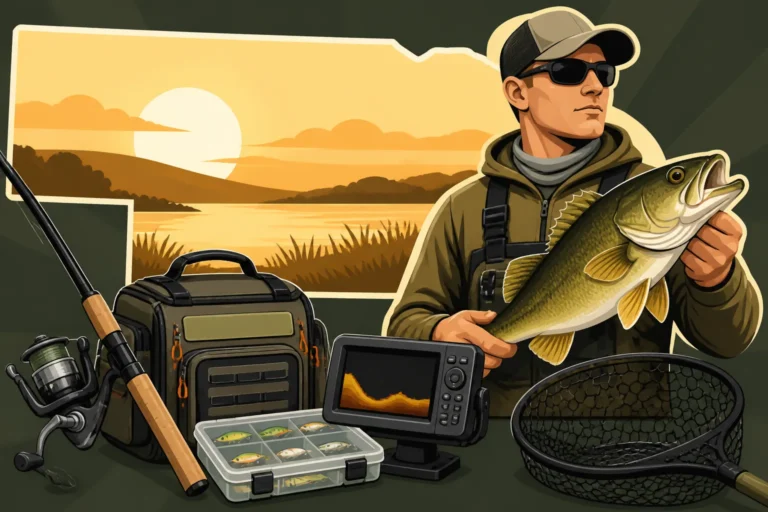
There’s nothing quite like the peace of finding that perfect, secluded fishing spot in Nebraska, whether it’s a hidden bend on the Platte River, a quiet cove at Branched Oak Lake, or a remote sandpit pond. But getting to those sweet spots often means a bit of a hike, and anyone who’s ever tried to trek through uneven terrain with a traditional, bulky tackle box knows the struggle is real. It’s clunky, it bangs against your legs, and it always feels like you’re one misstep away from scattering hooks and lures across the prairie. This guide is all about making those journeys easier and more organized, focusing on the best backpack tackle storage solutions designed for the adventurous bank angler.
Why a Dedicated Fishing Backpack is a Game-Changer for Bank Anglers
Let's be honest, those prime fishing spots aren't always conveniently located next to a parking lot. Sometimes the best bite is a half-mile walk down a dusty trail, or along a rocky shoreline that demands nimble footwork. Trying to juggle a fishing rod, a cooler, and a hard-sided tackle box can turn a relaxing outing into an annoying chore before you even make your first cast. This is where a specialized fishing backpack truly shines, transforming how you approach those hard-to-reach honey holes.
The Frustrations of Traditional Tackle Boxes on the Trail
Picture this: you've scoped out a promising stretch of the Elkhorn River, known for its monster channel catfish. You've got your rod, a bucket of bait, and your trusty old hard-plastic tackle box, probably the same one you've used since you were a kid. As you start down the bank, the handle digs into your hand, the box swings wildly, and every time you step over a fallen log, you feel that jarring thud against your hip. The latches, which seemed so secure on the kitchen counter, suddenly feel precarious, threatening to spill your carefully organized gear into the dirt. And if you need to access a specific lure or hook, you have to stop, set everything down, open it up, rummage, and then awkwardly reassemble your gear to continue. It's an inefficient, frustrating dance that zaps the joy out of the journey. For those who frequently fish spots requiring a walk, a traditional box just isn't cutting it. It's often too heavy, too unwieldy, and not designed for hands-free transport, which is crucial when you might need to scramble or steady yourself.
Key Advantages of Backpack-Style Storage for Mobility
A dedicated fishing backpack, on the other hand, is built from the ground up with mobility in mind. The most immediate benefit is obvious: hands-free carrying. Your weight is distributed across your back and shoulders, leaving your hands free to carry your rod, a small cooler, or simply to navigate challenging terrain. This makes those treks to secluded spots significantly more comfortable and safer, reducing the risk of dropping gear or losing your footing. Many backpacks are designed with multiple compartments and specialized pockets, keeping your gear organized and easily accessible without having to lay everything out on the ground. Think about how much easier it is to access a specific tray of jigs while standing by the water's edge, compared to fumbling with a large box. This improved organization and accessibility means less time searching for tackle and more time with your line in the water, which is what we're all after, right? Plus, many fishing backpacks integrate features like rod holders and hydration sleeves, making them true all-in-one solutions for the mobile angler.
What to Look for in a Quality Fishing Backpack
Choosing the right fishing backpack isn't just about picking one that looks cool. It's an investment in your comfort and efficiency on the water, especially when you're exploring Nebraska's diverse fishing opportunities. From the sandhills to the urban ponds, conditions can vary wildly, so a versatile and durable pack is key.
Material Durability and Weather Resistance
Nebraska weather can be unpredictable. One minute it's sunny and calm, the next a pop-up shower rolls through, or you're navigating dewy grass early in the morning. This means the material of your fishing backpack needs to be tough enough to withstand snags from brush, abrasions from rocks, and capable of keeping your gear dry. Look for backpacks made from heavy-duty, water-resistant fabrics like denier nylon or polyester. Terms like "ripstop" are a good sign, indicating a fabric woven to prevent small tears from spreading. While "water-resistant" is good, "waterproof" is even better, especially for critical compartments holding electronics or your phone. Some backpacks come with integrated rain covers, which are fantastic for sudden downpours. Even if it doesn't have a full rain cover, features like coated zippers and reinforced seams will go a long way in protecting your valuable tackle from the elements. Imagine wading through a shallow creek bed to get to a prime bass spot at the Fremont Lakes State Recreation Area, and knowing your spare hooks and soft plastics are snug and dry inside your pack.
Organizational Features and Storage Capacity
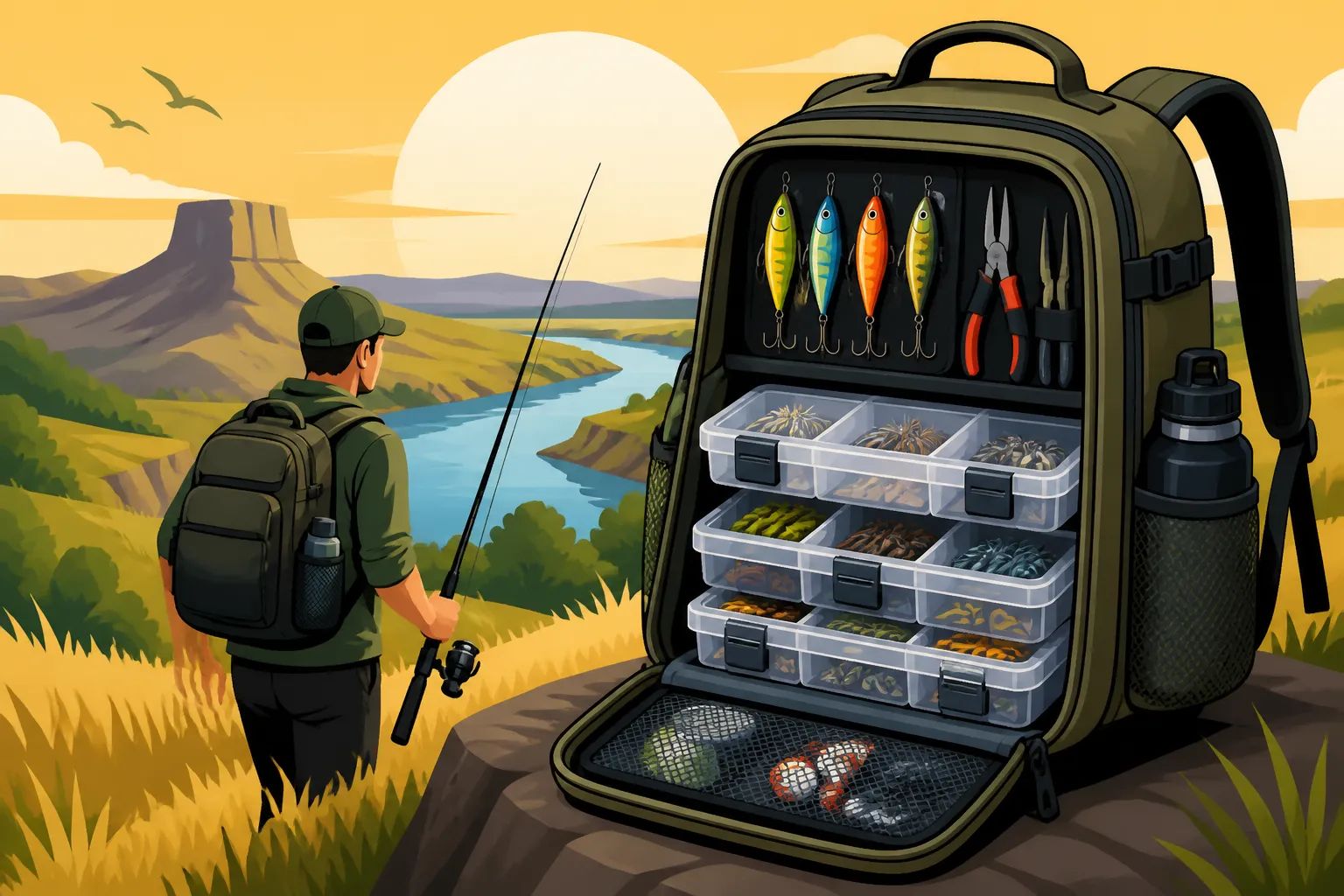
The core purpose of a tackle backpack is organization. You don’t want a bottomless pit where all your lures become a tangled mess. Look for designs that offer multiple compartments, both large and small, to separate different types of gear. Many excellent models feature a main compartment sized to hold several standard utility tackle trays, often included with the backpack. This is a crucial feature for quick access and efficient organization of hard baits, soft plastics, and terminal tackle. Beyond the main compartment, consider:
- External Pockets: Zippered side pockets are perfect for pliers, line cutters, and spools of extra line. Front pockets can hold your fishing license, map, or a small first-aid kit.
- Internal Dividers: Some packs have adjustable dividers, allowing you to customize the space to fit your specific needs, whether you're bringing extra reels or a bigger camera.
- Tool Holders: D-rings, elastic loops, and specific plier holsters keep frequently used tools within easy reach, so you're not fumbling when a fish is on the line.
- Storage Capacity: Think about how much gear you typically bring. Are you a minimalist, or do you like to have options for every scenario? Backpacks range in size, so consider one that offers enough space for your usual load, plus a little extra for those "just in case" items. For a full day of What Gear to Pack for a Full Day of Bank Fishing, you'll want ample space.
Comfort and Ergonomics for Long Hikes
A backpack full of tackle can get surprisingly heavy, especially if you're hiking to a remote part of Merritt Reservoir or navigating the rugged Niobrara River banks. If the pack isn't comfortable, it defeats the purpose. Prioritize models with padded shoulder straps, and ideally, an adjustable sternum strap and a padded waist belt. These features help distribute the weight evenly, taking pressure off your shoulders and back, which is essential for longer treks or if you're carrying a heavier load. The waist belt is particularly helpful for stability, preventing the pack from swaying as you walk, climb, or cast. Look for breathable mesh panels on the back and shoulder straps, as these will help reduce sweating and keep you cooler on warmer Nebraska days. Adjustability is key – make sure the straps can be cinched down or loosened to fit your body type, ensuring a snug and secure fit that won't chafe or cause discomfort after hours of wear.
Popular Styles and Features to Consider
The market for fishing backpacks has really expanded, offering a variety of designs tailored to different angler preferences and fishing styles. Understanding these options can help you pinpoint the perfect fit for your Nebraska adventures. Brands like Bass Pro Shops and Amazon offer a wide range of choices, from basic models to feature-rich designs.
Integrated Tray Storage vs. Bulk Storage
This is one of the most significant distinctions you'll find when shopping for a fishing backpack.
- Integrated Tray Storage: Many popular fishing backpacks, often called "tackle bag backpacks," feature a dedicated lower compartment designed to hold multiple utility tackle trays (e.g., Plano 3600 or 3700 series). These trays are fantastic for organizing hard baits, soft plastics, hooks, weights, and swivels by size, type, or color. The advantage here is unparalleled organization and quick access. You can pull out a specific tray, grab what you need, and slide it back in with minimal fuss. It's ideal for anglers who carry a wide variety of lures and need to swap them out frequently. The top compartment of these packs usually offers bulk storage for things like a spare reel, extra line spools, or a small jacket. This setup is very popular for freshwater fishing across Nebraska, from panfishing to targeting walleye and bass.
- Bulk Storage: Other backpacks are more akin to traditional hiking packs, featuring one large main compartment. These are great if you prefer to carry your tackle in soft-sided pouches, smaller bags, or simply want maximum flexibility for oddly shaped items like a larger first-aid kit or more substantial food items. While they might not offer the rigid organization of trays, they can be lighter and more flexible. Some anglers prefer this if they're only carrying a few essential items or if they use a minimalist approach to tackle. This style might suit someone who focuses on Nebraska fly fishing for trout and only needs a few fly boxes and tippet.
| Feature Type | Integrated Tray Storage | Bulk Storage (Traditional Backpack) |
|---|---|---|
| Primary Use | Organized tackle, frequent lure changes | Versatile gear, minimalist tackle, larger items |
| Tackle Access | Quick access to specific trays | Requires searching through soft pouches/loose items |
| Organization | Highly structured, compartmentalized by trays | Flexible, dependent on internal pouches/bags user adds |
| Protection | Trays offer rigid protection for lures | Less rigid, items might shift or get crushed |
| Weight | Can be heavier due to trays and robust design | Often lighter if not filled with heavy, rigid items |
| Ideal For | Anglers with diverse lure collections, multi-species | Anglers carrying minimal tackle, larger non-tackle items |
Specialized Pockets and External Attachments
Beyond the main compartments, the thoughtful addition of specialized pockets and external attachments can significantly enhance a fishing backpack's utility.
- Rod Holders: Many fishing backpacks come with integrated rod holders, typically a fabric sleeve at the bottom and an elastic or strap closure higher up the side. This is a game-changer for walking, especially if you carry multiple rods or need your hands free for scrambling. It prevents your rod from getting tangled in brush or becoming a nuisance.
- Plier Sheaths and Tool Holders: Dedicated slots or pockets for pliers, line cutters, and other essential tools mean they are always within reach and securely stored, not rattling around at the bottom of a pocket.
- External Lashing Points/Daisy Chains: These are loops of fabric on the exterior of the pack that allow you to clip on additional gear with carabiners, such as a water bottle, a small net, or even a compact foldable chair.
- Mesh Pockets: Great for items that need to air out, like a wet rag, or for quick-access items like a small bottle of sunscreen or bug spray. They also offer visibility, so you can quickly see what’s inside.
- Sunglass/Eyewear Pockets: A fleece-lined or hard-shell pocket specifically for sunglasses can protect your expensive polarized lenses from scratches, which is crucial for Best Sunglasses for Sight Fishing on clear Nebraska waters.
Hydration Compatibility and Extra Storage for Essentials
Staying hydrated is crucial, especially during those long summer days spent fishing in Nebraska. Many modern fishing backpacks incorporate hydration features:
- Hydration Bladder Sleeve: A dedicated internal sleeve to hold a water bladder (often sold separately) and a port for routing the drinking tube over your shoulder. This allows for hands-free hydration on the go, without needing to stop and dig for a water bottle.
- Water Bottle Pockets: If a hydration bladder isn't your style, side mesh pockets designed to securely hold large water bottles are a must.
- Extra Storage for Non-Tackle Essentials: Your backpack isn't just for lures. Think about packing items like:
- First-Aid Kit: A small, compact kit for minor cuts, scrapes, or hook mishaps.
- Snacks: Fuel for those long hours on the water.
- Sun Protection: Sunscreen, a wide-brimmed hat, and neck gaiter.
- Headlamp/Flashlight: Essential if you're fishing into the evening or planning an overnight trip for How to Catch Flathead Catfish at Night.
- Rain Gear: A lightweight rain jacket or poncho is a lifesaver.
- Camera: To capture those memorable catches!
- Personal items: Wallet, keys, phone in a waterproof bag.
When you're browsing options from retailers like Bass Pro Shops or online platforms like Amazon, pay close attention to these finer details. They can make all the difference in your overall fishing experience.
Setting Up Your Backpack for a Successful Nebraska Bank Fishing Trip
Once you've chosen your ideal fishing backpack, the next step is to thoughtfully pack it. A well-organized backpack means less time fumbling and more time focused on the water, whether you're chasing walleye at Lake McConaughy or panfish in a local urban pond.
Smart Packing Strategies for Different Species (Walleye, Catfish, Bass)
Different species require different tackle, and you don't want to haul a full arsenal when you're only targeting one or two. Here's how to strategize:
- Walleye Focus: If you're heading to a reservoir like Harlan County or Lake McConaughy specifically for walleye, your tackle trays should be loaded with things like jig heads, curly tail grubs, blade baits, crankbaits, and bottom bouncers. Think about the depth you'll be fishing from shore. Do you need heavier jigs for deeper drops, or lighter ones for shallower flats? Don't forget a few Best Live Bait for Walleye at Lake McConaughy options, if allowed and practical to transport. Keep your pliers, a line cutter, and a net easily accessible. Consider having one tray dedicated to plastics, one to cranks, and one to terminal tackle like hooks and swivels.
- Catfish Focus: For the big whisker fish in the Platte River or Branched Oak Lake, your backpack needs to carry heavier gear. This means larger circle hooks, heavier weights, sturdy swivels, and a variety of Best Bait for Nebraska Catfish – whether it's cut bait, stink bait, or prepared dough baits. A larger landing net is a must for these fighters. You'll want robust line cutters and possibly a pair of fish-handling gloves to protect your hands from their spines. Compartmentalize your bait choices in sealable bags within a waterproof section of your pack to prevent odors or leaks.
- Bass Focus: Chasing largemouth in a farm pond or smallmouth in the Niobrara River means a different setup. Your trays should be packed with various soft plastic worms and creature baits, jig-and-trailer combos, spinnerbaits, crankbaits, and topwater lures. Focus on a range of colors and sizes. Keep extra hooks (EWG, worm hooks) and bullet weights readily available. You might also want a scale to weigh those trophies and a measuring tape to check Nebraska Bass Length Limits. For river fishing, a small pair of waders (if not worn) and wading boots might even fit into a larger backpack's main compartment.
The key is to think about the fish you're after, the water you'll be fishing, and only pack what you realistically need for that specific outing. Overpacking leads to unnecessary weight and clutter.
Essential Non-Tackle Items for Your Backpack
While tackle is paramount, a successful and enjoyable fishing trip relies heavily on having the right supporting gear. These are the items that make the difference between a great day and a miserable one:
- Water & Snacks: Hydration and energy are non-negotiable. A reusable water bottle in a side pocket or a hydration bladder is vital. Pack energy bars, fruit, or sandwiches.
- First-Aid Kit: A small, well-stocked kit for minor injuries, bug bites, or hook punctures. Include antiseptic wipes, band-aids, pain relievers, and any personal medications.
- Sun Protection: Sunscreen (SPF 30+), a wide-brimmed hat, and polarized sunglasses are critical for eye protection and Best Sunglasses for Sight Fishing.
- Bug Spray: Nebraska summers can bring out the mosquitoes and gnats, especially near water. Don't forget a good repellent.
- Rain Gear: A lightweight, packable rain jacket or poncho is essential. Weather can change quickly.
- Multi-tool/Pliers/Line Cutter: Always have these handy for unhooking fish, cutting line, and general utility tasks.
- Headlamp/Flashlight: Even if you don't plan to fish after dark, delays happen. It's smart to have one for packing up or navigating in low light.
- Net: A compact, foldable landing net, especially one designed for catch and release, helps protect fish and makes landing them easier, particularly when fishing from shore.
- Small Towel/Rag: Handy for wiping hands, cleaning fish, or drying gear.
- Camera/Phone: To capture memories, but ensure your phone is in a waterproof case or bag.
- Trash Bag: Always pack out what you pack in. A small plastic bag for trash keeps the environment clean.
Remember to consider the season and expected weather. You might swap out heavy rain gear for an extra layer of warmth if you're ice fishing or angling in cooler weather, ensuring you're prepared for Nebraska Fishing Seasons Explained.
Maintaining Your Fishing Backpack
A good fishing backpack can last for years with proper care. After each trip, especially if it was a wet or muddy one:
- Empty and Clean: Take everything out. Shake out any dirt, sand, or debris. Use a damp cloth to wipe down interior and exterior surfaces. If it's really dirty, a mild soap and water solution can be used, but always check the manufacturer's cleaning instructions.
- Air Dry Thoroughly: This is crucial. Never store a damp backpack, as it can lead to mildew, odors, and material degradation. Hang it upside down in a well-ventilated area until completely dry, inside and out.
- Check Zippers and Straps: Lubricate zippers periodically with a silicone spray to ensure smooth operation. Inspect straps for fraying or damage and reinforce any weak spots if needed.
- Organize and Replenish: Before putting tackle back, ensure your trays are clean and dry. Replenish any used terminal tackle or bait, so your pack is ready for your next adventure. A little preventative maintenance goes a long way in ensuring your gear is always ready for the next Nebraska Fishing License Guide adventure.
By taking care of your backpack, it will continue to serve you faithfully on countless journeys to those peaceful, fish-filled spots across Nebraska.
Disclaimer
This article is for general informational purposes only and does not constitute professional advice. Laws, prices and regulations vary by location and change over time. Consult a qualified professional for guidance on your specific situation.