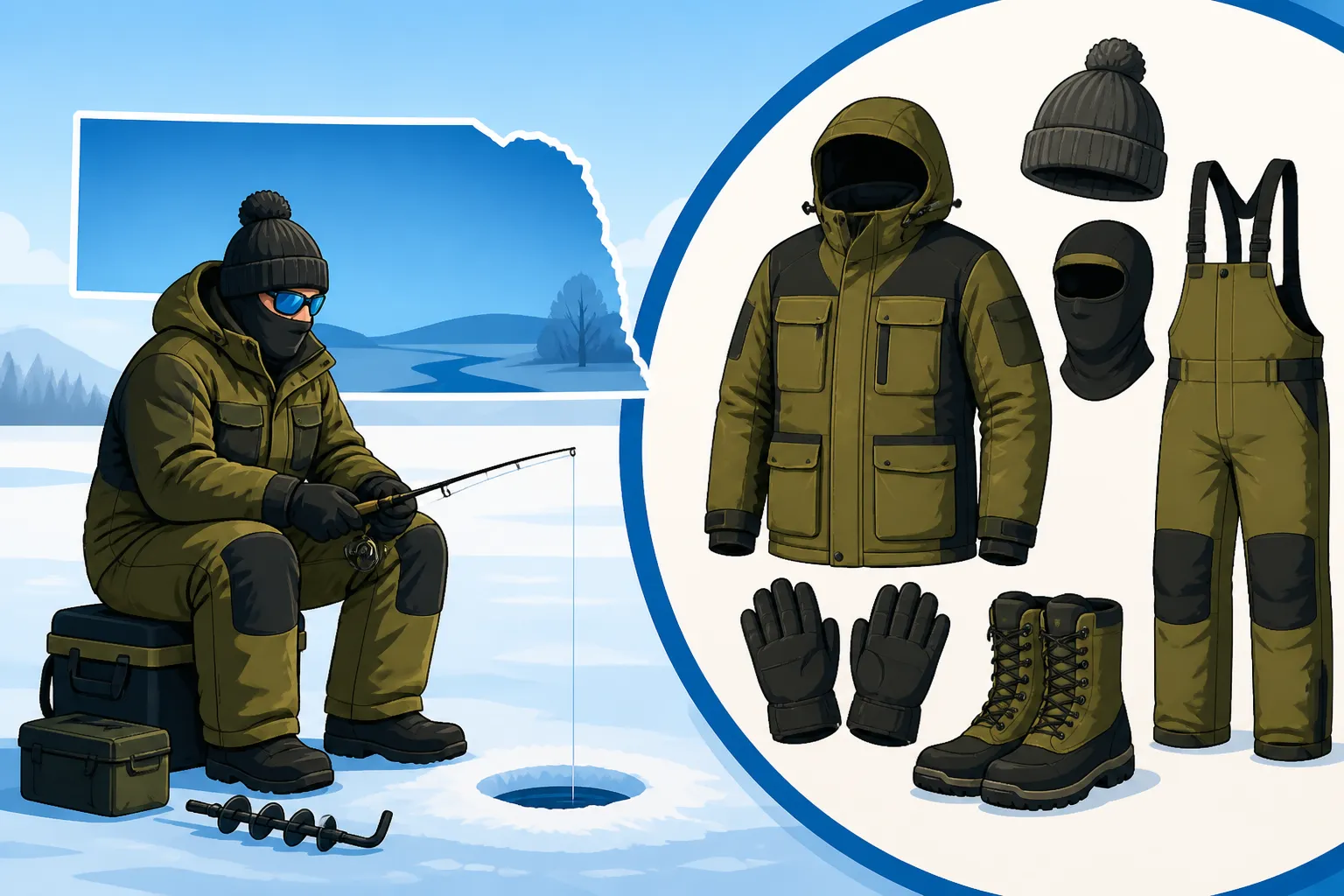
What to Wear Ice Fishing in Nebraska
There's nothing quite like the crisp, quiet solitude of a Nebraska winter day on the ice, but let's be honest, those serene moments can quickly turn miserable if you're not dressed for the brutally cold, often windy conditions. Many anglers have cut a great day short because they underestimated the bite of a prairie wind combined with sub-zero temperatures. This comprehensive guide is here to ensure you stay warm, comfortable, and safe, so you can focus on those flags and fish, not shivering.
Layering Up: The Golden Rule for Nebraska Ice Fishing
The single most important concept for staying warm and comfortable while ice fishing in Nebraska is layering. Our weather here can be wildly unpredictable. One hour you might have a gentle breeze and sunshine, the next a biting wind rips across the lake with snow squalls. Dressing in layers allows you to adapt to these rapid changes, adding or shedding clothing as needed to regulate your body temperature and prevent that clammy, cold feeling that creeps in when you start to sweat.
The Moisture-Wicking Base Layer: Your First Line of Defense
Think of your base layer as the foundation of your ice fishing wardrobe. Its primary job is not to make you warm, but to manage moisture. When you're drilling holes, setting tip-ups, or even just walking across the ice, your body generates heat and sweat. If that sweat stays against your skin, it cools down and draws heat away from your body, making you feel much colder than the air temperature suggests. This is why cotton is absolutely the enemy here – it absorbs moisture and holds it, turning into a cold, wet sponge.
Instead, opt for materials that actively wick sweat away from your skin. Synthetic fabrics like polyester blends are excellent and often quite affordable. Brands like Under Armour, Columbia, or even generic athletic wear you can find on Amazon, offer great options. Merino wool is another fantastic choice, though typically more expensive. It's naturally moisture-wicking, odor-resistant, and provides a surprising amount of warmth for its weight. For your base layer, you'll want both a long-sleeve top and long bottoms that fit snugly but aren't restrictive. A good rule of thumb is that if it feels comfortable against your skin and keeps you dry during a brisk walk, it's probably a good base layer for the ice.
Insulating Mid-Layers: Trapping That Precious Warmth
Once your moisture is managed, it's time to add warmth. This is where your mid-layers come in. Their job is to trap air, which acts as an insulator, keeping your body heat close. The beauty of multiple mid-layers is that you can adjust them. Feeling a little chilly? Add another fleece vest. Getting too warm while you’re walking to your spot? Take off that heavier jacket and stow it.
Fleece is a popular and effective choice for mid-layers. You can wear one or two fleece jackets or pullovers, depending on the severity of the cold. A good quality, thick fleece can make a huge difference. Another excellent option is a lightweight down or synthetic puffy jacket or vest. These offer incredible warmth for their weight and compress easily, making them perfect for packing into your gear bag. For your lower body, insulated pants, or even a second pair of thermal bottoms over your base layer, can be a lifesaver. Remember, if you're fishing in a portable ice fishing shelter, you might need fewer mid-layers when the heater is running, but you'll definitely appreciate having them handy when you first step out onto the frozen lake.
The Protective Outer Shell: Shielding Against Wind and Wet
Your outermost layer is your shield against the elements. In Nebraska, this means wind, snow, and sometimes even sleet or freezing rain. A good outer shell needs to be both windproof and waterproof (or at least highly water-resistant) to prevent the cold from penetrating your inner layers. This is arguably the most critical component for long-term comfort on the ice.
Many dedicated ice fishing suits, like those from Clam, Eskimo, or Striker, are designed specifically for these conditions. They often feature built-in insulation, flotation assistance (a huge safety bonus!), and reinforced knees and seats for durability. If a full suit isn't in your budget, a high-quality, insulated winter jacket paired with insulated, waterproof bibs or snow pants is essential. Look for features like sealed seams, adjustable cuffs, and a hood that can cinch down tight to protect your face from wind. Consider how easy it is to move in – you don’t want to feel like the Michelin Man when you’re trying to jig for walleye or set a new tip-up. Make sure your outer layer is roomy enough to accommodate all your base and mid-layers without feeling restrictive. You can find highly-rated, robust options on Amazon by checking for established outdoor gear brands.
Protecting Your Extremities: Head, Hands, and Feet
It's an old adage, but true: if your head, hands, and feet are cold, your whole body will feel it. These areas are particularly vulnerable to heat loss and frostbite, making proper protection absolutely non-negotiable for a successful and safe day of ice fishing.
Head and Neck Warmth: Don't Let the Heat Escape
You lose a significant amount of body heat through your head, especially when temperatures plummet and the wind howls. A good warm hat is paramount. A thick wool or fleece beanie that covers your ears is a minimum requirement. On really bitter days, consider adding a balaclava or a neck gaiter. A balaclava covers your entire head, neck, and often part of your face, leaving just your eyes exposed. A neck gaiter provides excellent warmth for your neck and can be pulled up over your chin and mouth when the wind picks up.
Layering for your head is also smart. You might start with a thinner skull cap under a heavier beanie, or use a neck gaiter in conjunction with a hooded outer jacket. This flexibility ensures you can seal out drafts and retain warmth, even during a relentless Nebraska winter storm.
The Two-Glove System for Hands: Dexterity Meets Warmth
Cold hands can quickly turn an enjoyable fishing trip into a frustrating ordeal. The "two-glove" system is a popular and effective strategy for ice anglers. The idea is to wear a thin pair of moisture-wicking liner gloves directly against your skin. These could be fleece, merino wool, or synthetic. They provide a bit of warmth and, more importantly, allow you to perform delicate tasks like tying knots, baiting hooks, or handling fish without exposing your bare skin to the freezing air.
Over these liner gloves, you'll wear a much heavier, waterproof, and insulated outer glove or mitten. Mittens generally offer more warmth than gloves because your fingers share body heat, but gloves offer better dexterity. Some anglers even use "fingerless" mittens that fold back to expose fingertips for tying knots. When you need to do something precise, you can briefly remove your outer gloves, perform the task with your liner gloves, and then quickly put the outer layer back on. Look for outer gloves that are specifically designed for ice fishing or extreme cold, often featuring a long cuff that goes over your jacket sleeve to prevent snow and wind from getting in. You can easily find various liner and outer glove combinations on Amazon.
Feet First: Insulated Boots and Layered Socks
Your feet are constantly in contact with the cold ice, making them incredibly susceptible to cold. Investing in proper footwear is one of the best decisions you can make for ice fishing. Forget your regular winter boots; you need dedicated insulated ice fishing boots, often called "pac boots." Look for boots rated for extremely low temperatures (e.g., -40°F to -100°F). These boots typically have thick rubber bottoms, waterproof uppers, and removable felt or synthetic liners that provide exceptional insulation. Brands like Baffin, Kamik, and Sorel are highly regarded for their cold-weather performance.
Just like with your clothing, layering your socks is crucial. Start with a thin pair of moisture-wicking socks (again, no cotton!) to keep your feet dry. Over these, wear a thick pair of wool or synthetic insulated socks. Avoid socks that are too tight, as they can restrict circulation and actually make your feet colder. Ensure your boots are roomy enough to accommodate these two layers of socks comfortably without pinching or squishing your feet. Good circulation is key to warm feet. Remember, while setting up your gear, you might be standing on the ice for extended periods, so having warm, dry feet will make all the difference in your enjoyment and stamina. To delve deeper into keeping your feet warm, you might check out our guide on Nebraska Ice Fishing Gear Setup.
Essential Gear Beyond Clothing for Winter Comfort
While this guide focuses on what to wear, a few pieces of non-clothing gear are so critical for comfort in Nebraska's icy conditions that they deserve a mention. These items significantly extend your stay and enhance your overall experience.
Portable Shelters and Heaters: Your Mobile Warm Zone
For many Nebraska ice anglers, especially those planning to spend more than an hour or two on the ice, a portable ice fishing shelter is an absolute game-changer. These can range from one-person flip-over shanties to larger pop-up shelters that comfortably fit multiple anglers. They provide an invaluable barrier against the relentless wind and drifting snow. Brands like Clam, Eskimo, and Otter make excellent shelters that are relatively easy to set up and take down.
Pairing your shelter with a portable propane heater, such as a Mr. Heater Buddy, transforms your cold fishing spot into a cozy, toasty haven. Even on the coldest days, you can often fish in just your base and mid-layers inside a heated shelter, making the experience vastly more comfortable. Just remember to always provide adequate ventilation when using a propane heater in an enclosed space to prevent carbon monoxide buildup. If you're looking for more details, our article on Best Ice Fishing Shelters for Nebraska Winters offers a comprehensive overview.
Traction and Safety Gear: Staying Safe on Slippery Ice
The ice in Nebraska can be incredibly slick, especially after a fresh dusting of snow or a light thaw and refreeze. Ice cleats or "spikes" that strap onto your boots are essential for maintaining traction and preventing dangerous slips and falls. There's nothing fun about landing hard on your back, especially when you're far from your vehicle.
Beyond traction, always consider safety. While not strictly clothing, a flotation suit (which often doubles as your insulated outer layer) offers buoyancy if you were to accidentally fall through the ice. Additionally, ice picks, which are two pointed handles connected by a cord that hangs around your neck, are crucial. If you do go through, you can use them to pull yourself back onto the ice. Understanding How Thick Ice Needs to Be to Fish Safely in Nebraska is also fundamental before you even venture out.
Putting It All Together: A Typical Nebraska Ice Fishing Outfit
Let's summarize a practical ice fishing outfit for a typical Nebraska winter day. Remember, you'll adjust these layers based on the actual temperature, wind chill, and whether you'll be in a heated shelter.
The Foundation:
- Base Layer: Synthetic or merino wool long-sleeve top and bottoms. (e.g., from a brand like Minus33 or Duofold, available on Amazon).
The Warmth Providers:
- Mid-Layer 1 (Light): A thin fleece pullover or shirt.
- Mid-Layer 2 (Heavy): A thicker fleece jacket or a lightweight down/synthetic puffy jacket.
- Lower Mid-Layer: Fleece pants or insulated sweatpants over your base layer.
The Outer Shell (Your Armor):
- Outer Jacket: Insulated, windproof, waterproof winter jacket with a hood (many ice fishing-specific jackets have these features).
- Outer Pants/Bibs: Insulated, windproof, waterproof bibs or snow pants, preferably with reinforced knees and seat. Consider a full flotation suit for added safety.
Extremity Protection:
- Head: Wool or fleece beanie, possibly with a balaclava or neck gaiter.
- Hands: Thin liner gloves beneath heavy, insulated, waterproof outer gloves or mittens.
- Feet: Thin moisture-wicking socks, topped with thick wool or insulated synthetic socks, all inside insulated ice fishing boots rated for extreme cold.
Essential Accessories:
- Ice cleats/traction aids for your boots.
- Ice picks (worn around your neck).
A Quick Checklist for Your Ice Fishing Wardrobe
To make it even easier, here's a table to help you keep track of your essential ice fishing attire.
| Layer Type | Item | Material/Features | Notes |
|---|---|---|---|
| Base Layer | Long-sleeve Shirt | Synthetic (polyester) or Merino Wool | Wicks moisture, snug fit, NO COTTON |
| Long Johns/Bottoms | Synthetic (polyester) or Merino Wool | Wicks moisture, snug fit, NO COTTON | |
| Mid-Layer | Fleece Jacket/Pullover | Fleece (various weights) | Traps air for warmth, easy to add/remove |
| Insulated Vest/Jacket | Down or Synthetic Puffy | Provides significant warmth, compressible | |
| Insulated Pants | Fleece or Insulated Snow Pants (optional, over base layer) | Extra warmth for legs | |
| Outer Layer | Insulated Winter Jacket | Windproof, Waterproof, Insulated (e.g., specialized ice fishing jacket/flotation suit) | Essential for protection from wind, snow, and cold |
| Insulated Bibs/Snow Pants | Windproof, Waterproof, Insulated (e.g., specialized ice fishing bibs/flotation suit) | Complete protection for lower body, often reinforced seat/knees | |
| Headwear | Beanie | Wool or Fleece | Covers ears, retains heat |
| Balaclava/Neck Gaiter (optional) | Fleece or Synthetic | Covers face/neck, crucial in extreme cold or wind | |
| Handwear | Liner Gloves | Thin Fleece, Merino Wool, or Synthetic | For dexterity, wears under outer gloves |
| Outer Insulated/Waterproof Gloves | Waterproof, Insulated, Long Cuff | Heavy-duty protection from cold and wet | |
| Footwear | Liner Socks | Thin Synthetic or Merino Wool | Wicks moisture from feet, NO COTTON |
| Insulated Socks | Thick Wool or Insulated Synthetic | Provides primary foot warmth | |
| Insulated Ice Fishing Boots | Waterproof, Rated for Extreme Cold (e.g., -40F or colder), Removable Liner | Essential for keeping feet warm and dry on ice | |
| Safety/Misc | Ice Cleats/Traction Aids | Straps onto boots | Prevents slips and falls on slick ice |
| Ice Picks | Worn around neck, easily accessible | Crucial for self-rescue if falling through ice |
Dressing appropriately for ice fishing in Nebraska isn't just about comfort; it's about safety. Hypothermia and frostbite are real risks. By taking the time to layer properly and invest in quality gear, you'll ensure that your days on the ice are memorable for the fish you catch, not the shivers you endure. So go ahead, bundle up, brave the elements, and enjoy all the amazing opportunities Nebraska's frozen waters have to offer! For even more tips on braving the elements, take a look at our full guide on Winter Fishing in Nebraska.
Disclaimer
Fishing regulations and safety guidelines can change. Always check the latest Nebraska Game and Parks Commission regulations before heading out on the ice. This guide provides general information and recommendations for staying warm while ice fishing, but individual comfort levels and specific weather conditions may vary. Prioritize safety and be prepared for rapidly changing weather.