Best Ice Fishing Shelters for Nebraska Winters
Oh, those Nebraska winters! When the lakes freeze over and the fishing bug bites, the thought of spending hours on the ice battling bitter winds and biting cold can quickly turn excitement into dread. Staying comfortable and warm out there isn't just about enjoyment; it's genuinely about extending your time on the ice and, more importantly, staying safe. This comprehensive guide will walk you through everything you need to know about choosing the best ice fishing shelters for enduring those notoriously harsh Nebraska conditions, ensuring your next hardwater adventure is productive and comfortable.
Understanding the Different Types of Ice Fishing Shelters
When you start looking at ice fishing shelters, you'll quickly realize there's a whole world of options out there, each designed for a slightly different kind of angler and fishing experience. From the minimalist who travels light to the dedicated ice camper, there's a shelter built to suit. Knowing the distinctions between these types is your first step in finding the perfect match for your Nebraska ice fishing adventures.
Flip-Over Shelters: The Mobile Angler's Dream
Flip-over shelters, often called flip-overs, are incredibly popular among anglers who like to stay mobile and cover a lot of ice. They're essentially a sled base with a collapsible tent frame and fabric attached. The beauty of these shelters is their speed and ease of setup: you simply "flip" the tent portion over the top of the sled, and you're ready to fish. When it's time to move, you flip it back, and everything packs neatly into the sled, which then becomes your transport for gear.
These shelters are fantastic for solo anglers or pairs, offering a compact footprint that’s easy to pull by hand, with an ATV, or a snowmobile. Many come with built-in seats that swivel or slide, adding to the convenience. While they are quick to deploy, their canvas material and frame mean they might not be as spacious or insulated as some other options, but for the angler who likes to "run and gun" across a frozen lake, they're hard to beat. You can often find a good selection of these at outfitters like Bass Pro Shops, where you can compare different brands and features.
Hub-Style Shelters: Spacious Comfort for Groups
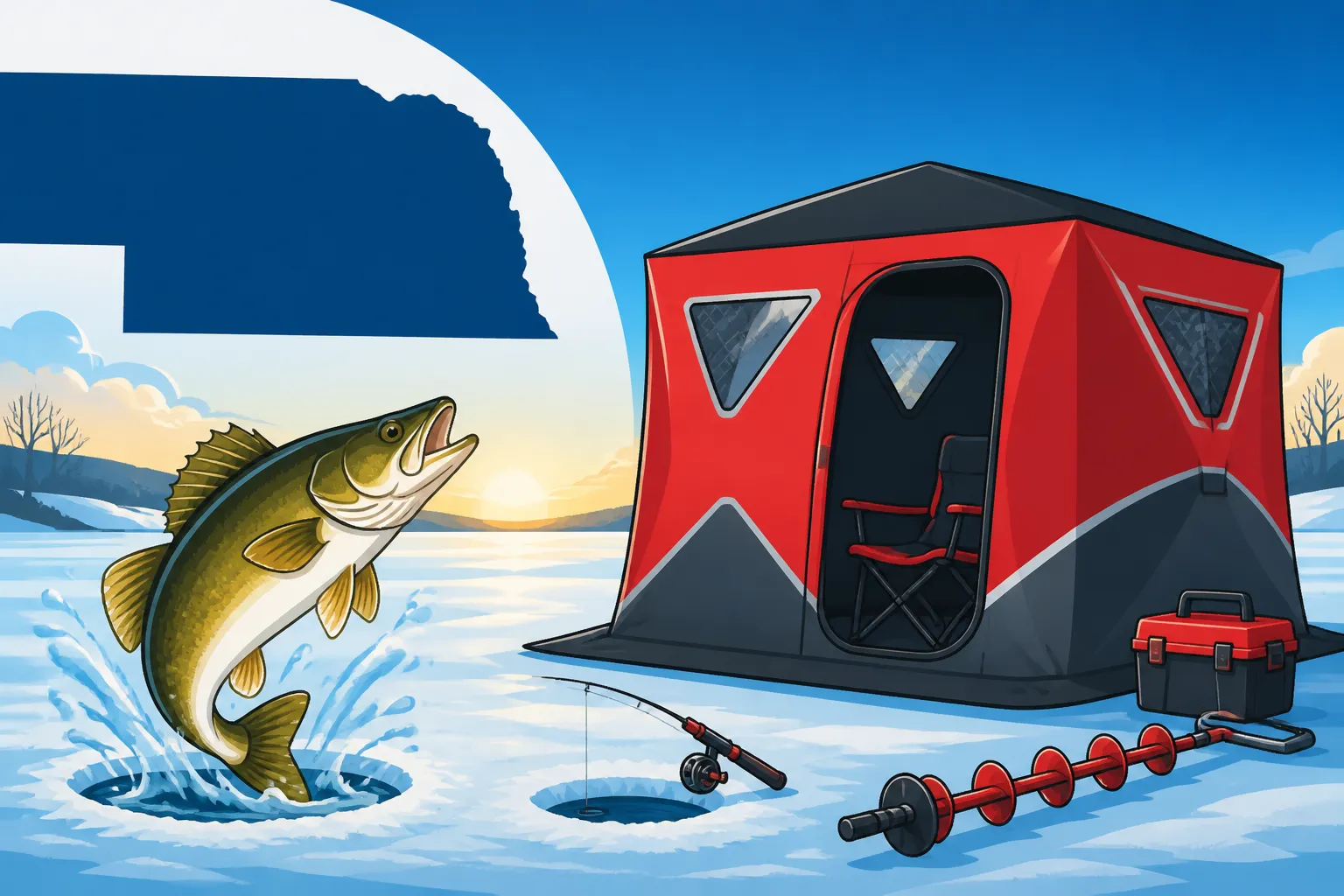
Hub-style shelters are the pop-up tents of the ice fishing world, offering impressive space and headroom once deployed. They get their name from the "hubs" that allow the walls to extend outwards, creating a cube-like structure. These are favored by groups of friends or families who want to share a comfortable space on the ice, or by solo anglers who simply appreciate a lot of elbow room for extra gear, a heater, and spreading out.
Setting up a hub shelter involves pulling out the hubs on each side, which extends the walls, and then securing it to the ice with anchors. While they take a little longer to set up than a flip-over, the extra space and often taller ceilings make them ideal for longer fishing sessions or when conditions are particularly blustery. They pack down into a relatively compact bag, making them portable despite their larger deployed size. If you're planning a full day out with the family or a few buddies, a hub-style shelter offers a great balance of portability and interior comfort.
Hard-Sided Shelters and Permanent Shanties: The Ultimate Base Camp
For those who treat ice fishing as a winter cottage experience, hard-sided shelters and permanent shanties are the pinnacle. These range from small, portable wooden or insulated plastic structures on skis to elaborate, trailer-mounted cabins complete with bunks, stoves, and even satellite TV. While they offer superior protection from the elements, maximum comfort, and often better insulation, their main drawback is their lack of portability. These aren't for the angler who moves spots frequently.
Hard-sided shelters are typically heavier and require a truck or ATV for transport. Once they're set up, they're meant to stay for the duration of your trip, or even the entire season in some designated areas, which is important to keep in mind regarding Nebraska Ice Fishing Regulations. They're perfect for anglers who have a go-to spot on a specific lake year after year and want to create a true home away from home. The investment in a hard-sided shelter usually means a long-term commitment to a particular style of ice fishing, prioritizing stability and amenities over quick moves.
Critical Factors for Choosing Your Nebraska Ice Fishing Shelter
Nebraska winters can be a real mixed bag. One day it's calm and chilly, the next you're battling howling winds and plummeting temperatures. That variability means your ice fishing shelter needs to be up to the task. Beyond just knowing the types, considering specific factors like size, insulation, portability, and overall durability will guide you to a shelter that truly stands up to what the Cornhusker State throws at you.
Size and Capacity: How Many Anglers, How Much Gear?
The first thing to consider is how many people you typically fish with and how much gear you bring. Are you a solo angler who enjoys the peace and quiet of the ice, or do you always hit the hardwater with a few buddies or the whole family? A single-person flip-over might be perfect if it’s just you, allowing you to maximize mobility. But try to squeeze three adults, a heater, multiple rods, a Best Portable Fish Finder for Ice Fishing, and a cooler into a one-man shelter, and you’ll quickly realize your mistake.
For groups, a 3-4 person hub-style shelter is often the sweet spot, providing ample room for everyone to fish comfortably without constantly bumping elbows. Think about seating arrangements, whether you'll be using chairs or benches, and how much floor space you'll need for drilling holes and managing your lines. Don't forget to factor in the bulk of a heater and any cooking equipment if you plan on making a meal on the ice. A little extra room can make a huge difference in comfort, especially on a long day.
Insulation and Wind Resistance: Battling Nebraska's Cold and Wind
This is where the rubber meets the road for Nebraska winters. Insulation is paramount. Many modern ice shelters feature thermal fabrics, which are essentially multiple layers of fabric with an insulating air pocket in between. This material drastically reduces heat loss and condensation, making it much easier to stay warm inside with a small heater. Without good insulation, you'll be burning through propane like crazy, and still feel the chill.
Equally important is wind resistance. Nebraska is known for its open prairies and strong winds, which can turn a mild day into a brutal one on a wide-open lake like Lake McConaughy or Merritt Reservoir. Look for shelters with sturdy frames (often aluminum or fiberglass poles), reinforced stitching, and a good skirting system that seals against the ice. A Best Ice Fishing Shelter for Windy Conditions will have robust ice anchors to keep it from taking flight. A shelter that flaps incessantly in the wind is not only noisy and annoying but also highly inefficient at retaining heat. Prioritizing these features will save you a lot of discomfort.
Portability and Weight: How You'll Get It On the Ice
Your chosen shelter's portability directly impacts your fishing style. If you like to be constantly on the move, drilling new holes and chasing schools of fish, a heavy, bulky shelter will quickly become a nuisance. Flip-over shelters, often integrated with a sled, are designed for quick relocation. Hub shelters pack into a carry bag and are relatively lightweight for their size, though they still require manual hauling or ATV transport. Hard-sided shanties, as mentioned, are a different beast entirely and aren't designed for portability.
Consider the weight of the shelter when fully packed. Will you be pulling it by hand, loading it onto a snowmobile, or putting it in the bed of your truck? The terrain of your favorite fishing spots, like the often snowy and uneven surfaces around Branched Oak Lake or Harlan County Reservoir, also plays a role. If you plan on hiking a distance, look for lighter materials and a design that distributes weight well in its carry bag. Ease of packing and unpacking is also key; fumbling with poles and fabric with numb fingers is no fun.
Durability and Materials: Built to Last Against the Elements
An ice fishing shelter is an investment, and you want it to last more than a season or two. Pay close attention to the quality of the materials used in its construction. This includes the tent fabric, the frame poles, zippers, and ice anchors. Look for heavy-duty denier fabrics that resist tears and abrasions. A higher denier count generally means a tougher fabric. Reinforced stress points, where poles connect or where anchors attach, are also crucial indicators of quality.
Corrosion-resistant materials for poles and hardware are a must, given the exposure to ice, snow, and moisture. Zippers are often a weak point in any outdoor gear, so seek out shelters with large, robust zippers that can be easily operated with gloved hands and won't snag or break when exposed to freezing temperatures. Checking reviews on sites like Amazon can offer insights into how specific models hold up over time and against challenging conditions. A durable shelter means fewer repairs and more seasons enjoying the hardwater.
Essential Features to Look for in an Ice Shanty
Beyond the basic type and core considerations, the specific features of an ice fishing shelter can dramatically enhance your experience on the ice. These are the details that often differentiate a good shelter from a great one, offering convenience, added comfort, and improved functionality. Thinking through these aspects will help you fine-tune your choice.
Windows and Ventilation: Airflow and Visibility
Windows in an ice shelter might seem like a small detail, but they're incredibly important. They allow natural light in, reducing the need for artificial lighting during the day. More importantly, they offer visibility to monitor tip-ups set outside your shelter or to simply enjoy the winter scenery. Look for shelters with clear, durable window material that won't crack in extreme cold and ideally, have covers that can be zipped down for privacy or to block out light for sight fishing.
Ventilation is absolutely critical, especially if you plan on using a portable heater inside your shelter. Carbon monoxide poisoning is a serious risk. Look for shelters with dedicated vents near the top, often adjustable, that allow for proper airflow. These vents help exhaust combustion byproducts from your heater and reduce condensation, keeping the interior drier and safer. Never operate a heater in a completely sealed shelter. Always ensure there's adequate fresh air circulation, even if it means sacrificing a tiny bit of warmth.
Doors and Entry Systems: Easy Access
The design of the door or entry system is something you might not think about until you're trying to get in and out with an armload of gear, or worse, a big fish. Flip-over shelters typically have a large front opening, while hub shelters usually feature multiple zippered doors on different sides, offering flexible entry and exit points. Consider the size of the opening: can you comfortably walk in and out, or will you be crawling? Larger openings are generally more convenient, especially when carrying equipment or wearing bulky winter clothing.
Look for doors with heavy-duty zippers that operate smoothly and won't freeze up. Some shelters incorporate a "no-trip" door design, which means the bottom edge of the door fabric lays flat on the ice, reducing the chance of tripping as you enter or exit. This might seem minor, but when you're bundled up and perhaps carrying a bucket of minnows, avoiding a stumble is a definite plus.
Floor Skirting and Anchoring Systems: Sealing Out the Cold
The skirting around the base of your ice shelter is more important than you might realize. This extra fabric extends out from the bottom of the shelter walls and is designed to be packed down with snow or ice, creating a seal. A good skirt prevents drafts from blowing in under the walls, which is a major source of heat loss and discomfort. It also helps to anchor the shelter more securely against strong winds.
Speaking of anchoring, a reliable system is non-negotiable in Nebraska. Ice anchors, which screw into the ice, are standard. Look for shelters that come with enough anchors for all sides and corners, and make sure they're robust and easy to deploy with cold hands or a drill adapter. Some shelters even include tie-down ropes for extra security in extreme conditions. A secure anchoring system ensures your shelter stays put, even when Mother Nature decides to throw a tantrum. You might even consider purchasing extra ice anchors as part of your Nebraska Ice Fishing Gear Setup.
Built-in Seating and Storage Pockets: Convenience on the Ice
Many flip-over shelters come with integrated seats, often benches or swivel chairs mounted to the sled. This is a huge convenience, as it means one less thing to carry. Consider the comfort and adjustability of these seats. Can they be moved out of the way when you're packing up or need more floor space?
Storage pockets, mesh netting, or gear hammocks inside the shelter are incredibly handy for keeping your smaller items organized and off the ice. This includes tackle boxes, gloves, hats, snacks, and even your phone. Preventing your gear from getting wet or lost in the snow is a big plus, and these small features make a real difference in the overall user experience.
Here’s a quick comparison of the main shelter types:
| Feature | Flip-Over Shelter | Hub-Style Shelter | Hard-Sided Shelter |
|---|---|---|---|
| Portability | Excellent (sled base) | Very Good (carry bag) | Limited (trailer/skis) |
| Setup Time | Very Fast (seconds to minutes) | Moderate (5-15 minutes) | Slow (hours for initial setup, then quick) |
| Insulation | Good (often thermal) | Excellent (often thermal) | Superior (can be fully insulated) |
| Wind Resistance | Good (low profile) | Good (requires good anchoring) | Excellent (heavy, stable) |
| Capacity | 1-3 Anglers | 2-8+ Anglers | 2-10+ Anglers |
| Comfort | Basic to Good (built-in seating) | Good to Excellent (spacious, room for heater) | Superior (furnishings, amenities) |
| Cost Range | Moderate | Moderate | High |
| Ideal For | Mobile, "run-and-gun" anglers | Groups, longer stays, base camp | Permanent/semi-permanent setups, ultimate comfort |
Setting Up and Taking Down Your Ice Fishing Sanctuary
Once you've chosen your perfect ice fishing shelter, knowing how to efficiently set it up and, just as importantly, take it down and pack it away, is crucial. Fumbling with poles and frozen fabric in the cold can be incredibly frustrating. A smooth process means more time fishing and less time wrestling with your gear.
Quick and Efficient Setup Techniques
For flip-over shelters, the name says it all: you essentially "flip" the tent over the sled. First, position your sled where you want it. Then, simply extend the poles and pull the fabric canopy over, securing any quick-clips or tension straps. The key here is practice. Do it a few times in your backyard before you hit the ice, especially if it's a new shelter. Ensure your seats are in the right position and that the fabric is fully deployed and taut to prevent flapping in the wind. Many flip-overs can be set up in under a minute with a bit of experience.
Hub-style shelters require a bit more effort but are still quite straightforward. Start by laying the collapsed shelter flat on the ice. Then, typically, you'll extend the roof hub first, followed by each of the wall hubs. You'll hear distinct clicks as the poles lock into place. Once the frame is expanded, secure the shelter to the ice using the provided anchors. This usually involves screwing them into the ice, often with the aid of a cordless drill adapter, which is a fantastic time-saver, especially if you also need to How to Auger Through Thick Ice. Finally, pack snow around the skirting to seal out drafts. With practice, a large hub can be up and secure in about 5-10 minutes.
Mastering the Teardown and Packing Process
Taking down your shelter is essentially the reverse of setting it up, but with a few extra considerations. For flip-overs, release any tension straps and carefully fold the fabric back into the sled. Make sure all loose items are secured within the sled before you start pulling it. It’s always a good idea to ensure the fabric is as dry as possible to prevent freezing later, though this isn't always feasible in sub-zero temps.
For hub shelters, un-anchor the shelter first. Then, collapse each hub, starting with the walls and then the roof. Be gentle to avoid bending poles or damaging the hub mechanisms. Once collapsed, fold the fabric neatly. This is where a little discipline pays off; a neatly folded shelter fits much better into its storage bag than a haphazard lump. Try to get as much air out of the fabric as possible before zipping up the bag. If the fabric is wet, try to air it out at home as soon as possible to prevent mold and mildew. This proactive approach will extend the life of your gear.
Caring for Your Shelter: Maintenance and Storage for Longevity
Your ice fishing shelter takes a beating out on the ice, from extreme cold and wind to slush and mud. Proper care and maintenance are crucial not only for ensuring it performs well season after season but also for protecting your investment. A little effort after each trip can prevent major headaches down the line.
Post-Trip Cleaning and Drying
The most important maintenance step you can take after every ice fishing trip is to thoroughly clean and dry your shelter. When you get home, ideally, set the shelter up in a garage or basement where it can fully expand and air out. Brush off any remaining snow, slush, or mud. If the fabric is particularly dirty, a gentle wipe-down with a damp cloth and mild soap (avoid harsh chemicals) can do wonders. Pay special attention to the skirting, which often collects the most grime.
Drying is paramount. Packing away a damp shelter is a recipe for mold, mildew, and a nasty smell that will greet you on your next trip. It can also cause fabric to degrade faster. Even if it feels dry to the touch, let it air out for at least 24-48 hours. If possible, keep a fan running to aid air circulation. This meticulous drying process might seem like a chore, but it dramatically extends the life of your shelter and keeps it smelling fresh.
Repairing Minor Wear and Tear
Even the most durable shelters will eventually show signs of wear and tear. Small holes or tears in the fabric are common, especially from errant auger blades or sharp ice. Keep a patch kit handy for quick repairs. Many outdoor gear stores, or even online retailers like Amazon, sell fabric repair tape or adhesive patches designed for outdoor gear. For larger tears, a sewing machine with heavy-duty thread or professional repair can save your shelter.
Zippers are another common failure point. If a zipper starts to stick or separate, try cleaning it and applying a zipper lubricant. If teeth are missing or the slider is broken, it might be time for a professional repair. Don't let minor issues escalate into major problems; addressing them promptly will keep your shelter functional and extend its lifespan. For tips on other gear care, check out How to Maintain a Baitcasting Reel for related insights on equipment longevity.
Off-Season Storage Best Practices
When the ice melts and the open water season begins, proper off-season storage is key. Ensure your shelter is completely clean and dry before putting it away for the summer. Store it in a cool, dry place, away from direct sunlight, which can degrade fabric over time. Attics can get too hot, and damp basements can encourage mold, so a garage or dedicated storage closet is often best.
If your shelter has a sled base or a hard-sided structure, consider elevating it slightly off the ground to prevent moisture wicking. For hub shelters in bags, avoid stacking heavy items on top of them, as this can bend poles or damage the fabric. Taking these storage precautions ensures that when winter rolls around again, your ice fishing shelter will be in prime condition, ready for your next adventure on a frozen Nebraska lake.
Prioritizing Safety When Using an Ice Fishing Shelter
An ice fishing shelter provides incredible comfort and protection, but it also introduces specific safety considerations that every angler must be aware of, especially when fishing in the unpredictable conditions of a Nebraska winter. Ignoring these can turn a pleasant day into a dangerous situation.
Carbon Monoxide Safety
This is perhaps the most critical safety concern when using an enclosed ice shelter with a heater. Heaters that burn propane or other fossil fuels produce carbon monoxide (CO), an odorless, colorless, and highly toxic gas. Even a small buildup can lead to serious illness or death. Always use a portable carbon monoxide detector in your shelter. These devices are inexpensive and can be purchased at most hardware stores or online, and they are truly life-savers.
Beyond a detector, ensure ample ventilation. Never seal your shelter completely, even on the coldest days. Keep vents open, and consider cracking a door or window slightly to allow fresh air exchange. If you start to feel drowsy, nauseous, or get a headache, immediately exit the shelter and get fresh air. Do not re-enter until the shelter has been thoroughly ventilated and the CO level is safe. Your health and safety are far more important than a few degrees of warmth.
Fire Prevention and Heater Placement
Heaters also pose a fire risk. Always follow the manufacturer's instructions for your specific heater model. Ensure the heater is placed on a stable, non-flammable surface, away from any flammable materials like your clothing, sleeping bags, or the shelter fabric itself. Never leave a heater unattended, especially overnight.
Be cautious when refueling propane tanks inside the shelter; it's best to do this outdoors to avoid gas buildup. Check hoses and connections regularly for leaks. Keep a small, functional fire extinguisher in your shelter, especially if you're using larger heaters or cooking equipment. It's better to have it and not need it than to need it and not have it.
Anchoring and Wind Storms
Nebraska's open landscapes mean wind can pick up suddenly and violently on the ice. A poorly anchored shelter can become a kite in a strong gust, not only getting destroyed itself but also potentially causing injury or damage as it blows across the ice. Always use all the provided ice anchors, screwing them firmly into the ice. If conditions are particularly windy, consider adding extra anchors or guy lines.
Before venturing onto the ice, check the weather forecast for strong wind warnings. If winds are predicted to be extreme, it might be safer to reschedule your trip, especially if you have a lightweight hub-style shelter. If a sudden windstorm hits while you're out, remain calm, ensure your shelter is as secure as possible, and if necessary, quickly break down your shelter and seek a more protected area or exit the ice. For broader safety advice, refer to Nebraska Ice Fishing Safety Tips.
Ice Thickness and Conditions
While the shelter itself offers protection from the elements, it's paramount to remember you're still on a frozen body of water. Always verify How Thick Ice Needs to Be to Fish Safely in Nebraska before venturing out, and continue to monitor conditions throughout your trip. Ice thickness can vary, even on the same body of water, and thin spots can exist near currents, springs, or pressure ridges.
Be aware of changing weather conditions, such as warm fronts or heavy snowfall, which can compromise ice stability. If you're using a heavy, hard-sided shanty, ensure the ice can safely support its weight for the entire duration of your stay. Never take risks with ice safety; when in doubt, stay off the ice. It’s always better to be safe than sorry.
Disclaimer
This article is for general informational purposes only and does not constitute professional advice. Laws, prices and regulations vary by location and change over time. Consult a qualified professional for guidance on your specific situation.