Best Catfish Gear for Nebraska Rivers
Trying to wrangle a trophy catfish from the powerful currents and snags of a Nebraska river can feel like an impossible task if you don't have the right equipment. Many anglers get frustrated losing fish or breaking gear because they haven't tailored their setup to the unique challenges of river catfishing. This comprehensive guide will walk you through all the essential gear you need, from rods and reels to specialized accessories, ensuring you're well-equipped to conquer the Cornhusker State's flowing waters and land those impressive whisker fish.
Understanding Nebraska River Catfish and Their Habitat
Before we dive into the gear, it's crucial to understand the stars of the show and where they like to hang out. Nebraska's rivers offer a rich, dynamic environment, and knowing your quarry and their preferred haunts will make all your gear choices much more effective. Without this foundational knowledge, even the best equipment can fall short.
The Different Catfish Species in Nebraska Rivers
When you cast into a Nebraska river, you're primarily targeting two fantastic species: the channel catfish and the flathead catfish. Occasionally, you might encounter a blue catfish, particularly in the lower Missouri River, but channels and flatheads are your main game.
Channel catfish are incredibly abundant and widespread throughout Nebraska's river systems. They're often seen as the bread and butter of river catfishing, known for their strong fight and delicious fillets. Channels are omnivores, meaning they'll eat just about anything – live bait, cut bait, prepared baits, even some artificial lures. They prefer areas with moderate current, structure like fallen trees, brush piles, or rock formations, and deeper holes. A medium-heavy rod and reel setup is usually perfect for these feisty fighters. They're scavengers by nature, so they're often found patrolling the river bottom looking for an easy meal.
Flathead catfish, on the other hand, are a different beast entirely. These are the true river monsters, known for their immense size and powerful, bulldogging fights. Unlike channel cats, flatheads are almost exclusively piscivores – they prefer live bait, and typically, the bigger, the better. They are ambush predators and will lie in wait in heavy cover, like log jams, undercut banks, or deep holes with submerged timber, waiting for an unsuspecting meal to swim by. Targeting flatheads requires heavier gear and a patient approach. They are less about scavenging and more about pure predatory instinct. The thought of hooking into one of these giants is what keeps many anglers coming back to the river.
Prime River Habitats and Structure
Nebraska rivers, from the mighty Missouri to the winding Platte and smaller tributaries, are complex ecosystems with distinct features that attract catfish. Understanding these structures is key to knowing where to drop your line.
Deep Holes and Eddies: Catfish, especially in warmer months or during strong currents, love to congregate in deeper holes or in eddies where the current slows down, allowing them to rest and ambush prey without expending too much energy. Look for these areas downstream from bends, sandbars, or bridge pilings. The water here provides both refuge and a natural funnel for food. A good fish finder can certainly help you pinpoint these spots, but old-fashioned river reading skills—looking for changes in current flow, depth, and water color—are invaluable.
Submerged Structure: This is catfish heaven. Fallen trees, log jams, rock piles, bridge pilings, and even old submerged cars or farm equipment create perfect ambush points and current breaks. Flatheads, in particular, are almost always found in or very near heavy cover. Fishing these areas can be challenging due to snags, but the reward often outweighs the risk. Channel catfish also use these areas, especially if there's a good current seam nearby. When you spot a massive log jam, think of it as a five-star hotel for flatheads.
Current Seams and Drop-offs: Where fast current meets slow water, or where a shallow flat drops off into a deeper channel, you'll find current seams. These are prime feeding zones because baitfish get disoriented in the turbulent water, making them easy targets. Catfish will sit in the slower water, just out of the main current, waiting for food to wash past. Drop-offs also provide easy access to different depths and temperatures, which can be crucial during changing weather conditions. Knowing how to read the river and identify these seams and breaks in flow is a learned skill that pays huge dividends.
Seasonal Catfish Behavior in Rivers
Catfish behavior changes significantly throughout the year, influenced by water temperature, current, and spawning cycles. Adapting your gear and tactics to the season is essential for consistent success.
Spring (Pre-Spawn): As river temperatures rise in spring, catfish become very active and hungry after a winter of slower metabolism. They'll start moving out of their deep wintering holes and into shallower feeding areas. This is a fantastic time for both channel and flathead catfish. Channels might be found on flats or along current breaks, while flatheads will be cruising the edges of cover, bulking up before the spawn. Focus on areas where warming water is present and baitfish are congregating. The fish are often aggressive, making them more willing to chase down a bait.
Summer (Spawn and Post-Spawn): The spawn typically occurs when water temperatures reach a certain threshold, often in late spring to early summer. During the actual spawn, fishing can be a bit tougher as fish are focused on reproduction. Flatheads often nest in hollow logs or undercut banks, becoming very territorial. After the spawn, however, catfish go on a feeding frenzy to recover. They'll spread out throughout the river, often holding in deeper holes, around heavy cover, or along current seams during the heat of the day. Night fishing becomes incredibly effective in the summer as catfish are more active when water temperatures cool. How to Fish Overnight for Catfish details some great strategies for those warm summer nights.
Fall (Pre-Winter): As water temperatures begin to drop in the fall, catfish will once again go on a strong feeding binge to put on fat reserves for the winter. They'll start to move into deeper areas and concentrate around major river structures. This can be an excellent time to catch large numbers of fish, as they're actively seeking out food. Focus on deep holes, channel bends, and the downstream sides of wing dams. The cooler water means they'll be more comfortable feeding throughout the day.
Winter: River catfishing slows down significantly in winter as catfish become lethargic and seek out the deepest, most stable water available. They'll often school up in large numbers in deep holes, slack water areas, or below dams where the current is minimal and water temperatures are slightly warmer. While less active, they can still be caught, often requiring slower presentations and baits right on the bottom. Ice fishing isn't common for river catfish due to moving water, but fishing open water areas like tailraces below dams can still produce.
Essential Rod and Reel Setups for River Catfishing
Choosing the right rod and reel is foundational to successful river catfishing. The brutal power of river current, the heavy structure, and the sheer strength of a big flathead demand specialized gear that can handle the abuse. Don't skimp here; a cheap setup will lead to frustration. Best Rod Setup for Nebraska Catfish goes into even more detail on this topic.
Rod Power, Action, and Length Considerations
When it comes to catfish rods for river fishing, "beefy" is the keyword. You need a rod that can withstand powerful runs, pull fish out of snags, and handle heavy weights and baits.
Power: This refers to a rod's lifting strength. For most Nebraska river catfishing, you'll want a medium-heavy (MH) to heavy (H) power rod.
- Medium-Heavy (MH): Ideal for channel catfish and smaller flatheads, especially when fishing with moderate current and lighter weights. It offers a good balance of sensitivity for detecting bites and backbone for fighting fish. This is a versatile choice if you're targeting a mixed bag of channels and smaller flatheads.
- Heavy (H): This is your workhorse for larger flatheads, strong currents, and heavy cover. A heavy power rod provides the brute strength needed to turn a big fish away from a log jam or pull it out of a deep hole. If trophy flatheads are your primary target on big rivers like the Missouri or Platte, a heavy power rod is non-negotiable.
Action: This refers to where the rod bends.
- Moderate Fast to Fast Action: These are generally preferred for catfishing. A fast action rod bends mostly in the tip, offering excellent sensitivity for bite detection and quick hook sets. A moderate-fast action bends a bit further down the blank, providing a good blend of sensitivity and parabolic bend for absorbing powerful runs, which is especially helpful with larger fish or when using heavy weights that might tear out a hook with too stiff a rod. Avoid ultra-fast or slow actions; you need a good balance of power and give.
Length: Rod length affects casting distance and leverage.
- 7 to 8 feet: This range is popular for river catfishing from both bank and boat. Longer rods (7'6" to 8' and sometimes even longer) excel at casting heavy baits and weights a good distance, which is often necessary when fishing from the bank. The added length also provides better leverage when fighting a strong fish in current and helps keep your line out of the water somewhat, reducing current drag. Shorter rods (around 7 feet) can be more manageable in tight boat quarters or when making shorter, more precise casts.
Many reputable brands offer dedicated catfishing rods. Look for durable blanks, strong guides, and comfortable, non-slip handles. Brands like Ugly Stik, with their GX2 series, or Berkley Big Game rods, are known for their toughness and affordability, making them great options for the demands of river catfishing. You can often find a good selection at stores like Bass Pro Shops or Cabela's, where you can feel the rods in person.
Choosing the Right Reel for River Battles
Just like rods, catfish reels need to be robust and built to handle serious stress. You'll primarily choose between spinning and baitcasting reels, each with its advantages.
Baitcasting Reels (Conventional Reels): These are often the preferred choice for serious river catfishing, especially when targeting flatheads or fishing with heavy weights and strong currents.
- Strength and Torque: Baitcasters are designed for heavy lines and offer superior cranking power and torque, making it easier to reel in heavy rigs and control large fish. The direct line pull also gives you more control during a fight.
- Line Capacity: They typically hold much more heavy line than spinning reels of a comparable size, which is crucial for long casts or when a big fish makes a powerful run downstream.
- Durability: Quality baitcasters are built to withstand the abuse of heavy-duty fishing. Look for models with strong metal frames, smooth and powerful drag systems, and a reliable retrieve.
- Learning Curve: They do have a bit of a learning curve, especially with casting (backlashes are common for beginners), but the control and power they offer are unmatched once mastered.
Spinning Reels: While often associated with lighter tackle, larger, heavy-duty spinning reels can certainly be used for river catfishing, particularly for channel cats and smaller flatheads.
- Ease of Use: Spinning reels are much easier to cast for beginners and are less prone to backlashing, making them a great option if you're just starting out or prefer a simpler setup.
- Versatility: A large, durable spinning reel paired with a medium-heavy rod can be a very versatile setup for general river fishing.
- Drag System: Modern spinning reels have very smooth and powerful drag systems, capable of handling strong fish.
- Considerations: Ensure you choose a heavy-duty model with a large spool for sufficient line capacity (size 6000 or larger is often recommended) and a strong, smooth drag. Lighter spinning reels will quickly fail under the strain of a big river cat.
Regardless of your choice, look for reels with a robust construction, a smooth and reliable drag system that can be precisely adjusted, and a comfortable handle. Gear ratios are less critical than overall power and drag; a medium retrieve ratio (around 4.5:1 to 5.5:1) is generally sufficient for catfishing, offering a good balance of speed and power. Checking out reviews on sites like Amazon for specific models can help narrow down options.
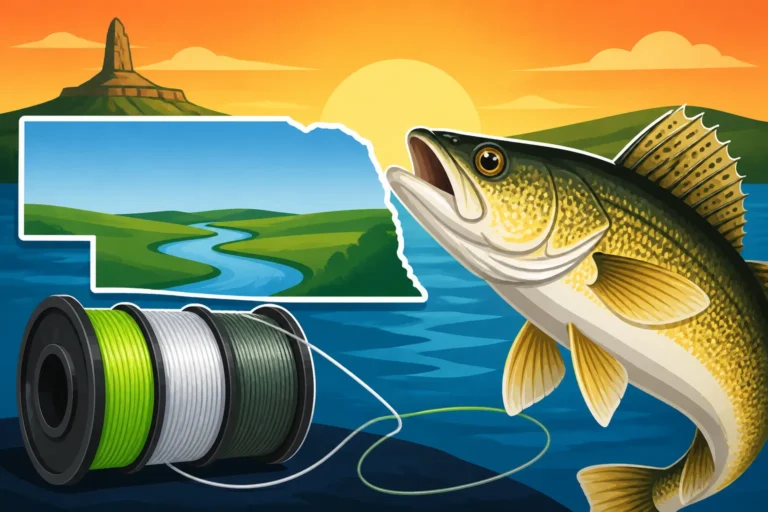
Recommended Line Types and Strengths
Your fishing line is the critical link between you and the fish, and in river environments, it faces significant abrasion, current stress, and the brute force of powerful fish. Choosing the right line is paramount.
Monofilament (Mono):
- Stretch: Mono has inherent stretch, which can act as a shock absorber, helping to prevent hooks from tearing out of a fish's mouth during powerful headshakes and runs. This forgiveness can be a huge advantage.
- Abrasion Resistance: While generally good, it's not as abrasion-resistant as fluorocarbon or braided lines against sharp rocks and submerged timber.
- Visibility: It's more visible in the water than fluorocarbon, but for bottom-feeding catfish, this is often less of an issue.
- Buoyancy: Mono is more buoyant than other lines, which can be a factor in heavy current, but it’s often used effectively.
- Strength: For channel cats, 15-25 lb test is usually sufficient. For flatheads, you'll want to jump up to 30-50 lb test.
Braided Line (Braid):
- No Stretch: Braid has almost no stretch, providing incredible sensitivity to detect the lightest bites, even in strong current, and delivering powerful, immediate hook sets. This sensitivity is a major benefit.
- Incredible Strength and Thin Diameter: For its diameter, braided line is incredibly strong. You can use a lighter diameter braid (e.g., 50 lb test braid has the diameter of 12-15 lb mono) allowing for longer casts and cutting through current more efficiently. This thinness helps reduce drag in heavy flows.
- Superior Abrasion Resistance: High-quality braids are very abrasion-resistant, crucial when fishing around snags and rocks.
- Visibility: Braid is highly visible in the water, so many anglers use a monofilament or fluorocarbon leader (see below) to connect their hook to the main line, especially in clearer water.
- Strength: For serious river catfishing, 50-80 lb test braid is common, especially when targeting large flatheads. Best Braided Line for Catfish Fishing offers even more insights.
Fluorocarbon (Fluoro):
- Low Visibility: Fluoro is nearly invisible underwater, making it excellent for leaders, especially in clearer river sections.
- Abrasion Resistance: It has excellent abrasion resistance, making it a good choice for leaders in snag-filled environments.
- Sink Rate: It sinks faster than mono, which can be beneficial for keeping your bait on the bottom in current.
- Cost: It's typically more expensive than mono.
- Use as a Leader: While some anglers use fluorocarbon as a main line, its stiffness and cost often make it better suited as a leader material paired with braided main line (e.g., 20-50 lb test for leaders).
Many experienced river catfishermen opt for a braided main line (e.g., 50-80 lb test) for its strength, sensitivity, and abrasion resistance, then tie on a 2-3 foot leader of heavy monofilament or fluorocarbon (e.g., 30-60 lb test) to absorb shock, provide a bit more stretch, and offer some invisibility near the bait. This combination gives you the best of both worlds.
Terminal Tackle: Hooks, Weights, and Swivels
Once you've got your rod, reel, and line sorted, it's time to focus on the business end of your setup: the terminal tackle. This is where your bait meets the fish, and selecting the right components can mean the difference between a successful hook-up and a missed opportunity, especially in the challenging environment of a river.
Selecting the Best Hooks for Catfish
Catfish have tough mouths and powerful jaws, requiring strong, sharp hooks that can penetrate and hold. The type of hook largely depends on the bait and the species you're targeting.
Circle Hooks: These are arguably the most popular and effective hooks for catfishing, especially when targeting larger fish or practicing catch and release.
- Self-Setting Design: The unique shape of a circle hook is designed to hook the fish in the corner of its mouth as it tries to swim away, usually without needing a forceful hook set from the angler. This leads to fewer gut-hooked fish, which is crucial for fish health and survival if you intend to release them.
- Strong Hold: Once set, they provide an incredibly strong hold, rarely coming unbuttoned during a fight.
- Sizes: For channel catfish, sizes ranging from 2/0 to 6/0 are common. For flatheads and larger channels, you'll want to go bigger, from 7/0 up to 10/0 or even 12/0, especially with larger cut baits or live baits. Look for heavy-duty, strong wire hooks.
J-Hooks (Offset or Kahle Hooks): While circle hooks are preferred, some anglers still use J-hooks, particularly for certain live bait presentations or if they prefer to actively set the hook.
- Active Hook Set: With a J-hook, you need to actively set the hook when you feel a bite. If you're too slow, fish can swallow the hook, making release difficult or fatal.
- Versatility: They work well with various baits, especially if you're threading live bait.
- Sizes: Similar sizing to circle hooks applies (2/0 to 12/0), depending on the target species and bait size. Ensure they are extra strong and sharp.
When selecting hooks, always prioritize sharpness and strength. Catfish can bend weak hooks, and a dull hook will result in missed bites. Best Hook Size for Channel Catfish further details common hook sizes.
Understanding Weights and Their River Applications
River currents are relentless, and getting your bait to stay put on the bottom in the strike zone requires appropriate weighting. The type and weight of sinker you use will depend heavily on the current speed and depth.
No-Roll Sinkers: As the name suggests, these are designed to resist rolling in the current. Their flat or pyramid shape digs into the river bottom, keeping your bait in place.
- Best Use: Excellent for moderate to strong currents, often used in conjunction with a three-way swivel or a slip-sinker rig.
- Weights: You'll typically need weights from 1 oz up to 6 oz or more, depending on the current. Don't be afraid to go heavy; if your bait is constantly moving, it's not fishing effectively.
Flat Pyramid Sinkers: Similar to no-rolls, these pyramid-shaped sinkers have a flat side that helps them hold against the current. They're a classic for river fishing.
- Best Use: Very effective in strong currents and sandy or gravelly bottoms where they can dig in.
- Weights: Again, 1 oz to 6 oz+ are common.
Egg Sinkers / Slip Sinkers: These round or oval weights allow your line to "slip" through them. When a fish bites, it feels minimal resistance, allowing it to take the bait more naturally.
- Best Use: Great for calmer sections of rivers or when targeting finicky fish. They are usually employed in a "Carolina rig" style, where the line runs through the sinker, then a bead, then a swivel, and finally a leader to the hook.
- Weights: Lighter weights (1/2 oz to 3 oz) are more common, but heavier ones can be used in moderate current. They will roll in strong currents, so they are not always ideal for high flow situations.
Coin Weights/Disk Sinkers: These very flat, disk-shaped weights are designed to spread out on the bottom, offering maximum resistance to rolling in current.
- Best Use: When you absolutely need your bait to stay put in very strong currents, these can be superior to pyramids or no-rolls.
- Weights: Available in a range of heavier weights.
Always carry a variety of sinker types and weights. River conditions can change rapidly, and having options will allow you to adapt. A common mistake is using too light of a weight, resulting in your bait continually drifting out of the strike zone.
Swivels, Leaders, and Other Essential Rigging Components
These often-overlooked components are vital for a strong, reliable catfishing rig. They prevent line twist, protect your main line, and ensure your bait is presented effectively.
Barrel Swivels/Ball Bearing Swivels:
- Purpose: Swivels are primarily used to prevent line twist, especially when using baits that spin or when fishing in current. They also create a break point between your main line and your leader in a slip-sinker rig.
- Strength: Choose heavy-duty swivels rated for the same or higher breaking strength than your main line. Cheap swivels will fail under the strain of a big catfish. Ball-bearing swivels offer superior anti-twist action but are usually more expensive.
Snap Swivels:
- Purpose: These have a snap clip on one end, allowing for quick changing of weights or leaders.
- Caution: While convenient, the snap can be a weak point if not properly closed or if it's a cheap component. Many serious catfishermen avoid them in favor of strong barrel swivels.
Leaders: As mentioned with line types, a leader is often tied between your main line and the hook.
- Material: Heavy monofilament or fluorocarbon (30-60 lb test) is common. Monofilament offers more stretch and is often preferred for its shock-absorbing qualities.
- Length: Typically 18 inches to 3 feet, depending on the rig and current. A longer leader allows your bait to move more naturally.
- Abrasion Protection: Leaders take the brunt of the abuse from snags and catfish teeth/rasps, protecting your expensive main line.
Beads: Small plastic beads are crucial when using a slip-sinker rig.
- Purpose: They protect the knot where your main line attaches to your swivel from the abrasive action of the sliding sinker. Without a bead, your knot will quickly wear out and break.
Glow Sticks/LED Lights: For night fishing, attaching a small glow stick or an LED light to your rod tip or line can help you detect subtle bites in the dark. Catfish are incredibly active at night, and these simple additions can dramatically increase your success. How to Fish Overnight for Catfish discusses this further.
A typical river catfishing rig might consist of your main braided line, a slip-sinker (no-roll or pyramid), a bead, a heavy-duty barrel swivel, and then an 18-36 inch monofilament leader tied to a large circle hook. This setup offers sensitivity, abrasion resistance, and a natural bait presentation.
| Component | Primary Function | Common Sizes/Strengths (Catfishing) | Notes |
|---|---|---|---|
| Circle Hooks | Self-setting, mouth corner hook-ups | 2/0 – 12/0 (heavy wire) | Prioritize sharp, strong wire. |
| J-Hooks | Active hook set, versatile for various baits | 2/0 – 12/0 (extra strong) | Risk of gut-hooking, requires attention. |
| No-Roll/Pyramid Sinkers | Hold bait on bottom in current | 1 oz – 6 oz+ (depending on current) | Essential for river fishing. |
| Egg/Slip Sinkers | Minimal resistance to biting fish | 1/2 oz – 3 oz (for lighter current/still water) | Use with a bead to protect knots. |
| Barrel Swivels | Prevent line twist, connect main line to leader | Rated for 50-100+ lb test | Choose heavy-duty for strength. |
| Monofilament Leader | Shock absorption, abrasion resistance | 30-60 lb test | Length 18"-36". |
| Fluorocarbon Leader | Low visibility, abrasion resistance | 30-60 lb test | Great for clear water situations. |
| Beads | Protect knots from sliding sinkers | Small plastic, durable | Essential for slip-sinker rigs. |
Baits That Drive Nebraska River Catfish Wild
Having the right gear is one thing, but presenting a bait that catfish can't resist is another. Nebraska river catfish are opportunistic feeders, but knowing their preferences can significantly increase your catch rate. Forget fancy lures; for big river cats, it's all about scent and authenticity. Best Bait for Nebraska Catfish offers a deep dive into bait selection.
Natural Baits: Cut Bait, Worms, and Live Offerings
These are the tried-and-true champions of catfishing, especially in river environments where fish rely heavily on their sense of smell.
Cut Bait: This is arguably the king of catfish baits, particularly for channel cats and flatheads. The bleeding and oil from cut fish create a potent scent trail that catfish can detect from a long distance.
- Preferred Species: Common choices include shad, carp, suckers, goldeye, drum, or even bluegill. Use fresh, oily fish if possible.
- Preparation: Cut the fish into chunks (1-3 inches for channels, larger 4-8 inch fillets or whole sections for flatheads), ensuring some scales and entrails are exposed for maximum scent dispersion. You can also bleed the fish to create a stronger scent.
- Presentation: Hook through the skin and out a meaty part, ensuring the hook point is exposed. For flatheads, the larger the cut, the better, often using whole sides of a substantial baitfish.
Worms (Nightcrawlers): While often associated with panfish, a big wad of nightcrawlers can be incredibly effective for channel catfish, especially after a rain when worms are washed into the river.
- Scent and Movement: They offer natural movement and a distinctive earthy scent that channel cats find irresistible.
- Presentation: Thread multiple nightcrawlers onto a large circle hook, creating a juicy, wriggling ball.
- Versatility: Great for younger anglers or when you're not sure what species you'll encounter.
Live Bait: This is the absolute undisputed champion for flathead catfish. Flatheads are predators, and they want a living, struggling meal.
- Preferred Species: Legal live baitfish include bluegill, sunfish, carp, suckers, or shad, depending on local regulations. Always check Nebraska Fishing Regulations Explained before using live bait, as rules can vary.
- Size Matters: For flatheads, the bigger the bait, the bigger the cat you're likely to attract. A 6-10 inch bluegill or carp is not too big for a hungry flathead.
- Presentation: Hook the live bait carefully through the back (above the lateral line, avoiding the spine) or through the lips to keep it lively. Cast it near heavy cover where flatheads ambush their prey. Best Live Bait for Nebraska Catfish has more tips.
Prepared Baits: Stink Baits and Dough Balls
While live and cut baits dominate for flatheads, prepared baits shine when targeting channel catfish, especially in situations where you want convenience or a potent, long-lasting scent.
Stink Baits (Cheese Baits, Dip Baits): These pungent concoctions are designed to appeal directly to the channel cat's keen sense of smell. They come in various forms, from soft, cheesy pastes to fibrous mixtures meant to be "dipped" onto a worm or a special bait holder.
- Effectiveness: Incredibly effective for channel catfish, especially when they are actively feeding on scent-based cues.
- Application: Some are molded directly onto a treble hook or a spring-loaded bait holder. Others, like dip baits, require a small piece of sponge, a plastic worm, or a specially designed "worm" to hold the bait.
- Brands: Many brands like Secret 7, Sonny's, or CJ's punch bait are popular among Nebraska anglers. You can find a wide variety at your local tackle shop or online retailers like Amazon.
- Considerations: They can be messy, and some anglers find the smell overpowering, but they work! Best Stink Bait for Channel Catfish has some specific recommendations.
Dough Baits: Less common for river cats than stink baits, but some anglers have success with homemade or commercially prepared dough balls, especially for channel catfish in calmer areas.
- Ingredients: Often made from flour, cornmeal, garlic, cheese, and other scent attractants.
- Presentation: Molded around a hook.
- Effectiveness: Generally less potent than stink baits for river catfishing but can be an option if you prefer something less smelly or are fishing in milder currents.
Remember, when using prepared baits, the goal is often to create a consistent scent trail. Renewing your bait regularly, especially in current, helps keep that attractant flowing downstream to call in the catfish.
Presentation Strategies: Keeping Your Bait in the Zone
It's not enough to have great bait; you need to present it effectively. River currents can make this challenging, but a few strategies will help you keep your bait where the fish are.
Bottom Rigs: The vast majority of river catfishing involves presenting your bait on the bottom, where catfish typically feed.
- Slip-Sinker Rig (Carolina Rig): This is one of the most popular setups. A slip sinker (egg, no-roll, or pyramid) is threaded onto the main line, followed by a bead, then a heavy barrel swivel, and finally a leader (18-36 inches) tied to your hook. This allows the fish to pick up the bait and move off without feeling the weight of the sinker, leading to more confident bites.
- Three-Way Swivel Rig: This rig uses a three-way swivel. Your main line ties to one eye, a short dropper line (6-12 inches) with a sinker ties to the second, and a leader (18-36 inches) with your hook ties to the third. This keeps your bait suspended just off the bottom, which can be effective in certain conditions or over snags.
- Fixed Sinker Rig: A simpler rig where the sinker is fixed directly above the hook. Less common in strong current, as it can be harder for fish to take the bait without feeling resistance.
Casting and Placement:
- Target Structure: Always aim to cast your bait near known catfish haunts: deep holes, current seams, log jams, and undercut banks.
- Upstream Cast: In strong currents, cast slightly upstream of your target area and allow your weight to settle and roll naturally down into the desired spot. This helps the current set your bait naturally.
- Multiple Rods: If legal (check Nebraska Fishing Regulations Explained for rules on number of fishing poles), using multiple rods with different baits or at different depths can help you quickly find what the catfish prefer on a given day.
Bank vs. Boat Presentation:
- Bank Fishing: You're limited to casting distance. Focus on accessible deep holes, current breaks, or areas where the bank drops off quickly. How to Cast Farther From Shore can help you maximize your reach.
- Boat Fishing: Offers more versatility. You can anchor directly over or slightly upstream of structure, allowing for precise bait placement. Drifting can also be effective in some scenarios.
Patience is key with river catfishing. Often, the biggest fish take their time to find and commit to a bait. Let your bait soak for a good amount of time before reeling in and re-casting.
Essential Bank and Boat Fishing Accessories
Beyond the core rod, reel, line, and tackle, a host of accessories can significantly improve your comfort, efficiency, and success when targeting catfish in Nebraska's rivers. These aren't just luxuries; they're vital tools for making your time on the water more productive and enjoyable.
Rod Holders, Chairs, and Lighting for Comfort
River catfishing often involves a waiting game, and being comfortable can make all the difference.
Rod Holders: Whether you're fishing from the bank or a boat, sturdy rod holders are absolutely essential. They allow you to place your rod securely while you wait for a bite, preventing your expensive setup from being pulled into the river by a powerful catfish.
- Bank Rod Holders: Look for heavy-duty metal spike or tripod holders that can be firmly planted in the ground. Many designs allow you to set your rod at an upward angle, keeping your line out of the water slightly to reduce current drag and making bite detection easier. Brands like Berkley, Cabela's, or Bass Pro Shops offer durable options designed for catfish. Best Rod Holder for the Bank of a Reservoir can offer further ideas, even for river applications.
- Boat Rod Holders: Clamp-on or permanent mount rod holders are crucial for boat fishing. Ensure they are robust enough to withstand the violent tug of a large fish. Consider adjustable angles to position your rods effectively.
- Bite Detection: For both bank and boat, rod holders are part of your bite detection system. Watch the rod tip intently, and consider adding bells or electronic bite alarms for auditory cues, especially when multiple rods are out or you're fishing at night.
Fishing Chairs/Buckets: Long hours waiting on the bank or in a boat demand comfortable seating.
- Bank Chairs: A comfortable, portable folding chair is a blessing. Look for models with armrests and perhaps a cup holder. Some anglers prefer an overturned sturdy bucket, which doubles as gear storage.
- Boat Seats: Ensure your boat has comfortable seating, especially if you're going to be out for extended periods. Pedestal seats offer great visibility and comfort.
Lighting (for Night Fishing): Catfish, particularly flatheads, are often most active after dark.
- Headlamps: A good headlamp with adjustable brightness and a red light option (to preserve night vision) is invaluable for tying knots, baiting hooks, and navigating in the dark.
- Lanterns: A battery-powered LED lantern can provide ambient light for your fishing area without being overly bright, making it easier to see what you're doing. Some anglers use clip-on LED lights for rod tips as well to easily spot a bite.
Landing Gear: Nets, Gloves, and Weighing Scales
Once you hook that big river cat, the fight isn't over until it's safely in hand. Proper landing gear protects both you and the fish.
Landing Nets: For serious river catfishing, you need a substantial net with a large hoop and a deep, tangle-free, rubberized mesh.
- Size: Don't skimp on size. A net with a hoop size of at least 30×30 inches and a deep bag is needed for larger channel cats and flatheads. A short handle is fine for boat fishing, but a longer, telescoping handle can be a huge asset for bank fishing, especially on steep banks.
- Mesh: Rubberized or "knotless" mesh is critical. It's much gentler on the fish's slime coat (important for catch and release), prevents hooks from getting hopelessly tangled, and is easier to clean.
- Strength: Ensure the handle and hoop are robust. A big flathead can put immense strain on a net. Best Landing Net Size for Big Catfish has more specific recommendations.
Gloves: Catfish have sandpaper-like skin, sharp pectoral and dorsal fins, and an incredible amount of slime.
- Fish Handling Gloves: Heavy-duty, rubberized fish handling gloves provide excellent grip and protection from spines, hooks, and even teeth (especially with larger flatheads). They help you get a secure hold on a squirming fish.
- Safety: Always exercise caution when handling catfish, particularly larger ones, to avoid painful fin punctures.
Weighing Scales: If you're into trophy hunting or just like to know the size of your catch, a reliable digital scale is a must.
- Capacity: Choose a scale with a high enough capacity (e.g., 50-100+ lbs) to handle those potential monster flatheads.
- Fish-Friendly: If releasing fish, use a weigh sling or a large net to cradle the fish while weighing, avoiding damage to its jaw or internal organs from hanging by a lip grip.
Storage and Transport: Tackle Boxes and Coolers
Keeping your gear organized and your catch fresh are practical considerations for any fishing trip.
Tackle Boxes/Bags:
- Organization: A good tackle management system is vital. For river catfishing, you'll accumulate a lot of heavy weights, large hooks, and bulky baits. Consider a large tackle box with multiple compartments or a soft-sided tackle bag with removable utility trays.
- Durability: Choose something robust that can withstand being knocked around in a boat or on the bank. Water-resistant options are a bonus.
- Accessibility: Arrange your tackle so frequently used items are easily accessible. Keeping hooks, weights, and swivels organized prevents frustrating fumbling.
Coolers: Essential for keeping bait fresh and preserving your catch, especially on warm Nebraska days.
- Bait Cooler: A smaller, separate cooler for live bait is ideal, keeping it cool and lively. Add an aerator for live baitfish.
- Catch Cooler: A large, insulated cooler filled with ice is critical for keeping your harvested fish fresh and safe for consumption. Size it appropriately for the number of fish you anticipate keeping.
- Fish Care: Bleed and ice your fish as soon as possible after catching to ensure the best possible meat quality.
Don't forget smaller essentials like needle-nose pliers or hook removers (for safely unhooking fish), a sharp knife for cutting bait and line, and a first-aid kit for any minor cuts or punctures. Every item you bring should serve a purpose in enhancing your safety, comfort, or success.
Specialized Gear for Advanced River Catfishing Techniques
While a basic rod and reel setup will get you started, some specialized gear opens up advanced techniques, allowing you to cover more water, reach otherwise inaccessible spots, or employ methods designed for serious trophy hunting. Nebraska rivers offer opportunities for many of these.
Kayaks and Small Boats for River Access
Many prime catfishing spots on Nebraska rivers are inaccessible from the bank, hidden behind dense vegetation or strong currents. This is where small watercraft shine.
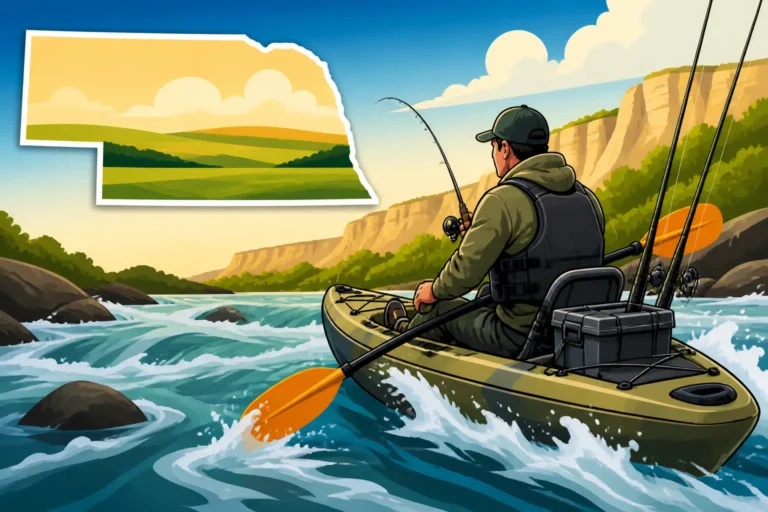
Fishing Kayaks: Kayaks have exploded in popularity among anglers, and for good reason.
- Stealth: They are incredibly quiet, allowing you to approach fish without spooking them. This is especially beneficial for flatheads holding in shallow, heavy cover.
- Access: Kayaks can navigate shallow backwaters, small tributaries, and tight spots that larger boats can't reach. They are also easier to launch in remote areas.
- Maneuverability: Modern fishing kayaks are stable and designed for anglers, often featuring specialized seating, storage, and mounting points for accessories like rod holders and fish finders. Some even have pedal drives for hands-free propulsion.
- River Considerations: When choosing a kayak for river fishing, prioritize stability, durability (rotomolded plastic can take a beating), and sufficient storage for your gear. Always wear a PFD, even in calm water. Best Kayaks for Nebraska Fishing provides a detailed look at options.
Jon Boats and Small Aluminum Boats: For those who need more space, stability, or the ability to run a small outboard motor, jon boats or small aluminum skiffs are excellent river craft.
- Stability: Generally more stable than kayaks, especially when standing to cast or fight a fish.
- Capacity: Can carry more gear and multiple anglers.
- Motorization: Allows for faster travel and easier navigation against strong currents. A small outboard or even a powerful trolling motor can greatly expand your reach.
- Draft: Their shallow draft allows them to access many of the same shallow areas as kayaks, but they can handle rougher water and stronger currents better than most kayaks.
- Anchoring: River fishing from a boat often requires a robust anchor system with plenty of rope to hold your position in current. A good anchor trolley system can also be very helpful. Nebraska Boat Registration and Fishing Rules are important to review if you plan to use a motorized boat.
Using a small watercraft can transform your river catfishing experience, opening up new horizons and allowing you to target spots that see less pressure.
Sonar and Navigation for River Structure
While river experience and reading the water are paramount, modern electronics can provide a significant advantage, especially for finding those subtle depressions, drop-offs, and submerged structures where catfish hold.
Fish Finders (Sonar Units):
- Depth and Structure: A quality fish finder (also called a sonar or depth finder) will reveal depth contours, bottom hardness, and most importantly, submerged structure like logs, rock piles, and humps that are invisible from the surface.
- Fish Arches: While not always perfect, you can often identify "arches" or marks that indicate the presence of fish, helping you pinpoint active feeding zones.
- Side Imaging/Down Imaging: More advanced units offer side imaging or down imaging, which provide photographic-like views of the bottom and structure to the sides of your boat. This is incredibly useful for scanning large areas quickly and identifying subtle details of cover that might hold flatheads.
- GPS and Mapping: Many units include GPS and mapping capabilities, allowing you to mark waypoints of productive spots, navigate safely, and understand the river's layout better. This is especially helpful on large river systems like the Missouri or Platte.
- Portability: Portable fish finders are available that can be easily mounted on kayaks or small jon boats.
GPS Devices: Even without a full fish finder, a handheld GPS unit or a smartphone with a mapping app can be invaluable for navigation, marking hot spots, and ensuring you know where you are on a complex river system. This is especially important for safety when exploring unfamiliar waters.
Learning to interpret your sonar effectively takes practice, but the ability to "see" underwater can dramatically reduce unproductive fishing time and help you find concentrations of fish that you would otherwise miss.
Trotlines and Jugs: Understanding the Rules and Gear
For anglers who want to maximize their chances of catching multiple catfish, especially for harvest, trotlines and jug lines are traditional, highly effective methods in Nebraska rivers. However, these methods come with very specific regulations that must be followed precisely. Nebraska Trotline Fishing Rules details everything you need to know.
Trotlines: A trotline is a long main line (often heavy rope or cord) with multiple baited hooks attached at intervals, suspended across or along a river.
- Components:
- Main Line: Heavy, abrasion-resistant cord or rope, often 1/4 to 1/2 inch thick, strong enough to handle multiple large catfish.
- Staging Lines (Gangions): Shorter lines (12-36 inches) of heavy monofilament or braided line that connect the main line to the hooks.
- Hooks: Large, strong circle hooks (6/0 to 10/0) are commonly used.
- Anchors: Heavy weights (bricks, cinder blocks, specialty anchors) are needed at each end to keep the trotline stationary in the current.
- Buoys/Markers: Clearly visible buoys or floats are required at each end of the trotline, marked with the angler's name and permit number.
- Placement: Trotlines are typically set in deeper channels, along current breaks, or near structure where catfish are known to travel. They should be checked regularly.
- Regulations: Nebraska has strict rules regarding trotline length, number of hooks, marking requirements, and placement (e.g., usually not allowed in certain public boating channels). A Nebraska Bullfrog and Snapping Turtle Harvest License is sometimes required for other species, but standard fishing permits apply for catfish. Best Setup for Trotlining Catfish Overnight has more specific gear details.
Jug Lines: Similar to trotlines in principle, jug lines consist of a single baited hook suspended from a floating jug or bottle. Multiple jug lines are deployed.
- Components:
- Jug/Float: Any buoyant object (plastic bottle, pool noodle, specialty jug) that can support the weight of a fish. Must be clearly marked with the angler's name and permit number.
- Line: Heavy monofilament or braided line (50-100+ lb test) connecting the jug to the hook.
- Weight: A small weight (1-3 oz) is often used just above the hook to keep the bait at the desired depth.
- Hook: Large, strong circle hook (6/0 to 10/0).
- Deployment: Jug lines are set out in open water where they are allowed to drift with the current, or sometimes anchored in specific spots. They are often checked by boat.
- Regulations: Nebraska also has specific regulations for jug lines, including the number of jugs allowed, marking requirements, and sometimes even the type of bait permitted.
Both trotlines and jug lines require responsible deployment and regular checking to ensure the ethical treatment of fish and to comply with regulations. They are not "set it and forget it" tools.
Safety and Comfort on Nebraska Rivers
Fishing on Nebraska's rivers can be an incredibly rewarding experience, but the dynamic environment also presents unique challenges and potential hazards. Prioritizing safety and personal comfort is paramount for any river outing.
Personal Safety Equipment
No amount of fishing gear is worth risking your life. Always be prepared for the unexpected when fishing on flowing water.
Personal Flotation Device (PFD): This is non-negotiable for anyone in a boat or kayak on a river. Even strong swimmers can be quickly overcome by cold water, strong currents, or unexpected falls.
- Wear It: Don't just have it in the boat; wear it. Modern PFDs are comfortable and low-profile, so there's no excuse not to wear one.
- Fit: Ensure your PFD fits properly and is rated for your activity.
- Children: Children should always wear a PFD when near or on the water.
Waders and Wading Boots: If you plan on wading in smaller rivers or accessing bank spots by wading through shallow water, proper waders and boots are essential.
- Chest Waders: Provide full protection from cold water, allowing you to stay warm and dry. Neoprene waders offer more insulation for colder weather, while breathable models are better for warmer temperatures.
- Wading Boots: Offer superior grip on slippery river bottoms compared to regular shoes. Look for felt soles or rubber soles with good traction, often with studs for added grip.
- Wading Belt: Always wear a wading belt with chest waders. If you fall, it can help prevent your waders from filling completely with water, which can be dangerous.
- Wading Staff: A collapsible wading staff can provide extra stability and help you probe for depth and obstacles on the river bottom. Do You Need Waders to Fish the Platte River? covers specific river considerations.
First-Aid Kit: A basic first-aid kit should always be part of your gear.
- Contents: Include bandages, antiseptic wipes, pain relievers, allergy medication, and any personal prescriptions. Add items like tweezers for splinters and sturdy tape.
- Accessibility: Keep it in a waterproof bag and know how to use its contents.
Sun Protection: Nebraska summers can be brutal.
- Sunscreen: Apply generously and reapply frequently, especially if you're sweating or getting wet.
- Hats and Sunglasses: A wide-brimmed hat protects your face and neck, and polarized sunglasses not only protect your eyes but also help you see through the water better, spotting structure or fish.
Weather Protection and Emergency Gear
Nebraska weather can be unpredictable, changing rapidly from sunny skies to severe storms. Being prepared for varying conditions is crucial.
Rain Gear: Even if the forecast looks clear, a lightweight, waterproof rain jacket and pants are smart to have. Getting soaked can quickly make a trip miserable and, in cooler weather, potentially dangerous.
- Layering: Dress in layers so you can add or remove clothing as temperatures change throughout the day. Avoid cotton in cooler weather, as it loses its insulating properties when wet.
Communication Device: Always carry a fully charged cell phone in a waterproof case.
- Emergency Contact: It's your primary means of communication in an emergency. Tell someone where you're going and when you expect to return.
- Navigation: Can also serve as a backup GPS.
Emergency Whistle/Signal Mirror: Small, inexpensive items that can be invaluable for attracting attention if you become lost or need help, especially if your phone battery dies or there's no signal.
Knife/Multi-tool: A good quality, sharp knife or multi-tool is indispensable for cutting line, opening packages, making repairs, and general utility tasks.
Extra Water and Snacks: Staying hydrated and fueled is important, especially on long summer days. Carry more water than you think you'll need.
Ethical Angling and Conservation Practices
Being a responsible angler means more than just following the rules; it means actively contributing to the health of the fishery and the environment.
Know and Follow Regulations: Always carry a copy of the current Nebraska Fishing Regulations Explained or have it easily accessible on your phone. Understand daily bag and possession limits (like Nebraska Channel Catfish Daily Limit), length limits, and any special regulations for the specific river or water body you're fishing. Ignorance of the law is no excuse, and violating regulations can lead to significant penalties.
Practice Catch and Release Responsibly: If you plan to release fish, minimize handling time, use circle hooks to reduce gut-hooking, and handle fish gently with wet hands or gloves to protect their slime coat. Support the fish horizontally, especially larger ones, and release them slowly into the water, allowing them to swim off under their own power.
Leave No Trace: Pack out everything you pack in. This includes all trash, discarded fishing line, and bait containers. Never leave litter on the bank or in the water. Respect private property and avoid disturbing wildlife.
Prevent Aquatic Invasive Species: Nebraska is vigilant about preventing the spread of aquatic invasive species. If you use a boat, always "Clean, Drain, Dry" your vessel and gear before moving from one water body to another. This means removing all weeds and debris, draining all water from your livewell, bilge, and engine, and allowing everything to thoroughly dry. This simple practice protects Nebraska's waters for future generations. Nebraska Aquatic Invasive Species Stamp is a requirement, and understanding the role you play in preventing spread is crucial.
By being prepared, respecting the environment, and prioritizing safety, you'll ensure your Nebraska river catfishing adventures are not only successful but also safe and sustainable.
Disclaimer
This article is for general informational purposes only and does not constitute professional advice. Laws, prices and regulations vary by location and change over time. Consult a qualified professional for guidance on your specific situation.