Best Kayak for Fishing Moving River Water
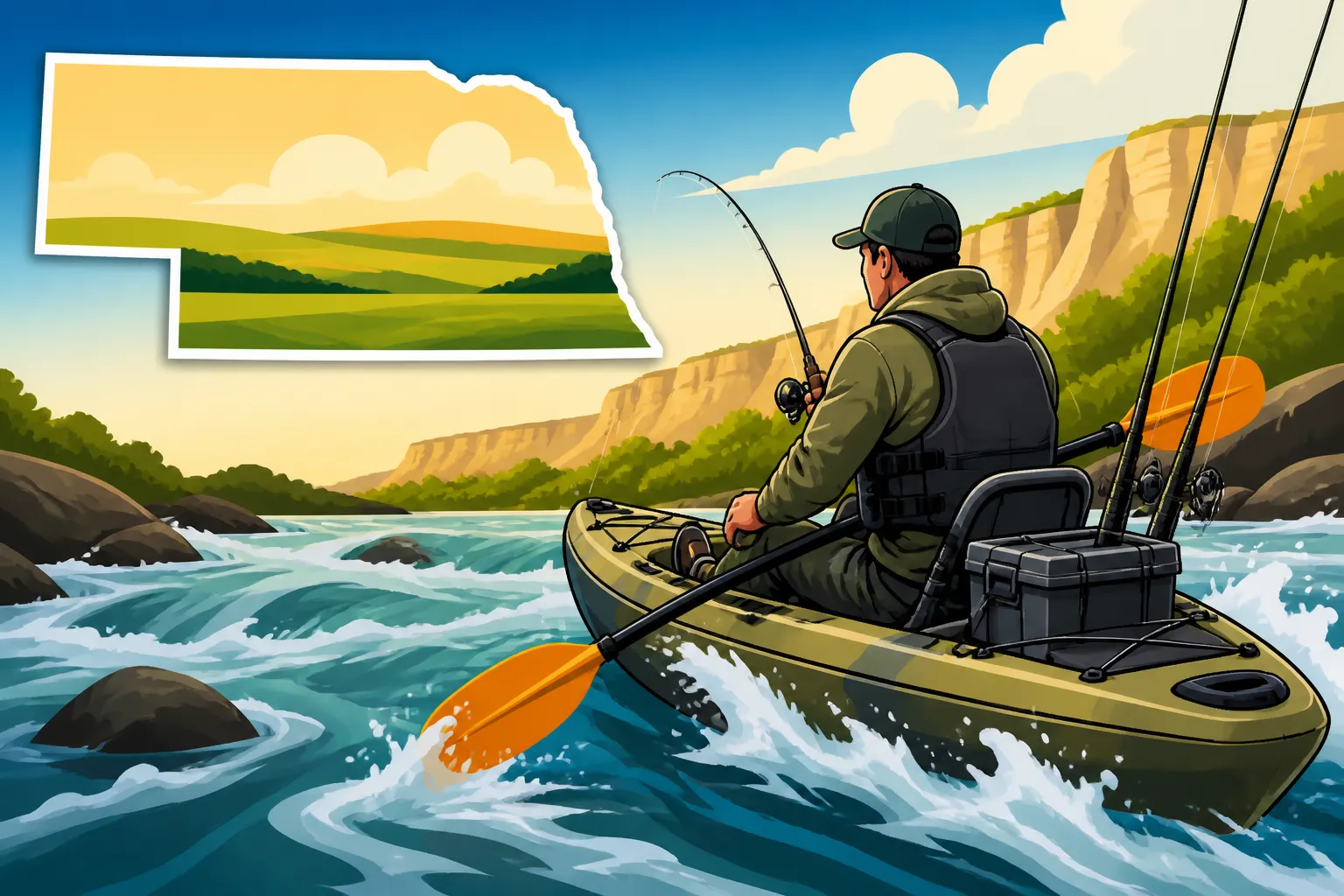
For anglers who feel the pull of moving water, there's a unique thrill and challenge to fishing Nebraska's rivers from a kayak. Lakes offer their own quiet beauty, but the dynamic environment of a river—with its currents, eddies, and ever-changing landscape—demands a very specific kind of fishing vessel. This guide is here to cut through the confusion and help you pinpoint the ideal kayak that will not just survive, but truly thrive, on the moving waters of the Platte, Niobrara, Missouri, and beyond.
Understanding the Demands of River Fishing in Nebraska
Before you even think about hull shapes or pedal drives, it’s crucial to wrap your head around what river fishing in Nebraska truly entails. It’s not just a smaller version of lake fishing; it’s an entirely different beast that requires different equipment and different strategies. The currents, the hidden obstacles, and the access points all play a role in what makes a kayak suitable for this unique adventure.
Current and Stability: The Primary Challenge
Nebraska's rivers, from the broad, shallow Platte to the more defined channels of the Niobrara, are defined by their currents. These currents are your biggest ally and your biggest adversary. They can carry you silently to prime fishing spots, but they can also push you into dangerous situations if your kayak isn't up to the task. What feels stable on a calm lake can become a tippy, nerve-wracking experience when a strong current hits you broadside.
Stability in a river kayak isn't just about comfort; it's about safety. You need a platform that allows you to cast confidently, set the hook forcefully, and even stand up to sight-fish if that's your preferred technique. A kayak that bobs and weaves uncontrollably with every ripple will quickly sap your energy and your enjoyment. Furthermore, rivers often have submerged trees, hidden rock gardens, and sudden drop-offs that can create unpredictable currents, making a stable vessel absolutely non-negotiable. It’s about being able to maintain your balance when the water around you is anything but still.
Maneuverability and Control: Navigating Tight Spots
Beyond stability, a river fishing kayak must be highly maneuverable. Picture yourself drifting down a section of the Elkhorn River, casting to snags and undercut banks for Nebraska Channel Catfish Daily Limit. Suddenly, a sweep of fallen trees appears downstream, or a shallow riffle demands immediate attention. Your kayak needs to respond quickly to paddle strokes, allowing you to pivot, turn, or hold your position with minimal effort.
This responsiveness is crucial for safety, but it's equally important for effective fishing. The ability to precisely position your kayak allows you to work a seam of current, hold steady over a promising eddy, or quickly adjust your angle to make that perfect cast into a tight pocket. A kayak that feels sluggish or requires constant, exhausting effort to steer will make your fishing experience frustrating rather than relaxing. River fishing is often about precision, and your kayak is an extension of that precision.
Durability and Portability: River Realities
Let’s be honest: river fishing isn't always gentle on your gear. You're likely to encounter shallow spots where you'll need to drag your kayak, or you might bump into rocks, logs, or sandy banks as you navigate. This isn't the pristine, gentle launch of a glassy lake; river environments are often rugged and unforgiving. Therefore, the material and construction of your kayak need to be exceptionally durable, capable of shrugging off bumps and scrapes without compromising its integrity.
Beyond durability, consider portability. Many of the best river access points in Nebraska aren't paved boat ramps. You might be launching from a muddy bank, hauling your kayak down a short trail, or needing to car-top it alone after a long day of fishing. A kayak that's excessively heavy or unwieldy will quickly become a deterrent. Think about the entire process, from loading and unloading at home to getting in and out of the water at your chosen spot. The ease of transport can significantly impact how often you actually get out on the water.
Key Kayak Features for River Fishing Success
Once you've grasped the unique demands of river fishing, it’s time to delve into the specific features that make a kayak truly excel in moving water. These aren't just bells and whistles; they are fundamental design elements and practical additions that enhance both safety and fishing effectiveness.
Hull Design: The Foundation of Performance
The hull is the heart of any kayak, and for river fishing, its design dictates everything from stability to speed and maneuverability. Generally, you'll find a trade-off: wider, flatter hulls offer superior initial stability, making them feel very secure, but they tend to be slower and less efficient to paddle. These are often seen in pontoon-style or tunnel hulls, which excel in calm-to-moderate currents and offer a great casting platform.
On the other hand, narrower, V-shaped hulls cut through the water more efficiently, offering better speed and tracking, but often sacrifice some initial stability. For river fishing, a balance is usually best. Look for kayaks with a good blend of primary (initial) stability for confidence and secondary stability (how resistant it is to tipping once tilted) for those unexpected bumps or leaning into a cast. Another critical element is "rocker" – the upward curve of the hull at the bow and stern. A kayak with more rocker will turn more easily and ride over waves and submerged obstacles, which is highly beneficial in rivers. Less rocker means better tracking but can make quick turns more challenging.
Seating and Ergonomics: Comfort for Long Days
Fishing from a kayak often means spending extended periods in a seated position, so comfort and proper ergonomics are paramount. An elevated, adjustable seat is a game-changer. Being higher off the water not only provides better visibility for spotting fish and navigating obstacles but also makes casting and fighting fish much more comfortable. Many modern fishing kayaks feature stadium-style seats that can be adjusted for height, recline, and even removed for use on shore.
Beyond the seat, secure foot braces are essential. They allow you to brace yourself against the current, put power into your paddle strokes, and create a solid base when you’re casting or reeling in a big Nebraska Flathead Catfish Fishing. Look for kayaks where these elements are not only present but also easily adjustable to fit your body perfectly, ensuring that you can maintain control and comfort throughout your entire river adventure.
Storage and Rigging Options: Equipping Your River Machine
River fishing means bringing essential gear, and your kayak needs to accommodate it safely and conveniently. Look for ample, accessible storage, preferably with dry hatches for electronics, wallets, and keys. Open storage areas, often with bungee cords or cargo nets, are perfect for tackle boxes, soft-sided coolers, and anchor systems. The key is that everything should be easily reachable but also securely stowed so it won't float away if you hit a rough patch.
Modern fishing kayaks are also built with rigging in mind. Accessory tracks (like those from YakAttack or Railblaza, often available at Bass Pro Shops or on Amazon) allow you to easily mount and adjust rod holders, fish finders, camera mounts, and other accessories without drilling permanent holes. An effective anchor system is non-negotiable for river fishing, allowing you to hold your position in current to work a promising seam or battle a fish. Consider a trolley system that allows you to deploy your anchor from the bow, stern, or anywhere along the side, offering maximum control in varying currents.
Top Kayak Types for Nebraska River Anglers
With the core features in mind, let's explore the different types of kayaks that are best suited for navigating and fishing Nebraska's moving waters. Each type has its own strengths and weaknesses, making the "best" choice highly dependent on your personal fishing style and the specific rivers you plan to tackle.
Sit-on-Top SOT Kayaks: Versatility and Drainage
Sit-on-top (SOT) kayaks are incredibly popular for fishing, and for good reason, especially in river environments. Their open deck design makes for easy entry and exit, which can be a huge plus if you need to quickly get in or out of the water in a shallow spot or after a capsize. One of their most significant advantages for rivers is their self-bailing scupper holes, which allow any water that splashes onto the deck to drain right back out, keeping your seating area relatively dry. This is a blessing when dealing with river chop or unexpected waves.
SOTs often feature wide, stable hulls that provide an excellent platform for casting and reeling. They also tend to be quite durable, as the hull is typically made from rotomolded plastic, capable of withstanding bumps against rocks and logs. While generally slower than traditional sit-in kayaks, their stability and open layout offer unparalleled versatility for rigging and gear storage. They are a fantastic choice for many of Nebraska's rivers, offering a comfortable and secure platform for targeting fish like Niobrara River Smallmouth Bass Fishing.
Pedal-Drive Kayaks: Hands-Free Fishing
For many serious river anglers, pedal-drive kayaks have revolutionized the sport. The ability to propel yourself forward using your legs, leaving your hands completely free for fishing, is an enormous advantage in current. Imagine holding your position in an eddy, casting repeatedly, and then instantly moving upstream with a simple pedal stroke to follow a fish or reposition. This hands-free operation makes trolling incredibly efficient and allows you to maintain boat control while fighting a fish, which is particularly crucial in a strong river current.
While pedal kayaks offer incredible advantages, they do come with considerations for river use. They are generally heavier and more complex than paddle kayaks, often requiring more effort to transport and launch. The drive units (either propellor-based like Hobie's MirageDrive or fin-based like those from Old Town) can be vulnerable to damage in shallow, rocky river sections. However, many models feature drive units that can be retracted or lifted out of the water, mitigating some of this risk. If your primary rivers are deeper or have fewer underwater obstructions, a pedal drive system can dramatically enhance your river fishing experience, providing unmatched control. You'll find a wide selection of these sophisticated crafts, along with compatible accessories, if you visit Bass Pro Shops or browse online through Amazon.
Inflatable Kayaks: Portability and Resilience
When maximum portability and ruggedness are priorities, inflatable kayaks should not be overlooked. Modern inflatable fishing kayaks are a far cry from flimsy pool toys. Constructed from heavy-duty PVC or Hypalon, they are surprisingly puncture-resistant and incredibly durable. Bumping into rocks or logs that would scratch or dent a hard-shell kayak often has no effect on a robust inflatable. Their inherent flexibility also makes them incredibly stable in choppy water, conforming to the waves rather than fighting them.
The biggest draw for river anglers is their portability. They can be deflated, rolled up, and easily transported in a car trunk or even on a backpack, making them ideal for accessing remote river stretches or taking on multi-day float trips like a Niobrara River Canoe and Fishing Combo Trips. While they are generally slower and harder to track in strong winds or currents compared to hard-shell kayaks, their stability and resilience make them a valid, often overlooked, option for many river scenarios. Just remember to always bring a good pump and repair kit!
Important Considerations Beyond the Kayak Itself
Getting the right kayak is a huge step, but it's only part of the equation for a successful and safe river fishing experience in Nebraska. There are crucial considerations, from safety gear to how you manage your boat in the current, that will define your enjoyment and effectiveness on the water.
Safety Gear: Non-Negotiables for River Fishing
Rivers are dynamic and unpredictable, making safety gear not just recommended, but absolutely mandatory. First and foremost, a properly fitted Personal Flotation Device (PFD) is your lifeline. Always wear it, no matter how confident a swimmer you are or how calm the water seems. Accidents happen quickly, and a PFD is useless if it's stowed away. Beyond the PFD, a whistle is critical for signaling, especially if you get separated from your kayak or fishing partners.
A throw rope is another piece of essential river safety equipment, allowing you to assist someone in the water or retrieve a runaway kayak from shore. Always carry a dry bag for your phone, keys, and any other valuables you don't want getting wet. A basic first aid kit is also a good idea, along with plenty of water and snacks. Before heading out, always check the weather forecast and How to Fish Fast Current on the Platte River conditions, including water levels and flow rates, which can change rapidly on rivers. Understanding Nebraska Boat Safety Equipment Requirements for kayaks and small vessels is also vital for compliance and preparedness.
Anchoring and Positioning: Staying Put or Moving with Control
River fishing demands a sophisticated understanding of how to manage your position in moving water. While it might seem counterintuitive to anchor in a current, knowing How to Anchor a Kayak in Current effectively is a critical skill. Drag chains, grapple anchors, or even specialized river anchors are typically used, often with a dedicated anchor trolley system that allows you to deploy the anchor from the bow, stern, or anywhere along the side of your kayak. This flexibility is key for staying oriented correctly with the current.
Equally important is a quick-release anchor system. If your anchor gets snagged in a strong current, you need to be able to release it instantly to avoid being pulled downstream or capsizing. Many anglers use a short length of cord with a float attached to the anchor line; if they need to cut loose, they simply cut the main line, and the float marks the anchor for later retrieval. Beyond anchoring, mastering drift fishing techniques—using the current to present your bait naturally—is a fundamental river fishing skill that takes time and practice.
Understanding Nebraska's Rivers: Local Knowledge is Key
Each river in Nebraska has its own personality, challenges, and fishing opportunities. General knowledge about river fishing is a great start, but specific local knowledge will give you the real edge. Before you launch, research your chosen section of river. What are the typical water levels? Are there known rapids, portages, or dangerous log jams? Where are the best put-in and take-out spots, especially for a kayak? Websites like the Nebraska Game and Parks Commission, local bait shops, and online fishing forums are invaluable resources.
Understanding the seasonal changes can also be critical. Spring runoff can mean high, fast, and muddy water, while late summer might present dangerously low levels. Always secure your Nebraska Fishing License Guide and check the specific regulations for the river you plan to fish, as rules can vary. Whether you're exploring the Platte River Fishing Guide or seeking out remote stretches for How to Catch Smallmouth Bass on the Niobrara River, local insights into access, hazards, and fish behavior will dramatically improve your experience and safety.
Here's a quick comparison of kayak types for river fishing:
| Kayak Type | Key Strengths (River Specific) | Key Weaknesses (River Specific) | Ideal Nebraska River Use Cases |
|---|---|---|---|
| Sit-on-Top | High stability, self-bailing, easy re-entry, durable | Slower, can be wet ride in chop | General river fishing, light current, bank access, all-around versatility |
| Pedal-Drive | Hands-free propulsion, excellent boat control, efficient fishing | Heavier, drive unit vulnerable to shallow/rocky bottom, more complex | Deeper rivers, trolling, maintaining position in moderate current, targeting larger fish |
| Inflatable | Extreme portability, highly durable against bumps, very stable | Slower, harder to track in wind/strong current, requires inflation | Remote access, multi-day floats, shallow/rocky rivers where hard-shell might be damaged, camping |
Disclaimer
This article is for general informational purposes only and does not constitute professional advice. Laws, prices and regulations vary by location and change over time. Consult a qualified professional for guidance on your specific situation.