Best Bobber Depth for Suspended Crappie
It’s a tale as old as time for many Nebraska anglers: you’re out on the water, excited for a day of crappie fishing, and the fish just seem to vanish. They’re not on the bottom, they’re not in the shallow cover, and you’re left scratching your head. The truth is, crappie often suspend in the water column, hanging out at a specific depth that can change throughout the day and with the seasons. Figuring out that sweet spot – the best bobber depth for suspended crappie – is the key to turning a slow day into a successful one. This guide will walk you through everything you need to know to locate those elusive suspended crappie and present your bait right in their strike zone.
Decoding the Crappie Puzzle: Why They Suspend and Where to Look
Crappie are masters of adaptation, and their depth preferences are rarely arbitrary. They move up and down in the water column for very specific reasons, primarily driven by comfort, safety, and food availability. Understanding these underlying factors is the first step in predicting where they might be hanging out on any given day.
Water Temperature and Comfort Zones
Just like us, crappie have a preferred temperature range where they feel most comfortable and active. This sweet spot is often what dictates their depth, especially in larger reservoirs. During the summer, surface waters can get too warm, forcing crappie to seek cooler, deeper thermoclines. A thermocline is a layer of water where the temperature changes rapidly with depth, and often, it’s a crappie hotspot because it also concentrates baitfish and oxygen.
Conversely, in colder months, crappie might actually move deeper to find warmer water if the surface is too cold. In Nebraska, especially as winter approaches and ice begins to form, or during early spring thaws, paying attention to water temperature is paramount. Don't be afraid to fish different depths until you find that comfortable thermal layer where the crappie are stacked.
Following the Forage: Baitfish Are Key
Crappie are ambush predators, and their primary diet consists of smaller baitfish like shad, minnows, and small sunfish. It stands to reason, then, that crappie will almost always be found wherever their food sources are concentrated. If the baitfish are suspending at 10 feet, chances are the crappie won't be far off. This pursuit of forage is a powerful driver for their movements.
Sometimes you'll see large schools of baitfish flickering on your electronics, or even busting the surface in low light. When you spot this, adjust your bobber depth to match. These baitfish might be drawn to plankton blooms, or they might be seeking safety in open water away from cover-dwelling predators. Wherever they go, crappie are usually hot on their tails. What Crappie Eat in the Spring can give you more insight into their dietary preferences.
Structure and Cover: More Than Just the Bottom
While crappie love to hug brush piles, submerged timber, and weed lines, they don't always sit on them. Often, they'll suspend just above or to the side of these structures. Think of it like a high-rise apartment: the structure is the building, but the crappie might be on the 5th floor, 10th floor, or even the penthouse, rather than in the basement. This gives them a vantage point to ambush prey emerging from or passing by the cover, while also offering a sense of security.
In Nebraska, many reservoirs feature ample standing timber, old creek channels, or artificial brush piles placed by the Game and Parks Commission. Learning to identify these spots, even if they're deep, can lead you directly to suspended crappie. Knowing How to Catch Crappie Around Brush Piles is crucial, but remember they might not be in the brush, but hovering above it.
Light Conditions and Time of Day
Crappie eyes are highly sensitive to light. On bright, sunny days, they tend to move deeper to escape the intense sunlight, often suspending in shadier parts of the water column or tight to deep cover. As the sun begins to set or on overcast days, they often move shallower and become more active.
Early mornings and late evenings are prime times for crappie to be shallower and more spread out as they feed actively. Midday, especially during the summer, can see them sink to deeper, darker waters. Understanding this daily migration can help you adjust your bobber depth proactively, rather than reacting to a lack of bites.
Choosing Your Weapon: The Right Bobber for the Job
Not all bobbers are created equal, especially when you're trying to dial in a precise depth for suspended crappie. Picking the right type of bobber can make a huge difference in your success, allowing for better presentation and easier depth adjustments.
The Versatility of Slip Bobbers
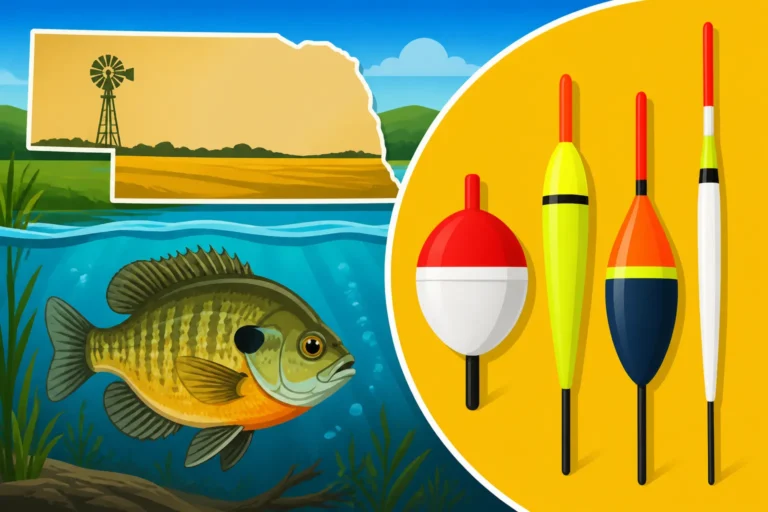
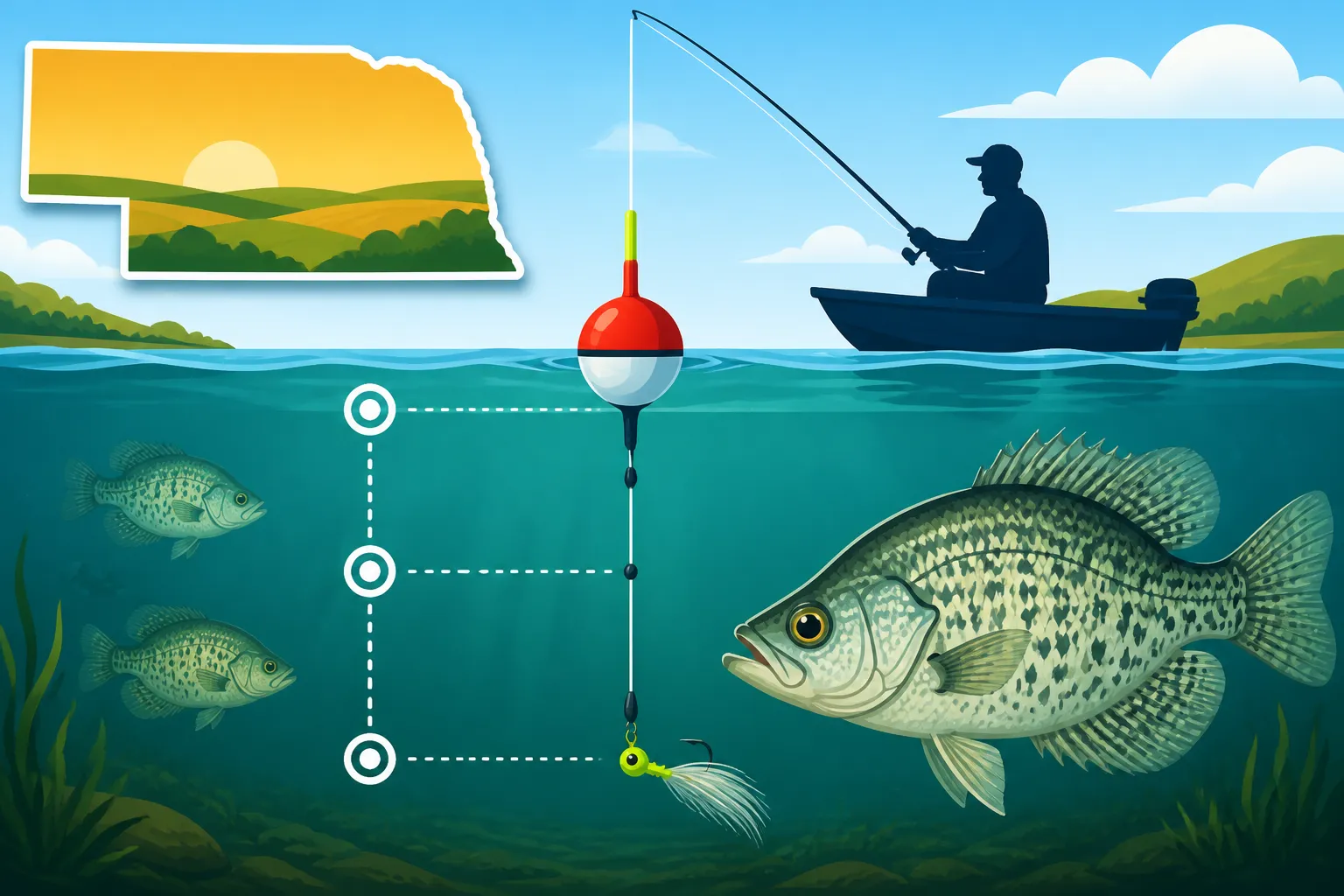
If you're serious about targeting suspended crappie, the slip bobber is your best friend. A slip bobber slides freely up and down your line, stopped only by a small knot (a bobber stop) that you can easily adjust. This means you can cast out a bait rigged for 20 feet of water without having 20 feet of line dangling from your rod tip. It's a game-changer for deep water presentations.
Setting up a slip bobber involves a bobber stop, a bead (to protect the knot from going into the bobber), the bobber itself, and then your hook/jig and weight. The beauty of this system is its flexibility. You can quickly raise or lower your bobber stop to explore different depths, making it ideal for the "search and discover" method often required for suspended fish. You can find excellent slip bobber kits at Bass Pro Shops or even order individual components through Amazon for custom rigging.
Fixed Bobbers: Simple and Effective for Shallow Water
While slip bobbers offer ultimate depth control, fixed bobbers (the classic red-and-white round bobber or spring-loaded models) still have their place. They are fantastic for shallower water, typically up to about 6-8 feet deep, where you don't need to cast a long distance. For young anglers, or when fishing small ponds or close to shore, fixed bobbers offer simplicity and immediate visual feedback.
The main limitation is that the depth you set your bait to cannot be longer than your rod. If you're trying to fish 10 feet deep with a 7-foot rod, a fixed bobber won't work without a lot of frustration. However, for targeting crappie that are suspending just a few feet under the surface around docks or shallow brush, a fixed bobber is often quicker to set up and get fishing.
Specialized Indicators for Ice Fishing
When the hard water hits Nebraska, bobber depth for crappie becomes even more critical. Ice fishing often involves very precise presentations in relatively small holes. While many ice anglers use small spring bobbers on their rod tips as strike indicators, you can also use tiny, sensitive fixed bobbers or "thill" style floats. These are designed to detect the lightest bite, which is crucial when crappie become finicky in cold water.
The key here is sensitivity and minimal resistance. Crappie often "mouth" the bait gently in winter, and a heavy, resistant bobber will scare them off or prevent you from seeing the bite. Many dedicated ice fishing floats are much smaller and more streamlined than their open-water counterparts, allowing for perfect balance with a small jig or minnow. Nebraska Ice Fishing Gear Guide can provide more details on necessary equipment.
| Bobber Type | Ideal Depth Range | Pros | Cons | Best For |
|---|---|---|---|---|
| Slip Bobber | Deep (8+ feet) | Adjustable, easy long casts, versatile | More complex setup, bobber stops can slip | Suspended crappie in open or deep water |
| Fixed Bobber | Shallow (up to 8 feet) | Simple, easy to see, quick setup | Limited depth, hard to cast deep | Shallow crappie, kids fishing, dock fishing |
| Ice Fishing Float | Any (specific to hole) | Highly sensitive, minimal resistance, small | Not for casting, very specific use | Finicky crappie under the ice |
The Detective Work: How to Pinpoint Crappie Depth in Nebraska Waters
Finding that perfect bobber depth isn't always a "set it and forget it" task. It often requires a bit of detective work and methodical exploration. You need to be willing to experiment and pay close attention to your surroundings and your gear.
The Art of Trial and Error
This is perhaps the most fundamental technique for finding suspended crappie, especially if you don't have electronics. Start by setting your bobber to a plausible depth – say, 5 feet if you're in 15 feet of water. Make a few casts. If no bites, increase the depth by a foot or two and try again. Work your way down until you start getting bites, or until you hit bottom. Then, start working your way back up.
The goal is to bracket the fish. If you get a bite at 8 feet, then another at 10 feet, you know the crappie are likely in that 8-10 foot range. It's a patient process, but a rewarding one. Remember, crappie often school tightly, so once you find one, you've likely found a whole group. Don't be afraid to try multiple spots around a piece of structure before giving up.
Leveraging Electronics: Your Underwater Eyes
For anglers with boats, a quality fish finder is an absolute game-changer for locating suspended crappie. These devices use sonar to show you what's beneath your boat, including depth, structure, and, crucially, fish. Look for "arches" or "blobs" on your screen that indicate fish. When you see these marks suspended at, say, 12 feet, you've got your starting point for your bobber depth.
Modern fish finders, especially those with down imaging and side imaging capabilities, can even show you bait balls and individual crappie hiding in submerged timber or around brush piles. Learning How to Read a Fish Finder for Walleye can also apply to crappie; the principles are the same, just adjust your sensitivity for smaller fish. Humminbird and Garmin are popular brands that offer a range of reliable fish finders that can greatly assist in this process.
Reading the Environment: Subtle Clues
Sometimes, the environment gives you hints without needing fancy gadgets. Watch for other anglers and what they're doing – if someone nearby is consistently catching fish, observe their technique and try to deduce their depth. Look for diving birds, which often indicate baitfish pushed to the surface, suggesting crappie might be just below them.
Also, pay attention to current and wind. Crappie will often orient themselves into the current, and wind can push baitfish into certain areas, concentrating crappie there too. If you're drifting, consider how the current might be affecting your bobber and bait presentation at different depths. For example, if you are fishing the Missouri River, understanding the current is vital to your success, as detailed in Missouri River Fishing in Nebraska.
Dialing In Your Depth: A Step-by-Step Guide for Success
Once you have a general idea of where the crappie might be, it’s time to fine-tune your bobber depth. This is where precision and patience pay off, leading to more consistent catches.
Step 1: Making Your Initial Depth Guess
Don't just randomly pick a depth. Start with an educated guess based on the factors we've discussed:
- Time of Year/Season: Are you spring fishing when they might be shallower, or deep summer? Nebraska Fishing Seasons Explained offers great insights.
- Water Clarity: Clearer water often means deeper fish, especially on sunny days. Stained water might allow them to be shallower.
- Sunlight Intensity: Bright sun usually pushes them down.
- Known Structure: If you know there's a brush pile at 15 feet, start your bait slightly above it, perhaps at 12-14 feet.
- Previous Success: If you caught them at 10 feet yesterday in similar conditions, start there.
For instance, if it’s a bright summer day and you're over a known brush pile in 20 feet of water, a good starting depth might be 8-12 feet. If it's early spring, overcast, and you're near a shallow cove, 3-6 feet might be your starting point.
Step 2: The Systematic Search – Adjust and Observe
This is where the trial and error comes in. If your initial guess isn't producing, make small, systematic adjustments.
- Increase Depth: Lower your bobber stop (for slip bobbers) or move your fixed bobber down your line by 1-2 feet. Make several casts in the same area.
- Decrease Depth: If you hit bottom or believe you're too deep, raise your bobber stop or move your fixed bobber up by 1-2 feet.
The key is to give each depth a fair chance before moving on. Don't cast twice and adjust. Give it 5-10 casts, or 5-10 minutes in the spot, to truly test that depth. Once you get a bite, note the depth. Then try to replicate it. If you catch another, you're on the right track!
Step 3: What to Look For (Besides Bites)
Sometimes, the crappie aren't actively biting, but you can still glean information.
- Near Misses: Did you feel a tap but no hookup? You might be close.
- Bait Appearance: When you reel in, is your minnow still lively or looking a bit chewed up? This suggests fish activity, even if they didn't commit.
- Followers: If you're fishing in clear water, sometimes you'll see a crappie follow your bait up but turn away at the last second. This tells you they're in the general vicinity, but something about your retrieve or depth might be off.
- Surface Activity: Are there dimples on the water, or tiny splashes indicating feeding fish? This might suggest a shallower bite.
Remember that crappie often feed horizontally. If you find them at 10 feet, they're likely spread out at 10 feet across a wider area. So, once you find the depth, try casting to different locations at that same depth.
Common Mistakes to Avoid When Setting Bobber Depth
Even experienced anglers can fall into traps when trying to pinpoint crappie depth.
- Not Changing Depths Enough: The biggest mistake is sticking to one depth too long when not getting bites. Crappie move, and your depth needs to adjust with them.
- Changing Depths Too Randomly: Wildly flailing through depths won't help you understand a pattern. Be systematic.
- Ignoring Electronics: If you have a fish finder, use it! It's there to save you time and greatly increase your efficiency.
- Assuming Crappie Are Always on Bottom: This is a common misconception. Many species hug the bottom, but crappie frequently suspend.
- Using Too Large a Bobber: A bobber that's too big creates resistance and can make it harder to detect light bites, especially with finicky crappie. Opt for a size that's just buoyant enough to keep your bait afloat.
- Not Accounting for Wind and Current: These forces can make your bait drift shallower or deeper than you intend. Adjust your weight or depth accordingly.
By being mindful of crappie behavior, choosing the right bobber, and systematically exploring the water column, you'll dramatically improve your chances of consistently finding and catching suspended crappie in Nebraska. It takes a little extra effort, but the reward of a full livewell is absolutely worth it. And hey, if you need new gear, both Bass Pro Shops and Amazon have excellent selections of slip bobbers and crappie jigs to get you started! For more specific information on what bait to use, check out Best Minnow Size for Crappie Fishing and Best Jig Color for Nebraska Crappie.
Disclaimer
This article is for general informational purposes only and does not constitute professional advice. Laws, prices and regulations vary by location and change over time. Consult a qualified professional for guidance on your specific situation.