Best Wading Boots for Rocky River Bottoms
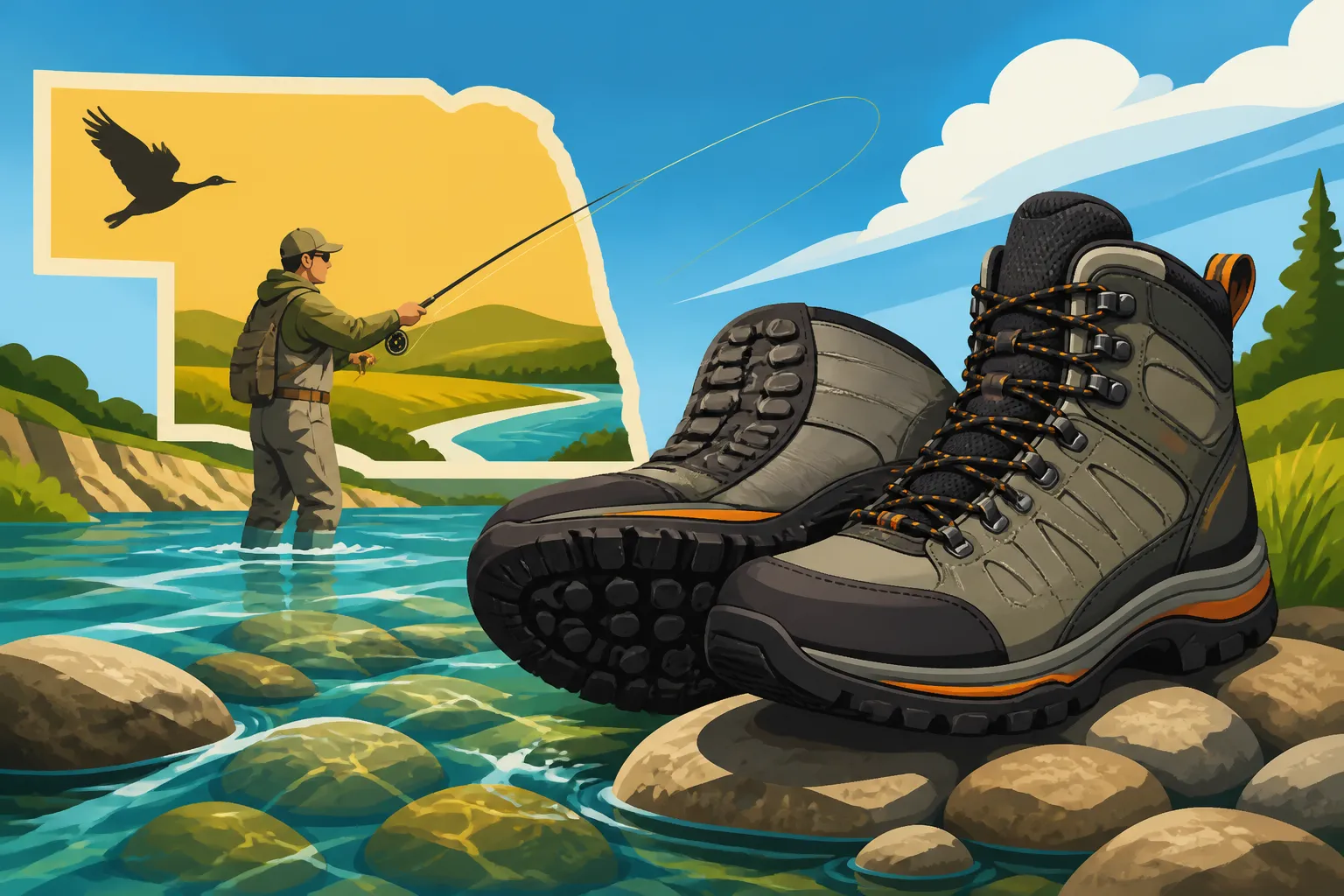
There’s nothing quite like the exhilarating rush of wading into a Nebraska river, feeling the current tug at your legs, and casting your line into promising waters. But let's be honest, that serene picture can quickly turn into a heart-stopping moment if you lose your footing on a slick, moss-covered rock. Many of us have experienced that sudden slide, the frantic arm-waving, and the chilling plunge of cold water over the top of our waders. It's frustrating, it's unsafe, and it can absolutely ruin a perfectly good day of fishing. This guide is all about helping you find the best wading boots to keep you stable, secure, and confident when navigating those notoriously rocky and often slippery river bottoms across Nebraska.
Why Specialized Wading Boots are Crucial for Rocky Nebraska Rivers
You might be thinking, "Can't I just wear my old hiking boots or a sturdy pair of sneakers?" And while it's true that any footwear is better than none, when you're tackling the unpredictable nature of Nebraska's riverbeds – from the meandering Platte River to the wild Niobrara – specialized wading boots aren't just a luxury; they're a necessity for safety and success. The terrain underfoot in these rivers isn't your average forest path. It’s a dynamic, often treacherous mix of algae-slicked stones, shifting gravel, hidden crevices, and strong currents that demand a level of grip and support that regular shoes simply cannot provide.
Imagine this: You're waist-deep in the Loup River, focused on a promising seam where you expect a hungry catfish to be lurking. You take a step, and suddenly your foot slides on an unseen patch of slime. Without the right footwear, that brief moment of instability can send you tumbling, potentially damaging your gear, getting soaked, or, worse, sustaining a painful injury. We've all been there, and it's a feeling none of us want to repeat. Investing in the right wading boots means you can focus on the fishing, not on desperately trying to keep your balance.
The Hidden Dangers of Rocky Riverbeds
Nebraska's rivers are beautiful, but their bottoms can be deceptive. What looks like a stable rock from above can be a death trap once your foot touches it. The primary culprit is often a thin layer of algae or moss that coats submerged rocks, creating an incredibly slick surface that ordinary shoe soles can't grip. Beyond the slime, you're dealing with rocks of varying sizes and shapes, some firmly embedded, others loose and ready to roll under your weight. The current, even in seemingly calm stretches, exerts constant pressure, pushing and pulling at your stance.
Then there are the unseen hazards: sharp edges of broken rocks, discarded debris, or even cold water penetrating inadequate footwear. A twisted ankle or a deep cut from a sharp rock can quickly end your fishing trip and lead to lasting discomfort. Furthermore, maintaining your body temperature is vital, especially when Spring Fishing in Nebraska or during cooler months. Proper wading boots, designed to work seamlessly with your waders, provide an essential layer of insulation and protection against these elements, keeping your feet safe from cuts and comfortably warm against the chill of the river.
Beyond Just Grip: Stability and Ankle Support
While exceptional grip is paramount, the best wading boots offer a holistic approach to stability. It’s not just about not slipping; it’s about standing firm against the current and navigating uneven terrain without losing your balance or putting undue stress on your joints. Think about the physical demands of wading for hours: your ankles are constantly working, flexing, and bracing against unseen obstacles. Without adequate support, this repetitive strain can lead to fatigue, discomfort, and a higher risk of injury.
High-cut wading boots, often extending above the ankle, are engineered with rigid soles and reinforced uppers that act like a brace for your foot and ankle. This support is crucial when you step into a deep pocket or over a submerged log, helping to prevent painful twists and sprains. A secure lacing system further locks your foot into place, preventing internal boot slippage that can cause blisters and reduce your overall stability. When you're trying to master How to Wade Fish the Platte River Safely, having boots that feel like an extension of your body, rather than clunky weights, makes all the difference.
Key Features to Look for in Wading Boots for Rocky Terrain
Choosing the right wading boots for Nebraska's rocky river bottoms requires understanding a few critical features. It's not a one-size-fits-all situation, and what works best for one angler might not be ideal for another. Let's dive into the specifics that will empower you to make an informed decision and step into the water with confidence.
Sole Materials: Felt vs. Rubber
The sole is the heart of your wading boot when it comes to grip. For years, felt was the undisputed king for its unparalleled adhesion to slick, algae-covered rocks. However, environmental concerns and advancements in rubber technology have leveled the playing field considerably.
Felt Soles: The Traditional Grip Masters
- Pros: Felt offers incredible, almost suction-like grip on extremely slick, algae-covered rocks. For sheer stickiness in the water, many veteran anglers still argue that nothing beats felt. It truly excels in situations where the riverbed is consistently slimy.
- Cons: The biggest drawback to felt soles, and one that has led to widespread restrictions in many areas, is their tendency to track and spread aquatic invasive species (AIS). Felt is porous and can easily harbor microscopic organisms, plant fragments, and even tiny larvae, transporting them from one waterway to another. This is a significant concern in Nebraska, and awareness of Nebraska Aquatic Invasive Species Stamp requirements and preventative measures is crucial. Felt also wears down much faster than rubber, especially if you do a lot of walking on dry land or gravel paths to get to your fishing spot. They're also not as durable on rocky terrain out of the water.
Rubber Soles: The Modern Workhorse
- Pros: Modern rubber soles are incredibly durable and versatile. They hold up much better to long walks on varied terrain, including dry trails and gravel. Crucially, they are far less likely to harbor and spread AIS, making them the preferred choice for environmentally conscious anglers. While a plain rubber sole might be slicker than felt on certain wet rocks, the game-changer here is the ability to add metal studs. Many rubber-soled boots come with pre-drilled holes for screw-in studs or have highly aggressive tread patterns designed to mimic the grip of felt. These studs provide exceptional traction on slippery surfaces.
- Cons: Without studs, some rubber compounds can feel less secure on very slick, algae-covered rocks compared to felt. They can also be noisy on dry land. If you opt for permanent studs, be mindful that they can scratch boat surfaces – something to consider if you're frequently loading into a boat like those used for Best Boats for Nebraska Reservoir Fishing.
Comparison Table: Felt vs. Rubber Wading Boot Soles
| Feature | Felt Soles | Rubber Soles (unstudded) | Rubber Soles (studded) |
|---|---|---|---|
| Grip on Wet Algae | Excellent (traditional gold standard) | Moderate (can be slick without aggressive tread) | Excellent (rivals/exceeds felt on most surfaces) |
| Durability | Low (wears quickly on dry land/gravel) | High (very durable on all terrains) | High (studs may need replacement, boot lasts) |
| AIS Risk | High (easily harbors invasive species) | Low (easier to clean, less porous) | Low (easier to clean, less porous) |
| Versatility | Low (best only for wading, poor for hiking) | High (good for wading and hiking to spots) | Moderate (can damage boat floors; noisy on land) |
| Cost | Generally similar to rubber, but may need replacement sooner | Varies widely, good value for durability | Higher initial cost if studs are included/added |
Ankle Support and Durability
The best grip in the world won't save you if your ankle rolls on an uneven rock. This is where robust ankle support comes into play. Look for boots with a high-cut design that extends well above your ankle bone, providing a stabilizing wrap around the joint. The materials used in the upper and the overall construction are also vital for durability.
- Materials: Modern wading boots often utilize a combination of synthetic leather, heavy-duty nylon, and reinforced rubber in high-wear areas. These materials are chosen for their abrasion resistance, quick-drying properties, and ability to withstand constant immersion and abuse. Reinforced toe and heel caps are non-negotiable for protecting your feet from impacts with submerged rocks.
- Construction: Look for double or triple stitching, especially where the sole meets the upper. Strong, corrosion-resistant hardware for lacing is also critical, as it will be exposed to water and grit constantly. Good drainage ports are also a key feature; they allow water to quickly escape the boot, preventing excessive weight and speeding up drying time. This quick drainage is also beneficial for maintaining agility when moving through the current.
Fit and Comfort
Even the most technically advanced wading boot is useless if it doesn't fit correctly or is uncomfortable. A proper fit is crucial for both performance and safety.
- Sizing: Wading boots are typically designed to be worn over thick wading socks or the neoprene booties of your waders. This means you’ll almost always need to size up from your regular shoe size. It's often recommended to go up a full size, sometimes even two, depending on the brand and the thickness of your wader booties. The best approach is to try them on with your waders if possible.
- Snugness: While you need room for your wader booties, the boot shouldn't feel sloppy. A snug fit prevents your foot from sliding around inside the boot, which can cause blisters, reduce sensory feedback from the riverbed, and compromise stability.
- Lacing Systems: Traditional laces offer a customizable fit, allowing you to tighten specific areas. Some high-end boots feature BOA lacing systems, which use a dial and steel laces for quick, even tensioning – a great convenience when your hands are cold or you're trying to adjust on the fly.
- Breathability: While the primary goal is protection and grip, some boots incorporate breathable mesh panels in the upper to help with airflow and reduce heat buildup, especially during Summer Fishing in Nebraska. This aids in faster drying and overall comfort.
Top Recommendations and Where to Find Them
When it comes to wading boots for rocky river bottoms, there are many excellent options on the market. While I can't name specific models or prices, I can guide you on the types of boots that consistently perform well and where you're likely to find them. Remember, the best boot for you will combine the right sole type, robust construction, and a perfect fit.
Rubber Sole Wading Boots for All-Around Performance
For most Nebraska anglers, a high-quality rubber-soled wading boot is the go-to choice, especially those designed to accept studs. These boots offer a fantastic balance of durability, versatility, and traction. They're built to withstand the rigorous demands of river fishing, from scrambling over riprap to carefully navigating deep, swift currents. Look for models with aggressive, multi-directional tread patterns that are specifically designed to shed mud and grip uneven surfaces.
Many of these boots feature a more substantial, almost hiking-boot-like construction, providing excellent support for your entire foot and ankle. When you're standing in fast-moving water or picking your way across a boulder field, that support is invaluable. You can often find a great selection of these robust rubber-soled boots, complete with options for studs, at larger outdoor retailers like Bass Pro Shops. Their staff can often provide expert advice and allow you to try on various sizes with your waders, which is crucial for getting that perfect fit. For those who prefer the convenience of online shopping, Amazon also offers a wide array of highly-rated rubber-soled wading boots, often with detailed customer reviews that can help you gauge fit and performance.
Exploring Options for Enhanced Traction and Support
Beyond the basic rubber or felt sole, some boots incorporate specialized technologies to further enhance traction and support.
- Studded Options: Some rubber-soled boots come with permanent studs, while others allow you to purchase and install them yourself. These studs are typically made of tungsten carbide or similar hard, durable materials and bite into slick surfaces like no other. They are a game-changer for rocky river bottoms. Just be aware of their impact on boat floors and during long walks on concrete or asphalt.
- Advanced Ankle Bracing: A few manufacturers offer boots with integrated ankle bracing systems, providing even more rigidity and protection against lateral twists. These might be a consideration if you have a history of ankle issues or plan on tackling exceptionally challenging river environments.
- Lightweight vs. Heavy-Duty: There’s a spectrum of designs, from lighter, more flexible boots for short wading sessions and warmer weather to truly heavy-duty, armored boots for aggressive wading in harsh conditions. Consider your typical fishing environment. If you're doing a lot of hiking to reach remote stretches of river, a lighter, more flexible boot might be preferred, but don't compromise on sole grip or ankle support. Conversely, if your primary goal is deep-wading in challenging currents, prioritize maximum protection and stability. The key is finding that sweet spot that allows for mobility without sacrificing essential safety features.
Caring for Your Wading Boots for Longevity and Safety
So, you've invested in a great pair of wading boots designed to tackle Nebraska's rocky rivers. Congratulations! Now, to ensure they provide you with years of reliable service and continue to keep you safe, proper care and maintenance are absolutely essential. Neglecting your boots can lead to premature wear, unpleasant odors, and even the spread of invasive species.
Cleaning and Drying: Preventing Odor and Degradation
This is perhaps the most critical step in wading boot care, yet it's often overlooked in the excitement (or exhaustion) after a long day of fishing.
- Rinse Thoroughly: After every single use, your wading boots need a thorough rinse. This isn't just about making them look clean; it's about removing mud, sand, grit, and, most importantly, any organic material like algae or plant fragments. These remnants can harbor bacteria, leading to foul odors, and can also degrade the boot's materials over time. Use a hose with good pressure, paying close attention to the soles, seams, and lacing system.
- Inspect and Scrub: While rinsing, take a moment to inspect your boots. Are there any snags, tears, or embedded debris? Use a stiff brush, like a dedicated boot brush or even an old toothbrush for intricate areas, to scrub away any persistent mud or slime. This is also your chance to carefully check the tread and any studs for wear.
- Dry Completely: This step is crucial for preventing mold, mildew, and the associated odors and material degradation. Never store wet boots. Allow them to air dry completely in a well-ventilated area, out of direct sunlight or intense heat (like a furnace vent or campfire), which can damage the materials. You can speed up the drying process by stuffing them loosely with newspaper (which absorbs moisture) or using a boot dryer. Ensure air circulates inside the boot by opening up the tongue and loosening laces. Proper cleaning and drying are also key components of preventing the spread of Nebraska Aquatic Invasive Species Stamp threats, so make it a habit every time you leave a waterway.
Storage and Maintenance Tips
Once your boots are clean and dry, proper storage helps maintain their shape and integrity.
- Maintain Shape: Store your boots in an upright position, allowing air to continue circulating. Avoid crushing them or storing them in a way that distorts their shape, as this can lead to creases and material fatigue.
- Environmental Control: Keep them in a cool, dry place away from extreme temperatures. Garages are often fine, but avoid attics or uninsulated sheds where temperatures can fluctuate wildly.
- Regular Checks: Periodically check your laces for fraying, your stitching for loosening, and your sole for excessive wear. If you have studded boots, ensure all studs are secure and replace any that are missing or worn down. Proactively addressing small issues can prevent them from becoming larger, more costly problems down the line. Remember, proper care not only extends the life of your boots but also ensures they remain ready to provide you with the critical stability and protection you need for every Nebraska Fishing Regulations Explained compliant adventure on the water.
Disclaimer
This article is for general informational purposes only and does not constitute professional advice. Laws, prices and regulations vary by location and change over time. Consult a qualified professional for guidance on your specific situation.