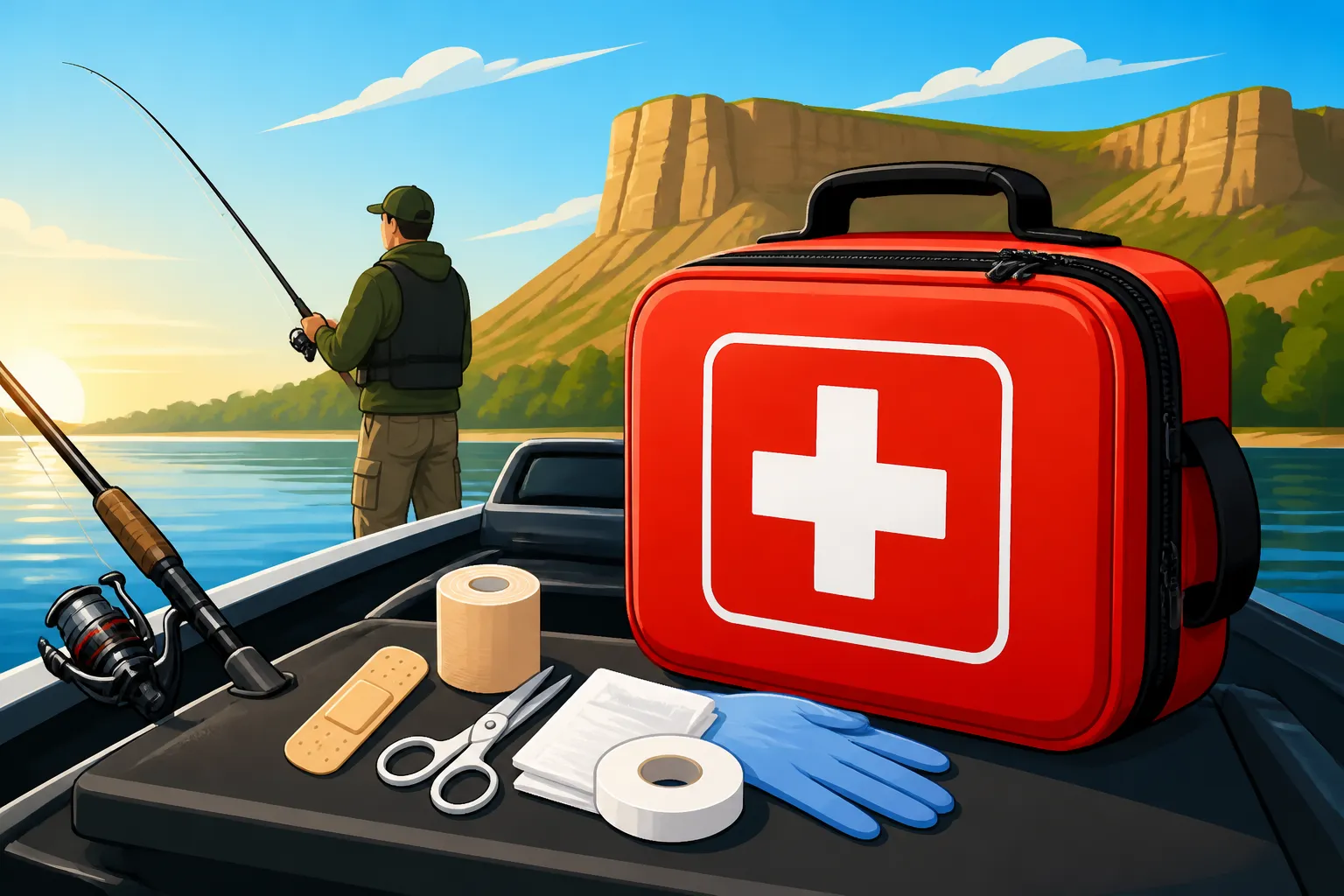
Best First Aid Kit for a Fishing Boat
There’s nothing quite like a peaceful day out on the water, casting lines on one of Nebraska's beautiful lakes or rivers. But let’s be real, out on the open water, help isn't always a quick phone call or a short drive away. Accidents, big or small, can happen when you least expect them. This comprehensive guide is all about helping you put together the best first aid kit for your fishing boat, ensuring you’re prepared for whatever comes your way while enjoying the Cornhusker State's fantastic fishing opportunities.
Why a Dedicated Boat First Aid Kit Isn't Just "Nice to Have"
For many of us, a small first aid kit might already be in the car or tucked away in a backpack. But a fishing boat presents its own unique challenges and needs that a generic kit simply won't address. Think about the environment: wet surfaces, sharp hooks, slippery fish, strong sun, and often, quite a distance from any immediate medical attention. Being truly prepared on the water means having a specialized kit ready to go.
The Reality of Remote Nebraska Waters
Nebraska offers incredible fishing, from the vast expanses of Lake McConaughy to the winding stretches of the Platte River, and countless smaller reservoirs and ponds in between. While these spots provide solitude and excellent catches, they also often mean you're a good distance from a paved road, let alone a hospital. Cell service can be spotty or non-existent in some of the more remote areas, turning a minor mishap into a much bigger problem if you can't call for help.
Consider a sunny afternoon on Merritt Reservoir, far from the boat ramp, and suddenly someone gets a treble hook buried deep in their hand. Or perhaps you're enjoying the tranquility of the Niobrara River, miles upstream from any town, and a family member suffers a severe allergic reaction to a bee sting. In these scenarios, having a well-stocked and easily accessible first aid kit isn't just a convenience; it's a critical piece of safety equipment. Every minute can count when you're out there.
Common On-the-Water Mishaps
Fishing boats, by their very nature, are ripe for certain types of minor injuries that, if left untreated, can quickly escalate. We’ve all seen it or experienced it ourselves: a slippery deck leading to a fall, a hook flying out of a fish's mouth and finding its way into a finger, or a sudden burst of activity causing a cut from a sharp fin or a filleting knife.
Beyond physical trauma, environmental factors play a huge role. Nebraska summers can be intensely hot, leading to heat exhaustion or severe sunburn. Insects, particularly mosquitoes and horseflies, can be relentless, and their bites can cause uncomfortable itching or even allergic reactions. Dehydration is another silent danger, especially on long days under the sun. A good first aid kit anticipates these common issues and provides the tools to address them promptly.
Essential Components for Your Nebraska Fishing Boat First Aid Kit
Building a truly effective first aid kit for your boat means going beyond a few band-aids. You need a comprehensive collection of supplies designed to handle the specific types of injuries and conditions you might encounter while fishing in Nebraska. Think durable, waterproof, and easy to use under pressure.
Wound Care and Injury Management
This is the backbone of any first aid kit, and on a fishing boat, it's absolutely paramount. You'll deal with cuts, scrapes, and most notoriously, hook punctures. Having the right tools for these situations can make all the difference.
First, assorted waterproof bandages are a must. From small finger cuts to larger scrapes on a knee, having various sizes ensures you can cover most wounds. Make sure they’re waterproof, as things tend to get wet on a boat. Next, antiseptic wipes or spray are crucial for cleaning wounds immediately to prevent infection, especially after handling fish or bait. Sterile gauze pads in various sizes (2×2, 4×4) are essential for applying pressure to bleeding wounds or larger dressings. Pair these with a roll of medical tape to secure the gauze.
Sterile gloves are not just for the pros; they protect both the first responder and the injured person from potential contamination. A small pair of sharp scissors is invaluable for cutting tape, gauze, or even clothing if needed. And for those dreaded hook removals or stubborn splinters, a good pair of fine-tipped tweezers is indispensable. Lastly, antibiotic ointment like Neosporin or bacitracin should be applied to clean wounds before bandaging to further prevent infection. Consider adding some super glue (the medical-grade kind or even regular super glue in a pinch) for sealing small, clean cuts where stitches might otherwise be needed, after proper cleaning. How to Release a Fish Safely to Survive is a great resource that reinforces safe handling practices that can also prevent injuries.
Medications and Allergy Relief
Beyond external injuries, you need to be prepared for internal discomforts and allergic reactions. Being stuck hours from shore with a throbbing headache or severe heartburn is no fun at all.
Your kit should include pain relievers and anti-inflammatories like ibuprofen or acetaminophen. These are lifesavers for headaches, muscle aches from a long day casting, or minor sprains. Antihistamines, such as diphenhydramine (Benadryl), are absolutely critical. They can provide relief for bug bites, skin rashes, and, most importantly, mild to moderate allergic reactions to stings or something ingested. If anyone in your regular fishing party has severe allergies, especially to bee stings, they should carry their own prescribed epinephrine auto-injector (EpiPen), and you should know how to administer it.
Don't forget antacids for heartburn or indigestion, which can be surprisingly common after a shore lunch or a day of coffee on the water. For those prone to motion sickness, particularly on larger reservoirs like Lake McConaughy when the wind picks up, motion sickness medication is a thoughtful addition. Always check expiration dates on all medications regularly, and replace them as needed.
Sun, Heat, and Bug Protection
Nebraska weather can be temperamental, swinging from mild to scorching hot in a flash. Protecting yourself and your crew from the elements is a key part of first aid and prevention.
High-SPF, waterproof sunscreen is non-negotiable for long days under the powerful Nebraska sun. Apply it liberally and reapply often. Keep a bottle of after-sun lotion with aloe vera in the kit; it’s a soothing balm for any sun exposure that sneaks past the sunscreen. For the persistent mosquitoes and other biting insects that frequent our waters, effective bug repellent is a must-have. Look for formulas with DEET or picaridin.
In case a bug still gets through, sting relief cream or wipes can help alleviate the pain and itch from mosquito bites, bee stings, or spider bites. These items aren't just about comfort; they're about preventing more serious issues like sunstroke or infected bug bites that can ruin a trip. Consider adding an emergency thermal blanket, especially for early spring or late fall fishing, when temperatures can drop unexpectedly, as discussed in Nebraska Fishing Weather and Barometric Pressure Tips.
Customizing and Maintaining Your Kit for Nebraska's Waters
A first aid kit isn't a "set it and forget it" item. To be truly effective, it needs to be tailored to your specific needs and fishing habits, and regularly maintained to ensure everything is still viable when you need it most.
Personalizing for Your Crew and Fishing Style
Think about who usually joins you on the boat. Are there kids who are more prone to bumps and scrapes? Are there older individuals with specific health concerns? Does anyone have known allergies or medical conditions that might require specific medications? Customizing your kit to these individual needs is paramount. For instance, if a regular passenger is diabetic, including glucose tablets could be a life-saver.
Your fishing style also dictates what might be necessary. If you're primarily fly fishing, you might want extra small forceps or specialized hook removers. If you're trotlining for Nebraska Channel Catfish Fishing on the Platte River overnight, you might need more robust lighting options and stronger bug repellent, along with extra supplies for potential bigger cuts from strong fish. Consider a small, portable oxygen tank if you fish with individuals who have respiratory conditions and are venturing into very remote areas.
Proper Storage and Regular Checks
Even the best supplies are useless if they're damaged or expired. Your first aid kit needs a home on your boat that is both waterproof and easily accessible. A hard-sided, watertight container is ideal to protect contents from spray, rain, and accidental splashes. Many reputable brands offer such containers, some even floating.
Store your kit in a designated spot that everyone on board knows about, and make sure it’s not buried under a pile of tackle boxes or fishing nets. Direct sunlight can degrade medications and adhesives, so keep it in a shaded area or compartment.
Beyond proper storage, commit to regular checks. I recommend doing a thorough inventory at least once a month, and certainly before any major fishing trip. Check expiration dates on all medications, sunscreens, and even antiseptic wipes (which can dry out). Replenish anything that's been used or is nearing its expiry. Ensure all items are clean and intact. This simple routine can prevent a lot of headaches when an emergency arises.
Beyond the Basics: Advanced Considerations
While the core components will cover most common incidents, experienced anglers and those venturing far off the beaten path might consider a few advanced additions. These items often require some prior training to use effectively, so don't just toss them in without knowing how.
A small, compact CPR mask can be invaluable for administering rescue breaths safely. A tourniquet, while a powerful tool for severe bleeding, absolutely requires proper training to avoid causing more harm than good. If you decide to carry one, ensure you and anyone else on board who might use it has received appropriate training. An emergency blanket (foil-like mylar type) is lightweight and can be critical for treating shock or hypothermia in cooler weather, especially after an accidental dunking. A good multi-tool with pliers, screwdrivers, and a sharp blade can also be a handy addition for minor repairs or adjustments that might inadvertently become a first aid situation.
Where to Assemble and Buy Your Kit
When it comes to putting together your boat’s first aid kit, you essentially have two main paths: assembling it yourself from scratch or buying a pre-made kit and then customizing it. Both have their advantages, and understanding them will help you make the best choice for your Nebraska fishing adventures.
Building Your Own vs. Pre-Made Kits
Building Your Own Kit:
The biggest pro here is complete customization. You can handpick every single item, ensuring it meets your exact needs, preferences, and addresses any specific concerns for your regular fishing crew or the types of waters you frequent in Nebraska. This means you can get higher quality versions of specific items, add personal medications, or include specialized tools like a specific type of hook remover. It often allows for better value, as you're not paying for items you don't need or won't use. However, the con is the time and effort involved in sourcing everything. It requires more thought and research to make sure you haven't missed anything crucial.
Pre-Made Kits:
These kits offer convenience right out of the box. They're typically designed by experts to cover a broad range of common injuries and often come in a durable, organized, and sometimes waterproof case. Many are even marketed specifically for marine or outdoor use, making them a good starting point. The downside is that they might contain items you don’t need, or lack specific items that are critical for your individual circumstances. The quality of individual components can also vary widely, and you might find yourself needing to upgrade or add to a pre-made kit anyway. Still, for someone who wants to get a baseline kit quickly, they're a solid option.
Recommended Sources and Brands
Whether you're building from scratch or customizing a pre-made one, you'll need reliable places to buy your supplies. Local pharmacies like CVS or Walgreens are excellent for basic medications, antiseptic wipes, and a variety of bandages. For more specialized items or a wider selection of durable, outdoor-specific gear, larger retailers are often your best bet.
For comprehensive first aid supplies and robust cases, you'll find a great selection at outdoor and sporting goods stores. Retailers like Bass Pro Shops typically carry a range of pre-made first aid kits suitable for boating, as well as individual components designed for outdoor use. They often have knowledgeable staff who can help guide your choices based on your activities. Online, Amazon is an unparalleled resource. You can find virtually any first aid item imaginable, from specific medications to highly-rated waterproof cases and specialized tools. When shopping on Amazon, pay attention to reviews and brand reputation to ensure you’re getting quality products.
Look for reputable brands that specialize in outdoor or marine first aid, such as Adventure Medical Kits or Orion Safety Products. These companies often design their products with the harsh conditions of boating and outdoor activity in mind, ensuring durability and effectiveness when it matters most. Remember, the goal isn't just to have a kit, but to have a good kit that you trust. You can also pick up things like Nebraska Boating Age Requirements for Operating Alone and Nebraska Boat Safety Equipment Requirements when you're stocking up on your medical supplies!
| Item Category | Essential Items (Example) | Purpose | Notes for Boat Use |
|---|---|---|---|
| Wound Care | Assorted waterproof bandages | Cuts, scrapes, blisters | Choose flexible, durable, waterproof types. |
| Sterile gauze pads (various sizes) | Covering larger wounds, absorbing blood | Good for applying pressure. | |
| Medical tape | Securing bandages/gauze | Cloth or waterproof tape holds better in damp conditions. | |
| Antiseptic wipes/spray | Cleaning wounds, preventing infection | Individually wrapped wipes are convenient. | |
| Antibiotic ointment | Topical infection prevention | Small tubes are fine. | |
| Tweezers (fine-tipped) | Splinter, tick, or hook removal | Crucial for fishing-related injuries. | |
| Small sharp scissors | Cutting tape, gauze, clothing | Stainless steel is best to avoid rust. | |
| Sterile gloves | Personal protection for caregiver and injured | Latex-free options available. | |
| Medications | Pain relievers (Ibuprofen, etc.) | Headaches, muscle aches, minor pain/inflammation | Check expiration dates regularly. |
| Antihistamines (Benadryl) | Allergic reactions (insect bites, rashes), motion sickness | Non-drowsy options also useful. | |
| Antacids | Heartburn, indigestion | Chewable tablets are quick. | |
| Motion sickness pills | Nausea from boat movement | Take before symptoms start. | |
| Environmental | High-SPF waterproof sunscreen | Preventing sunburn | Reapply often, especially after contact with water. |
| After-sun lotion (Aloe Vera) | Soothing sunburned skin | Provides immediate relief. | |
| Bug repellent | Preventing insect bites | Critical for Nebraska's summer evenings. Best Bug Spray for Summer Fishing in Nebraska | |
| Sting relief wipes/cream | Alleviating pain/itch from insect bites/stings | Quick relief for unexpected stings. | |
| Miscellaneous | CPR mask | Safe delivery of rescue breaths (requires training) | Compact and easy to store. |
| Emergency thermal blanket | Treating shock, hypothermia, warmth | Lightweight, crucial for cold emergencies. | |
| Small flashlight/headlamp | Night visibility, examining wounds | Waterproof and with fresh batteries. | |
| Instant cold packs | Reducing swelling, pain relief for sprains/bumps | Activate by squeezing, no refrigeration needed. | |
| Container | Waterproof, durable container | Protecting contents from water, impact | Must float and be easily identifiable. |
Disclaimer
This article is for general informational purposes only and does not constitute professional advice. Laws, prices and regulations vary by location and change over time. Consult a qualified professional for guidance on your specific situation.