Best Tackle for Nebraska Walleye Fishing
There's nothing quite like the thrill of a walleye hitting your line in Nebraska, but let's be honest, walking into a tackle shop or browsing online can feel like stepping into a labyrinth. With so many options out there, it’s easy to get overwhelmed trying to figure out what tackle actually makes a difference when targeting these notoriously finicky fish in our diverse waters. This guide aims to cut through the confusion, offering a comprehensive look at the essential tackle you'll need to confidently pursue walleye across Nebraska, from the big reservoirs to our winding rivers.
Understanding Nebraska Walleye Behavior and Habitat
Before you even think about what lure to tie on, it’s crucial to understand the fish you’re after. Walleye in Nebraska are intelligent, often sensitive, and highly adaptable predators. Their behavior dictates our tackle choices, and knowing where they live and why they’re there is the first step to success.
Why Walleye are Challenging Targets
Walleye aren't like some other fish that will hit anything that moves. They're often called "low-light feeders" because their large, light-sensitive eyes give them an advantage in dim conditions, making them more active at dawn, dusk, cloudy days, or in deeper, darker water. This means presentation, color, and retrieve speed become critical. They're also often bottom-oriented, preferring to hug structure or contour lines, which demands tackle that can effectively reach these depths and navigate obstacles without constant snags. Many anglers get frustrated because a simple retrieve doesn't always cut it; you need to understand their mood and adapt.
Another challenge is their subtle bite. Sometimes it's a solid thump, other times it's a barely perceptible "tick" or just a sudden heaviness on the line. This requires sensitive tackle to detect these nuanced takes, especially when fishing deep or in windy conditions. If your rod or line isn't up to par, you'll miss a lot of fish.
Key Habitats in Nebraska
Nebraska offers a fantastic variety of walleye waters, each with its own characteristics that influence tackle selection. Our large reservoirs like Lake McConaughy Walleye Fishing, Merritt Reservoir, and Branched Oak Lake are prime walleye destinations, often featuring expansive open water, deep drop-offs, and submerged structures. Here, trolling with crankbaits or crawler harnesses, and vertical jigging deep humps, are often effective techniques. The sheer size of these lakes means you might need gear capable of covering a lot of water.
Then we have our rivers, especially the Missouri River and sections of the Platte. River walleye often relate to current breaks, wing dams, eddies, and submerged timber. Fishing these moving waters requires different strategies, such as using heavier jigs to stay on the bottom, or specialized crankbaits designed to run true in current. Sandpits, while smaller, can also hold good numbers of walleye, particularly during cooler months, often responding well to jigs or slip bobber rigs. Understanding these distinct environments helps narrow down your tackle box.
Seasonal Movements
Walleye behavior changes dramatically with the seasons, and your tackle needs to evolve with them. In early spring, after the ice melts, walleye move shallower for their spawn. During the Nebraska Walleye Spawning Season, they are often found on rocky reefs and points, making jigs with soft plastics or live minnows highly effective. As spring progresses into summer, they typically move deeper to escape warm surface temperatures and bright light, congregating on main lake points, humps, and submerged timber. This is prime time for deep trolling with crankbaits or bottom bouncers with crawler harnesses.
Come fall, as water temperatures drop, walleye become more aggressive, often moving shallower again to feed heavily before winter. This can be an excellent time for casting crankbaits or ripping blade baits. Winter, of course, brings ice fishing, where specialized short rods, small jigs, and spoons are the order of the day. Knowing these patterns means you’re not just throwing darts in the dark; you’re making informed tackle decisions based on where the fish are likely to be.
Essential Rods and Reels for Nebraska Walleye
Having the right rod and reel combination is fundamental to walleye fishing success. It’s not about having the most expensive gear, but the right gear for the job. Matching your rod and reel to the techniques you plan to use and the size of the fish you expect to encounter will greatly enhance your experience and your catch rate.
Spinning Rods and Reels
For most walleye anglers in Nebraska, a good spinning setup is your bread and butter. Spinning rods excel at casting lighter baits, especially jigs and smaller crankbaits, and offer superior sensitivity for detecting those subtle walleye bites. A 6'6" to 7' medium-light to medium power fast-action spinning rod is a fantastic all-around choice. The fast action means the rod bends mostly in the tip, allowing for quick hook sets and excellent feel, which is crucial when jigging. When pairing it with a spinning reel, look for a 2000- to 3000-size reel. These sizes offer a good balance of line capacity, retrieve speed, and drag power without being overly heavy.
This setup is perfect for pitching jigs to structure, casting small crankbaits along weed lines, or even fishing slip bobbers. The open-face design of a spinning reel also minimizes backlashes, making it very user-friendly for anglers of all skill levels. For a beginner looking to get started, a quality spinning combo in this specification range from brands available at a local Bass Pro Shops or online via Amazon would be a smart initial investment.
Baitcasting Rods and Reels
While spinning gear covers a lot of bases, baitcasting rods and reels have their place, particularly for specific walleye techniques. If you plan on doing a lot of trolling with heavier crankbaits, pulling larger bottom bouncers, or targeting bigger fish, a baitcasting setup offers more power and control. A 7' to 7'6" medium-heavy power moderate-fast action baitcasting rod is excellent for trolling. The moderate-fast action allows the rod to absorb the shock of a hard strike when trolling at speed, preventing hooks from tearing out.
Baitcasting reels, with their direct drive and stronger gearing, are ideal for handling the continuous strain of trolling large lures or fighting bigger walleye out of deep water. They also offer more precise line control for dropping baits vertically. While they can be a bit trickier to master for casting due to the potential for backlashes, their power and line capacity make them invaluable for certain applications. Many serious walleye anglers will have both spinning and baitcasting setups in their arsenal, ensuring they’re prepared for any scenario Nebraska’s waters throw at them. You can learn more about specialized setups in Best Walleye Rods for Nebraska Reservoirs.
Rod Actions and Powers
Understanding rod action and power is key to optimizing your walleye tackle. "Power" refers to the rod's lifting strength or stiffness – how much weight it can handle. For walleye, common powers range from medium-light to medium-heavy. A medium-light rod offers excellent sensitivity for light jigs and smaller fish, bending easily. A medium-power rod is a versatile workhorse, capable of handling a wider range of lures and fish sizes. A medium-heavy rod provides more backbone, ideal for trolling heavier baits or muscling larger walleye out of heavy cover.
"Action" refers to where the rod bends when pressure is applied. A "fast" action rod bends mostly in the tip, providing maximum sensitivity and quick hook sets, making it perfect for jigging. A "moderate-fast" action bends more into the middle of the rod, offering a good balance of sensitivity and forgiveness, great for casting crankbaits or using live bait rigs where the fish might "mouth" the bait before committing. A "moderate" or "slow" action bends almost uniformly throughout the blank, absorbing shock well but with less immediate feel, often preferred for trolling or specific live bait presentations. Matching these characteristics to your primary fishing technique will make a significant difference in your success.
Choosing the Right Fishing Line for Walleye
The connection between you and the fish is your fishing line, and its characteristics are paramount for walleye success. Choosing the right line type and pound test for the conditions and techniques you’re using can dramatically impact your ability to detect bites, cast effectively, and ultimately land fish.
Monofilament
Monofilament line, often simply called "mono," is a classic choice and still has its merits for walleye fishing. It's affordable, easy to tie knots with, and offers good stretch. This stretch can be a benefit when a walleye strikes aggressively, as it acts like a shock absorber, helping to prevent the hook from tearing out of the fish's mouth. Mono also has a natural buoyancy, making it suitable for topwater lures (though less common for walleye) or fishing shallow. Its forgiving nature makes it a good option for beginners.
However, monofilament's stretch can also be a disadvantage, particularly when fishing deep or trying to detect subtle bites. The elasticity reduces sensitivity, making it harder to feel what’s happening at the end of your line. It also has more memory, meaning it retains coils from the spool, which can lead to tangles and reduce casting distance over time. For general casting and some light jigging in shallower water, 6-10 lb test monofilament can work well, but many anglers find its limitations outweigh its benefits for more advanced walleye techniques.
Fluorocarbon
Fluorocarbon line has become incredibly popular among walleye anglers, and for good reason. Its primary advantage is its near invisibility underwater, as it has a refractive index very close to that of water, making it much harder for wary walleye to see. This stealth factor alone can significantly increase your bite rate in clear Nebraska waters like Lake McConaughy. Beyond visibility, fluorocarbon offers excellent abrasion resistance, which is vital when fishing around rocky structure, submerged timber, or zebra mussel-encrusted bottoms common in some reservoirs.
Another key benefit is its low stretch, providing much greater sensitivity than monofilament. You'll feel more subtle bites and have a better sense of bottom composition and lure action. Its fast sink rate is also advantageous for getting baits down quickly and keeping them in the strike zone, especially when vertical jigging or fishing current. The main drawbacks are that it can be stiffer and more difficult to tie knots with than mono, and it tends to be more expensive. For main lines, 8-12 lb test fluorocarbon is common, but it truly shines as a leader material paired with braided line.
Braided Line
Braided line is a game-changer for sensitivity and strength, making it a top choice for many serious walleye anglers, especially when paired with a fluorocarbon leader. Its "zero stretch" characteristic means every bump, tick, or subtle change in lure action is transmitted directly to your rod tip. This unparalleled sensitivity is invaluable for detecting light bites in deep water or strong winds. Braided line also boasts incredible strength-to-diameter ratio, allowing you to use a thinner line that casts farther and cuts through water or wind better, while still offering superior breaking strength.
While braided line is highly visible underwater, this isn't a problem when you use a fluorocarbon leader. Its lack of stretch can be a double-edged sword; while it enhances sensitivity, it offers no shock absorption, so you need a rod with a more moderate action or a slightly softer hand to avoid ripping hooks out. Braided line can also be harder on rod guides and reels if not properly maintained, and it can be difficult to cut without sharp scissors. Typically, 10-20 lb test braid is used for walleye, often tied directly to a small swivel or a "no-knot" connection to a fluorocarbon leader of 8-12 lb test. This combination offers the best of both worlds: extreme sensitivity and strength with stealth at the business end.
Leader Materials
The use of a leader, particularly a fluorocarbon leader, is almost non-negotiable for serious walleye fishing in Nebraska, especially when your main line is braided. The leader provides that crucial invisible connection to your lure, protecting your main line from abrasion and preventing wary walleye from seeing your more visible braid. Typical leader lengths range from 2 to 6 feet, depending on clarity and conditions. A shorter leader might be used in stained water or for aggressive presentations, while longer leaders are preferred in clear water or when fish are finicky.
You can also use monofilament leaders in specific situations, such as when fishing with crankbaits where a little stretch can improve action or prevent hook tear-outs, or if you're fishing in extremely murky water where visibility isn't a concern. However, fluorocarbon remains the standard for its combination of invisibility and abrasion resistance. Using a high-quality swivel or a small, strong knot like an FG knot or an Albright knot to connect your braid to your leader is essential for maintaining strength and avoiding tangles. For more line choices, consider Best Fishing Line for Nebraska Walleye.
Here's a quick comparison of common walleye fishing line types:
| Line Type | Key Benefit | Primary Use Cases | Walleye Test Range | Pros | Cons |
|---|---|---|---|---|---|
| Monofilament | Stretch / Shock Absorption | Casting, shallow water, live bait | 6-10 lb | Affordable, easy to tie, forgiving stretch | Less sensitive, visible, higher memory |
| Fluorocarbon | Low Visibility / Sensitivity | Leaders, clear water, vertical presentations | 8-12 lb (leader) | Invisible, abrasion resistant, sensitive | Stiffer, more expensive, harder to knot |
| Braided | Zero Stretch / Strength | Main line, deep water, jigging, trolling | 10-20 lb | Extremely sensitive, strong, thin diameter | Visible, no stretch, can cut hands/reels |
Top Walleye Lures for Nebraska Waters
Once you’ve got your rod, reel, and line sorted, it’s time to talk about the business end: the lures. Nebraska walleye respond to a variety of presentations, and having a diverse selection of lures is key to adapting to different conditions and fish moods.
Jigs
Jigs are arguably the most versatile and effective walleye lure, especially when you consider that How to Jig for Walleye in Nebraska is a fundamental skill. They imitate baitfish or crawfish and can be fished in countless ways. Most walleye anglers in Nebraska carry a wide assortment of jig heads, ranging from 1/16 oz for shallow water or light current, up to 1 oz or more for deep water, heavy current, or ice fishing. The common styles include round heads, stand-up heads (which keep your plastic or bait upright on the bottom), and mushroom heads.
Color is also crucial. Natural colors like greens, browns, and whites are often great in clear water, while brighter colors like chartreuse, orange, or pink can excel in stained water or low light. Jigs can be tipped with live bait like minnows, nightcrawlers, or leeches, or paired with a variety of soft plastics such as paddle tail swimbaits, grubs, or finesse worms. Experimentation is key; a slight change in jig weight, color, or plastic profile can be the difference between a slow day and a hot bite.
Crankbaits
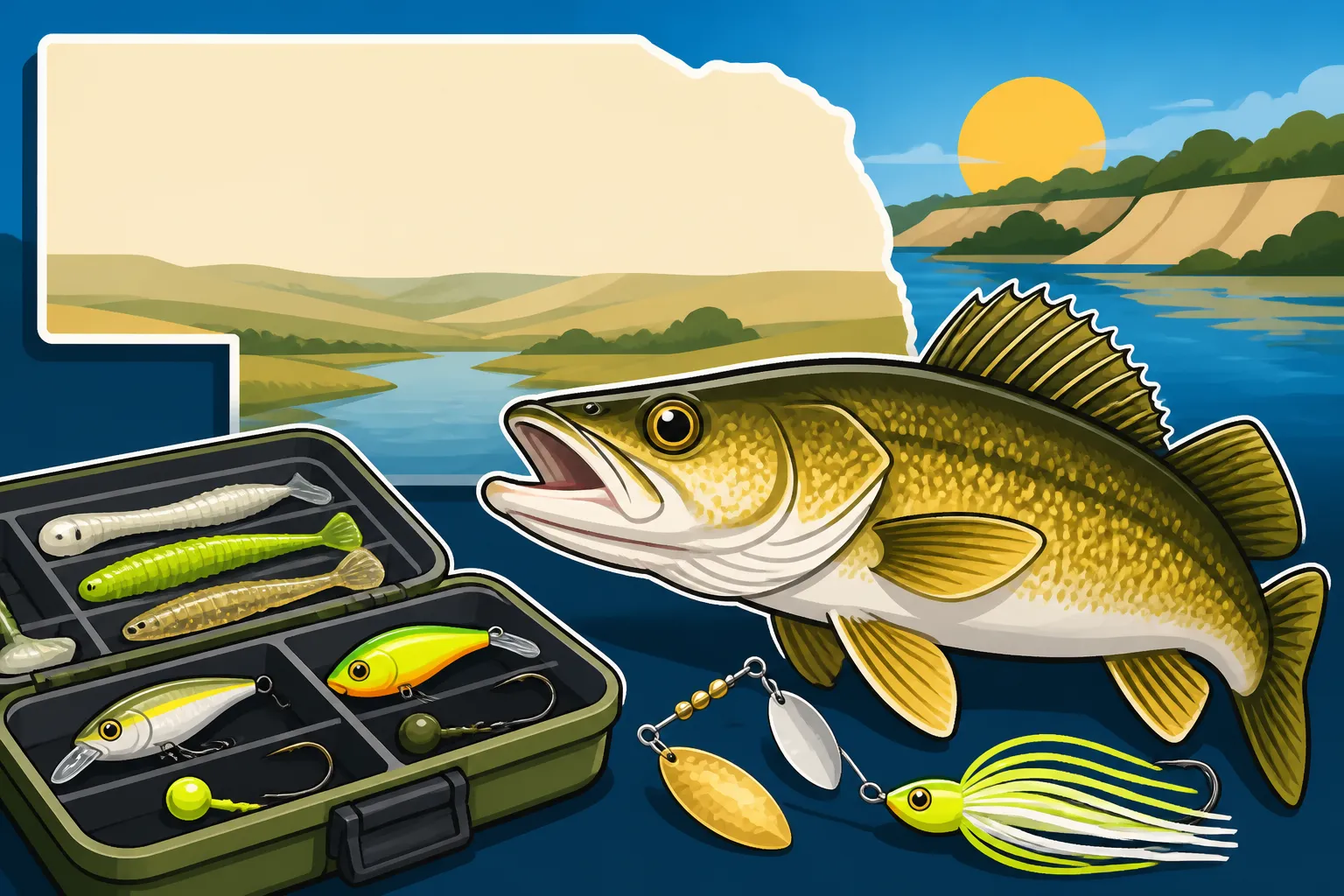
Crankbaits are indispensable for covering water, especially when trolling or casting for active walleye. They come in various shapes and sizes, each designed to run at a specific depth and have a distinct action. Shallow-diving crankbaits (like classic Shad Raps or Flicker Shads) are excellent for casting near shorelines, over weed flats, or in shallower sandpits. Medium divers are versatile for open water casting or slower trolling, while deep divers are your go-to for reaching walleye suspended over deep water or hugging deep structure in reservoirs like Merritt.
Color patterns for crankbaits are just as important as for jigs. Again, natural baitfish patterns (perch, shiner, smelt) are often productive, especially in clear water. Firetiger, chartreuse, and clown patterns can be deadly in stained water or low light conditions. When trolling, having a selection of crankbaits that run at different depths allows you to quickly adjust to where the fish are holding in the water column. You can delve deeper into this technique with How to Troll for Walleye in Nebraska.
Crawler Harnesses and Live Bait Rigs
When walleye are focused on foraging, especially on bottom-dwelling insects and worms, a crawler harness is incredibly effective. These rigs typically consist of a main line with a clevis, beads, a spinner blade (Colorado, Indiana, or willowleaf styles), and two or three snelled hooks designed to hold a live nightcrawler. They are usually fished behind a bottom bouncer or a walking sinker, allowing them to track along the bottom without snagging.
The flash and vibration of the spinner blade, combined with the enticing scent and action of a live nightcrawler, make them irresistible to walleye. Blade colors can range from bright fluorescent colors to metallic finishes (gold, silver, copper). Experimenting with blade size and color, as well as presentation speed, is key. While often associated with trolling, crawler harnesses can also be drifted effectively, especially in areas with current or over large flats. Many anglers consider them a primary weapon, particularly in warmer water. Don't forget to check out Best Bait for Nebraska Walleye for more insights on live bait.
Blade Baits and Spoons
Blade baits and spoons are fantastic for vertical jigging, especially in deeper water or during cooler seasons. Blade baits, like the classic Vibrato or Rapala Snap Rap, are compact, heavy lures designed to be ripped vertically off the bottom and then allowed to flutter back down. Their intense vibration on the lift and erratic fall can trigger aggressive reaction strikes from walleye. They are particularly effective when fish are schooled up tight or when trying to pinpoint fish on specific structure.
Spoons, like the popular Kastmaster or Swedish Pimple, also work well for vertical jigging and ice fishing. They mimic dying baitfish with their wobbling, fluttering action. Both blade baits and spoons are excellent for cutting through wind and current, quickly reaching the desired depth. Colors can vary, but metallic finishes (silver, gold) and bright accents (chartreuse, orange) are often good starting points. These lures excel when you want to create a lot of flash and vibration in a concentrated area, drawing walleye in from a distance.
Swimbaits and Grubs
Soft plastic swimbaits and grubs offer a more subtle, yet highly effective, presentation for walleye. Swimbaits, with their paddle tails, create a natural swimming action when retrieved, mimicking a baitfish. They can be rigged on jig heads, underspin jigs, or even on bare hooks. Grubs, with their curly tails, provide a tantalizing wiggle that walleye find hard to resist. Both are excellent for casting and retrieving, working them through weed lines, over flats, or along drop-offs.
The versatility of soft plastics lies in their myriad colors, sizes, and actions. From natural greens and browns to vibrant chartreuse and whites, there's a plastic for every water condition. They offer a more silent presentation compared to crankbaits, which can be crucial when fish are spooky. Many anglers will stock up on a variety of these soft plastics, knowing they can be effective year-round and can be adapted to almost any jigging or casting scenario.
Essential Terminal Tackle and Weights
Beyond your main lures, the smaller, often overlooked components of your tackle setup—the terminal tackle—play a critical role in rigging, presentation, and preventing lost fish. These seemingly minor items are the unsung heroes of your walleye tackle box.
Hooks
The right hook is essential for a good hook-set and keeping a walleye buttoned up. For walleye, you'll primarily be dealing with treble hooks (on crankbaits and some spoons) and single hooks (for jigs or live bait rigs). When buying jigs, ensure they come with sharp, strong hooks. Many anglers upgrade the factory treble hooks on their crankbaits to sharper, more robust hooks, which can increase hook-up ratios and prevent bent hooks from larger fish.
For live bait presentations, consider specialized hooks like Aberdeen hooks (thin wire for delicate minnows or worms) or octopus hooks (offset point for better hook-sets). Circle hooks are also gaining popularity, especially for catfishing, but can be effective for walleye on live bait rigs as they tend to hook fish in the corner of the mouth, reducing gut hooking. Always carry a selection of various hook sizes to match your bait and target species.
Swivels and Snaps
Swivels and snaps are small but mighty components. Swivels prevent line twist, which is particularly problematic when using spinning lures like crawler harnesses or spoons that rotate during retrieval. Barrel swivels are basic, but ball bearing swivels offer superior anti-twist performance, though they are more expensive. Using a quality swivel above your leader and lure is a simple way to avoid frustrating line tangles.
Snaps or snap swivels allow for quick and easy lure changes without having to re-tie your entire setup. This is incredibly helpful when you're actively searching for the right bait or need to adapt quickly to changing conditions. Ensure your snaps are appropriately sized and strong enough for walleye, as a cheap, flimsy snap can bend open and cost you a prized catch. Always check your knots and connections regularly for wear and tear.
Sinkers and Weights
Getting your bait to the walleye's depth is often paramount, and that's where sinkers and weights come in. The most common weights for walleye fishing include bottom bouncers, split shot, bullet weights, and drop-shot weights. Bottom bouncers are a staple for trolling or drifting crawler harnesses and other live bait rigs. They feature a wire arm that keeps your bait elevated off the bottom while the lead weight bounces along, minimizing snags. They come in various weights, from 1/2 oz to 3 oz or more, chosen based on depth, current, and speed.
Split shot weights are small, pinch-on weights used for fine-tuning the sink rate of live bait or small jigs. Bullet weights are streamlined and often used with Texas rigs for soft plastics, allowing the bait to slide through cover. Drop-shot weights are specifically designed for drop-shot rigging, which suspends a soft plastic bait above a weight, keeping it in the strike zone. Having a variety of weights on hand ensures you can present your bait effectively at any depth.
Leaders
We’ve touched on leaders with line choice, but it’s worth reiterating their importance in terminal tackle. A well-tied leader, typically made of fluorocarbon, is your first line of defense against abrasion from structure and the keen eyesight of walleye. Think of it as a stealthy extension of your main line. A leader also acts as a shock absorber if you're using braid, preventing break-offs on sudden strikes.
When tying leaders, use strong, reliable knots like the Palomar knot for tying to hooks or swivels, and a robust connection knot like the FG knot or Albright knot for connecting to your main line. Practice these knots at home, as a weak knot is a common point of failure. The length and pound test of your leader can vary, but generally, 8-12 lb test fluorocarbon, 2-6 feet long, is a good starting point for most Nebraska walleye situations. This ensures your presentation is as natural and undetectable as possible.
Key Accessories for a Successful Walleye Trip
Beyond the rods, reels, line, and lures, a few essential accessories can significantly improve your comfort, efficiency, and success on the water. These items might seem minor, but they can make a big difference in a long day of fishing.
Landing Nets
A good landing net is more than just a convenience; it's a vital tool for safely landing walleye and ensuring their health if you plan on releasing them. Look for a net with a rubberized or knotless mesh. This type of mesh is much gentler on the fish's delicate slime coat, fins, and scales compared to traditional knotted nylon nets. It also helps prevent hooks from getting tangled, saving you time and frustration.
For walleye, a net with a hoop size of at least 20-24 inches across and a handle long enough to reach from your boat or the bank is ideal. Having a net that's too small can lead to lost fish right at the boat, a heartbreaking scenario we've all experienced. Whether you're keeping your catch or practicing catch and release, a proper net is an investment in both your success and the welfare of the fish.
Pliers and Hook Removers
Safety first! Walleye have sharp teeth, and trying to remove a deeply set hook by hand is a recipe for a painful injury. A good pair of long-nosed pliers or, even better, a specialized hook remover tool, is essential. These tools allow you to safely dislodge hooks from the fish's mouth without putting your fingers at risk. They also minimize harm to the fish, especially when the hook is set in a tricky spot.
Look for pliers made from corrosion-resistant material, as they'll inevitably get wet. Multi-tool fishing pliers often come with line cutters, which are incredibly handy for braided line. Keep them easily accessible in your boat or tackle bag. Trust me, you'll thank yourself the first time you're trying to unhook a feisty walleye in a hurry.
Fish Finders/Sonar
While not strictly "tackle," a fish finder or sonar unit is an invaluable piece of equipment for any serious walleye angler. It’s like having x-ray vision into the water, allowing you to locate schools of baitfish, identify submerged structure, and, most importantly, pinpoint walleye holding to that structure or suspended in the water column. Modern fish finders offer features like Down Imaging, Side Imaging, and traditional 2D sonar, giving you a comprehensive view of the underwater world.
Learning How to Read a Fish Finder for Walleye can dramatically cut down your search time and increase your efficiency. Knowing the depth, temperature, and where fish are holding helps you choose the right lure and presentation. Even a basic portable fish finder can make a huge difference, especially for bank anglers or those using smaller boats. Consider it an investment that pays dividends in understanding walleye patterns and locations.
Livewells/Coolers
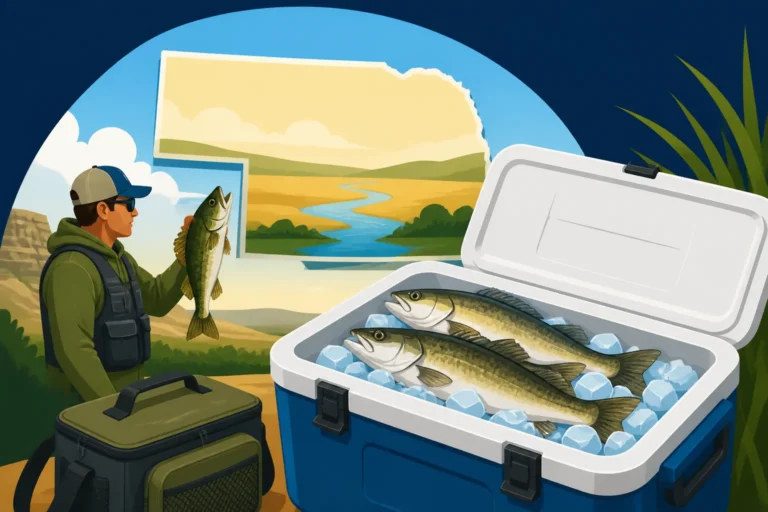
If you plan on keeping your walleye for a delicious meal, a proper livewell or cooler is crucial for keeping your catch fresh and maintaining quality. A well-aerated livewell in your boat ensures fish stay alive and healthy until you decide to keep or release them. This is especially important for adhering to Nebraska Walleye Daily Bag Limit regulations.
If you're bank fishing or don't have a livewell, a quality cooler filled with ice is your best friend. Get your fish on ice as quickly as possible after catching them. This rapidly cools the fish, preserving the texture and flavor of the meat. Don't just throw them in a bucket of water; warm water can quickly degrade the quality of your catch. A good cooler is also great for keeping your drinks and snacks cold throughout a long day on the water.
Storage: Tackle Boxes and Bags
Organized tackle is efficient tackle. There’s nothing more frustrating than rummaging through a messy box while the fish are biting. Invest in a good tackle box, tackle bag, or boat storage system that allows you to neatly organize your lures, terminal tackle, and accessories. Utility boxes with adjustable dividers are excellent for keeping jigs, hooks, and weights separate. Many modern tackle bags feature multiple compartments, tool holders, and easy access pockets.
Consider compartmentalizing your gear: one box for jigs, another for crankbaits, a small box for terminal tackle, and so on. This not only makes it easier to find what you need but also protects your lures from damage. A well-organized tackle system saves time on the water, ensures your gear lasts longer, and simply makes the whole fishing experience more enjoyable.
Adapting Tackle to Specific Nebraska Fishing Scenarios
Walleye fishing in Nebraska isn't a one-size-fits-all endeavor. The tackle that works best often depends on the specific conditions you encounter, whether that's the time of year, water depth, or unique characteristics of a particular body of water.
Spring Spawning and Post-Spawn
Spring is a magical time for walleye anglers, as fish move shallower for their annual spawn. During this period, and immediately after, walleye are often found on rocky points, shallow reefs, and along shorelines that warm up quickly. Your tackle choices should reflect this shallow-water focus. Smaller, lighter jigs (1/8 to 1/4 oz) tipped with a lively minnow or a soft plastic grub are deadly. The lighter jig allows for a slower, more natural fall that mimics a struggling baitfish, irresistible to post-spawn walleye.
Casting shallow-diving crankbaits in natural baitfish patterns is also highly effective, especially during low light conditions or when targeting active, cruising fish. Focus on areas with good cover like submerged rocks or emerging weed beds. The key here is a slower, methodical presentation, as the fish might still be somewhat lethargic from the spawn. You might also want to explore Nebraska Spring Walleye Fishing Techniques.
Summer Deep Water
As Nebraska heats up in summer, walleye typically retreat to deeper, cooler water. They'll often school up on main lake humps, points that drop off into deep water, submerged roadbeds, or along the thermocline if the lake stratifies. This calls for tackle that can effectively reach these depths and stay in the strike zone. Trolling deep-diving crankbaits is a prime technique, using models that can reach 15-30 feet or more. Color choices might still include natural patterns, but don't shy away from brighter, more aggressive colors if the water is stained.
Bottom bouncers with crawler harnesses are also incredibly effective for summer deep-water walleye. Use heavier bouncers (1-3 oz) to maintain bottom contact, adjusting weight based on your trolling speed and depth. Vertical jigging with heavy jigs (1/2 oz to 1 oz) or blade baits directly over deep structure is another powerful method, especially when you mark fish on your sonar. The goal is to keep your presentation in the deeper, cooler water where walleye are most comfortable during the heat of summer.
Fall Turnover and Feeding Frenzy
Fall brings a significant change in walleye behavior. As surface waters cool and eventually match the temperature of deeper water, lakes "turn over," mixing the water column. This can temporarily disperse fish, but once things stabilize, walleye typically enter an aggressive feeding frenzy as they prepare for winter. During this time, they may be found at various depths, but often relate to transition zones, like the edges of deep flats or medium-depth points.
This is a great time to experiment with both casting and trolling. Aggressive presentations often shine. Casting medium-diving crankbaits or larger soft plastic swimbaits along these transition areas can trigger powerful strikes. Trolling larger crankbaits at faster speeds can also be very effective for covering water and finding active schools. Don't be afraid to use brighter, more visible lure colors, as the fish are often less finicky and more focused on gorging themselves.
River Fishing
Fishing for walleye in Nebraska's rivers, like sections of the Missouri or Platte, presents a unique set of challenges due to current. Your tackle needs to be heavier and more robust to effectively present baits in moving water. Heavier jigs (often 1/2 oz to 1 oz or more) are essential to maintain bottom contact in stronger currents. Tipping these jigs with live minnows or stout soft plastics is a common and effective strategy. Focus on current seams, eddies behind structure, and wing dams where walleye will seek refuge from the main flow.
Bottom bouncers with crawler harnesses can also be drifted or slowly trolled downstream in less aggressive currents. Three-way rigs, which use a dropper weight to hold your bait near the bottom while allowing the lure to float freely, are another excellent option for river walleye. Choosing a sensitive rod with plenty of backbone is crucial for detecting bites in current and fighting strong fish in moving water. Always consider current speed and depth when selecting your weights and lure profiles to ensure your bait stays in the strike zone.
Purchasing Your Walleye Tackle: Where to Start
Getting all this tackle might sound like a daunting task, especially when you're just starting. But don't worry, you can build a solid walleye arsenal without breaking the bank. Knowing where to shop and what to prioritize will make the process much smoother.
Online vs. In-Store
Both online retailers and physical stores have their advantages when it comes to buying walleye tackle. Online giants like Amazon offer an unparalleled selection, often with competitive pricing and the convenience of delivery to your doorstep. You can compare different brands, read reviews, and often find specialized items that might not be available in smaller local shops. This is great for stocking up on specific lure colors or unique terminal tackle components.
However, nothing beats the in-store experience at places like Bass Pro Shops or your local bait and tackle shop. Here, you can physically handle rods and reels, get a feel for their balance and action, and compare sizes of lures. More importantly, you can tap into local knowledge. The staff at these stores are often experienced anglers themselves and can provide invaluable advice on what’s biting, current hot lures, and specific techniques for nearby Nebraska waters. They might even share tips that online reviews simply can't offer. Many anglers use a combination, researching online and then heading to a local shop for hands-on experience and local insights.
Starting with Essentials
If you're new to walleye fishing, or just looking to refresh your gear, don't feel like you need to buy everything at once. Start with the essentials that offer the most versatility. A good 6'6" to 7' medium-light to medium power fast-action spinning rod paired with a 2500-size spinning reel is an excellent foundation. Spool it with 10-15 lb braided line and have some 8-10 lb fluorocarbon for leaders.
For lures, begin with a selection of 1/8 to 1/2 oz jig heads in basic colors (black, white, chartreuse, natural), paired with some paddle tail grubs and minnow imitations. Add a few shallow- to medium-diving crankbaits in a natural baitfish pattern and a bright color. Finally, grab a few bottom bouncers and crawler harnesses for live bait presentations. This core tackle will allow you to fish a wide range of situations and techniques effectively without overwhelming your budget or your tackle box.
Budgeting for Quality
When budgeting for walleye tackle, it's wise to spend more on certain items where quality truly makes a difference, and save a bit on others. Your rod and reel are often where you should invest the most. A quality rod provides better sensitivity and durability, while a smooth reel with a reliable drag system prevents frustrating malfunctions and lost fish. These items are the backbone of your setup and will last for years with proper care.
You can often save money on simpler items like weights, hooks (as long as they are sharp and strong), and some soft plastics. While premium lures certainly have their place, many effective crankbaits and jigs are available at reasonable prices. Prioritize sharp hooks, strong line, and a comfortable, sensitive rod and reel, and then fill in your tackle box with a variety of proven lures. Remember, fishing doesn't have to be an expensive hobby, but smart investments in key areas will greatly enhance your success and enjoyment.
Disclaimer
This article is for general informational purposes only and does not constitute professional advice. Laws, prices and regulations vary by location and change over time. Consult a qualified professional for guidance on your specific situation.