Essential Gear Checklist for a First Ice Fishing Trip
Stepping onto the frozen expanse of a Nebraska lake for the first time can feel like embarking on an exciting, yet slightly daunting, adventure. The vast, silent beauty is captivating, but the biting wind and unfamiliar ice conditions can quickly make you question if you've brought the right gear. This comprehensive guide is designed to cut through that uncertainty, providing a clear, essential checklist to ensure your first ice fishing trip is safe, comfortable, and, most importantly, successful.
The Absolute Essentials for Safe Ice Fishing
Before you even think about catching a fish, your top priority on the ice needs to be safety. Nebraska winters can be incredibly unpredictable, and the ice, while seemingly solid, can hide dangers. Don't let the excitement overshadow the need for vigilance and the right tools to keep yourself and your fishing buddies out of harm's way.
Safety First: What You Can't Afford to Skip
You might be tempted to rush out with just a rod and a bucket, but that's a gamble you never want to take on the ice. The true essentials are those items that can save your life, or at least make a bad situation a lot less dire. Think of these as your personal insurance policy against the unpredictable nature of frozen water.
First on the list is a good spud bar. This is a heavy, chisel-ended steel bar that you use to test the ice ahead of you as you walk. It’s your first line of defense, allowing you to check for weak spots before you step on them. If one good whack sends the spud bar through the ice, you know not to proceed. It feels a bit cumbersome at first, but its value is immeasurable, especially when you're exploring new territory or when conditions are questionable. Always spud your way out, especially at the beginning of the season or after a warm spell.
Next up, and equally vital, are ice picks. These are two sharp, spiked handles connected by a cord that hangs around your neck. If you do break through, these picks give you something to grip onto the ice edge, helping you pull yourself out of the frigid water. They’re compact, inexpensive, and literally a lifesaver. Keep them easily accessible, not buried in a pocket. Finally, consider a length of rope – at least 50 feet – carried by someone in your group. It can be a simple throw rope to help pull someone out or to secure gear if needed. When it comes to venturing onto the ice, remember the mantra: safety first, always. Checking How Thick Ice Needs to Be to Fish Safely in Nebraska is crucial before you even step foot on the ice.
Staying Warm: Layering for Nebraska's Chill
Nebraska's winter winds sweeping across a vast frozen lake are no joke. What starts as a crisp morning can quickly turn into a brutally cold experience if you're not dressed properly. Layering is not just a suggestion; it’s a survival strategy that seasoned ice anglers swear by. Being cold isn't just uncomfortable; it zaps your energy, impacts your decision-making, and can lead to dangerous hypothermia.
Start with a good base layer. This is moisture-wicking material, usually synthetic or merino wool, worn directly against your skin. Its job is to pull sweat away from your body, keeping you dry. Cotton is a huge no-no here, as it absorbs moisture and will make you feel colder once it gets damp. Over your base layer, add a mid-layer for insulation. Fleece or down jackets work wonderfully here, trapping warm air close to your body. You want layers that you can easily add or remove as your activity level or the weather changes.
Your outer shell is where the serious protection comes in. Insulated, waterproof, and windproof bibs and jackets are essential. Look for dedicated ice fishing suits if you can, as they often have built-in flotation capabilities (like those from reputable brands you might find at Bass Pro Shops) which add an extra layer of safety. Don't forget your extremities! Thick, insulated, waterproof boots are critical to prevent frostbite and keep your feet dry. Your hands need protection too – a good pair of insulated gloves or mittens, perhaps with fingerless options for better dexterity when tying knots, will make a world of difference. Remember, if you lose feeling in your fingers or toes, it’s time to head in and warm up.
Core Fishing Equipment for Beginners
Once you're safe and warm, it's time to focus on the reason you came out here: to catch some fish! Ice fishing gear is a bit different from open-water tackle, designed for precision in a smaller, colder environment. Don't worry, you don't need a massive collection to start; just the right tools for the job.
Rods, Reels, and Line for the Ice
The first thing you'll notice about ice fishing rods is how short they are. Typically ranging from 24 to 36 inches, these shorter rods offer several advantages. They're easier to handle in a small ice shelter, allow for precise jigging motions right over your hole, and are surprisingly sensitive to subtle bites from fish under the ice. You'll want a rod that matches the size of fish you're targeting; a light action rod for panfish like crappie and bluegill, or a medium action for walleye and perch.
Pair your ice rod with a small spinning reel, often a 500 or 1000 series. These reels are compact, lightweight, and perform well in cold temperatures. Ensure they have a smooth drag system, which is crucial for fighting fish on lighter lines. For your line, choose a specific ice fishing line. These lines are designed to remain flexible in freezing temperatures and resist memory, which can cause frustrating coils. Monofilament in 4-6 lb test is a great all-around choice for many species, offering a good balance of strength and low visibility. For clearer water or larger fish, a fluorocarbon leader can be beneficial. Many sporting goods stores or online retailers like Amazon offer excellent beginner ice fishing combos that include a rod and reel already matched up.
Baits, Lures, and Tackle Box Basics
Ice fishing is often about finesse. You're usually targeting fish that are less active in cold water, so small, enticing presentations are key. Your tackle box for a first trip doesn't need to be overflowing, but it should contain a few essential lure types and bait options.
Jigs are the bread and butter of ice fishing. Think tiny teardrop jigs, tungsten jigs, or small leadhead jigs, typically in sizes from 1/32 to 1/8 ounce. Colors like chartreuse, glow-in-the-dark, pink, and white are often very effective in Nebraska's darker waters. Small spoons, like slender spoons or Kastmasters, also work wonders for drawing attention and imitating fleeing baitfish, especially when tipped with live bait. It's often said that if you can offer a small, struggling morsel, you're in good shape.
Speaking of live bait, don't leave home without it! Wax worms, mealworms, and small minnows are consistently productive ice fishing baits. Tipping your jig or spoon with a wax worm or the head of a small minnow adds scent, taste, and a lifelike wiggle that can be irresistible. A basic tackle box, easily carried in a bucket, is all you need to keep your hooks, sinkers, line, and a selection of these small lures organized. Don't forget a pair of small pliers or forceps for hook removal and a pair of nail clippers for cutting line – cold fingers make these tasks much harder without the right tools.
The Importance of a Good Auger
Before you can drop a line, you need a hole in the ice! This is where an auger comes in, and choosing the right one can make or break your ice fishing experience, especially if you plan to move around a lot. Drilling holes manually through thick Nebraska ice can be a real workout, but a good auger makes it manageable.
For beginners, a hand auger is a solid and economical choice. They're lightweight, require no fuel or batteries, and are surprisingly efficient in ice up to 10-12 inches thick. Brands like Eskimo or StrikeMaster offer reliable hand augers that cut through ice smoothly. However, if you're dealing with thicker ice, consistently fishing in very cold conditions, or just want to save your energy, a powered auger is a game-changer. These come in gas, propane, or electric varieties. Gas augers are powerful but heavier and require fuel. Propane augers are cleaner and easier to start. Electric augers, often powered by lithium-ion batteries, are quiet, clean, and incredibly convenient for multiple holes, though battery life can be a factor on extended trips.
Regardless of the type you choose, ensure the blades are sharp! Dull blades turn drilling into a frustrating, exhausting chore. Always use a blade cover for safety and to protect the sharp edges during transport. A decent auger makes getting set up less of a chore and more of an enjoyable start to your day on the ice. Checking out Best Ice Fishing Auger for Thick Nebraska Ice can help you make an informed decision based on your local conditions.
Comfort and Convenience on the Ice
While safety and fishing gear are primary, don't underestimate the power of comfort to extend your day on the ice and make the experience truly enjoyable. A warm, sheltered angler is a patient angler, and patience often leads to more fish!
Shelter from the Wind and Cold
Imagine this: you've finally found a school of crappie, but the wind is howling, and your fingers are numb. This is where an ice fishing shelter becomes your best friend. Even on relatively calm days, a good shelter can block the wind, trap warmth, and provide a much-needed reprieve from the elements.
Portable ice shelters come in a few main styles. Flip-over shelters are designed for mobility, attaching to a sled and flipping over to create an instant windbreak and enclosed space. They're great for "run-and-gun" fishing, where you move frequently. Hub-style shelters are like pop-up tents, offering more interior space and often easier setup for groups. Both provide excellent protection and can be surprisingly warm, especially when paired with a portable heater. They transform a grueling day into a cozy and comfortable outing.
Speaking of heaters, a small, propane-fueled heater (like those from Mr. Heater) can make your shelter downright toasty. Always ensure proper ventilation when using any propane heater in an enclosed space to prevent carbon monoxide buildup. The ability to shed layers, warm your hands, and sip a hot beverage in comfort can significantly enhance your time on the ice, allowing you to focus on the fishing rather than just enduring the cold. Best Ice Fishing Shelters for Nebraska Winters delves deeper into choosing the right one for your needs.
Seating, Storage, and Light
Beyond the shelter itself, a few other comfort and convenience items can drastically improve your ice fishing trip. You'll likely be sitting for extended periods, so a comfortable perch is essential. A sturdy 5-gallon bucket with an insulated seat cushion is the classic choice; it doubles as gear storage and a place to put your catches. Better yet, many specialized ice fishing buckets come with built-in tackle compartments and padded swivel seats.
A dedicated ice sled is invaluable for transporting all your gear across the ice, especially if you're bringing a shelter, auger, and multiple rods. Hauling everything by hand is a quick way to exhaust yourself before you even start fishing. Finally, don't forget lighting. Even if you plan to fish only during the day, a good headlamp is indispensable for early morning setups, late evening pack-ups, or if you decide to extend your trip into the twilight hours when some species become more active. A small lantern can also provide ambient light inside your shelter. These small additions might seem minor, but they contribute significantly to overall comfort and ease on the ice.
Nice-to-Have Gear (But Highly Recommended!)
You can certainly catch fish without these items, but if you're looking to elevate your experience and increase your chances of success, these "nice-to-haves" quickly become "must-haves" for many experienced anglers.
Finding the Fish: Electronics
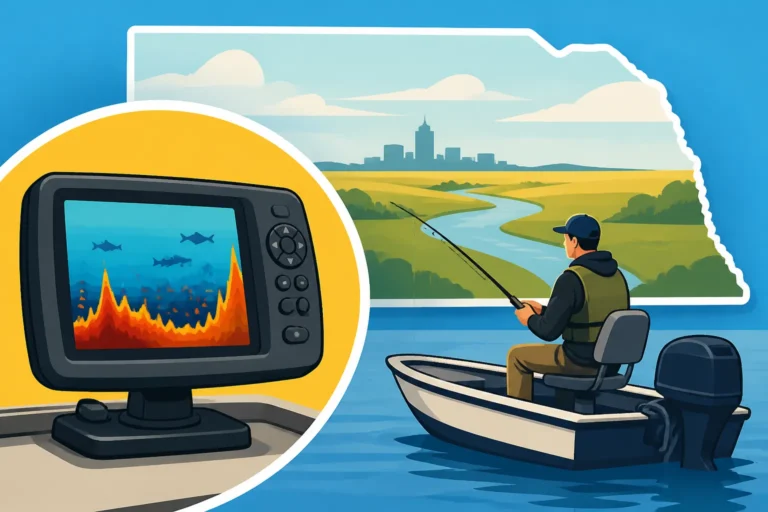
Unlike open water where you can troll or cast wide, ice fishing requires you to put your bait directly in front of the fish. This is where electronics shine. While not strictly essential for a first trip, a portable fish finder or flasher is probably the single biggest upgrade you can make to your ice fishing arsenal.
A flasher provides a real-time display of what's directly beneath your hole: the bottom, your lure, and any fish that come into the transducer's cone. It helps you see how fish react to your presentation, letting you adjust your jigging retrieve to entice a bite. It removes the guesswork and drastically increases your efficiency. Portable fish finders, often with GPS capabilities, can help you mark productive spots and find underwater structure like humps or drop-offs. If you're serious about ice fishing, investing in a good unit will pay dividends. Many excellent models can be found at sporting goods stores or through online retailers like Amazon.
Another fascinating tool is an underwater camera. While not for marking fish in real-time like a flasher, an underwater camera lets you see the fish, observe their behavior, and understand the underwater environment. It's an incredible learning tool, allowing you to witness how different lures or jigging styles provoke a reaction. Seeing a fish inspect your lure before striking (or rejecting it!) is an unparalleled educational experience. Best Fish Finder for Ice Fishing can guide you through the various options available.
Creature Comforts: Food, Drink, and Hands-Free Fishing
Sometimes, the simplest things make the biggest difference. Being prepared with snacks and warm drinks can turn a chilly outing into a truly pleasant one, and a few small gear items can add greatly to your convenience.
A good thermos filled with hot coffee, tea, or cocoa is pure gold on a cold day. Keeping hydrated is important even in winter, and warm liquids can help maintain your core temperature. Pack some easy-to-eat snacks like energy bars, sandwiches, or trail mix. You'll burn more calories staying warm and drilling holes than you might think, so fueling up is important.
Finally, consider simple rod holders. These can be as basic as a tripod stand or a clamp that attaches to your bucket. They allow you to set your rod down while you tend to other tasks, prepare bait, or simply rest your hands. Some anglers even use "tip-ups," which are independent lines set in their own holes, that signal when a fish bites, allowing you to fish multiple lines simultaneously (where legal, of course!). These small comforts and conveniences allow you to relax, enjoy the camaraderie (if fishing with friends), and truly soak in the unique peace of ice fishing in Nebraska.
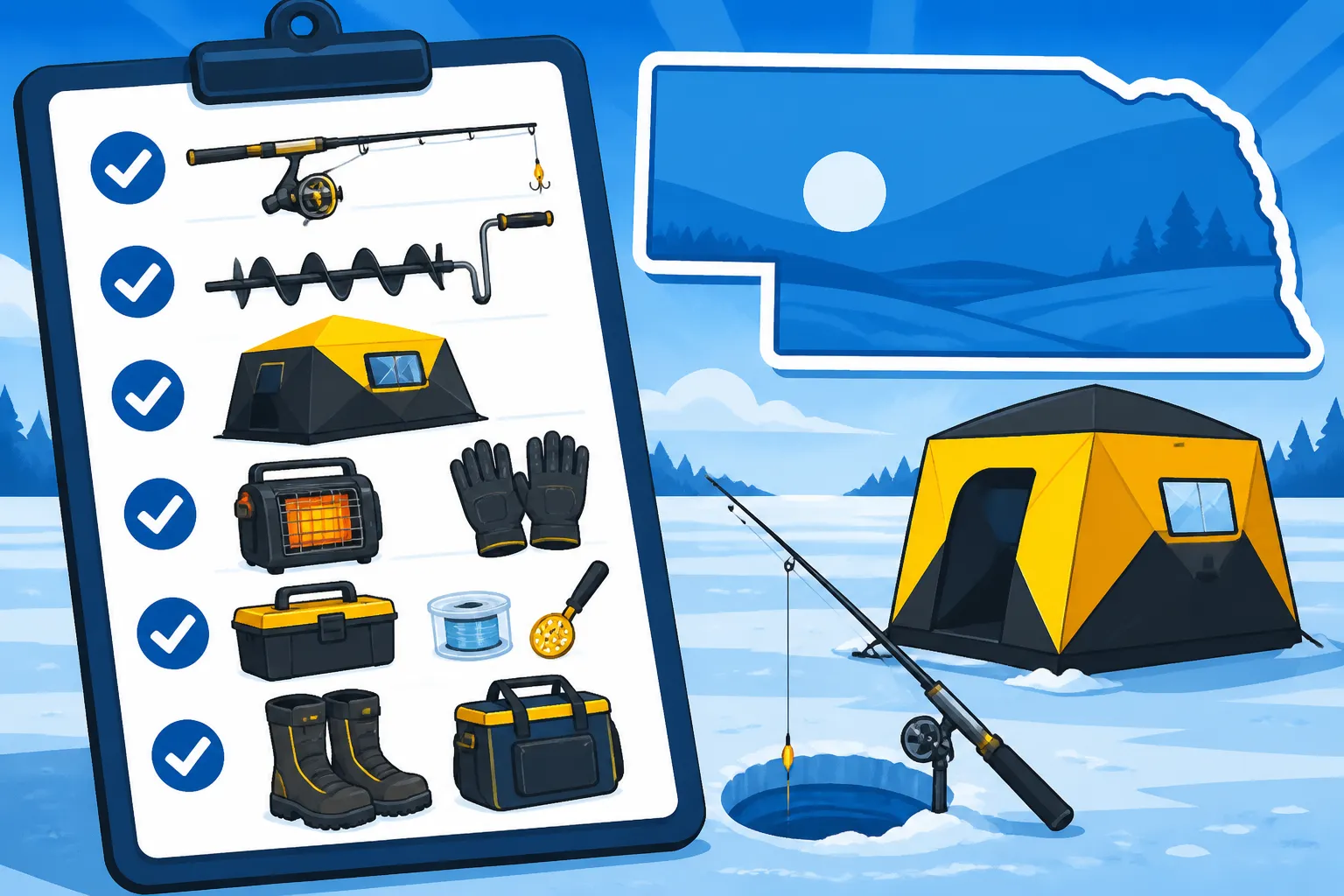
| Item Category | Essential for Safety & Warmth | Core Fishing Gear | Comfort & Convenience | Highly Recommended Upgrades |
|---|---|---|---|---|
| Safety | Spud Bar, Ice Picks, Rope, Flotation Suit | |||
| Apparel | Layered Clothing (Base, Mid, Outer), Hat | Insulated Boots, Insulated Gloves | ||
| Fishing | Ice Rod & Reel Combo, Ice Line | Portable Fish Finder/Flasher, | ||
| Small Jigs, Spoons, Live Bait | Auger (Hand or Powered) | Underwater Camera | ||
| Shelter/Misc | Basic Tackle Box, Pliers, Clippers | Portable Ice Shelter, Portable Heater | Rod Holders, Ice Sled, Thermos, Snacks | |
| 5-Gallon Bucket with Padded Seat | Headlamp/Lantern |
Embarking on your first ice fishing adventure in Nebraska can be an incredibly rewarding experience, offering a unique blend of peace, challenge, and the thrill of the catch. By prioritizing safety, preparing for the cold, and equipping yourself with the right basic gear, you'll be well on your way to creating lasting memories on the frozen lakes and reservoirs of the Cornhusker State. Don't be intimidated; instead, be prepared, and enjoy the tranquility that only ice fishing can provide.
Disclaimer
This article is for general informational purposes only and does not constitute professional advice. Laws, prices and regulations vary by location and change over time. Consult a qualified professional for guidance on your specific situation.