Best Tackle Box Setup for Nebraska Anglers
One of the most common headaches for any angler, especially here in Nebraska, isn't necessarily finding the fish, but often just finding the right stuff once you're out there. You arrive at Lake McConaughy or the Platte River, sun is rising, excitement is high, and then you open your tackle box only to find a chaotic mess of tangled lines, rusty hooks, and lures you haven't used in years. It’s frustrating, wastes precious fishing time, and can even cost you a catch. This guide is all about cutting through that clutter, helping you organize an effective and practical tackle box setup specifically tailored for the diverse and fantastic fishing opportunities Nebraska has to offer.
The Foundation: Choosing Your Tackle Box
Before you even think about what goes inside your tackle box, you need to think about the box itself. It’s not just a container; it's your portable fishing command center, and picking the right one is crucial for efficiency and enjoyment on the water, whether you're chasing walleye at Sherman Reservoir or catfish on the Missouri River.
Different Types of Tackle Boxes and Their Benefits
Anglers today have a wealth of options beyond the classic green or red plastic box with cantilever trays. Each style offers unique advantages and disadvantages, making them suitable for different types of Nebraska fishing adventures.
Classic Tray Boxes
These are probably what most of us picture when we hear "tackle box." They've been around forever, and for good reason! They usually feature multiple cantilevered trays that fan out, revealing different compartments. The big draw here is organization and visibility. You can quickly see most of your smaller items – hooks, swivels, small jigs – laid out neatly in their individual slots. This makes it super easy to grab exactly what you need without rummaging. For someone primarily targeting panfish with small jigs and bobbers at a local urban pond, or even a casual day of bass fishing where you know exactly which few lures you'll be cycling through, these boxes shine.
However, they do have their downsides. Classic tray boxes can be quite bulky and rigid, making them awkward to carry long distances, especially if you're hiking into a more remote spot at a state recreation area. The compartments are often fixed, which means limited space for larger items like big crankbaits, extra spools of line, or pliers. If you try to stuff too much in, the trays won't close properly, and everything ends up in a jumbled mess anyway. They also tend to be less customizable than some newer options. While excellent for stationary fishing from a dock or a large boat, they might not be the best choice for dynamic bank fishing or kayak excursions across Branched Oak Lake Fishing.
Soft-Sided Bags
Soft-sided tackle bags have revolutionized how many anglers carry their gear. These bags are typically made from durable fabric and are designed to hold multiple removable plastic utility boxes (often referred to as 3600 or 3700 series boxes, depending on their size). The primary benefit here is portability and customizability. You can load these utility boxes with specific tackle for different species or conditions – one for walleye jigs, one for bass plastics, another for catfish rigs – and simply swap them out depending on your trip. Many anglers find these indispensable for diverse Nebraska fishing trips.
Think about a day on the Platte River chasing catfish: you might pack one utility box with heavy sinkers, circle hooks, and leaders, and another with your favorite cut bait holders. When you switch to a small pond for panfish, you just grab the panfish box and leave the heavy river gear behind. These bags also usually have external pockets and storage for larger items like a sandwich, water bottle, extra spools of line, or even a Best Landing Nets for Big Fish. They are generally easier to carry than rigid boxes, conforming to your body a bit better. The main drawbacks can be that they offer slightly less protection for delicate items compared to a hard case, and if you don't use the internal utility boxes well, things can still get disorganized inside the main compartment. However, for serious anglers who adapt their approach to different Nebraska waters, these are often the go-to.
Backpack Style Bags
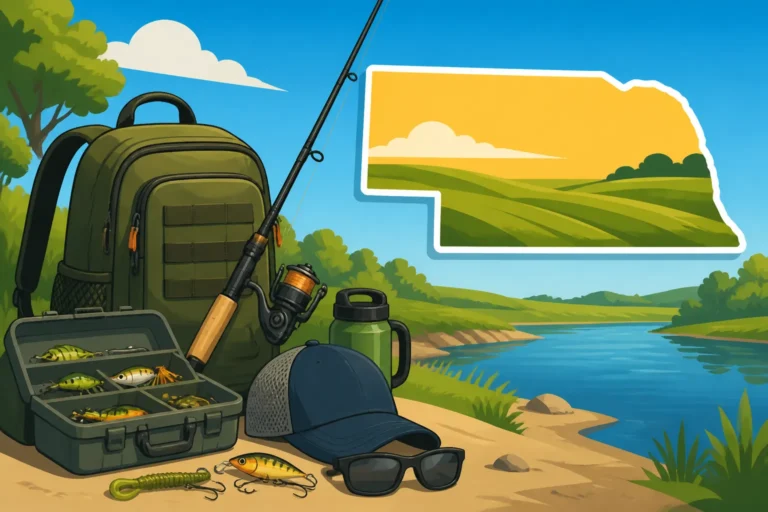
For the angler who likes to cover ground, whether it's trekking along the Niobrara River or exploring the shorelines of Lake McConaughy Shoreline Fishing Access, backpack-style tackle bags are a game-changer. These are essentially soft-sided bags with comfortable shoulder straps, designed to be worn on your back, leaving your hands free for carrying rods, a cooler, or even just navigating uneven terrain. They distribute weight efficiently, making a heavy load feel much more manageable.
Many backpack bags come with built-in utility box storage, just like the soft-sided shoulder bags, but they also often feature dedicated compartments for larger items, hydration systems, and even specific tool holders. Imagine hiking to a remote section of the Elkhorn River for smallmouth bass – having your gear on your back means you can easily carry your rods, a small cooler, and all your essential tackle without feeling weighed down or off-balance. The only real drawback is that accessing your tackle can be a bit slower since you have to take the backpack off and set it down to get into the main compartments. However, for those who value mobility and hands-free convenience while exploring Nebraska's vast fishing landscape, a tackle backpack is an excellent investment.
Matching Your Box to Your Nebraska Angling Style
Choosing the right tackle box isn't a one-size-fits-all decision; it really comes down to how and where you typically fish here in Nebraska. An angler primarily casting from a fishing pier at Holmes Lake has vastly different needs than someone floating the Missouri River in a jon boat or a kayaker exploring the backwaters of Sutherland Reservoir Fishing Report.
Consider your primary mode of transport. If you mostly fish from a boat, particularly a larger one like a bass boat or a multi-species rig on Lake McConaughy, a larger soft-sided bag with multiple utility boxes or even a couple of classic hard boxes might be ideal. You have space, and portability isn't as critical as quick access and capacity. If you're a bank angler who rarely ventures more than a few yards from your vehicle, a well-organized classic tray box or a smaller soft-sided bag could suffice. However, if you're regularly hiking to hidden spots along the Republican River or doing a lot of wading, a backpack-style tackle bag is going to save you a lot of grief and back pain. The ability to carry water, snacks, and rain gear, all while keeping your hands free for your rod and reel, is invaluable for exploring Nebraska's diverse fishing habitats.
Next, think about the species you target most often. If you're solely focused on big catfish on the Missouri, you'll need space for heavy sinkers, large circle hooks, and robust pliers. A soft-sided bag with plenty of room for specialized terminal tackle and perhaps a few larger "stink bait" containers would be appropriate. If you're a multi-species angler who might chase walleye in the morning and crappie in the afternoon, the modularity of a soft-sided bag with interchangeable utility boxes is a huge advantage. You can have a dedicated box for your walleye jigs and crankbaits, another for your crappie plastics and bobbers, and simply swap them as needed. This prevents you from lugging around unnecessary weight and keeps your specialized gear protected and organized. For example, if you're hitting Merritt Reservoir Walleye Fishing one day and then Merritt Reservoir Trout Fishing the next, you can just grab the appropriate pre-packed boxes. Ultimately, the best tackle box for you is one that not only holds your gear but also enhances your fishing experience by keeping you organized and ready for anything Nebraska's waters throw at you.
Essential Terminal Tackle for Nebraska Waters
Once you’ve got your tackle box situation sorted, it’s time to fill it with the real workhorses of fishing: terminal tackle. These are the small, often overlooked, but absolutely critical components that directly interact with the fish and present your bait or lure. Having the right selection of hooks, sinkers, swivels, lines, and leaders specifically chosen for Nebraska's common species and conditions will make a huge difference in your success.
Hooks, Sinkers, and Swivels: The Unsung Heroes
These may not be as flashy as a new crankbait, but they are the bedrock of any successful fishing rig. Without the right choice, even the most enticing lure won't do its job.
Hooks: Types, Sizes, and Specific Uses
Hooks are arguably the most important piece of terminal tackle. You need a variety to match different baits and target species. For Nebraska, a good starting selection includes:
- J-Hooks (Aberdeen, Baitholder, Octopus): These are classic, versatile hooks. Aberdeen hooks, with their fine wire, are great for panfish and smaller baits, easily bending to free snags from brush piles when crappie fishing. Baitholder hooks have barbs on the shank to keep worms or other soft baits in place, perfect for channel catfish or bass with worms. Octopus hooks, with their slightly turned-up eye and short shank, are excellent for rigging live bait like minnows for walleye or leeches for bass, providing a better hook set. Sizes can range from tiny #10 or #12 for bluegill up to 2/0 or 3/0 for larger bass and medium catfish.
- Circle Hooks: A must-have for catfish anglers, especially on the larger rivers like the Missouri or Platte. Circle hooks are designed to hook the fish in the corner of its mouth when it swims away, significantly reducing gut-hooking and making catch-and-release easier and safer for the fish. They are fantastic for big channel cats and flatheads. When using them, resist the urge to "set the hook" aggressively; instead, let the fish pull the rod tip down and just slowly reel in. Sizes 4/0 to 8/0 are common for catfish in Nebraska. Best Hook Size for Channel Catfish can provide more detail on this.
- Treble Hooks: While often found on artificial lures, having some spare treble hooks is smart for replacing dull or damaged ones on your favorite crankbaits or topwater plugs. They offer multiple points of contact, which can increase hook-up ratios on aggressive strikes from species like northern pike or wipers at Sherman Reservoir Fishing. Sizes will vary depending on the lure, but #4 to #8 are common.
Sinkers: Weights and Their Applications
Sinkers get your bait down to where the fish are and hold it there in current. A good tackle box will have a diverse selection:
- Split Shot: Small, versatile weights that you can crimp directly onto your line. Great for light tackle, panfish, or adding just a bit of extra weight to a float rig. Perfect for fishing shallow areas or when you want a subtle presentation at places like a quiet farm pond.
- Bullet Weights: Tapered weights, usually made of lead or tungsten, designed to slide freely on your line. Essential for Texas-rigging soft plastics for bass, allowing the bait to penetrate cover more easily. When pitching soft plastics into dense submerged brush piles at Wagon Train Lake Bass Fishing, a bullet weight helps you get through.
- Egg Sinkers: Oval-shaped weights with a hole through the middle, allowing them to slide freely on the line. Often used for slip-sinker rigs for catfish or walleye, as the fish can take the bait without feeling the weight of the sinker. This is a classic setup for bottom fishing in Nebraska's reservoirs and rivers.
- Bell Sinkers (or Pyramid Sinkers): Heavier, often bell-shaped or pyramid-shaped, designed to hold bottom in strong currents. Indispensable for river fishing on the Missouri or Platte when you need your bait to stay put amidst the flow. They dig into the bottom, preventing your rig from drifting downstream.
Swivels: Reducing Twist and Enhancing Efficiency
Swivels are small but mighty connectors that prevent line twist and allow for quick lure changes.
- Barrel Swivels: The most basic type, good for preventing line twist when using spinning baits or when a fish fights by spinning. Use appropriate sizes for your line strength; too large can spook fish, too small can break.
- Snap Swivels: These combine a barrel swivel with a small snap, allowing for incredibly fast lure changes without having to re-tie. Great for trolling crankbaits for walleye on Lake McConaughy or when you're experimenting with different colors and sizes of lures. However, the snap can be a weak point, so choose high-quality ones.
- Ball Bearing Swivels: These offer superior performance in preventing line twist, especially with high-speed retrieves or trolling. While more expensive, they are a worthwhile investment if you frequently use lures that cause a lot of line rotation.
Line and Leaders: Connecting You to the Fish
Your fishing line is the most direct link between you and the fish. Having the right types and strengths, along with appropriate leaders, is critical for both presentation and landing your catch in Nebraska's diverse environments.
Mainline: Choosing the Right Foundation
Different fishing lines excel in different situations, and a savvy Nebraska angler will carry a few options or at least know when to spool up with which type.
- Monofilament (Mono): This is the classic, all-around fishing line. It's affordable, easy to tie knots with, and offers a good amount of stretch, which can act as a shock absorber when a big fish makes a sudden run. Mono is also less visible in the water than braided line, which can be an advantage in clear Nebraska lakes. It floats, making it ideal for topwater lures or when you want a slower fall for your bait. For general-purpose fishing, especially for panfish, bass, or even medium-sized walleye, mono is a reliable choice. It's very forgiving for beginners. Best Fishing Line for Nebraska Walleye often considers monofilament for its versatility.
- Fluorocarbon (Fluoro): This line is known for two key attributes: its low visibility underwater (it has a refractive index very close to water, making it almost invisible) and its excellent sensitivity due to minimal stretch. Fluorocarbon sinks, which can be beneficial for getting baits down quickly or when you want a more direct feel for subtle bites. It's also quite abrasion resistant, a plus when fishing around rocky structures or timber, which are common in many Nebraska reservoirs. While pricier than mono, many bass anglers swear by it for its stealth and feel, especially when fishing clear waters like some of the Sandhills lakes. Some anglers use it as a main line, while others prefer it primarily for leaders.
- Braided Line (Braid): Braided line is incredibly strong for its diameter, has virtually no stretch (offering maximum sensitivity), and casts exceptionally far. Its strength and abrasion resistance make it ideal for fishing heavy cover, like dense weeds or submerged trees, without fear of breaking off. The lack of stretch means you can feel even the lightest bites and deliver powerful hook sets over long distances. For heavy cover bass fishing, battling big catfish in current, or jigging for walleye in deep water, braid is often the top choice. However, it is highly visible in clear water, and its lack of stretch can sometimes lead to hooks pulling out if you're not careful with your drag. Many anglers using braid will tie a fluorocarbon or monofilament leader to combat its visibility and add a bit of shock absorption. For more on this, check out Monofilament Versus Braided Line for Catfish.
Leaders: When and Why to Use Them
Leaders are a short section of line tied between your main line and your hook or lure. They serve several important purposes:
- Stealth: If you're using braided main line, a fluorocarbon leader will make your presentation much less visible to wary fish in clear water conditions common in many Nebraska lakes, particularly for species like walleye or trout.
- Abrasion Resistance: Heavier fluorocarbon or monofilament leaders can protect your main line from abrasion against rocks, timber, or the rough mouths of fish like catfish. For toothy critters like northern pike or muskellunge (found in places like Merritt Reservoir), a steel or heavy fluorocarbon leader is absolutely essential to prevent them from biting through your line.
- Shock Absorption: When using braided main line, a short monofilament leader can provide a little bit of stretch, acting as a shock absorber and preventing hooks from tearing out of a fish's mouth during aggressive head shakes.
- Quick Changes: Some anglers use a snap attached to a leader, allowing for quick lure changes without tying knots to the main line every time.
Knowing when to use a leader and having a spool of fluorocarbon (and maybe some steel leader material) in various strengths in your tackle box is a sign of an experienced angler ready for anything Nebraska throws at them.
Baits and Lures: Tempting Nebraska's Fish
This is often the most exciting part of a tackle box – the array of colors, shapes, and sizes designed to trick a fish into biting! Nebraska's diverse fisheries mean you'll encounter everything from cautious walleye to aggressive bass and powerful catfish. Having a well-rounded selection of both live and artificial baits is key to success.
Live Bait Essentials for Nebraska
Sometimes, nothing beats the real thing. Live bait appeals to a fish's natural instincts, often triggering strikes when artificials fail. Having the ability to present live bait is a huge advantage for many Nebraska anglers.
Minnows: Versatile Walleye and Crappie Magnets
Minnows are gold for many species, particularly walleye and crappie. For walleye, whether you're jigging them vertically in deep water at Lake McConaughy Walleye Fishing or slow-trolling them on a crawler harness, a lively minnow is often irresistible. Fathead minnows are common, but shiners can also be very effective. For crappie, especially in colder water or during slower bites, a small minnow suspended under a bobber near brush piles or timber is a deadly presentation.
The trick with minnows isn't just having them, but keeping them alive and active. A small aerated bait bucket is essential. Keep them cool and change the water periodically. You'll typically rig minnows through the lips or just behind the dorsal fin, depending on how you're presenting them.
Worms/Nightcrawlers: The Universal Bait
Is there any fish that won't eat a worm? Probably not many in Nebraska! Nightcrawlers are truly the universal bait. They're fantastic for everything from bluegill and sunfish in small ponds to largemouth bass, channel catfish, and even walleye. A simple rig with a hook, a split shot, and a bobber, or fished directly on the bottom, can yield results across countless Nebraska water bodies.
Keep your worms in a cool, dark place, often in a container with bedding (like peat moss or shredded newspaper) to keep them healthy. Having a few dozen in your tackle box can be a lifesaver on slow days or when introducing kids to fishing. Best Bait for Bluegill and Sunfish often points right to the humble nightcrawler.
Cut Bait: Catfish Powerhouse
For serious catfish anglers, especially those targeting larger channel cats or flatheads on the Platte or Missouri Rivers, cut bait is a staple. Shad, carp, suckers, or even bluegill cut into chunks release strong scent trails that attract catfish from a distance. The fresher the better!
Different fish species and water temperatures can influence which cut bait works best, but having a sharp knife and knowing how to prepare your bait is crucial. Remember to check regulations regarding the use of game fish as bait. A cooler with ice is essential for keeping cut bait fresh, both before and during your fishing trip. If you're looking for Best Bait for Flathead Catfish at Night, freshly cut shad or suckers are often at the top of the list.
Artificial Lure Arsenal for Key Nebraska Species
While live bait has its place, artificial lures offer versatility, ease of use (no need to keep them alive!), and the ability to cover a lot of water quickly. A well-stocked tackle box will have a selection tailored to your target species.
Walleye: Jigs, Crankbaits, and Crawler Harnesses
Walleye are a prized catch in Nebraska, found in many reservoirs like McConaughy, Harlan County, and Merritt. Your walleye arsenal should include:
- Jigs: From 1/8 oz to 1/2 oz, in colors like chartreuse, white, orange, and black. Tipped with a minnow, plastic grub, or half a nightcrawler, jigs are deadly for walleye. They can be cast and retrieved, vertically jigged, or even trolled slowly. Best Jigs for Nebraska Walleye details the specific types and colors that produce results.
- Crankbaits: Trolling or casting crankbaits is a popular and effective method for walleye. Shallow-diving models for shallower flats and deep-diving models for covering open water or hitting deep structure. Colors vary, but natural baitfish patterns, firetiger, and clown patterns are often reliable. Sizes generally range from 2 to 5 inches.
- Crawler Harnesses: These are multi-hook rigs designed to be trolled with a whole nightcrawler. They are incredibly effective for covering water and enticing walleye, especially in the summer months. Have a variety of blade colors (silver, gold, chartreuse, orange) and sizes.
Bass: Soft Plastics, Spinnerbaits, Crankbaits, and Topwater
Largemouth and smallmouth bass are abundant in many Nebraska lakes and rivers. A versatile bass angler will have:
- Soft Plastics: Worms, creature baits, tubes, and senkos in various colors (greens, browns, blacks, purples). Rigged Texas-style, wacky-style, or on a jig head, these are incredibly versatile and effective for bass hiding in cover.
- Spinnerbaits: Great for covering water and eliciting reaction strikes, especially in stained water or around weeds. White, chartreuse, and perch patterns are popular. Different blade combinations (Colorado, Willowleaf, Indiana) provide varied flash and vibration.
- Crankbaits: Both shallow and deep-diving crankbaits are essential. Shallow divers for pitching around docks and laydowns, deep divers for covering open water points and humps. Best Lures for Nebraska Bass will often feature a range of effective crankbait options.
- Topwater Lures: Poppers, walk-the-dog baits, and frogs provide exhilarating strikes, especially during low light conditions or over heavy cover. Think early mornings or late evenings on a calm summer day at a local reservoir.
Catfish: Stink Baits, Punch Baits, and Imitations
While live and cut bait reign supreme for catfish, some artificials can also be effective:
- Stink Baits/Punch Baits: These prepared baits come in tubs and are designed to be "punched" onto a treble hook or a specialized bait holder. Their strong scent is irresistible to channel catfish. Different brands offer unique scent profiles.
- Soft Plastic Tubes/Grubs: While not always the first choice, soft plastic tubes or grubs, especially those infused with scent, can sometimes tempt catfish, particularly smaller ones or when they're feeding on baitfish.
Crappie/Panfish: Small Jigs, Spinners, and Micro Plastics
For fun, fast action with crappie, bluegill, and sunfish:
- Small Jigs: Tiny 1/32 to 1/16 oz jigs in bright colors (chartreuse, pink, white, black) are fantastic. Tip them with a small plastic grub or a minnow.
- Spinners: Ultra-light inline spinners can be very effective for aggressive panfish.
- Micro Plastics: Small tubes, grubs, and curly-tail baits in a variety of colors fished under a small bobber are deadly.
Understanding Color and Action in Nebraska Waters
Choosing a lure isn't just about the type; it's also about its color and the action it imparts in the water. These factors can be crucial for success in varying Nebraska conditions.
Water Clarity: Clear vs. Stained Water
This is a golden rule in fishing. In clear water (like many Sandhills lakes or Lake Ogallala), natural, subtle colors often work best. Think greens, browns, clear with flecks, or realistic baitfish patterns. Fish in clear water rely heavily on sight, so a natural presentation is key. Lighter line and fluorocarbon leaders are also more important here.
In stained or murky water (common after heavy rains on rivers like the Platte, or in some urban ponds), bright, contrasting colors and lures with strong vibration are more effective. Chartreuse, orange, firetiger, and black are excellent choices because they create a strong silhouette or stand out visually. Fish in stained water often rely more on their lateral line (feeling vibrations) and scent, so loud rattles in crankbaits or spinnerbaits with large thumping blades can be highly effective.
Time of Day and Light Conditions
The amount of light penetration into the water significantly impacts lure choice. On bright, sunny days, especially in clear water, metallic finishes (silver, gold) that reflect light can be good, or again, more natural and subtle colors. In low-light conditions (dawn, dusk, overcast days, or deep water), darker colors (black, blue, purple) that create a strong silhouette against the lighter surface can be productive. Or, conversely, bright fluorescent colors can sometimes be seen better. For night fishing for catfish or walleye, dark colors, or even glow-in-the-dark baits can be the ticket. Best Time of Day to Catch Walleye in Nebraska often emphasizes low-light periods.
Lure Action: Subtle vs. Aggressive
The way a lure moves in the water – its "action" – can be as important as its color.
- Subtle Action: Finesse presentations, like a lightly weighted worm or a small jig with a soft plastic tail, are often best for lethargic fish, cold water, or heavily pressured areas. They mimic natural prey that might be moving slowly or struggling. This can be crucial in early spring or late fall when fish are less active.
- Aggressive Action: Lures with strong vibrations, wide wobbles, or erratic movements (like some crankbaits, spinnerbaits, or topwater poppers) are excellent for eliciting reaction strikes from active fish, especially in warmer water or when fish are aggressive. They draw attention and can cover a lot of water quickly, making them great for searching for active fish.
Having a range of lures that cover these different actions and colors allows you to adapt to whatever Nebraska's weather, water conditions, and fish moods present.
Tools and Accessories: Beyond the Bait
A tackle box isn't just for hooks and lures; it's also home to an assortment of tools and accessories that make your fishing trip safer, more efficient, and more enjoyable. These items often go unnoticed until you desperately need them, validating the frustration of being unprepared.
Essential Tools for Efficiency and Safety
Having the right tools at your fingertips can turn a frustrating situation into a smooth operation, and some are critical for both your well-being and that of the fish.
Pliers: For Hook Removal, Cutting Line, and More
A good pair of fishing pliers is non-negotiable. They are truly multi-purpose. You'll use them constantly:
- Hook Removal: Safely and easily remove hooks from a fish's mouth, especially when they've swallowed the hook deep or if it's a toothy species like a northern pike. This is critical for both the fish's survival during catch-and-release and for your own safety.
- Cutting Line: Many pliers have built-in line cutters that can slice through mono, fluoro, and even braided line with ease, saving your teeth (and your time) when re-tying.
- Crimping/Bending: Useful for crimping split shot onto line, bending hooks to free snags (though be careful not to damage the hook's integrity), or even making minor adjustments to lures.
Invest in a quality pair, perhaps made from stainless steel or aluminum, to resist rust, especially in humid conditions or if they get wet. Best Pliers for Removing Hooks can guide you to a durable, effective pair.
Line Cutters/Scissors
While pliers often have cutters, a dedicated pair of sharp fishing scissors or specialized line clippers can be incredibly handy, especially for clean cuts on braided line which can fray with dull cutters. Keep them sharp and easily accessible.
Scales and Measuring Tape: For Regulations and Bragging Rights
Nebraska has specific length and bag limits for many species, especially walleye, bass, and catfish. A retractable measuring tape (the kind that sticks to your boat or a portable one) and a small, reliable digital or spring scale are crucial for compliance. Beyond the law, they're essential for accurately measuring and weighing your trophy catch, so you can share those bragging rights with confidence! Check the Nebraska Fishing Daily Bag and Possession Limits before you head out.
Headlamp: For Early Mornings, Late Evenings, Night Fishing
Nebraska offers fantastic opportunities for night fishing, especially for catfish, walleye, and even crappie. A headlamp with a red light option (to preserve your night vision) is invaluable for tying knots, rigging baits, or navigating in the dark. Even for early morning starts or late evening finishes, it frees up your hands.
First-Aid Kit: Small, Basic, and Essential
Fishing involves hooks, knives, and sometimes slippery surfaces. A small, waterproof first-aid kit with essentials like bandages, antiseptic wipes, pain relievers, and perhaps some super glue for small cuts, should always be in your tackle box or bag. It’s better to have it and not need it than need it and not have it.
Comfort and Convenience Items
Fishing is an experience, and comfort plays a big role in enjoyment. These small additions can significantly improve your time on the water.
Sunscreen and Bug Spray
Nebraska summers can be scorching, and the sun reflecting off the water is intense. A broad-spectrum sunscreen is a must-have. Similarly, mosquitoes and gnats can be relentless, especially around water in the evenings or in marshy areas. Good bug spray (with DEET or a natural alternative) will keep you focused on fishing, not swatting.
Small Towel
A dedicated fishing towel comes in handy for wiping off hands, cleaning up fish slime, drying wet gear, or even wiping down your boat seat. A micro-fiber towel dries quickly and is compact.
Snacks, Water Bottle
Staying hydrated and fueled is crucial for long days on the water. Pack non-perishable snacks like granola bars, nuts, or fruit, and a reusable water bottle. Especially during warmer months, dehydration can quickly cut your fishing trip short.
Documentation: Fishing License, Regulations Booklet
Always, always carry your valid Nebraska Fishing License Guide. Many anglers keep a physical copy or a digital copy on their phone. It's also wise to have a copy of the current Nebraska Fishing Guide or at least be familiar with its contents regarding specific body of water regulations, length limits, and possession limits. This information is vital for fishing legally and responsibly. The GoOutdoorsNE app is a great digital resource.
Small Camera or Phone for Photos
For capturing memories and those trophy shots! Make sure it's protected from water, perhaps in a waterproof case or bag.
Specific Gear for Nebraska Conditions (e.g., Ice Fishing or River Wading)
Nebraska's seasons and diverse waterways mean your accessory needs might change dramatically.
Ice Fishing Essentials
If you're brave enough to venture onto Nebraska's frozen lakes in winter, your tackle box accessories will look different:
- Ice Scoop: Essential for clearing ice chips from your holes.
- Ice Picks: A critical safety item. Worn around your neck, these can help you pull yourself out if you break through thin ice.
- Hand Warmers: Disposable or reusable hand warmers are a blessing on frigid days.
- Extra Gloves/Mittens: Keeping your hands warm and dry is paramount.
For a deeper dive, check out the Nebraska Ice Fishing Gear Guide.
River Fishing/Wading Gear
For those who enjoy wading smaller streams or accessing river banks:
- Wading Staff: Provides stability in currents and helps test depth.
- Stringer or Livewell: For keeping your catch fresh if you're not carrying a cooler.
- Forceps/Hemostats: Smaller than pliers, these are excellent for removing tiny hooks from smallmouth bass or trout without damaging the fish.
If you're exploring Nebraska Drift Fishing Techniques for Rivers, these items become invaluable.
Organization and Maintenance: Keeping Your Tackle Ready
Having all the right gear in your tackle box is one thing; keeping it organized and in good condition is another. A well-maintained tackle box ensures you spend more time fishing and less time fumbling, and it protects your investment.
Strategies for Optimal Tackle Box Organization
An organized tackle box is a happy tackle box. It reduces stress, saves time, and prevents frustration when you're on the water.
Categorize by Species, Lure Type, or Size
The most effective way to organize is by categorization. You can group items in several ways:
- By Species: Dedicate a utility box or a section of your tackle box to specific species. For instance, one box for everything walleye (jigs, crawler harnesses, crankbaits, walleye hooks), another for bass (soft plastics, jig heads, crankbaits), and a third for catfish (circle hooks, heavy sinkers, leader material). This is particularly easy with soft-sided bags that use multiple interchangeable utility boxes. If you're heading out for Nebraska Crappie Fishing, you grab that crappie box and go.
- By Lure Type: Group all your crankbaits together, all your spinnerbaits, all your soft plastics, etc. This is useful if you frequently switch between different types of lures regardless of the target species. For example, if you know you want to throw topwater, you grab the "topwater" section.
- By Size: Keep all your small hooks together, all medium sinkers, all large lures. This can be helpful for general-purpose boxes but might require more searching if you're looking for a specific lure type.
Use Clear Utility Boxes for Visibility
For soft-sided bags, transparent plastic utility boxes are a godsend. They allow you to see exactly what's inside without opening every single box. You can quickly identify the "walleye jig box" from the "bass worm box." Many anglers find that brands like Plano (widely available at stores like Bass Pro Shops or online through Amazon) offer reliable and affordable options for these utility boxes. These boxes often come with adjustable dividers, allowing you to customize compartment sizes for different lures and terminal tackle.
Labeling
This might sound obsessive, but labeling your utility boxes or even sections within a larger hard box can save you a ton of time. Use a permanent marker or label maker to clearly mark "Walleye Jigs," "Bass Plastics – Green," "Catfish Hooks & Sinkers," or even "Panfish Bobbers." This is especially helpful if you have many similar-looking boxes. Imagine being at Lewis and Clark Lake Walleye Fishing in the dark and needing to quickly find that specific jig color – a label makes it easy.
Prioritize Frequently Used Items
Keep the items you use most often in the most easily accessible compartments. If you're constantly re-tying, make sure your line cutters, extra hooks, and frequently used sinkers are right at the top or in an external pocket of your bag. Lures you rarely throw can go into less accessible areas or secondary boxes.
Post-Trip Maintenance and Storage
The fishing trip isn't over until your gear is properly put away. A little effort after each outing goes a long way in prolonging the life of your tackle and keeping it ready for the next adventure.
Rinse Lures, Dry Everything
After a day on the water, especially saltwater (though less common in Nebraska, it can happen in some unique cases or when traveling) or just muddy conditions, rinse your artificial lures with fresh water. This removes dirt, grime, and any corrosive elements. Lay everything out to air dry completely before putting it back in your tackle box. Storing wet lures can lead to rusty hooks and damaged finishes.
Check Hooks for Rust/Sharpness
Before putting lures away, inspect the hooks. Are they rusty? Replace them. Are they dull? Sharpen them with a hook file or stone. Sharp hooks are critical for good hook sets. A dull hook is a missed fish. Take the time to ensure every hook in your box is ready for action.
Store in a Cool, Dry Place
When not in use, store your tackle box in a cool, dry environment. Avoid extreme temperatures (like a hot car trunk in summer or a freezing garage in winter) which can degrade soft plastics, lines, and damage electronic components. Moisture is the enemy of hooks and other metal components. Consider adding a few desiccant packets (those little "do not eat" moisture absorbers) to your tackle boxes to help combat humidity. For more detailed advice, read up on How to Store Fishing Gear Over the Winter. Proper storage protects your investment and ensures your gear is in prime condition for your next Nebraska fishing adventure.
| Tackle Box Type | Pros | Cons | Ideal Nebraska Use Cases |
|---|---|---|---|
| Classic Tray Box | Excellent visibility, good organization for small items, durable hard case | Bulky, limited space for large items, fixed compartments, awkward to carry long distances | Dock fishing, large boat fishing, casual pond fishing, organized panfish setups. |
| Soft-Sided Bag | Portable, customizable with utility boxes, extra pockets for large items, easier to carry | Less impact protection than hard cases, can get messy if not using utility boxes properly | Bank fishing (walking short distances), kayak fishing, multi-species angling, boat fishing. |
| Backpack Style Bag | Hands-free carrying, excellent weight distribution, large capacity for gear + essentials | Slower access to main compartments (must take off), can be heavier when fully loaded | Hiking to remote river spots (e.g., Niobrara), wading streams, exploring extended shorelines. |
Disclaimer
This article is for general informational purposes only and does not constitute professional advice. Laws, prices and regulations vary by location and change over time. Consult a qualified professional for guidance on your specific situation.