Best Rod Length for Bank Fishing at a Reservoir
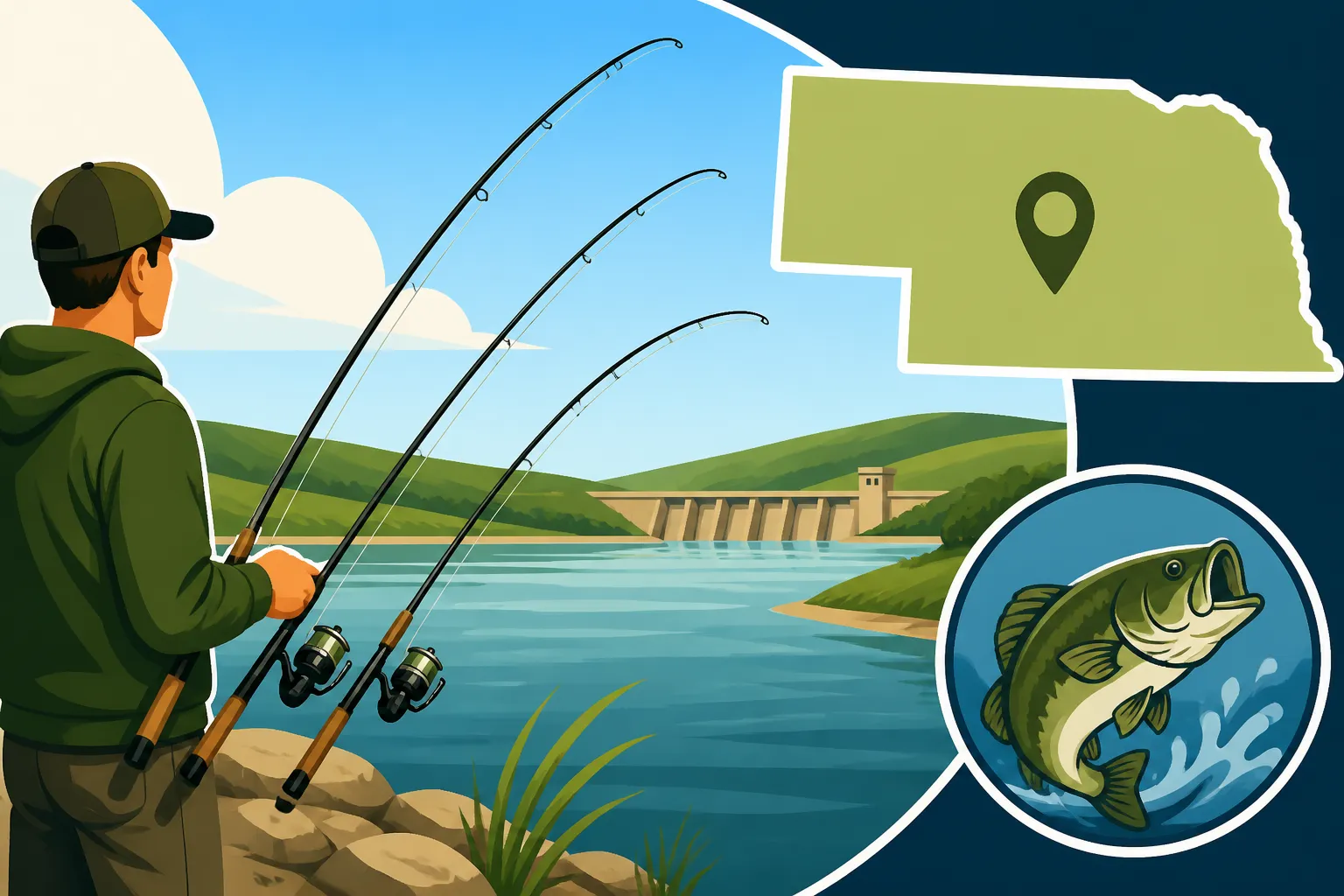
It's a common struggle, isn't it? You're standing on the bank of a vast Nebraska reservoir – maybe Lake McConaughy or Branched Oak – looking out at all that water, and you just know the fish are sitting way out there, just beyond your reach. The feeling of being limited by your casting distance can be incredibly frustrating. This guide is here to cut through the confusion and help you determine the best rod length to maximize your chances when you're casting from shore at these big bodies of water, ensuring your tackle is matched perfectly to the challenge.
Understanding the Unique Challenges of Bank Fishing at Reservoirs
Bank fishing at a large reservoir isn't like fishing a small farm pond or a narrow river. These expansive waters present their own set of hurdles that directly influence your equipment choices, especially your rod length. When you're stuck on the shore, your ability to cover water and reach fish often hinges on how far you can cast.
The Problem of Reach and Coverage
One of the biggest issues bank anglers face at reservoirs is simply reaching the fish. Often, the productive depths or structure where fish are holding are a considerable distance from the shoreline. This might be a submerged hump, a deep channel, or a weed line that's just too far for a short rod and light lure to reach. You might be able to see boils or jumps far out, indicating active fish, but without the right rod, they're practically in another zip code.
Consider a scenario at Harlan County Reservoir, where walleye might be suspended over deeper water or crappie could be holding on brush piles that are a good fifty yards out. A short, six-foot rod simply won't generate the line speed and leverage needed to launch your bait that far. This limitation can lead to missed opportunities and a lot of unproductive casts into shallower, less active water.
Dealing with Shoreline Obstacles and Terrain
Nebraska reservoirs, while beautiful, aren't always manicured parks with open, grassy banks. You might encounter riprap, steep embankments, brush, trees, or even muddy, uneven ground. These obstacles can make casting a challenge, and the wrong rod length can either snag you up in overhead branches or make it awkward to get a proper backcast.
Imagine trying to cast a seven-foot rod from a tight spot between two cedar trees at Sherman Reservoir. You'd be constantly battling branches, ruining your casting rhythm, and potentially losing lures. Conversely, a rod that's too short might not give you the clearance over shoreline weeds or allow you to effectively manage your line in choppy water that's close to the bank. It's a constant dance between finding enough room to cast and getting your lure where it needs to go.
The Science Behind Rod Length and Casting Distance
When you cast, your rod acts like a lever, storing and releasing energy. The length of that lever plays a crucial role in how far and accurately you can propel your lure. Understanding this fundamental principle is key to selecting the ideal rod for your bank fishing adventures.
Longer Rods for Maximum Casting Distance
Generally speaking, a longer fishing rod allows you to achieve greater casting distance. This is due to a few interconnected reasons. First, a longer rod provides a longer arc during the cast. This extended arc allows the rod tip to travel at a higher speed at the moment of release, imparting more velocity to your lure. Think of it like a trebuchet: the longer the arm, the greater the speed at the projectile's release point.
Second, a longer rod can generate more leverage. When you load the rod (bend it back) during your cast, the longer blank can store more kinetic energy. As it straightens, this stored energy is transferred to the line and lure. This added leverage is especially beneficial when you're throwing heavier baits or need to really lean into a cast to fight a headwind or reach a distant target. If you're hoping to reach those elusive walleye far off the bank at Lake McConaughy, a longer rod, perhaps in the 7'6" to 9' range, will give you a distinct advantage.
Shorter Rods for Accuracy and Control
While longer rods excel at distance, shorter rods offer superior accuracy and control, particularly in tight quarters. A shorter rod has a smaller casting arc, making it easier to pinpoint your casts. This can be incredibly useful when you're trying to hit a small opening in emergent vegetation or drop a lure precisely next to a visible piece of submerged structure near the bank.
Moreover, shorter rods are much easier to handle and maneuver, especially for anglers with less experience or those fishing from cramped positions. They are less prone to snagging on overhead branches or bankside brush during the backcast. However, the trade-off is a significant reduction in casting distance. You might find a shorter rod ideal for pitching jigs under a dock or flipping plastics into a tight pocket of reeds at a smaller, urban reservoir, but it won't help you much when you need to reach the main lake body.
Matching Rod Length to Your Target Species and Technique
The ideal rod length isn't just about how far you can cast; it's also deeply intertwined with the species you're targeting and the fishing techniques you plan to employ. What works for bluegill won't cut it for a trophy flathead.
Rod Lengths for Panfish and Smaller Species
When targeting panfish like bluegill, crappie, or perch from the bank, you typically don't need extreme casting distance. These fish are often found closer to shore, around docks, fallen trees, or shallow weed beds. For these situations, a rod in the 6-foot to 7-foot range is usually perfectly adequate. These rods offer a good balance of manageable casting distance and sensitivity.
A 6'6" to 7' light or ultralight spinning rod allows you to cast small jigs, bobbers with worms, or tiny spinners with precision. The lighter action of these rods is also fantastic for feeling subtle bites from panfish, which can be notoriously light biters. They're also forgiving enough to prevent you from ripping the tiny hooks out of their delicate mouths. If you're setting up for a fun family day at Branched Oak Lake targeting crappie near a brush pile, a versatile 7-foot spinning rod will serve you well. Best Bait for Bluegill and Sunfish and How to Catch Crappie in Spring are great reads if you're looking to dial in your panfishing game.
Rod Lengths for Bass and Walleye
For more aggressive species like largemouth bass, smallmouth bass, and especially walleye, you'll often need to cover more water and make longer casts, particularly from a reservoir bank. This is where rods in the 7-foot to 8-foot range really shine.
- Bass: For bass, a 7' to 7'6" medium-heavy or heavy power rod is excellent. It provides the backbone to set hooks into thick-mouthed bass and pull them out of heavy cover. The extra length aids in casting jigs, crankbaits, and soft plastics further, allowing you to hit those submerged logs or weed lines that are out of reach for shorter rods. If you're fishing a clear reservoir like Merritt and need to make a long cast to a distant break line, that extra foot of rod length can be the difference between a bite and an empty retrieve.
- Walleye: Walleye, often schooling in deeper, open water or congregating on points and humps, demand even more casting prowess from the bank. A 7'6" to 8'6" medium-light to medium power spinning rod is often preferred. This length allows for incredibly long casts with baits like lipless crankbaits, spoons, or jig-and-crawler rigs, which is crucial for reaching those deeper zones where walleye roam. The added length also helps with line pickup when a walleye bites far out, allowing for a more effective hookset. Checking out Best Rod Setup for Nebraska Walleye can give you even more insights into specific walleye tackle.
Rod Lengths for Catfish and Larger Species
When it comes to battling powerful species like channel catfish, flathead catfish, or even the occasional carp from a reservoir bank, you need a rod that can handle significant stress and often requires throwing heavy weights and baits. Rods in the 8-foot to 10-foot range are very popular among serious catfishermen.
The extra length is invaluable for several reasons:
- Heavy Rigs: It helps cast heavy sinkers (2-4 ounces or more) and large baits (cut bait, whole shad) much further.
- Line Clearance: It keeps your line elevated above shoreline obstacles, helping prevent snags when a fish makes a strong run.
- Fighting Power: The longer blank provides immense leverage when fighting a large fish, absorbing powerful runs and guiding the fish through obstacles.
If you're targeting trophy flatheads on the Missouri River system or big channel cats at Branched Oak Lake using a beefy cut bait rig, a 9-foot heavy-action surf rod or a specialized catfish rod will give you the power and reach you need. Best Rod Setup for Nebraska Catfish delves deeper into the specific gear for these beasts.
Practical Considerations for Choosing Your Rod
Beyond the scientific principles and species-specific recommendations, there are several practical factors that influence your optimal rod length for reservoir bank fishing. These considerations often boil down to personal preference, budget, and the specific conditions you’ll encounter.
Your Height and Strength
Believe it or not, your own physical stature and strength play a role in what rod length feels comfortable and effective. A very tall angler might find an 8-foot rod perfectly balanced and easy to cast, while a shorter angler might struggle with the same rod, finding it unwieldy or difficult to generate proper leverage. It's about finding a rod that you can cast repeatedly without fatigue and with good form.
Similarly, strength affects how well you can load a longer, stiffer rod. If you're a beginner or have less upper body strength, a rod that's too long or too heavy might feel like you're fighting the equipment rather than the fish. Don't be afraid to try different lengths and actions at a local outdoor shop like Bass Pro Shops to see what feels right in your hands. Comfort and confidence in your equipment translate directly to better casting and more enjoyable fishing.
Portability and Storage
While longer rods offer casting advantages, they can be a pain to transport and store, especially if you drive a smaller car or have limited storage space. A 9-foot one-piece rod might be fantastic on the water, but it's a tight squeeze in most sedan trunks! Two-piece or even three-piece rods in longer lengths are excellent solutions for portability, as they break down into more manageable sections.
Consider your typical fishing routine: Do you hike a long way to your fishing spot? Is your vehicle spacious? If you're regularly accessing remote areas of Lake McConaughy's shoreline, a multi-piece rod will be a blessing. Always think about how you'll get your gear to and from your fishing spot comfortably before committing to an extra-long rod. What Gear to Pack for a Full Day of Bank Fishing might offer some good tips on managing your setup.
Budget and Versatility
Fishing rods come in a vast range of prices. While it's tempting to get a specialized rod for every situation, most anglers operate on a budget and need a versatile setup. For many bank anglers, a single rod that can handle a variety of situations is key. A 7' to 7'6" medium-action spinning rod is often considered a fantastic all-around choice for reservoir bank fishing in Nebraska. It offers a good blend of casting distance, power, and sensitivity to tackle everything from decent-sized crappie to smaller walleye and bass.
If you're just starting out or looking for a workhorse rod that won't break the bank, looking for sales at retailers or even checking online stores like Amazon for well-reviewed mid-range options can be a smart move. Remember, a rod's value isn't just in its price tag but in its ability to meet your specific fishing needs consistently. Prioritize quality over quantity, especially for your primary bank fishing rod.
Here’s a quick overview to help you visualize common rod lengths and their general applications for bank fishing:
| Rod Length Range | Primary Use for Bank Fishing at Reservoirs | Pros | Cons | Ideal Species |
|---|---|---|---|---|
| 5'6" – 6'6" | Close-quarters, extreme accuracy, small baits | Excellent accuracy, lightweight, easy handling | Very limited casting distance, less leverage | Panfish, small bass in tight spots |
| 6'6" – 7'6" | All-around versatile, good balance of distance/control | Good casting distance, decent control, widely available | Can be short for extreme distance, less power for big fish | Bass, medium crappie, smaller walleye |
| 7'6" – 8'6" | Maximum casting distance, open water, heavy baits | Great for long casts, good leverage for fighting fish | Can be less accurate, harder to handle in tight spots | Walleye, white bass, wipers, medium catfish |
| 8'6" – 10'+ | Heavy duty, extreme distance, very heavy baits | Exceptional casting distance, immense power for big fish | Challenging to cast accurately, difficult to transport | Trophy catfish, carp, specialized large species |
Ultimately, the "best" rod length for bank fishing at a reservoir is a personal choice that balances your casting needs, target species, and comfort. Don't be afraid to experiment a little, and remember that even a slightly longer rod can make a world of difference when you're trying to reach those distant hot spots. With the right rod in hand, those frustrating long-distance fish won't seem so out of reach anymore. You might also find these resources helpful: How to Cast Farther From Shore and Best Bank Fishing Rigs for Nebraska Reservoirs.
Disclaimer
This article is for general informational purposes only and does not constitute professional advice. Laws, prices and regulations vary by location and change over time. Consult a qualified professional for guidance on your specific situation.