Cheapest Way to Start Fishing in Nebraska
It can feel incredibly daunting to want to get into fishing, especially when you see all the fancy gear, specialized boats, and endless tackle options out there. It often looks like an expensive hobby that's out of reach for a lot of folks. But here's the good news: getting started with fishing in Nebraska doesn't have to break the bank. This guide is all about showing you the most budget-friendly ways to cast a line and enjoy the beautiful waters of the Cornhusker State without emptying your wallet.
Understanding the Bare Essentials for Nebraska Fishing
Before you even think about what rod to buy, there are a few absolute must-haves that you simply cannot do without. Don't worry, even these can be acquired without spending a fortune.
The All-Important Nebraska Fishing License
This is truly non-negotiable, folks. Think of it as your ticket to participate. Fishing without a valid license is illegal and can lead to hefty fines, which would certainly be a more expensive way to "start" fishing! The Nebraska Game and Parks Commission requires almost everyone over a certain age to have one.
When you're first starting out, you might be tempted to just get an annual license, but there are often more affordable options if you're not sure how often you'll go. Consider a short-term permit, like a 1-day or 3-day option, which allows you to test the waters without committing to a full year. These are fantastic if you're just going for a weekend trip or trying it out for the first time. You can easily pick one up online through the GoOutdoorsNE system, or in person at many local retailers like bait shops and sporting goods stores. Always make sure to check the Nebraska Game and Parks Commission website for the most current prices and specific requirements, as these can change. You'll find a lot of helpful information about specific types and costs in our Nebraska Fishing License Costs and Types article, and also Where to Buy a Nebraska Fishing License.
Basic Rod and Reel Setup
The thought of buying a rod and reel can be overwhelming, with so many brands, lengths, and actions. But you don't need a top-of-the-line combo to catch fish. For beginners, a simple spinning rod and reel combo is usually the most forgiving and versatile choice.
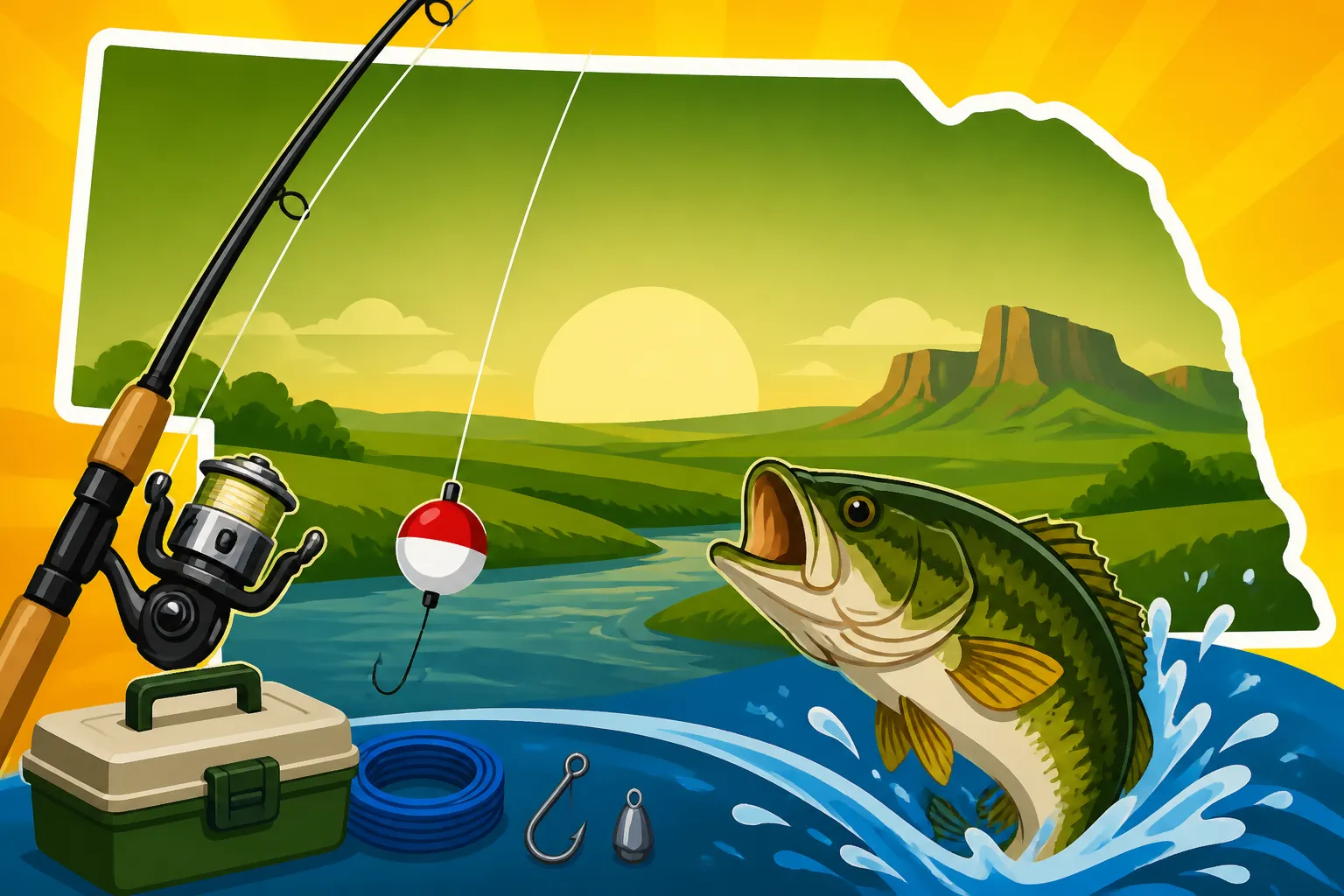
Look for a medium-light or medium action rod, typically in the 6 to 7-foot range. This length is manageable for casting from shore or a small boat and versatile enough for panfish, catfish, and smaller bass. You can often find decent quality, entry-level combos for a very reasonable price at big box stores, department stores, or online retailers like Amazon. Don't be shy about checking out sales racks or even searching for gently used options. A basic setup like this can handle a wide variety of fish you'll encounter in Nebraska's lakes and rivers. For more detailed advice, check out Best Rod and Reel Combo for Beginners in Nebraska.
Essential Terminal Tackle
"Terminal tackle" is a fancy name for all the bits and bobs at the end of your fishing line: hooks, sinkers, bobbers, and swivels. This is where you can really save money by keeping it simple and versatile.
You don't need dozens of different hook sizes or types. A small pack of Aberdeen or Kahle hooks in sizes #6 to #2 will cover most panfish and smaller catfish. Maybe add a few size 1/0 or 2/0 J-hooks if you're targeting slightly larger catfish. For sinkers, a variety pack of split shot weights is invaluable for adjusting your bait's depth, and a few egg sinkers (1/4 oz to 1 oz) will work for bottom fishing. A handful of small, clip-on bobbers will let you suspend your bait at a desired depth, which is great for panfish and even crappie. Lastly, a small pack of barrel swivels can prevent line twist, especially if you're using live bait. Focus on versatility; these basic components can be combined in many ways to suit different fishing situations without requiring a specialized tackle box full of expensive, single-purpose items.
Smart Strategies for Budget-Friendly Gear Acquisition
Beyond the bare essentials, there are smart ways to expand your tackle box and gear collection without spending a fortune. It's all about being resourceful and knowing where to look.
Exploring Secondhand Markets and Sales
One of the best ways to save money is to buy used gear or wait for sales. Think of it as giving perfectly good equipment a second life.
- Garage Sales and Flea Markets: These are treasure troves for inexpensive fishing gear. You might find entire tackle boxes full of hooks, sinkers, lures, and even decent rods and reels for a fraction of their retail price. Just be sure to inspect items carefully for damage, especially rod guides and reel function.
- Online Marketplaces: Websites and apps like Facebook Marketplace or Craigslist can connect you with local sellers getting rid of their old gear. Again, always inspect before buying and arrange to meet in a safe, public place.
- Pawn Shops: While prices can vary, pawn shops often have a selection of fishing rods, reels, and even some tackle.
- End-of-Season Sales: Keep an eye out for clearance sales at sporting goods stores. Big retailers like Bass Pro Shops often have fantastic discounts on rods, reels, and tackle at the end of the fishing season or during major holiday sales. Planning ahead can save you a significant amount.
DIY and Homemade Solutions
Embrace your inner MacGyver! Many fishing essentials can be made or found with a little creativity, saving you cash for more important things (like that fishing license!).
For bait, you don't always need to buy expensive live worms. You can often dig your own nightcrawlers in your backyard after a rain, or simply flip over some damp logs in a wooded area to find red wigglers. For catfish, kitchen scraps like hot dogs, chicken liver, or even chunks of bread can be incredibly effective and cost next to nothing. You can also experiment with making your own simple bobbers from corks or even crafting basic lures from household items like bottle caps or old spoons if you're feeling crafty. These DIY approaches not only save money but also add a layer of personal satisfaction to your fishing experience.
Prioritizing Multi-Species Versatility
When you're starting out on a budget, resist the urge to buy specialized gear for every single fish species. Instead, focus on items that can serve multiple purposes.
A medium-light spinning combo, as mentioned earlier, is a perfect example. With appropriate line (around 6-8 lb monofilament is a good starting point), this setup can effectively target panfish (bluegill, crappie, perch), smaller channel catfish, and even modest largemouth bass. The hooks, bobbers, and sinkers you buy can also be used across these species. Once you've established your passion and understand what type of fishing you enjoy most, then you can slowly invest in more specialized rods, reels, and tackle for specific species like walleye or larger catfish. This approach ensures your initial investment is well-spent on foundational gear that gets you on the water catching fish right away.
Inexpensive Baits and Lures for Nebraska Waters
You don't need a tackle box overflowing with hundreds of dollars worth of lures to catch fish in Nebraska. Some of the most effective baits are also the cheapest, and sometimes even free!
The Power of Live Bait
Live bait has been catching fish for centuries for a reason: it works! And often, it's incredibly affordable or even free.
- Nightcrawlers and Worms: These are perhaps the quintessential fishing bait. Earthworms, red wigglers, and nightcrawlers are irresistible to almost every freshwater fish species you'll find in Nebraska, from tiny bluegill to hungry channel catfish. You can often buy a dozen or two at any bait shop, gas station, or even many grocery stores for a few dollars. Even better, you can dig them up in your garden after a rain, making them completely free.
- Minnows: If allowed in your fishing location (always check regulations for specific water bodies), live minnows can be dynamite for crappie, walleye, and bass. While they cost a bit more than worms, a dozen minnows can provide hours of productive fishing. Just be sure to keep them alive and lively in a bait bucket. For more about specific species, our article on What Channel Catfish Eat delves into bait preferences.
Economical Artificial Lures
While fancy lures can be expensive, there are many simple, effective artificial options that are very budget-friendly and can last a long time if cared for.
- Jigs with Grub Tails: A small jig head (1/16 oz to 1/8 oz) paired with a simple plastic grub tail is incredibly versatile. These can mimic small baitfish or aquatic insects and will catch almost anything, especially crappie, bluegill, and even bass. Buy them in a few basic colors like white, chartreuse, or black. You can often find packs of jig heads and grub tails for very little money.
- Spinnerbaits (Basic): A simple inline spinnerbait, like those with a single blade and a small dressing, can be very effective for bass and northern pike. They create flash and vibration that attract fish. Again, opt for simpler, more basic models from a budget brand rather than the high-end, multi-bladed versions when you're starting out.
- Small Spoons: A few basic casting spoons in silver or gold can be surprisingly effective for a variety of species, mimicking fleeing baitfish. They cast well and are quite durable.
Common Household Baits
Don't underestimate the power of items already in your pantry or fridge! Many common household foods make fantastic, cheap bait, especially for catfish.
- Hot Dogs: Cut into small pieces, hot dogs are a classic, easy-to-use catfish bait. They stay on the hook well and have a strong scent that catfish love.
- Chicken Liver: This smelly, soft bait is a catfish magnet. While a bit messier to handle, it's incredibly effective and usually very cheap to buy from the grocery store.
- Corn: Sweet corn works wonders for panfish like bluegill and carp. It's cheap, easy to use, and many fish are already accustomed to its taste. Just slip a few kernels onto a small hook.
- Bread: A small ball of bread dough or a piece of bread balled up on a hook can entice bluegill and carp. It's practically free and always on hand.
Finding Free and Accessible Fishing Spots in Nebraska
Having the right gear and bait won't do you much good if you don't know where to wet a line. Thankfully, Nebraska offers a wealth of public access fishing opportunities that cost absolutely nothing beyond your license.
Public Ponds and Community Lakes
Many cities and towns across Nebraska have community ponds and small lakes that are specifically managed for public fishing access. These are often stocked regularly and provide excellent opportunities for beginners and families.
- Nebraska's Urban Fishing Program: This is a fantastic resource! The Game and Parks Commission actively manages and stocks numerous ponds within city limits, often making them easily accessible for shore anglers. These ponds are usually stocked with panfish, catfish, and sometimes even trout in cooler months. They often have docks, paved paths, and other amenities, making them perfect for a low-cost, convenient outing. For specifics, you might want to look into Nebraska Urban Fishing Program Stocked Ponds Near Me.
- State Recreation Areas (SRAs): Nebraska boasts many State Recreation Areas with lakes and ponds open to the public. These typically offer plenty of shoreline access. While some SRAs may require a state park entry permit for your vehicle, the fishing itself is free with your license. Check out locations like Fremont Lakes State Recreation Area or Two Rivers State Recreation Area for easy access.
River Banks and Stream Access
Nebraska's rivers, both large and small, offer incredible fishing opportunities, and many sections are accessible from public land.
- The Platte River: This iconic Nebraska river, along with its tributaries, holds abundant channel catfish and other species. Look for public access points under bridges, at designated wildlife management areas, or where public roads cross the river. You can often find areas to wade or simply fish from the bank. Our Platte River Wading Access Points guide can give you a head start on finding spots.
- The Missouri River: Forming Nebraska's eastern border, the Missouri River is a massive fishery known for its catfish and walleye. Many boat ramps and public parks along the river offer bank fishing access. Be mindful of current and check local regulations, as border waters can sometimes have unique rules. The Missouri River Nebraska Catfish Fishing Access article has more details.
- Smaller Rivers and Creeks: Don't overlook the smaller waterways like the Elkhorn or Loup Rivers. These can be fantastic for channel catfish and offer more secluded fishing experiences. Look for county road bridges or public easements.
Asking for Permission on Private Land
While it might seem intimidating, respectfully asking for permission to fish private farm ponds can unlock some of the best, least-pressured fishing Nebraska has to offer.
Nebraska has countless private ponds, many of which are brimming with healthy populations of bass, bluegill, and catfish. Most landowners are happy to allow respectful anglers access, especially if you ask politely in advance, follow their rules, and leave no trace behind. A simple knock on the door, a friendly introduction, and a promise to be courteous can open up incredible fishing opportunities that cost you nothing. Just remember, never assume you have permission; always ask first. We have more tips on this in Nebraska Farm Pond Fishing Permission and Access.
Beyond the Gear: Free Knowledge and Skills
The most valuable assets in fishing aren't bought in a store; they're acquired through learning and experience. Luckily, a wealth of knowledge is available for free.
Tapping into Online Resources and Local Communities
The internet is a vast library of fishing knowledge, and Nebraska has a vibrant angling community.
- YouTube Tutorials: There are countless videos demonstrating basic casting techniques, knot tying, bait rigging, and how to target specific species. Watch a few beginner-friendly videos before you even head out.
- Nebraska Game and Parks Commission Website: This official resource is gold! It provides up-to-date fishing regulations, stocking reports, fishing forecasts, and maps of public access areas. It's essential reading for any Nebraska angler, and it's free.
- Local Fishing Forums and Social Media Groups: Join online communities dedicated to Nebraska fishing. You'll find experienced anglers willing to share tips, hot spots, and advice. Just be polite and respectful in your questions. You might also learn about things like Nebraska Fishing Season Dates and Limits or Nebraska Fishing Daily Bag and Possession Limits.
Mentorship and Group Events
Learning from someone with experience can accelerate your learning curve and make the initial stages much more enjoyable.
- Friends and Family: Do you have an uncle, grandparent, or friend who fishes? Ask them to take you! Most avid anglers love sharing their passion and showing a newcomer the ropes. They might even have spare gear you can borrow for your first outing.
- Free Fishing Days and Events: The Nebraska Game and Parks Commission often hosts "Free Fishing Days" where license requirements are waived for a specific day. These events are fantastic for trying fishing without any commitment, and often include educational programs or opportunities to learn from volunteers. Our Nebraska Free Fishing Day article covers this valuable opportunity. Additionally, some organizations offer mentored youth fishing programs that are designed to introduce kids to fishing in a supportive environment.
Observation and Persistence
Some of the best fishing lessons come directly from the water and your own experiences.
Spend time observing the water when you're fishing. Where do the baitfish gather? What does the bottom look like? Where are the shady spots or areas of cover? Pay attention to what's working (or not working) and try to understand why. Fishing is as much about problem-solving as it is about casting. Don't get discouraged by slow days; every outing is a learning opportunity. Persistence, combined with keen observation, will steadily build your skills and understanding of fish behavior, and that knowledge is truly priceless.
Here's a quick comparison of essential vs. nice-to-have gear, focusing on budget-friendly options:
| Category | Essential Gear (Budget-Friendly) | Nice-to-Have Gear (Later Upgrades) |
|---|---|---|
| Licensing | Annual or short-term Nebraska fishing license | Combination Hunt and Fish Permit, specialized stamps |
| Rod & Reel | Basic 6-7 ft medium-light spinning combo (e.g., from Amazon) | Species-specific rods (e.g., heavy catfish rod), baitcasting combo |
| Line | 6-8 lb monofilament (pre-spooled on budget reels) | Fluorocarbon leaders, braided line for specific techniques |
| Hooks | Assorted Aberdeen/Kahle hooks (#6 to #2), few J-hooks (1/0-2/0) | Specialized hooks (e.g., wacky worm hooks, treble hooks) |
| Weights | Assorted split shot, egg sinkers (1/4 to 1 oz) | Drop shot weights, bullet weights, Carolina rig components |
| Bobbers | Clip-on bobbers | Slip bobbers, weighted bobbers |
| Bait | Live worms (dug yourself or cheap), hot dogs, corn, chicken liver | Specialized live bait (shiners), expensive scent baits, highly refined soft plastics |
| Lures | Small jigs w/grubs, basic spinnerbaits, simple spoons | High-end crankbaits, topwater lures, complex jerkbaits |
| Storage | Small plastic container, old shoebox for tackle | Multi-compartment tackle box, specialized tackle bags (e.g., from Bass Pro Shops) |
| Tools | Small pliers, old nail clippers (for line) | Dedicated fishing pliers, line cutters, de-hookers |
| Comfort | Water bottle, hat, cheap sunglasses | Cooler, fishing vest, polarized sunglasses, fishing chair |
| Safety | Basic first aid items | PFD (if on a boat), multi-tool, whistle |
This table illustrates that while there's a world of fishing gear out there, you truly only need a few core items to start enjoying the sport in Nebraska.
Disclaimer
This article is for general informational purposes only and does not constitute professional advice. Laws, prices and regulations vary by location and change over time. Consult a qualified professional for guidance on your specific situation.