What Channel Catfish Eat
One of the biggest mysteries for any angler, especially those of us who spend our days chasing whiskered giants in Nebraska's waters, is figuring out what exactly those channel catfish are munching on. You can cast all day, but if your bait isn't on their menu, you're just feeding the fish. This comprehensive guide is here to unravel the dietary secrets of Nebraska's channel catfish, helping you understand their natural cravings so you can consistently put the right offering in front of them.
The Natural Buffet: What Channel Catfish Forage On
Channel catfish are opportunistic eaters, which means they aren't particularly picky. This is both a blessing and a curse for anglers. A blessing because they'll eat a wide variety of things, and a curse because sometimes it feels like they'll eat anything but what you're offering! But dig a little deeper, and you'll find there's a method to their madness, or rather, to their meal choices. Their diet heavily depends on what's available in their environment, from the slow-moving currents of the Platte River to the deep holes of Lake McConaughy.
These fish are primarily bottom feeders with an incredible sense of smell and taste, thanks to those distinctive barbels around their mouths. These barbels are packed with chemoreceptors, acting like underwater antennae to detect even the faintest scent of food. While they do possess decent eyesight, especially in low light conditions, their nose is usually the primary driver behind their dining decisions.
Aquatic Insects and Invertebrates
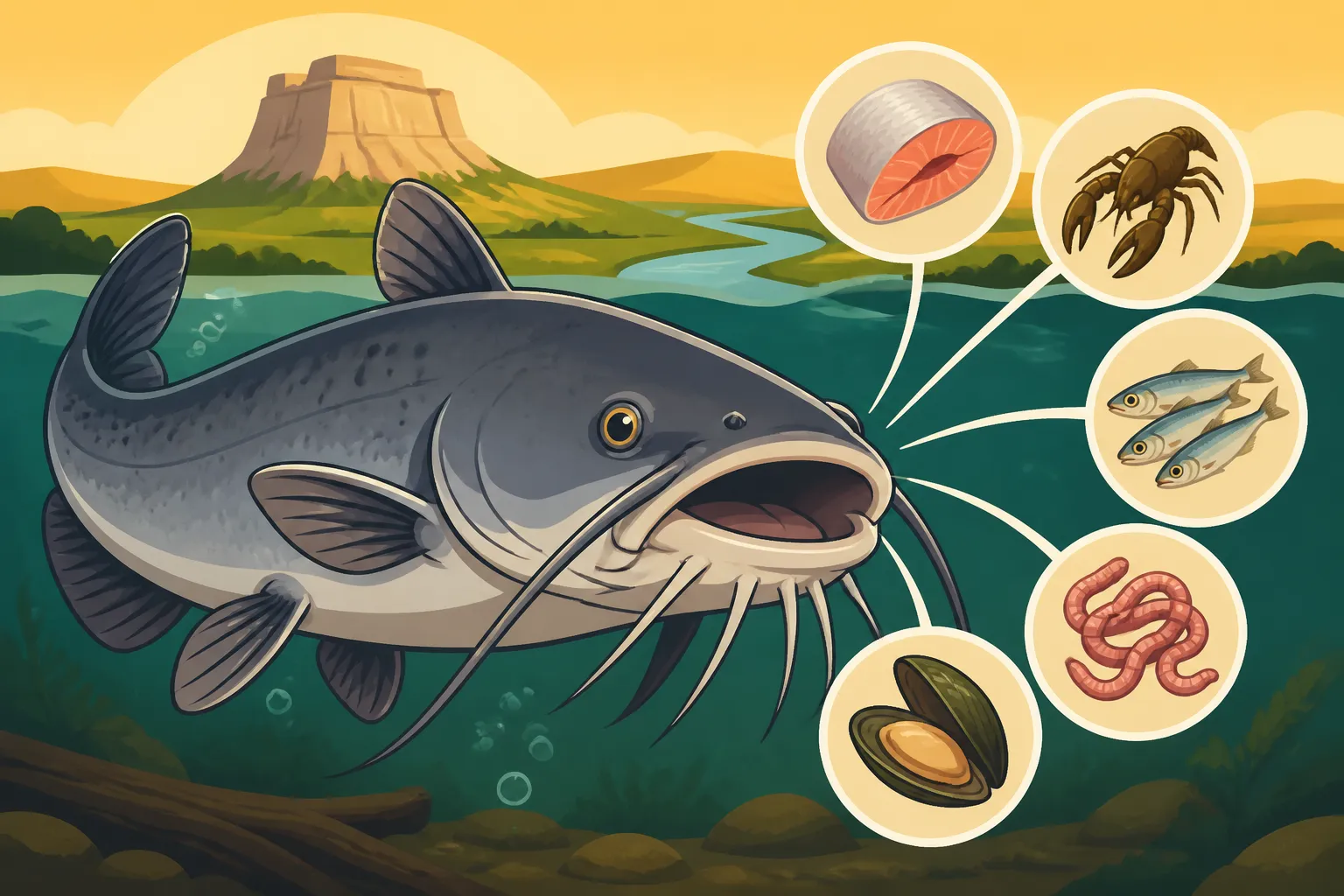
A significant portion of a young channel catfish's diet, and even a good part of an adult's, comes from the endless supply of aquatic insects and invertebrates found in Nebraska's lakes and rivers. Think about it: caddisfly larvae, mayfly nymphs, dragonfly nymphs, worms, leeches, and various crustaceans are always crawling, swimming, or drifting along the bottom. These creatures are a constant, reliable food source, especially in cooler waters where larger prey might be less abundant or slower moving.
When you're looking at a healthy piece of water with a good substrate—say, a muddy or silty bottom with plenty of decaying vegetation and rocks—you're looking at a buffet line for these bottom-dwelling critters. Channel catfish will systematically cruise these areas, using their barbels to sift through the sediment, snapping up any juicy morsels they encounter. This natural foraging behavior is why traditional baits like nightcrawlers and pieces of cut bait can be so effective; they mimic the natural scents and textures of these prevalent food sources.
Smaller Fish and Minnows
As channel catfish grow, their diet often shifts to include more protein-rich meals, and that usually means other fish. They're not exclusively piscivorous (fish-eating), but they certainly won't pass up an easy meal. In Nebraska, this could mean anything from small panfish like bluegill and crappie to shiners, shad, or even smaller versions of their own kind.
They're not typically ambush predators in the same way a largemouth bass might be, but they will actively hunt and pursue baitfish, especially during periods of high activity or low light. Areas where baitfish congregate, like around submerged structure, weed lines, or current breaks, become prime hunting grounds for channel catfish. This is why many experienced anglers will often use fresh cut bait from local species or even whole live minnows when targeting larger channel cats. The natural oils and distress signals from these baitfish are incredibly attractive to hungry catfish. Knowing What Channel Catfish Eat can really make a difference in your bait selection!
Decaying Organic Matter and Scavenging
Here's where the channel catfish truly earn their reputation as the "cleanup crew" of the aquatic world. They are expert scavengers, perfectly adapted to finding and consuming decaying organic matter, dead fish, and pretty much anything else that smells good and is easy to swallow. Their digestive systems are built to handle a wide range of food, including things that other fish might turn their noses up at.
This scavenging instinct is why stink baits, chicken livers, and other pungent offerings are so wildly successful. The strong, often decaying smell mimics a natural food source that channel catfish are constantly searching for. Think about a dead shad washed up against a log or a fish carcass slowly decomposing on the lakebed; these are prime targets for a cruising channel cat. Their ability to find these meals, even in murky or fast-moving water, is unparalleled. This unique dietary trait is a huge advantage for anglers, as we can create baits that leverage this powerful olfactory attraction.
Popular Baits for Enticing Nebraska Channel Catfish
Given their diverse natural diet, it's no surprise that a wide array of baits can effectively catch channel catfish in Nebraska. The trick is understanding which bait works best under which conditions and why. It's not just about what smells strong; it's about what appeals to their instincts in the moment.
The Power of Cut Bait
Cut bait is, without a doubt, one of the most consistently effective baits for channel catfish, especially for those looking to land bigger fish. The beauty of cut bait lies in its natural appeal: it perfectly mimics a dead or injured baitfish, something channel cats are hardwired to scavenge. Fresh is always best, and local baitfish are often the most effective.
Imagine a fresh chunk of shad, a piece of a gizzard shad or a small sunfish, bleeding and oozing natural oils and scents into the water. This potent aroma travels with the current, drawing catfish from a considerable distance. The oily flesh breaks down slowly, releasing a long-lasting scent trail. When using cut bait, you want to make sure your pieces are large enough to stay on the hook and provide a good scent profile, but not so large that smaller catfish can't get it in their mouths. A common technique is to cut a baitfish into strips or chunks, ensuring each piece has some skin and internal organs for maximum scent dispersion. Learning How to Rig Cut Bait for Channel Catfish properly is key to success.
Stink Baits and Prepared Baits
If you've ever walked into a bait shop, you've undoubtedly encountered the distinct aroma of "stink baits." These commercially prepared baits are designed specifically to exploit the channel catfish's incredible sense of smell and its scavenging nature. They come in various forms: dip baits, punch baits, and pre-formed balls or worms. Brands offer different formulas, but the common denominator is a powerful, often cheesy, garlicky, or even blood-based odor.
Stink baits are particularly effective in murky or muddy water, where visual cues are limited, and catfish rely almost entirely on scent to find food. They're also fantastic for stationary fishing, as the bait slowly dissolves, creating a potent scent cloud that attracts curious cats. While some anglers prefer to make their own secret recipes, many reliable options are available at local tackle shops or even online retailers like Amazon. When dipping a sponge or worm into a jar of potent punch bait, you're essentially creating a beacon for any catfish within smelling distance. Remember to check the consistency; a good stink bait will stay on your hook even with a strong cast, yet slowly release its scent.
Live Baits: Worms, Minnows, and Leeches
Sometimes, the simplest baits are the best. Good old-fashioned nightcrawlers, lively minnows, and squirming leeches are time-tested catfish getters. These baits offer natural movement and scent that can be irresistible, especially to smaller channel catfish or when fish are less aggressive.
- Nightcrawlers: A classic for a reason. Their earthy scent and wiggling action are incredibly attractive. You can thread a whole nightcrawler onto a hook or break it into pieces to enhance the scent release. They are particularly effective when presented on the bottom or under a bobber in slower currents or still water.
- Minnows: Live minnows, when legal and available, can be dynamite for larger channel cats, especially when they're actively feeding on baitfish. Hooked through the lips or dorsal fin, a struggling minnow sends out vibrations and visual cues that can trigger a predatory strike. Just make sure to check local regulations for using live baitfish.
- Leeches: Often overlooked, leeches are a fantastic catfish bait. They are incredibly tough, stay alive on the hook for a long time, and exude a natural scent that catfish love. Their undulating movement in the water is also very enticing. You can find them at many bait shops, and they're a great alternative when other live baits are scarce.
Other Effective and Sometimes Surprising Baits
The versatile diet of channel catfish means there are plenty of other options beyond the mainstays. Many anglers have their personal favorites that often produce fantastic results.
- Chicken Livers: This is a classic, inexpensive, and highly effective bait. Chicken livers have a strong, distinct odor and a soft texture that catfish find irresistible. The challenge is keeping them on the hook, but clever rigging (like using a small piece of mesh or pantyhose) can help. The blood and enzymes released by chicken liver make it a phenomenal attractant.
- Shrimp: Raw, peeled shrimp from the grocery store can be surprisingly effective. It has a natural scent and a good texture that stays on the hook. It's particularly useful if you're out of traditional bait and need a quick solution. Some anglers even let it sit out in the sun for a bit to enhance the aroma!
- Hot Dogs: While not a "natural" food source, hot dogs often work wonders. They are inexpensive, easy to acquire, and stay on the hook well. Their processed meat odor, combined with their soft texture, appeals to the catfish's opportunistic nature. You can cut them into chunks and even soak them in garlic powder or a fish attractant for added punch.
- Corn: While typically used for carp, channel catfish will occasionally pick up corn, especially in areas where carp are frequently targeted. It's more of a secondary bait, but if you're getting bites from smaller panfish or carp, a few kernels of corn might surprise you with a catfish.
Here's a quick comparison of some popular channel catfish baits:
| Bait Type | Pros | Cons | Best For |
|---|---|---|---|
| Fresh Cut Bait | Natural scent, attracts large fish, versatile | Can be messy, less effective if old | Larger catfish, stained/murky water |
| Stink/Punch Baits | Strong scent, long-lasting, easy to use | Can be very messy, less natural appearance | Murky water, stationary fishing, high current |
| Nightcrawlers | Widely available, natural, universal | Smaller fish can steal them, don't last long | All sizes of catfish, clear water, kids |
| Live Minnows | Natural action, attracts aggressive fish | Requires proper handling, regulations apply | Active/larger catfish, clearer water |
| Chicken Livers | Inexpensive, strong scent, very effective | Very soft, hard to keep on hook, messy | All sizes of catfish, strong scent needed |
| Shrimp | Readily available, decent scent | Can be pricey, not always top choice | Backup bait, casual fishing |
When you're looking for Best Bait for Nebraska Catfish, remember that variety is often your friend!
Understanding Catfish Feeding Behavior and Habitat
Knowing what channel catfish can eat is one thing; knowing how and where they eat it is another. Their feeding behavior is directly tied to their environment and basic biological needs. To effectively fish for them, we need to think like a catfish!
Scent, Taste, and the Barbels
The barbels on a channel catfish's face are not just for show; they are highly sensitive sensory organs. These whiskers are packed with taste buds and chemoreceptors, allowing the fish to detect dissolved chemicals in the water, essentially "tasting" their surroundings. This is their primary tool for locating food, especially in low-light conditions or turbid water where vision is compromised. A channel cat can detect minute traces of prey from surprising distances, following the scent trail directly to its source.
While their eyesight is generally considered poor in comparison to many other game fish, they can see. In clearer water, they might visually identify prey, but scent usually clinches the deal. Their lateral line system also plays a crucial role, detecting vibrations and movements in the water. This combination of heightened smell, taste, and vibration detection makes them incredibly efficient at finding food that might be hidden or still. This is why a lively minnow or a piece of cut bait wiggling in the current can be so effective; it appeals to all their senses.
Habitat Dictates Diet
The specific environment a channel catfish lives in heavily influences what's available for it to eat. A channel cat in a slow-moving river like sections of the Loup River will likely have access to different food sources than one in a vast reservoir like Harlan County Reservoir or a smaller urban pond.
- Rivers: In rivers, channel catfish often patrol the main channels, deep holes, and current breaks behind snags, rocks, or log jams. These areas act as natural food traps, concentrating insects, baitfish, and any organic matter washing downstream. Here, they'll primarily feast on aquatic insects, crayfish, smaller fish, and anything that drifts by. Look for them in areas where the current creates natural eddies or slack water, allowing them to conserve energy while waiting for food.
- Lakes and Reservoirs: In larger bodies of water, channel catfish often relate to deeper areas during the day, especially structure like old creek channels, humps, points, and submerged timber. They'll also move into shallower flats and coves during low light periods to feed. Their diet here will include a higher proportion of baitfish (shad, crappie, bluegill), and various crustaceans. The availability of What Fish Species Are in Lake McConaughy or What Fish Species Are in Branched Oak Lake will directly impact what they’re eating there.
- Ponds: Smaller ponds often have a more limited food base. Channel catfish in these environments will rely heavily on insects, worms, small panfish, and decaying vegetation. They can quickly clean out a pond of smaller fish if unchecked.
Understanding the specific habitat you're fishing will give you huge clues about what they're likely to be eating naturally. If you're fishing near a shallow, muddy flat in a lake, chances are they're rooting for worms and insects. If you're in a deep river bend with lots of current, they might be waiting for a stunned baitfish to drift by.
Seasonal Shifts in Appetite
Just like us, channel catfish's appetites change with the seasons. Water temperature plays a huge role in their metabolism and activity levels, directly impacting their feeding habits.
- Spring: As water temperatures rise into the 60s Fahrenheit, channel catfish become much more active after their cooler-water sluggishness. They'll start feeding heavily to regain energy lost over winter and prepare for spawning. This is a prime time for a wide variety of baits, from worms and cut bait to stink baits. They're often found in shallower water warming up.
- Summer: This is peak catfishing season in Nebraska! With warm water, their metabolism is in high gear, and they feed aggressively. They'll often move to deeper, cooler water during the day but come into the shallows or cruise channel edges to feed during low light. Strong-smelling baits like cut bait, chicken livers, and potent stink baits are often most effective, especially for How to Fish Overnight for Catfish.
- Fall: As water temperatures begin to drop, channel catfish will go on a feeding frenzy, trying to pack on weight for the upcoming winter. They'll often be found shallower again, gorging themselves. Cut bait and larger, natural baits can be very effective as they look for calorie-dense meals.
- Winter: During the coldest months, channel catfish become much less active. Their metabolism slows down, and they'll often stack up in deep holes or slow-moving currents. While they still eat, their feeding windows are much shorter and less frequent. Smaller, less aggressive baits like a piece of nightcrawler or a small piece of cut bait fished very slowly on the bottom are often the best approach. Knowing Best Time of Year to Catch Catfish in Nebraska is crucial for planning your trips.
Matching Your Bait to the Season and Water Conditions
Successfully catching channel catfish isn't just about throwing out any old bait; it's about making an informed decision based on the conditions you're facing. Thinking about water temperature, clarity, and current can significantly increase your hook-up ratio.
Water Temperature: Metabolism and Activity
Water temperature is perhaps the single most important factor influencing a channel catfish's diet and feeding aggression. Just like us, they don't have the same cravings or energy levels when it's freezing cold versus scorching hot.
In cold water (below 50-55°F), a channel catfish's metabolism slows way down. They're not going to chase down a fast-moving lure or expend much energy on a meal. This is when smaller, subtle baits that stay in one place and release a steady scent are best. Think small pieces of nightcrawler, a single shrimp, or a mild stink bait presented slowly on the bottom. You want to offer them an easy meal that doesn't require much effort.
As the water warms up (60-80°F), their metabolism kicks into high gear. This is when they're most active and aggressive. They'll actively hunt, and their sense of smell is at its peak. This is the prime time for strong-smelling baits like fresh cut bait, chicken livers, and potent commercial stink baits. The warmer water helps these scents disperse more rapidly, drawing fish from farther away. During these active periods, a little movement from your bait, whether a live minnow or a subtle jigging motion on cut bait, can also trigger a strike.
Water Clarity: Sight Versus Scent
The clarity of the water you're fishing should heavily influence your bait choice. Catfish can adapt to various conditions, but their primary senses will shift.
In muddy or turbid water, visual cues are almost nonexistent. This is where the channel catfish's powerful sense of smell reigns supreme. You want baits that produce a strong, undeniable scent trail. Stink baits, punch baits, and heavily scented cut bait (like oily shad) are absolute gold in these conditions. The murkier the water, the more potent your scent needs to be to cut through the suspended particles and reach the fish. This is why Best Bait for Catfish in Muddy Water articles often highlight these strong-smelling options. Don't be afraid to go big on the scent profile!
In clearer water, catfish might rely a bit more on their (still decent) low-light vision, but scent remains crucial. Here, natural-looking and smelling baits can be very effective. Live minnows, crawfish, or clean-cut bait can work well. While strong stink baits can still attract fish, sometimes a more subtle, natural presentation is better, as an overly pungent bait might seem unnatural in crystal-clear conditions. However, even in clear water, a subtle scent trail from a worm or cut bait is almost always a winner.
Current: Dispersal and Presentation
Current in rivers and river systems (like the Missouri or Platte rivers) significantly impacts how your bait behaves and how scent travels. Understanding this is key to getting your bait into the strike zone.
In strong currents, you need baits that will stay on the hook and effectively disperse their scent downstream. Cut bait, especially firmer pieces, can withstand the current better than softer baits like chicken liver. Stink baits designed for current fishing (often thicker or designed to be used with a bait holder) are also effective. The current will carry the scent a long way, drawing fish upstream. You'll often find channel catfish sitting just out of the main current, in an eddy or behind structure, waiting for food to drift by. Presenting your bait just upstream of these holding areas is often very productive.
In slack or still water, your bait's scent won't travel as far naturally. You might need to use larger, more potent baits to create a strong enough scent cloud to attract fish. Periodically twitching your rod or slowly reeling in can also help stir up the scent from your bait, expanding its reach. In these conditions, baits like nightcrawlers or smaller pieces of cut bait can be fished effectively, often with a bobber or lightly weighted on the bottom. For those looking to fish without a boat, understanding How to Catch Channel Catfish From the Bank in these varying current conditions is invaluable.
By keeping these factors—water temperature, clarity, and current—in mind, you can adapt your bait choices and presentation, transforming a frustrating day of fishing into a memorable one filled with exciting catfish battles. Happy fishing, fellow Nebraska anglers!
Disclaimer
This article is for general informational purposes only and does not constitute professional advice. Laws, prices and regulations vary by location and change over time. Consult a qualified professional for guidance on your specific situation.