Nebraska Trout Bag Limits
That familiar feeling of excitement when you're heading out to a promising trout stream or a recently stocked pond in Nebraska is often quickly followed by a nagging question: "What exactly are the trout bag limits here?" It's a common struggle, because unlike some other popular fish, trout regulations in our state can be incredibly specific, varying not just by waterbody but sometimes even by species. This comprehensive guide aims to untangle those complexities, providing you with a clear understanding of Nebraska's trout bag limits so you can enjoy your time on the water without a shred of doubt about staying legal and responsible.
Navigating Nebraska's General Trout Bag Limits
It’s easy to assume a single statewide rule applies to all fishing, but when it comes to trout in Nebraska, things get a little more nuanced. Our state manages these cold-water species carefully, and understanding the basic framework is your first step to a successful and legal trout outing.
Understanding the Basic Statewide Rules
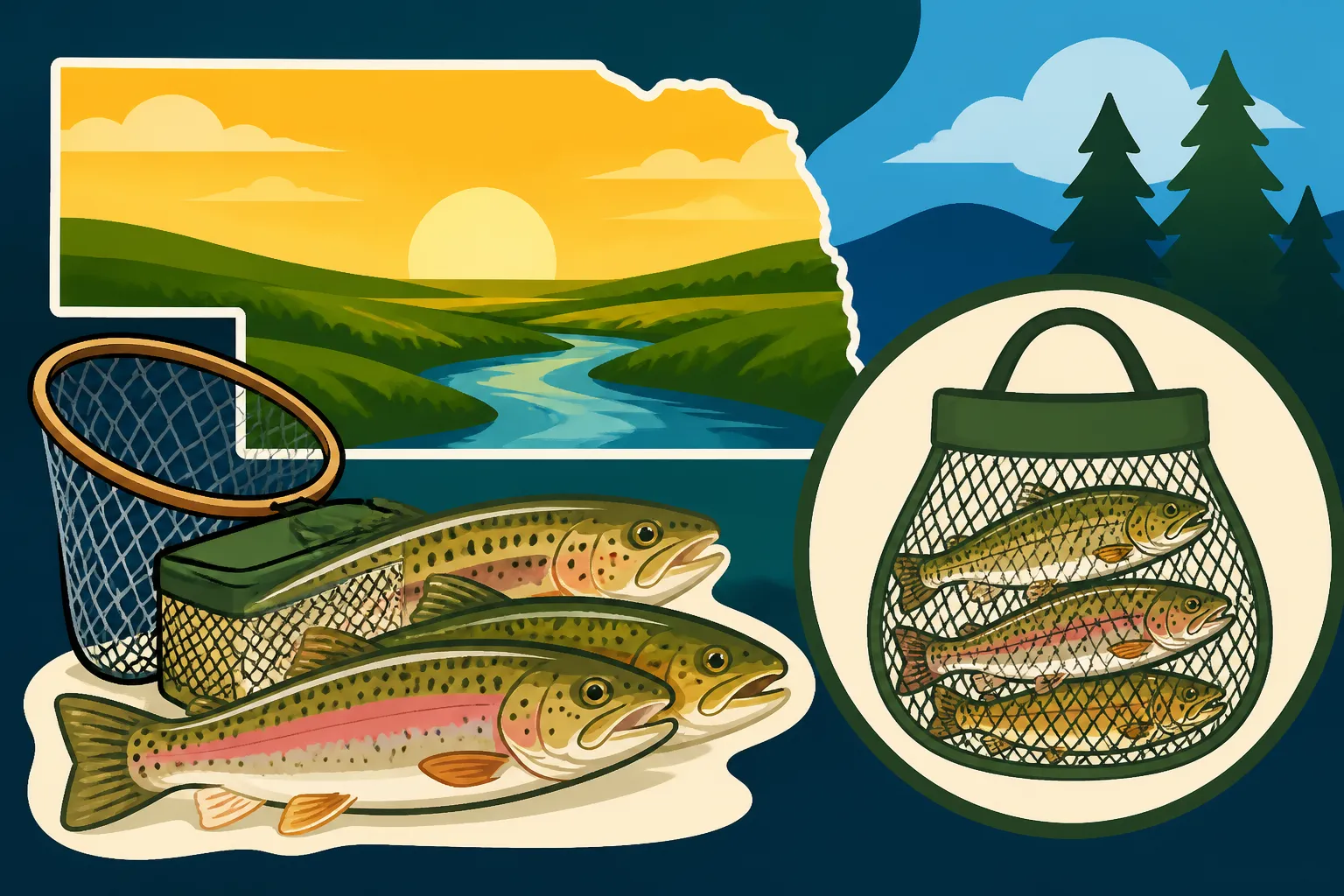
For most waters in Nebraska where trout are present and not subject to special regulations, there's a general daily bag limit that anglers need to be aware of. Currently, the statewide daily bag limit for trout is five fish. This means that in any 24-hour period, from midnight to midnight, you can legally harvest and retain up to five trout. This limit applies to a combination of all trout species – rainbow, brown, brook, or even the rarer lake trout if you're lucky enough to encounter one where they are legally harvestable. It's designed to provide a fair opportunity for anglers while protecting the overall trout population, especially in our put-and-take fisheries. Imagine a perfect spring morning at a local lake that's just been stocked; you can enjoy catching and keeping a handful for dinner without worrying you're depleting the resource.
The Nebraska Game and Parks Commission (NGPC) puts a lot of effort into these stocking programs, often bringing in thousands of trout, particularly rainbow trout, to various public waters across the state. These general bag limits help ensure that the effort and cost put into these programs translate into sustainable fishing opportunities for everyone. It’s also important to remember that these limits are subject to change, so always double-check the most current regulations before you head out. You can often find a comprehensive overview in the annual Nebraska Fishing Regulations Explained guide or on the NGPC website.
Exceptions and Common Misconceptions
While the five-fish daily bag limit is a good general rule, it's critical to understand that it doesn't apply universally across every trout-holding water in Nebraska. This is where many anglers, myself included, can sometimes get tripped up. The most significant exceptions occur in waters designated as "Special Trout Streams" or specific lakes and ponds that have unique management plans. For instance, some stretches of stream might have reduced bag limits, length limits, or even be catch-and-release only. This isn't done to make things complicated, but rather to protect fragile wild trout populations or to create trophy fisheries where anglers can pursue larger, older fish.
A common misconception is that the daily bag limit is the same as the possession limit. While often similar, they are distinct. The daily bag limit refers to how many fish you can harvest in one day. The possession limit, which we'll delve into later, refers to the total number of fish you can have in your possession at any given time, including those at your home. For trout, the statewide possession limit is typically twice the daily bag limit, meaning ten fish. However, this, too, can vary in special regulation areas. Another point of confusion often arises with species identification. If you're fishing in an area with both rainbow and brown trout, for example, your five-fish limit applies to the combined total, not five of each. It's really about the total number of trout in your cooler.
Special Regulation Waters for Nebraska Trout
Nebraska might not be renowned as a "trout state" like some of our neighbors to the west, but we do have some incredibly special fisheries that demand unique management. These waters, often cooler and spring-fed, provide vital habitat for trout, and as such, they come with their own distinct set of rules to ensure their longevity.
Coldwater Streams and Their Unique Rules
When we talk about Nebraska's coldwater streams, we're talking about precious jewels in our fishing landscape. These are often small, spring-fed creeks, primarily found in the Sandhills region, that maintain cold enough temperatures year-round for trout to not just survive, but sometimes even reproduce naturally. Examples might include sections of the Snake River, Nine Mile Creek, or other lesser-known gems. Because these wild trout populations are particularly vulnerable, the Nebraska Game and Parks Commission often implements very strict regulations here.
These "Special Trout Streams" frequently feature reduced daily bag limits, sometimes as low as one or two fish per day, and often include minimum or maximum length limits. You might encounter an 18-inch minimum length limit for brown trout on certain stretches, for instance, or specific gear restrictions, like artificial lures with single barbless hooks only. The idea behind these rules is twofold: to protect the spawning population by letting larger, more mature fish stay in the water, and to enhance the quality of the fishing experience by promoting catch-and-release, giving more anglers a chance to hook into those elusive wild trout. It's a different kind of fishing, one focused less on the creel and more on the challenge and preservation of the resource. Always consult the official Nebraska Fishing Regulations Explained booklet to pinpoint which streams have these specific rules. For those interested in pursuing trout in these unique environments, checking out resources on How to Fly Fish for Trout in Nebraska can be incredibly helpful.
Trout Lakes and Ponds with Specific Limits
Beyond the wild streams, several lakes and ponds in Nebraska are specifically managed for trout, and these too can have special regulations that differ from the general statewide limits. These often include waters within state parks or recreation areas, as well as community fishing ponds that are part of the Nebraska Urban Fishing Program Stocked Ponds Near Me. While many of these are stocked with put-and-take rainbow trout, the NGPC might adjust limits to balance angler pressure and fish survival.
For example, a smaller lake might have a general five-fish daily limit, but if it's a particularly popular spot right after a stocking event, officials might monitor harvests and adjust if needed, though this is less common for daily limits and more for stocking frequency. However, where brown trout or lake trout are introduced (like in specific Sandhills lakes or Lake McConaughy's deep waters), you might find different size or bag limits for those particular species. It’s crucial to know exactly which lake you're targeting and to cross-reference with the current regulations. Sometimes, these special rules are posted right at the access points, but relying solely on signs can be risky if they're outdated or missed. Having a physical copy of the regulations or the digital version on your phone is always a good practice. Many anglers also find great gear, including waterproof regulation maps, on platforms like Amazon before their trips.
Species-Specific Trout Limits in Nebraska
While the blanket term "trout" is often used, Nebraska is home to several distinct species, and understanding their individual characteristics and regulations is key to responsible angling. Not all trout are treated equally in the eyes of the law, especially when it comes to bag limits.
Rainbow Trout Regulations
Rainbow trout are, without a doubt, the most common trout species you'll encounter in Nebraska. They are the workhorse of the Nebraska Game and Parks Commission's stocking program, being stocked in hundreds of public lakes, ponds, and even some streams across the state throughout the year. Their robust nature, willingness to bite, and excellent table fare make them incredibly popular for anglers of all ages and skill levels. You can learn more about this popular species in our dedicated guide on Nebraska Rainbow Trout Fishing.
For the vast majority of waters, the general statewide daily bag limit of five trout applies directly to rainbow trout. This is consistent across the heavily stocked community ponds, larger reservoirs that receive seasonal stockings, and many streams that have suitable habitat. The idea here is to provide a consistent, accessible fishery that allows anglers to harvest a reasonable number of fish. You'll often see these fish ranging from 10 to 15 inches, perfect for a shore lunch. However, even with rainbows, there can be exceptions. In some very specific "Special Trout Streams" that focus on catch-and-release or trophy management, the limit for rainbows might be reduced, or they might be part of a combined limit with other species that features stricter length restrictions. Always check the specifics for your intended fishing location to avoid any unwelcome surprises. If you're bringing the kids along, places like Wehrspann Lake near Omaha or Holmes Lake in Lincoln are fantastic for catching stocked rainbows, and their rules are typically straightforward.
Brown Trout Regulations
Brown trout offer a different challenge and often hold a special place in the hearts of dedicated trout anglers. Known for their elusive nature and often larger size, brown trout can be found in some of Nebraska's cooler, higher-quality streams, and occasionally in a few lakes like Merritt Reservoir. Unlike rainbows, which are heavily stocked, brown trout sometimes sustain wild populations in specific Sandhills streams, making their management particularly sensitive. Our guide on Nebraska Brown Trout Fishing delves deeper into these magnificent fish.
Because of their more sensitive habitat requirements and the desire to protect wild breeding populations, brown trout often have more restrictive bag limits or length regulations, especially in those precious "Special Trout Streams." While the general statewide daily bag limit of five combined trout still applies, you might find a specific stream where the daily bag for brown trout is only one or two, often accompanied by a significant minimum length limit, such as 15 or 18 inches. These regulations aim to allow brown trout to grow to maturity and reproduce, contributing to a self-sustaining fishery. Catching a large brown trout is often considered a significant achievement, and these regulations help ensure that those opportunities persist. Always refer to the Nebraska Fishing Regulations Explained guide for details, paying close attention to any named streams or lakes where brown trout are known to reside.
Other Trout Species in Nebraska
While rainbow and brown trout dominate the conversation, Nebraska's waters occasionally yield other trout species, albeit much less commonly. Understanding their potential presence and any specific rules is important for the discerning angler.
Brook trout are perhaps the most beautiful of the North American trout species, with their distinctive worm-like markings and vibrant colors. In Nebraska, brook trout are extremely rare and typically confined to only the coldest, highest-quality spring-fed headwater streams, usually those with wild, self-sustaining populations. Because of their limited numbers and delicate nature, if you are lucky enough to encounter brook trout, they are almost exclusively found in waters designated for catch-and-release only, or with extremely restrictive bag limits and length requirements. It’s a conservation measure to protect these unique and precious native (or naturalized) populations. Releasing these fish unharmed is usually the best practice, even if a harvest is technically allowed. You might find more information on specific streams in the Nebraska Brook Trout Fishing guide.
Lake trout are an even rarer find in Nebraska. These deep-water giants primarily inhabit very cold, deep lakes. In Nebraska, Lake McConaughy is the most prominent waterbody where lake trout have been stocked. Given their rarity and the effort to establish a population, lake trout usually have extremely restrictive regulations, often a daily bag limit of one fish with a substantial minimum length limit, perhaps 24 inches or more. These rules are put in place to give these fish every chance to grow to a trophy size and to establish a viable population. Catching a lake trout in Nebraska is truly a once-in-a-lifetime experience for most anglers, and understanding these stringent rules beforehand is crucial.
Distinguishing Between Daily Bag and Possession Limits
This is one of those areas that can really confuse new anglers, and even seasoned ones sometimes need a refresher! The terms "daily bag limit" and "possession limit" are often used interchangeably, but they represent two distinct concepts in fishing regulations. Getting these straight is absolutely crucial for staying compliant with Nebraska's fishing laws, especially for trout.
Defining Daily Bag Limit
The daily bag limit, in simple terms, is the maximum number of fish of a particular species (or combination of species) that an individual angler can harvest and keep within a single calendar day. In Nebraska, for trout in most general waters, this is five fish. This period runs from midnight to midnight. So, if you go fishing first thing in the morning on a Saturday and catch five trout, you've reached your daily limit. You cannot go out again later that same Saturday and catch five more. Your fishing for keeping trout is done for the day, even if you still have plenty of time.
This regulation is designed to control the immediate pressure on fish populations. It ensures that no single angler can take an excessive number of fish from a waterbody in a short amount of time, allowing more fish to remain in the water for other anglers to enjoy and for the population to replenish itself. It also helps distribute the harvest more equitably among all licensed anglers. Think about a popular trout stocking event: if there were no daily limits, a few individuals could potentially clean out a pond very quickly, ruining the experience for everyone else. Many anglers use a stringer or a cooler to keep track of their daily catch, which can easily be purchased from stores or online via Amazon.
Understanding Possession Limit
The possession limit, on the other hand, refers to the total number of fish of a particular species (or combination) that you can have in your physical control at any given time. This includes fish on your person, in your cooler, in your vehicle, at your campsite, or even in your freezer at home. For trout in Nebraska, the general possession limit is typically twice the daily bag limit. So, if the daily bag limit is five trout, the possession limit would be ten trout.
Here's how this plays out in a real-world scenario: Let's say you fish on a Saturday and catch your daily limit of five trout. You take them home and put them in the freezer. Then, on Sunday morning, you go fishing again and catch another five trout. Now, you have five fresh trout and five frozen trout. Your total possession is ten trout, which is within the general possession limit. However, if you were to catch another five on Monday, your total possession would be fifteen, exceeding the ten-fish possession limit, even though you only caught five on Monday. This is a common pitfall! The possession limit prevents anglers from accumulating an unreasonable amount of fish over multiple days, again serving a conservation purpose and ensuring fair distribution of the resource. It’s particularly important for multi-day fishing trips or when you’re combining catches from several outings. Always know your Nebraska Fishing Daily Bag and Possession Limits before you head out, especially if you plan to keep fish for a few days.
The Conservation Rationale Behind Trout Bag Limits
It's easy to view fishing regulations as arbitrary rules designed to make our lives more difficult. But when it comes to trout bag limits in Nebraska, every single rule, every limit, and every special regulation is rooted in sound conservation principles. These limits are not just suggestions; they are vital tools for managing a delicate ecosystem and ensuring the future of fishing in our state.
Protecting Trout Populations for the Future
The primary reason for establishing trout bag limits is to protect and sustain the trout populations themselves. Trout, especially those in natural, self-sustaining streams, are often very sensitive to environmental changes and overfishing. Unlike some other hardy species, trout require specific conditions – cold, clean, oxygenated water – which are not abundant in Nebraska. The populations, therefore, can be quite fragile.
Bag limits prevent overharvesting. If there were no limits, it would be all too easy for a small number of anglers to decimate a local trout population, especially after a fresh stocking or during a period when fish are concentrated, such as around a dam or during a specific Nebraska Fishing Season Dates and Limits. Overharvesting doesn't just mean fewer fish for immediate enjoyment; it can also impact the long-term health and genetic diversity of a population, particularly if larger, breeding-age fish are removed too frequently. By setting limits, the Nebraska Game and Parks Commission can manage the number of fish removed from the water, allowing enough individuals to survive, grow, and reproduce, thus safeguarding the resource for future generations of anglers. It's an investment in tomorrow's fishing opportunities.
Ensuring Fair Share for All Anglers
Beyond pure conservation, bag limits also play a crucial role in ensuring equitable access and opportunity for all anglers. Imagine a scenario without limits: a handful of individuals with aggressive tactics or superior equipment could potentially catch and keep hundreds of fish, leaving little for others. This would quickly lead to frustration, conflict, and a diminished fishing experience for the majority.
Bag limits act as a democratizing force, creating a "fair share" system. Everyone, regardless of skill level or gear, gets the same opportunity to keep a reasonable number of fish. This is particularly important in Nebraska's put-and-take trout fisheries, where fish are stocked specifically for angler harvest. By limiting the number of fish each person can take, the NGPC ensures that the stocked fish are distributed among a wider group of anglers over a longer period. This fosters a sense of community and shared resource, making trout fishing a more enjoyable and sustainable pastime for everyone who holds a valid Nebraska Fishing License Guide. It's about balancing individual enjoyment with collective responsibility, and understanding rules like Nebraska Trout Stamp Requirements further contributes to these conservation efforts.
How to Stay Informed About Changing Regulations
Fishing regulations aren't set in stone. They evolve based on biological surveys, environmental changes, angler feedback, and management goals. For trout, given their sensitive nature and specific habitat requirements, changes can occur more frequently or be more localized. Staying on top of these updates is paramount to responsible and legal fishing.
Where to Find the Official Regulations
The absolute best and most reliable source for Nebraska's fishing regulations, including all the intricate details about trout bag limits, is the official Nebraska Fishing Guide. This comprehensive booklet is published annually by the Nebraska Game and Parks Commission. You can pick up a physical copy at virtually any fishing license vendor, including sporting goods stores like Cabela's, bait shops, and often at county courthouses or NGPC offices. It’s compact, easy to carry, and contains all the specific details you need, often with maps or lists of special regulation waters. This is the definitive guide, and knowing Where to Find the Nebraska Fishing Regulations Booklet is half the battle.
In today's digital age, you also have excellent online resources. The NGPC website is constantly updated and features the full digital version of the fishing guide, which you can easily access on your smartphone or print out. They often have dedicated sections for species-specific rules and special area regulations. I always recommend downloading the PDF version to your phone before you head out, especially if you're going to be in an area with spotty cell service. This way, you always have the most current information at your fingertips, even if you forgot your paper copy at home or can't find it tucked into your tackle box. For purchasing licenses or checking on digital versions of the regulations, the GoOutdoorsNE system is an invaluable tool, and you can even pick up essential items for your trip from Amazon with just a few clicks.
Checking for Updates and Changes
While the annual fishing guide provides a snapshot of the regulations at the beginning of the year, sometimes urgent or localized changes might occur. Water levels can fluctuate, fish populations can experience unforeseen stresses, or new management strategies might be implemented. This is particularly true for trout, where environmental factors like water temperature or oxygen levels can drastically affect survival.
To stay completely up-to-date, it’s a good idea to check the Nebraska Game and Parks Commission website regularly, especially before heading out to a specific trout stream or lake that you know has special regulations. The NGPC often posts news releases or advisories about rule changes, stocking reports, or special conditions. Subscribing to their email newsletters or following their social media channels can also provide timely alerts. Additionally, local bait shops and fishing forums can be excellent unofficial sources for current conditions and recent regulation reminders, though you should always cross-reference with official sources. For instance, if you're planning a trip to a cold-water stream, you might search for information on Nebraska Trout Daily Limit to ensure you're aware of any seasonal closures or changes that could impact your plans. Don't let a simple oversight ruin an otherwise perfect day on the water!
| Trout Species (Combined) | Daily Bag Limit | Possession Limit | Notes |
|---|---|---|---|
| All Trout Species | 5 fish | 10 fish | Applies to most general waters. Check special regulations for exceptions. |
| Special Water Examples | |||
| Specific Trout Streams | 1-2 fish | Varies (e.g., 2-4) | Often includes length limits (e.g., 18" min) or gear restrictions (e.g., artificial lures only). |
| Lake McConaughy (Lake Trout) | 1 fish | 2 fish | Often includes a significant minimum length limit (e.g., 24" min) to protect trophy potential. |
Note: This table provides general examples based on common regulations. Always consult the current official Nebraska Fishing Guide for the most accurate and up-to-date regulations for your specific fishing location, as these can change annually or for specific waterbodies.
Disclaimer
Please remember that fishing regulations are subject to change. While we strive to provide the most accurate and up-to-date information, it is your responsibility to consult the current official Nebraska Game and Parks Commission Fishing Guide before engaging in any fishing activities. This guide is for informational purposes only and should not be considered a substitute for the official regulations.