How to Fly Fish for Trout in Nebraska
You know, when most folks picture fly fishing for trout, their minds probably drift to crystal-clear mountain streams out west or the storied rivers of the Appalachians. Nebraska? "The Cornhusker State" doesn't exactly scream "trout haven," does it? It's a common misconception, and frankly, a frustration for those of us who know the hidden gems within our borders. But here’s the wonderful truth: with a little local knowledge and the right approach, fly fishing for trout in Nebraska is not only possible but incredibly rewarding. This guide is going to strip away the mystery and show you exactly how to pursue these elusive fish in our often-overlooked coldwater sanctuaries.
The Unexpected World of Nebraska Trout
It's easy to assume that Nebraska, being largely a prairie state, wouldn't have the cold, oxygen-rich waters that trout demand. And while it's true we don't have vast stretches of pristine trout rivers like some other states, we do have some surprisingly productive fisheries if you know where to look. The key lies in understanding our unique geology and the efforts made to sustain these coldwater havens.
Where Trout Thrive in the Cornhusker State
Nebraska’s trout fisheries are primarily concentrated in two distinct types of environments: the spring-fed streams of the Pine Ridge region and tailwaters below large reservoirs. The Pine Ridge area in the northwestern part of the state, particularly around Fort Robinson and Chadron, offers small, intimate streams like Hat Creek, Soldier Creek, and Monroe Creek. These aren't roaring rivers; they are often narrow, brushy, and require a stealthy approach, but their constant flow of cold, groundwater-fed springs creates ideal conditions for trout. Here, you'll find both stocked rainbow trout and, in rarer instances, naturally reproducing populations of brown trout that have carved out a tough existence.
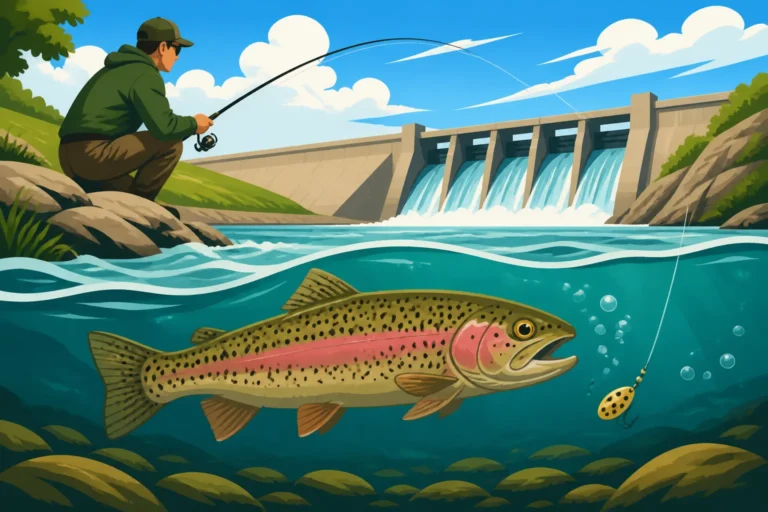
Beyond the Pine Ridge, the most celebrated trout fishery is undoubtedly Lake Ogallala, located directly below Kingsley Dam on Lake McConaughy. This unique body of water benefits from the deep, cold water released from the bottom of Lake McConaughy, maintaining consistently low temperatures perfect for trout year-round. It's a popular spot, often heavily stocked, and offers a different kind of challenge and opportunity for fly anglers. You'll also find smaller, put-and-take trout opportunities in various urban and state park ponds, such as those at Two Rivers State Recreation Area, especially during the cooler months when the Nebraska Game and Parks Commission (NGPC) conducts its robust stocking programs. For a broader overview of opportunities, checking out our guide on the Best Places to Fish in Nebraska can also point you to other hidden gems.
Understanding Nebraska's Trout Species
When you're fly fishing for trout in Nebraska, you'll primarily encounter a few species, each with its own quirks and challenges.
Rainbow Trout: These are by far the most common trout you'll encounter. They are the workhorse of the NGPC's stocking program and thrive in both the Pine Ridge streams and tailwater fisheries like Lake Ogallala. Rainbows are generally quite willing to take a well-presented fly, making them excellent targets for both beginners and experienced anglers. Their vibrant colors and strong fight make them a joy to catch on light fly tackle. You can find detailed information on the Nebraska State Record Rainbow Trout Weight if you're curious about the giants that have been pulled from our waters.
Brown Trout: A much wilder and more elusive fish, brown trout are found in limited, naturally reproducing populations in some of the Pine Ridge streams. These fish are typically far more wary and challenging to catch, demanding precise presentations and a very stealthy approach. They can also grow quite large, offering an incredible challenge. While stocking of brown trout is less common than rainbows, finding a wild brown on a fly rod in Nebraska is a truly special accomplishment, a testament to the state's diverse, albeit often overlooked, ecosystems.
Brook Trout: These beautiful, small, native trout are incredibly rare in Nebraska. They exist in only a handful of very specific, highly protected spring-fed streams in the Pine Ridge. Catching a brook trout here is a rare treat and usually a sign of a truly healthy, undisturbed coldwater environment. They are generally smaller than rainbows or browns but are arguably the most stunning to behold with their intricate patterns. If you're lucky enough to encounter one, appreciate its rarity and practice immediate catch and release.
The Best Times of Year to Target Trout
Unlike some warmwater species, trout are heavily influenced by water temperature, making seasonality a critical factor for successful fly fishing in Nebraska.
Spring (March-May): This is often considered prime time for Nebraska trout. The weather is warming, but water temperatures remain cool, stimulating trout activity. Following the NGPC's stocking schedules is crucial here, as recently stocked fish are often eager feeders. Streams in the Pine Ridge become more accessible as snow melts, and the insect hatches begin to pick up, offering opportunities for dry fly fishing. Lake Ogallala remains productive, offering consistent action. This period is also great for learning about When Trout Are Stocked in Nebraska Lakes to plan your trips around fresh deliveries.
Fall (September-November): As summer heat fades and water temperatures cool down, fall becomes another fantastic season for trout. Fish are actively feeding to bulk up for winter, and their metabolism is high. This is especially true for brown trout, which begin their pre-spawn activities and can become very aggressive, making them more susceptible to streamer patterns. The cooler air and crisp colors of autumn also make for a truly beautiful angling experience in places like the Pine Ridge. For more specific insights into year-round fishing, our comprehensive Nebraska Fishing Seasons Explained guide offers a broader perspective.
Winter (December-February): While many anglers pack away their gear, winter can offer unique trout opportunities. In Lake Ogallala, if the surface doesn't freeze over entirely, open water fly fishing can still be quite good, especially on milder days. For those who embrace the chill, ice fishing for stocked trout is also popular in some ponds. Spring-fed streams, by their nature, often remain ice-free in critical areas, allowing for year-round access, though fishing can be slow. Don't forget to bundle up and be aware of ice conditions if you're venturing out!
Summer (June-August): This is generally the most challenging time for trout in Nebraska due to rising water temperatures. Most stillwater trout fisheries and many stream sections can become too warm for trout to thrive, leading to lethargic fish and increased mortality if caught and released. If you fish during summer, focus exclusively on the coldest, most oxygenated waters like Lake Ogallala's tailwaters or the most protected spring creeks of the Pine Ridge. Fish early in the morning, use quick handling for catch-and-release, and consider avoiding fishing entirely if water temperatures exceed 68°F (20°C) to minimize stress on the fish.
Essential Gear for Nebraska Fly Fishing
Fly fishing often gets a reputation for being overly complex or requiring expensive, specialized gear. While you certainly can go deep down the rabbit hole of fly fishing gear, getting started in Nebraska for trout doesn't have to break the bank. Having the right basic setup, however, will make your experience far more enjoyable and productive.
Rod, Reel, and Line Selection
Choosing the right combination of rod, reel, and line is fundamental to fly fishing effectively.
Fly Rods: For the smaller, brushy streams of the Pine Ridge, a lighter rod in the 3 or 4-weight range, typically 7.5 to 8.5 feet long, is ideal. These rods offer delicate presentations necessary for spooky trout in clear, shallow water and make fighting smaller fish a blast. When you move to larger water like Lake Ogallala, or if you anticipate wind or larger trout, a 5 or 6-weight rod, generally 8.5 to 9 feet long, provides more backbone for casting heavier flies, handling wind, and managing bigger fish. A 9-foot, 5-weight rod is often considered the "all-around" trout rod for its versatility. You can find excellent entry-level and mid-range rods from brands like Orvis, Redington, or Fenwick that provide great performance without costing a fortune.
Fly Reels: For trout, the reel's primary function is to store line and provide drag to fight fish, not necessarily for casting distance like spin reels. A simple click-and-pawl reel is often sufficient for lighter outfits and smaller trout, offering a classic feel. However, a reel with a smooth, adjustable disc drag system is a better choice for larger fish or if you anticipate battling strong currents. Make sure the reel is balanced to your chosen rod weight. Many reputable brands offer quality reels; check out options on Amazon for competitive pricing on various models.
Fly Lines: The fly line is the actual "weight" that casts your fly. For most Nebraska trout fishing, a weight-forward (WF) floating line is the standard. The weight-forward taper helps with casting distance and turning over larger flies. Choose a line that matches your rod's weight (e.g., a WF5F line for a 5-weight rod). For specialized situations, like fishing deeper holes or fast currents with heavy nymphs or streamers, a sinking-tip line might be useful, but start with a floating line. Good quality fly lines from manufacturers like Scientific Anglers or Rio can make a significant difference in casting performance.
Leaders, Tippet, and Flies
These are the direct connections to your fish and arguably the most important part of your setup after the rod and reel.
Leaders: A leader is the clear, tapered monofilament or fluorocarbon line that connects your fly line to your fly. It's designed to be nearly invisible and to smoothly transfer casting energy from the heavy fly line to the light fly. For general trout fishing in Nebraska, a 7.5 to 9-foot tapered leader with a 3X to 6X tippet section is appropriate. The "X" rating indicates diameter; a higher number (e.g., 6X) means a thinner, more delicate leader, suitable for smaller flies and spooky fish in clear water. A lower number (e.g., 3X or 4X) is stronger, better for larger flies or bigger fish.
Tippet: Tippet is a separate, untapered section of line that you tie to the end of your leader. It allows you to change flies without shortening your main leader and provides the final, lightest connection to your fly. Always match your tippet size to the last section of your leader. Carrying spools of 3X, 4X, 5X, and 6X tippet will cover most situations you'll encounter. Fluorocarbon tippet is often preferred for nymphing due to its invisibility underwater and faster sink rate.
Flies: This is where the artistry and strategy really come into play. Your fly choices should mimic the natural insects or baitfish found in Nebraska's waters.
- Dry Flies: When trout are feeding on the surface, dry flies are key. Think about common insects: Parachute Adams, Elk Hair Caddis, Blue-winged Olives (BWO), Tricos (tiny for late summer). Also, don't forget terrestrial patterns like grasshoppers, ants, and beetles, especially during late summer and early fall along grassy banks.
- Nymphs: Most of a trout's diet consists of subsurface insects, making nymphing incredibly effective. Essential patterns include Pheasant Tail Nymphs, Hare's Ear Nymphs, Prince Nymphs, Copper Johns, and San Juan Worms. Egg patterns can also be effective, particularly during spawning seasons or when fish are feeding on roe.
- Streamers: When trout are feeling aggressive or feeding on baitfish, streamers are the way to go. The Woolly Bugger in olive, black, or white is a universal favorite. Clouser Minnows and other baitfish imitations can also be highly productive, especially for larger trout in Lake Ogallala or predatory brown trout in the Pine Ridge.
For a deeper dive into specific recommendations, take a look at our Best Flies for Nebraska Trout Fishing guide.
Waders, Boots, and Essential Accessories
While not directly part of your rod and reel setup, these items are crucial for comfort, safety, and efficiency on the water.
Waders and Boots: If you plan on wading, breathable chest waders are a must. They keep you dry and comfortable, especially in the often-chilly waters where trout live. Neoprene waders are an option for colder conditions but are less breathable. Pair your waders with proper wading boots that offer good ankle support and grip. Felt soles provide excellent traction on slick, rocky bottoms, but rubber soles are more versatile and are required in some areas to prevent the spread of aquatic invasive species. Always check local regulations. For serious wading, look for durable options on Amazon that offer good reviews for both comfort and longevity.
Essential Accessories: Don't hit the water without these crucial items:
- Landing Net: A rubber or silicone mesh net is ideal as it's gentler on fish, preventing scale and slime removal, especially when practicing Catch and Release Best Practices in Nebraska.
- Nippers and Hemostats/Forceps: Nippers cut line cleanly, and forceps are indispensable for safely removing hooks from a fish's mouth.
- Floatant: For dry flies, floatant keeps them riding high on the water.
- Strike Indicators and Split Shot: For nymphing, strike indicators help you detect subtle bites, and split shot adds weight to get your flies down to the fish.
- Polarized Sunglasses: These are not just for eye protection; they cut glare, allowing you to see into the water to spot fish or submerged structure. A good pair of polarized sunglasses is a game-changer for reading the water.
- Sunscreen and Hat: Protect yourself from the elements.
- Backpack or Vest: To carry all your gear comfortably.
- Nebraska Fishing License and Aquatic Habitat Stamp: Absolutely essential. You can find out more about the Nebraska Aquatic Habitat Stamp Explained and generally what you need in our Nebraska Fishing License Guide.
Mastering Nebraska Fly Fishing Techniques
Fly fishing is as much an art as it is a science. While basic casting is a starting point, understanding how to read the water and present your fly naturally are the keys to consistent success, especially with wary Nebraska trout.
Reading the Water for Trout
Before you even make a cast, take time to observe. Trout are creatures of habit and will position themselves in places that offer them the best combination of food, cover, and minimal energy expenditure. This is called "reading the water."
Identify Holding Lies: Look for areas where trout are likely to hold.
- Riffles and Runs: These oxygenated, faster-moving sections often hold smaller, active fish feeding on dislodged insects. The edges of these areas, where faster water meets slower water, are prime feeding lanes.
- Pools: Deeper, slower-moving sections offer sanctuary and are where larger trout often hold, especially in the middle of the day. The head of a pool (where the faster water enters) and the tail of a pool (where water exits and often funnels food) are excellent places to target.
- Eddies and Current Seams: These are areas where currents meet or swirl, creating natural collection points for food. Trout will often sit just out of the main current, darting into the feeding lane when prey drifts by.
- Undercut Banks and Submerged Structure: Overhanging banks, fallen logs, rocks, and aquatic vegetation provide crucial cover from predators and strong currents. These are classic trout hiding spots.
- Foam Lines: A foam line often indicates a primary current seam where debris and insects accumulate. If you see bugs in the foam, you know trout might be below.
Understanding these features is crucial. In clear, shallow Pine Ridge streams, trout can be incredibly spooky. Approach quietly, stay low, and cast from a distance to avoid alarming them. Learning to identify these spots will drastically improve your chances of finding fish, regardless of the technique you employ.
Nymphing and Dry Fly Presentation
These are the bread and butter of trout fly fishing and will be your most frequently used techniques in Nebraska.
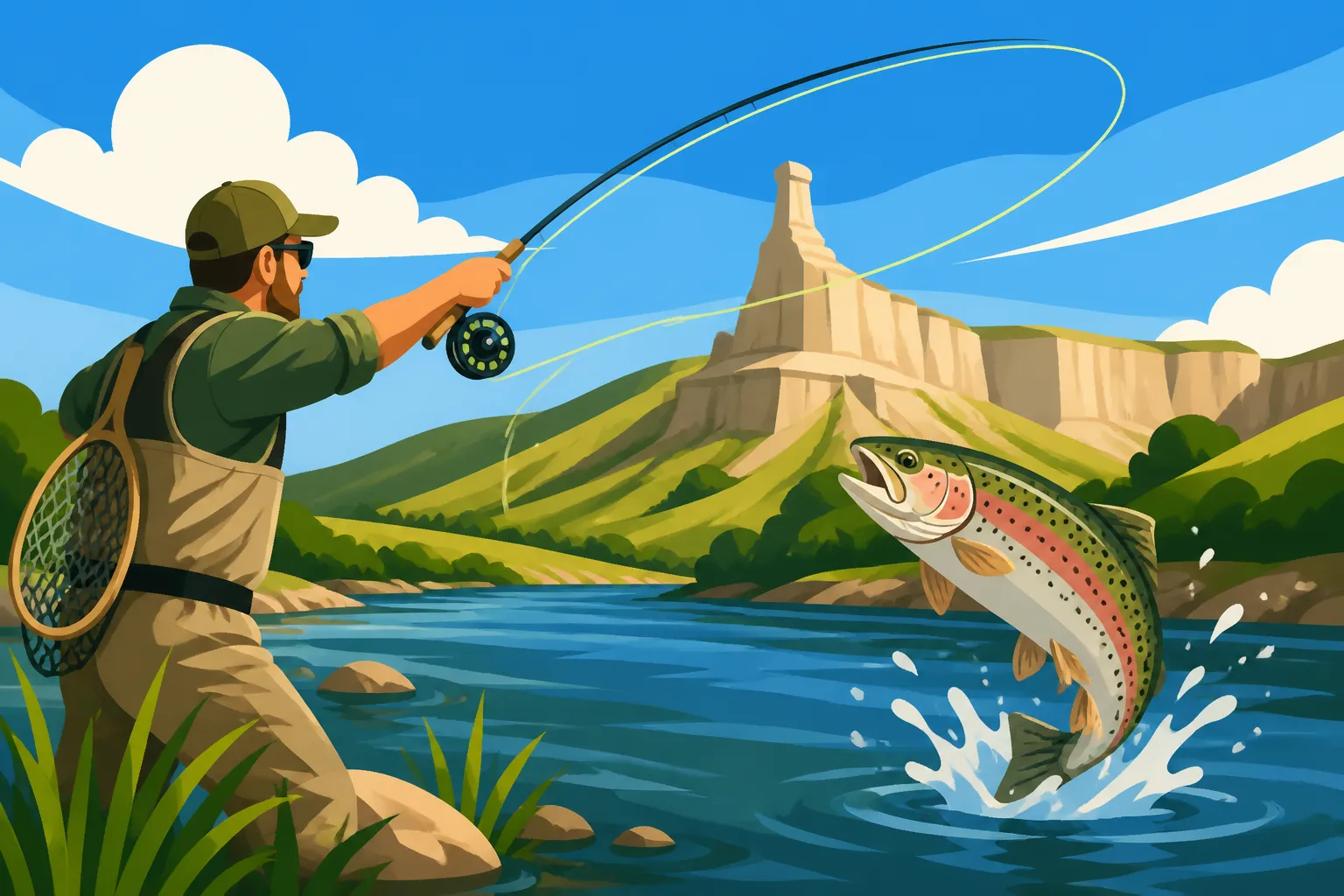
Nymphing: Since trout feed on subsurface insects most of the time, nymphing is often the most productive method. The goal is to get your nymph pattern to drift naturally, or "dead drift," at the same speed as the current, mimicking a dislodged insect.
- Indicator Nymphing: This is the most common approach. You'll attach a strike indicator (a small bobber) to your leader, typically 1.5 to 2 times the water depth above your first fly. Cast upstream and slightly across, allowing the indicator and flies to drift naturally downstream. Watch the indicator intently for any hesitation, pause, or subtle movement – that’s often a bite. You might use one or two nymphs, often with a heavier "point fly" to get your rig down, and a lighter "dropper fly" trailing.
- Euro Nymphing (or Tightline Nymphing): This more advanced technique is excellent for close-quarters fishing in faster, shallower streams, perfect for many Pine Ridge situations. It involves using a longer, specialized rod, a very sensitive leader system, and no traditional strike indicator. The angler maintains a tight line to the flies, feeling for subtle takes. This method offers incredible control and sensitivity but requires practice.
Dry Fly Presentation: The magic of dry fly fishing is seeing a trout rise to your fly. This technique is most effective during an active insect hatch or when terrestrials are abundant.
- Upstream Cast: Typically, you'll cast your dry fly upstream and slightly across from where you expect a fish to be. The goal is to land the fly gently, without splashing, just above the fish.
- Drag-Free Drift: This is paramount. Your fly must float naturally on the surface, moving at the same speed as the surrounding current, just like a real insect. Any unnatural drag (when the line pulls the fly unnaturally) will usually cause the fish to refuse it. To achieve this, you'll need to "mend" your line – making small, subtle adjustments with your rod tip to reposition your fly line upstream or downstream, allowing the fly to drift unimpeded. This is especially important in complex currents.
- Mending Line: Mastering the mend takes time. It involves flicking your rod tip to reposition the fly line without disturbing the fly itself. A perfect mend can extend your drag-free drift significantly, giving trout more time to decide to eat your offering.
Streamer Fishing and Other Tactics
Sometimes, trout are looking for a bigger meal, or they're holding deep and won't come up for a dry fly or chase a nymph. That's when streamers come into their own.
Streamer Fishing: This technique imitates baitfish, leeches, or other larger prey. It's often used for aggressive trout, especially larger brown trout or those in tailwaters like Lake Ogallala.
- Casting and Retrieve: Cast your streamer across or downstream and allow it to sink. Then, retrieve it with a series of strips and pauses, mimicking a wounded baitfish. Vary your retrieve speed and depth until you find what the fish are looking for. Olive, black, brown, and white Woolly Buggers are perennial favorites, but don't hesitate to experiment with other baitfish imitations.
- Targeting Structure: Streamers are excellent for probing deep pools, undercut banks, and around fallen timber where larger, predatory trout might be lurking. The aggressive retrieve can often illicit a reaction strike even from non-feeding fish.
High-Sticking: This is a variation of nymphing where you hold your rod tip high, often almost directly over your flies, to minimize the amount of fly line on the water. This technique helps achieve incredibly accurate and long drag-free drifts in complex currents, especially in smaller streams. It’s particularly useful when you need to drop a nymph into a tight pocket or between boulders.
In Nebraska's often clear and sometimes shallow waters, stealth and delicate presentation are paramount. Any unnatural movement, line drag, or clumsy casting can spook fish, especially the wilder trout. Take your time, observe, and refine your approach, and you'll find the rewards are well worth the effort.
Top Trout Fishing Locations in Nebraska
While Nebraska isn't blanketed with trout streams, the locations that do hold trout offer diverse and exciting opportunities for fly anglers. Knowing where to go and what to expect is half the battle.
Lake Ogallala and Its Tailwaters
Lake Ogallala, often referred to as "Little Mac," is arguably Nebraska's premier trout fishery for fly anglers, and it truly is an incredible resource. Located immediately downstream from Kingsley Dam on Lake McConaughy, this lake and its outlet canal receive a constant flow of cold, oxygen-rich water from the depths of Lake McConaughy. This unique environment allows trout to thrive year-round, even through Nebraska's hot summers.
Anglers can expect to find abundant rainbow trout, frequently stocked by the NGPC, alongside some brown trout. The lake itself offers opportunities for both wading and fishing from small boats or kayaks. The outlet canal provides a dynamic, river-like experience, perfect for wading anglers. You can work streamers, nymphs, and even dry flies during hatches. Specific regulations often apply to this area, including fly fishing only sections or special tackle restrictions, so always check the latest rules. Getting your flies down deep with a sinking line or heavy nymph rig can be very effective, especially when the current is strong. For an even more specific guide, check out our article on How to Catch Trout Below Kingsley Dam. It's a fantastic spot for a dedicated trout outing, and its consistency makes it a favorite for many.
Pine Ridge Streams
For those who love the challenge and intimacy of small stream fishing, the Pine Ridge region in Nebraska's panhandle is a hidden gem. These aren't wide-open rivers, but rather smaller, often brushy, spring-fed creeks that wind through scenic landscapes.
Hat Creek (Fort Robinson State Park): This is one of the most well-known and accessible Pine Ridge trout streams. It's regularly stocked with rainbow trout and also holds some wild brown trout. The creek flows through Fort Robinson State Park, offering beautiful scenery and public access. Anglers here need to be stealthy, as the water is typically clear and the fish can be wary. A smaller fly rod (3-4 weight) is ideal for the tight casting quarters. Nymphing and small dry flies are often the most productive methods.
Soldier Creek (Fort Robinson State Park): Similar to Hat Creek, Soldier Creek also runs through Fort Robinson State Park and provides excellent small stream trout fishing. It offers a mix of stocked rainbows and wild browns, presenting a delightful challenge. The stream features classic trout habitat with riffles, pools, and undercut banks. Again, quiet approaches and delicate presentations are key to success.
Monroe Creek (Chadron State Park): Located within Chadron State Park, Monroe Creek is another excellent option for those looking for a Pine Ridge trout experience. While it can be more challenging to access in places, it offers rewarding fishing for stocked rainbows and occasional wild browns. The park setting makes it convenient for combining fishing with other outdoor activities. Always be respectful of private land boundaries, which can often be interspersed with public access along these creeks.
These streams demand a certain level of patience and skill, but the reward of catching a beautifully spotted trout in such a unique Nebraska setting is truly special. The solitude and natural beauty of the Pine Ridge make these trips unforgettable.
Sandhills Spring Creeks and Other Opportunities
Beyond the Pine Ridge and Lake Ogallala, there are other, albeit more niche, trout fishing opportunities in Nebraska. The vast Sandhills region, with its incredible groundwater reserves, is home to numerous spring-fed creeks. Many of these are on private land, requiring landowner permission, but a few public access points or cooperative programs can open doors to unique experiences. These creeks are often characterized by their constant cold temperatures and rich aquatic insect life, making them ideal for trout.
Two Rivers State Recreation Area: This popular state recreation area near Venice, Nebraska, features several ponds, one of which is specifically stocked with trout, especially during the cooler months. While not a classic fly fishing "stream," it offers a fantastic and accessible "put-and-take" trout fishery, perfect for beginners or those looking for reliable action close to the Omaha/Lincoln metro areas. It's a great place to practice your casting and presentation without the pressures of wild trout streams. For more details on this spot, consult our guide on Two Rivers State Recreation Area Fishing.
Occasional trout stocking also occurs in other urban ponds or specific state park lakes when water conditions allow, typically in early spring or late fall. These are generally short-lived opportunities, so staying updated with the NGPC's stocking reports is essential. Always remember that even in these seemingly simple locations, a valid Nebraska Fishing License Costs and Types and understanding of Nebraska Fishing Daily Bag and Possession Limits are crucial before you even wet a line.
Regulations and Conservation for Trout Anglers
Fly fishing for trout in Nebraska isn't just about catching fish; it's also about respecting the resource and understanding the rules that help protect these often fragile coldwater ecosystems. Being a responsible angler is paramount to ensuring these opportunities persist for future generations.
Understanding Nebraska's Trout Regulations
Nebraska's fishing regulations, like those in many states, can have specific rules pertaining to trout. These rules are designed to manage fish populations, protect wild strains, and ensure fair chase. It's absolutely critical to consult the current Nebraska Fishing Guide published by the Nebraska Game and Parks Commission (NGPC) before heading out, as regulations can change. You can usually find a printed copy wherever you buy your Where to Buy a Nebraska Fishing License or view it online.
Typically, trout regulations might include:
- Specific Bag and Possession Limits: These numbers dictate how many trout you can keep per day and how many you can have in your possession. For example, some areas might have a general limit of 5 trout, but other specific trout waters could have reduced limits or slot limits (e.g., only keeping fish within a certain size range, or specific rules for wild trout). Familiarize yourself with the Nebraska Trout Bag Limits for your target area.
- Length Limits: Some waters may impose minimum or maximum length limits to protect spawning fish or allow smaller fish to grow. You might encounter "no-kill" zones for certain size ranges, or areas where only trout under a certain length can be kept.
- Gear Restrictions: Certain prized trout waters, especially those managed for wild trout or high-quality angling, may have "artificial flies and lures only" rules. Some might even specify "fly fishing only" sections, prohibiting spin gear. "Barbless hooks only" is another common restriction in catch-and-release areas, which greatly aids in quick and safe release.
- Seasonal Closures: While many trout waters are open year-round, some specific sections or streams might have seasonal closures to protect spawning fish, especially for brown trout in the fall. Make sure you check the Nebraska Trout Season Dates for any relevant closures.
Failure to adhere to these regulations can result in significant fines and penalties, so always be informed. A good starting point for general rules is our comprehensive Nebraska Fishing Regulations Explained article.
Catch and Release Best Practices
Many Nebraska trout anglers, particularly those targeting wild brown trout in the Pine Ridge, practice catch and release to preserve these precious populations. Even with stocked fish, proper handling ensures the fish have the best chance of survival.
Here are key best practices for catch and release:
- Minimize Fight Time: Use appropriate tackle to land the fish quickly, reducing stress and exhaustion.
- Barbless Hooks: Crimp down the barb on your hooks with pliers. Barbless hooks greatly reduce tissue damage and allow for much quicker, easier removal.
- Keep the Fish in the Water: The most crucial rule. Try to unhook the fish while it's still submerged. If you must lift it for a quick photo, keep it as close to the water as possible and minimize air exposure to mere seconds. Fish cannot breathe air, and exposing them to it can cause significant internal damage.
- Wet Your Hands: Always wet your hands before touching a fish. Dry hands can remove the protective slime layer (mucus) that helps fish fight off infections.
- Gentle Handling: Support the fish horizontally, especially if it's a larger one, supporting its belly. Avoid squeezing or putting pressure on its gills or internal organs.
- Revive the Fish: If a fish is lethargic after the fight, hold it gently facing upstream in a slow current. Allow water to flow over its gills until it regains strength and can swim away on its own. Don't "pump" it back and forth, as this can force water the wrong way through its gills.
- Consider Water Temperature: In warm summer months, water temperatures can be lethal for trout. If the water temperature is above 68°F (20°C), consider postponing your trout fishing trip or focusing on the coldest tailwater sections, as even proper catch and release might not ensure survival.
By following these practices, you're not just being a good angler; you're actively contributing to the health and longevity of Nebraska's unique trout fisheries.
Protecting Nebraska's Coldwater Fisheries
Conservation extends beyond individual fish handling. Protecting the habitats where trout live is vital. These coldwater environments are often sensitive and can be easily impacted by human activity.
- Aquatic Invasive Species (AIS) Prevention: Always follow the "Clean, Drain, Dry" protocol for your waders, boots, and any gear that comes into contact with the water. Invasive species like zebra mussels or whirling disease (which can devastate trout populations) can be inadvertently spread from one water body to another. A quick rinse and thorough drying of your gear are simple, effective steps.
- Stream Etiquette: Stay on established paths to prevent bank erosion. Avoid disturbing spawning beds (redds) which are typically gravelly areas where fish lay eggs. Pack out all trash, and perhaps even pack out more than you brought in.
- Habitat Protection: Support organizations and initiatives that work to improve water quality, restore stream banks, and enhance trout habitat. Protecting the surrounding land is just as important as protecting the water itself.
- Report Violations: If you witness poaching, pollution, or other fishing violations, report them to the Nebraska Game and Parks Commission or a local game warden. They are on the front lines of protecting our natural resources.
Becoming a fly angler in Nebraska is more than just learning to cast; it's joining a community dedicated to appreciating and preserving our unique natural heritage. By understanding and adhering to regulations and practicing thoughtful conservation, we can all ensure that the surprising joy of catching a Nebraska trout continues for generations to come.
Nebraska Trout Species & Key Locations Overview
To help you quickly reference the different trout species you might encounter and where to find them, here’s a handy table:
| Trout Species | Primary Locations | Common Gear & Tactics | Best Time of Year | Key Characteristics |
|---|---|---|---|---|
| Rainbow Trout | Lake Ogallala, Pine Ridge Streams (Hat, Soldier, Monroe Creeks), Two Rivers SRA, Urban Stocked Ponds | Nymphs, Dry Flies, Streamers, Spin Gear in some areas | Spring, Fall, Winter (Lake Ogallala) | Most commonly stocked, often active and willing to bite, silver body with pink stripe |
| Brown Trout | Pine Ridge Streams (Hat, Soldier, Monroe Creeks), occasional in Lake Ogallala | Nymphs, Streamers, Dry Flies (selective) | Fall (pre-spawn), Spring | Wary, challenging, can grow large; brown/gold body with dark and red spots (often with halos) |
| Brook Trout | Very limited, isolated spring-fed Sandhills/Pine Ridge streams | Small Nymphs, Dry Flies, ultra-light gear | Spring, Fall | Small, beautiful fish; dark worm-like markings on back, red spots with blue halos, white leading edge on fins |
Disclaimer
The information provided in this guide is for general informational purposes only and is subject to change. Fishing regulations, season dates, and license requirements are determined by the Nebraska Game and Parks Commission and can be updated annually. Always consult the most current official Nebraska Fishing Guide or contact the Nebraska Game and Parks Commission directly before planning your fishing trip to ensure compliance with all state and local laws and regulations. Fishing involves inherent risks, and anglers should always prioritize safety and environmental responsibility.