Does Nebraska Have a Size Limit on Catfish?
It's incredibly common to feel a little lost when it comes to fishing regulations, especially when you’re out on the water, eager to drop a line, and suddenly wonder if that catfish you just hooked is legal to keep. Trust me, you're not alone in puzzling over size limits for specific species like catfish in Nebraska. This guide is here to untangle all that confusion, breaking down the precise rules the Nebraska Game and Parks Commission has in place so you can fish with confidence and stay on the right side of conservation.
Understanding Nebraska's Catfish Regulations
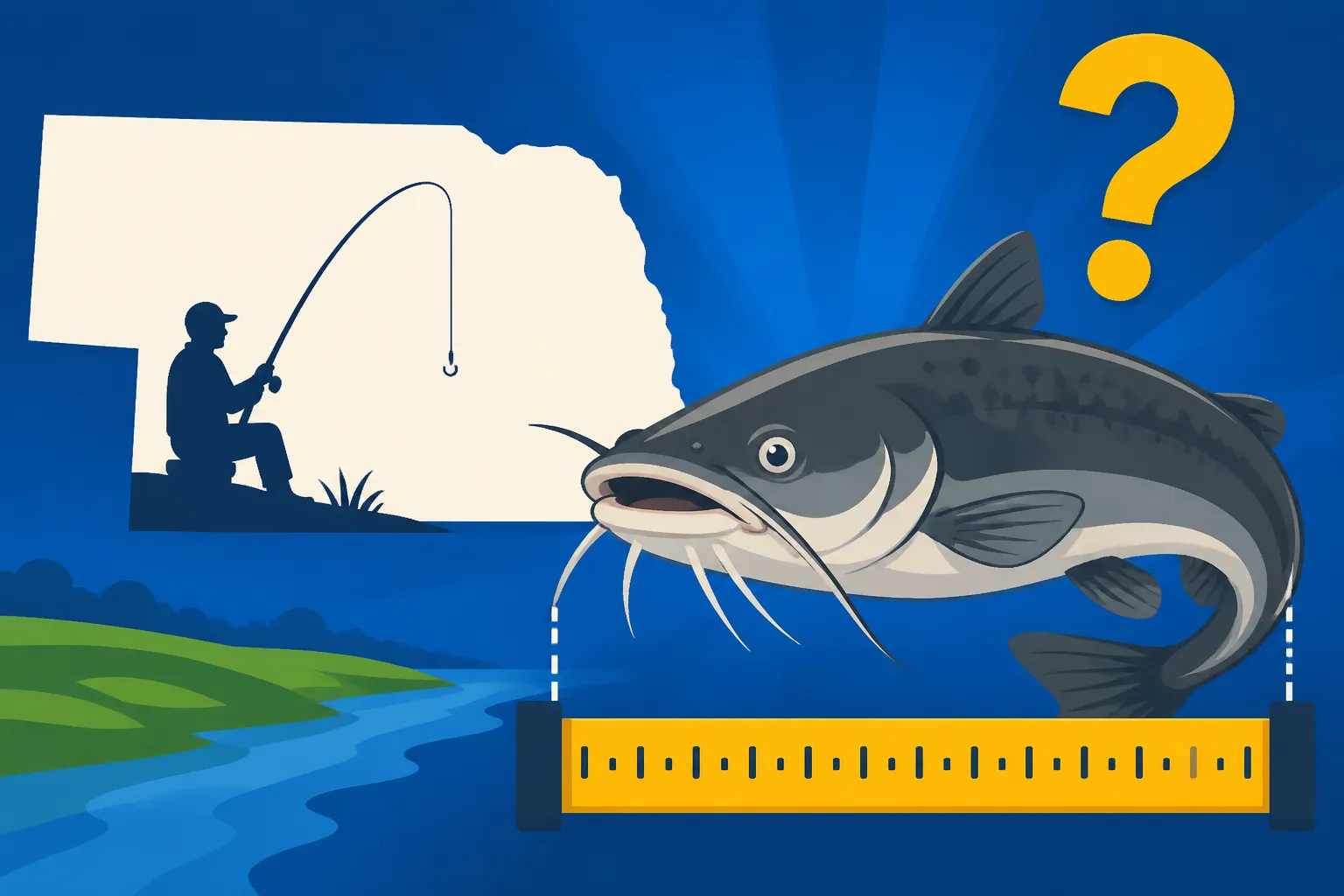
Let's cut right to it. The short answer to "Does Nebraska have a size limit on catfish?" is: it depends on the species of catfish and, in some cases, the specific body of water you're fishing. It's not a blanket rule, which is often where the confusion begins. Different catfish species have different roles in the ecosystem and respond differently to fishing pressure, so the regulations are tailored to protect them.
The Basics of Channel Catfish Limits
Channel catfish are arguably the most popular catfish species to target in Nebraska, found in almost every river, lake, and pond across the state. They're delicious, abundant, and fight hard, making them a favorite among anglers. When it comes to Channel Catfish, the Nebraska Game and Parks Commission (NGPC) generally focuses on a daily bag limit rather than a restrictive length limit.
For most of Nebraska's waters, you'll find a generous daily bag limit for Channel Catfish. This means you can keep a certain number of fish per day, but usually, there isn't a minimum or maximum length requirement. For instance, in many of the state's public waters, the statewide daily bag limit for Channel Catfish is ten. So, if you're pulling in a steady stream of eaters, you can fill your cooler up to that number without needing to break out the measuring tape for each one. This approach allows anglers to enjoy the bounty of these fish while ensuring enough are left to sustain the population. However, it's absolutely crucial to remember that this is a general rule. There are always exceptions, and you really need to consult the current Nebraska Fishing Regulations Explained booklet or the GoOutdoorsNE system before heading out.
Flathead Catfish: A Different Story
Now, if you're targeting Flathead Catfish, things get a little different. Flatheads are a truly distinct species, known for their solitary nature, preference for live bait, and their immense size potential. These are the "river monsters" many anglers dream of catching. Because they grow slower and have different reproductive cycles than Channel Catfish, they often receive more protective regulations, including size limits, to help maintain their trophy potential and overall population health.
In many Nebraska waters, you will indeed find a length limit for Flathead Catfish. Typically, this is a minimum length limit, designed to protect the younger, growing fish and allow them to reach reproductive maturity and larger sizes before being harvested. For example, some specific rivers or reservoirs might have a 24-inch minimum length limit for Flathead Catfish, and sometimes even an aggregate daily bag limit with other catfish species. This means if you catch a Flathead under 24 inches, you must immediately and carefully release it. This helps ensure that the big fish, those 30, 40, or even 50-pounders you dream of, have a chance to develop. Understanding these nuances is key, especially if you're serious about Nebraska Flathead Catfish Fishing.
Special Water Regulations and Exceptions
This is where it gets really important and can trip up even experienced anglers. While the statewide limits provide a baseline, many specific lakes, reservoirs, and river stretches in Nebraska have their own unique regulations that supersede the general rules. These special regulations are often implemented to address specific management goals for that particular fishery, such as creating a trophy fishery, managing overpopulation, or protecting a vulnerable stock.
For catfish, this could mean several things:
- Protected Slot Limits: You might encounter a "slot limit" in some waters. This means fish within a certain size range must be released, while fish smaller than the slot and larger than the slot can be kept. For example, a 15-22 inch slot limit would mean you release any catfish caught between 15 and 22 inches but can keep those under 15 inches or over 22 inches. This is a common tactic to protect prime breeding-age fish.
- Reduced Bag Limits: Certain waters might have a lower daily bag limit for catfish than the statewide average, especially for Channel Catfish, if the population needs a boost or if it's a smaller, more easily pressured body of water.
- Increased Length Limits: For Flathead Catfish, some trophy waters might impose a significantly higher minimum length limit, pushing anglers to truly target and release only the biggest fish.
- No Live Bait Restrictions: While not a size limit, some waters might restrict the use of live bait, which can impact how you target larger catfish.
A perfect example might be a popular urban lake that's heavily fished. The NGPC might implement more conservative limits to ensure a sustained angling experience for everyone. Conversely, a large, remote reservoir with a thriving catfish population might have more liberal rules. This is why it's absolutely non-negotiable to check the regulations for the exact body of water you intend to fish. The official Nebraska Fishing Daily Bag and Possession Limits document is your best friend here, always available on the NGPC website or through the GoOutdoorsNE Online Permit System.
Why These Regulations Exist
It might feel like a hassle sometimes, having to check different rules for different places and different species. But these regulations aren't just arbitrary rules designed to make your life harder. They are carefully crafted by fisheries biologists using years of data and scientific research to ensure healthy fish populations for today's anglers and for generations to come.
Protecting Catfish Populations for Future Generations
Think about it: without regulations, anyone could go out and harvest as many fish as they want, regardless of size. While a single angler might not make a huge dent, imagine thousands of anglers doing that every day. Catfish, especially Flatheads, take a long time to grow large and reach full reproductive maturity. If all the big, breeding-age fish are removed, the population's ability to reproduce and replenish itself is severely impacted.
Minimum length limits on Flathead Catfish, for instance, are a classic example of "conservation through regulation." By requiring anglers to release smaller Flatheads, we ensure that these fish have the chance to grow, contribute to the breeding stock, and ultimately produce more catfish. This strategy helps protect the genetic diversity and overall resilience of the species. Similarly, daily bag limits prevent overharvesting, ensuring that even if there isn't a length limit, the overall number of fish removed from a body of water remains sustainable. It’s all part of the larger effort to manage Nebraska's aquatic resources, often supported by initiatives like the Nebraska Aquatic Habitat Stamp Explained, which directly funds projects to improve fish habitats.
Balancing Angler Opportunity and Conservation
The Nebraska Game and Parks Commission's job is a delicate balancing act. On one hand, they want to provide fantastic fishing opportunities for residents and visitors alike, encouraging people to get out and enjoy Nebraska's beautiful waters. On the other hand, they have a vital responsibility to conserve these natural resources.
Regulations are the tool that allows them to strike this balance. For abundant species like Channel Catfish, where populations are generally robust, the regulations tend to be more lenient, allowing for a good harvest. This provides angler satisfaction without jeopardizing the species. For species like Flatheads, or in waters where fish populations are more sensitive or are being managed for trophy potential, the regulations become stricter, often incorporating size limits. This means that while you might not be able to keep every fish you catch, the ones you do keep are often of higher quality, and you know you're contributing to a sustainable future for the fishery. It’s a win-win: anglers get to fish, and the fish get to thrive.
Practical Tips for Catfish Anglers
Navigating these rules doesn't have to be daunting. With a few practical habits, you can ensure you're always fishing legally and responsibly, focusing on the joy of the catch rather than the anxiety of regulations.
Measuring Your Catch Accurately
When a size limit is in place, knowing how to measure your fish correctly is paramount.
- Total Length: In Nebraska, fish are typically measured for "total length." This means you measure from the tip of the snout (mouth closed) to the very end of the tail with the tail lobes compressed together.
- Measuring Tools: A flat, rigid measuring board is ideal, but a flexible tape measure works too, as long as you lay the fish flat and straight. Many boat manufacturers offer integrated measuring decals, and you can easily find affordable measuring tapes designed for fish online or at your local tackle shop. Even a simple plastic measuring tape (like those found on Amazon) can be invaluable.
- Quick Release: For fish that are clearly undersized and need to be released, handle them minimally and carefully. Wet your hands before touching the fish to protect its slime coat, and try to keep it in the water as much as possible. A good pair of pliers to easily remove hooks can also make a big difference in the fish's survival.
It's better to be overly cautious. If you're unsure if a fish meets the minimum length, it's always safest to release it.
Navigating the GoOutdoorsNE System for Current Rules
The Nebraska Game and Parks Commission has made it incredibly easy to access the most up-to-date regulations through their GoOutdoorsNE Online Permit System and website.
- Digital Access: Before every fishing trip, especially if you're exploring a new body of water, take a few minutes to visit the NGPC website or use the GoOutdoorsNE app. You can download the current fishing guide directly to your phone. This way, you have it with you even if you lose cell service on the lake.
- Search by Waterbody: Many digital regulation guides allow you to search specifically for a lake or river, pulling up any special regulations that apply there. This is far more reliable than relying on outdated printouts or hearsay.
- Print a Copy (Optional): If you prefer a physical copy, you can print out the relevant pages for your specific fishing destination. Having a hard copy can be a good backup.
Staying informed is your best defense against accidental violations. Don't assume the rules are the same everywhere; they often aren't!
Gear for Responsible Catch and Release
Even if you plan to keep legal fish, you'll inevitably catch some that don't meet the size requirements or that you simply want to release. Having the right gear makes this process smoother and less stressful for the fish.
- Long-nose Pliers or Hemostats: These are invaluable for quickly and safely removing hooks, especially from toothy fish or deep-hooked catfish, minimizing harm.
- Rubberized Landing Net: A net with rubberized mesh is far gentler on a fish's slime coat and fins than traditional nylon nets, reducing injury when landing fish you intend to release.
- Hook Degorger: For deeply swallowed hooks, a degorger tool can help remove them without causing excessive damage to the fish's throat or gills.
- Gloves: While wet hands are best for directly handling fish, a good pair of fishing gloves can protect your hands from spines and allow for a firmer, yet still gentle, grip on larger fish for a quick photo before release. These are also great for handling bait like those you'd use for Best Bait for Nebraska Catfish.
Investing in these items shows a commitment to responsible angling and helps ensure that the fish you release have the best chance of survival. And speaking of gear, having the Best Rod Setup for Nebraska Catfish can make battling those larger flatheads a real joy, while still allowing for careful handling.
Common Misconceptions and Clarifications
Fishing regulations can feel like a labyrinth at times, with specific jargon and rules that aren't always immediately intuitive. Let's clear up some common misunderstandings about Nebraska's catfish limits and what happens if you inadvertently step over the line.
The Difference Between Daily Bag and Possession Limits
This is a big one that often catches anglers off guard, especially those on multi-day trips or who fish frequently.
- Daily Bag Limit: This is the maximum number of fish of a particular species you can harvest and keep in a single day (from midnight to midnight). For example, if the Channel Catfish daily bag limit is 10, you can keep 10 catfish today.
- Possession Limit: This is the maximum number of fish of a particular species you can have in your possession at any given time, regardless of when or where they were caught. This includes fish in your livewell, cooler, freezer at home, or cleaned fillets in your fridge. Often, the possession limit is twice the daily bag limit. So, if the daily bag for Channel Catfish is 10, the possession limit might be 20.
The key takeaway? If you catch your 10 Channel Catfish today and put them in your freezer at your cabin, you can go out tomorrow and catch another 10. However, if you already have 20 Channel Catfish from previous days in your possession (say, frozen in your cooler), you cannot legally keep any more until some of those fish are consumed, given away, or otherwise no longer in your possession. This is why you'll find clear distinctions in the Nebraska Catfish Bag Limits guidelines. It's a critical distinction to avoid running afoul of the law, even if you’re just trying to stock up for a fish fry.
What Happens if You Break the Rules?
Nobody wants to get a ticket while fishing, but it's important to understand the consequences of violating fishing regulations. Ignorance of the law is generally not an excuse, and game wardens are there to enforce these rules for the benefit of everyone and the resource.
- Fines: The most common penalty for fishing violations, including exceeding size limits or bag limits, is a fine. These fines can vary significantly depending on the severity of the offense and the species involved. For instance, being over the limit on a common panfish might result in a smaller fine than keeping an undersized trophy fish or being significantly over the limit on a protected species. You can read more about this in Nebraska Fishing Violation Penalties.
- Loss of Privileges: In addition to fines, repeated or serious violations can lead to the suspension or revocation of your fishing license. This means you wouldn't be able to fish in Nebraska for a period, which is a major deterrent for any avid angler.
- Seizure of Gear/Catch: In some cases, game wardens might seize illegally caught fish, and in more serious situations, even fishing gear like rods, reels, or boats used in the commission of the offense.
- Reporting Violations: If you witness a suspected fishing violation, such as someone openly keeping undersized Flathead Catfish or exceeding the daily bag limit, it's important to know how to report it. The NGPC encourages citizens to report suspicious activity to help conserve wildlife. Information on how to do this can be found in How to Report a Fishing Violation in Nebraska.
It’s always best to err on the side of caution. If you're unsure about a rule, check the official guide or release the fish. The goal isn't to punish anglers, but to ensure everyone respects the resource, allowing for sustainable fishing for years to come.
How to Clean and Fillet a Legal Catfish
Once you've ensured your catfish meets all the legal requirements, the next step is getting it ready for the dinner table! Cleaning and filleting a catfish, especially larger ones, can be a bit different than other species, but with the right technique, it's straightforward.
First, make sure you have a sharp fillet knife, a sturdy cleaning surface, and a way to dispose of the offal responsibly. Many anglers choose to "skin" catfish rather than scale them due to their tough, leathery skin.
- Secure the Fish: Lay the catfish on its side. You might want to use a fish scaler board with a clamp, or simply press down firmly on its body.
- Make an Incision Behind the Gills: With your sharp knife, make a deep cut behind the pectoral fin and gills, cutting down to the backbone but not through it.
- Cut Along the Top: Turn your knife and run it along the top of the backbone towards the tail, staying as close to the bone as possible to maximize meat yield.
- Cut Along the Bottom: Repeat the process, cutting along the bottom of the backbone towards the tail.
- Remove the Fillet: Once you've cut around the top and bottom, the fillet should mostly detach. Work your knife down towards the tail, separating the meat from the skin. Some prefer to just cut the fillet off and then skin it separately, while others prefer to skin the entire fish first.
- Skinning the Fillet (if not done with whole fish): Lay the fillet skin-side down. Hold the tail end of the skin firmly with one hand. Angle your knife slightly downward, pressing the blade against the skin, and run it between the meat and the skin in a sawing motion. The skin should peel away, leaving you with a clean, boneless fillet.
- Repeat: Flip the fish over and repeat for the other side.
For larger catfish, you might also find success with a method called "steaking," where you cut cross-sections of the entire fish, skin and all, and then remove the skin from each steak. There are many great tutorials out there, but this general approach for How to Clean and Fillet a Channel Catfish will get you started!
Disclaimer
The information provided in this guide is for general informational purposes only and is not a substitute for the official Nebraska Game and Parks Commission regulations. Fishing regulations can change frequently, and it is always the angler's responsibility to consult the most current official Nebraska fishing guide or the GoOutdoorsNE system before fishing. Failure to do so could result in fines or other penalties.