Nebraska Trotline Fishing Rules
Trotline fishing in Nebraska can feel like stepping into a maze of regulations. Many anglers, especially those new to this traditional method, find themselves scratching their heads, wondering if their setup is even legal, where they can fish, or what they need to do to avoid a hefty fine. This guide aims to untangle those complexities, offering a clear, comprehensive look at Nebraska's trotline fishing rules so you can enjoy this effective fishing technique responsibly and within the law.
Understanding Trotline Basics in Nebraska
Before we dive into the nitty-gritty of the rules, let's make sure we're all on the same page about what a trotline is and why anglers might choose this method over a traditional rod and reel. It's a method steeped in history, particularly effective for certain species, but it comes with its own set of responsibilities.
What Exactly is a Trotline?
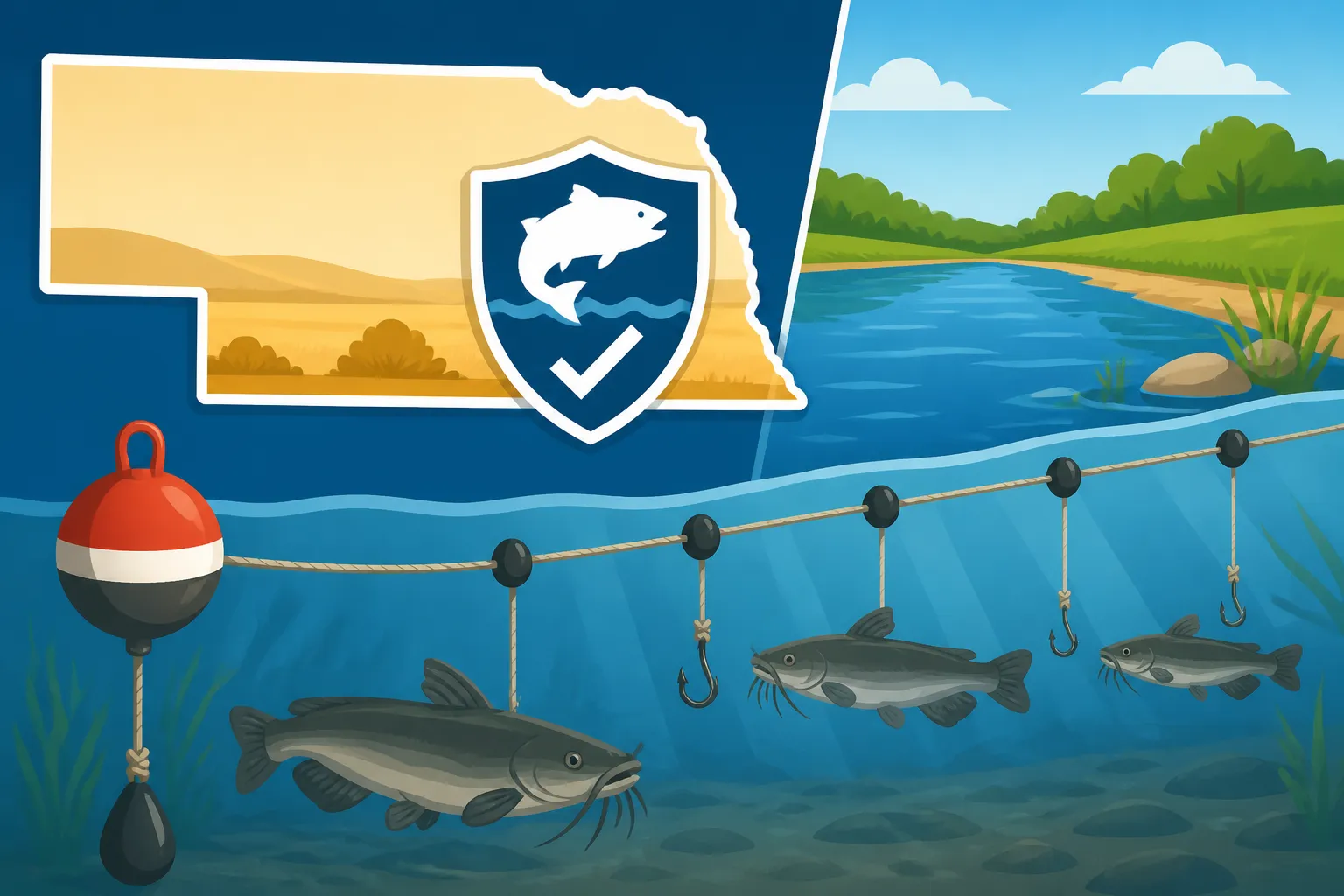
Imagine a long, heavy main fishing line, often made of strong nylon or braided cord, stretched across a body of water or anchored securely at both ends to the bank. Attached to this main line, at regular intervals, are shorter lines called "droppers" or "snoods." Each dropper has a single baited hook. So, instead of one rod with one hook, a trotline allows an angler to set out dozens of baited hooks simultaneously. It's designed to be left unattended for periods, typically overnight, to passively catch fish. This isn't a technique for those who want to feel every nibble and fight the fish personally; it's more about setting a trap and harvesting later.
Trotlines are quite different from limb lines or setlines, which are usually single lines tied to a tree limb or a stake. A true trotline is characterized by its multiple hooks on a single main line. When looking for a sturdy trotline setup, you can find a wide range of options on Amazon, from pre-rigged lines to bulk spooling line for custom setups.
Why Anglers Choose Trotlines
Anglers in Nebraska often turn to trotlines for a few key reasons, especially when targeting certain species. The primary draw is efficiency. With multiple baits in the water, the chances of catching several fish, particularly bottom-dwelling species like catfish, are significantly increased compared to just one or two rod and reel setups.
They are incredibly effective for targeting large catfish, like channel catfish or flathead catfish, in big rivers or reservoirs. These fish are nocturnal feeders, making trotlines an excellent choice for overnight fishing sessions where you can deploy your lines in the evening and check them first thing in the morning. For those who want to maximize their catch or fish large areas that are hard to cover with traditional casting, trotlines offer a practical solution. They allow you to cover more water and present more bait, which can be a game-changer when you're after a good haul for a fish fry or simply enjoy the tradition of this method.
Official Nebraska Trotline Regulations You MUST Know
Navigating Nebraska's fishing regulations can feel overwhelming, but understanding the specific rules for trotlines is crucial to staying on the right side of the law. These aren't just suggestions; they are enforceable laws designed to manage fish populations and ensure safe public access to our waterways.
License Requirements and Permissible Waters
First and foremost, if you plan to use a trotline in Nebraska, you absolutely need a valid Nebraska fishing permit. This isn't optional, regardless of whether you're a seasoned angler or just trying it out. Beyond the general permit, you’ll also need to ensure you have the appropriate stamps, such as the Nebraska Aquatic Habitat Stamp Explained, which supports vital conservation efforts. If you're visiting from out of state, be sure to look into the specific requirements for a Nebraska Nonresident Fishing License Guide, as rules and costs can differ significantly. You can usually purchase your permits conveniently online through the GoOutdoorsNE Online Permit System or from authorized vendors across the state.
Perhaps the most critical regulation concerns where you can actually deploy a trotline. Trotlines are generally prohibited in most state-managed lakes, reservoirs, and public waters under 15 acres. This is a common point of confusion and violation. Think big rivers: the Missouri River and the Platte River are generally good bets, as are some of the larger reservoirs. However, it's always best to check the current Nebraska Fishing Guide or official regulations booklet, as specific water bodies might have unique restrictions. You cannot use trotlines in federal refuge areas, state park lakes, or waters managed specifically for trout, for example. Understanding these distinctions is key to avoiding penalties. For a broader overview, take a look at the comprehensive Nebraska Fishing Regulations Explained.
Gear Restrictions and Setup Rules
Nebraska has very specific rules about how you can construct and deploy your trotline. These aren't arbitrary; they're in place for safety, conservation, and fair use of public waters.
- Hook Limit: The primary restriction is the number of hooks. In Nebraska, a trotline cannot have more than 50 hooks. Each hook must be a single hook; treble hooks are generally not permitted on trotlines. This limit helps prevent overharvesting and reduces the risk of entanglement for other water users.
- Line Identification (Tagging): Every single trotline you deploy must be tagged with your full name and current fishing permit number. This tag needs to be durable, legible, and easily visible. Metal tags are ideal, as they withstand the elements. Don't forget to pick up a durable set of metal tags on Amazon that you can engrave or permanently mark with your details. This identification is crucial for law enforcement to verify compliance and contact you if there's an issue with your line. If a line is found untagged, it's considered abandoned and can be confiscated, leading to potential fines.
- Tending Requirement: You cannot just set a trotline and forget about it. All trotlines must be checked and tended at least once every 24 hours. This ensures that caught fish are harvested promptly, reducing waste and suffering, and also allows you to address any issues like snags or damaged lines. Neglecting your trotline is not only unethical but also a serious violation.
- Anchor and Buoy Visibility: Trotlines must be securely anchored at both ends. Any buoys or markers used to indicate the location of your trotline must be clearly visible on the surface of the water, especially for boaters. This helps prevent accidental entanglement for other anglers and recreational users.
- Line Length and Spacing: While specific line length isn't always explicitly regulated beyond the 50-hook limit, ensure your setup doesn't impede navigation or access in public waters. The goal is to set your line responsibly without creating a hazard. For heavier duty applications, braided nylon line found on Amazon can withstand strong currents and larger fish.
Species-Specific Rules and Limits
Even though you're using a trotline, all general fishing regulations regarding species, daily bag limits, and possession limits still apply. This is a critical point that many new trotline anglers overlook. You can't just keep every fish you catch if it exceeds the legal limits for that species.
For example, if you're targeting catfish, you still need to adhere to the Nebraska Channel Catfish Daily Limit and any length restrictions, such as those covered in Does Nebraska Have a Size Limit on Catfish?. The same goes for any other game fish that might inadvertently take your bait. It’s your responsibility to know the limits for all species you might encounter. Any fish that doesn't meet the legal requirements for length or species must be immediately released unharmed. This means you need to be prepared to handle fish gently and effectively, even if they've been on the line for a while. You might want to review the full Nebraska Fishing Daily Bag and Possession Limits to be absolutely sure.
Best Practices for Safe and Ethical Trotline Fishing
Beyond the letter of the law, there's an unwritten code of conduct that responsible anglers follow. Trotline fishing, by its very nature, carries certain responsibilities toward safety, the environment, and fellow water users. Adhering to these best practices will ensure a more enjoyable and sustainable experience for everyone.
Safety First: Setting and Tending Your Trotline
Safety should always be your top priority when dealing with trotlines. These lines, especially when under tension or laden with fish, can be dangerous.
- Personal Safety Gear: When setting or tending trotlines, always wear a U.S. Coast Guard-approved life jacket, especially if you're working from a boat. Entanglement is a real risk, and falling into the water, particularly in a strong current or cold weather, can be life-threatening. You might also consider a good pair of puncture-resistant gloves, also available on Amazon, for safe handling of hooks and fish.
- Warning Other Water Users: While your line must be tagged, it's also good practice to consider the visibility of your setup, particularly in high-traffic areas. Use brightly colored buoys or markers to make your line's presence known to other boaters or swimmers. No one wants to accidentally motor into a trotline or get snagged while enjoying the water. For those who also boat, remember to be aware of other users' gear and review general Nebraska Boat Registration and Fishing Rules.
- Handling Hooks and Fish: When retrieving your trotline, always approach it with caution. Hooks can easily get embedded in your skin, leading to painful injuries. Use a de-hooking tool or pliers to safely remove hooks from fish, minimizing stress on the fish and protecting your hands. Be mindful of snapping turtles, muskrats, or other wildlife that might also be attracted to your bait or trapped on your line.
Environmental Responsibility and Respect for Wildlife
Being a good steward of Nebraska's natural resources means minimizing your impact and respecting all forms of life in and around the water.
- Minimize Non-Target Catches: While trotlines are often set with specific species in mind, you might occasionally catch non-target fish or even other animals. Use appropriate bait and hook sizes to reduce the likelihood of catching species you don't intend to keep. If you catch a non-target species, release it as quickly and gently as possible to maximize its chances of survival.
- Proper Disposal of Bait and Waste: Never leave old bait, tangled line fragments, or any other trash behind. Fishing line, hooks, and plastic waste can be deadly to wildlife. Pack out everything you pack in, and dispose of it properly. Leave the area cleaner than you found it.
- Don't Abandon Lines: An abandoned trotline is a dangerous ghost fishing device, continuing to catch and kill fish needlessly. If you're done fishing with a trotline, remove every part of it from the water. Leaving lines behind is a major environmental hazard and a serious violation.
Avoiding Common Violations and Penalties
Ignoring Nebraska's trotline regulations can lead to more than just a stern lecture. Violations carry real consequences, from fines to the confiscation of your gear, and even the suspension of your fishing privileges.
- Untagged Lines: This is one of the most common violations. Make sure your line is properly tagged with your name and permit number. An untagged line will almost certainly be confiscated by conservation officers.
- Exceeding Hook Limits: Counting your hooks might seem tedious, but going over the 50-hook limit is an easy way to incur a fine. Double-check your setup before deployment.
- Fishing in Prohibited Waters: As mentioned, many lakes and smaller public waters are off-limits for trotlines. Ignorance of the rules is not an excuse. Always verify the regulations for the specific body of water you intend to fish.
- Not Tending Your Line: Failing to check your trotline every 24 hours is a violation. Officers actively patrol for neglected lines.
- Fishing Without a License: This is a fundamental violation for any type of fishing. The Fine for Fishing Without a License in Nebraska can be substantial, and it often leads to other penalties.
- General Penalties: Penalties for fishing violations in Nebraska vary depending on the severity and frequency of the offense. They can range from warnings and minor fines to significant monetary penalties, confiscation of gear, and loss of hunting and fishing privileges. For a more detailed understanding of what happens when rules are broken, refer to Nebraska Fishing Violation Penalties.
Here's a quick summary of key Nebraska trotline regulations:
| Regulation Category | Specific Rule | Details |
|---|---|---|
| License | Valid Fishing Permit Required | Must possess a current Nebraska fishing permit, plus any necessary stamps (e.g., Aquatic Habitat Stamp). Non-residents need a nonresident permit. |
| Permitted Waters | Generally Rivers & Large Reservoirs | Prohibited in most lakes, reservoirs, and public waters under 15 acres. Always check specific waterbody regulations. |
| Hook Limit | Maximum 50 Single Hooks | Trotlines cannot have more than 50 hooks. Only single hooks are allowed; treble hooks are prohibited. |
| Identification | Mandatory Tagging | Each trotline must have a durable, legible tag displaying the angler's full name and current fishing permit number. |
| Tending | Checked Every 24 Hours | Trotlines must be checked and tended at least once every 24-hour period. |
| Anchoring | Securely Anchored & Marked | Must be securely anchored at both ends with visible buoys or markers to prevent navigation hazards. |
| Species Limits | All General Limits Apply | All state daily bag and possession limits, as well as length limits, for all fish species caught apply. |
| Prohibited Areas | State Parks, Federal Refuges, Trout Waters | Specific areas like state park lakes and trout-managed waters often have blanket prohibitions on trotlines. |
Final Thoughts on Responsible Trotline Fishing
Trotline fishing in Nebraska is a time-honored tradition for many, especially those who appreciate the efficiency of targeting species like catfish in our larger rivers and reservoirs. It offers a unique connection to the water and can be incredibly rewarding. However, it's clear that this method comes with a significant responsibility to understand and abide by a specific set of rules.
The key takeaway is this: always know before you go. Verify that the water you intend to fish allows trotlines, double-check your gear for compliance with hook limits and tagging requirements, and commit to tending your lines regularly. By doing so, you're not only avoiding potential fines and penalties, but you're also ensuring the safety of other water users and contributing to the conservation of Nebraska's precious aquatic resources. So, rig your lines, bait your hooks, and enjoy the tranquil wait, knowing you're fishing responsibly and respectfully. If you're looking for more general guidance on targeting fish, you might also find our guide on How to Catch Catfish in Nebraska helpful.
Disclaimer
The information provided in this guide is intended for general informational purposes only and does not constitute legal advice. Fishing regulations in Nebraska can change, and it is the angler's sole responsibility to consult the most current official Nebraska Game and Parks Commission fishing guide and regulations before engaging in any fishing activities. Always exercise caution and good judgment when on or near the water.