Standing Bear Lake Fishing in Omaha
Many anglers in Omaha find themselves wondering if there's truly great fishing close to home, often driving hours to larger reservoirs when a real gem sits right within the city limits. Standing Bear Lake, nestled in West Omaha, offers fantastic opportunities for a diverse range of species, but knowing the nuances of this urban fishery can make all the difference. This comprehensive guide will equip you with the detailed knowledge you need to maximize your success and truly enjoy fishing at Standing Bear Lake.
Understanding Standing Bear Lake: A Local Gem
Standing Bear Lake isn't just another pond; it's a significant urban fishery that offers a unique angling experience right here in Omaha. It's a place where city dwellers can escape the hustle and bustle and connect with nature, often finding surprising success with a variety of popular game fish. Understanding its characteristics is the first step toward a productive fishing trip.
Lake Overview and Location
Located at 6404 N 132nd St, Standing Bear Lake is a large 135-acre flood control reservoir managed by the City of Omaha Parks and Recreation Department in cooperation with the Nebraska Game and Parks Commission. It's an artificial lake, created in the late 1970s as part of the flood control efforts for Papillion Creek. This means it has a relatively consistent water level compared to some rivers, making it predictable for anglers. The lake boasts a maximum depth of around 25-30 feet, with an average depth closer to 10-12 feet. Its bottom composition varies, featuring areas of soft silt, rocky structures, and submerged timber, all of which create diverse habitats for fish. The shoreline is quite varied, offering both open access points and more secluded, brushy areas that provide excellent cover for fish and opportunities for quiet angling.
Despite its urban setting, the lake maintains a relatively healthy ecosystem. Regular stocking efforts by the Nebraska Game and Parks Commission ensure a thriving fish population, making it a reliable spot for anglers of all skill levels. The surrounding park also provides amenities like walking trails, picnic areas, and restrooms, making it a convenient destination for a full day out with family or friends. Its accessibility is a major draw, allowing residents of Omaha and surrounding communities to quickly get out on the water without a long drive.
History and Habitat Enhancements
Standing Bear Lake's journey from a flood control project to a popular fishing destination is quite interesting. Since its creation, there have been ongoing efforts to enhance its ecological health and improve fishing prospects. These enhancements are crucial to why the lake remains such a vibrant fishery. For instance, the Nebraska Game and Parks Commission, along with local conservation groups, has actively placed various types of artificial and natural fish habitat structures throughout the lake. These include discarded Christmas trees, PVC structures, and rock piles, strategically placed to provide cover, spawning grounds, and ambush points for predatory fish.
These habitat improvements are often marked with buoys, offering valuable clues to anglers looking for productive spots. Knowing that fish congregate around these structures, especially during certain times of the year, can significantly improve your chances of a successful outing. Beyond physical structures, water quality monitoring and management are continuous, ensuring the lake remains a suitable environment for fish life. These proactive measures highlight the community's commitment to maintaining Standing Bear Lake as a premier urban fishing destination, making it a consistently reliable spot for those who enjoy Best Fishing Spots Near Omaha.
Top Fish Species to Target at Standing Bear Lake
Standing Bear Lake is celebrated for its diverse fishery, offering anglers the chance to catch several popular species. Understanding what fish call this lake home and their typical behaviors can help you refine your techniques and increase your catch rate. Whether you're after a feisty predator or a basket of panfish, Standing Bear has something for everyone.
Largemouth Bass: The Lake's Apex Predator
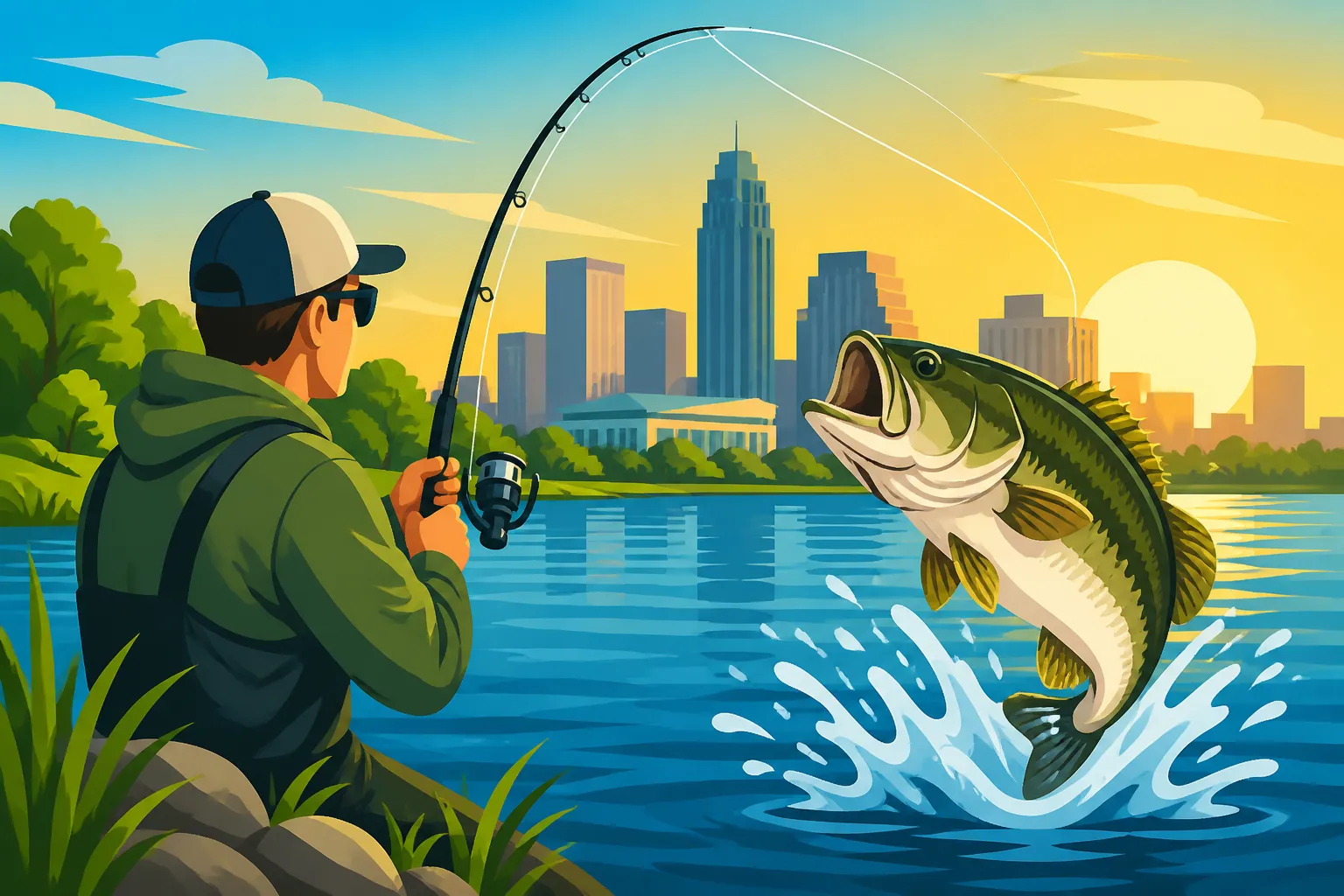
Largemouth bass are arguably the most popular game fish at Standing Bear Lake, drawing countless anglers with their aggressive strikes and strong fights. The lake's abundant cover, including submerged timber, weed lines, and artificial habitat structures, creates an ideal environment for these ambush predators. You'll find them holding tight to cover, waiting for an unsuspecting baitfish or frog to swim by. During the spring, particularly around April and May, bass move into shallower areas for spawning, making them more accessible to shore anglers. As temperatures rise in summer, they often retreat to deeper, cooler waters or seek dense cover to escape the heat.
For successful largemouth bass fishing, focus on areas with structure. Cast crankbaits, spinnerbaits, or soft plastic worms near fallen trees, brush piles, and weed edges. Early mornings and late evenings are often the most productive times, especially during warmer months, as bass are more active during these cooler periods. Understanding How to Catch Largemouth Bass in Nebraska involves not just bait selection but also precise casting and knowing where to present your lure. Don't be afraid to experiment with different presentations and retrieve speeds until you find what triggers a bite.
Channel Catfish: The Bottom Dwellers
If you enjoy a hard-fighting fish that's also excellent table fare, then the channel catfish at Standing Bear Lake should be on your target list. These whiskered warriors thrive in the lake's diverse environment, from shallow flats to deeper channels. They are predominantly bottom feeders, relying on their keen sense of smell to locate food. Channel catfish can grow to impressive sizes here, with fish in the 5-10 pound range being relatively common, and larger specimens caught regularly. Night fishing for catfish can be particularly productive during the warmer months, as they become more active under the cover of darkness.
To successfully target channel catfish, focus your efforts on the deeper sections of the lake, particularly near drop-offs, submerged creek channels, or anywhere baitfish congregate. Popular baits include cut bait (like shad or bluegill), chicken livers, worms, and various stink baits. Using a simple bottom rig with a weight and a circle hook is often the most effective setup. Remember that catfish bites can sometimes be subtle, a slow pull rather than an aggressive strike, so pay close attention to your rod tip. Check out our guide on How to Catch Catfish in Nebraska for more in-depth strategies.
Panfish: Crappie and Bluegill Abound
Standing Bear Lake is a fantastic destination for panfish, especially crappie and bluegill, making it an excellent spot for family fishing or for anglers looking for consistent action. Both species are prolific in the lake and can be caught in good numbers, providing plenty of fun for everyone. Crappie, both black and white varieties, are often found schooling around submerged structures like brush piles, docks, and bridge pilings. Bluegill, on the other hand, tend to be more widespread, inhabiting weed beds, shallow flats, and even deeper open water near structure.
For crappie, spring is a prime time, as they move into shallower water to spawn, often in large schools. Small jigs tipped with minnows or soft plastic crappie baits are incredibly effective. You can learn more about specific tactics in our article on How to Catch Crappie in Spring. Bluegill are less seasonal in their movements and can be caught throughout the year, though summer is often peak time for numbers. A simple setup with a small hook, a piece of worm, and a bobber is often all you need for bluegill. Kids especially love the fast action and vibrant colors of these feisty little fish. Target them around weed beds, lily pads, or any shallow cover.
Essential Fishing Techniques for Standing Bear Lake
Successfully fishing Standing Bear Lake means adapting your techniques to its unique environment and the species you're targeting. Whether you prefer the simplicity of shore fishing or the expanded reach of a boat, having the right approach for different conditions will significantly improve your chances.
Shore Fishing Strategies
Standing Bear Lake offers extensive shoreline access, making it incredibly popular for bank anglers. There are numerous designated fishing areas, docks, and open stretches of bank where you can cast a line. For shore fishing, mobility is key. Don't be afraid to walk around and try different spots until you locate fish. Early mornings and evenings are particularly effective for shore fishing, as fish tend to move closer to the banks during these times to feed. Focus on areas with visible cover like fallen trees, weed lines, or even rocky banks. Public fishing docks, especially the handicap-accessible ones, are often installed near prime fishing spots and can be very productive, especially for panfish and catfish.
A simple slip bobber rig or a bottom rig can be highly effective from shore, especially when paired with live bait like worms or minnows. For bass, casting spinnerbaits, crankbaits, or plastic worms parallel to the bank or into promising cover can yield good results. Remember to check local regulations concerning the number of fishing poles per angler and any specific rules for fishing from docks. For a more detailed look into this method, consider reading our guide on How to Fish From Shore in Nebraska. Many anglers find success by casting towards the deeper sections of the lake from the bank, especially when targeting catfish or larger bass holding in cooler waters.
Boat and Kayak Fishing Approaches
Having a boat, even a small Jon boat or a kayak, opens up a whole new world of opportunities at Standing Bear Lake. Boat ramps are available, providing easy access for trailered boats. Kayaks and canoes are also excellent choices, allowing you to quietly maneuver into coves and along shorelines that are inaccessible to larger vessels. With a boat, you can reach deeper structure, offshore humps, and isolated brush piles that hold significant numbers of fish. Utilizing a fish finder can be invaluable here, helping you locate schools of crappie or bass holding to submerged timber.
For bass, try trolling crankbaits along contours or using a trolling motor to quietly work jig and worm combinations around submerged cover. When targeting crappie, spider rigging with multiple poles and jigs around brush piles can be incredibly effective. For catfish, anchoring near a channel break or deep hole and setting out multiple lines with cut bait is a proven tactic. If you're considering a paddle craft, check out our insights on the Best Kayaks for Nebraska Fishing to pick the right one for your adventure. Always remember to check Nebraska boat registration and safety equipment requirements before launching, including wearing your life jacket.
Seasonal Tactics for Success
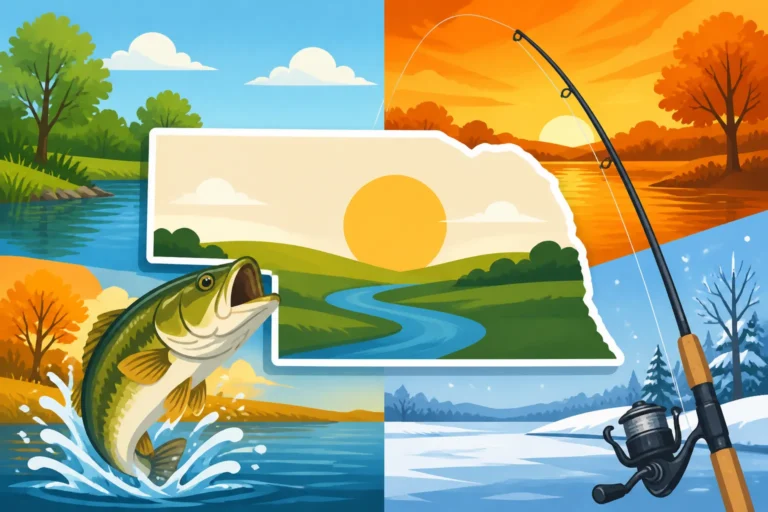
Standing Bear Lake's fishing action changes dramatically with the seasons, and understanding these patterns is key to consistent success.
- Spring Fishing: As water temperatures rise in spring, fish become very active. Bass move into shallow areas to spawn, and crappie school up near submerged cover. This is a prime time for both shore and boat anglers. Spring Fishing in Nebraska often means targeting areas with emergent vegetation or dark bottom sections that warm up quickly.
- Summer Fishing: The heat of summer pushes many fish to deeper, cooler waters, especially during midday. Early mornings and late evenings are most productive. Bass might be found suspended over deep water or hugging tight to dense cover. Catfish, however, are often very active, especially at night. You can find more specific tips in our article on Summer Fishing in Nebraska.
- Fall Fishing: As temperatures drop in the fall, fish once again become highly active, feeding heavily in preparation for winter. This "fall bite" can be fantastic, with bass and crappie aggressively striking lures. Fish tend to disperse more and can be found throughout the water column. Our guide on Fall Fishing in Nebraska offers detailed strategies for this productive season.
- Winter Fishing: While Standing Bear Lake isn't typically known for extensive ice fishing due to varying ice conditions, brave anglers might find opportunities during exceptionally cold winters. When safe ice forms, panfish and even some bass can be caught through the ice. Always prioritize safety and check ice thickness before venturing out. For those interested, Winter Fishing in Nebraska offers more insights into cold-weather angling.
Access Points, Amenities, and Regulations
Knowing where you can fish, what facilities are available, and what rules you need to follow is just as important as knowing your fishing techniques. Standing Bear Lake is a public resource, and responsible angling ensures everyone can enjoy it.
Public Access and Facilities
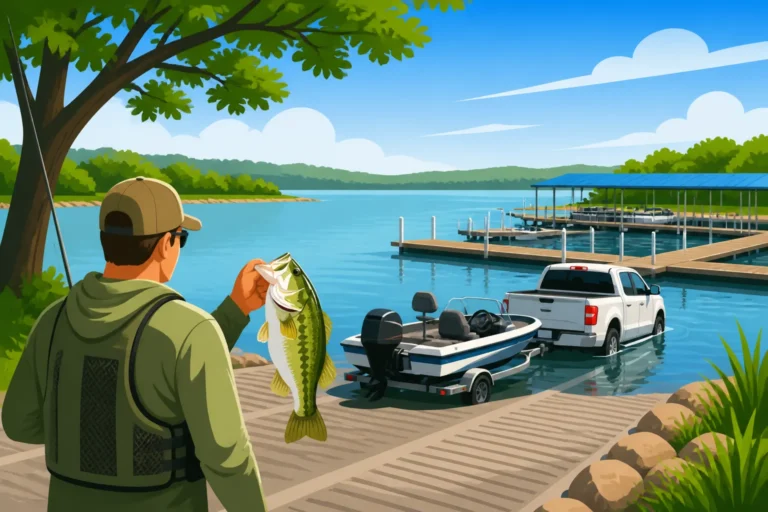
Standing Bear Lake is very accessible, offering multiple points for anglers. The main entrance off 132nd Street provides ample parking and easy access to the lake. There are several fishing docks strategically placed around the lake, some of which are ADA compliant, making it easy for anglers of all mobility levels to cast a line. These docks are particularly good for targeting panfish and catfish. For those with boats, there's a paved boat ramp that accommodates most fishing boats. It's important to remember that only electric trolling motors are allowed on Standing Bear Lake; gasoline engines are prohibited to maintain the serene environment and water quality.
Beyond fishing-specific amenities, Standing Bear Lake Park features picnic shelters, playgrounds, and extensive walking and biking trails that loop around the lake. These trails offer additional opportunities for shore fishing access in less crowded areas. Restrooms are typically available near the main parking lots and picnic areas. Always be mindful of other park users and respect the natural environment by packing out anything you pack in.
Rules and Regulations for Anglers
Fishing at Standing Bear Lake, like any public water in Nebraska, requires adherence to specific regulations to ensure sustainability and fair sport. First and foremost, anyone aged 16 or older needs a valid Nebraska fishing license. It's always a good idea to also have an Aquatic Habitat Stamp Explained. You can easily purchase these online through the GoOutdoorsNE system or at authorized vendors. Familiarize yourself with the statewide regulations, which cover everything from legal fishing methods to daily bag and possession limits for various species. Our guide, Nebraska Fishing Regulations Explained, provides a detailed overview.
Specific to Standing Bear Lake, pay close attention to any special regulations posted at the lake itself. These might include length limits for certain species (like largemouth bass) or specific gear restrictions. For example, some urban lakes have specific rules about using trotlines or jug fishing, so always confirm what's permissible. It's also crucial to understand the Nebraska Fishing Daily Bag and Possession Limits for the species you intend to keep. Compliance with these rules not only avoids fines but also contributes to the health of the fishery for future generations. Remember, common sense and courtesy go a long way when sharing the lake with other anglers and park visitors.
Staying Safe on and Around the Water
Safety should always be your top priority when fishing. While Standing Bear Lake is generally a calm body of water, conditions can change, and accidents can happen. If you're fishing from a boat or kayak, ensure everyone on board is wearing a U.S. Coast Guard-approved life jacket. Even if you're a strong swimmer, a life jacket can save your life if you unexpectedly enter the cold water or become incapacitated. Since only electric motors are allowed, ensure your batteries are fully charged, and always tell someone where you're going and when you expect to return, especially if you're out alone.
When fishing from shore, be mindful of slippery banks, especially after rain, and watch out for poison ivy or other irritating plants. Keep a safe distance from other anglers, particularly when casting. During summer, protect yourself from the sun with sunscreen, hats, and appropriate clothing, and stay hydrated. In colder weather, dress in layers to prevent hypothermia. Always be aware of your surroundings, and if you encounter any suspicious activity or unsafe conditions, report them to park authorities or the Nebraska Game and Parks Commission.
Tips for a Successful Standing Bear Lake Fishing Trip
You've got the knowledge about the lake, the fish, and the rules. Now, let's talk about those crucial tips and tricks that can turn a good day of fishing into a fantastic one at Standing Bear Lake. From choosing the right bait to understanding fish behavior, these insights will give you an edge.
Best Baits and Lures
Choosing the right bait or lure is often the most debated topic among anglers, and for good reason! At Standing Bear Lake, a versatile tackle box will serve you well.
- For Largemouth Bass: Start with classic bass lures. Spinnerbaits in white or chartreuse are great for covering water and mimicking baitfish. Plastic worms and jigs, especially in green pumpkin or black and blue, are excellent for probing submerged cover. Crankbaits that dive to different depths are also essential, helping you target bass holding at various levels. Topwater lures can be incredibly exciting during low-light conditions.
- For Channel Catfish: You can't go wrong with stink baits, cut bait (like pieces of shad or sunfish), or good old nightcrawlers. Chicken livers are also a long-standing favorite. Experiment with different options, as catfish can be particular on any given day. Fresh bait is almost always better.
- For Crappie: Small jigs (1/32 to 1/16 ounce) tipped with a small minnow or a soft plastic grub are deadly. Colors like chartreuse, white, or black and chartreuse are often productive. For a simpler approach, a plain hook with a minnow under a bobber works wonders.
- For Bluegill: Worms (redworms or pieces of nightcrawler), wax worms, and even corn kernels are highly effective. Small jigs or tiny spinners can also catch their attention. A small bobber that offers minimal resistance is crucial for these light biters.
Reading the Water and Finding Fish
One of the biggest challenges, and joys, of fishing is learning to "read the water" and locate fish. Standing Bear Lake has several key indicators that can help you.
- Structure is Key: As mentioned, fish love structure. Look for fallen trees, submerged brush, rock piles, and points that extend into the lake. If you have a fish finder, pay attention to depth changes, humps, and any suspended baitfish.
- Weed Lines and Edges: The transition zone between open water and weed beds is always a hot spot, especially for bass and panfish. Cast along these edges.
- Inflow and Outflow Areas: Any area where water enters or exits the lake can concentrate baitfish and, in turn, predatory fish. Look for culverts, small creeks, or spillways.
- Wind-Blown Banks: A consistent wind can push baitfish towards a particular bank, making it an excellent feeding ground for bass and walleye (though walleye are less common in Standing Bear, they are present in other Nebraska lakes).
- Bird Activity: Gulls or terns diving into the water can indicate schools of baitfish near the surface, often a sign that larger predatory fish are also in the vicinity.
Don't be afraid to move if a spot isn't producing. Sometimes, a slight change in location, even just 20 feet, can make all the difference. While Standing Bear Lake is a great place to hone these skills, if you're ever interested in exploring new waters or booking a guided trip to help learn advanced techniques, platforms like FishingBooker can help you connect with experienced guides across Nebraska.
Family-Friendly Fishing Advice
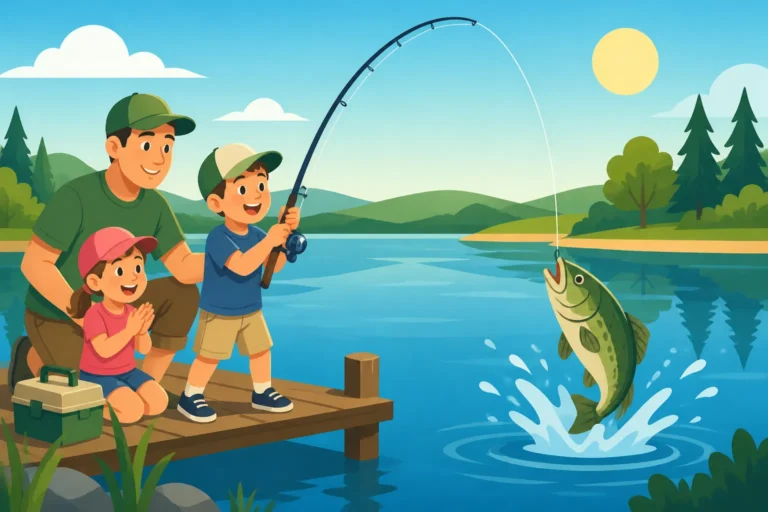
Standing Bear Lake is an ideal location for introducing kids to the joys of fishing. Its accessible shoreline, abundant panfish, and generally calm waters make for a low-stress, high-reward experience.
- Keep it Simple: For kids, focus on simple setups: a spinning rod and reel, a bobber, a small hook, and live bait like worms. The goal is action, not necessarily trophy fish. Bluegill are perfect for this, as they are plentiful and eager biters.
- Short Trips: Keep initial trips relatively short to match attention spans. An hour or two of active fishing is often more enjoyable than a full day that leads to boredom.
- Focus on the Experience: Emphasize the fun of being outdoors, watching wildlife, and spending time together. Catching fish is a bonus, not the sole purpose. Teach them about fish identification and safe handling practices.
- Pack Essentials: Bring snacks, drinks, sunscreen, bug spray, and perhaps even a small shovel and bucket for playing in the dirt if the fish aren't biting immediately.
- Patience and Encouragement: Fishing requires patience, a virtue that develops over time. Offer plenty of encouragement, celebrate every nibble, and help them with casting and reeling until they get the hang of it. Standing Bear Lake's plentiful panfish make it easy to keep kids engaged and excited about their next catch.
For those looking for even more family-friendly spots or perhaps to book a guided trip elsewhere, using resources like FishingBooker can help you find suitable fishing excursions with family in mind.
Disclaimer
The information provided in this guide is for general informational purposes only and is based on publicly available data and common angling practices. Fishing conditions, regulations, and fish populations can change. Always consult the most current Nebraska Game and Parks Commission regulations before fishing. Exercise caution and practice safe boating and fishing habits. The authors and publishers are not responsible for any accidents, injuries, or legal infractions incurred while following this advice.