Wildcat Hills State Recreation Area Trout Fishing
Finding consistent trout fishing in Nebraska can sometimes feel like chasing a ghost, especially if you're used to mountain streams or larger, colder rivers. But tucked away in the scenic panhandle, Wildcat Hills State Recreation Area offers a surprisingly robust and accessible opportunity for anglers to pursue rainbow trout, providing a much-needed cold-water fishing experience in the heart of the plains. This guide will walk you through everything you need to know to make your trip a success.
Unraveling the Appeal of Wildcat Hills for Trout Fishing
The Wildcat Hills region itself is a geological marvel, offering a stark contrast to the rolling plains that dominate much of Nebraska. Its rugged bluffs, pine-clad canyons, and cooler microclimates create an environment conducive to sustaining cold-water species like trout, making it a unique gem for anglers.
Why Wildcat Hills Stands Out for Trout
What makes Wildcat Hills State Recreation Area such a magnet for trout anglers? It primarily comes down to consistent stocking efforts by the Nebraska Game and Parks Commission (NGPC) and the area's natural characteristics. Unlike many Nebraska waters, which can get too warm for trout in the summer, the ponds at Wildcat Hills often benefit from colder groundwater and are managed specifically for trout. They receive regular infusions of rainbow trout, particularly during the cooler months of spring and fall, ensuring there's usually a healthy population for anglers to target. This put-and-take fishery model provides an excellent opportunity for both seasoned anglers and those just starting out to experience the thrill of a bending rod. The unique landscape also adds to the experience, offering breathtaking views and a sense of wilderness that's often hard to find at other stocked ponds.
The Species You'll Encounter
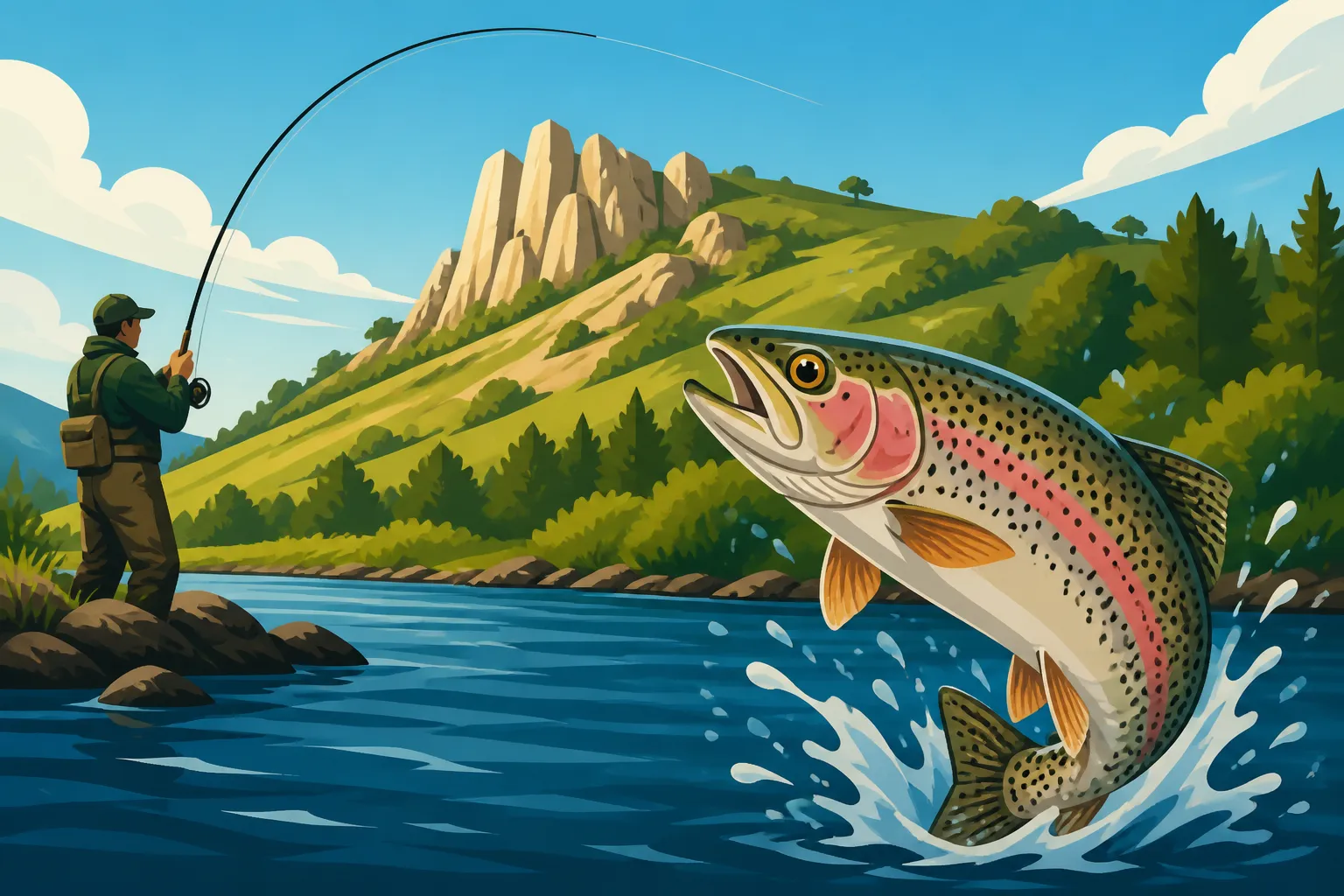
When you head to Wildcat Hills, your primary target will undoubtedly be the rainbow trout. These hard-fighting, beautiful fish are the staple of the stocking program here. They are known for their vibrant colors and willingness to bite, making them a favorite among anglers. While rainbow trout are the main attraction, you might occasionally encounter other species that have made their way into these waters, though they are not specifically managed for them. The focus at Wildcat Hills is clearly on providing a quality rainbow trout experience. Understanding what you're likely to catch helps you tailor your gear and techniques for the best possible outcome. If you’re looking for more general information on Nebraska Rainbow Trout Fishing, this area is definitely one of the state's best bets.
Navigating the Waters: Where to Cast Your Line
Knowing where to focus your efforts within Wildcat Hills State Recreation Area can dramatically improve your chances of success. The recreation area offers specific, accessible spots designed for fishing.
Pond Fishing at the Recreation Area
The primary trout fishing at Wildcat Hills centers around the small, designated fishing ponds within the recreation area. These ponds are relatively easy to access, often with well-maintained paths and even some accessible fishing piers, making them ideal for families or anglers with mobility challenges. The size of these ponds means that fish are usually concentrated, especially soon after stocking. Look for areas where there's deeper water, as trout often seek cooler depths. Points, drop-offs, or any submerged structure can also hold fish. These ponds are particularly active in the spring and fall when water temperatures are optimal. During peak stocking times, it’s not uncommon to see several anglers spaced out around the pond, enjoying the serene environment and the excitement of a bite. These managed ponds are a testament to the effort to bring trout fishing to more Nebraska anglers.
Nearby Stream and Creek Opportunities
While the ponds are the main draw, the Wildcat Hills area is crisscrossed by several small, intermittent creeks and streams. Some of these, like portions of Pumpkin Creek (a significant drainage in the area), might occasionally hold wild brown trout or stray rainbow trout in their colder, more isolated stretches. However, these opportunities are far less consistent and often require more hiking and exploration. The fishing in these smaller streams can be challenging due to dense vegetation, limited public access, and low water levels during drier periods. If you're an adventurous angler looking for a true "wild" trout experience in Nebraska, these streams might offer a fleeting chance, but don't expect the same consistent action as the stocked ponds. Always ensure you have proper access and are aware of any private land boundaries. For broader insight into Nebraska Fishing Season Dates and Limits, it's always wise to consult the NGPC regulations.
Shoreline Access vs. Wading
The fishing ponds at Wildcat Hills generally offer excellent shoreline access. Many spots are open and clear, allowing for easy casting from the bank. Some areas may even feature small, gravelly banks or designated fishing platforms, which are perfect for setting up a chair and waiting for a bite. For those who prefer to wade, the ponds are generally shallow enough in most areas to allow for comfortable wading, especially around the edges. However, exercise caution, as the bottom can be soft or uneven in places. Wading can give you access to slightly different angles and reach areas that might be less pressured from the bank. Consider wearing waders during cooler months to stay comfortable. Whether you choose to fish from the bank or wade in, the key is to move slowly and observe the water for any signs of fish activity or promising structure.
Essential Gear and Techniques for Wildcat Hills Trout
To make the most of your Wildcat Hills trout fishing adventure, having the right gear and understanding effective techniques is crucial. Trout can be finicky, but with the right approach, you'll be increasing your chances significantly.
Recommended Rods, Reels, and Line
For the stocked trout at Wildcat Hills, a light to ultralight spinning setup is usually your best bet. These fish aren't typically massive, so delicate presentations and lighter lines are key.
Here's a breakdown:
- Rod: A 5 to 6.5-foot ultralight or light action spinning rod. This allows for sensitive feel, makes fighting smaller trout exciting, and provides enough backbone for casting light baits.
- Reel: A small spinning reel, typically a 500-1000 series. Look for smooth drag, which is essential when a feisty trout makes a run.
- Line: 2-4 pound monofilament or fluorocarbon line. Monofilament offers good knot strength and stretch, which can be forgiving. Fluorocarbon is less visible underwater and more abrasion-resistant. If you prefer braided line, spool up with 6-8 pound braid and add a 2-4 pound fluorocarbon leader for stealth.
This lighter setup will allow you to feel even the most subtle bites and provide a fun, sporting fight. If you're just starting out, a Best Rod and Reel Combo for Beginners in Nebraska would likely fit the bill for this kind of fishing.
Baits and Lures That Get Bites
Trout in stocked ponds often respond well to a variety of baits and lures, especially those they are accustomed to from the hatchery.
- PowerBait: This is arguably the most popular and effective bait for stocked trout. Dough baits in various colors (chartreuse, rainbow, pink, white) and scents are a go-to. Rig it on a small treble hook (size 10-14) with a light sliding sinker (1/8 to 1/4 oz) and a short leader, allowing the PowerBait to float just off the bottom.
- Worms: Good old nightcrawlers or garden worms, fished under a bobber or on a small hook near the bottom, are always effective. Their natural scent and action are hard for trout to resist.
- Corn: Believe it or not, canned corn can be surprisingly effective for stocked trout. Use a few kernels on a small hook.
- Small Spinners: Lures like Panther Martins, Mepps, or Rooster Tails in sizes 0-2 are excellent for covering water and triggering aggressive strikes. Gold, silver, and firetiger patterns are often productive. Cast them out and retrieve steadily.
- Small Spoons: Tiny Kastmaster or Little Cleo spoons can imitate baitfish and flash to attract trout.
- Flies (Fly Fishing): For the fly-fishing enthusiast, small nymphs (Prince Nymph, Pheasant Tail), wet flies, or even small streamers can be highly effective. During hatches, dry flies can also provide exciting surface action. If you're keen on learning more, our guide on Best Flies for Nebraska Trout Fishing offers additional recommendations.
When fishing these ponds, don't be afraid to try different baits and colors until you find what the trout are hitting on that particular day.
Seasonal Strategies and Best Times to Visit
Trout fishing at Wildcat Hills is highly seasonal, primarily revolving around the NGPC's stocking schedule and water temperatures.
- Spring (March-May): This is prime time. As ice melts and water temperatures rise into the 40s and 50s Fahrenheit, trout become very active. Stocking events are frequent, leading to excellent "put-and-take" fishing. Focus on early mornings and late afternoons.
- Summer (June-August): Fishing becomes much tougher. As air and water temperatures climb, trout become lethargic and seek the deepest, coolest water. Stocking typically ceases during the hottest months. If you do fish, target early mornings right at sunrise or late evenings just before dark, concentrating on deeper sections of the pond. This is usually not the best time for consistent trout action.
- Fall (September-November): Another fantastic season. As temperatures cool down, trout once again become active, and stocking resumes. This period can be just as productive as spring, with beautiful autumn scenery as a bonus.
- Winter (December-February): Ice fishing can be popular if the ice is safe and thick enough. Trout remain active under the ice. Always check ice conditions and local reports before venturing out.
To maximize your success, always check the Nebraska Game and Parks Commission website for the latest stocking reports. Knowing when the ponds were last stocked is the single biggest factor in predicting good trout fishing at Wildcat Hills. Our detailed guide on How to Catch Rainbow Trout After Stocking offers more specific tips for these post-stocking periods.
Planning Your Trip to Wildcat Hills State Recreation Area
A successful fishing trip isn't just about what you catch; it's also about proper preparation and understanding the rules. Here’s what you need to know to plan your visit.
Understanding Nebraska Fishing License Requirements
Before you even think about casting a line, securing the proper Nebraska fishing license is non-negotiable. Anyone 16 years of age or older needs a valid fishing license to fish in Nebraska public waters. This includes the ponds at Wildcat Hills State Recreation Area.
Here’s a quick overview of what you'll generally need:
- Nebraska Fishing Permit: Available in annual, 3-day, or 1-day options for both residents and non-residents.
- Aquatic Habitat Stamp: Required for all resident and non-resident anglers 16 years and older, in addition to your fishing permit. This stamp helps fund crucial aquatic habitat improvements across the state. It’s a small fee that makes a big difference. You can learn more about this vital contribution in our article, Nebraska Aquatic Habitat Stamp Explained.
You can easily purchase your license online through the GoOutdoorsNE system, at various retail vendors like sporting goods stores, or at some county clerk offices. It’s always best to purchase it beforehand to avoid any last-minute hassle. For a complete breakdown of requirements, refer to our comprehensive Nebraska Fishing License Guide and the official Nebraska Fishing Regulations Explained.
Amenities and Nearby Accommodations
Wildcat Hills State Recreation Area isn't just about fishing; it's a beautiful area offering a range of amenities that make it an appealing destination for a day trip or even a longer stay.
- Camping: The recreation area offers primitive camping options, perfect for those who want to stay close to the action. These sites are generally first-come, first-served and provide a rustic experience. There are also picnic areas and shelters available.
- Hiking and Nature Trails: Beyond fishing, the Wildcat Hills boasts a network of scenic hiking trails, offering stunning views of the bluffs and canyons. It's a great way to stretch your legs and explore the unique ecosystem.
- Nature Center: The Wildcat Hills Nature Center provides educational exhibits about the area's wildlife, geology, and history, making it a great stop for families.
- Nearby Towns: The larger cities of Scottsbluff and Gering are just a short drive away, offering a full range of services including hotels, restaurants, grocery stores, and bait shops if you need to stock up on supplies. Planning your fishing trip and accommodations can sometimes be made easier by checking platforms like FishingBooker, which often list local guides or nearby lodging options that cater to anglers. While Wildcat Hills is a DIY spot for many, services in Scottsbluff can be found there.
Respecting the Environment and Regulations
When enjoying the natural beauty and fishing opportunities at Wildcat Hills, it's paramount to adhere to ethical angling practices and respect the environment.
- Daily Bag and Possession Limits: Always be aware of and follow the Nebraska Fishing Daily Bag and Possession Limits for trout. These limits are in place to ensure sustainable fishing for everyone. You can find these specifics in the current Nebraska Fishing Guide, which you should always have access to.
- Catch and Release: While a put-and-take fishery, practicing catch and release for fish you don't intend to keep is a responsible choice. Handle fish gently, minimize their time out of water, and use barbless hooks to make releasing easier.
- Litter: Pack out everything you pack in. Leaving trash behind degrades the environment for wildlife and other visitors.
- Tread Lightly: Stay on marked trails and designated fishing areas to protect the delicate ecosystem, especially around stream banks.
- Fire Safety: If camping or using picnic areas, be mindful of fire regulations, especially during dry periods.
- State Park Permit: Remember that while a fishing license covers your fishing activity, entry into some Nebraska State Recreation Areas may also require a Nebraska Park Entry Permit for your vehicle. Our guide on Nebraska State Park Fishing Permit Rules can clarify these requirements.
By following these guidelines, you contribute to preserving the pristine beauty and abundant fishing opportunities at Wildcat Hills State Recreation Area for years to come. For those traveling from afar, looking up local guides or trip planning resources on FishingBooker for the Scottsbluff area might help coordinate your visit, even if it's just for local insights or to find other activities in the region. FishingBooker could also be a great resource if you decide to explore other Nebraska fishing spots beyond Wildcat Hills during your visit.
Summary of Wildcat Hills Trout Fishing Essentials
To help you quickly reference the key points for your Wildcat Hills trout fishing trip, here's a brief table summarizing the most important aspects:
| Aspect | Recommendation / Detail |
|---|---|
| Primary Species | Rainbow Trout (stocked) |
| Best Seasons | Spring (March-May) and Fall (September-November) due to active stocking and cooler water. |
| Gear | Ultralight to Light spinning rod (5-6.5 ft), 500-1000 series spinning reel, 2-4 lb mono/fluoro line (or 6-8 lb braid with 2-4 lb leader). |
| Effective Baits | PowerBait (various colors), natural worms, canned corn. |
| Effective Lures | Small inline spinners (Mepps, Rooster Tail, Panther Martin size 0-2), tiny spoons (Kastmaster, Little Cleo). |
| Access | Excellent shoreline access, some piers, generally safe for wading in most areas. |
| License Required | Nebraska Fishing Permit (annual, 3-day, or 1-day) + Aquatic Habitat Stamp for ages 16+. |
| Key Tip | Check NGPC stocking schedule for best fishing days. |
| Nearby Amenities | Primitive camping, hiking trails, Nature Center within the SRA; full services (hotels, restaurants, shops) in Scottsbluff/Gering (15-20 min drive). |
This table provides a quick reference, but remember to read the full Nebraska fishing regulations carefully before your trip to ensure compliance with all current rules, including Nebraska Fishing Daily Bag and Possession Limits.
Disclaimer
The information provided in this guide is for general informational purposes only and is subject to change. Fishing regulations, stocking schedules, and local conditions can vary. Always consult the official Nebraska Game and Parks Commission website and current regulations booklet before planning and embarking on any fishing trip. Safety should always be your top priority, especially when fishing near water or on ice.