Winter Fishing in Nebraska
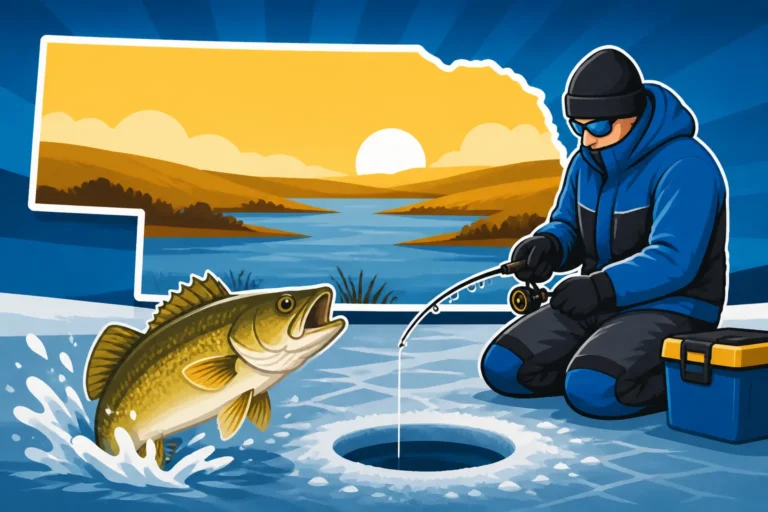
The crisp air of a Nebraska winter might make some anglers pack away their rods, assuming the fish have gone into a deep slumber. But let me tell you, that couldn't be further from the truth! While the cold certainly adds an extra layer of challenge, winter fishing in our great state offers some of the most rewarding and often overlooked opportunities for incredible catches. This guide is all about helping you brave the elements and discover the magic of hardwater and cold-water angling.
The Unique Challenges and Rewards of Winter Fishing in Nebraska
Winter fishing isn't just about throwing a line in the water; it's an immersive experience that challenges you, rewards you with solitude, and often delivers some of the biggest fish of the year. But let's be real, it's not without its hurdles.
Battling the Elements: Cold and Ice Safety
The most obvious challenge, and frankly, the most critical to respect, is the weather itself. Nebraska winters can be brutal, with temperatures plummeting well below freezing and wind chills that bite right through unprepared clothing. This isn't just uncomfortable; it's genuinely dangerous. Hypothermia and frostbite are real risks if you're not properly equipped and vigilant.
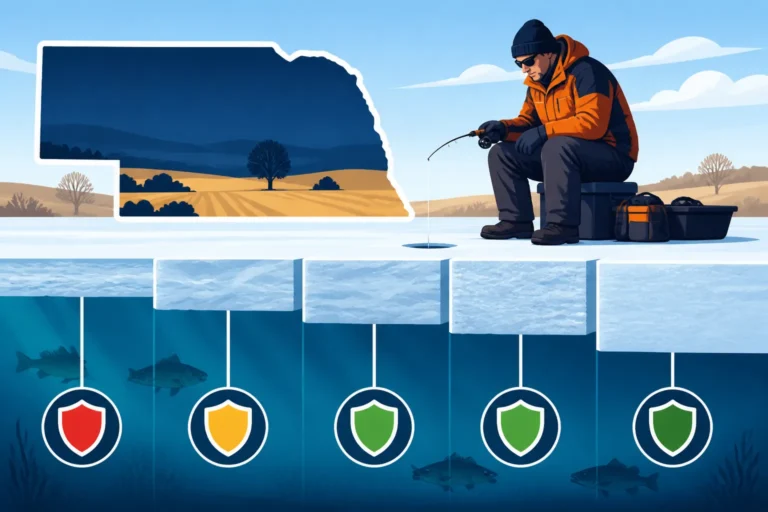
Beyond the cold, if you're venturing out onto the ice, safety becomes paramount. Ice fishing, while incredibly popular, demands respect for the unpredictable nature of frozen water. You absolutely need to know how thick the ice needs to be to fish safely in Nebraska. Conditions can change rapidly, and what was safe one day might be treacherous the next. Always check ice conditions, especially near inlets, outlets, or areas with current, and never assume the ice is safe just because others are out there. Having the right safety gear, like a spud bar to test ice ahead of you, and ice picks around your neck, is not optional; it's essential for survival.
The Myth of Dormant Fish: Why Winter Can Be Prime Time
Despite the icy conditions, the idea that fish stop biting in winter is one of the biggest misconceptions in angling. Yes, fish metabolism slows down considerably in cold water, meaning they aren't as active or aggressive as they might be in warmer months. They move slower, feed less frequently, and their strike zones shrink. However, this doesn't mean they don't eat. They absolutely do!
What winter fishing offers, especially through the ice, is a unique advantage: you can directly access fish holding in deep, specific structures that might be impossible to reach or locate from a boat in open water. Fish tend to school up tightly in winter, often congregating in predictable areas like deep humps, points, submerged weed lines, and creek channels. If you find one, you've often found many. This schooling behavior means that once you locate a productive spot, you can experience fast and furious action, catching multiple fish from the same hole. Plus, with fewer anglers willing to brave the cold, you often have these prime spots all to yourself, creating a tranquil, focused fishing experience where patience and precision pay off with some truly memorable catches, including many trophy-sized fish.
Essential Gear for Nebraska Winter Anglers
Heading out into the Nebraska cold requires more than just your usual fishing tackle. It demands specialized gear to keep you safe, warm, and effective. Think of it as a small investment that pays huge dividends in comfort and success.
Dressing for Success: Layering and Outerwear
This is, without a doubt, the most crucial aspect of winter fishing comfort and safety. You cannot just wear a heavy coat and expect to be fine. Layering is key, and it's a science. Start with a moisture-wicking base layer made of synthetic material or merino wool. This is vital to pull sweat away from your skin, even in cold weather, preventing that clammy, chilling feeling. Next, add a warm mid-layer, like fleece or down, to provide insulation. Think of multiple thinner layers rather than one thick one, as this allows you to adjust to changing temperatures throughout the day, or as you move and generate heat.
Your outer layer needs to be both waterproof and windproof. A good quality ice fishing suit, often a two-piece bib and jacket combo, is designed specifically for this. Brands like Striker or Clam make excellent suits that not only protect you from the elements but also often include flotation assistance for added safety on the ice. Don't forget extremities: an insulated hat that covers your ears, warm, waterproof gloves or mittens (often I'll wear thin liners under heavier ones), and heavily insulated, waterproof boots are non-negotiable. Your feet will thank you! You can find a huge variety of quality layering options and specialized ice fishing suits on sites like Amazon, making it easy to gear up without breaking the bank.
Ice Fishing Specific Equipment: Augers, Shelters, and Heaters
Once you're dressed for the elements, it's time to consider the tools that make ice fishing possible. First up is the auger. This is what you use to drill holes through the ice. Manual augers are great for early ice or if you only plan to drill a few holes, but for thicker ice or frequent hole-hopping, a power auger is a game-changer. You have options here: gas, propane, or electric (battery-powered). Electric augers, like those from Strikemaster or Ion, are becoming incredibly popular for their quiet operation, lack of fumes, and ease of use. For a deeper dive, check out our guide on the Best Auger for Nebraska Ice Fishing.
Next, consider shelter. A portable ice fishing shelter provides a crucial barrier against the wind and cold, turning a potentially miserable day into a comfortable one. Flip-over shelters, like those from Clam or Eskimo, are popular for their quick setup and mobility, often incorporating sleds for easy transport of gear. Hub-style shelters offer more space for groups and are surprisingly quick to set up. For a more detailed look at your options, our article on the Best Ice Fishing Shelters for Nebraska Winters is a great resource. And within that shelter, a portable propane heater, carefully vented, can keep you toasty warm, making it almost feel like home out on the ice. Just remember to always provide adequate ventilation to prevent carbon monoxide buildup.
Rods, Reels, and Line for Cold Water
Ice fishing tackle is specialized for a reason. You're fishing in a small hole, often targeting fish that are less aggressive. This calls for finesse. Ice fishing rods are typically much shorter, ranging from 24 to 36 inches, which makes them manageable in a small shelter and provides excellent sensitivity for detecting subtle bites. The tips are often very flexible, transitioning to a stronger backbone to fight fish.
Paired with these rods are small, lightweight spinning reels. The key here is a smooth drag system, as fish can still make powerful runs even in cold water. You don't want a sticky drag that could break your line on a sudden surge. As for line, fluorocarbon is a popular choice for its low visibility in clear winter water and its lack of memory, which prevents coils. Some anglers prefer braided line for its extreme sensitivity, often adding a fluorocarbon leader. Monofilament can also work, particularly in stained water, offering a bit more stretch which can be forgiving on light bites. To get truly dialed in, our comprehensive guide on the Best Ice Fishing Rods and Reels will walk you through all the nuances of setting up your perfect cold-weather combo.
Top Fish Species to Target in Nebraska's Winter
Nebraska's diverse fisheries offer plenty of action even when the mercury drops. Different species react to the cold in unique ways, and understanding these behaviors can help you target them effectively.
Walleye: The Winter Gold Standard
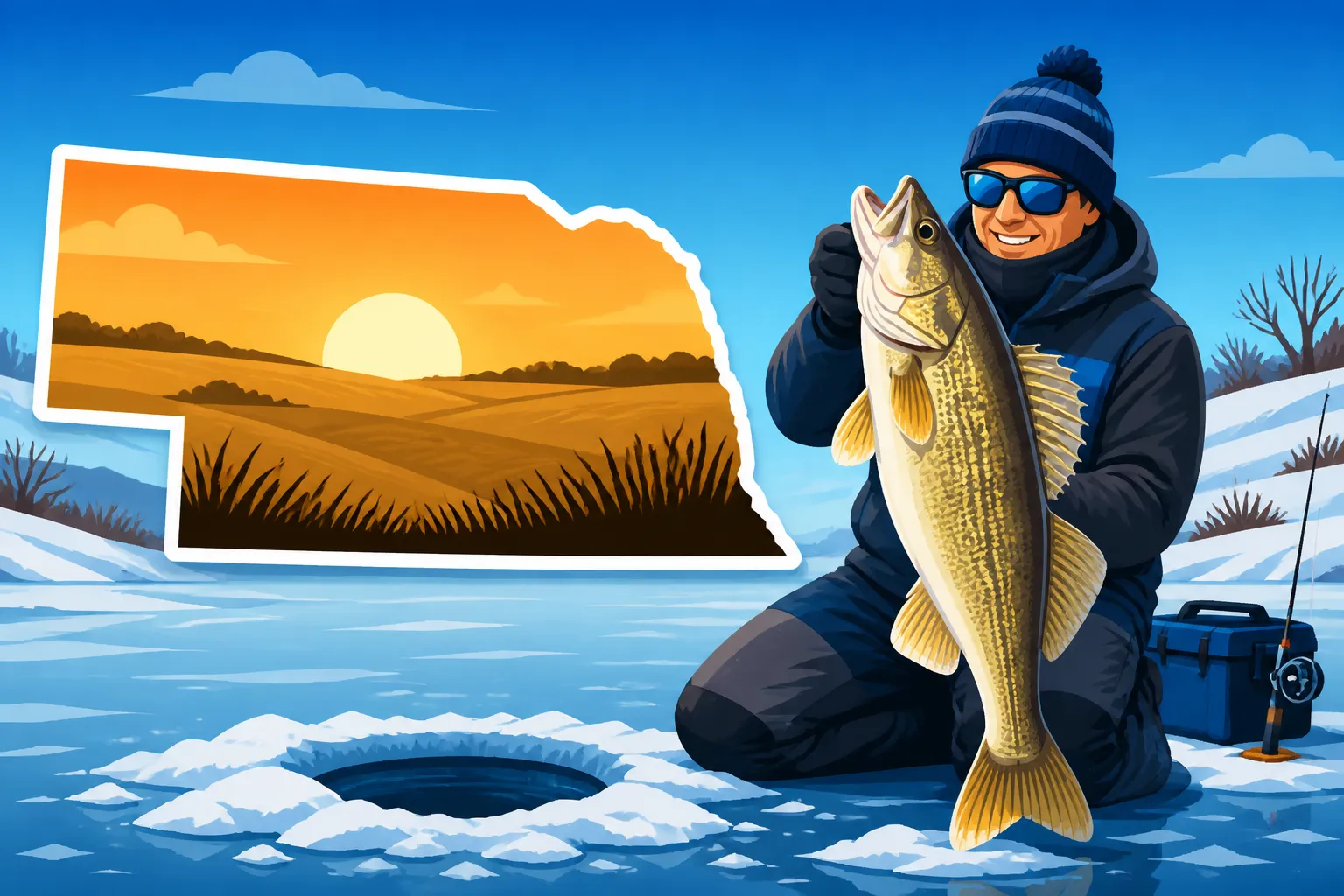
For many Nebraska anglers, walleye are the holy grail of winter fishing. These toothy predators are incredibly active under the ice, often providing thrilling battles. In winter, walleye typically gravitate towards deep structure. Think submerged points, humps, ledges, and the edges of old creek channels. Their metabolism slows, so they become less inclined to chase baits far, meaning presentation is key.
You'll often find them suspended near these structures or hugging the bottom. The bite can be incredibly subtle – sometimes just a slight "mush" on the line or a twitch of your rod tip. Patience and a good fish finder are crucial for locating them. While Lake McConaughy is legendary for its summer walleye, it remains a fantastic winter destination, offering opportunities for truly massive fish. Other reservoirs like Sherman Reservoir and Harlan County Reservoir also produce excellent winter walleye. If you're serious about chasing these elusive fish, make sure to read our detailed guide on Walleye Fishing in Nebraska and specifically for the big lake, check out Lake McConaughy Walleye Fishing.
Crappie: Panfish Paradise Through the Ice
If you're looking for consistent action and excellent table fare, crappie are your winter go-to. Both black and white crappie thrive in cold water, often schooling up in massive numbers around submerged cover. Brush piles, standing timber, rock piles, and even bridge abutments are all prime locations. They tend to suspend at specific depths, so once you find the crappie "zone," you can often catch fish after fish.
Small jigs tipped with a minnow or a piece of plastic are incredibly effective. A common tactic is to drop your bait just above the fish you see on your electronics, jigging it subtly. Lakes like Branched Oak Lake, Pawnee Lake, and even many of the smaller state recreation areas in eastern Nebraska are renowned for their winter crappie populations. It's a fantastic species for beginners, but experienced anglers also love the challenge and the sheer numbers you can catch. Our Crappie Fishing in Nebraska article has even more tips for landing these popular panfish.
Perch and Bluegill: Accessible Fun for All
For family outings or just a relaxing day of steady action, yellow perch and bluegill are hard to beat in the winter. These panfish are abundant, relatively easy to catch, and provide endless entertainment, especially for kids. They also make fantastic table fare. Like crappie, they school up, often in shallower areas than walleye, congregating around weed edges, brush piles, or even just soft bottom transitions.
Simple tactics work best here: small jigs, tiny spoons, or a plain hook tipped with a wax worm, minnow, or piece of corn, fished under a sensitive bobber. You don't need fancy electronics to find them; often, just drilling holes along a weed line or near visible structure will produce results. Many of Nebraska's urban ponds, which are regularly stocked, offer fantastic opportunities for bluegill and perch, providing easy access close to home.
Trout: Unique Opportunities in Cold Water
Nebraska might not be known as a trout state, but there are some exceptional winter opportunities, especially for rainbow and brown trout. Lake Ogallala, located directly below Kingsley Dam at Lake McConaughy, is a premier trout destination that often remains open water throughout the winter, providing incredible opportunities for shore anglers and boaters. The cold, oxygen-rich water from the dam creates an ideal environment.
Beyond Lake Ogallala, the Nebraska Game and Parks Commission stocks numerous urban ponds and state park lakes with rainbow trout throughout the colder months, specifically for winter angling. These "put-and-take" fisheries are fantastic for anglers of all skill levels. Fly fishing can be very effective in open water stretches, while ice anglers targeting these stocked lakes find success with small jigs, PowerBait, or corn. For those looking to explore these unique cold-water opportunities, our Trout Fishing in Nebraska and Lake Ogallala Trout Fishing guides are essential reading.
| Species | Preferred Winter Habitat | Common Winter Baits/Lures | Bite Characteristics |
|---|---|---|---|
| Walleye | Deep humps, points, channels, main lake basins | Jigging spoons, Rapalas, Shiver Minnows, large minnows | Subtle tap, mush, or rod tip dip |
| Crappie | Suspended over brush piles, standing timber, deep weeds | Small jigs (1/32-1/16 oz), plastic micro-baits, small minnows | Light tap, bobber dip, line goes slack |
| Perch | Weed edges, soft bottom, shallower flats | Small jigs, spoons, grubs, wax worms, maggots | Aggressive peck, light pull |
| Bluegill | Shallow weeds, brush, docks, soft bottom | Tiny jigs, wax worms, maggots, small plastics, corn | Gentle suck, bobber barely twitches |
| Trout | Clear, cold water, stream channels, inlets | PowerBait, minnows, small spoons, jigs, trout worms | Light pull, sometimes aggressive strike |
Proven Techniques for Successful Winter Fishing
The key to consistent success in winter fishing lies in adapting your approach. Fish are lethargic, so your tactics need to be precise, patient, and often, more subtle.
Ice Fishing Strategies: Locating Fish and Presenting Baits
The first step in successful ice fishing is locating the fish, which can be a puzzle if you don't have the right tools. This is where electronics shine. A good fish finder, flasher, or even an underwater camera becomes your eyes beneath the ice. These devices allow you to see depth, bottom structure, and most importantly, fish and your bait in real-time. Brands like Humminbird and Garmin offer excellent portable units perfect for ice fishing, and you can find a wide selection of these essential tools on Amazon. Learning how to effectively use your Best Fish Finder for Ice Fishing can drastically improve your catch rate.
Once you've drilled a hole and identified fish, presentation is everything. Vertical jigging is the name of the game. You're trying to entice a fish that might only move a few inches to eat. Experiment with different jigging styles: from aggressive lifts and drops that "call" fish in, to subtle quivers and deadsticking (holding your bait perfectly still). Often, the most productive technique is to jig your bait actively to attract attention, then stop it completely, or give it the tiniest twitch. This can often be the trigger for a lethargic fish to bite. Always use baits appropriate for the species, whether it's a small minnow on a plain hook, a tiny jig tipped with a wax worm, or a flashy spoon for walleye. Our comprehensive guide on How to Ice Fish in Nebraska delves deep into these techniques.
Open Water Winter Fishing: When Ice Isn't an Option
Not all of Nebraska freezes solid. Rivers like the Missouri and Platte, as well as the tailwaters below major dams (like Kingsley Dam at Lake McConaughy or Gavins Point Dam on the Missouri), often remain open throughout the winter. These open water areas offer fantastic opportunities when the lakes are locked up. However, the techniques differ significantly from ice fishing.
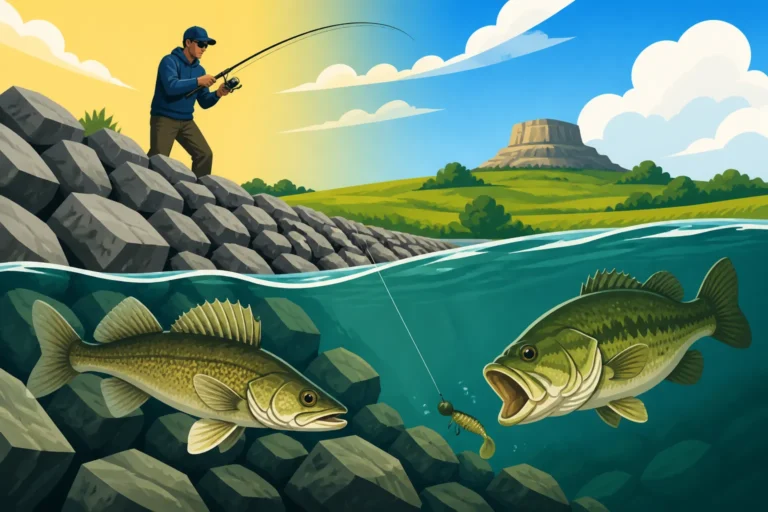
When fishing open water in winter, fish are still in cold water, so their behavior remains subdued. Slow presentations are key. Vertical jigging from a boat over deep holes, slow trolling with crankbaits or blade baits, or bottom bouncing with live bait rigs can be highly effective for walleye and sauger. For river fishing, understanding current breaks, eddy lines, and deep scour holes is crucial. These are the areas where fish will seek refuge from the main current and find ambush points. Patience and precise boat control or casting accuracy are essential. If you're looking to explore these waterways, checking out our general guide on Nebraska Rivers for Fishing can provide a great starting point for finding access and understanding river dynamics.
Understanding Fish Behavior in Cold Water
To truly excel at winter fishing, you need to think like a cold-water fish. Their metabolism is significantly slower, meaning they require less food and conserve energy. This translates to smaller, more localized movements and a reduced "strike zone." A fish might not move more than a foot or two to hit a bait, unlike their warmer-water counterparts who might chase something down.
This also means that factors like scent and subtle vibrations become even more critical. Adding a small minnow, wax worm, or even commercially available scent to your artificial lures can make a huge difference. Fish tend to hold tight to structure, whether it's submerged timber, rock piles, or abrupt depth changes. They might also seek out slightly warmer pockets of water, which can be found in deeper areas that retain heat or near spring-fed inlets. Pay close attention to your electronics; if you see fish on the bottom, often a bait presented just slightly above them will get a reaction more readily than one directly in their face. It's a game of finesse, patience, and observation.
Top Nebraska Winter Fishing Destinations
Nebraska offers a surprising array of winter fishing destinations, from vast reservoirs to intimate urban ponds and flowing rivers. Each presents its own unique opportunities and challenges.
Western Nebraska Hotspots: Lake McConaughy and Merritt Reservoir
When people think of "big fish" in Nebraska, Lake McConaughy almost always comes to mind. While famous for its summer walleye, "Big Mac" remains a phenomenal winter destination for those willing to brave the elements. Under the ice, the deep structure of McConaughy holds impressive numbers of walleye, perch, and even a few trout in its lower reaches and connected Lake Ogallala. Access can be tricky after heavy snowfall, so always check conditions with local bait shops. The rewards, however, can be immense, with opportunities for trophy walleye. Our detailed Lake McConaughy Fishing Guide is packed with information for year-round angling, including winter tips.
Further east, but still in the Sandhills, Merritt Reservoir is another outstanding choice. Merritt is renowned for its Muskellunge, but it also provides excellent ice fishing for crappie, bluegill, and northern pike. Its irregular shoreline, numerous bays, and diverse submerged structure make it a prime location for finding schooling panfish. The remote nature of Merritt means less pressure, and the winter scenery is simply breathtaking. Our Merritt Reservoir Fishing Guide covers all the details you'll need to plan a successful trip to this beautiful lake.
Central and Eastern Nebraska Gems: Branched Oak, Sherman, and Urban Ponds
Closer to the state's population centers, several excellent reservoirs provide fantastic winter fishing. Branched Oak Lake, near Lincoln, is a perennial favorite for crappie and bluegill through the ice. Its extensive submerged timber and brush piles provide ideal habitat for panfish, making it a relatively easy lake to learn for ice anglers. You can often find concentrated schools of crappie here, offering fast action. Our Branched Oak Lake Fishing Guide highlights its diverse offerings.
Sherman Reservoir, nestled in the rolling hills of central Nebraska, is another top-tier choice, particularly for walleye and wiper (hybrid striped bass). It's a lake known for its aggressive walleye bite, even in winter, and the wipers put up an incredible fight through a hole in the ice. Finding structure like submerged roads, old foundations, and main lake points are key here. The Sherman Reservoir Fishing guide provides more in-depth insights into this exciting fishery. Don't overlook the myriad of urban ponds and smaller state recreation areas dotted across the state. These often get stocked with trout and panfish, providing highly accessible and productive fishing spots, especially for families or those looking for a quick outing close to home.
Rivers and Tailwaters: Consistent Open Water Action
For those who prefer not to brave the ice, or when ice conditions are poor, Nebraska's rivers and tailwaters offer excellent alternatives. The Missouri River, forming Nebraska's eastern border, provides incredible opportunities for walleye, sauger, and channel catfish throughout the winter. Focus on wing dams, current breaks, deep scour holes, and the mouths of tributaries. Safety is paramount when boating on the Missouri in winter, given the swift current and potential for ice floes. Our Missouri River Fishing in Nebraska article has specific advice for tackling this mighty river.
The Platte River, especially its tailwater sections below reservoirs, can also hold surprising numbers of walleye and channel catfish, though access and safe wading can be challenging with winter flows. Always check local regulations and streamflow data before venturing out. These flowing water systems tend to maintain more stable water temperatures than large reservoirs, which can keep fish more active. Exploring the Platte River Fishing Guide will give you a detailed look at this expansive river system and its winter potential.
Safety, Regulations, and Conservation in Winter
As much as we love the thrill of winter fishing, it's crucial to prioritize safety, adhere to regulations, and practice responsible conservation. The unforgiving nature of winter means mistakes can have severe consequences.
Ice Safety: More Than Just a Number
Let me stress this again: ice safety is not something to take lightly. While a general rule of thumb is at least 4 inches of clear, solid ice for foot travel, and more for ATVs or vehicles, these are minimums. Ice conditions are rarely uniform. You absolutely must constantly check the ice as you move, especially in unfamiliar areas. A spud bar is your best friend for this. Always carry ice picks worn around your neck, a rope, and a fully charged cell phone. Inform someone of your plans and expected return time. Never venture out alone, especially on larger, less predictable bodies of water.
Remember, clear, black ice is generally stronger than milky or slushy ice. Avoid areas near inlets, outlets, bridges, or aerators, as currents can significantly thin the ice. If you do fall through, remain calm, use your ice picks to pull yourself out, and get horizontal on the ice to distribute your weight before rolling away from the hole. Immediately seek warmth and medical attention for hypothermia. Our article on How Thick Ice Needs to Be to Fish Safely in Nebraska provides more detailed guidance on this life-critical topic.
Winter Fishing Regulations and Permits
Even in the dead of winter, all Nebraska fishing regulations still apply. Before you head out, make sure your Nebraska Fishing License Guide is current. This includes annual permits, as well as any short-term 1-day or 3-day permits you might purchase. Don't forget any necessary stamps, like the Aquatic Habitat Stamp, which is required for most anglers and supports vital conservation efforts.
Pay close attention to species-specific regulations. These include daily bag limits and length limits, which can vary by water body and species. For instance, walleye might have specific slot limits in certain reservoirs. Crappie and bluegill generally have generous bag limits, but it's always wise to consult the current Nebraska Fishing Guide, published annually by the Nebraska Game and Parks Commission (NGPC). This guide is your ultimate source for understanding Nebraska Fishing Regulations Explained and knowing the Nebraska Fishing Daily Bag and Possession Limits. ignorance is no excuse, and wardens are out there enforcing these rules year-round.
Protecting Our Fisheries: Conservation Practices
Winter fishing often means handling fish in extremely cold temperatures. If you plan to practice catch and release, especially for larger, older fish that are vital to the breeding stock, handle them with care. Minimize their time out of the water, use wet hands or gloves to protect their slime coat, and try to release them quickly and gently back into the hole or open water. Fish can become lethargic from the cold and struggle to recover if handled improperly.
Beyond fish handling, always adhere to the "Leave No Trace" principles. Pack out everything you pack in, including bait containers, discarded line, and any trash. Be mindful of leaving equipment on the ice overnight where it could become frozen in or an obstacle. Respect private property and access points. By being responsible stewards of our natural resources, we ensure that the incredible opportunities for winter fishing in Nebraska will continue for generations to come.
Disclaimer
The information provided in this article is for general guidance only and is subject to change. Fishing regulations, ice conditions, and fish behavior can vary significantly. Always consult the official Nebraska Game and Parks Commission regulations, check current weather and ice reports, and exercise caution and good judgment when participating in any outdoor activities, particularly in winter conditions. The author and publisher are not responsible for any incidents or injuries that may occur.