Lake McConaughy Shoreline Fishing Access
If you've ever dreamt of casting a line into the vast, sparkling waters of Lake McConaughy but found yourself staring at miles of shoreline wondering where to even begin, you're not alone. It's a common frustration—this magnificent lake can feel intimidatingly huge, with water levels that constantly shift and make finding that perfect, accessible fishing spot a real head-scratcher. This guide is here to untangle that confusion, offering practical advice on where to find the best shoreline fishing access and how to make the most of your adventure at Lake Mac.
Understanding the Challenges of Shoreline Fishing at Lake Mac
Lake McConaughy isn't your average neighborhood pond. It's a massive, dynamic body of water that presents both incredible opportunities and unique challenges for the angler who prefers to keep their feet on solid ground. Before you even pack your cooler, it's worth understanding what makes shoreline fishing here a bit different.
The Vastness and Variability of Lake McConaughy
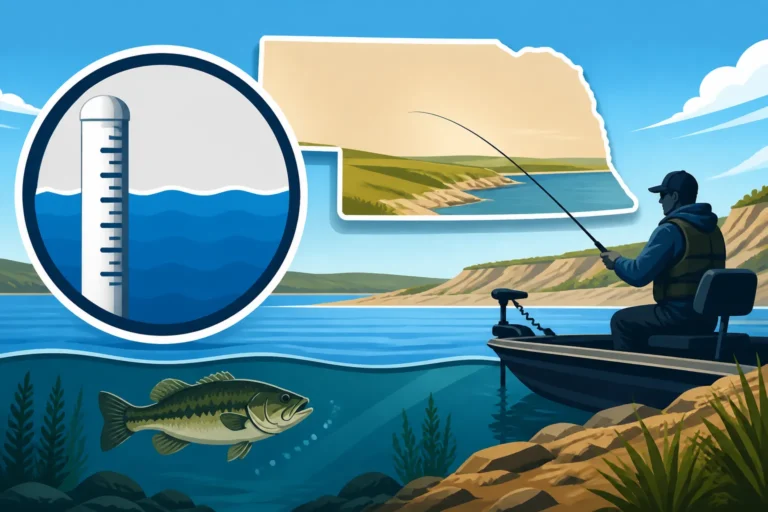
When we talk about Lake McConaughy, we're talking about a reservoir that can stretch over 30 miles long and up to 4 miles wide, with over 100 miles of shoreline at full pool. That's an incredible amount of real estate! But here's the kicker: its water levels are constantly fluctuating. Unlike a natural lake, Lake Mac is a working reservoir, managed for irrigation and power generation, which means the water can rise and fall significantly throughout the year, sometimes by many feet.
This variability creates what locals affectionately call the "bathtub ring" effect. What was a prime casting point in May might be a dry, dusty expanse in August, or conversely, a submerged obstacle course. This makes scouting ahead crucial. A sandy beach you fished last year could be a muddy bank this year, or a rocky outcrop might now be a gentle slope. This isn't meant to discourage you, but rather to prepare you for the reality that flexibility and a bit of exploration are key to success here. You need to be ready to adapt to the conditions on any given day.
Navigating Access Points and Private vs. Public Land
Another hurdle for shoreline anglers at Lake Mac is simply knowing where you can actually fish. While much of the lake is surrounded by public land managed by the Nebraska Game and Parks Commission (NGPC), there are also private properties interspersed, especially on the south side. It can be confusing trying to figure out if you're welcome to cast a line or if you're inadvertently trespassing.
Generally, most designated recreation areas and state lands offer clear public access. However, getting to the water's edge within these areas can still require a bit of walking, especially during lower water levels. It’s also vital to remember that a Nebraska State Park Entry Permit is required for all vehicles entering designated recreation areas around Lake McConaughy, in addition to your fishing license. Don't let a forgotten permit ruin your day or result in an unnecessary fine. Always make sure your Nebraska Fishing License Guide is up-to-date and that you understand the specific rules for the area you're visiting.
Prime Shoreline Fishing Access Points at Lake McConaughy
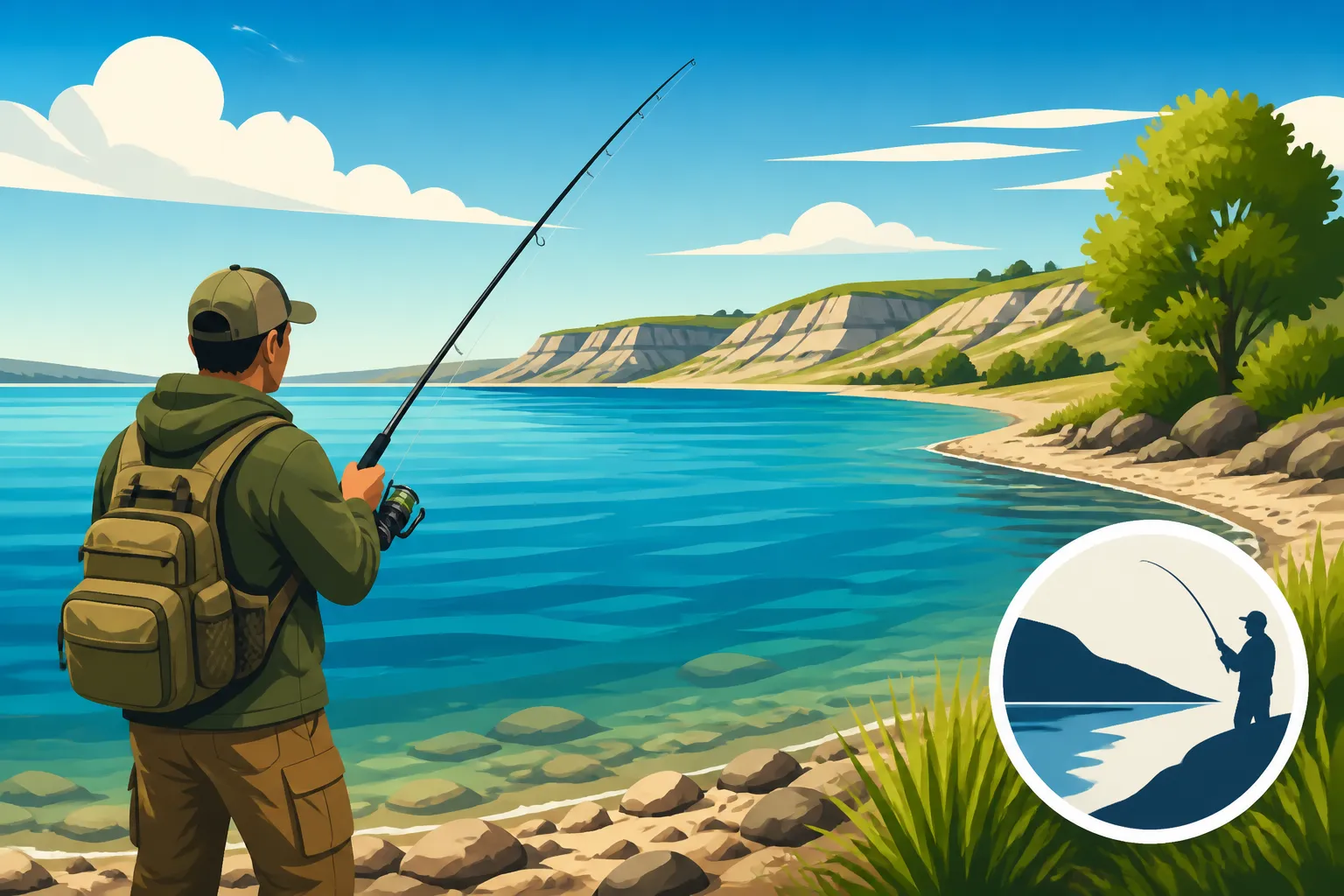
Despite the challenges, Lake McConaughy offers an abundance of fantastic shoreline fishing opportunities. Knowing where to focus your efforts can save you a lot of time and lead to a more successful and enjoyable outing. We can generally break down the prime areas into the east, central, and west ends of the lake.
East End Hotspots: Accessible and Productive
The eastern end of Lake McConaughy, particularly around the towns of Ogallala and Lemoyne, offers some of the most popular and generally accessible shoreline fishing.
- Lake Ogallala (Below Kingsley Dam): This small, cold-water lake just below the massive Kingsley Dam is a phenomenal spot, especially if you're looking for trout. It's spring-fed and offers excellent public access with well-maintained banks and designated fishing areas. You'll often find anglers here targeting rainbow and brown trout, particularly after stockings. The clear, cool water makes it an ideal spot, and because it's separate from the main lake, its water levels are much more consistent. It’s a completely different experience than fishing the main lake, and often a very productive one for species like trout. For more on this unique fishery, check out our guide on Lake Ogallala Trout Fishing.
- Little Lake: Adjacent to Lake Ogallala, Little Lake also offers good access for panfish and occasional bass. It's a shallower, warmer body of water that can be great for families or those looking for a relaxed outing without the wind and waves of the main lake.
- Sandy Beaches near Ogallala: Just west of Kingsley Dam, accessible via roads like Highway 61, you'll find numerous pull-offs leading to expansive sandy beaches. These areas are excellent for targeting walleye, white bass, wipers, and channel catfish, especially during the morning and evening hours. Look for submerged structures, sudden drop-offs, or areas where current might create seams. The sandy bottom often makes for easier wading and casting, though long casts are often needed to reach deeper water.
Central Lake Shoreline: Balancing Solitude and Access
Moving westward along the south shore, the central sections of Lake McConaughy can offer a mix of well-known spots and more secluded areas, depending on how far you're willing to walk or drive off the main roads.
- Cedar Vue and Otter Creek Recreation Areas: These areas provide solid public access with designated campsites and day-use areas. While popular with boaters, there are often stretches of shoreline available for wading and casting. The terrain here can be a bit more varied, with sandy sections mixed with some rocky points and submerged brush, which can be fantastic habitat for bass and crappie in addition to walleye and catfish. Finding a productive spot often involves a bit of walking to get away from the immediate boat ramps and popular swimming areas.
- Admiral's Cove: This area, located a bit further west, is another popular spot known for its camping and boating, but also offers decent shoreline access, particularly when water levels are cooperative. The coves and points here can hold good numbers of fish. You might find yourself needing to navigate some steeper banks or rocky sections to get to your preferred spot, so sturdy footwear is a must. These central locations can offer a good balance for those who want convenient amenities but also a chance to find a less crowded fishing spot.
West End Opportunities: Less Crowded, More Adventure
The western end of Lake McConaughy tends to be less developed and often less crowded than the eastern and central parts. This can mean more adventure and solitude for the intrepid shoreline angler.
- Arthur Bay and Lemoyne Areas (North Shore): While often associated with boat launches, many areas along the north shore, especially further west towards Arthur Bay, provide extensive, undeveloped shoreline. Access here might involve driving on gravel roads or two-track paths, and you might need to walk a bit to reach the water. However, the reward can be finding untouched stretches of bank where fish see fewer lures. The north shore often features deeper water close to shore in certain areas, which can be ideal for walleye and wipers.
- Springs and Inlets: Towards the far western reaches of the lake, where rivers like the North Platte and South Platte feed into McConaughy, you might find shallower, marshier areas or smaller inlets. These can be excellent for targeting channel catfish, carp, and even some panfish, especially during periods of higher flow. These spots offer a different kind of challenge and reward compared to the open lake. It's often a good idea to consult a map or even services like FishingBooker to understand potential access points if you're looking for a guide who specializes in these more remote zones.
Essential Tips for Successful Shoreline Fishing at Lake Mac
Shoreline fishing at Lake McConaughy is a rewarding experience, but it definitely benefits from a little preparation and strategy. Don't just show up and hope for the best!
Gear Up for the Terrain and Species
Your gear choices should reflect the large size of the lake, the potential for strong winds, and the species you're targeting.
- Rods and Reels: A medium to medium-heavy spinning rod, 7 to 9 feet long, is a great all-around choice. The extra length helps with longer casts, which are often necessary to reach fish from shore, and also aids in managing line in windy conditions. Pair it with a reliable 2500-4000 series spinning reel spooled with 10-15 lb monofilament or braided line with a fluorocarbon leader. If you're specifically targeting larger catfish, a heavier setup might be preferred. For walleye, a lighter action rod can help detect subtle bites. For more detailed recommendations, check out our guide on Best Tackle for Nebraska Walleye Fishing or even Best Catfish Gear for Nebraska Rivers.
- Bait and Lures: Live bait like nightcrawlers, minnows, or cut bait can be incredibly effective for walleye, catfish, and wipers. For artificials, think about long-casting options:
- Walleye: Jigging spoons, crankbaits (like Rapalas or Berkley Flicker Shads), or soft plastics rigged on a jig head are go-to options.
- Catfish: Stink baits, chicken liver, or cut bait on a bottom rig are proven winners.
- Wipers/White Bass: Spoons, Kastmasters, or swimbaits can trigger aggressive strikes.
- Comfort and Safety: Always wear sturdy, closed-toe shoes (water shoes or hiking sandals are great) as you'll be walking on sand, gravel, and potentially uneven or rocky terrain. A hat, polarized sunglasses, sunscreen, and plenty of water are non-negotiables. The Nebraska sun can be intense, and the wind can pick up quickly.
Timing, Techniques, and Reading the Water
Success from the bank often comes down to knowing when and how to fish specific areas.
- Best Times: Early mornings and late evenings are often the most productive, especially for walleye and wipers, as they move shallower to feed. Night fishing can be incredibly effective for channel catfish and even larger walleye. The bite often slows during the harsh midday sun. Check out our guide on the Best Time of Day to Catch Walleye in Nebraska for more specific insights.
- Reading the Water: Look for changes in depth, current seams (especially near points or dam outflows), submerged structure (like old timber or rock piles), or areas where baitfish might be congregating. These are prime ambush points for predatory fish. Pay attention to wind direction; a sustained wind blowing into a bank can push baitfish closer to shore, bringing game fish with them.
- Techniques:
- Bottom Fishing: For catfish and walleye, a simple slip-sinker rig with live bait or cut bait fished on the bottom is often effective. Cast out, let it settle, and wait for the bite.
- Casting and Retrieving: For walleye, wipers, and white bass, cast crankbaits, spoons, or swimbaits and retrieve them at varying speeds and depths until you find what triggers a bite. Experiment with different retrieves—slow and steady, erratic jerks, or stop-and-go.
- Bobber Fishing: For panfish or even shallower walleye, a slip bobber rig can present your bait enticingly at a set depth.
Permits, Regulations, and Respecting the Environment
Fishing legally and responsibly is paramount. Ignorance of the rules is no excuse.
- Permits: As mentioned, a valid Nebraska fishing license is essential for anyone 16 years or older. Additionally, a Nebraska State Park Entry Permit is required for vehicles in designated recreation areas. You can purchase both online via the GoOutdoorsNE system or at various vendors around the lake.
- Regulations: Always carry a copy of the current Nebraska Fishing Guide (available online or at bait shops) or have it accessible on your phone. Pay close attention to species-specific regulations, including daily bag and possession limits, and length limits for particular fish. For example, understanding Nebraska Fishing Daily Bag and Possession Limits is crucial. Walleye often have specific slot limits, and knowing your Nebraska Walleye Minimum Length Limit can prevent a violation.
- Leave No Trace: Lake McConaughy is a beautiful resource. Pack out everything you pack in, including all trash, discarded fishing line, and bait containers. Don't leave any litter behind. Dispose of fish waste properly, not on the shoreline where it can create odors and attract unwanted pests.
Maximizing Your Lake Mac Shoreline Experience
A trip to Lake McConaughy is more than just fishing; it's an experience. With a little extra planning, you can make it truly unforgettable.
Beyond the Fishing: Nearby Amenities and Resources
Even when you're focused on the fish, knowing what's available nearby can make your trip much smoother and more enjoyable.
- Campgrounds and Lodging: There are numerous camping options, from primitive beach camping (with proper permits) to developed campgrounds with amenities, both within the recreation areas and at private resorts. Towns like Ogallala and Lemoyne also offer motels and cabins. Booking in advance, especially during peak season, is highly recommended.
- Bait Shops and Supplies: Several bait and tackle shops are located around the lake, particularly in Ogallala and Lemoyne. These shops are invaluable resources, not just for bait and gear, but also for up-to-the-minute fishing reports and local advice. They can tell you what's biting, on what bait, and where.
- Boat Ramps: While this guide focuses on shoreline access, many prime shoreline spots are located near public boat ramps. These areas often have better infrastructure and are easier to find. For a comprehensive list, you can check out resources on Lake McConaughy Boat Ramp Locations. Even if you're not launching a boat, these locations are often good indicators of public access points.
Planning Your Trip with Local Knowledge
The best way to guarantee a successful shoreline fishing trip at Lake Mac is to tap into local expertise and stay informed.
- Check Local Reports: Before heading out, check the Nebraska Game and Parks Commission website for current fishing reports specific to Lake McConaughy. Many local bait shops also maintain online reports or Facebook pages with regular updates.
- Weather and Water Levels: Always check the weather forecast before you go. Lake Mac can be prone to strong winds, which can make casting difficult and even dangerous if you're exposed on a point. Also, look up current lake levels. Websites like the Bureau of Reclamation often provide real-time data, which can help you anticipate how much shoreline will be exposed.
- Consider a Guide (Even for Shoreline Insights): If you're new to the lake or want to fast-track your learning, consider hiring a local fishing guide. Even if you're primarily interested in shoreline fishing, a guide can provide invaluable insights into fish patterns, structure identification from shore, and productive techniques. Services like FishingBooker can help you find and book experienced guides who are intimately familiar with Lake McConaughy and its ever-changing conditions, even if you're just looking for tips for your DIY shoreline adventure.
- Safety First: Beyond the basic sun protection and hydration, be aware of your surroundings. If you're fishing remote areas, let someone know your plans. If wading, be mindful of uneven bottoms and sudden drop-offs. The powerful draw of Lake McConaughy makes it a special place, but it demands respect.
| Access Point Category | Typical Terrain | Primary Species Targeted | Accessibility Level | Notes |
|---|---|---|---|---|
| East End | Sandy beaches, maintained banks (Lake Ogallala) | Walleye, Trout (L. Ogallala), White Bass, Wipers, Catfish | High (some paved, good signage) | Very popular, good for families, consistent trout fishing at Lake Ogallala. |
| Central Lake | Varied (sandy, some rocky points, brush) | Walleye, Catfish, Bass, Crappie | Medium (developed areas, some walking) | Mix of amenities and opportunities for more secluded spots; requires more exploration. |
| West End | Undeveloped, sand, gravel, some marshy inlets | Walleye, Catfish, Carp, White Bass | Lower (gravel roads, longer walks) | Offers solitude, less pressure, can be harder to access directly by car. |
Disclaimer
The information provided in this guide is for general informational purposes only. Fishing regulations, conditions, and access points can change. Always consult the official Nebraska Game and Parks Commission regulations and local resources before planning your fishing trip. Fishing carries inherent risks; always prioritize safety and responsible outdoor practices.