Branched Oak Lake Catfish Fishing
There’s nothing quite like the thrill of a big catfish pulling hard on your line, especially when you’ve put in the time and effort to find them. But let’s be honest, figuring out where to start at a large, diverse lake like Branched Oak can feel overwhelming, leaving many anglers frustrated and empty-handed. This guide is here to cut through the confusion, offering you an in-depth look at how to successfully target and land channel catfish and even those elusive flatheads in the productive waters of Branched Oak Lake.
Why Branched Oak Lake is a Catfish Hotspot
Branched Oak Lake, nestled just northeast of Lincoln, is more than just a pretty face; it's a thriving ecosystem that catfish absolutely adore. For years, anglers have been drawn to its expansive waters, knowing that big cats lurk beneath the surface. It’s a place where patience often pays off with a bent rod and a memorable fight.
The Lake's Unique Features for Catfish
One of the main reasons Branched Oak is such a prime location for catfish is its incredible diversity of habitat. Unlike some shallower, more uniform ponds, Branched Oak boasts a range of depths, from shallow flats that warm up quickly in spring to deeper channels and drop-offs that offer cool retreats in the summer heat. This variety means catfish can always find comfortable water and abundant food sources throughout the year.
The lake is a flooded creek valley, meaning it retains remnants of the old Little Salt Creek channel, which snakes through the main body of water. These submerged creek beds act as superhighways and ambush points for catfish, providing them with structure, cover, and easy access to forage. Additionally, the Nebraska Game and Parks Commission (NGPC) has done an excellent job with habitat improvement projects, adding brush piles, rock reefs, and other structures that become magnets for baitfish and, consequently, hungry catfish. These features are not just visually appealing on a sonar screen; they are the heart of a productive catfish fishery.
What Kind of Catfish You'll Find Here
While Branched Oak Lake is known for producing a variety of species, it truly shines when it comes to catfish. The most common species you'll encounter is the Channel Catfish. These whiskered fighters are abundant and can grow to impressive sizes, with many anglers regularly pulling in cats in the 5-15 pound range. The lake's healthy forage base, including gizzard shad, ensures that these channel cats are well-fed and feisty.
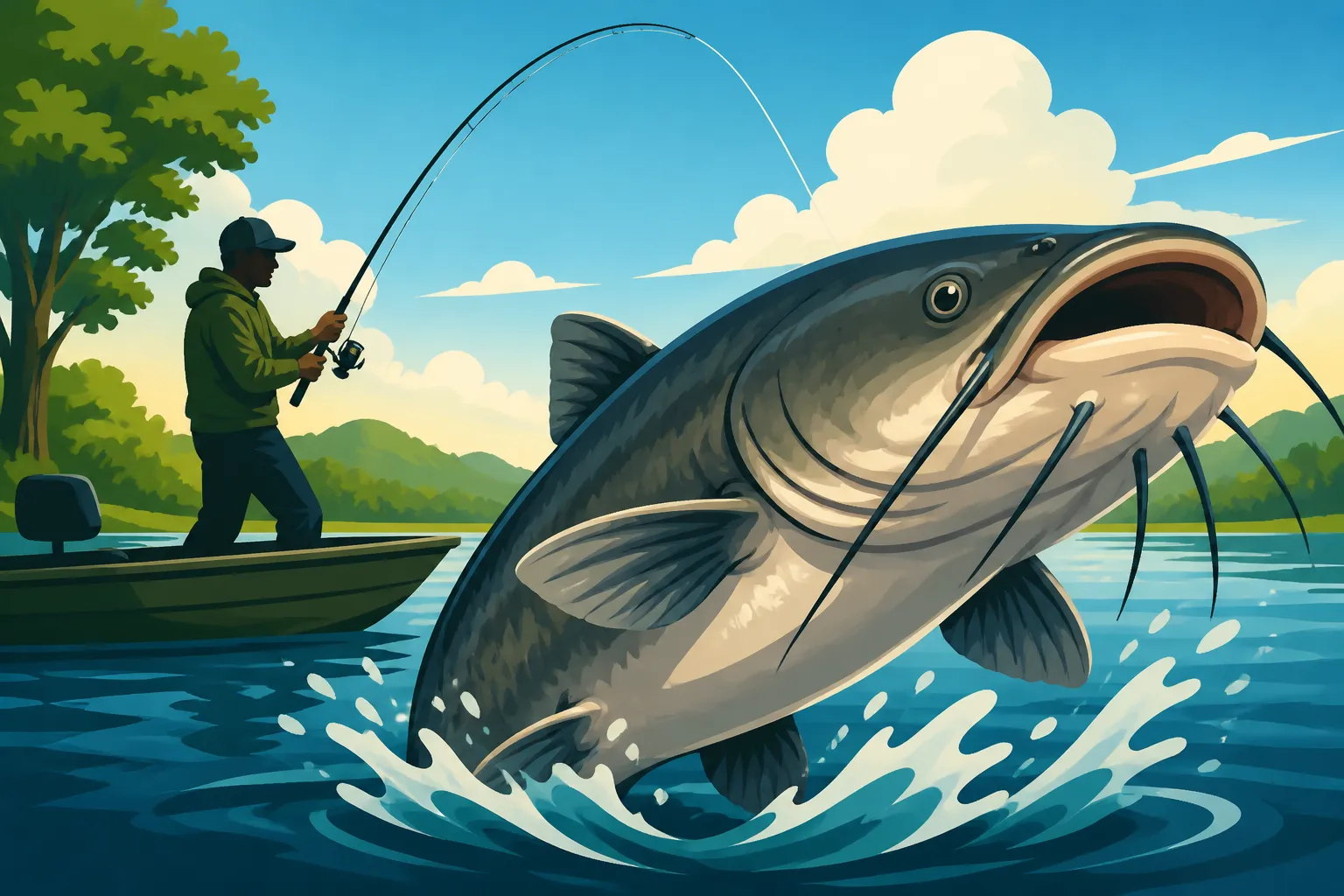
Beyond the plentiful channel cats, Branched Oak also harbors a respectable population of Flathead Catfish. These are the true trophies of the catfish world, known for their solitary nature, massive size, and powerful fights. Flatheads prefer live bait and often hang out in deeper, woodier cover, making them a challenge but an incredibly rewarding catch for dedicated anglers. While less common than channel cats, the potential to hook into a 20, 30, or even 40-pound flathead keeps many local anglers coming back for more.
Prime Times to Target Catfish at Branched Oak
Timing is everything when it comes to catfish, and Branched Oak offers opportunities nearly year-round, though some periods are definitely better than others. Spring, especially from late April through June, is fantastic as catfish become more active with rising water temperatures. They move into shallower areas to feed heavily before and during the spawn. This is an excellent time for bank anglers to find success.
Summer fishing, particularly from July through August, brings its own challenges and rewards. While catfish might go deeper during the heat of the day, they become incredibly active during low-light periods. Night fishing is a legendary pursuit at Branched Oak, with many of the biggest channel cats and flatheads caught under the cover of darkness. As cooler weather arrives in the fall, catfish will once again begin to feed aggressively, fattening up before winter. This can be another fantastic time to fish, especially during the day. When considering your trip, checking the local fishing reports and maybe even booking a guided trip through services like FishingBooker can give you an edge on current conditions.
Essential Gear for Branched Oak Catfish
Having the right tools for the job can make all the difference between a frustrating outing and a successful day on the water. Catfish are powerful, and Branched Oak’s conditions can vary, so you’ll want gear that can handle the fight and the environment. Don't skimp on quality; your tackle is your lifeline to that next big fish.
Rods, Reels, and Line Choices
For most Branched Oak catfish situations, you'll want a medium-heavy to heavy-action rod, generally between 7 and 9 feet long. This length gives you good casting distance from shore and plenty of leverage for boating fish. A sturdy backbone is crucial for setting hooks into tough catfish mouths and battling strong currents or thick cover. Brands like Ugly Stik or Berkley Big Game rods are popular choices among serious catfishermen for their durability and power.
Matching that rod with a robust reel is key. A baitcasting reel is often preferred for its brute strength and line capacity, especially when targeting bigger flatheads or fishing in heavier cover. However, a good quality spinning reel in the 4000-6000 size range can handle most channel catfish with ease and offers easier casting for beginners. When it comes to line, a good rule of thumb is 15-30 pound monofilament for channel cats, offering good abrasion resistance and stretch. For flatheads or fishing near snags, consider 40-80 pound braided line for its incredible strength, sensitivity, and minimal stretch, which can help you horse fish out of cover.
Hooks, Sinkers, and Terminal Tackle
The business end of your line is where the magic happens, so choosing the right terminal tackle is paramount. For channel catfish, 2/0 to 5/0 circle hooks are incredibly effective. Circle hooks are designed to hook fish in the corner of the mouth, reducing gut-hooking and making catch-and-release much easier. They’re also largely self-setting, requiring a gentle retrieve rather than a hard hookset. When using circle hooks, make sure to read up on how to Set the Hook on a Catfish Bite.
If you prefer J-hooks, sizes ranging from 4/0 to 7/0 work well. For larger flatheads, you might even step up to 8/0 or 10/0 circle hooks. As for sinkers, lead weights are prohibited in some Nebraska waters, so always check local regulations; however, on most of Branched Oak, you’ll typically use a no-roll sinker or a flat pyramid sinker in moving water, or a simple egg sinker in calm situations. Weights from 1/2 ounce to 3 ounces are common, depending on casting distance and wind conditions. Don't forget heavy-duty swivels and abrasion-resistant leaders (fluorocarbon or heavy mono) to prevent line twists and protect your main line from sharp teeth or rough structure.
Must-Have Baits for Branched Oak Catfish
Catfish are opportunistic eaters, but they definitely have their preferences, and knowing what to offer them can significantly boost your success. For Channel Catfish, the classic stink baits are hard to beat. Prepared baits like Sonny’s Super Sticky Bait, Secret 7, or even homemade concoctions of cheese, blood, or decaying meat can attract channel cats from a distance. Cut bait, such as shad, carp, or even small bluegill (check regulations on using game fish as bait), also works wonders, especially when it’s fresh. Live nightcrawlers and large shrimp are also reliable choices for channel cats.
When targeting Flathead Catfish, live bait is almost always the answer. They are predators that prefer to actively hunt. Live bluegill, sunfish, or even small bullheads (again, verify baitfish regulations) are prime choices. Hook them through the back or lips to keep them lively. Consider trying a trip with a guide from a service like FishingBooker who can provide local bait knowledge and sourcing. The rule of thumb for flatheads is usually "the fresher, the better." No matter the bait, present it on or near the bottom where catfish cruise for food. If you're looking for more general advice on what to use, check out our guide on the Best Bait for Nebraska Catfish.
Top Techniques for Landing Catfish at Branched Oak
Branched Oak Lake offers a variety of access points and fishing environments, which means you can approach catfish fishing in several ways. Whether you're casting from the bank or cruising in a boat, having a strategy is key. Understanding the different techniques will allow you to adapt to conditions and increase your chances of success.
Bank Fishing Strategies
Don't let not having a boat deter you; Branched Oak has excellent bank fishing opportunities for catfish. Key to bank fishing success is finding access points near prime catfish habitat. Look for areas where the old creek channel comes close to shore, points that extend into the lake, submerged timber, or even riprap along the dam or bridge abutments. These structures provide cover and attract baitfish, which in turn attract catfish.
When bank fishing, it's common to use multiple rod setups, spreading your baits out to cover more water and test different depths or presentations. Use sturdy rod holders to keep your rods secure, as a hard-hitting catfish can easily pull an unattended rod into the water. Long casts can be beneficial, especially if you're trying to reach deeper channels or structures farther from shore. The beauty of bank fishing is its simplicity and accessibility, making it a perfect option for a relaxing afternoon or a serious night-fishing session. If you’re just starting, our guide on how to Fish From Shore in Nebraska has even more tips to get you going.
Boat Fishing Tactics
For those with a boat, Branched Oak truly opens up. You can reach isolated humps, extensive submerged timber, and the deeper sections of the old Little Salt Creek arm that are inaccessible from shore. Utilizing your electronics, such as a fish finder with side imaging, is invaluable here. Look for sudden depth changes, brush piles, rock formations, and even schools of baitfish, all of which indicate potential catfish hotspots.
Common boat tactics include anchoring near known structure, especially if you're targeting flatheads with live bait. Position your boat upstream or upwind from the structure and cast your baits so they settle naturally near the cover. Another effective technique, particularly for channel cats, is drifting. Let the wind or a very slow trolling motor push you across flats or along contour lines, presenting your baits over a wider area. Pay close attention to your rod tips; a twitch, a slow bend, or a sudden jerk can all signal a bite. Remember to always prioritize safety when boating, especially at night. You'll want to be familiar with the Nebraska Boat Registration and Fishing Rules before you head out.
Night Fishing for Trophy Catfish
Without a doubt, night fishing is one of the most productive and exciting ways to target big catfish at Branched Oak. Catfish are primarily nocturnal hunters, with their keen sense of smell and touch giving them an advantage in the dark. As the sun sets and boat traffic subsides, these whiskered giants often move into shallower water to feed more aggressively.
When night fishing, preparation is key. Bring reliable headlamps or spotlights, and consider attaching small glow sticks to your rod tips so you can easily spot subtle bites. Bug spray is also a must during the warmer months. Focus your efforts on the same structures you’d fish during the day, but expect the bite to be more consistent and often more aggressive. Many of the biggest fish of the season, especially flatheads, are caught after dark. Just be extra vigilant about safety, as navigating and fishing in the dark presents unique challenges. For more specific advice, our article on Nebraska Night Fishing Rules can provide helpful context.
Navigating Branched Oak Lake's Best Catfish Spots
Branched Oak is a big lake, covering about 1,800 acres, so knowing where to focus your efforts can save you a lot of time and lead to more bites. While catfish can be found almost anywhere, certain areas consistently produce better results due to their inherent structure and access to food. Let's break down some prime locations for different species and seasons.
Key Areas for Channel Catfish
Channel catfish are often more widespread and less particular about their habitat than flatheads, making them accessible from many parts of the lake. The dam area, particularly along the riprap, is a fantastic spot, especially in spring and fall. The rocks hold heat and offer plenty of crevices for baitfish, creating an irresistible dinner table for channels. Nearby, the concrete spillway and rocky points also provide great opportunities.
The Little Salt Creek arm, which winds its way into the northern part of the lake, is another perennial favorite. This area has numerous submerged trees, brush piles, and gradual slopes that hold plenty of channel cats. Look for points and submerged humps along this arm. Access points like the Branched Oak Lake Boat Ramp and Marina Access offer easy entry for boaters to explore these deeper sections, while numerous shoreline access points around the lake, including the popular Branched Oak Lake Shore Fishing Spots, allow bank anglers to get in on the action. Don't overlook coves and protected bays during the warmer months, especially after dark, as channel cats will move in to feed on baitfish.
Finding Flathead Catfish Havens
Flathead catfish are creatures of heavy cover and prefer deeper, woodier environments. They are often solitary and will stake out a specific piece of structure, ambushing prey that swims by. The deeper sections of the old Little Salt Creek channel are prime flathead territory. This channel runs throughout the main body of the lake and offers countless drops, bends, and submerged timber.
When searching for flatheads, focus on areas with significant submerged structure, such as large brush piles, standing timber, or rock formations that provide ambush points. These are often found near deeper water, making them ideal hideouts for these giant predators. Using advanced sonar can really help pinpoint these isolated pieces of cover. If you identify a promising spot, be prepared to anchor upcurrent or upwind and present live bait directly to the structure. Remember, flatheads are challenging, but the reward of landing one is truly unforgettable.
Seasonal Movements and Where to Find Them
Catfish movements at Branched Oak are heavily influenced by water temperature and their spawning cycle. In the spring, as water temperatures rise into the 60s, both channel and flathead catfish will move into shallower areas. They'll be found in bays, coves, and along the riprap, feeding aggressively before the spawn. This is an excellent time to target them with cut bait or stink bait in these warmer, more accessible spots.
As summer progresses and water temperatures climb, catfish tend to move deeper during the day, seeking cooler, more oxygenated water. This is when the old creek channel, deeper humps, and submerged timber become critical. However, during low-light hours (dawn, dusk, and especially night), they will push back into shallower feeding areas. In the fall, as temperatures begin to drop, catfish will once again become very active, aggressively feeding to build up reserves for winter. They can be found in a mix of depths, often concentrating on transition areas between shallow flats and deeper channels. Knowing these seasonal patterns is key to consistently finding catfish at Branched Oak.
Regulations and Best Practices for a Successful Trip
Fishing at Branched Oak, like any other body of water in Nebraska, comes with rules and responsibilities. Understanding these not only keeps you on the right side of the law but also helps ensure the health and sustainability of this fantastic fishery for years to come.
Understanding Nebraska's Catfish Regulations
Before you even cast a line, make sure you have a valid Nebraska Fishing License Guide. Everyone 16 years and older needs one, and various options exist, from a Nebraska Annual Fishing Permit to shorter-term permits for non-residents. Once your license is squared away, familiarize yourself with the specific regulations for catfish. Currently, for Channel Catfish, the statewide daily bag limit in Nebraska is 10, with a possession limit of 20. For Flathead Catfish, the daily bag limit is 5, with a possession limit of 10. There are generally no statewide length limits on channel or flathead catfish, but it's always wise to double-check the latest regulations booklet or the Nebraska Game and Parks website, as rules can change. You can find comprehensive details in our larger resource, Nebraska Fishing Regulations Explained, and even more specific information in our Nebraska Catfish Bag Limits guide.
Beyond the basic limits, practicing selective harvest is a responsible approach. While it’s fine to keep some fish for a delicious meal, consider releasing the larger trophy-sized flatheads and channel cats. These big breeders are crucial for the population’s health, and releasing them ensures they can continue to grow and spawn, contributing to future generations of impressive catfish.
Safety and Etiquette on the Water
Safety should always be your top priority, especially when fishing at a large lake like Branched Oak. If you’re boating, always have enough life jackets for everyone on board, and ensure they are easily accessible. Let someone know your float plan, check the weather forecast before heading out, and be prepared for sudden changes. Nebraska weather can be unpredictable, and a calm morning can quickly turn into a windy, stormy afternoon.
Good etiquette is also important. Branched Oak can get busy, especially on weekends. Respect other anglers, whether they're on the bank or in a boat. Maintain a reasonable distance, avoid loud noises, and never trespass on private property. Most importantly, practice Leave No Trace principles: pack out everything you pack in, and leave the shoreline and water cleaner than you found it. Disposing of tangled fishing line, bait containers, and other trash properly protects wildlife and keeps the lake beautiful for everyone.
Planning Your Branched Oak Catfish Adventure
A little planning goes a long way. Before you head to Branched Oak, check the current weather conditions and the lake's water levels, as both can significantly impact fish behavior and access. Online resources and local bait shops are great sources for up-to-date fishing reports. Consider the time of year and day—are you targeting a spring pre-spawn bite, a hot summer night, or a fall feeding frenzy?
Pack appropriately for the conditions, whether that means layers for cooler weather, rain gear, or ample sunscreen and bug spray for the summer. Don't forget essentials like a good pair of pliers for hook removal, a sturdy landing net for bigger fish, and a cooler with ice to keep your catch fresh if you plan to keep some. If you’re new to the lake or to catfish fishing, consider leveraging a local guide. Services like FishingBooker can connect you with experienced guides who know Branched Oak inside and out, offering invaluable insights and potentially putting you on fish quicker than if you went it alone. A well-planned trip is often the most rewarding one.
Catfish Bait Comparison for Branched Oak Lake
| Bait Type | Target Species | Pros | Cons | Best Seasons |
|---|---|---|---|---|
| Prepared Stink Bait | Channel Catfish | Strong scent attracts fish from afar; easy to use. | Can be messy; some lower quality baits fall off hook easily. | Spring, Summer, Fall |
| Cut Bait (Shad, Carp) | Channel Catfish, Flathead | Natural food source; highly effective, especially fresh. | Requires catching or buying bait; can be messy. | All Year |
| Live Bait (Bluegill, Sunfish) | Flathead Catfish | Irresistible to flatheads; large size for trophy fish. | Requires a bait container/aerator; specific regulations apply. | Summer, Fall |
| Nightcrawlers / Worms | Channel Catfish, Smaller Cats | Readily available; easy to rig; attracts other species. | Can be easily stolen by panfish; less selective for big cats. | Spring, Summer |
| Chicken Liver | Channel Catfish | Strong scent; inexpensive and readily available. | Very messy; can be difficult to keep on the hook. | Spring, Summer |
Disclaimer
Fishing conditions and regulations in Nebraska can change. Always consult the official Nebraska Game and Parks Commission website or their annual fishing guide for the most current information before planning your fishing trip to Branched Oak Lake or any other body of water.