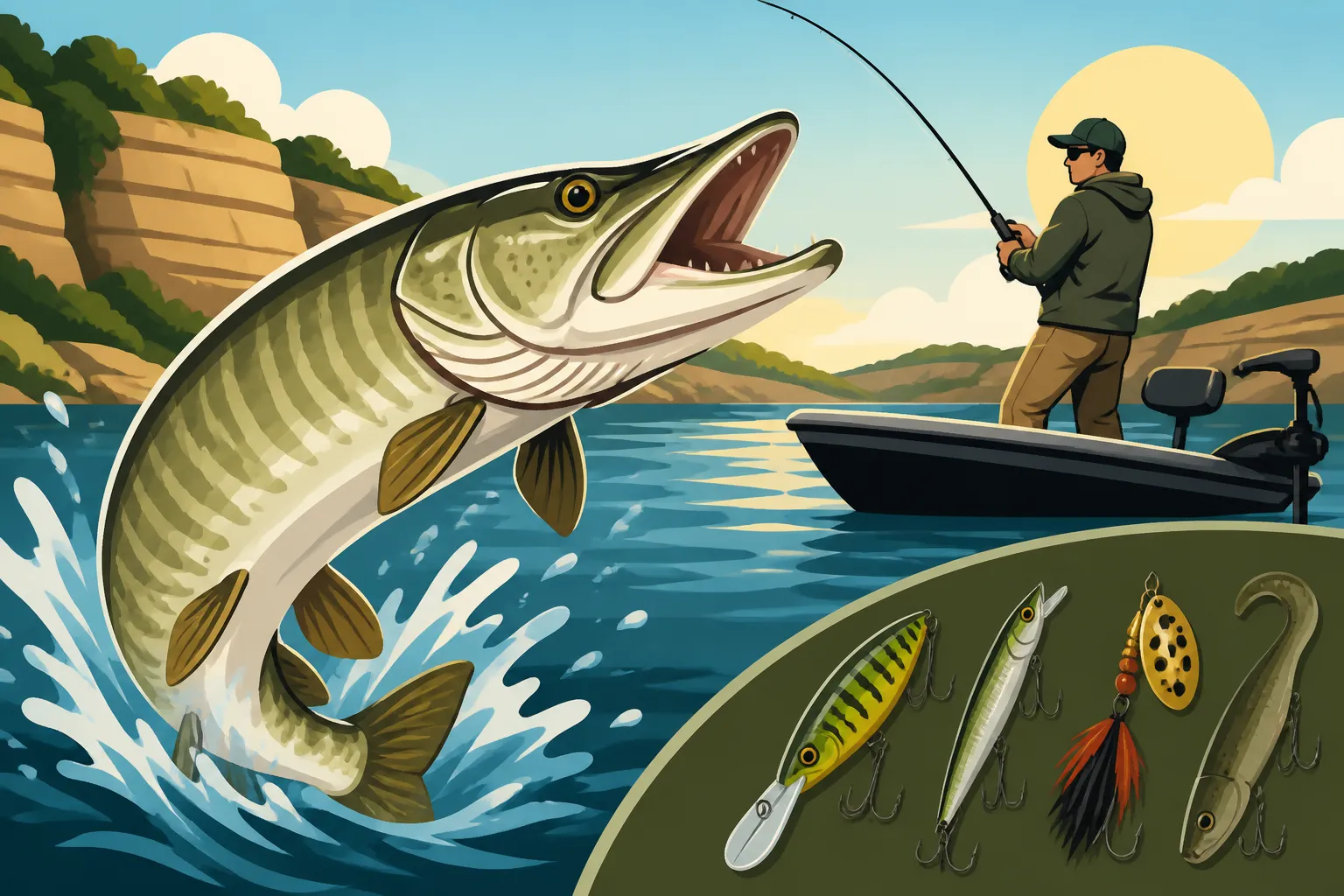
Merritt Reservoir Muskellunge Fishing Tips
Chasing muskellunge, often called "the fish of 10,000 casts," is a true test of patience, skill, and sheer determination. For anglers dreaming of that elusive toothy grin, Nebraska's Merritt Reservoir presents a unique and thrilling challenge. This guide dives deep into the specific strategies, gear, and local knowledge you'll need to increase your odds of landing a magnificent Muskie in the clear, sprawling waters of Merritt Reservoir.
Understanding Merritt Reservoir's Muskie Fishery
Merritt Reservoir, nestled deep within Nebraska's Sandhills, is a truly special place. It’s known for its incredibly clear water, a stark contrast to many other reservoirs, and its robust populations of various fish species, including the elusive Muskie. But don't let its beauty fool you; these waters can be tough to crack, especially when targeting a predator as wary as a Muskie.
The Unique Habitat of Merritt Muskie
Merritt's unique character stems from its spring-fed nature, which contributes to its exceptional water clarity. This means Muskie here are often sight-feeders and can be incredibly spooky. The reservoir boasts extensive weed beds, particularly in the shallower bays and along points, which serve as prime ambush points for these apex predators. You'll also find submerged timber, rock piles, and distinct drop-offs, all of which are critical areas to explore. Understanding the structure and how it relates to the Muskie's forage base – things like crappie and yellow perch – is paramount. These fish thrive in the abundant cover, and where the baitfish are, the Muskie won't be far behind.
The clear water also means that light penetration is significant, often pushing Muskie deeper during bright daylight hours or making them more active during low light conditions like dawn, dusk, or overcast days. Wind can also be your friend here, as a good chop on the water surface breaks up light penetration and can make Muskie more aggressive and less wary of your approach. Keep an eye on water temperatures as well, as Muskie are cold-blooded and their metabolism, and thus their feeding patterns, are heavily influenced by it.
Current Muskie Stocking and Regulations
The Muskie population in Merritt Reservoir isn't naturally reproducing; it's maintained through consistent stocking efforts by the Nebraska Game and Parks Commission. This ongoing program ensures a healthy and growing population for anglers to target. Because they are a trophy species and stocked at considerable effort and expense, the regulations surrounding Muskie are very specific and geared towards conservation. Anglers need to be acutely aware of the Nebraska Fishing Daily Bag and Possession Limits as well as the length limits, which are often quite generous to allow these fish to grow to truly impressive sizes. This focus on catch and release for most Muskie caught is vital for the long-term health of the fishery.
Before you even think about casting, make sure you've got your Nebraska Fishing License Guide sorted, and always check the latest regulations directly from the Nebraska Game and Parks Commission. These rules can change, and ignorance is never an excuse for a violation. The current regulations typically impose a very high minimum length limit, often in the high 40-inch range, meaning most Muskie you encounter will need to be released. This makes proper handling techniques absolutely critical.
Essential Gear for Merritt Muskie Fishing
Muskie fishing isn't for the faint of heart, or for light tackle. These are big, powerful fish with razor-sharp teeth, and if you're not equipped correctly, your battle will be over before it even begins. Investing in proper gear is not just about catching fish; it's about safely landing and releasing them.
Rods, Reels, and Line Built for Battle
When it comes to Muskie rods, you're looking for something that can handle heavy lures and powerful fish. Forget your bass rods; we're talking about heavy power, fast action rods, typically 8 to 10 feet long. Brands like St. Croix, G. Loomis, and Shimano offer excellent Muskie-specific rods that are designed to cast large baits all day and absorb the shock of a violent Muskie strike. The extra length helps with longer casts, particularly from a boat, and provides better leverage during a fight, especially when attempting that crucial "figure-eight" boat-side maneuver.
Pair these heavy rods with robust baitcasting reels. You'll want a low-profile reel with a high gear ratio (6.0:1 or higher) for quick retrieve, essential for keeping up with a charging Muskie and for working large baits effectively. Look for models with strong drag systems and plenty of line capacity. Abu Garcia Revo Toro Beast and Shimano Tranx are popular choices among serious Muskie anglers. For line, braided line is the only way to go. Its zero stretch allows for immediate hooksets and fantastic sensitivity. You'll need at least 80-pound test, with many anglers opting for 100-pound braid, especially when throwing larger baits or fishing in heavy cover. This heavy line is crucial to prevent break-offs from line abrasion against Muskie teeth or heavy structure.
Lures and Terminal Tackle to Entice the Beast
Muskie lures are a world unto themselves. They're big, they're bold, and they're designed to trigger aggressive strikes. For Merritt, you'll want a diverse selection. Bucktails are classic Muskie producers, with brands like Musky Mayhem Tackle and Livingston Lures offering various sizes and blade configurations. Double-bladed bucktails are often preferred for their increased flash and vibration. Large jerkbaits, like those from Salmo or Grandma Lures, are also highly effective, mimicking wounded baitfish with their erratic action. Glide baits, such as Hell Hounds or Water Wolf Lures, are fantastic for working over weed tops or through open water, offering a subtle, side-to-side glide. Topwater baits, from prop baits to walk-the-dog styles, can provide explosive strikes, especially during low-light conditions. Don't forget large soft plastics, like those from Bondy Bait Company, which can be worked slowly along the bottom or through cover.
| Lure Type | Best Conditions | Retrieval Style | Notes |
|---|---|---|---|
| Bucktails | All-around, especially windy or overcast days | Fast, steady retrieve; vary speed to create flash | Great for covering water, often a first choice. |
| Jerkbaits | Clear water, around structure, active fish | Jerk-pause retrieve; twitch and let suspend | Mimics wounded baitfish, effective when fish are somewhat lethargic. |
| Glide Baits | Over weed beds, open water, neutral fish | Smooth sweeps with pauses; side-to-side glide | Subtler action, good for finicky fish or clear water. |
| Topwaters | Low light, calm mornings/evenings, active fish | Walk-the-dog, chug, or retrieve steadily | Explosive strikes, visually exciting. |
| Large Soft Plastics | Deeper water, slow presentations, cold fronts | Slow roll, jigging, retrieve with pauses | Effective for inactive fish, can be fished at various depths. |
Crucially, you'll need sturdy terminal tackle. Heavy-duty snap swivels (at least 150-pound test) are necessary for quickly changing lures. Steel leaders, or heavy fluorocarbon leaders (100-200 pound test), are absolutely essential to prevent bite-offs from those sharp Muskie teeth. Never skimp on leader strength; a missed fish due to a cheap leader is a heartbreaking experience. You might also want to explore Best Lures for Nebraska Bass for some crossover ideas, but always remember to scale up significantly for Muskie.
Top Techniques for Catching Merritt Reservoir Muskie
Muskie fishing requires a specific approach. It's not just about casting and reeling; it's about strategy, observation, and knowing how to trigger that instinctual strike.
Mastering the Figure-Eight and Casting Patterns
The figure-eight maneuver is arguably the most critical technique in Muskie fishing, and it happens right at the boat. Many Muskie will follow a lure all the way back to the boat, inspecting it, but won't commit to a strike. This is where the figure-eight comes in. As your lure reaches the boat, instead of pulling it out of the water, plunge your rod tip into the water and draw a large figure-eight pattern alongside the boat, keeping the lure moving. This sudden change in direction and speed can often trigger a follow-up strike from a hesitant Muskie. It sounds simple, but perfecting it takes practice and quick reflexes. Don't stop at just one figure-eight; sometimes, it takes two or three passes before they commit.
When casting, focus on efficient coverage. Fan-cast an area thoroughly, hitting different depths and angles around structure like weed edges, points, and drop-offs. If you see a Muskie follow but not strike, try casting back to that same spot with a different lure, or change your retrieve speed. Sometimes a subtle alteration is all it takes. Pay close attention to current seams, wind-blown shorelines, and areas where baitfish are congregating. These are all high-percentage spots for an opportunistic Muskie. Don't be afraid to experiment with different retrieve speeds and lure actions until you find what the fish are responding to on a given day.
Trolling and Seasonal Adjustments
Trolling can be incredibly effective on large bodies of water like Merritt Reservoir, especially when targeting deeper Muskie or covering vast areas. Large crankbaits, swimbaits, and even large jointed plugs can be trolled at speeds ranging from 3 to 6 miles per hour, depending on the lure and water temperature. Using your fish finder to locate structure and baitfish is crucial here. Troll along contours, over submerged humps, and through weed lines. Multiple rods, with varying lure depths, can help you cover the water column and identify where the fish are holding. Remember to keep an eye on your speed, as subtle changes can often be the difference between a follow and a strike.
Seasonally, Muskie behavior changes significantly. In spring, after ice-out, they'll often be found in shallower, warmer bays and flats, recovering from spawning and feeding actively. This is a great time for bucktails and jerkbaits. As summer progresses, and water temperatures rise, Muskie might move to deeper, cooler water, often relating to main lake points, thermoclines, or deep weed edges. Trolling or slow-rolling large soft plastics becomes more effective. Fall is often considered prime Muskie time, as they feed aggressively to build fat reserves for winter. They can be found shallower again, especially on sunny days, but also relate to deep structure. This is when big bucktails and glide baits truly shine. Even in winter, if you're brave enough to ice fish, Muskie can be caught on large dead baits or aggressively jigged lures. If you're planning a trip, be sure to check out Nebraska Fishing Seasons Explained for a broader understanding of how fish behavior changes throughout the year.
Conservation and Best Practices for Muskie Anglers
Catching a Muskie is an achievement, but ensuring its survival after the catch is just as important, if not more so, especially in a stocked fishery like Merritt Reservoir. These fish are valuable resources, and proper handling is essential.
Responsible Catch and Release
Because of the trophy nature and stocking efforts, nearly all Muskie caught in Nebraska's Merritt Reservoir are intended for catch and release. This means having the right tools and knowing how to use them safely is non-negotiable. A large, rubberized landing net is critical. Rubberized nets are much gentler on the fish's slime coat and fins than traditional nylon nets, reducing injury. You'll also need long-nosed pliers or a jaw spreader to safely remove hooks from their toothy mouths. Cutters or bolt cutters are also recommended to snip hooks if they are deeply embedded, rather than trying to rip them out.
When you land a Muskie, try to keep it in the water as much as possible. Minimize its time out of the water, especially during warmer months. Support the fish horizontally with two hands – one under the belly, one grasping the base of the tail – never vertically by the gills or jaw alone. If you want a photo, get it quickly and release the fish promptly. Many Muskie anglers use an unhooking mat or cradle in the water to manage the fish more gently. Understanding How to Release a Fish Safely to Survive is crucial for the future of the Muskie fishery.
Safety First: For Angler and Fish
Muskie fishing isn't just tough on your gear; it can be tough on you! Those sharp teeth are designed to tear flesh, and a thrashing Muskie can easily cause injury if you're not careful. Always use appropriate tools for hook removal and keep your fingers clear. A sturdy pair of cut-resistant gloves can also offer extra protection when handling these fish.
Beyond personal safety, be mindful of the fishing environment. Merritt Reservoir is a beautiful, natural area. Practice Leave No Trace principles, picking up all your trash and being respectful of other anglers and wildlife. If you're fishing from a boat, ensure all your Nebraska Boat Registration and Equipment Requirements are met, and always prioritize safety on the water. Check weather forecasts, especially for wind, as conditions on large reservoirs can change quickly. If you're looking to explore the area with a guide, using platforms like FishingBooker can help you find experienced captains who not only know the water but also prioritize safety and conservation, ensuring a memorable and responsible trip. Many local experts listed on FishingBooker specialize in specific species like Muskie, providing invaluable insights for beginners and seasoned anglers alike.
Ultimately, Muskie fishing at Merritt Reservoir is an experience. It’s about the hunt, the beauty of the Sandhills, and the challenge of outsmarting one of freshwater's most formidable predators. With the right preparation, respect for the resource, and a healthy dose of persistence, your "fish of 10,000 casts" might just become a reality. If you're serious about finding a quality guide to help you navigate these waters, a quick search on FishingBooker can connect you with local experts who can dramatically increase your chances of success. These guides often have specialized equipment and years of experience targeting Merritt's Muskie population, providing an invaluable advantage.
Disclaimer
The information provided in this guide is for general informational purposes only and is subject to change. Always consult the official Nebraska Game and Parks Commission regulations before fishing to ensure compliance with current laws and bag limits. Fishing involves inherent risks; always prioritize safety on the water.