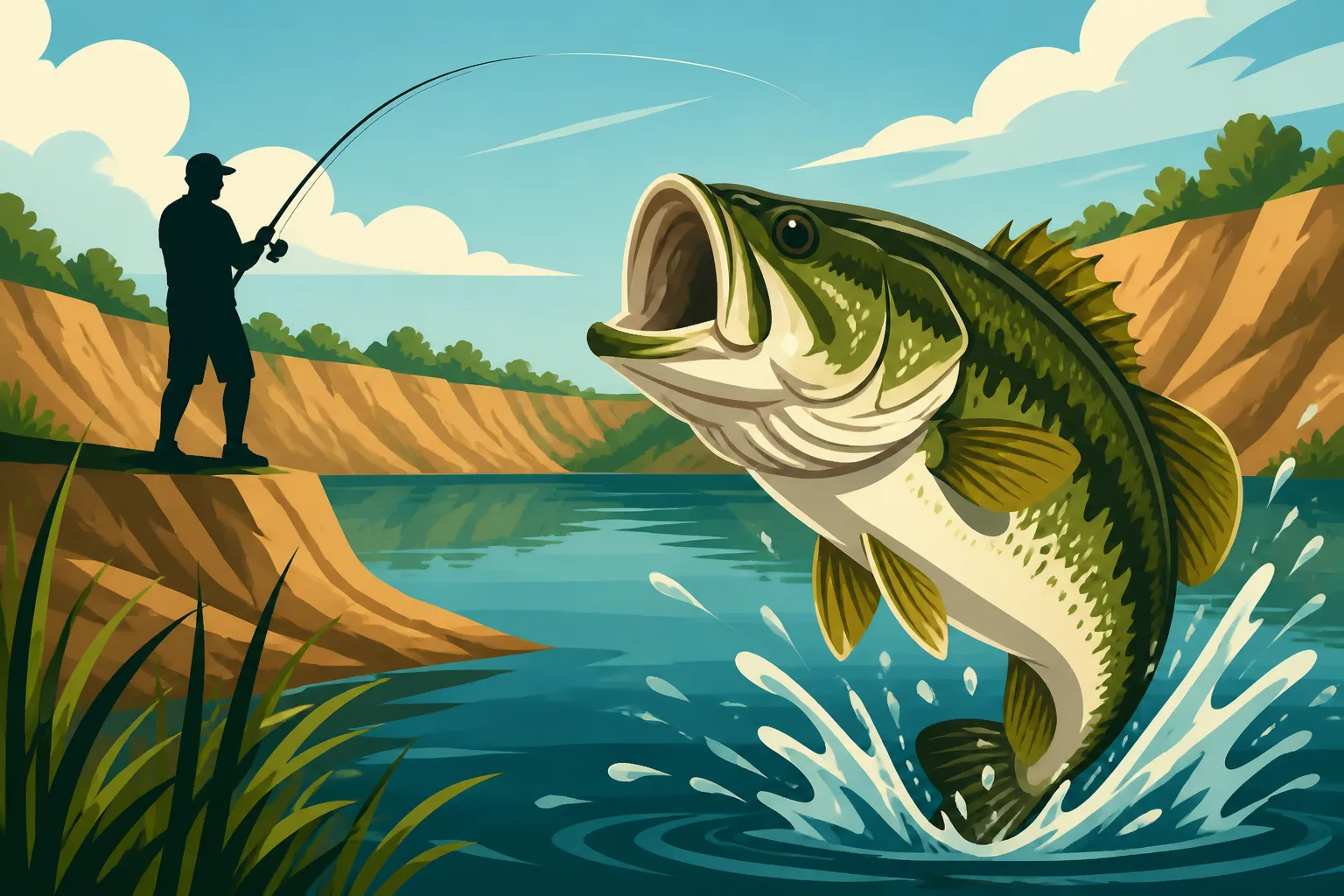
Fremont Lakes Bass Fishing in the Old Sand Pits
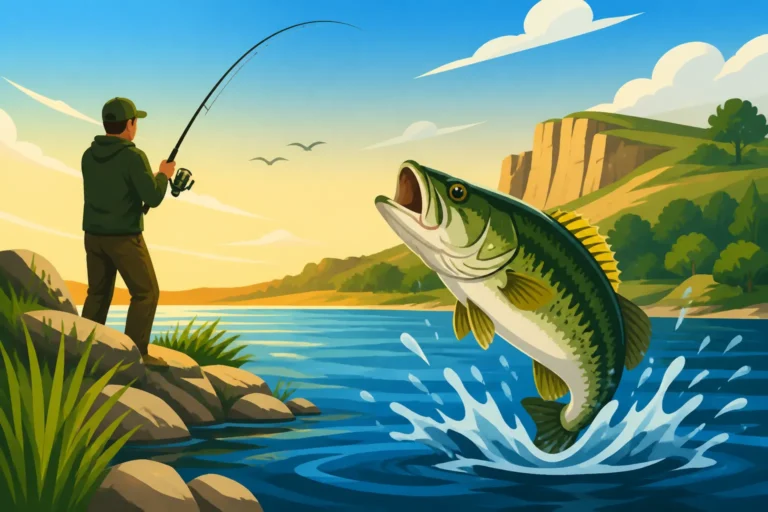
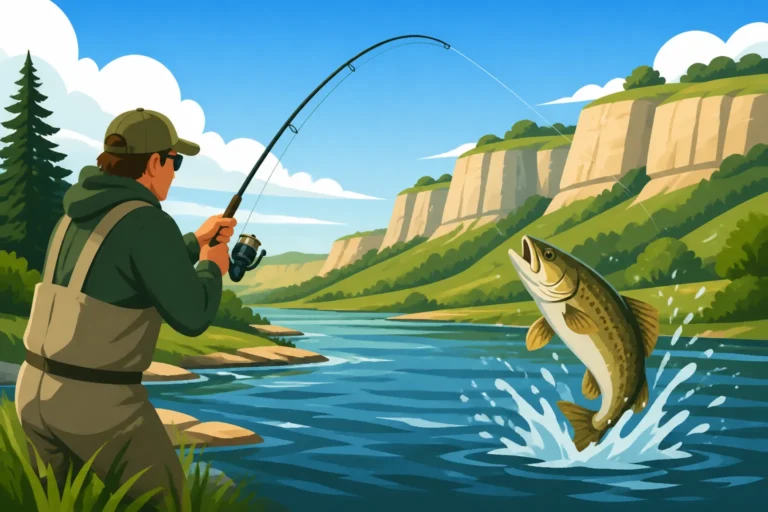
Fishing for bass in Nebraska can be an incredibly rewarding experience, but for many anglers, the unique challenge of targeting largemouth bass in the old sand pits around Fremont Lakes presents a whole new puzzle. These aren't your typical murky reservoirs; the clear, often deep waters and distinct underwater structure demand a different approach. This guide will dive deep into everything you need to know to successfully tackle Fremont Lakes, helping you unlock the secrets to landing some impressive bucketmouths.
The Unique Appeal of Fremont Lakes Sand Pits for Bass
If you've ever fished Nebraska's larger, often turbid reservoirs, stepping into the world of Fremont Lakes is like entering a completely different aquatic ecosystem. These aren't natural lakes, but rather a collection of old gravel and sand mining pits, now filled with water and managed by the Nebraska Game and Parks Commission as part of the Fremont Lakes State Recreation Area. This unique origin story gives them a character all their own, making them prime real estate for savvy bass anglers willing to learn their secrets.
Why Fremont's Sand Pits Stand Out
The geological history of the Fremont Lakes region, with its extensive sand and gravel operations along the Platte River valley, has left behind a series of interconnected and isolated pits. What makes these particular bodies of water so special for bass fishing? First and foremost is the incredible water clarity. Unlike many of Nebraska's prairie reservoirs, which can be prone to siltation and agricultural runoff, the sand pits often boast exceptional visibility. This crystal-clear water, while beautiful, completely changes how bass behave and how anglers need to approach them. Bass in clear water are often warier, relying more on sight and natural cover, and they're less forgiving of sloppy presentations or unnatural-looking baits.
Beyond clarity, the structure in these old sand pits is distinct. You'll find sharp drop-offs, often plunging quickly from shallow shoreline into significant depths. These steep contours create excellent ambush points for bass. Many pits also feature a variety of submerged vegetation, from sparse grass beds to dense lily pads and emergent reeds, providing crucial cover and foraging areas. Additionally, the remnants of old mining operations, like submerged roads or piles of discarded material, can create unique, often overlooked, artificial structures that hold fish. It’s a diverse underwater landscape, and understanding these nuances is key to finding consistent success.
Understanding Bass Behavior in Sand Pit Environments
Bass in clear sand pit waters operate differently than their counterparts in murkier environments. Their senses are heightened, and they often relate more directly to hard structure and definitive cover. In the shallower, sunnier areas, they'll seek shade and ambush points within vegetation or under docks. As the sun climbs higher or during colder months, they'll retreat to those abrupt drop-offs or deeper humps, suspending over structure or hunkering down in thick weeds. This makes understanding their seasonal movements and preferred depths absolutely critical.
During the spring, as water temperatures rise, bass will move into the shallower bays and protected areas to spawn. This is a time when sight fishing can be effective in the clear water, though it requires careful, quiet approaches. As summer progresses and water temperatures peak, bass often transition to deeper water, seeking cooler temperatures and stable oxygen levels. They'll relate to offshore humps, deep weed lines, or the base of steep ledges. Come fall, as temperatures cool again, bass will feed aggressively in both shallow and deep zones, trying to pack on weight before winter. The clear water here means that subtle changes in presentation, line visibility, and lure choice become paramount. Ignoring these details can lead to a frustrating day with few bites, so adapting your approach to their behavior in these unique conditions is essential.
Essential Gear and Techniques for Fremont Lakes Bass
Successfully fishing for bass in Fremont Lakes' old sand pits isn't just about showing up; it's about having the right tools and knowing how to use them in these specific clear-water, varied-structure conditions. What works in a muddy farm pond or a big, choppy reservoir might not cut it here. You need to think about stealth, presentation, and versatility.
Rods, Reels, and Line for Sand Pit Bass
When it comes to tackle, versatility is your friend at Fremont Lakes. You'll likely encounter situations that call for both power and finesse. For heavier cover like lily pads, dense coontail, or submerged brush, a medium-heavy to heavy power casting rod, around 7' to 7'6" in length, paired with a high-speed baitcasting reel (7.1:1 or higher gear ratio) is ideal. This setup provides the backbone to pull fish out of thick stuff and quickly retrieve slack line. Spool this reel with 30-50 lb braided line for maximum strength and sensitivity. The lack of stretch in braid also helps with solid hooksets.
However, for targeting bass in open, clear water, especially around sparse weeds, docks, or deep ledges, finesse techniques are often superior. Here, a medium-light to medium power spinning rod, 6'6" to 7' in length, with a sensitive tip, coupled with a smaller spinning reel, is the ticket. Fill this reel with 6-10 lb fluorocarbon line. Fluorocarbon is nearly invisible underwater, which is a huge advantage in clear sand pit waters, and its low stretch offers good sensitivity. Alternatively, you can use 8-15 lb braided line with a 6-10 lb fluorocarbon leader for even greater casting distance and feel, especially when throwing lighter baits. Having a few different setups ready will allow you to quickly adapt to changing conditions and target presentations. Remember, in clear water, line visibility can be a game changer, so fluorocarbon leaders are often a must. For more general advice on what to bring, consider checking out our guide on Best Rods and Reels for Nebraska Fishing.
Lures and Baits That Dominate the Sand Pits
The clear water of Fremont's sand pits often dictates lure selection and color. Natural, subtle presentations tend to outshine flashy, aggressive ones. Here’s a breakdown of some go-to options:
- Soft Plastics: These are arguably the most versatile baits for sand pit bass. Wacky-rigged or Texas-rigged Senkos, finesse worms on shaky heads, and creature baits (like Brush Hogs or Speed Worms) are highly effective. For clear water, stick to natural colors like green pumpkin, watermelon seed, or black and blue. You can pitch them into sparse cover, cast them along weed lines, or drag them slowly on deep points.
- Jigs: Both casting jigs (1/4 to 1/2 oz) and football jigs are fantastic for imitating crawfish, a primary forage in many Nebraska waters. Pair them with a matching soft plastic trailer in brown, green pumpkin, or black and blue. Jigs are excellent for probing deeper structure, pitching under docks, or working through submerged timber.
- Crankbaits: Medium-diving crankbaits (diving 6-12 feet) in natural baitfish patterns (shad, bluegill) can be deadly when retrieved parallel to weed lines or along sloping banks. Squarebill crankbaits are great for deflecting off cover in shallower areas. In very clear water, choose lures with more subtle rattles or silent versions.
- Topwater Lures: During low light conditions (dawn, dusk, cloudy days) or over extensive shallow vegetation, topwater baits like hollow-body frogs, poppers, or walking baits can produce explosive strikes. Again, natural colors are often best, though some bright chartreuse or white can work in specific situations.
- Spinnerbaits and Bladed Jigs: While perhaps not as subtle as soft plastics, a well-placed spinnerbait or bladed jig (like a Chatterbait) in natural colors can entice aggressive bites, especially when worked around the edges of cover or through sparse weeds. These are great for covering water and finding active fish.
Experimentation is key, but starting with natural colors and presentations that mimic the forage (bluegill, shad, crawfish) found in the sand pits will put you on the right track. For more specific lure recommendations, refer to our comprehensive guide on Best Lures for Nebraska Bass.
Mastering Techniques for Different Structures
The varied underwater topography of Fremont Lakes demands a dynamic approach. You can't just throw the same bait in the same way everywhere. Success often hinges on your ability to read the water and adapt your technique to the specific structure you're targeting.
When fishing weed lines, whether they're submerged coontail or emergent lily pads, focus on the edges and pockets. Bass will often ambush prey from within the cover, so presenting your bait just outside or directly into small openings is effective. Texas-rigged worms or creature baits, weightless Senkos, or hollow-body frogs skipped into dense mats are excellent choices. For docks, try pitching jigs or soft plastics as far under the structure as possible, letting them slowly fall. Bass love the shade and cover that docks provide.
Submerged timber, which can be old trees or remnants from mining, also acts as a magnet for bass. Flipping and pitching jigs or stout Texas-rigged creature baits directly into the thickest parts of the timber can yield big fish, but be prepared for snags. For the deep points and humps that often characterize these sand pits, a slow, methodical approach is usually best. Dragging football jigs, drop-shotting finesse worms, or slow-rolling a deep-diving crankbait along the contours can be highly effective. The clear water here also means you need to be stealthy – keep your distance from the target, make quiet casts, and avoid loud noises in the boat that could spook wary fish. Precision and patience are virtues when bass fishing these challenging but rewarding waters.
Navigating Fremont Lakes: Access and Strategy
Fremont Lakes State Recreation Area is a sprawling complex of many individual pits, each with its own characteristics and access points. It's not just one big lake, but a collection, which means understanding where you can go and how to plan your day is crucial for a successful bass fishing trip.
Public Access Points and Launching Your Boat or Kayak
The Fremont Lakes SRA offers numerous public access points, boat ramps, and shoreline fishing opportunities. Many of the larger, more popular lakes like Lake #20, Lake #5, and Lake #6, have paved boat ramps suitable for launching bass boats and larger fishing vessels. Lake #20, for instance, is one of the deeper pits and is known for holding good numbers of quality bass, especially around its distinct drop-offs and scattered cover. Lake #5, while also deep in parts, has more developed shoreline access and can be great for bank anglers or those launching kayaks.
For kayak anglers, nearly any pit can be accessed, often from smaller gravel ramps or even by carrying your kayak to the water's edge. Best Kayaks for Nebraska Fishing provides more details on choosing the right craft. Smaller, less accessible pits might require a bit more legwork but can often yield less pressured fish. Before heading out, it's always a good idea to check the Nebraska Game and Parks Commission website for the latest information on specific lake conditions, ramp status, and any temporary closures. If you're new to the area or want to hit the ground running, consider hiring a local guide who knows the specific pits inside and out. Services like FishingBooker can connect you with experienced Nebraska fishing guides who specialize in bass fishing these unique sand pit environments, giving you a huge advantage in learning the local nuances and hot spots.
Best Times and Conditions for Success
Timing is everything when bass fishing, especially in the clear waters of Fremont Lakes. The changing seasons bring distinct patterns and optimal conditions.
- Spring (April-May): This is often a fantastic time as bass move shallow for the spawn. Look for them in protected bays, coves, and areas with emerging vegetation. Water temperatures in the 55-65°F range are ideal. Flipping jigs and soft plastics into shallow cover, or throwing spinnerbaits and crankbaits along the edges, can be very productive. Early morning and late evening are prime times, but even midday can be good if you find active bedding fish.
- Summer (June-August): As the water heats up, bass will often retreat to deeper, cooler water. Target deep weed lines (10-20 feet), offshore humps, and submerged timber. Early morning and late evening topwater bites can be incredible, but during the heat of the day, focus on slower, deeper presentations like drop-shots, shaky heads, or deep-diving crankbaits. Best Time of Day to Catch Bass in Hot Weather will offer strategies for dealing with those scorching Nebraska afternoons.
- Fall (September-October): The cooling water revitalizes bass, sending them on a feeding frenzy. They'll be found both shallow and deep, often following baitfish schools. This is a great time to cover water with crankbaits, spinnerbaits, and bladed jigs, but don't overlook jigs and soft plastics on deeper structure. Fishing can be excellent all day long, especially on cloudy, overcast days.
Beyond the seasons, pay attention to weather and wind. Overcast days with a light chop on the water can be ideal, as the cloud cover reduces light penetration, making bass less wary, and the chop breaks up the surface, obscuring your presence. Strong winds, however, can make boat control difficult and muddy up shallower areas. Always check the forecast and adapt your plans accordingly. Getting a Nebraska Annual Fishing Permit beforehand means you're always ready to hit the water when conditions are prime!
Comparative Guide to Fremont Lakes Sand Pits for Bass Fishing
To help you plan your next trip, here’s a quick overview of some popular pits within the Fremont Lakes SRA and what makes them unique for bass fishing. Remember, conditions can change, so always scout ahead or consult local reports.
| Lake Number | Primary Features for Bass | Average Depth (approx.) | Key Techniques | Best Season(s) | Notes |
|---|---|---|---|---|---|
| Lake #20 | Steep drop-offs, deep weed lines, varied bottom contour | 20-30 ft (up to 40 ft) | Drop-shot, football jigs, deep crankbaits, Carolina rig | Summer, Fall | Known for quality largemouth; good for boat/kayak fishing. |
| Lake #5 | Mixed depths, good shoreline vegetation, some docks | 10-25 ft | Texas-rig, wacky rig, shallow crankbaits, spinnerbaits | Spring, Summer (early/late) | Popular for shore anglers and kayaks; good cover. |
| Lake #6 | Deeper sections, moderate vegetation, clearer water | 15-30 ft | Finesse jigs, swimbaits, jerkbaits, topwater (low light) | All seasons | Often very clear; challenging but rewarding. |
| Lake #8 | Shallower overall, extensive lily pads, emergent vegetation | 8-15 ft | Frogs, Texas-rig, buzzbaits | Spring, Summer | Excellent for shallow water power fishing. |
| Lake #15 (Louisville) | Connects to Platte River; diverse structure | Varies greatly | River techniques, jigs, crankbaits | Spring, Fall | Closer to Louisville SRA, but shares similar pit characteristics. |
(Note: "Lake #15 (Louisville)" refers to one of the pits near the Louisville SRA, which is part of the broader Platte River sand pit complex and shares similar features with Fremont Lakes.)
Remember that this table is a general guide, and specific conditions like water levels, recent stocking efforts, or angler pressure can influence success. A great strategy is to pick one or two pits and really learn their characteristics. For example, if you're looking for Best Nebraska Lakes for Walleye, Lake McConaughy would be a better choice, but if you're set on big bass, focusing on these sand pits is key.
Understanding the unique characteristics of each sand pit within the Fremont Lakes system is truly half the battle. Whether you're fishing from a boat, a kayak, or the bank, having a plan based on the pit's depth, cover, and the current season will put you miles ahead of the competition. If you’re ever unsure or just want to learn from the best, local guides found through platforms like FishingBooker are an invaluable resource, often providing real-time insights and techniques perfectly suited for these specific Nebraska waters. Don't forget to review the Nebraska Fishing License Guide to ensure you're compliant with all state regulations before casting your line.
Disclaimer
The information provided in this guide is for general informational purposes only and is subject to change. Always consult the official Nebraska Game and Parks Commission regulations before fishing, as rules and conditions can vary seasonally and by specific location. Fishing inherently carries risks; exercise caution and prioritize safety.