Fremont Lakes Trout Fishing in Winter
Winter trout fishing at Fremont Lakes can feel like you're trying to solve a riddle wrapped in an enigma, especially when the mercury drops and ice covers the water. Many anglers get frustrated trying to pinpoint these elusive, cold-water beauties, often ending up with more shivers than bites. This comprehensive guide is here to cut through the confusion, offering you proven strategies, essential gear advice, and insider tips to turn your winter trout outing at Fremont Lakes into a truly rewarding experience, no matter the conditions.
Understanding Fremont Lakes' Winter Trout Fishery
The Fremont Lakes State Recreation Area, nestled near the city of Fremont, is a popular destination for anglers, and for good reason. It’s a diverse complex of sandpit lakes, each with its own character, making it a fantastic spot for a variety of species. But when winter rolls around, the focus for many shifts directly to trout, particularly rainbow trout, which are regularly stocked here. Understanding the unique aspects of this winter fishery is your first step toward success.
The Specifics of Fremont Lakes for Winter Trout Stocking
Not all of the numerous sandpit lakes at Fremont are created equal when it comes to trout. The Nebraska Game and Parks Commission (NGPC) specifically stocks certain lakes within the complex to create these winter trout opportunities. Historically, lakes such as Lake #2, Lake #5, Lake #8, and Lake #20 have been key players in the winter trout stocking program. These lakes often have good access and are managed for cold-water species, benefiting from deeper pockets that can hold colder, oxygen-rich water even under a layer of ice. These stocking efforts are crucial, as Nebraska trout populations largely rely on these programs, especially in warmer-water environments like sandpits, rather than natural reproduction. Knowing which lakes have received a recent boost of trout through stocking can significantly increase your chances of finding them. Keep an eye on the NGPC's stocking reports, usually released a few days before fish hit the water, to plan your trip effectively. Also, remember to review the general Nebraska Fishing Regulations Explained for any specific rules pertaining to these stocked waters.
Winter Trout Behavior and Habitat Under the Ice
Trout, like most fish, become less active in the frigid winter months. Their metabolism slows down significantly, meaning they don't need to feed as aggressively or as often as they do in warmer water. However, they still need to eat, and understanding where they'll be is paramount. Under the ice, trout will often suspend in the water column rather than hugging the bottom. They're looking for stable water temperatures, which can sometimes be found slightly deeper, but they'll also follow subtle changes in oxygen levels or baitfish movements. Structure plays a role too, though perhaps less dramatically than in open water. Look for areas where the lake bottom drops off sharply, or near any submerged cover like old weed beds (though these might be sparse in winter). These spots provide ambush points and a sense of security for the fish. Trout in sandpit lakes are often targeting smaller invertebrates, insect larvae, and tiny baitfish, so your presentations need to mimic these subtle offerings. If you're wondering about other trout opportunities in the state, you might find it helpful to compare this to what's available at Merritt Reservoir Trout Fishing, which presents different challenges and rewards.
Essential Gear and Techniques for Ice Fishing Trout
Hitting the ice for trout without the right tools and know-how is like trying to build a campfire with wet matches – frustrating and often fruitless. Successful winter trout anglers are meticulous about their gear and precise with their techniques. Let's dive into what you'll need and how to use it to entice those finicky winter trout.
Rods, Reels, and Line for Delicate Presentations
When targeting trout through the ice, subtlety is your best friend. This means opting for light-action ice rods, typically 24 to 30 inches long. These shorter rods offer greater sensitivity to detect the often-light bites of lethargic trout and provide excellent control for jigging small lures. Pair your rod with a small, ultralight spinning reel – something in the 500 to 1000 series. A smooth drag is vital, as trout can make unexpected runs, even in cold water.
For line, don't go heavy. Two to four-pound test monofilament or fluorocarbon is ideal. Monofilament offers a bit of stretch, which can act as a shock absorber for aggressive strikes and makes it a bit more forgiving. Fluorocarbon, on the other hand, is nearly invisible underwater, has less stretch for increased sensitivity, and sinks faster, which can be advantageous. Some anglers even use a braided main line with a short fluorocarbon leader for maximum sensitivity and strength, but ensure your knots are solid. The key is thin, low-visibility line that won't deter a wary trout. Having the right setup can make a huge difference, so check out Best Ice Fishing Rods and Reels for more specific recommendations.
Baits and Lures That Tempt Cold-Water Trout
Winter trout have a smaller appetite, so presentations need to be enticing and easy targets. Small jigs are incredibly effective. Think tiny tungsten jigs (1/32 to 1/16 ounce) in bright colors like chartreuse, orange, or pink, or natural colors like black and white. These tungsten jigs are denser than lead, meaning they sink faster and give you a better feel for the bottom and for light bites, even in windy conditions. Teardrop jigs, often tipped with live bait, are also excellent.
Micro spoons, like slender vertical jigs or small Kastmasters, can also be deadly. A slow, subtle jigging action makes them shimmer and flash, mimicking a dying baitfish. When it comes to live bait, it's hard to beat wax worms, mealworms, or small shiners or fathead minnows. Tip your jig with one or two wax worms, or try a minnow on a plain hook under a slip bobber. The natural scent and movement can be irresistible. PowerBait, especially trout-specific varieties in various colors and scents, can also be very effective, especially fished off the bottom on a small treble hook or a simple bait rig.
Mastering the Art of Presentation and Technique
Once you have your gear, the way you present your offering is critical. Winter trout are rarely aggressive chasers. A slow, subtle approach is key.
- Slow Jigging: Drop your jig or spoon to the desired depth. Give it a tiny twitch, maybe a half-inch to an inch, then let it sit still for several seconds. Repeat. The pauses are often when the fish will strike. Pay extremely close attention to your line; a slight twitch, hesitation, or even your line going slack might indicate a bite.
- Dead Sticking: This involves simply leaving a bait (usually live bait or PowerBait) perfectly still at a specific depth. Often, anglers will set up multiple holes if regulations allow, actively jigging one and "dead sticking" another. Use a sensitive spring bobber or an ultra-light float to detect the lightest take.
- Depth Control: Trout at Fremont Lakes in winter often suspend anywhere from a few feet off the bottom to mid-depth, or even surprisingly shallow on overcast days. Experiment with different depths until you find where the fish are holding. A quality fish finder, even a small portable one, can be invaluable here. Don't be afraid to adjust your depth frequently until you find the strike zone. If you're new to ice fishing, learning How to Ice Fish in Nebraska comprehensively can give you a significant advantage.
Finding the Hot Spots and Reading the Ice at Fremont Lakes
Success in winter trout fishing isn't just about what you use, but where you use it. Fremont Lakes, with its numerous pits, offers a maze of opportunities, but knowing where to focus your efforts and, more importantly, how to stay safe, is paramount.
Key Structures and Depths to Target for Trout
Fremont Lakes are essentially sand and gravel pits, which means they often have relatively uniform, bowl-shaped bottoms with some distinct features. For winter trout, look for:
- Drop-offs: These are always fish magnets. Trout will cruise along these depth transitions, looking for food or feeling more secure in deeper water while having access to shallower feeding grounds. Use a depth finder to locate sudden changes in contour.
- Submerged Humps and Points: Any underwater topographical feature that stands out from the main basin can concentrate fish. These act as structure in an otherwise featureless environment.
- Areas near Inlets/Outlets (if applicable and safe): If there’s any slight current or incoming water from a culvert or another pond, these areas can concentrate oxygen and attract baitfish, which in turn attracts trout. However, exercise extreme caution around any flowing water on the ice, as it can create dangerously thin spots.
- Deep Water Access Points: Look for areas where the lake reaches its deepest points, often towards the middle of the pit. Trout might suspend here in stable temperatures.
- Known Stocking Locations: Often, trout are stocked near boat ramps or accessible shorelines. While they disperse, these areas can hold fish for a while, especially immediately after a stocking event.
Remember, the trout in Fremont Lakes are stocked fish, and while they adapt, they often stick to habits they learned in hatchery environments or simply follow baitfish. Don't be afraid to drill multiple holes and systematically search an area. If you’re really struggling to locate fish, you might consider booking a trip with a local expert through platforms like FishingBooker, where seasoned guides often have real-time knowledge of specific lake conditions and fish movements.
Ice Safety: The Non-Negotiable Rule for Winter Angling
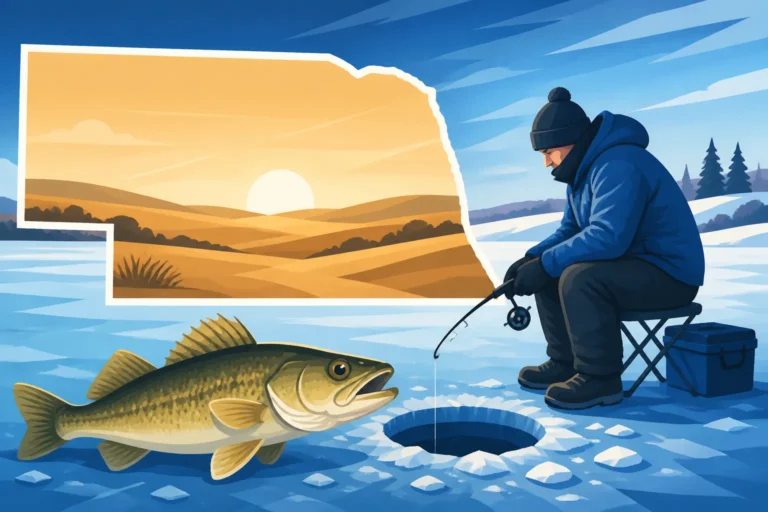
This cannot be stressed enough: ice safety is paramount. The sandpit lakes at Fremont can freeze and thaw unevenly, and ice conditions can change rapidly. Always assume the ice is unsafe until you have personally verified its thickness and integrity.
- Minimum Ice Thickness: A good rule of thumb for safe ice fishing is at least 4 inches of clear, solid ice for foot travel. For snowmobiles, you need 5-7 inches, and for a car or truck, 8-12 inches (though driving on Fremont Lakes ice is generally discouraged and often prohibited). Even these are minimums, and more is always better. For detailed guidance, check out How Thick Ice Needs to Be to Fish Safely in Nebraska.
- Check as You Go: Use a spud bar or ice auger to check ice thickness every few steps, especially when moving onto a new area. Don't rely solely on tracks from others.
- Never Fish Alone: Always bring a buddy. If an accident occurs, having someone with you can be life-saving.
- Safety Gear: Carry ice picks around your neck (for self-rescue), a throw rope, and always wear a life jacket or flotation suit, even if you feel confident in the ice.
- Avoid Dangerous Areas: Steer clear of areas with current, pressure ridges (cracks where ice pushes up), discolored ice (darker ice can be weaker), or areas around docks and inlets.
- Dress for Success: Wear layers, including a waterproof outer layer. Hypothermia is a serious risk if you fall through. What to Wear Ice Fishing in Nebraska offers excellent advice on staying warm and safe.
The Nebraska Game and Parks Commission does not monitor ice conditions, so it's entirely up to you to ensure your own safety. If you're ever in doubt, stay off the ice. There's always another day to fish.
Winter Trout Fishing Beyond the Ice at Fremont Lakes
While ice fishing dominates the winter narrative for trout at Fremont Lakes, it's not the only story. Mild winters, early season, and late season periods can offer exciting open-water opportunities. Plus, knowing the regulations and how to plan for a successful outing is crucial regardless of the ice conditions.
Open Water Opportunities During Mild Winters and Early/Late Ice
Not every winter in Nebraska sees prolonged, stable ice cover. Sometimes, we get stretches of mild weather that can create open water even in January or February. In these scenarios, or during the early and late periods of the ice fishing season when ice is forming or receding, traditional casting techniques can still be very productive for trout.
When fishing open water for winter trout:
- Focus on Deeper Areas: Trout will still gravitate towards deeper, more stable water, but they might move into shallower feeding flats during warmer parts of the day, especially if there's cloud cover.
- Small Lures: Continue using small, subtle lures. Inline spinners (Mepps, Panther Martin), small casting spoons (Kastmaster, Little Cleo), and tiny crankbaits can be very effective. Work them slowly, mimicking a stunned or struggling baitfish.
- Float Fishing: A small bobber rig with a jig or live bait (like a minnow or wax worm) can be incredibly effective, allowing your bait to suspend naturally in the strike zone without needing to retrieve.
- Patience is Key: Just like ice fishing, slow retrieves and long pauses are often the ticket. Trout are still metabolically slower, so they're less likely to chase down a fast-moving lure.
Shoreline access at Fremont Lakes is generally good, making these open-water opportunities accessible without a boat. Always be mindful of any remaining ice shelves, as these can be unstable.
Planning for a Successful Winter Trout Trip
A well-planned trip increases your enjoyment and your chances of catching fish. Beyond the gear and techniques, there are a few other considerations:
- Check Regulations: Before heading out, always consult the current Nebraska Fishing License Guide and specific Nebraska Fishing Regulations Explained. Pay close attention to daily bag and possession limits for trout, and whether a Nebraska Trout Stamp Requirements is needed in addition to your general license. Regulations can change, so always verify the latest information.
- Weather Monitoring: Winter weather in Nebraska can be unpredictable. Check the forecast regularly for temperature, wind chill, and precipitation. A sudden cold snap or heavy snowfall can drastically impact conditions and fish behavior.
- Bring Warm Drinks and Snacks: Staying hydrated and fueled is crucial for comfort and safety in cold weather. A thermos of hot coffee, cocoa, or soup can make a huge difference in morale.
- Know When to Go: Often, the best winter trout fishing can be found shortly after stocking, or during stable weather patterns. Avoid fishing immediately after a major cold front, as fish tend to become even more lethargic. Often, cloudy, overcast days can be more productive than bright, sunny ones.
- Consider a Guide: If you're completely new to ice fishing or winter trout, sometimes the best way to learn is from an expert. Platforms like FishingBooker can help you find local guides specializing in winter fishing at Fremont Lakes who can provide gear, safety tips, and put you on fish. This can save you a lot of trial and error!
By taking these steps, you'll be well on your way to a comfortable, safe, and successful winter trout fishing adventure at Fremont Lakes.
Here's a quick reference table for your essential winter trout gear:
| Item | Description | Why It's Essential |
|---|---|---|
| Ice Rod | Ultralight to Light action, 24-30 inches | Detects subtle bites, precise jigging control |
| Spinning Reel | Ultralight (500-1000 series) with smooth drag | Handles trout runs, light line compatibility |
| Fishing Line | 2-4 lb test monofilament or fluorocarbon (or braid with fluoro leader) | Low visibility, high sensitivity for light bites |
| Tungsten Jigs | 1/32 – 1/16 oz, various colors (chartreuse, pink, natural) | Sinks fast, high sensitivity, small profile for finicky fish |
| Micro Spoons | Small vertical jigs, Kastmasters, Little Cleos | Flash and shimmer attract lethargic trout, mimics baitfish |
| Live Bait | Wax worms, mealworms, small minnows (shiners/fatheads) | Natural scent and movement are highly effective |
| PowerBait | Trout-specific dough bait, various colors | Strong scent, easy to fish off the bottom |
| Spring Bobber/Float | Sensitive indicators for light bites | Essential for detecting the subtlest strikes |
| Ice Auger | Hand, electric, or gas powered | Creates access to the fish, allows for exploration |
| Spud Bar | Heavy metal bar with a chisel point | Crucial for testing ice thickness and safety |
| Ice Picks | Worn around the neck, for self-rescue | Life-saving tool in case of falling through ice |
| Layered Clothing | Thermal base, fleece mid-layers, waterproof/windproof outer shell | Prevents hypothermia, allows for temperature regulation |
| Warm Boots & Gloves | Insulated, waterproof boots and gloves | Keeps extremities warm, prevents frostbite |
| Thermos | Hot beverages or soup | Stays hydrated and warm, boosts morale |
| Fish Finder (Optional) | Portable flasher or small sonar unit | Locates fish, identifies depth, helps find structure |
Disclaimer
The information provided in this guide is for general informational purposes only. Fishing regulations, ice conditions, and fish stocking schedules can change frequently. Always consult the official Nebraska Game and Parks Commission website or local authorities for the most up-to-date rules, regulations, and safety advisories before planning any fishing trip. Your safety is your responsibility.