Zorinsky Lake Catfish Fishing
Finding a great catfish spot can sometimes feel like chasing a ghost, especially when you're targeting a specific species in an urban lake. You hear whispers about Zorinsky Lake, tucked away in Omaha, being a solid producer for whiskers, but nailing down the specifics – where to go, what bait to use, and when to drop a line – can be frustratingly vague. This guide is here to cut through that noise, giving you a detailed breakdown of how to successfully target catfish at Zorinsky Lake, ensuring your next outing isn't just a hopeful cast, but a strategic pursuit.
Understanding Zorinsky Lake for Catfish
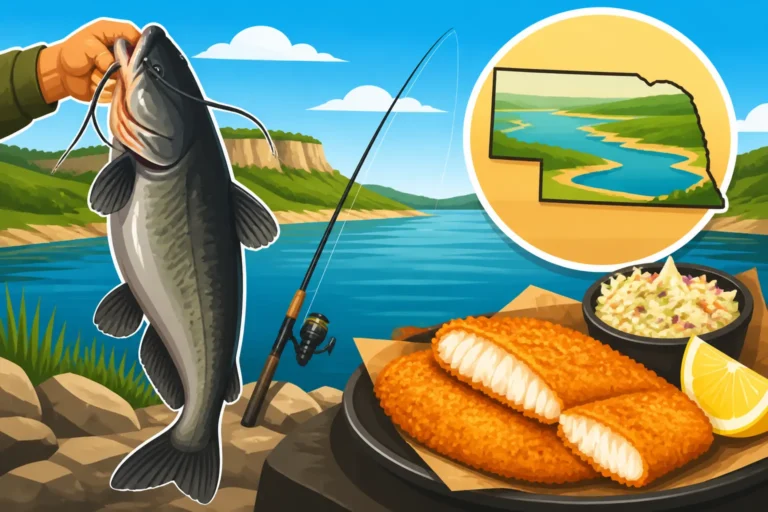
Zorinsky Lake, nestled in West Omaha, isn't just a pretty backdrop for walkers and joggers; it's a thriving fishery that holds a healthy population of catfish, particularly channel catfish, with the occasional flathead making an appearance for those who know where to look. While it might not boast the sheer size of Lake McConaughy or the rugged feel of some of Nebraska's more remote reservoirs, its accessibility and consistent stocking make it a fantastic option for both experienced anglers and families looking to introduce kids to the joys of fishing. The lake offers a variety of habitats, from deeper channels to shallow, weedy coves, all of which play a role in where the catfish hang out depending on the season and time of day.
Many anglers might write off urban lakes, assuming they're overfished or don't hold quality fish, but Zorinsky Lake proves that wrong. The Nebraska Game and Parks Commission actively manages and stocks the lake, ensuring a robust population. You’ll find channel catfish ranging from pan-sized eaters perfect for a fish fry to larger, respectable fighters that put a bend in your rod. Flatheads are typically more elusive here, requiring a bit more patience and specialized tactics, but they are indeed present for those dedicated to hunting them down. Understanding these unique dynamics is the first step to a successful catfish trip here.
Prime Catfish Hotspots at Zorinsky Lake
Successfully landing catfish at Zorinsky often comes down to knowing the lake's structure and where these whiskered beauties prefer to lurk. While catfish are known roamers, certain areas consistently produce better results due to food availability, cover, and depth.
The Dam Area and Deeper Channels
One of the most reliable spots, especially for channel catfish, is near the dam. The deeper water here, along with the structures associated with the dam itself, provides excellent habitat. Catfish often congregate in these cooler, deeper pockets during warmer months, and the currents (if any, typically minor) can bring food right to them. Anglers often find success casting from the riprap or targeting the drop-offs just offshore. You'll want to aim for depths between 10 and 20 feet, letting your bait sit on the bottom. Early mornings and evenings tend to be prime time in this area.
The main channel of the lake, which meanders through its deepest sections, is another consistent producer. Finding these channels can be tricky without a boat and a fish finder, but if you're fishing from shore, look for areas where the shoreline drops off quickly. These deeper sections often hold larger fish that are less pressured than those in shallower areas. It's a fantastic spot for a relaxed evening of fishing, and many local anglers rely on this general zone.
Points, Coves, and Submerged Structures
Catfish, particularly channel cats, love to patrol points and the mouths of coves, especially those with some sort of submerged structure like brush piles, fallen trees, or even rock piles. These areas serve as ambush points where they can intercept baitfish or scavenge for food. On Zorinsky Lake, there are several such points and coves along both the north and south shores. Pay close attention to any visible changes in the shoreline or areas where trees might have fallen into the water. Casting into these pockets and letting your bait settle near the structure can be incredibly effective.
For flatheads, specifically, submerged timber and really heavy cover are key. These predatory catfish prefer to ambush their prey from dense cover. If you can locate any significant downed trees or brush in deeper water, particularly where there's a good food source nearby, you might just find a big flathead waiting. This often requires a more rugged setup and the willingness to fish very tight to cover, which means you're almost guaranteed to get snagged a few times, but the reward can be well worth it.
Effective Techniques and Baits for Zorinsky Lake Catfish
Catching catfish at Zorinsky Lake, or any water body for that matter, isn't just about showing up; it’s about presenting the right bait, in the right way, at the right time. There’s a distinct difference between targeting channel catfish and trying to lure in a hefty flathead, though some overlap exists.
Bottom Fishing for Channel Catfish
The most common and arguably most effective technique for channel catfish at Zorinsky is simple bottom fishing. This involves using a weight to keep your bait anchored on the lakebed, right where hungry catfish are often rooting around for food. A classic setup includes a sliding sinker rig (like a Carolina rig) or a three-way swivel rig. For the sliding sinker, use an egg sinker above a swivel, tied to a leader of about 12-18 inches, with a hook at the end. This allows the fish to pick up the bait and run without feeling the resistance of the sinker, leading to more solid hooksets.
When it comes to bait, channel catfish are opportunistic scavengers and aren't particularly picky. Your best bets for Zorinsky Lake include classic stink baits, which are incredibly effective due to their potent aroma. Prepared baits like Sonny's Super Sticky or Catfish Charlie are popular choices, as are cut baits made from shad, sunfish, or even hot dogs. Chicken livers are another local favorite – just be prepared for them to be a bit messy! For those targeting larger channel cats, try a bigger chunk of cut bait. Keep an eye on your rod tip for any subtle taps or a steady bend, signaling a bite. It’s also wise to check out our detailed guide on the Best Bait for Nebraska Catfish for more specific recommendations.
Targeting Flatheads with Live Bait
Flathead catfish are a different beast entirely. Unlike channel cats, flatheads are primarily predators and prefer fresh, live bait. Forget the stink baits and chicken livers for these guys. If you're serious about hooking into a flathead at Zorinsky, you'll need to use live sunfish, small bullheads, or sturdy minnows. The key is to present this live bait near heavy cover, especially fallen trees or dense brush piles, where flatheads like to hide and ambush prey.
Your tackle for flatheads needs to be much heavier than for channel cats. Think heavy-action rods, robust baitcasting reels, and strong braided line (50-80 lb test) to handle powerful runs and to pull fish out of snags. A heavy-duty circle hook (e.g., 6/0 to 8/0) is essential, as flatheads have incredibly tough mouths. Use a heavy sinker to keep your lively bait near the bottom and close to cover. This isn't a technique for the faint of heart or those who mind losing a few rigs, but the reward of a big flathead can be truly exhilarating. Consider booking a trip with a local guide through platforms like FishingBooker if you're looking for expert advice and specialized flathead knowledge on unfamiliar waters.
Seasonal Considerations and Best Times to Fish
Just like any other species, catfish behavior at Zorinsky Lake is heavily influenced by the changing seasons and even the time of day. Knowing these patterns can significantly increase your chances of success.
Spring and Early Summer: The Pre-Spawn and Spawn Period
Spring, typically from April through early June, is a fantastic time for catfish at Zorinsky. As water temperatures rise into the 60s Fahrenheit, channel catfish become incredibly active, feeding aggressively in preparation for the spawn. During this period, they often move into shallower areas, especially near rocky points or protected coves, making them more accessible to shore anglers. Cut bait and stink baits are highly effective during this pre-spawn feeding frenzy.
Once the water hits the mid-70s, usually late May to early July, the spawn begins. While some fish might be less interested in feeding during the actual spawning activity, many males will still aggressively guard nests and can be caught. After the spawn, they'll often be hungry and eager to replenish their energy stores, making for another excellent bite. This transition period is prime, so make sure your Nebraska Fishing License Renewal is up to date!
Mid-Summer to Early Fall: Warm Water and Deep Water Tactics
As summer progresses and the water warms significantly, catfish at Zorinsky tend to seek deeper, cooler water. This means focusing your efforts on the main lake channels, the dam area, and any deep-water structure you can locate. Night fishing becomes particularly effective during the peak of summer, as catfish are more active hunters under the cover of darkness and in cooler temperatures. Many anglers find the bite picks up dramatically after sunset and continues through the early morning hours.
Flatheads, in particular, are nocturnal predators, so summer nights are often the best time to target them with live bait. As fall approaches and water temperatures begin to drop, catfish will once again start feeding heavily, similar to the spring pre-spawn period, fattening up before winter. This can be a fantastic time for both numbers and size. You can find more comprehensive details on general catfish behavior in our guide on How to Catch Catfish in Nebraska.
| Season | Best Time of Day | Preferred Bait (Channel Catfish) | Preferred Bait (Flathead Catfish) | Primary Locations |
|---|---|---|---|---|
| Spring | Day & Evening | Stink Bait, Cut Bait, Worms | Live Sunfish, Bullheads | Shallow coves, rocky points, tributary mouths |
| Summer | Evening & Night | Cut Bait, Stink Bait, Chicken Lvr | Live Sunfish, Bullheads | Deeper channels, dam area, submerged timber |
| Fall | Day & Evening | Cut Bait, Stink Bait, Worms | Live Sunfish, Bullheads | Main lake body, points, humps |
| Winter | Limited Activity | None (rarely fished) | None (rarely fished) | Very deep water, though generally slow |
Essential Gear and Regulations for Catfish Fishing at Zorinsky Lake
Having the right equipment and being aware of local regulations are crucial for a safe, enjoyable, and legal fishing trip to Zorinsky Lake. Don't let a simple oversight ruin your day on the water!
Rods, Reels, and Line Selection
For channel catfish at Zorinsky, a medium to medium-heavy action spinning or baitcasting rod, typically 7 to 8 feet long, is ideal. This length provides good casting distance from shore and enough backbone to handle a decent-sized catfish. Pair this with a reliable spinning reel in the 3000-4000 series or a baitcasting reel spooled with 15-20 lb monofilament or 30-50 lb braided line. Braided line offers superior sensitivity and strength, which can be a huge advantage when fishing around cover or feeling subtle bites. Don't forget a sturdy leader of fluorocarbon or monofilament to prevent fraying on rough bottoms.
If you're specifically targeting flatheads, as mentioned before, you'll need to upgrade your gear significantly. A heavy-action casting rod, 7.5 to 9 feet long, paired with a stout baitcasting reel capable of holding 60-100 lb braided line is recommended. This setup will give you the power to horse a large flathead out of heavy cover and turn its powerful runs. Regardless of your target, make sure your hooks are sharp and appropriately sized for your bait – usually 1/0 to 5/0 circle or J-hooks for channel cats, and 6/0 to 8/0 circle hooks for flatheads. Platforms like FishingBooker often list guides who can provide all the necessary heavy-duty gear for flathead expeditions.
Nebraska Fishing Regulations and Permits
Before you even think about casting a line, ensure you have the appropriate Nebraska fishing license. Nebraska has various license types, including annual, 1-day, and 3-day permits, as well as specific options for residents and nonresidents. You can find all the details on our comprehensive Nebraska Fishing License Guide. Remember, all anglers 16 years of age and older are required to possess a valid Nebraska fishing permit. Even if you're just visiting the area, a Nebraska 1-Day Fishing Permit Price is a small investment for a day of fun.
Beyond the general license, be mindful of specific regulations for catfish. For Zorinsky Lake and most Nebraska public waters, there are daily bag and possession limits for catfish. Always consult the latest Nebraska Fishing Guide, available online or at most license vendors, for the most current information. Typically, for channel catfish, the daily bag limit is generous, but it’s crucial to know the specific rules for Nebraska Channel Catfish Daily Limit to avoid any penalties. There may also be length limits in certain waters, though this is less common for channel catfish in general-purpose lakes like Zorinsky. It’s your responsibility as an angler to know and follow these rules, ensuring the sustainability of the fishery for everyone.
Additional Tips for a Successful Zorinsky Lake Catfish Trip
Fishing is often about more than just tackle and bait; it’s about preparation, patience, and adapting to conditions. Here are a few extra pointers to make your Zorinsky Lake catfish adventure even better.
Weather and Water Conditions
Catfish are generally quite tolerant of various weather conditions, but certain factors can influence their bite. Overcast days or periods of stable weather often provide good fishing. After a strong rain, especially if it causes some runoff into the lake, catfish can become very active as new food sources are washed into the water. Conversely, sharp cold fronts can sometimes shut down the bite for a day or two. Pay attention to water clarity; while catfish don't rely on sight as much as some other species, extremely clear water might make them a bit warier, leading to better success with natural, less "stinky" baits.
Wind can also play a role. A moderate chop on the water can actually be beneficial, as it breaks up light penetration and can push baitfish and other food items around, concentrating them in certain areas. However, excessively strong winds can make casting difficult, anchor a boat impossible, and reduce your ability to feel subtle bites. Consider using a weather app before heading out to plan your trip accordingly.
Safety and Comfort
Zorinsky Lake is a beautiful urban oasis, but safety should always be a priority. If you’re fishing from a boat (even a small one like a kayak or canoe), ensure you have all required safety equipment, including properly fitting life jackets for everyone on board. For bank anglers, be mindful of your surroundings, especially if fishing at night. Wear appropriate clothing for the weather, bring plenty of water, and apply sunscreen and insect repellent. Zorinsky has excellent facilities, including restrooms and paved trails, making it a very comfortable fishing destination, but it's still essential to be prepared. If you're new to the area, a local expert or a guide found on FishingBooker can offer invaluable local insights, ensuring both a productive and safe experience.
Remember, fishing is as much about the experience as it is about the catch. Enjoy the peace and quiet, the thrill of the bite, and the opportunity to connect with nature right in the heart of Omaha. Happy fishing!
Disclaimer
Please note that fishing regulations, conditions, and fish populations can change. Always consult the most current Nebraska Game and Parks Commission regulations before heading out. This guide is for informational purposes only and should not replace official state documentation.