Best Sandhills Lakes for Trout Fishing
Finding reliable trout fishing spots in Nebraska can sometimes feel like searching for a needle in a haystack, especially when you picture the vast, rolling prairies and endless cornfields. Many anglers assume Nebraska is only good for catfish or walleye, but tucked away in the beautiful Sandhills region are some surprising gems offering fantastic trout opportunities. This guide is dedicated to shedding light on the best Sandhills lakes where you can cast a line for these elusive, hard-fighting fish, ensuring your next angling adventure is both fruitful and memorable.
The Unique Appeal of Nebraska's Sandhills for Trout Fishing
The Nebraska Sandhills are a truly remarkable ecosystem, unlike anything else in the state. Imagine vast, grass-covered sand dunes, some towering hundreds of feet high, interspersed with thousands of shallow lakes, marshes, and crystal-clear streams. This unique landscape, formed by ancient winds, acts as a giant sponge, filtering rainwater and snowmelt into pristine groundwater. This natural filtration process feeds the region's lakes and rivers with cold, clean water—the absolute critical ingredient for sustaining healthy trout populations.
Many anglers who haven't experienced it before might be surprised to find such robust trout fishing here. It's easy to picture trout thriving in mountain streams, but the Sandhills offer an equally compelling, albeit different, experience. The cold, oxygen-rich waters, often spring-fed, create ideal habitat for both stocked and, in some rare cases, naturally reproducing trout species like rainbow and brown trout. This makes the Sandhills a pilgrimage site for Nebraskan trout enthusiasts who know where to look.
Why Sandhills Waters Favor Trout
It all comes down to the geology and hydrology of the region. The sandy soils and underlying Ogallala Aquifer act as a giant natural filter, ensuring that the water entering these lakes and streams is exceptionally clean and consistent in temperature. Unlike many other parts of Nebraska where agricultural runoff or warmer conditions limit trout habitat, the Sandhills provide a buffer. The groundwater maintains a cooler temperature even during hot summer months, which is crucial for trout survival.
Additionally, the isolation of many Sandhills lakes helps protect them from some of the pressures seen in more accessible waters. While some lakes are highly managed and stocked by the Nebraska Game and Parks Commission, others maintain a more wild feel, offering a true sense of escape. This unique blend of pristine water, managed stocking programs, and natural seclusion makes these specific lakes a prime destination for dedicated trout anglers seeking a quality experience.
Common Trout Species Found in Sandhills Lakes
While Nebraska isn't known for a huge diversity of wild trout, the Sandhills region is primarily home to two main species that anglers target: rainbow trout and brown trout.
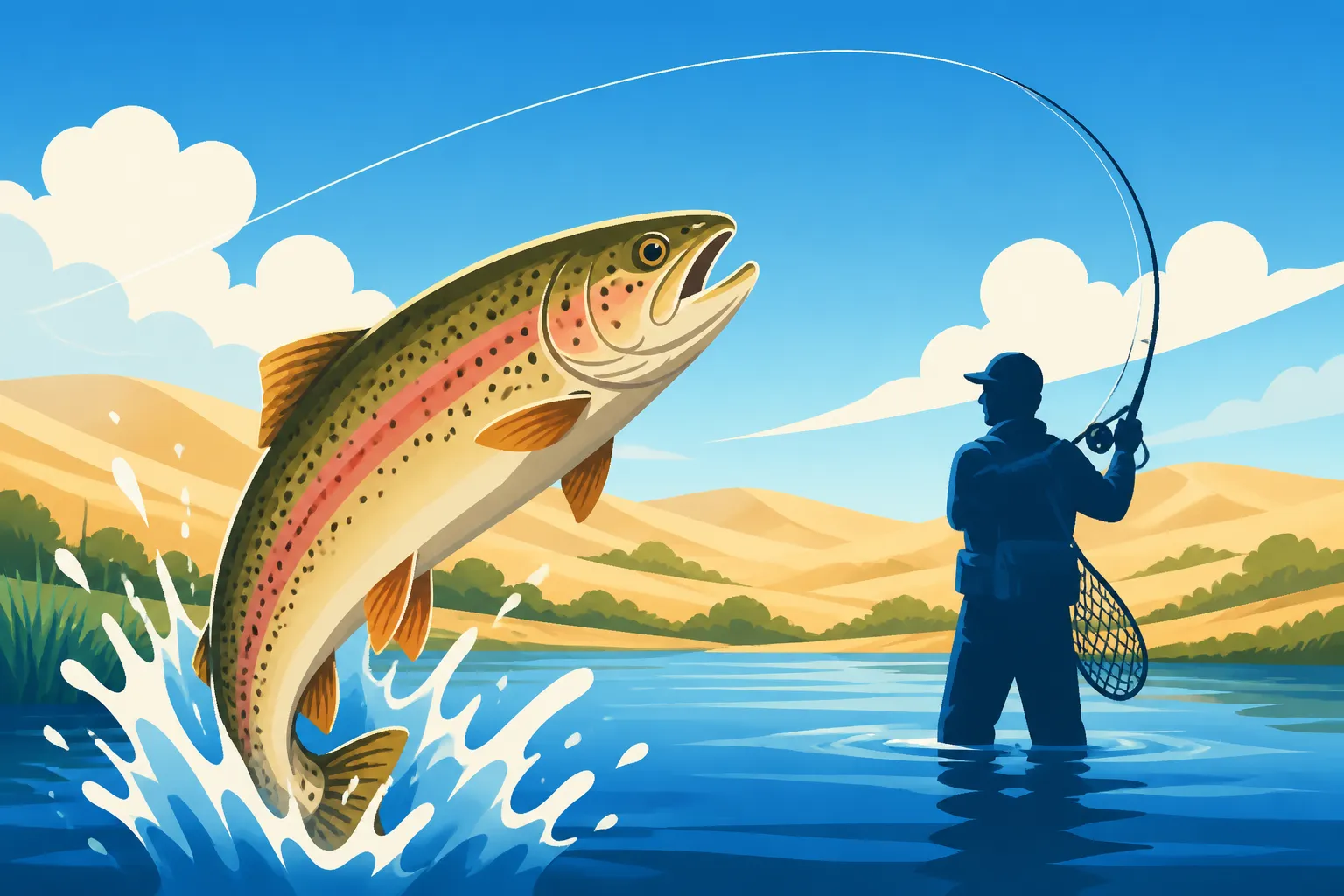
Rainbow trout are undoubtedly the most common. They are regularly stocked in various put-and-take fisheries throughout the state, and the Sandhills lakes that can sustain cold water year-round are often at the top of the stocking list. These fish are known for their vibrant colors, aggressive bites, and acrobatic fights once hooked. They adapt well to lake environments, feeding on insects, small baitfish, and crustaceans. You'll find rainbow trout in almost every designated trout lake in the Sandhills.
Brown trout, while less common than rainbows, can also be found in some of the deeper, colder lakes and connecting streams. Browns are often more elusive and prefer to hide in structure, making them a challenge for even experienced anglers. They can grow to impressive sizes and are prized for their beautiful spotting and powerful runs. While you might encounter them, especially in waters like Lake Ogallala or areas fed by specific cold-water springs, rainbows will likely dominate your catch. Occasionally, brook trout might be found in very specific, colder stream sections, but they are not typically targeted in the larger Sandhills lakes. For more details on these cold-water fighters, check out our guide on Trout Fishing in Nebraska.
Top Sandhills Lakes for Your Trout Adventure
When it comes to the best Sandhills lakes for trout fishing, two names consistently rise to the top: Merritt Reservoir and Lake Ogallala. These destinations are renowned across the state, and even beyond, for their excellent trout programs and the stunning natural beauty that surrounds them. While there might be smaller, lesser-known spots or private waters with trout, these two offer the most consistent and accessible opportunities for a memorable trout fishing experience.
Merritt Reservoir: A Northern Gem
Merritt Reservoir, located near Valentine in the northern Sandhills, is truly a jewel in Nebraska's fishing crown. While it's famous for its walleye and panfish, the reservoir also holds a special place for trout anglers, particularly in its deeper, colder sections and the tailwaters below the dam. It's a vast body of water, covering over 2,900 acres with numerous fingers and coves, providing ample opportunities for different fishing styles.
The key to trout fishing at Merritt often lies in understanding its thermal stratification. During the warmer months, trout will retreat to the cooler, oxygenated depths. However, in spring and fall, when water temperatures are more uniform, they become more active throughout the lake. Rainbow trout are the predominant species here, with regular stockings ensuring a healthy population. Anglers often target them by trolling with spoons or crankbaits in deeper water, or by casting power bait and worms from shore in specific access areas.
Below the dam, the Snake River offers an entirely different, riverine trout fishing experience, with strong currents and more traditional fly-fishing opportunities. This is a truly unique aspect of Merritt, providing diverse environments within one general area. To get the full picture of this incredible fishery, you might want to read our dedicated Merritt Reservoir Fishing Guide.
Fishing Techniques and Prime Spots at Merritt
For lake fishing, targeting the main body of Merritt Reservoir for trout can be a rewarding challenge. Many anglers find success by trolling deep-diving crankbaits or spoons like Kastmasters or Daredevils, especially in areas near the dam or deeper channels. Downriggers can be incredibly effective here to present your lures at the exact depth where trout are holding. The spring and fall months, when surface temperatures are cooler, are often the best times to find trout more actively feeding higher in the water column or closer to shore.
Shore anglers can also find success, particularly after fresh trout stockings. Areas around the main boat ramps or designated fishing piers can be good places to start, using traditional baits like PowerBait, corn, or worms. Setting up a slip bobber rig to suspend your bait at various depths can help locate where the fish are holding. Remember, patience is key, and varying your depth is crucial in a large reservoir like Merritt.
For the adventurous angler, the tailwaters of the Snake River directly below the Merritt Dam offer a completely different experience. This section is often managed as a put-and-take trout stream, with frequent stockings of rainbow trout. Fly fishing is incredibly popular here, with patterns mimicking local insect hatches being very effective. Spin anglers can also do well with small spinners or jigs. Be mindful of the currents and ensure you're fishing safely.
Lake Ogallala: The Coldwater Haven
Nestled directly below Kingsley Dam, which impounds the massive Lake McConaughy, Lake Ogallala is often referred to as Nebraska's "Little Lake Mac." But for trout anglers, it's a world unto itself. This small, cold-water lake is fed directly by the frigid waters released from the depths of Lake McConaughy, creating an almost year-round ideal environment for trout. It's arguably the most consistent trout fishery in Nebraska and a must-visit for any angler looking for a cold-water fix.
Lake Ogallala is a much smaller, more manageable body of water than Merritt, making it excellent for bank fishing, wading, or small boat fishing. Both rainbow and brown trout thrive here, with rainbow trout being heavily stocked by the Nebraska Game and Parks Commission, especially in the spring and fall. The constant influx of cold water means trout can remain active even during the peak of summer, though they might still seek out the deepest parts of the lake.
Fishing here is often done with various methods, from traditional bait like PowerBait and worms to artificial lures like spinners and jigs. Fly fishing is also extremely popular, particularly for the more challenging brown trout that lurk in the deeper channels and around submerged structures. Its reputation as a consistent producer makes it one of the go-to spots for anglers seeking a productive day out. You can dive deeper into this specific spot with our guide on Lake Ogallala Trout Fishing.
Tactics for Success at Lake Ogallala
Lake Ogallala’s unique cold-water environment makes it a prime location for various trout fishing techniques. For bait anglers, PowerBait (in various colors like garlic, rainbow, or chartreuse), corn, or a good old nightcrawler rigged on a small hook with a minimal weight are highly effective. Many anglers prefer a slip sinker rig, allowing the trout to pick up the bait without feeling resistance. Casting from shore, particularly along the dam face or near the boat ramp areas, can yield excellent results.
Lure fishermen often have great success with small inline spinners (Mepps, Rooster Tail) or spoons (Kastmaster, Little Cleo) in silver, gold, or brass finishes. These lures mimic baitfish or insects and can trigger aggressive strikes. Small jigs, tipped with a piece of worm or scented plastic, are also very effective, especially when worked slowly along the bottom or jigged vertically from a boat or kayak.
Fly anglers absolutely love Lake Ogallala. The constant cold water promotes aquatic insect life, and trout here are often very willing to rise to dry flies during hatches or take nymphs and streamers subsurface. Popular patterns include Woolly Buggers, San Juan Worms, Pheasant Tail Nymphs, and various midge patterns. If you're looking to elevate your fly fishing game, consider hiring a guide through platforms like FishingBooker, who can provide invaluable local knowledge and take you directly to the hot spots. For specific insights into fly fishing, you might find our article on How to Fly Fish for Trout in Nebraska helpful.
Planning Your Sandhills Trout Fishing Trip
A successful fishing trip, especially for trout in the unique Sandhills environment, requires a bit of planning. From understanding regulations to choosing the right gear and knowing the best times to visit, a little preparation goes a long way. This isn't just about showing up with a rod; it's about maximizing your chances of a great catch while respecting the resource.
Essential Gear and Bait
For trout fishing in the Sandhills, you don't necessarily need highly specialized gear, but having the right setup will make a difference. A light to medium-light spinning rod (6-7 feet) paired with a reel spooled with 4-6 pound test monofilament or fluorocarbon line is a versatile choice for both lake and stream fishing. If you're fly fishing, a 4-weight or 5-weight rod with a floating line is generally sufficient.
When it comes to bait, as mentioned earlier, PowerBait (especially in bright colors or with glitter), corn, and nightcrawlers are staples. Many anglers swear by a combination of PowerBait and a single kernel of corn for added appeal. For lures, small inline spinners (1/16 to 1/8 oz) and spoons (1/8 to 1/4 oz) are consistent producers. Always have a variety of colors and sizes on hand to see what the trout are keying in on. If you’re trolling, don’t forget a selection of small crankbaits that dive to different depths.
Don't forget the essentials: a landing net (preferably rubberized to protect the fish if you plan to release them), needle-nose pliers or a hemostat for hook removal, a stringer or cooler if you intend to keep your catch, and comfortable, weather-appropriate clothing. If you're wading, proper wading boots and waders are a must, especially in the colder waters.
Best Seasons and Times to Fish
While Lake Ogallala offers year-round trout opportunities due to its cold-water source, most Sandhills trout lakes will have peak seasons.
- Spring (March-May): This is arguably the best time for trout fishing. As the ice melts and water temperatures rise but remain cool, trout become very active and can be found closer to shore. Stocking programs are in full swing, leading to excellent "put-and-take" opportunities. This is also a fantastic time for fly fishing as aquatic insect hatches begin.
- Summer (June-August): Trout fishing can be more challenging during the heat of summer. Trout will retreat to the deepest, coolest, and most oxygenated parts of the lake. Early mornings and late evenings will be your best bet. At Lake Ogallala, the constant cold water flow means summer can still be productive, but you might need to fish deeper.
- Fall (September-November): Similar to spring, fall offers fantastic trout fishing. As water temperatures cool down, trout become very active again, feeding aggressively to build up fat reserves for winter. Stocking continues, and fewer people on the water make for a more peaceful experience.
- Winter (December-February): Ice fishing for trout is a popular activity on many Sandhills lakes, including Merritt Reservoir and Lake Ogallala, once safe ice has formed. Small jigs tipped with wax worms or PowerBait, fished through the ice, can be very effective. Always prioritize safety on the ice!
To stay informed about the latest stocking schedules and fishing conditions, it's always a good idea to check the Nebraska Game and Parks Commission website or local bait shops. Consider when you might want to learn about When Trout Are Stocked in Nebraska Lakes to time your visit perfectly.
Navigating Regulations and Permits
Before you even think about wetting a line, you absolutely need to make sure you're properly licensed. Every angler 16 years of age and older needs a valid Nebraska fishing license. Additionally, for trout fishing specifically, you might need a special Nebraska Trout Stamp. This stamp is an additional permit that funds trout management and stocking programs across the state. It's crucial to verify if the waters you plan to fish require this stamp. For a comprehensive overview, read our Do I Need a Trout Stamp to Fish for Trout in Nebraska? guide.
Beyond licenses and stamps, be aware of specific regulations for each body of water. This includes daily bag limits and possession limits, which dictate how many fish you can keep. Length limits are also common for certain species or in specific areas to protect younger fish or trophy-sized fish. For example, while Lake Ogallala often has a general trout limit, there might be specific areas or times where different rules apply. The Nebraska Game and Parks Fishing Guide is your best friend here; always carry a copy or have the digital version accessible on your phone.
Here's a quick reference table for common trout regulations in Nebraska, but always check the current year's guide as rules can change:
| Species | Daily Bag Limit (General) | Possession Limit (General) | Length Limit (General) |
|---|---|---|---|
| Rainbow Trout | 5 | 10 | None (Check specific waters) |
| Brown Trout | 5 | 10 | None (Check specific waters) |
| Brook Trout | 5 | 10 | None (Check specific waters) |
Note: These are general guidelines. Always consult the current Nebraska Fishing Guide for the most up-to-date and specific regulations for the water you plan to fish, as limits and length restrictions can vary significantly by location and time of year.
Understanding these regulations is not just about avoiding fines; it's about being a responsible angler and contributing to the conservation of Nebraska's precious fisheries. If you have questions about specific permits or need assistance planning your trip, online resources like FishingBooker can help you find local guides who are experts on Nebraska's regulations and fishing hotspots. For general information on permits, our Nebraska Fishing License Guide is an excellent starting point.
Responsible Angling in the Sandhills
Fishing in the Sandhills is a privilege, and with that comes the responsibility to protect these unique environments and ensure sustainable fishing for generations to come. Practicing responsible angling techniques helps preserve both the fish populations and the pristine beauty of the region.
Catch and Release Best Practices
While keeping some trout for a delicious meal is certainly part of the angling experience, practicing catch and release, especially for larger or wilder fish, is vital. When you do release a fish, follow these best practices:
- Minimize fight time: Bring the fish in as quickly as possible to reduce stress.
- Handle with care: Wet your hands before touching the fish to protect its protective slime coat. Avoid squeezing or putting fingers in its gills.
- Use appropriate tools: A rubberized landing net helps protect fins and scales. Pliers or a hemostat are essential for quick hook removal.
- Remove hooks gently: If the fish is deeply hooked, cut the line rather than trying to rip the hook out. Circle hooks can also significantly reduce deep hooking.
- Revive the fish: Hold the fish gently in the water, facing into a mild current if possible, until it swims away under its own power. Don't just toss it back.
For more detailed information on proper handling, our guide on Catch and Release Best Practices in Nebraska offers excellent advice.
Protecting the Sandhills Ecosystem
The Sandhills are a fragile ecosystem. Leave no trace behind—pack out everything you pack in, including fishing line, bait containers, and food wrappers. Be mindful of disturbing vegetation, especially along stream banks, as this can lead to erosion.
Also, be vigilant about aquatic invasive species (AIS). Always "Clean, Drain, Dry" your boat, waders, and fishing gear before moving between different bodies of water. This means cleaning off any visible mud, plants, or organisms; draining all water from your boat, livewell, and bait bucket; and drying your equipment thoroughly. Zebra mussels and other invaders can devastate local ecosystems and fishing opportunities. You can learn more about this in our Nebraska Aquatic Invasive Species Stamp information.
By being a conscientious angler, you're not just ensuring your next trip is successful; you're helping to safeguard the incredible fishing heritage of Nebraska's Sandhills for years to come.
Disclaimer
Please remember that fishing regulations, conditions, and fish populations can change. Always consult the most current Nebraska Game and Parks Commission regulations before heading out. The information provided in this guide is for general informational purposes only and should not be considered legal advice. Stay safe and enjoy your time on the water!