Nebraska Fishing Seasons Explained
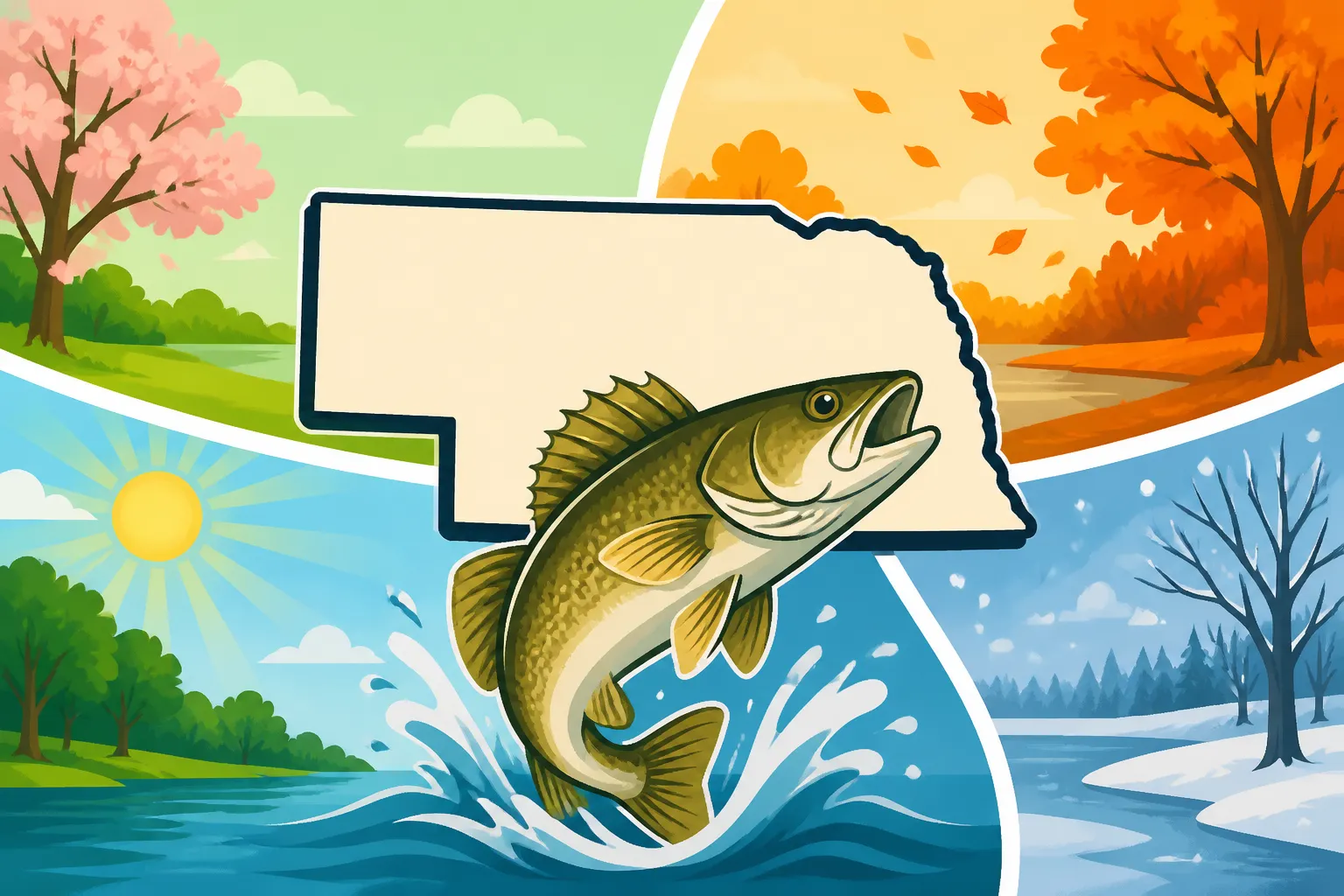
Oh, the ever-changing face of Nebraska's fishing! It's a tale as old as time: you finally figure out where the fish are biting in July, and then suddenly, autumn hits, the leaves change, and your trusty spot goes stone cold. It's frustrating, right? Just when you think you've got them patterned, the seasons shift, and it feels like you're starting from scratch. But don't you worry, because this comprehensive guide is here to unravel the mysteries of Nebraska's fishing seasons, helping you understand how fish behavior changes throughout the year and, more importantly, how you can adapt your tactics to keep those lines tight and reels singing, no matter the calendar month.
Decoding Nebraska's Seasons: How Climate Shapes Our Waters
Nebraska might be known for its expansive plains, but beneath the surface of our lakes, reservoirs, and rivers, a complex ecosystem is constantly reacting to the rhythm of the seasons. Understanding this rhythm is the first step to becoming a truly adaptable angler. It's not just about the air temperature; it's about water temperature, oxygen levels, and even how much light penetrates the water column.
The Rhythms of Temperature and Their Fishy Implications
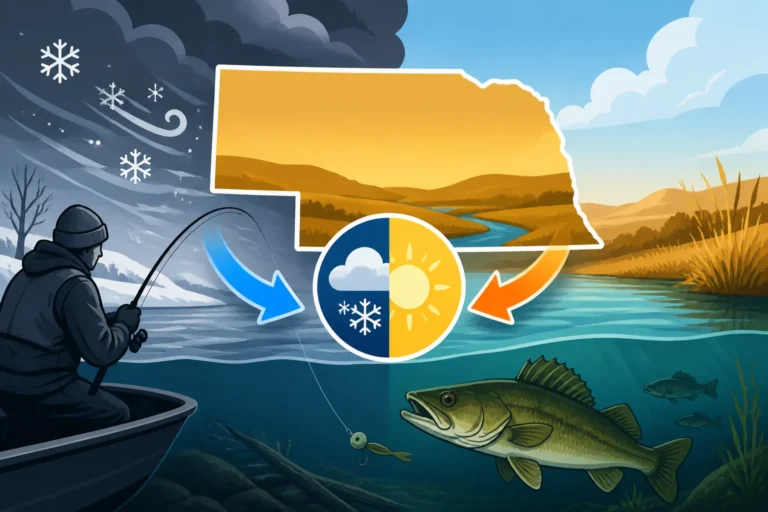
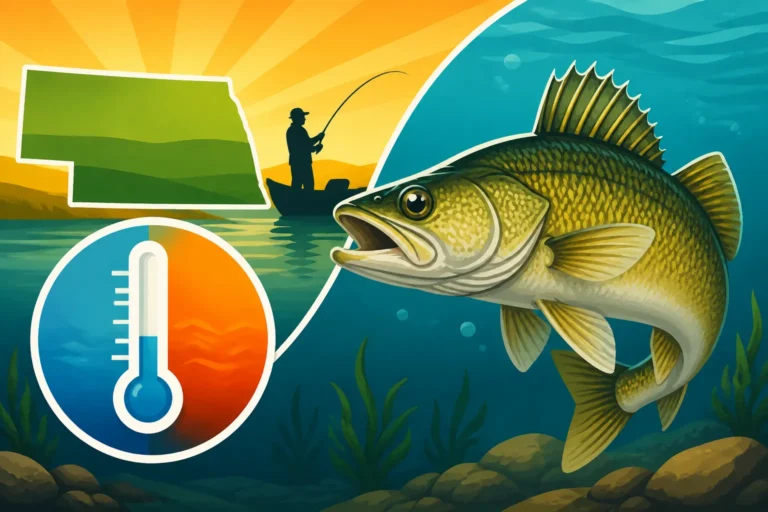
Think about it: fish are cold-blooded creatures. Their internal body temperature is largely dictated by the water around them. This means that as the water warms up or cools down, so does their metabolism, their activity levels, and even their preferred diet. In the colder months, fish become sluggish, conserving energy. They don't need to eat as often, and when they do, they're looking for easy meals. But when the water warms in spring and summer, their metabolism kicks into high gear, making them hungry and aggressive. They'll chase down bait and lures with much more vigor.
Beyond just how active they are, temperature also dictates where fish will be. Different species have preferred temperature ranges. Walleye, for instance, are often found in cooler, deeper waters during the peak of summer, while bass might stick closer to sun-warmed shallows early in the season. Understanding these preferences helps you narrow down your search. As the water temperature changes, fish migrate to areas where they feel most comfortable and where food is readily available. This constant dance of movement is what makes seasonal fishing both challenging and incredibly rewarding.
Water Levels, Flow, and How They Dictate Fish Location
It's not just temperature; water levels and flow also play a massive role in where fish decide to hang out in Nebraska. A heavy spring rain can swell our rivers and reservoirs, bringing in new nutrients, but also creating strong currents and muddy conditions. Fish might move into calmer backwaters or seek refuge behind structure to escape the push of the flow. Conversely, prolonged droughts can lead to low water levels, concentrating fish in deeper channels or shrinking pockets. This can be great for locating them, but also stressful for the fish themselves.
Consider the Platte River during periods of low flow versus high flow. During low water, fish might be concentrated in the main channel and deeper pools. During a high-water event, they could spread out into flooded vegetation, looking for food or hiding from the current. Similarly, reservoir levels fluctuate with agricultural demands and precipitation. A dropping water level can pull fish away from shallow banks, forcing them to relate to submerged structure in deeper water. Knowing these dynamics helps you anticipate where the fish will go. It's like a constant puzzle, and the more pieces you have – temperature, flow, and water level – the better you are at putting it together.
Spring: The Burst of Life and Frenzied Feeding (March-May)
Ah, spring! There's nothing quite like that first whiff of thawing earth and the sight of ice receding from the shore. For anglers in Nebraska, spring is a season of renewed hope and often, incredible fishing. The fish are shaking off their winter sluggishness, and their biological clocks are ticking towards the spawn.
The Pre-Spawn Rush: Where to Find Hungry Fish
As Nebraska's waters slowly begin to warm from their icy grip, typically starting in late March and really kicking into gear in April, fish enter a pre-spawn phase. This is a critical time for them – they need to pack on calories to fuel the upcoming reproductive process. This means they're hungry, often aggressive, and can be found staging in predictable areas. Look for them in transition zones: areas near deeper wintering holes but adjacent to shallower spawning flats. These could be points, humps, channel edges, or the mouths of creeks and bays.
For species like walleye, this might mean they're gathering in main lake basins or river channels before moving onto rocky reefs or riprap areas when water temperatures hit the mid-40s to low-50s Fahrenheit. You might find great success using jig and minnow combinations, slow-trolling crankbaits, or even vertical jigging spoons in these staging areas. They’re conserving energy but actively feeding, so presentations that are easy targets often work best. Understanding their seasonal movements is key to catching fish like these during the pre-spawn.
Post-Spawn Recovery and Shifting Patterns
Once the spawning rituals are complete, usually from late April through May for many species, fish enter a post-spawn recovery period. They're often tired, a bit lethargic, and their focus shifts from reproduction back to feeding, but sometimes with less intensity initially. Male fish, particularly bass and sunfish, might guard nests for a period, making them very aggressive if something invades their territory. Females, on the other hand, often move to slightly deeper water to rest and recover before resuming more active feeding.
As the waters continue to warm into late spring, fish will begin to spread out from their spawning grounds, following baitfish into newly vegetated areas or migrating to summer haunts. This can be a trickier time for anglers, as fish are less concentrated. You'll need to cover more water and experiment with different presentations. Early morning and late evening bites often become more consistent. This is also when you might start seeing the first signs of crappie moving into shallow brush piles and fallen timber, offering fantastic opportunities for anglers targeting these tasty panfish.
Top Species to Target as Waters Warm
Spring in Nebraska is a prime time for a variety of species. Walleye are undoubtedly a favorite, especially during their pre-spawn and spawn periods. Places like Lake McConaughy and Merritt Reservoir become hotspots as these fish move shallow. Many anglers find the bite below dams to be excellent as fish migrate upstream.
Crappie fishing truly shines in late spring. As water temperatures climb into the 50s and 60s, these slab-sided panfish move into shallow cover like submerged brush, docks, and timber, making them accessible to both boat and shore anglers. Small jigs, minnows, or even tiny crankbaits can be incredibly effective. Don't overlook channel catfish either; while their peak spawning isn't until early summer, they become very active and hungry as the water warms, making them a great target on many of Nebraska's rivers and reservoirs. For dedicated bass anglers, both largemouth and smallmouth become active and aggressive as they prepare for and complete their spawns. You can find more detailed tips in our guide on how to fish for Walleye in Nebraska.
| Species | Primary Spring Focus | Typical Location | Recommended Baits/Lures |
|---|---|---|---|
| Walleye | Pre-spawn staging, spawning | Points, humps, rocky reefs, river channels | Jigs & Minnows, Crankbaits, Blade Baits |
| Crappie | Pre-spawn, shallow cover | Brush piles, docks, submerged timber | Small Jigs, Minnows, Micro-Crankbaits |
| Largemouth Bass | Pre-spawn, spawning | Shallow cover, emergent vegetation | Spinnerbaits, Jigs, Soft Plastics |
| Channel Catfish | Increasing activity, foraging | River bends, deeper holes, reservoir flats | Cut Bait, Worms, Prepared Baits |
| Trout | Post-stocking, colder pockets | Tailwaters, stocked lakes, creek mouths | PowerBait, Spoons, Inline Spinners |
Summer: Navigating the Heat and Deep Waters (June-August)
When summer truly settles in across Nebraska, the fishing can shift dramatically. The long, hot days and warm water temperatures mean fish behavior changes, and so must your tactics. It's not always about quantity during the dog days, but often about quality for those who know how to adapt.
Battling the Midday Slump: Early Mornings and Late Evenings
One of the biggest challenges of summer fishing in Nebraska is the midday heat. Just like us, fish can become lethargic and less active during the hottest parts of the day, especially in shallower waters. Their metabolism might be high, but direct sun and high water temperatures can drive them deeper or into dense cover. This is why seasoned anglers swear by the bookends of the day: early mornings and late evenings.
During these cooler periods, baitfish often move shallow to feed, and predatory fish follow suit. Think about the first light, when the sun is barely peeking over the horizon, casting long shadows. This can be a prime window for topwater action for bass or a consistent walleye bite on points. Similarly, as the sun dips below the horizon and twilight sets in, a whole new world of night fishing opens up, particularly for species like catfish and some walleye that become much more active in low light. This is when those larger, more wary fish might venture out from their daytime sanctuaries. Consider trying your hand at night fishing rules if you want to extend your summer angling hours.
Understanding Thermoclines and Deep-Water Tactics
In many of Nebraska's deeper reservoirs, summer brings about the formation of a thermocline. This is a distinct layer in the water column where the temperature changes rapidly. Above the thermocline, the water is warmer and often oxygen-rich (though sometimes too warm). Below it, the water is colder but can become oxygen-depleted in very deep areas. The sweet spot for many game fish is often right around or just above the thermocline, where they can find comfortable temperatures and adequate oxygen.
Learning to read your fish finder to identify the thermocline is a game-changer for summer reservoir fishing. Fish will often suspend in these zones, or relate to structure that intersects with the thermocline. Deep cranking, jigging spoons, or even slow-trolling with bottom bouncers and crawler harnesses are effective techniques for targeting these deeper fish. Look for submerged humps, ledges, old creek channels, and standing timber in these deeper areas. This is where you’ll often find schools of walleye, wipers, or even channel catfish holding during the heat of the summer.
Dealing with Summer Vegetation and Oxygen Levels
Summer brings lush growth to our waters, and while aquatic vegetation provides excellent cover and ambush points for fish, it can also be a challenge for anglers. Dense weed beds can make casting and retrieving difficult, but they are also magnets for bass, crappie, and panfish. Learning to fish in and around this cover, using weedless rigs or punching through mats, can unlock fantastic opportunities.
However, as summer progresses, especially during prolonged hot spells, oxygen levels can become a concern. Dense algae blooms or decaying vegetation can deplete oxygen, particularly in shallow, stagnant areas. Fish will avoid these low-oxygen zones and seek out areas with better water quality, such as around inflowing creeks, main lake current breaks, or deeper, wind-swept points where the water is more aerated. Keep an eye on water clarity and any signs of stressed fish; adapting your fishing locations based on oxygen levels is a crucial summer skill.
Fall: The Last Big Push Before Winter (September-November)
As the scorching summer heat gives way to crisp autumn air, a transformation occurs in Nebraska's fishing scene. Fall is often considered one of the best times to fish, largely because fish know winter is coming, and they need to bulk up. This creates a period of intense feeding activity that anglers can capitalize on.
The "Turnover" Phenomenon: What It Means for Fishing
One of the most significant events in many of Nebraska's deeper lakes and reservoirs during the fall is the "turnover." As the surface water cools in autumn, it becomes denser than the warmer water below. Eventually, this cooler, heavier water sinks, mixing with the deeper water and causing the entire water column to "turn over." This process redistributes oxygen and nutrients, but it can temporarily scatter fish and make them difficult to locate.
During turnover, fishing can be tough for a week or two. Fish might be suspended randomly throughout the water column, disoriented by the changing conditions. However, once the turnover is complete and the water column is more uniform in temperature and oxygen, fish activity usually picks up dramatically. They'll be more comfortable ranging across different depths. Knowing when this phenomenon occurs, usually in late September or October depending on the specific body of water and weather patterns, allows you to anticipate a brief slowdown before the excellent fall bite truly kicks in.
Fueling Up: Fish Gorge Before the Freeze
Once waters stabilize after turnover, or simply cool down in shallower systems, game fish in Nebraska enter a major feeding phase. This is their last chance to gorge themselves before the lean, cold months of winter arrive. Their metabolism is still high enough to chase down prey, but the water temperatures are more comfortable than the summer extremes. This means aggressive bites and fish often willing to hit a wider variety of baits.
Look for baitfish schools – shad, minnows, and juveniles – that are also actively feeding and preparing for winter. Predator fish will be right on their tails. Points, main lake humps, deep rock piles, and creek channels become prime targets. Trolling larger crankbaits, casting big swimbaits, or working spoons and jigs can be incredibly effective during this period. The fall feed can last well into November, even into early December in some areas, offering some of the year's best chances for trophy-sized fish. You'll want to check our guide on Best Bait for Nebraska Walleye for this time of year.
Targeting Fall Giants and Migrating Species
Fall is a fantastic time to target many of Nebraska's popular game fish, and often, you'll find them at their heaviest weights of the year. Walleye, for example, can be exceptionally active, moving to shallower rocky points and flats in the mornings and evenings, and retreating to deeper structure during the day. This is when some of the biggest walleye of the year are often caught.
Big channel catfish and flathead catfish are still on the prowl, often found relating to river channels or deep reservoir structure, hitting cut bait or large live bait. Bass fishing can also be phenomenal, with both largemouth and smallmouth aggressively feeding on baitfish schools. Even crappie can offer an excellent late-season bite, schooling up in deeper brush piles and along channel edges. For those who enjoy trout fishing, fall can bring fresh stockings to urban ponds and excellent conditions in tailwaters like Lake Ogallala below Kingsley Dam.
Winter: Ice-Covered Opportunities and Cold-Water Challenges (December-February)
Winter in Nebraska brings a stark beauty to our fishing landscape. For many, it means the exciting world of ice fishing, but there are also open-water opportunities to be found for the hardy angler. Don't let the cold deter you; winter can be a surprisingly productive season if you know where to look and what to expect.
The Magic of Hard Water: Ice Fishing Safety and Techniques
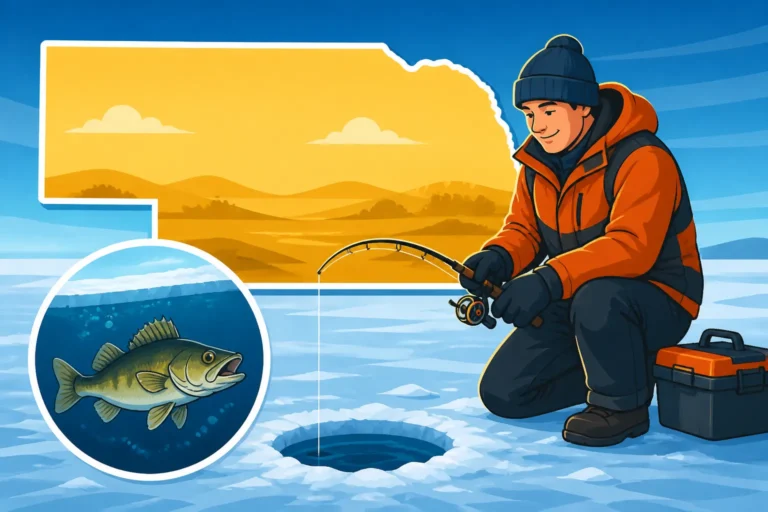
Once Nebraska's lakes and reservoirs freeze over, a whole new dimension of fishing opens up: ice fishing. It's an immersive experience, allowing you to access parts of a lake that are unreachable by boat in other seasons. However, safety is paramount. Always prioritize safety by checking ice thickness rigorously. A minimum of four inches of clear, new ice is generally recommended for walking, but more is needed for groups or vehicles. Consult our Nebraska Ice Fishing Safety Tips before venturing out.
When it comes to techniques, precision and subtlety are key. Fish are often less active in the cold water, so smaller baits, slower presentations, and light line are the norm. Tiny jigs tipped with a minnow head, wax worm, or a plastic grub can be deadly for crappie, bluegill, and perch. Walleye anglers often use larger spoons or jigging raps, especially during low-light periods. Don't be afraid to drill multiple holes and use a portable fish finder to locate schools of fish. Popular ice fishing destinations include Merritt Reservoir, Sherman Reservoir, and many of the smaller state recreation area lakes.
Open Water Winter Tactics for Rivers and Reservoirs
Even when much of Nebraska is frozen solid, certain areas remain open, providing unique winter fishing opportunities. The tailwaters below dams, such as below Kingsley Dam at Lake Ogallala, often stay open due to the flow of water, offering fantastic trout fishing for rainbow and brown trout. These fish thrive in cold water and can be targeted with small spoons, inline spinners, or even fly-fishing gear.
Additionally, parts of the Missouri River or other larger rivers with strong currents can remain unfrozen, providing chances for cold-water catfish or walleye. These river fish often congregate in deep holes, current seams, and eddy lines. Vertical jigging or slow-drifting cut bait in these deeper pockets can produce impressive results. Remember, while the air might be frigid, the fish are still there, albeit in different locations and with different appetites. Dress warmly in layers, invest in good thermal clothing (easily found on Amazon), and be prepared for the elements.
Species That Thrive in the Cold
Certain fish species are much more tolerant of cold water and remain active, even thriving, through the Nebraska winter. Trout, as mentioned, are a prime example. Rainbow and brown trout in particular can offer excellent action in open-water tailwaters and even through the ice in stocked lakes.
Panfish like bluegill, crappie, and yellow perch are also mainstays of the winter ice fishing scene. They often school up in specific areas, and once you find them, you can have continuous action. Walleye, while often slower in winter, can still be caught consistently, especially during prime low-light periods or with very subtle presentations. Even northern pike, the toothy predators, are active under the ice, often ambushing baitfish from weed edges or structure. Understanding these species' cold-water preferences is crucial for winter success.
Year-Round Species: Adapting Strategies for Consistent Success
While each season presents its unique challenges and opportunities, some fish species are mainstays of the Nebraska angling scene, offering action pretty much year-round. The trick is understanding how their behavior changes with the seasons and adapting your approach accordingly.
Walleye: Masters of Seasonal Adaptation
Walleye truly are a year-round favorite in Nebraska, and for good reason. They can be caught in all four seasons, but your strategy for them will need to evolve constantly.
- Spring: Focus on the pre-spawn staging areas and shallow spawning grounds. Jigs tipped with minnows are classic, but crankbaits and blade baits also shine as they move to and from spawning habitat. Knowing when the Nebraska Walleye Spawning Season occurs is key.
- Summer: They head deeper! Look for them suspended near thermoclines, on deep humps, main lake points, or submerged creek channels. Trolling crankbaits or bottom bouncers with crawler harnesses can be very effective.
- Fall: They move back shallower to feed aggressively before winter. Large crankbaits, jigging spoons, and vertical jigging become excellent options as they gorge themselves. This is often the Best Time of Year to Catch Walleye in Nebraska.
- Winter: Through the ice, small spoons, jigging raps, or tip-ups with live minnows can entice a bite. In open water below dams, vertical jigging is often the ticket. Patience and subtle movements are key in the cold.
Catfish: From Shallow Spawners to Deep Winter Dwellers
Whether you're after channel catfish or flatheads, these whiskered warriors offer fantastic angling throughout much of the year in Nebraska.
- Spring: As waters warm, catfish become very active. Channel cats will start cruising shallow flats and river bends, hitting everything from cut bait to prepared stink baits. Flatheads will be targeting live prey in structure-rich areas.
- Summer: Peak spawning occurs in early summer for channel cats, often in hollow logs, rock crevices, or undercut banks. After the spawn, they become incredibly active and aggressive, especially at night. You can find more tips on how to catch Catfish in Nebraska.
- Fall: Catfish remain highly active, feeding heavily in preparation for winter. They'll often move into deeper holes in rivers or along reservoir channels, where large cut baits or live baits are productive.
- Winter: Catfish slow down dramatically but can still be caught. They'll concentrate in deep holes in rivers or the deepest parts of reservoirs. Vertical jigging or slow-drifting large cut baits can sometimes tempt them.
Panfish: Consistent Action Through the Seasons
Crappie, bluegill, and perch are the unsung heroes of year-round fishing, providing consistent action for anglers of all skill levels.
- Spring: This is prime time for crappie as they move into shallow brush, docks, and timber for their spawn. Bluegill and perch follow suit as waters warm further. Small jigs and minnows are kings.
- Summer: Panfish will often move to deeper brush piles, submerged timber, or weed edges during the heat of the day. Early morning and late evening shallow bites are also common.
- Fall: Crappie and perch will school up in deeper main lake structure like humps, channel edges, and submerged timber. Bluegill can still be found around weeds and brush.
- Winter: Panfish are a staple of Nebraska ice fishing! They school up under the ice, often suspended at various depths. Tiny jigs tipped with a wax worm or minnow will keep you busy.
Gear and Preparations: Equipping for Every Nebraska Season
Successfully navigating Nebraska's fishing seasons isn't just about knowing where the fish are; it's also about having the right tools for the job and being prepared for whatever Mother Nature throws at you. A well-stocked tackle box and appropriate attire can make all the difference.
Seasonal Rods, Reels, and Line Choices
Just like you wouldn't use a fly rod for deep-sea fishing, you shouldn't use your ice fishing combo for battling summer reservoir wipers. Adapting your rod, reel, and line setup to the season and target species is crucial.
- Spring: A versatile medium-light to medium power spinning rod is excellent for jigs and minnows for walleye or crappie. For bass, a medium-heavy casting or spinning rod is good for handling spinnerbaits and soft plastics. Many anglers use 6-10 lb monofilament or fluorocarbon for its stealth and stretch.
- Summer: For deep-water trolling or heavy cover, a sturdier medium-heavy rod with a baitcasting reel spooled with braided line (20-30 lb) is ideal. For panfish, lighter spinning gear with 4-6 lb test is perfect.
- Fall: This is often a time for heavier presentations. Medium-heavy rods with good backbone are great for casting large crankbaits or jigging spoons. Braided line or a strong fluorocarbon is often preferred for sensitivity and power.
- Winter: Ice fishing demands specialized gear: short, sensitive rods (24-36 inches) with ultra-light reels. Spool them with 2-6 lb monofilament or fluorocarbon designed for cold temperatures to prevent line freeze. You can find a wide selection of these specialized items on Amazon. For open water winter fishing, a good all-around medium power spinning rod is often sufficient.
Tackle Box Makeovers: Lures, Baits, and Terminal Gear
Your tackle box should get a seasonal refresh, much like your wardrobe. What works in April might be completely ignored in August.
- Spring: Focus on jig heads (1/8 to 1/4 oz) to tip with minnows or soft plastics for walleye and crappie. Spinnerbaits, chatterbaits, and shallow-diving crankbaits are great for bass. Don't forget an assortment of live bait: minnows, worms, and leeches.
- Summer: Deep-diving crankbaits, bottom bouncers with crawler harnesses, and jigging spoons are essential for reservoir walleye and wipers. Weedless rigs (Texas rigs, shaky heads) with soft plastics are key for bass in heavy cover. For catfish, stock up on cut bait, stink bait, and large circle hooks. Our guide on Best Bait for Nebraska Catfish has more details.
- Fall: Expand your crankbait selection to include larger, deeper-running models. Jigging spoons, swimbaits, and heavy jigs (3/8 to 1/2 oz) become more prominent. Live bait, especially large minnows, can also be very effective.
- Winter: Think small and subtle. Tiny jigs (1/32 to 1/16 oz) in various colors, small spoons, and specialized ice fishing lures like jigging raps or small tungsten jigs. Live bait like wax worms, spikes, and small minnows are critical. Ensure your terminal tackle (swivels, snaps, weights) is also appropriate for lighter lines.
Weather-Appropriate Attire and Safety Essentials
Nebraska weather can be notoriously unpredictable, swinging from mild to wild in a matter of hours. Being prepared is not just about comfort; it's about safety.
- Spring: Layering is key. A waterproof and windproof outer shell is essential, as spring showers and brisk winds are common. Bring warm hats and gloves for chilly mornings.
- Summer: Light-colored, breathable clothing that offers UV protection is a must. Wide-brimmed hats, polarized sunglasses (to reduce glare and spot fish), and plenty of sunscreen are non-negotiable. Don't forget insect repellent, especially for early morning or evening bites. Hydration is vital; carry plenty of water.
- Fall: Again, layers are your friend. As temperatures drop, thermal underwear, fleece jackets, and a good insulated, waterproof outer shell become necessary. Insulated gloves and a warm hat are crucial.
- Winter: This is where preparation really pays off. Thermal base layers, insulated mid-layers, and a heavy-duty, waterproof and windproof parka and bibs are essential for ice fishing. Insulated boots, warm hats, and heavy gloves are paramount. Always carry ice picks, a spud bar or auger for checking ice thickness, and a rope for emergencies. A portable heater for an ice shelter can make a huge difference in comfort, and there are many excellent options available on Amazon. Beyond clothing, a first-aid kit, a fully charged cell phone, and knowing local regulations are year-round safety essentials. For comprehensive rules, refer to our Nebraska Fishing Regulations Explained.
Disclaimer
Fishing inherently involves risks, including but not limited to drowning, falls, and injuries from hooks or wildlife. Always prioritize safety, understand local regulations, and be aware of your surroundings. This guide provides general information and should not replace professional advice or personal judgment. Fishing conditions and regulations can change, so always check the latest rules and advisories from the Nebraska Game and Parks Commission before heading out.