How to Catch Northern Pike in Nebraska
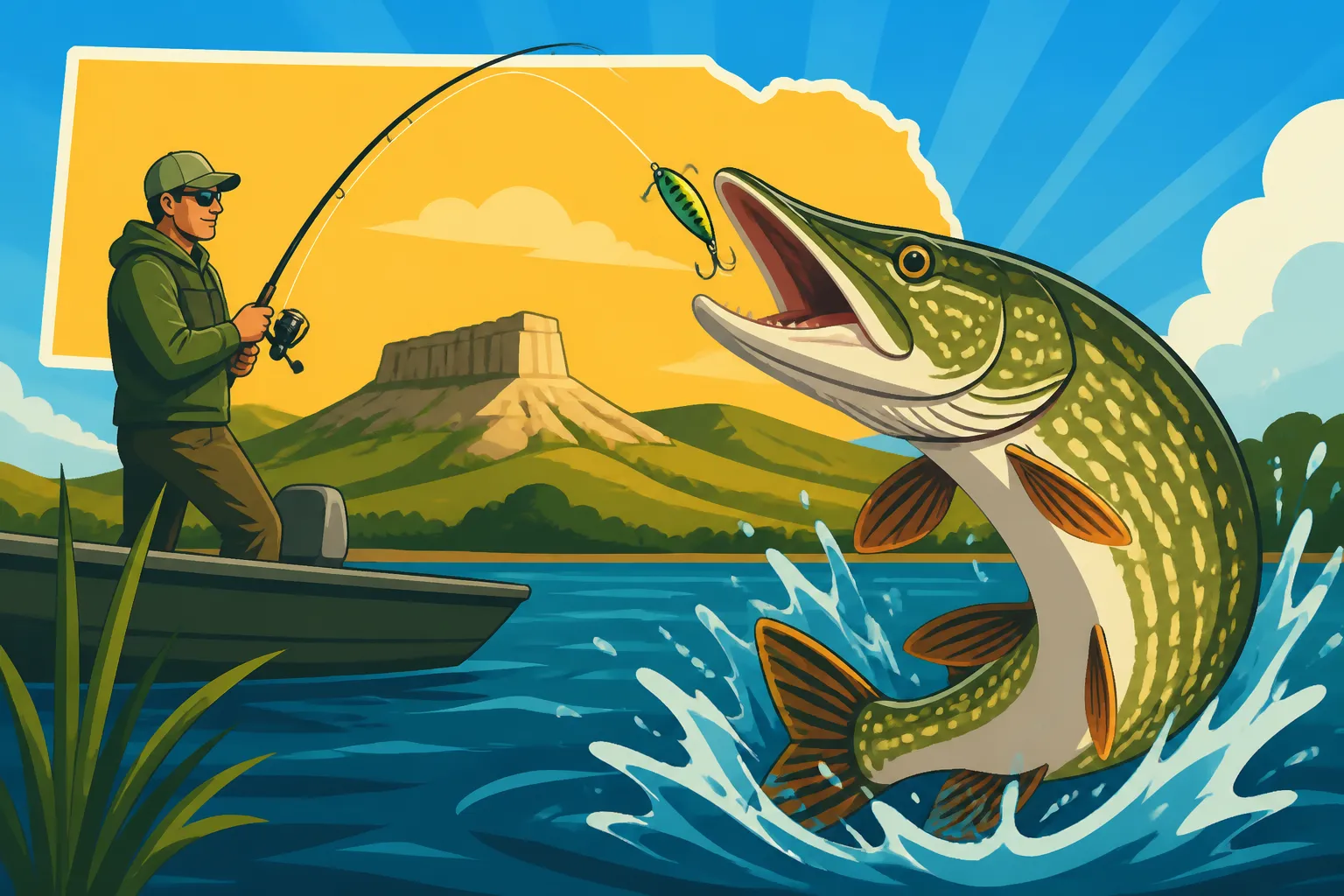
Catching northern pike in Nebraska can sometimes feel like chasing a ghost. These aggressive, toothy predators are notoriously elusive, and many anglers get frustrated trying to consistently locate and land them. If you've been struggling to figure out their patterns or just want to up your pike game, you're in the right place. This comprehensive guide is designed to cut through the confusion and equip you with the knowledge, techniques, and gear needed to confidently pursue and catch northern pike across the Cornhusker State.
Understanding Nebraska's Northern Pike Habitat and Behavior
Northern pike are fascinating fish, and knowing where they like to hang out and what makes them tick is half the battle when trying to catch them. They're not just found anywhere; they have specific preferences that, once understood, can really help you narrow down your search.
Where Pike Roam in Nebraska
In Nebraska, northern pike tend to favor cooler, clearer waters that offer plenty of ambush points. Think about it: they are pure predators, built for explosive, short bursts of speed to snatch unsuspecting prey. This means they need cover – a lot of it. You'll often find them lurking along the edges of dense weed beds, around submerged timber, near rocky points, or nestled into other structural elements that provide concealment. While they appreciate cooler temperatures, especially in summer, they're not always deep. They'll often be in relatively shallow water if there's good cover and forage available.
When it comes to specific locations, Nebraska has some real gems for pike fishing. Places like Box Butte Reservoir, which has a reputation for some truly impressive pike, are prime targets. Merritt Reservoir in the Sandhills also holds a solid population, and its clear waters and abundant vegetation make it ideal pike habitat. You'll also find them in Sherman Reservoir and Calamus Reservoir, especially in the bays and coves with good weed growth. These are the kinds of places where you might find your next trophy. Rivers aren't typically primary pike waters in Nebraska, but sometimes in the slower backwaters or oxbows of larger river systems, you might encounter them, especially where there's good cover and connectivity to lakes or reservoirs.
Seasonal Movements and Activity
Understanding how pike move throughout the year is crucial for consistently finding them. Their behavior is heavily influenced by water temperature and their spawning cycle.
- Spring: After the ice recedes and water temperatures start to climb into the 40s and 50s Fahrenheit, pike go through their spawning ritual, usually in shallow, vegetated areas. Immediately post-spawn, they are often incredibly hungry and aggressive, moving into slightly deeper but still accessible areas to feed heavily. This is a fantastic time for active fishing, as they're looking to recover and bulk up. They’ll often be found cruising the edges of newly growing weed lines or near shallow points.
- Summer: As Nebraska's waters heat up, pike tend to seek cooler, more oxygenated areas. This often means moving deeper, sometimes suspending over main lake basins or holding tight to deep weed lines, submerged humps, or old creek channels. Early morning and late evening bites are typically best, as they venture shallower to feed under low light conditions. During the heat of the day, you'll need to work harder and probe deeper structures.
- Fall: This is arguably the best time to target northern pike in Nebraska. As water temperatures drop, pike enter a pre-winter feeding frenzy. They become incredibly active, aggressive, and often move back into shallower areas, especially those with green, healthy vegetation. They are looking to pack on weight for the lean winter months, making them highly susceptible to a wide range of lures. You can cover a lot of water and expect some thrilling strikes.
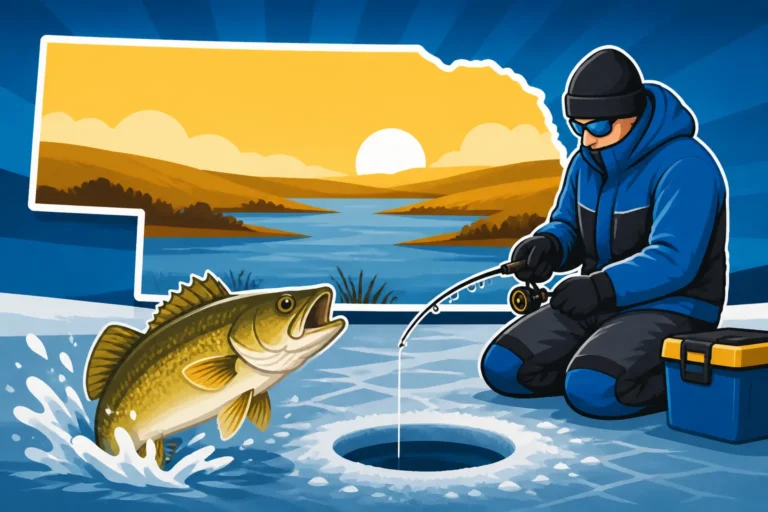
- Winter: Yes, you can catch pike through the ice in Nebraska! While their metabolism slows down, they remain opportunistic feeders. During ice fishing season, you'll want to focus on areas with remaining green weeds, distinct drop-offs, or submerged structure. They'll often stage themselves for ambush along these features. For more on this, check out our guide on How to Ice Fish in Nebraska.
Essential Gear for Nebraska Pike Fishing
Pike fishing isn't like panfishing; these fish are built for battle, and their teeth are no joke. Having the right gear isn't just about catching them, it's about doing so safely and effectively.
Rods, Reels, and Line Selection
When targeting northern pike, you need tackle that can stand up to their powerful runs and sharp teeth.
- Rods: Opt for a medium-heavy to heavy power rod with a fast action. This combination provides the backbone needed to cast larger lures and control a fighting fish, while the fast action gives you sensitivity and quick hook-setting power. A length between 6'6" and 7'6" is generally ideal, offering good casting distance and leverage. If you're primarily casting from shore or a boat, a 7-foot, medium-heavy casting rod is a versatile choice.
- Reels: For heavier lures and braided line, a baitcasting reel is often preferred. Look for a model with a robust drag system and a decent retrieve speed – a gear ratio around 6.4:1 or 7.1:1 works well. If you prefer spinning gear or are using slightly lighter presentations, a strong spinning reel in the 3000-4000 size range with a smooth drag is suitable.
- Line: Braided line is the absolute king for northern pike fishing. Its strength, lack of stretch for solid hooksets, and abrasion resistance are invaluable. A test strength of 30-65 pounds is appropriate, depending on the size of pike you're targeting and the amount of cover. Critically, you must use a leader. Pike have incredibly sharp teeth that will easily slice through standard monofilament or fluorocarbon main lines. A 50-80 pound test fluorocarbon leader (which is more abrasion resistant than mono) or, even better, a steel or titanium wire leader about 10-18 inches long, is essential. You can find a good selection of these on Amazon, often in convenient multi-packs.
Lures and Baits That Pike Can't Resist
Pike are aggressive and will hit a variety of presentations, but some lures are consistently more effective than others.
- Spoons: Classic and deadly. Brands like Dardevle, Johnson Silver Minnow, and Eppinger Daredevle have been catching pike for decades. Colors like red and white, silver, or gold are perennial favorites. Their wobbling action mimics injured baitfish, which pike find irresistible. Cast them out and retrieve with a stop-and-go motion or a steady retrieve, letting them flutter on the fall.
- Inline Spinners: Another timeless choice. Mepps Aglia and Comet, as well as Blue Fox Vibrax, are excellent options. Larger sizes (e.g., #4, #5) with bright blades work well. They create flash and vibration that can trigger a strike from an aggressive pike.
- Jerkbaits and Minnow Baits: These lures excel at imitating fleeing or injured baitfish. Suspending jerkbaits from brands like Rapala or Lucky Craft allow you to pause them in the strike zone, often provoking a wary pike to commit. Work them with a "twitch, twitch, pause" retrieve to mimic erratic baitfish movements.
- Swimbaits: Large, paddle-tail swimbaits, especially those with realistic profiles, can be incredibly effective when retrieved steadily or with a slow roll near the bottom or through weed beds. These are particularly good for imitating the larger forage fish that big pike key in on.
- Spinnerbaits: Heavy-duty spinnerbaits with large blades (Colorado or Willow Leaf) are great for fishing through weeds and snags where other lures might get hung up. Their flash and vibration can draw pike out of cover.
- Live Bait: Where permitted by Nebraska regulations (always check the current Nebraska Fishing Regulations Explained before using live bait), large shiners, suckers, or chub minnows can be incredibly effective, especially when pike are finicky. Fish them under a large slip bobber near weed edges or on a quick-strike rig near the bottom. You can find various quick-strike rig components, including strong hooks and wire leaders, on Amazon. This rig helps ensure the fish takes the entire bait and hook quickly, leading to a more solid hookset and reducing deep hooking.
Proven Techniques for Targeting Northern Pike
Now that you know where they are and what they eat, let's talk about how to present your offerings effectively to coax those pike into biting.
Casting and Retrieving Strategies
Most pike fishing involves covering water with casts, trying to entice a strike. It's an active way to fish and can be incredibly rewarding.
- Covering Water: Don't just cast in one direction. Use a fan-casting approach, starting with a cast to your left, then center, then right, slowly working your way around a promising area. This ensures you cover as much potential pike habitat as possible.
- Varying Your Retrieve: Pike can be finicky about retrieve speed. Sometimes a fast, steady retrieve will trigger a reaction strike, while other times a slow, methodical stop-and-go or a sharp jerking motion (especially with jerkbaits) is what they want. Experiment until you find what's working on a given day. Pay attention to retrieve depth too; often pike will strike a lure as it falls or rises through their strike zone.
- Targeting Structure: Focus your casts on the edges of weed lines, where vegetation meets open water. This is a classic ambush point. Cast to points, submerged humps, and any visible or sub-surface timber. If you see baitfish flickering on the surface, cast into that area. These are all high-percentage spots. Remember, pike are rarely in the middle of nowhere; they are usually associated with some form of cover or structure.
Trolling and Live Bait Tactics
Sometimes, covering vast expanses of water or presenting a more natural offering is the key to success.
- Trolling: This technique is especially effective for covering large areas, particularly in bigger Nebraska reservoirs, and for targeting deeper-holding pike in summer. Use large crankbaits that dive to the desired depth or heavy spoons. Vary your trolling speed until you find what triggers bites. Typically, a speed between 2-4 mph is a good starting point. Trolling also allows you to follow contour lines and probe areas that might be too large to effectively cast. Ensure your rod holders are stout, as a pike strike while trolling can be aggressive!
- Live Bait Fishing: When pike are less aggressive or in cold water, live bait can be a game-changer. Rig a large shiner or sucker minnow on a quick-strike rig under a sturdy slip bobber. Adjust the bobber stop to suspend the baitfish just above the weed tops or at a depth where you've marked fish on your electronics. Cast it out and let the baitfish do the work. The natural movement of the live bait can entice even the most hesitant pike. Remember to set the hook quickly once you see the bobber disappear or start moving, to prevent deep hooking and ensure a healthy release. For more on the specifics of How to Catch Northern Pike in Nebraska, consider these detailed tactics.
Ice Fishing for Pike
Don't let the cold stop you! Northern pike are a fantastic species to target during the winter months. You can find a complete guide to Nebraska Ice Fishing Gear Guide if you plan to hit the hard water.
- Tip-Ups: These are essential for ice fishing pike. Set them up with large shiners or suckers, fished just off the bottom or suspended in the water column using a weighted treble hook on a wire leader. Space your tip-ups across different depths and structural features to find where the fish are active. The flag popping up is one of the most exciting sights in ice fishing!
- Jigging: While tip-ups are often primary, active jigging can also catch pike. Use heavy jigging spoons (like a Northland Buck-Shot Rattle Spoon or a Vexan Crystal Rattling Jigging Spoon) or larger soft plastic swimbaits on a stout jigging rod. Work these lures with aggressive lifts and falls, pausing briefly at different depths. Focus your jigging efforts on weed edges, points, and sudden drop-offs.
- Location, Location, Location: Even under the ice, pike stick to cover. Look for healthy, green weed beds (often found in shallower bays), structural elements like points or humps, and areas near old creek channels. Use your electronics to find these features and mark fish. Always prioritize safety on the ice; ensure you know How Thick Ice Needs to Be to Fish Safely in Nebraska before venturing out.
Tips for Success and Responsible Pike Angling
Catching pike is exciting, but it's important to do it responsibly, both for your safety and the health of the fishery.
Handling Pike Safely
Northern pike are beautiful fish, but they demand respect due to their formidable array of teeth. A careless mistake can lead to a painful injury.
- Tools are Your Friends: Always bring long-nosed pliers, a jaw spreader, and a large landing net. The net helps control the fish at boatside or shore, preventing it from flopping around. A jaw spreader can be invaluable for safely removing hooks from deep inside their mouth without risking your fingers. Long-nosed pliers are a must for hook removal.
- Wet Hands and Support: If you plan to release the fish, wet your hands before handling it to protect its slime coat, which is vital for its health. When holding a pike for a photo, support its body horizontally, especially if it's a larger fish, to avoid damaging its internal organs or spine.
- Quick Release: Pike can be prone to stress, especially in warmer water. Minimize their time out of the water, quickly snap your photo, and get them back in the water. Gently hold them upright until they swim away under their own power. Consider using barbless hooks or crimping down the barbs on your lures to make hook removal easier and quicker.
Understanding Regulations
The Nebraska Game and Parks Commission sets specific regulations to manage fish populations and ensure sustainable fishing for everyone.
- Check Before You Go: Before every fishing trip, it's vital to consult the current Nebraska Fishing Regulations. These cover everything from daily bag and possession limits to length limits and specific rules for certain waters. For example, Nebraska Walleye Daily Bag Limit may be different from the pike limit, so always know what applies to the species you're targeting.
- License Requirements: Make sure your Nebraska Fishing License Guide is up-to-date. Most anglers over the age of 16 require a valid fishing license. Don't risk a fine for something so easily avoidable.
- Specific Rules: Some lakes might have unique rules regarding live bait, specific tackle, or catch-and-release only zones. Ignorance of the law is not an excuse, so a quick check of the regulations can save you a lot of trouble. This guide on Nebraska Fishing Regulations Explained can be a great starting point for understanding the broader rules.
Best Times and Conditions
While pike can be caught year-round, certain conditions often lead to more consistent action.
- Low Light and Overcast Days: Pike, like many predatory fish, are often more active during low light periods – dawn, dusk, and on overcast days. Bright sun can push them deeper or tighter into cover.
- Pre-Front Conditions: Just before a major weather front moves in, fish often go on a feeding binge. The falling barometric pressure can trigger them to become very active. Once the front passes and conditions stabilize, fishing can slow down.
- Wind: A moderate wind can be your friend when pike fishing. It creates a chop on the water's surface, breaking up light penetration and often positioning baitfish, and thus pike, along windy shorelines, points, or weed edges. However, too much wind can make boat control and casting difficult.
Here's a quick look at some common pike lures and their typical uses:
| Lure Type | Best Use Case | Key Characteristics | Example Brands (often found on Amazon) |
|---|---|---|---|
| Spoons | Covering open water, varied retrieve, imitating injured baitfish | Wobbling action, flash, various weights | Dardevle, Johnson Silver Minnow |
| Inline Spinners | General search, shallow to medium depths, consistent retrieve | Flash, vibration, easy to cast | Mepps, Blue Fox Vibrax |
| Jerkbaits | Mimicking erratic baitfish, suspending in strike zone | Erratic darting action, suspending or floating | Rapala, Lucky Craft |
| Swimbaits | Realistic baitfish imitation, slow retrieve, deep water | Natural profile, paddle tail, soft plastic | Keitech, Strike King |
| Spinnerbaits | Fishing heavy cover (weeds, timber), drawing reaction strikes | Flash, vibration, weedless design | Booyah, Strike King |
| Live Bait Rigs | Finicky fish, cold water, natural presentation | Quick-strike rigs, slip bobbers, large minnows | Gamakatsu, Eagle Claw (for components) |
Pike fishing in Nebraska offers a unique blend of challenge and excitement. By understanding their habits, equipping yourself with the right gear, and employing effective techniques, you'll be well on your way to experiencing the thrill of battling these freshwater titans.
Disclaimer
The information provided in this guide is for general informational purposes only and is subject to change. Fishing regulations, season dates, and license requirements are set by the Nebraska Game and Parks Commission and can be updated annually. Always consult the most current official Nebraska fishing regulations prior to engaging in any fishing activities. Adherence to all local, state, and federal laws is the responsibility of the angler.