Nebraska Fall Crappie Fishing Techniques
As the days shorten and a crisp chill fills the Nebraska air, many anglers start to hang up their rods, thinking the best fishing is behind them. But if you’re overlooking fall crappie, you're missing out on some of the most exciting and productive angling opportunities the Cornhusker State has to offer. It can be frustrating to transition from summer patterns, but with a few tweaks to your approach, you can fill your cooler with slabs this autumn. This guide will walk you through everything you need to know about Nebraska fall crappie fishing techniques, ensuring you're ready to tackle the cooling waters with confidence.
Understanding Fall Crappie Behavior in Nebraska
As summer's warmth fades, the crappie in Nebraska's lakes and reservoirs undergo significant changes in their behavior. This isn't just a slight shift; it's a complete relocation and alteration in their feeding habits. Understanding these nuances is absolutely crucial if you want to be consistently successful during the autumn months. Many anglers struggle because they're still fishing summer spots or using summer tactics, but crappie in the fall are a different beast altogether.
The Crappie's Autumn Migration
When the water temperatures begin to drop, crappie transition from their shallow, warm-water haunts to deeper, more stable environments. This migration isn't random; it's driven by two primary factors: finding comfortable temperatures and following their food source. During late summer and early fall, as surface waters cool, crappie will often move to deeper points, channel bends, and submerged timber. This means those shallow brush piles that produced so well in July might be completely barren in October.
Think about it from their perspective: they're cold-blooded, and their metabolism is slowing. They need to find a place where temperatures are stable and where they can feed without expending too much energy. This often means moving to structure that offers both cover and access to open water baitfish. They’re not necessarily going to the deepest part of the lake, but certainly deeper than their summer residences, usually in the 10-25 foot range, depending on the lake's depth and structure.
Fall Feeding Frenzy: Bulking Up for Winter
Before the true cold of winter sets in and their metabolism drops even further, crappie enter a period of intense feeding. This "fall feeding frenzy" is their last chance to pack on fat reserves that will sustain them through the lean winter months. This is fantastic news for anglers because it means crappie are aggressive and actively hunting. They are less finicky than during other times of the year, often willing to hit a wider variety of baits and lures.
They primarily target baitfish like shad, shiners, and juvenile panfish that are also schooling up in open water or around structure. This frantic feeding activity makes fall one of the best times to target large numbers of crappie, and often, some of the biggest slabs of the year. You'll often find them schooling tightly together, making it possible to catch several fish from a single spot once you locate them. This is a stark contrast to summer, when they might be more scattered or only bite during specific low-light periods.
Essential Gear for Nebraska Fall Crappie Fishing
You wouldn't bring a spoon to a knife fight, right? The same goes for fall crappie fishing. While some of your trusty summer gear might still work, optimizing your setup for cooler water and deeper presentations will make a world of difference. Investing in the right tools isn't just about catching more fish; it's about making the experience more enjoyable and less frustrating, especially when battling those unpredictable Nebraska fall winds.
Rods, Reels, and Line for Sensitivity
For fall crappie, sensitivity is your best friend. Crappie bites can be incredibly subtle, especially as water temperatures continue to drop later in the season. A light action rod will transmit those faint taps right to your hand. I personally prefer a 6 to 7-foot light or ultralight action spinning rod. This length gives you enough leverage for casting lighter jigs and baits, but also allows you to feel those delicate bites. Paired with a small, smooth spinning reel, like the ones you might find for a great price on Amazon, you've got a killer combo. If you're looking for recommendations, check out our guide on the best spinning reels for panfish.
When it comes to fishing line, I almost exclusively use 4-6 lb test monofilament or fluorocarbon. Monofilament has a bit of stretch, which can be forgiving on light bites, and it's less visible in clear fall waters. Fluorocarbon, on the other hand, has very little stretch and is virtually invisible underwater, offering maximum sensitivity. Some anglers even use light braided line with a fluorocarbon leader for ultimate feel, especially when fishing deep. The key is to keep it light enough not to impede the action of your lure, but strong enough to handle a feisty crappie or two.
Lures, Baits, and Presentation Specifics
This is where the real fun begins! Fall crappie are often feeding aggressively, but their preferences can change daily based on water clarity, temperature, and baitfish activity. Having a diverse tackle box is crucial.
- Jigs: Small jigs are the bread and butter of crappie fishing. Think 1/32 to 1/8 ounce jig heads, paired with soft plastic bodies like tube jigs, paddle tails, or small curly-tail grubs. Natural colors like white, chartreuse, smoke, and black are perennial favorites, but don't shy away from brighter colors if the water is stained or on overcast days. A good starting point is to have a variety of jig sizes and colors ready. Want to know more about what specific colors work? Our "Best Jig Color for Nebraska Crappie" article has you covered.
- Minnows: Live minnows are incredibly effective, especially when crappie are less active in colder water. Hook them through the lip or just behind the dorsal fin on a small, sharp hook (size 4 or 6). You can fish them under a bobber or simply tight-line them on a jig head or a bare hook with a split shot.
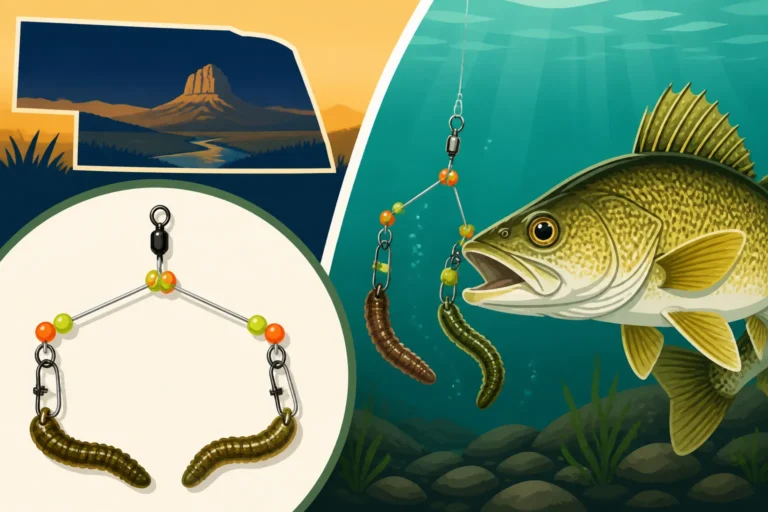
- Crappie Rigs: Pre-tied crappie rigs with two hooks, often called "double-jig rigs" or "spider rigs," are fantastic for covering water and presenting two different baits or colors at once. This increases your chances of finding what the crappie want.
Experimentation is key. Start with a few different presentations and see what works. If you're not getting bites, change your lure, color, or depth.
Top Techniques for Fall Crappie Success
Once you've got your gear dialed in and a good understanding of crappie behavior, it's time to put those techniques into action. Fall crappie fishing isn't about one magic bullet; it's about adapting and having a versatile approach. Each technique has its time and place, and knowing when to deploy each one will dramatically improve your catch rate.
Vertical Jigging and Dropping
This is arguably the most effective technique when you've located a school of crappie, especially if they're holding tight to structure or in deeper water. The principle is simple: get your lure directly to the fish and work it with subtle movements.
To vertical jig, position your boat directly over the crappie (using a good fish finder is invaluable here). Drop your jig or minnow-tipped jig straight down to their depth. Once there, gently lift and drop your rod tip, imparting a subtle "swim" to the lure. Sometimes a tiny twitch is all it takes, other times a slightly more aggressive lift-and-fall works better. The key is to keep your bait in the strike zone for as long as possible. If the crappie are suspended, you can hold your bait perfectly still for a few seconds, letting the current or subtle boat movement give it life. This method is particularly effective around submerged timber, bridge pilings, or deep brush piles. If you're specifically targeting crappie around cover, our article on How to Catch Crappie Around Brush Piles offers some excellent insights.
Slow Trolling (Spider Rigging)
When crappie are more dispersed, or you're trying to cover a wider area to locate them, slow trolling (often called "spider rigging") is incredibly effective. This involves using multiple rods (often up to four per angler in Nebraska, so be sure to check current regulations on the number of rods allowed per angler) set out from the boat, presenting jigs or minnows at various depths and distances.
Set your trolling motor to a very slow speed, usually between 0.5 to 1.5 mph. Use rods of varying lengths, fanned out from the front or sides of your boat. Experiment with different jig weights, colors, and depths until you start getting bites. This technique allows you to systematically search a large section of a lake or reservoir. Imagine slowly drifting over a creek channel or a long point, presenting a smorgasbord of offerings to any crappie in the vicinity. This is an excellent way to pinpoint active fish when they're not tightly schooled in one spot.
Casting and Retrieving Jigs
Don't forget the classic casting method! While crappie often go deep in the fall, they will still relate to shallow cover, especially during warmer spells or in the early morning/late evening. Casting small jigs to visible structure like docks, fallen trees, or riprap can be very productive.
Cast your jig past the target area and retrieve it slowly, allowing it to sink to the crappie's depth. A steady, slow retrieve often works best, but don't be afraid to add a pause or a subtle twitch. Sometimes, a "snap-jigging" retrieve where you quickly snap the rod tip up a foot or two and then let the jig fall on a semi-slack line can trigger strikes from reluctant fish. This is particularly effective near drop-offs where crappie might be staging.
Locating Crappie Hotspots in Autumn
Finding the fish is half the battle, and in fall, crappie don't just hang out anywhere. Their movements are dictated by temperature, structure, and baitfish. Learning to identify prime autumn crappie territory will save you countless hours of unproductive casting. Many anglers get frustrated because they hit their usual summer spots, only to find them empty.
Deep Water Structure
As mentioned, fall crappie head for deeper, more stable environments. This means focusing your efforts on submerged structures that offer both cover and access to open water.
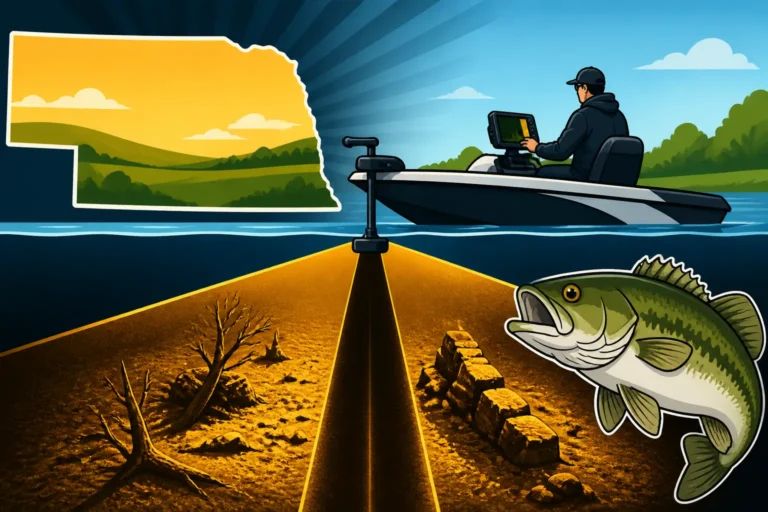
- Submerged Timber and Brush Piles: These are perennial crappie magnets. Look for standing timber in old creek channels, sunken brush piles placed by anglers or nature, or submerged laydowns. Crappie love to suspend around these structures, using them for ambush points and protection. Your fish finder will be crucial here to identify these underwater forests.
- Channel Bends and Drop-offs: Crappie will often congregate along the edges of old creek and river channels that wind through reservoirs. The bends in these channels, where the depth changes abruptly, are especially productive. Similarly, steep drop-offs from points or flats into deeper water create natural highways and holding areas for crappie.
- Roadbeds and Foundations: Any old submerged structure can hold crappie. Old roadbeds, foundations of former buildings, or even fence lines that were flooded when a reservoir was created can be fantastic spots. These offer distinct vertical and horizontal structure that crappie will relate to.
When exploring these areas, pay close attention to your electronics. The best crappie spots often show distinct arcs of fish, indicating a school.
Following the Baitfish
Crappie are predators, and they follow their food. In the fall, baitfish like shad will often school up in large numbers, sometimes in open water, sometimes near main lake points or channel edges.
- Open Water Schools: Don't be surprised to find crappie suspended in open water, far from any visible structure, if that's where the baitfish are. Your fish finder will be your best friend here, showing large bait balls and the tell-tale arcs of crappie lurking just below or around them. Slow trolling or vertical jigging around these schools is highly effective.
- Main Lake Points: These points often extend into deeper water and can serve as ambush points for crappie feeding on passing baitfish. Look for points that have some form of cover, like scattered rocks, stumps, or a quick drop-off.
- River Systems: In larger river systems like the Platte River, crappie will often move into slower eddies, oxbows, or backwater areas that offer protection from the current and concentrate baitfish. Pay attention to changes in current speed and look for areas where baitfish are swirling. For more on river fishing, our guide to the Platte River Fishing Guide is a valuable resource.
Consider places like Branched Oak Lake or Pawnee Lake, both known for good crappie populations, when you are scouting for these types of fall structures. Using your boat's electronics to scan these deeper areas, looking for baitfish schools and distinct fish arches, is paramount. You might even want to consult a specific guide for a location like Harlan County Reservoir Fishing, as the fall patterns there are well-established.
Adapting to Nebraska's Fall Weather and Water Conditions
Nebraska's fall weather can be as unpredictable as a teenage mood swing. One day it's calm and warm, the next you're battling fierce winds and dropping temperatures. Successfully targeting fall crappie means being ready to adapt to these ever-changing conditions, as they directly impact fish behavior. It’s not enough to know the techniques; you have to know when and how to apply them.
The Impact of Cooling Water Temperatures
As autumn progresses, the lake's water temperature continues its downward trend. This is perhaps the most significant factor influencing crappie behavior.
- Early Fall (Water temps 60-70°F): This is often a transition period. Crappie might still be found shallower during low-light conditions but will begin moving to deeper haunts. The bite can be aggressive, and fish are still relatively active. Think about using faster retrieves or more aggressive jigging motions. This is a great time to be out there, and often the fish are easier to catch in numbers.
- Mid-Fall (Water temps 50-60°F): This is prime time for the fall feeding frenzy. Crappie are usually schooled up in deeper water, typically around 15-25 feet, and feeding heavily on baitfish. They are often less scattered and easier to target once found. Slow trolling and vertical jigging become incredibly effective. They're trying to pack on those calories before winter.
- Late Fall (Water temps below 50°F): As temperatures dip further, crappie become less active, their metabolism slows, and they tend to hug tight to structure. The bites will be much more subtle. Here, slow, subtle presentations with live minnows or very small jigs are key. Our guide on how to find crappie in cold water delves deeper into these late-season tactics.
Always check local water temperature reports or carry a thermometer. Knowing the temperature helps you anticipate where the crappie might be and how active they'll be.
Dealing with Wind and Fronts
Wind and cold fronts are common in Nebraska during the fall, and they can either help or hinder your crappie fishing.
- Windy Days: While challenging to navigate, windy days can sometimes churn up baitfish and concentrate them, making crappie more active. On such days, focus on the lee side of points or islands where the wind is less severe, or areas where the wind is blowing baitfish into a pocket. You might need to use slightly heavier jigs to maintain contact with the bottom or keep your bait in the strike zone. If you're using a boat, a reliable trolling motor is a must for maintaining position against the wind.
- Cold Fronts: A strong cold front usually means clear skies, dropping temperatures, and often, a tougher bite. Crappie can become lethargic and suspend tightly to cover. During a post-frontal bite, you'll need to slow down your presentation considerably. Think small jigs, dead sticking minnows, and very subtle movements. This is when sensitivity in your rod and line truly pays off, as bites can be almost imperceptible. Sometimes, waiting a day or two after a strong front for the fish to readjust can make a huge difference.
Packing layers of clothing, including rain gear and wind-resistant outerwear, is essential for comfort and safety during Nebraska's unpredictable fall weather.
Advanced Tips for Consistent Fall Crappie Catches
You've got the basics down, you know the gear, and you're ready for the fall bite. But what about those days when the fish seem to have lockjaw, or you're just not quite matching the hatch? Consistent success often comes down to a few advanced techniques and a willingness to think outside the box.
Sonar Savvy: Maximizing Your Electronics
In the fall, your fish finder isn't just a luxury; it's a necessity. Crappie are often suspended or relating to subtle deepwater structure that's invisible from the surface.
- Side Imaging/Down Imaging: If you have these features, use them! Side imaging allows you to scan wide swaths of water, revealing submerged brush piles, old roadbeds, and schools of crappie off to the side of your boat. Down imaging gives you a photo-like view directly beneath your boat, helping you distinguish between baitfish and larger crappie.
- Interpreting Arches: Learn to recognize what crappie look like on your sonar. They typically appear as distinct arches, often grouped together. Pay attention to how high off the bottom they are. Are they 10 feet deep over 20 feet of water? That tells you exactly where to present your bait.
- Waypoints: Mark every spot where you get a bite or see a promising school of fish. These waypoints become your personal honey holes, and crappie will often return to the same deepwater structures year after year. The GoOutdoorsNE Online Permit System also provides some fantastic resources, including maps and fishing reports that can guide you to areas known for crappie.
Don't just drive around; actively scan. The more time you spend understanding what your electronics are telling you, the more productive your fall crappie trips will be.
Fine-Tuning Your Presentation
Even when you've found the fish, getting them to bite often comes down to the subtleties of your presentation.
- Speed and Pause: Don't be afraid to experiment with retrieve speed. One day, a steady, slow retrieve might work. The next, a sudden stop-and-go might trigger strikes. The "pause" is often the most critical part, allowing the jig to flutter naturally and giving a reluctant crappie time to commit.
- Lure Action: Small, delicate lures that have a lot of action with minimal movement are often best in colder water. Soft plastics with thin tails or small blades will shimmer and vibrate even with the slightest twitch of the rod tip.
- Live Bait Sweeteners: Even when using jigs, tipping them with a small live minnow or a piece of a crappie nibbler (especially useful if you picked up some from Amazon) can add scent and appeal, enticing fish that might ignore a purely artificial presentation.
- Keep Your Bait Clean: Seems obvious, but if you’re fishing around moss or debris, check your bait frequently. A fouled hook or a jig covered in slime won’t get bitten.
Staying Flexible and Patient
Fall crappie fishing requires a blend of persistence and adaptability. Some days, the fish will cooperate, and you'll find them easily. Other days, you'll have to work for every bite.
- Move Until You Find Them: If a spot isn't producing after 15-20 minutes, don't be afraid to move. Fall crappie are often schooled, so if you're not getting bites, it means you're not on them.
- Experiment Constantly: Change your jig color, size, depth, or presentation until you crack the code. What worked yesterday might not work today. This is especially true when dealing with varying levels of light or water clarity.
- Consider the Time of Day: While crappie can bite all day in fall, low-light conditions (early morning and late evening) can still be prime feeding times. Our guide on the Best Time of Day to Catch Crappie goes into more detail.
By staying persistent, observant, and willing to change your approach, you'll undoubtedly enjoy consistent success targeting those delicious Nebraska fall crappie.
Fall Crappie Lure and Bait Quick Reference
To help you quickly decide what to tie on, here's a table summarizing common fall crappie baits and lures, along with their ideal conditions and pros/cons.
| Lure/Bait Type | Description & Size | Ideal Conditions | Pros | Cons |
|---|---|---|---|---|
| Marabou Jig | 1/32 – 1/8 oz, soft feather body | Cold water, subtle bites, deep presentations | Excellent natural action, subtle movement | Can be fragile, sometimes requires tipping with bait |
| Tube Jig | 1/32 – 1/8 oz, hollow cylindrical body | All fall conditions, vertical jigging, casting | Versatile, good action, durable | Can accumulate water inside if not properly rigged |
| Paddle Tail Grub | 1/32 – 1/8 oz, small paddle tail | Active fish, slow trolling, casting | Great vibration, mimics baitfish, can be fished at various speeds | Less effective for extremely subtle bites |
| Curly Tail Grub | 1/32 – 1/8 oz, long, curling tail | All fall conditions, casting, slow retrieve | Constant action, good for searching, versatile in color | Can twist line if retrieved too fast without a swivel |
| Live Minnows | Small shiners or fatheads, hooked through lip/back | Cold water, less active fish, subtle presentations | Most natural bait, often triggers bites when nothing else will | Requires care, can be expensive, slower fishing (rebaiting) |
| Jigging Spoon | 1/8 – 1/4 oz, metal spoon | Deep water, schooling fish, vertical jigging | Excellent flash, quick drop, mimics injured baitfish | Less effective for shallow or finicky fish |
Disclaimer
Fishing regulations can change. Always consult the latest Nebraska Game and Parks Commission regulations before heading out. This guide is for informational purposes only and does not supersede official rules and guidelines. Be safe on the water, especially during colder fall temperatures.