Best Fishing Months for Multiple Species in Nebraska
One of the biggest head-scratchers for any Nebraska angler, whether you're a seasoned veteran or just starting out, is figuring out the best time to hit the water if you're hoping to catch a variety of fish. It's frustrating to plan a trip, only to find that your target species isn't biting, or that another species you love is in its prime just a few weeks later. This guide is all about simplifying that decision, breaking down the Nebraska fishing calendar month by month, and helping you pinpoint the sweet spots for multi-species action.
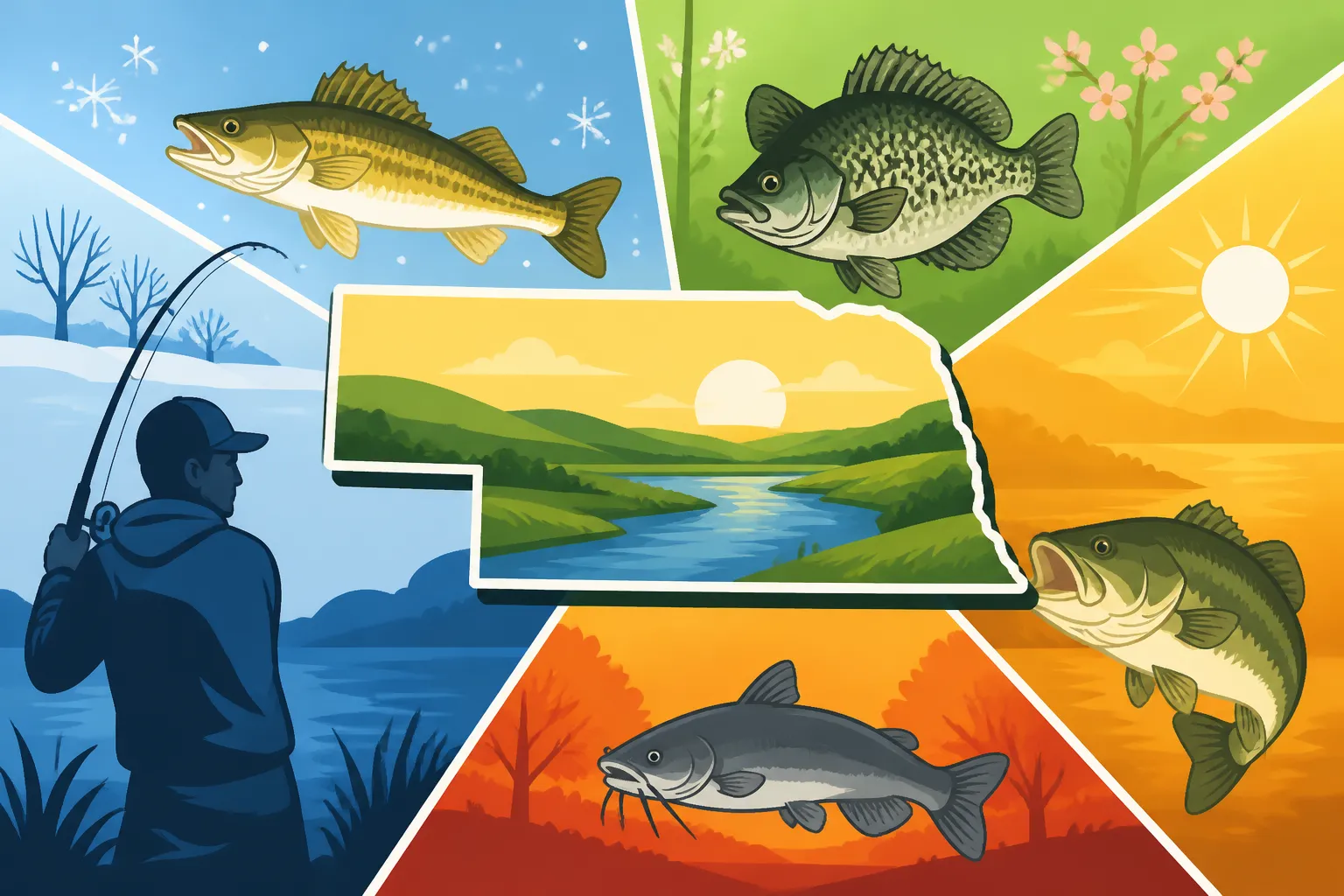
The Seasonal Dance: Understanding Nebraska's Fishing Calendar
Nebraska's diverse waters, from sprawling reservoirs like Lake McConaughy to winding rivers like the Platte, mean that different fish species become active and accessible at various times of the year. It’s like a grand, aquatic ballet, with each species performing its peak moves when conditions are just right. Knowing this rhythm is key to filling your cooler (or your catch-and-release photo album) with a mixed bag.
Spring: Awakening Waters and Hungry Fish (March-May)
Ah, spring! There's nothing quite like the smell of thawing earth and the anticipation of open water after a long winter. As ice recedes and water temperatures begin their slow climb, fish across Nebraska start to shake off their winter sluggishness and think about feeding, or, in many cases, spawning. This is a truly dynamic time for multi-species anglers, offering some fantastic opportunities.
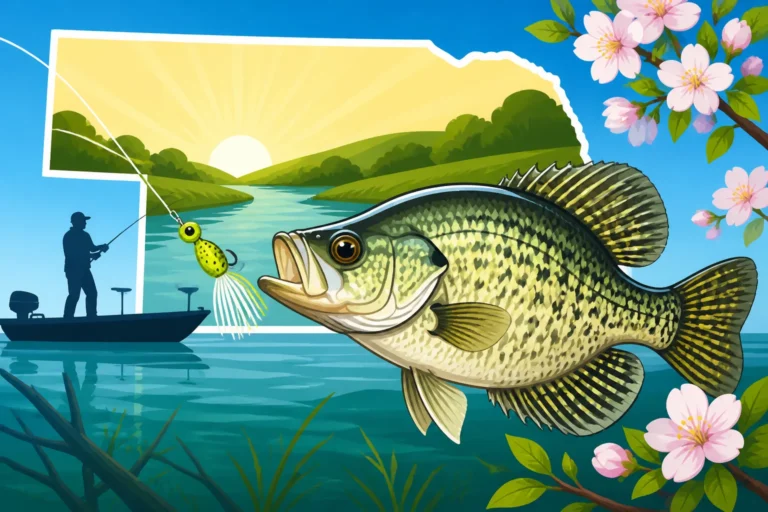
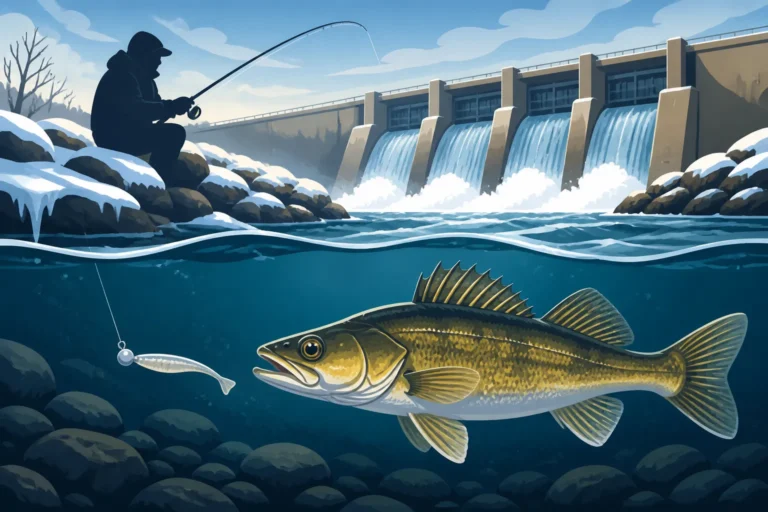
During the early spring, often in March and early April, you'll find walleye making their way to spawning grounds. This pre-spawn period can be incredibly productive for anglers, as these fish are concentrated and actively feeding before and after the spawn. Look for them around rocky areas, riprap, and shallow flats adjacent to deeper water. Later in spring, as walleye recover, other species really start to kick into gear. Crappie, for instance, move into shallow cover like brush piles, submerged timber, and weed beds, making them accessible to shore anglers and boaters alike. Their aggressive bites make them a blast to catch, and they’re excellent table fare. Many anglers find themselves loading up on slabs of Nebraska Crappie Bag Limits during this time.
The spring also signals the awakening of catfish. Channel catfish, in particular, become very active as water temperatures rise, cruising the shallows and river bends looking for an easy meal. Rivers like the Platte and Missouri offer incredible spring catfishing, but even smaller lakes and ponds can be fantastic. You can often find success using simple bottom rigs with cut bait or stink baits. Bass, both largemouth and smallmouth, start to transition from their deeper winter haunts to shallower cover, feeding heavily in preparation for their own spawn. They might not be in their full summer aggression yet, but they're certainly catchable. Early spring on ponds and smaller lakes can yield some impressive largemouth before the summer crowds arrive. For more detailed insights, check out Spring Fishing in Nebraska.
Summer: Heat, Activity, and Deep Water Opportunities (June-August)
Summer in Nebraska means long days, warm water, and usually, active fish! While the midday sun can sometimes make fishing a bit tougher, the early mornings, late evenings, and even night offer some of the most exciting multi-species action.
Largemouth bass are in their full summer patterns, relating to structure like docks, weed lines, and submerged timber. Topwater lures at dawn and dusk can provide explosive strikes, while soft plastics and crankbaits work well throughout the day, especially around deeper cover. When the sun is high and bright, look for them seeking refuge in shade or descending to cooler, deeper water. Catfish, especially channel cats, thrive in the warm summer waters. They'll be active day and night, offering fantastic opportunities in rivers and reservoirs. Nebraska Summer Catfish Techniques often involve fishing deeper holes in rivers or channel swings in lakes, using a variety of baits. Flathead catfish, those big river monsters, become more active and are often targeted at night with live bait in deep snags.
Another exciting summer target, particularly in large reservoirs like Lake McConaughy or Sherman Reservoir, are striped bass and wipers. These hard-fighting hybrids chase baitfish schools in open water, providing thrilling battles. Trolling crankbaits or casting spoons into feeding frenzies are popular and effective methods. While walleye might move deeper during the heat of summer, they are still very catchable. Focus on main lake points, humps, and submerged islands, often using trolling techniques with crawler harnesses or deep-diving crankbaits. The key is to adapt to their preference for cooler, oxygenated water. Consider exploring How to Fish Deep Structure for Summer Walleye for those tricky summer walleyes.
Fall's Bounty: Feeding Frenzies and Changing Habits (September-November)
As the scorching summer heat gives way to cooler autumn breezes, Nebraska's waters undergo a transformation, and the fishing often gets red hot! Fish sense the coming winter and engage in intense feeding frenzies, making fall an incredible time for multi-species angling.
The Autumn Recharge: Walleye and Panfish Feasts
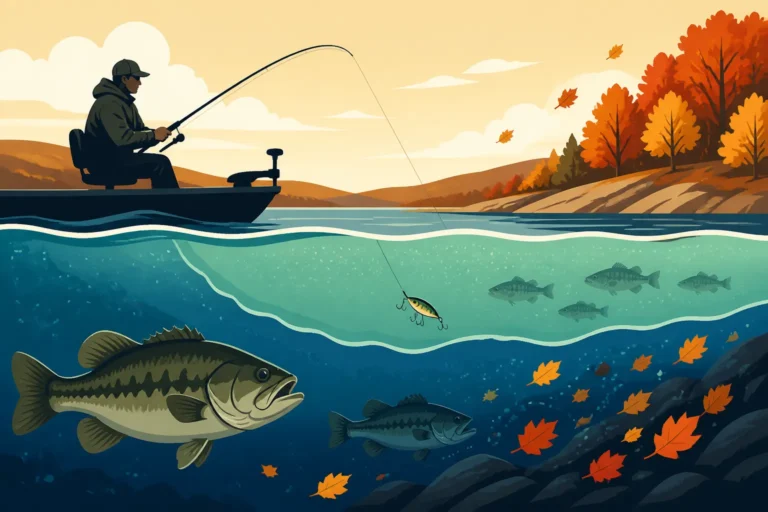
Fall is arguably one of the best times of year to target trophy walleye in Nebraska. As water temperatures drop, walleye become incredibly active, aggressively feeding to build up fat reserves for winter. They often move shallower than in summer, making them more accessible to a wider range of techniques, including casting jigs and crankbaits to points and flats, or continuing to troll large areas. Lakes like Lake McConaughy and Merritt Reservoir are famous for their fall walleye bites. It's a prime window to catch not just numbers, but also some real hogs.
Crappie, too, experience a resurgence in activity. They school up and move to predictable structures, often concentrating in deeper brush piles, standing timber, or around bridge pilings. Nebraska Fall Crappie Fishing Techniques often involve vertical jigging with small jigs or minnows. Perch also become more active in the fall, particularly in lakes that hold good populations, making them a fun panfish target. They’re often found in schools, so once you find one, you're likely to find more. Be sure to understand Nebraska Fishing Daily Bag and Possession Limits before you head out, as limits can sometimes differ by species.
River Catfish and Bass Action
Rivers like the Platte and Missouri continue to offer excellent catfishing opportunities through the fall. As the water cools, channel catfish remain active, though their patterns might shift slightly from the summer. They'll often be found in deeper holes and slower current areas, still keen on a variety of baits. Flathead catfish are also still very much on the menu, especially early in the fall, before they settle into their deepest winter holes.
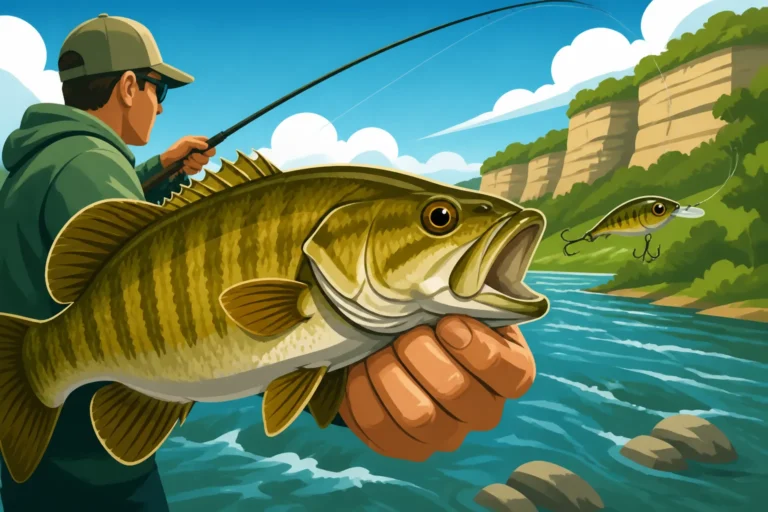
For bass anglers, fall brings a fantastic secondary bite. Largemouth bass will school up on baitfish, often found around creek channels, main lake points, and deeper weed edges. They become very aggressive, hitting crankbaits, spinnerbaits, and jig-and-pig combinations. Smallmouth bass in rivers like the Niobrara and Elkhorn are also very active. They'll be concentrated around current breaks, rocky areas, and deeper pools, providing fantastic fights on light tackle. If you're looking to explore more about river fishing, Platte River Catfish Fishing and Niobrara River Smallmouth Bass Fishing are great resources to consult.
Winter Wonders: Ice and Open Water Opportunities (December-February)
Don't let the cold keep you indoors! Winter in Nebraska, while challenging, offers unique and often incredibly rewarding multi-species fishing experiences, especially for those brave enough to venture onto the ice or explore specific open water sanctuaries.
Ice Fishing Extravaganza
For many Nebraska anglers, winter means one thing: ice fishing! Once safe ice forms, a whole new world of fishing opens up. Popular targets under the ice include panfish like crappie and bluegill, which often school up and can provide fast action. Perch are another fantastic ice fishing target, especially in lakes known for their populations. Walleye can also be caught through the ice, often during low-light periods or by targeting deep structure.
Patience and the right gear are key to successful ice fishing. A good ice auger, a comfortable shelter, and specialized ice fishing rods and reels make a huge difference. Safety, of course, is paramount. Always check ice thickness and conditions before venturing out, and never fish alone. For a deep dive into staying safe and successful on the hard water, take a look at Nebraska Ice Fishing Safety Tips and Nebraska Ice Fishing Gear Guide. Understanding How to Ice Fish in Nebraska is your first step to enjoying this cold-weather pursuit.
Open Water Winter Tactics (Rivers/Tailwaters)
Even when most lakes are frozen, some areas in Nebraska remain open, providing unique winter fishing opportunities. River systems, particularly the Platte and Missouri, often have stretches that stay ice-free due to current or power plant discharges. These areas can hold concentrated populations of channel catfish and even flatheads in deep holes. Fishing slowly and presenting baits directly to these deep pockets is often the most effective strategy.
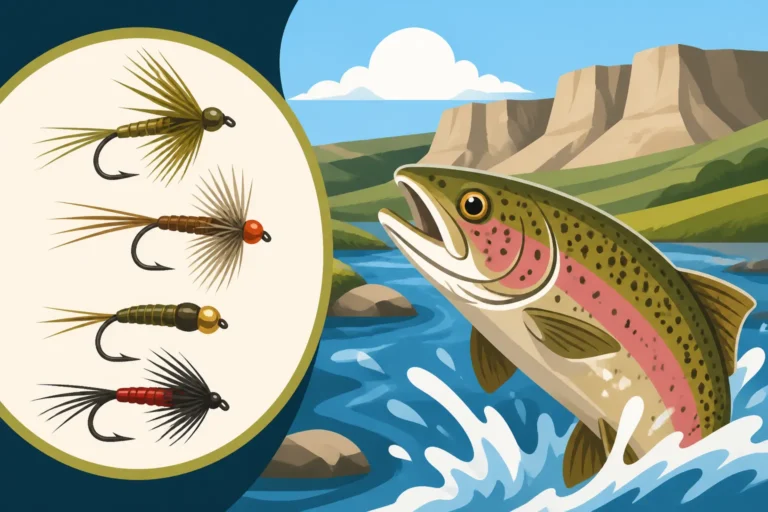
Another prime winter open-water spot is below dams, especially at places like Lake Ogallala below Kingsley Dam, where trout are often stocked or migrate. Nebraska Trout Fishing can be phenomenal in these cold, oxygenated waters. Anglers can find rainbow and brown trout, often using small jigs, spoons, or powerbait. This can be a refreshing change of pace from ice fishing and offers a chance to catch beautiful, hard-fighting fish when many other waters are locked up. For more winter insights, explore Winter Fishing in Nebraska.
Planning Your Multi-Species Adventure
Successfully targeting multiple species in Nebraska often comes down to preparation and flexibility. Conditions can change rapidly, and what worked last week might not work today.
Checking Conditions and Regulations
Before every trip, it's crucial to consult the latest regulations from the Nebraska Game and Parks Commission. Limits, seasons, and special regulations can vary by body of water and species, and they can change. Being informed prevents accidental violations and ensures you're fishing legally. You can often find comprehensive information in the annual fishing guide, which details everything from bag limits to length restrictions. Always have your Nebraska Fishing License Guide sorted before you cast a line. For a general overview, Nebraska Fishing Regulations Explained is an excellent starting point.
Weather and water conditions are also paramount. High winds can make certain lakes unfishable, heavy rains can muddy rivers, and sudden temperature drops can shut down bites. Staying updated on forecasts and local conditions will help you choose the best location and adapt your tactics. Many local bait shops are fantastic resources for real-time reports and advice.
Essential Gear for Versatility
When you're aiming for multiple species, having versatile gear is a huge asset. While specialized setups are great for specific techniques, a good all-around medium-action spinning rod and reel combo, spooled with 8-12 lb test monofilament or braided line, can handle everything from crappie to smaller catfish and bass. It’s the kind of setup that won't let you down, whether you're casting jigs, throwing crankbaits, or fishing with a bobber.
For tackle, consider a selection of jigs (from small panfish sizes to heavier walleye jigs), a variety of crankbaits (shallow, medium, and deep divers), some soft plastics for bass, and an assortment of hooks, weights, and bobbers for bait fishing. Live bait, like nightcrawlers or minnows, are universal attractors for many species. You can often find a wide array of versatile lures and tackle on Amazon, making it easy to stock your tackle box for any eventuality. If you’re just starting out or looking to refresh your setup, Best Rod and Reel Combo for Beginners in Nebraska offers some solid advice. Even experienced anglers might want to check out Best Fishing Gear for Nebraska Anglers to ensure their kit is ready for anything.
| Month | Primary Target Species (Often Active) | Secondary Target Species (Good Opportunity) | Common Fishing Techniques |
|---|---|---|---|
| March | Walleye (pre-spawn/spawn), Crappie | Channel Catfish, Trout | Jigs, crankbaits, minnows, vertical jigging, bottom rigs |
| April | Walleye (post-spawn), Crappie, Bass | Channel Catfish, Trout, White Bass | Crankbaits, jigs, minnows, soft plastics, live bait |
| May | Bass, Crappie, Channel Catfish | Walleye, Wipers | Topwater, soft plastics, crankbaits, live bait, jigs |
| June | Bass, Channel Catfish, Wipers | Walleye, Flathead Catfish, Bluegill | Topwater, crankbaits, jigs, live bait, trolling |
| July | Channel Catfish, Bass, Wipers | Walleye (deep), Flathead Catfish | Night fishing, deep trolling, live bait, heavy jigs |
| August | Channel Catfish, Bass, Wipers | Walleye (deep), Flathead Catfish | Night fishing, deep trolling, live bait, heavy jigs |
| September | Walleye, Crappie, Bass | Channel Catfish, Perch, Smallmouth Bass | Jigs, crankbaits, soft plastics, minnows, trolling |
| October | Walleye, Crappie, Perch | Bass, Channel Catfish | Jigs, minnows, crankbaits, vertical jigging, live bait |
| November | Walleye (late fall), Crappie (deep) | Trout (tailwaters), Channel Catfish (deep) | Jigs, minnows, spoons, slower presentations |
| December | Ice Fishing (Perch, Crappie, Walleye) | Trout (open tailwaters), Deep Catfish | Ice jigs, spoons, minnows, powerbait, vertical jigging |
| January | Ice Fishing (Perch, Crappie, Walleye) | Trout (open tailwaters), Deep Catfish | Ice jigs, spoons, minnows, powerbait, vertical jigging |
| February | Ice Fishing (Perch, Crappie, Walleye) | Trout (open tailwaters), Deep Catfish | Ice jigs, spoons, minnows, powerbait, vertical jigging |
Disclaimer
This article is for general informational purposes only and does not constitute professional advice. Laws, prices and regulations vary by location and change over time. Consult a qualified professional for guidance on your specific situation.