How to Fish From the Bank Without a Boat
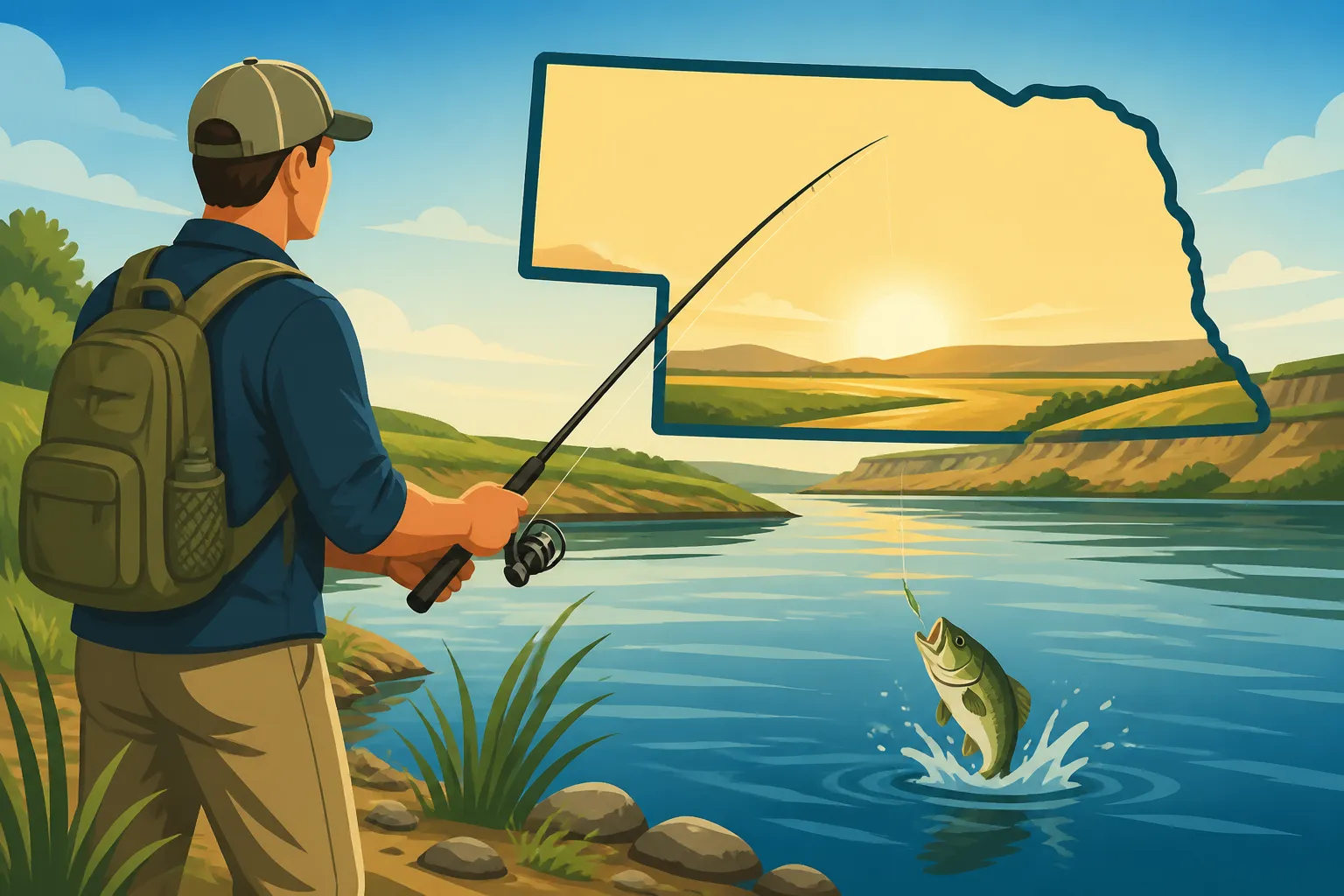
It's a familiar feeling, isn't it? You're itching to get out on the water, to feel that tug on the line, but a boat just isn't in the cards. Maybe you don't own one, or perhaps you're on a trip without it, staring at a beautiful lake or river, wondering how on earth you're going to catch anything from the bank. The good news is, you absolutely can! Nebraska offers fantastic bank fishing opportunities, and with the right approach, you can have just as much success as those out in their boats. This guide is all about empowering you to make the most of those shoreline adventures, turning frustration into fish.
The Bank Angler's Mindset: Maximizing Your Shoreline Advantage
Fishing from the bank isn't just a fallback when you don't have a boat; it's a unique and often highly effective way to fish. It requires a slightly different approach, a keen eye, and a willingness to explore. Instead of lamenting what you don't have, let's focus on the incredible advantages you do have as a bank angler.
Embracing Mobility and Observation
One of the biggest strengths of a bank angler is mobility. You're not tied to a motor or the limits of a boat ramp. You can walk miles of shoreline, covering vastly more ground than many boat anglers might in a specific area. This ability to move allows you to "scout" the water in a way boaters sometimes can't. You can literally walk the bank, peering into the shallows, looking for signs of life. Are there baitfish flickering? Do you see any disturbances on the surface? Are there submerged logs or weed lines close to shore? These are all clues.
Think of yourself as a detective. When you arrive at a new spot, don't just cast blindly. Take five to ten minutes to observe. Watch the water, listen, and look for changes in depth, current breaks, or areas where the water looks different. Often, fish will be concentrated in specific areas along the bank due to available food, cover, or subtle temperature changes. A boat angler might cruise past these subtle indicators, but you, walking the bank, have the advantage of an intimate, ground-level view. This also means you can easily switch spots if one isn't producing, giving you a fresh perspective and new opportunities.
Understanding Fish Behavior Near Shore
Fish, even larger ones, spend a significant amount of time in shallower, near-shore areas. Why? For a few key reasons: food, cover, and temperature regulation. Baitfish, insects, and crawfish often congregate in the shallows, attracting predators. Overhanging trees, fallen logs, weed beds, and even riprap (rocky shorelines) provide excellent ambush points and protection from larger predators or harsh sunlight. During certain times of the year, like spring or fall, near-shore waters can warm up or cool down faster than deeper water, making them attractive to various species.
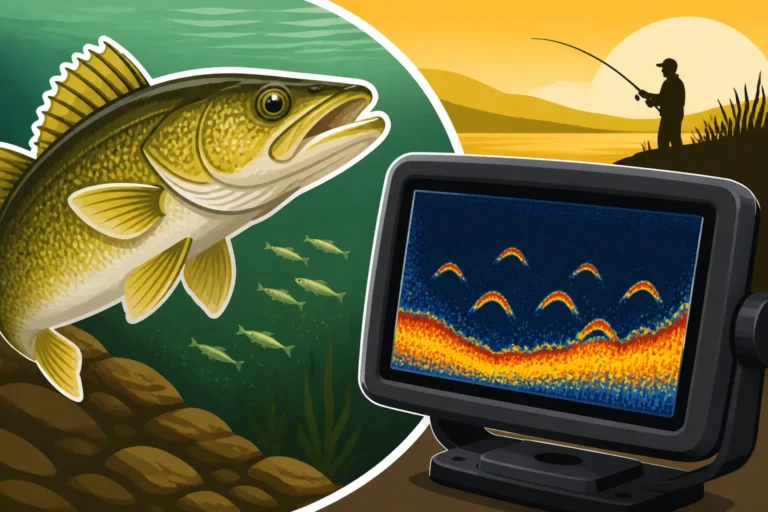
Different species have different habits, too. Panfish like bluegill and crappie are almost always found near some form of cover in shallower water. Largemouth bass love to hang out around submerged structure like timber or weeds close to the bank. Even walleye, often thought of as deep-water dwellers, will move shallow to feed, especially during low-light conditions or specific seasons like spring spawning. Understanding these patterns, and knowing what to look for when you arrive at a spot, will dramatically increase your chances of success. It’s all about putting yourself in the fish’s shoes – or fins, in this case!
Essential Gear for Successful Bank Fishing in Nebraska
You don't need a boatload of expensive equipment to be a successful bank angler. In fact, one of the joys of bank fishing is its simplicity. However, having the right basic gear can make all the difference in your comfort, efficiency, and ultimately, your catch rate.
Rods, Reels, and Line: Your Core Setup
When you're fishing from the bank, versatility is key. You need a setup that can handle a variety of situations, from casting lightweight lures for crappie to heaving heavier baits for catfish, all while trying to achieve good casting distance from a fixed position.
-
Rods: I generally recommend a medium-action spinning rod between 7 and 9 feet long. This length provides excellent casting distance, which is often crucial when you can't position yourself directly over a promising spot. The medium action offers a good balance of sensitivity for detecting subtle bites and backbone for fighting larger fish. For beginners, a spinning reel setup is generally easier to master than a baitcasting reel, especially for casting lighter lures. If you're looking for an affordable yet reliable option, check out some of the combos available on Amazon by searching for a "beginner fishing rod and reel combo." For more detailed guidance on choosing your primary tool, you might find our guide on Best Budget Fishing Rod Under $50 helpful.
-
Reels: A good quality spinning reel, sized appropriately for your rod (usually a 2500-4000 series), will serve you well. Look for smooth drag and retrieve. Paired with your rod, it should feel balanced in your hand.
-
Line: For general bank fishing, I often lean towards 8-12 pound monofilament line. It's forgiving, easy to tie knots with, and offers good abrasion resistance. However, if you're frequently fishing around heavy cover or targeting larger species like channel catfish, a braided line of similar diameter (which will have a much higher breaking strength) can be a fantastic choice for its sensitivity and raw power. You might also want a fluorocarbon leader for stealth in clear water. Understanding the nuances of line choice is important, and for panfish specifically, you might be interested in our article on Best Spinning Reels for Panfish for optimal line and reel pairings.
Tackle Box Essentials: Rigs and Baits
A compact, organized tackle box or bag is your best friend when bank fishing. You need to be efficient with what you carry, as you'll likely be walking.
-
Terminal Tackle: Stock up on an assortment of hooks (sizes #6 to 3/0 are a good start), various sinkers (split shot, egg sinkers, bullet weights), and swivels. These will allow you to adapt your rig to different baits and conditions. For example, a simple slip-sinker rig is fantastic for bottom fishing with live bait, while a bobber rig works wonders for suspending bait or jigs. Want to dive deeper into specific setups? Check out Best Bank Fishing Rigs for Nebraska Reservoirs.
-
Baits:
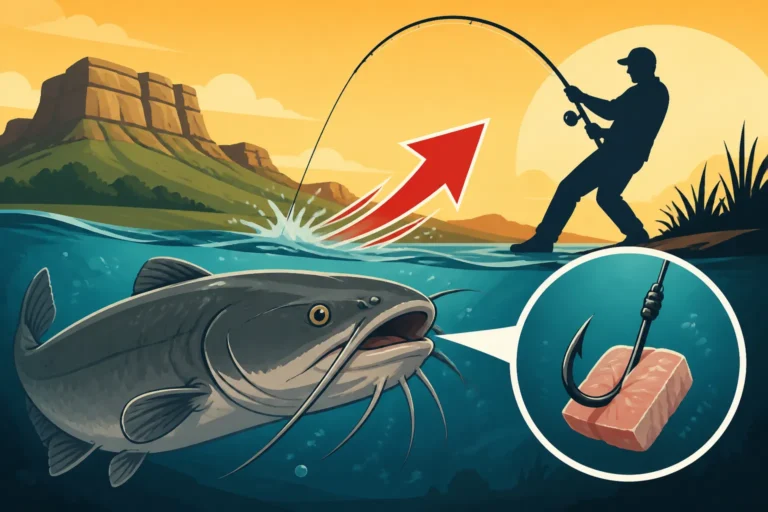
- Live Bait: This is often your most effective option from the bank. Worms (nightcrawlers, red wigglers), minnows, and crawfish are universal fish magnets. Just make sure to check local regulations on live bait use.
- Artificial Lures: Don't neglect artificials! Jigs (especially jig and grub combos), small crankbaits, spinnerbaits, and soft plastic worms or swimbaits can be incredibly effective. Carry a variety of colors and sizes. Darker colors (like black or purple) often work well in stained water, while natural tones (greens, browns) excel in clear conditions. If you're planning to target specific species, you'll want to tailor your bait selection. For some ideas on what tempts the whiskered ones, read our piece on Best Bait for Nebraska Catfish, and if bass are your target, you can find great tips in Best Lures for Nebraska Bass.
To keep everything manageable, consider a small fishing backpack or a tackle bag with multiple compartments. You can find many practical options for organizing your gear on Amazon, often with built-in rod holders or hydration pockets.
Comfort and Convenience Items
Don't underestimate the importance of personal comfort, especially if you plan to spend several hours on the bank.
- Seating: A lightweight, foldable chair or a five-gallon bucket (which can also double as gear storage or a livewell) can make a huge difference in your endurance and enjoyment.
- Hydration and Snacks: Always bring plenty of water, especially during warmer months. Snacks keep your energy up.
- Sun Protection: A wide-brimmed hat, sunglasses (polarized ones are fantastic for spotting fish and structure under the water), and sunscreen are non-negotiable.
- Insect Repellent: Nebraska summers and evenings can be buggy. Don't let mosquitoes or gnats cut your trip short.
- Basic Tools: A small multi-tool, line clippers, and a pair of pliers (for hook removal) are invaluable.
- Net: A small, collapsible landing net can be very helpful for safely landing larger fish, especially when you're on a steep bank.
- Storage for Fish: If you plan to keep fish, bring a small cooler with ice or a stringer.
Packing smart means you're prepared without being overburdened. For a comprehensive list of what to bring on your next outing, check out our guide on Best Gear to Pack for a Full Day of Bank Fishing.
Strategic Techniques for Bank Fishing Nebraska Waters
Now that you've got your gear sorted, let's talk about how to actually catch some fish from the bank. It's not just about casting and waiting; strategic techniques can dramatically increase your success.
Mastering the Cast and Retrieve
From the bank, you often have to contend with limited casting angles, overhanging trees, and the need to reach distant spots.
-
Casting Distance and Accuracy: Practice makes perfect. Learn to whip your rod to generate maximum distance, but also focus on accuracy. If you see a promising log or weed line, you want to land your bait as close as possible without getting snagged. Overhand casts are usually best for distance, while sidearm or roll casts can help you get under low branches. Our article on How to Cast Farther From Shore offers some excellent tips for improving your reach.
-
Varying Retrieve Speeds and Depths: Don't just reel in at a steady pace. Experiment! Fish aren't always looking for the same presentation. Try fast retrieves to mimic fleeing baitfish, slow drags for a dying baitfish, or stop-and-go retrieves (jigging). Pay attention to where you get bites in the water column – are they hitting your bait near the bottom, in the middle, or close to the surface? Adjust your retrieve to stay in that "strike zone." Using a bobber with live bait allows you to control depth very effectively, keeping your bait suspended right where the fish are.
Targeting Structure and Drop-Offs from Shore
Fish, regardless of species, love structure and changes in depth. From the bank, your job is to identify these features and present your bait to them effectively.
-
Identifying Cover: Look for anything that breaks up the uniformity of the bottom or shoreline. This includes fallen trees, brush piles, rock formations (riprap), docks, culverts, weed beds, and even subtle changes in bottom composition. Fish use these for ambush points, shelter, and feeding grounds. Cast parallel to these features, allowing your bait to spend more time in the strike zone. If you're fishing near riprap, for instance, walleye and bass often cruise along the rocks looking for crawfish or baitfish.
-
Finding Drop-Offs: A sharp change in depth, or a "drop-off," is a prime location for fish. From the bank, identifying these can be tricky without electronics. However, you can infer them. Look for areas where the shoreline drops steeply into the water, or where visible submerged structure (like a rock pile) suddenly disappears into deeper water. Another technique is to use a heavy sinker on your line and slowly reel it in, feeling for changes in the bottom contour. This "bottom-bouncing" method can reveal hidden ledges or humps. You'll definitely want to read How to Fish a Drop-Off From the Bank for more in-depth strategies.
Adapting to Different Water Types
Nebraska offers a variety of fishing environments, and each requires a slightly different bank fishing approach.
-
Reservoirs: These larger bodies of water can be intimidating from the bank. Wind can be a major factor, creating waves and current. Focus on windblown points or coves where baitfish might be pushed, attracting predators. Also, pay attention to the dam areas, which often have deep water and riprap that hold fish. Consider a heavier sinker to combat wind and current.
-
Ponds: Smaller ponds, including urban fishing ponds, are often excellent for bank anglers. They typically have less current, making presentations easier. Look for aerators, weed beds, and submerged timber. Many ponds are stocked, so they can offer fast action. For a deep dive into these localized honey holes, our article on Nebraska Pond Fishing Techniques is a must-read.
-
Rivers: River fishing from the bank presents unique challenges and rewards. Current is the primary factor. Look for eddies, current breaks behind rocks or logs, and slower stretches of water. Catfish love to sit in these slack water areas, waiting for food to drift by. Safety is paramount when wading or walking river banks – be aware of slippery banks and swift currents.
Finding Your Next Hot Spot: Unlocking Bank Access
Even with the best gear and techniques, you won't catch fish if you can't get to them! Finding good bank access points is crucial for Nebraska anglers.
Public Access Points: Parks, SRA's, and Wildlife Areas
Nebraska is blessed with an abundance of public lands that offer excellent fishing opportunities.
-
State Recreation Areas (SRAs) and State Parks: Places like Branched Oak Lake, Pawnee Lake, and Holmes Lake near Lincoln, or Standing Bear Lake and Zorinsky Lake around Omaha, are designed with public access in mind. Many have designated fishing piers, shoreline access, and easy parking. These spots are often regularly stocked and managed for angler success. You'll typically find clean facilities and family-friendly environments.
-
Wildlife Management Areas (WMAs): These areas, managed by the Nebraska Game and Parks Commission, often have lakes, ponds, or river access specifically for hunting and fishing. They might be a bit more rugged than state parks but can offer less crowded fishing experiences. Always check their specific rules before visiting. To find some of the top locations, browse our detailed guide on Best Nebraska Lakes for Shore Fishing Without a Boat.
-
Local Parks and Community Ponds: Don't overlook the smaller, local parks in towns and cities. Many communities have dedicated fishing ponds, often part of the Nebraska Urban Fishing Program, that are regularly stocked and provide great, easy-to-access fishing, especially for families and beginners.
Seeking Out Less Obvious Opportunities
Sometimes, the best fishing spots are the ones less traveled.
-
Scouting by Car or Foot: Drive around rural areas, looking for bridges over smaller creeks and rivers, or publicly accessible land adjacent to water. Always respect private property signs! A quick look on Google Maps can reveal hidden ponds or stretches of river that might have public road access.
-
Asking for Permission: If you spot a promising farm pond on private land, don't be afraid to knock on the landowner's door and politely ask for permission to fish. Many landowners are happy to share their resources if you're respectful and promise to leave no trace. Building a good relationship can grant you access to incredible, unpressured fishing.
-
Online Resources: The Nebraska Game and Parks Commission website is a treasure trove of information, including lake maps, stocking reports, and access points. The GoOutdoorsNE Online Permit System is also a great resource for managing your permits and finding information. Forums and local fishing groups online can also provide tips on lesser-known spots.
Understanding Regulations for Bank Fishing
Even without a boat, you're still bound by the law. Familiarize yourself with Nebraska's fishing regulations to avoid any unpleasant surprises.
-
Fishing License: Almost everyone needs a fishing license in Nebraska, with specific age exemptions for kids and seniors. Make sure yours is current and easily accessible, whether it's a physical copy or on your phone via the GoOutdoorsNE app. For all the specifics, check out the comprehensive Nebraska Fishing Regulations Explained.
-
Species-Specific Regulations: Pay close attention to daily bag and possession limits, as well as length limits for certain species like walleye, bass, and catfish. These rules are in place to help manage fish populations for future enjoyment.
-
Aquatic Invasive Species (AIS): Even if you don't have a boat, you can inadvertently spread AIS by moving bait buckets, waders, or other gear between different bodies of water. Always clean, drain, and dry your gear thoroughly after each trip.
-
Respecting Property: Even on public lands, stick to designated access points and trails. Avoid trampling vegetation or leaving trash behind. The future of bank fishing depends on all of us being responsible stewards of our natural resources.
Being a bank angler in Nebraska is not a compromise; it's an opportunity for focused, rewarding fishing experiences. With the right gear, a bit of strategic thinking, and a willingness to explore, you'll be landing fish and making memories without ever needing to launch a boat.
| Gear Category | Bank Fishing Essential | Why It Matters |
|---|---|---|
| Rod/Reel | 7-9 ft Medium Spinning Combo | Offers versatility for casting distance, lure presentation, and fighting various Nebraska fish species. |
| Line | 8-12 lb Monofilament or Braided | Monofilament for ease of use and shock absorption; Braided for sensitivity and strength, especially in cover. |
| Terminal Tackle | Assorted Hooks, Sinkers, Swivels | Essential for building different rigs to suit various baits, depths, and current conditions. |
| Baits | Worms, Cut Bait, Jigs, Soft Plastics | Covers a wide range of common Nebraska species, from panfish to catfish and bass. Adaptability is key. |
| Comfort | Portable Chair, Water Bottle, Bug Spray | Ensures a longer, more enjoyable outing by addressing personal needs and environmental factors. |
| Safety | First-Aid Kit, Pliers, Knife | Crucial for handling hooks, minor injuries, cutting line, and general utility. |
| Observation | Polarized Sunglasses | Reduces glare, allowing you to spot underwater structure and cruising fish more easily. |
| Transport | Small Tackle Bag/Backpack | Keeps your essential gear organized and easily portable as you move along the shoreline. |
Disclaimer
This article is for general informational purposes only and does not constitute professional advice. Laws, prices and regulations vary by location and change over time. Consult a qualified professional for guidance on your specific situation.