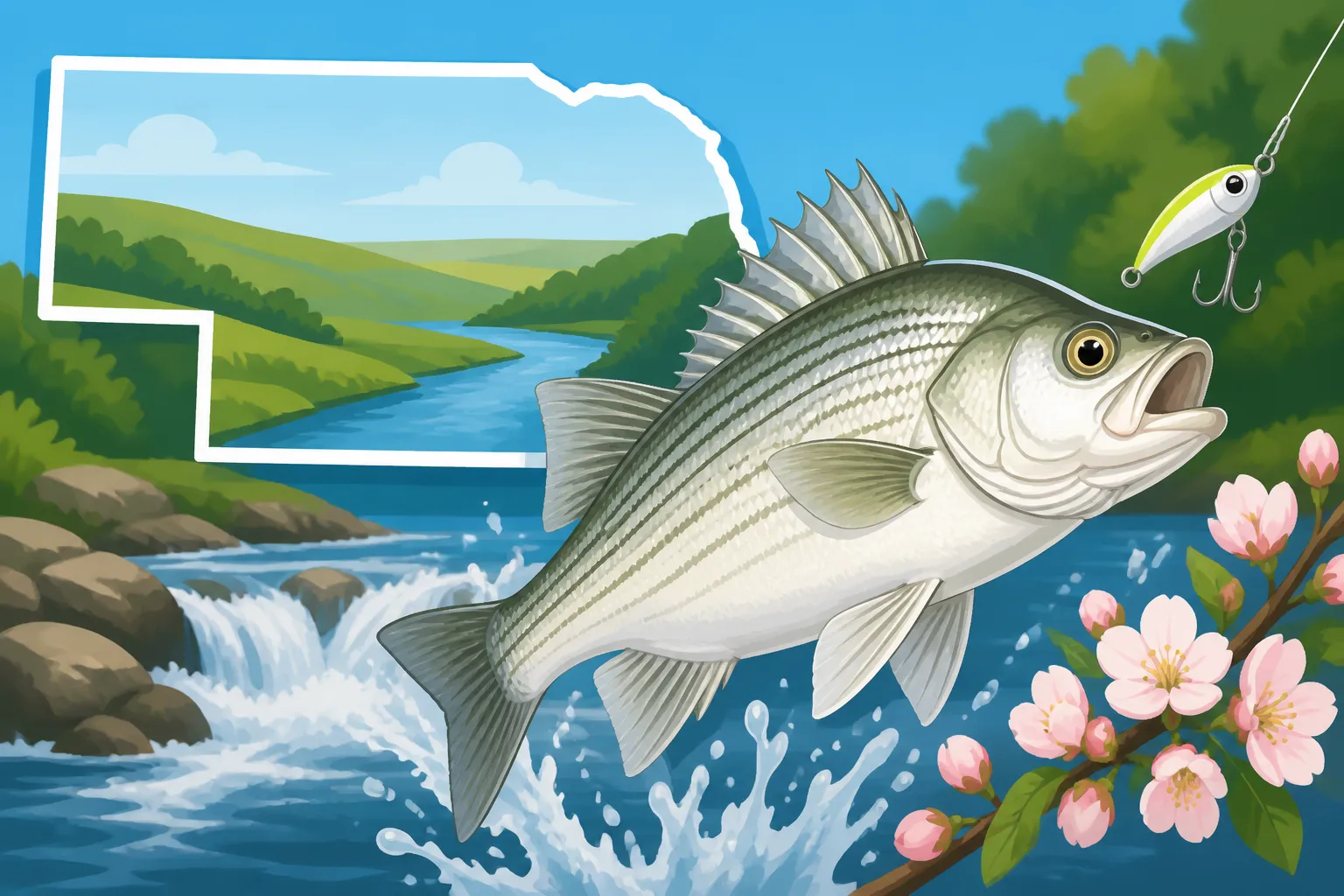
How to Catch White Bass During the Spring Run
There's nothing quite like the rush of the Nebraska white bass spring run. One moment, the water seems quiet, and the next, it erupts with schooling white bass, chasing baitfish with an intensity that gets every angler's heart pounding. But let's be honest, figuring out exactly when and where these runs will happen, and what tackle to use, can feel like a secret handshake only a few folks know. This guide is here to demystify the magic of the white bass spring run, giving you the insider knowledge to make your next trip a smashing success.
Understanding the White Bass Spring Migration
The white bass spring run is one of the most anticipated events for many Nebraska anglers, a time when these feisty fighters gather in large numbers, eager to strike. It's a phenomenon driven by instinct, a biological imperative that guides them to reproduce. Understanding this cycle is the first step to intercepting them effectively.
The Biological Drive Behind the Run
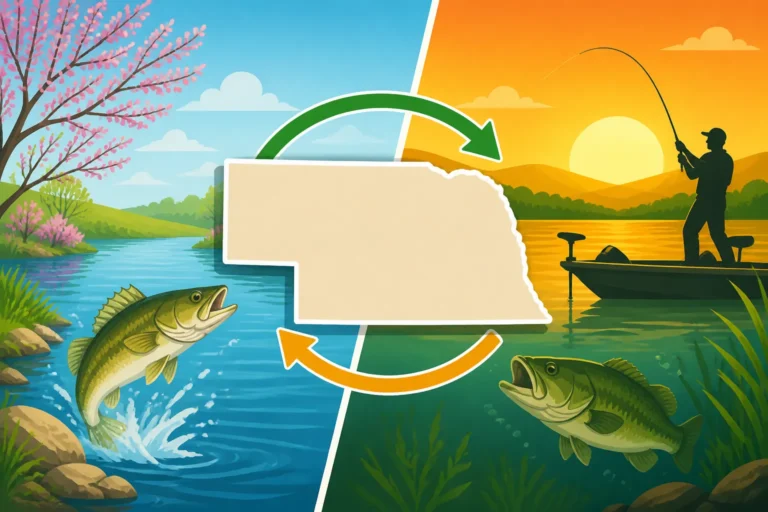
White bass, like many other fish species, undertake a spawning migration when water temperatures begin to rise in the spring. This instinctual drive pulls them from their deeper, wintering grounds in lakes and reservoirs, pushing them upstream into rivers and creeks, or into the shallower, warmer coves and feeder creeks of larger impoundments. They’re looking for rocky bottoms, gravel, or submerged vegetation where they can lay their eggs. This migration is less about finding food, and more about fulfilling their reproductive cycle, which is precisely why they become so concentrated and aggressive during this period. They're on the move, actively seeking out prime spawning areas, and in their excited state, they're often willing to hit a wide variety of lures. It's truly a spectacular display of nature, and for anglers, it means some of the most consistent and exciting fishing of the year.
Timing the Peak Migration in Nebraska
Pinpointing the exact start and peak of the white bass run can be tricky because it's heavily influenced by environmental factors, primarily water temperature and flow. Generally, the run kicks off when water temperatures consistently hit the 50 to 60-degree Fahrenheit range. In Nebraska, this usually means late March through May, though it can vary significantly year to year. A warm, early spring might see the fish moving in late March or early April, while a cold, drawn-out spring could push the peak into late April or even early May. Heavy spring rains can also play a huge role, increasing river flows and turbidity, which might delay the run or make fishing more challenging until the water levels stabilize and clear slightly.
It’s always a good idea to keep an eye on local fishing reports, consult with bait shops, or check the Nebraska Fishing Season Dates and Limits guidelines, as these can provide real-time insights into what the fish are doing in specific waterways. Even better, checking the water temperature yourself with a simple thermometer can give you an accurate gauge. When you start seeing those temperatures consistently in the mid-50s, it's time to get your gear ready and hit the water, because the fish are likely on the move.
Locating White Bass During Their Spring Journey
Once you understand when the run is happening, the next crucial step is figuring out where to find these fast-moving schools. White bass aren't just everywhere; they follow specific migratory paths and hold in certain types of structure on their way to and from spawning grounds.
River Hotspots and Upstream Migration Routes
When white bass migrate up rivers to spawn, they're often following the deepest channels and current breaks. Look for areas where a river narrows, creating a natural funnel that concentrates the fish. Confluences, where smaller creeks or tributaries join a larger river, are absolute magnets. These spots often bring in warmer water and food, attracting both baitfish and the white bass that prey on them. Riffles and rapids, especially those with deeper pools just downstream, are also prime real estate. The oxygenated water and the cover these areas provide are ideal holding spots.
Think about the Missouri River or the lower reaches of the Platte River; these larger systems see significant white bass movements. On smaller rivers, identifying deeper bends, scour holes, and any obstruction that breaks the current, like submerged logs or rock piles, can be key. The fish use these current breaks to conserve energy as they push upstream. Learning to "read" the river and identify these subtle changes in depth and current flow will dramatically increase your success rate.
Reservoir Inflows and Shoreline Access
For white bass that reside in large reservoirs, the spring run typically sees them moving towards the main lake's inflows – the rivers and larger creeks that feed into the reservoir. These feeder creeks will warm up faster than the main body of the lake, signaling to the white bass that it's time to spawn. The mouths of these creeks, especially where there's a distinct current line or a change in water clarity, are excellent starting points. As they move further upstream into these feeder arms, they'll congregate in areas with gravelly bottoms, submerged rocks, or woody debris.
Shoreline access can be fantastic during this time, especially in shallower bays and coves that have a gradual slope. These areas tend to warm up quickly and attract baitfish, which in turn draws in the hungry white bass. On larger reservoirs like Lake McConaughy or Harlan County Reservoir, look for long, gently sloping points or flats near river channels. Sometimes, the fish will stack up along riprap shorelines or causeways. If you're fishing from the bank, covering ground and looking for signs of activity, like nervous baitfish or even a jumping white bass, is often more productive than staying in one spot for too long. Checking out our guide on Best Nebraska Lakes for Shore Fishing Without a Boat can also give you some great ideas for accessible spots.
Essential Gear and Tackle for the Spring Run
Having the right tools for the job can make all the difference, and catching white bass during their spring run is no exception. These fish aren't usually picky, but having tackle that allows for long casts, good sensitivity, and the ability to handle multiple fish quickly will definitely put more in your cooler.
Rod and Reel Combos for Active Angling
For white bass, you're looking for a setup that offers a good balance of sensitivity for detecting subtle bites and backbone for fighting multiple fish. A light to medium-light spinning rod, typically 6 to 7 feet in length, is ideal. This length provides good casting distance for covering water, while still being maneuverable. A fast action rod tip is crucial as it allows you to feel those quick strikes and gives you the leverage to set the hook effectively, especially when jigging or working a fast-moving retrieve.
Pair your rod with a reliable spinning reel in the 1000 to 2500 size range. This size offers enough line capacity for these schooling fish and a smooth drag system, which is important when you might be reeling in a couple of fish at once. Brands like Shimano, Daiwa, or even more budget-friendly options found on Amazon offer excellent performance for their price point. You want a reel with a decent retrieve ratio so you can work your lures at a brisk pace, which white bass often prefer. Consider a lightweight combo that won't fatigue you during those days when the bite is hot and you're casting continuously for hours.
Lure Selection: Jigs, Spinners, and Crankbaits
White bass are aggressive eaters, especially during the spring run, and they'll hit a wide variety of lures. However, a few staples consistently outperform the rest:
- Jigs: Small jigs, typically 1/8 to 1/4 ounce, dressed with a soft plastic body are incredibly effective. White, chartreuse, and pearl colors are perennial favorites. The "Bobby Garland Baby Shad" or "Mister Twister Sassy Shad" are classic choices. You can fish them with a straight retrieve, a lift-and-drop technique, or by bouncing them along the bottom. The versatility of jigs makes them a must-have.
- Spinners: In-line spinners, such as a "Rooster Tail" or "Mepps Aglia," in sizes 0 to 2 are deadly. The flash and vibration mimic fleeing baitfish, triggering aggressive strikes. Silver, gold, or brass blades, often paired with a white, yellow, or black dressed treble hook, work exceptionally well. These are particularly good when white bass are actively chasing bait near the surface.
- Small Crankbaits: Shallow-diving crankbaits that mimic shad or minnows are also great, especially when fish are suspended or holding in slightly deeper water. Look for baits in the 2-3 inch range in natural baitfish colors or bright chrome. The key is to match the hatch and fish them with a steady retrieve, occasionally pausing to let them float up slightly.
Having a selection of these three types of lures, in various sizes and colors, will ensure you're prepared for whatever mood the white bass are in. Don't forget to check out our in-depth guide on Best Lures for the White Bass Run in Nebraska for even more specific recommendations.
Line Choices: Mono, Fluoro, or Braid
The choice of fishing line largely depends on your preference and the specific conditions you're fishing.
- Monofilament (Mono): A classic choice, 6-8 pound test monofilament is forgiving, has good knot strength, and is relatively inexpensive. Its stretch acts as a shock absorber, which can be beneficial when a white bass hits aggressively or when you have multiple fish on the line. However, its stretch also means less sensitivity, which can make detecting light bites a challenge.
- Fluorocarbon (Fluoro): Less stretch than mono and nearly invisible underwater, 6-8 pound fluorocarbon can increase sensitivity and lead to more bites in clear water. It's also more abrasion-resistant, which is a plus when fishing around rocks or submerged timber. The downside is it can be a bit stiffer and more prone to memory, and it's generally more expensive.
- Braided Line (Braid): For maximum sensitivity and casting distance, 10-15 pound test braided line is hard to beat. It has virtually no stretch, allowing you to feel every bump and subtle bite. Its thin diameter for its strength means you can cast further. However, braid is highly visible underwater, so many anglers opt to tie on a 2-3 foot fluorocarbon leader with a knot like the FG or Double Uni. This gives you the sensitivity and strength of braid with the stealth of fluoro.
For most white bass fishing during the spring run, a 6-8 pound monofilament or a 10-pound braid with a fluorocarbon leader will serve you well. Many anglers, myself included, often opt for the braid-to-fluoro setup for that extra edge in feel and power, especially when fishing for the quantity of fish the run often provides.
Proven Techniques for Spring Run Success
Knowing where the fish are and what gear to use is half the battle; the other half is understanding how to present your offerings to entice a strike. White bass in the spring run are often aggressive, but there are still nuances that can significantly increase your catch rate.
Casting and Retrieving Strategies
When you've located a school of white bass, whether it's by seeing them actively breaking the surface or by marking them on your fish finder, your casting and retrieving strategy becomes paramount.
- Fan Casting: Start by fanning your casts across the area. Make a cast straight out, then one slightly to the left, then one slightly to the right. This allows you to quickly cover a wider swath of water and pinpoint where the fish are holding or moving. Don't be afraid to cast directly into the current, letting your lure swing downstream, or parallel to a shoreline.
- Retrieval Speed: White bass often prefer a fast, erratic retrieve. They are predatory and will chase down what they perceive as a fleeing baitfish. With jigs, a steady retrieve with occasional subtle pops or lifts of the rod tip can be incredibly effective. For spinners and small crankbaits, a consistent, medium-to-fast retrieve is usually best. Don't be afraid to experiment! If a steady retrieve isn't working, try speeding it up, slowing it down, or adding jerks and pauses. Sometimes, a sudden stop-and-go is all it takes to trigger a reaction strike.
- Depth Control: Pay attention to how deep the fish are. If you’re not getting bites on a surface-running lure, try a heavier jig or a deeper-diving crankbait. Often, white bass will be suspended at a certain depth. Counting down your lure after the cast can help you target that specific depth zone repeatedly. For example, if your 1/8 oz jig sinks about a foot per second, counting to five after a cast will put you at roughly 5 feet deep.
It's about staying dynamic and adapting to what the fish are telling you. If one technique isn't working, switch it up until you find the pattern that triggers bites.
Boat vs. Bank Tactics
Whether you have a boat or are fishing from the shore, both offer unique advantages and require slightly different approaches during the white bass run.
Boat Fishing Advantages
A boat gives you the ultimate mobility to follow schooling fish. When fishing from a boat:
- Cover More Water: You can motor along river bends, cruise reservoir shorelines, or explore creek mouths until you locate active fish. A good fish finder, like those readily available on Amazon, is invaluable here, helping you mark schools of baitfish and white bass.
- Positioning: You can precisely position your boat to cast into current seams, along drop-offs, or around submerged structures that are inaccessible from shore. Anchoring upstream and drifting jigs or bait downstream can be particularly effective in rivers.
- Trolling: While often overlooked for white bass, slow trolling small crankbaits or spinner rigs in areas where you've marked fish can be a highly effective way to cover water and trigger strikes, especially in larger reservoir sections.
Bank Fishing Strategies
Don't have a boat? No problem! Many prime white bass spots are perfectly accessible from the bank, especially during the spring run.
- Focus on Access Points: Target bridge abutments, causeways, dam spillways (check regulations for specific rules on these areas), and any public shoreline access points on rivers and reservoir feeder creeks. These are often natural funnels for migrating fish.
- Long Casts and Wide Coverage: Since you're static, making long casts and fan-casting extensively is critical to cover as much water as possible. A longer rod can be beneficial here.
- Observe and Move: Pay close attention to surface activity. If you see white bass busting baitfish, cast directly into the frenzy. If an area isn't producing after 15-20 minutes, don't be afraid to move to a new spot. Sometimes just walking 50 yards down the bank can put you on a fresh school of fish.
- Structure Near Shore: Look for any natural or man-made structures near the bank, such as rocky points, submerged timber, or even culverts where smaller streams enter the main body of water. These provide ambush points for white bass. Our article on How to Fish From Shore in Nebraska has even more great advice for maximizing your success without a boat.
Reading the Water for Active Fish
Learning to "read the water" is an art that comes with experience, but there are clear signs to look for that indicate active white bass.
- Surface Activity: The most obvious sign is white bass breaking the surface, chasing baitfish. This is often called a "white bass boil" or "jumpers." If you see this, cast quickly into the commotion. The action can be fast and furious while it lasts.
- Nervous Baitfish: If you see schools of baitfish jumping, scattering, or creating ripples on the surface for no apparent reason, there's a good chance white bass (or other predators) are lurking underneath, pushing them up.
- Current Seams and Eddies: In rivers, look for distinct lines where fast-moving water meets slower water (current seams). White bass often hold in the slower water, waiting to ambush anything that comes by in the faster current. Eddies, which are pockets of slower or swirling water behind an obstruction, are also prime ambush points.
- Water Clarity and Temperature: While white bass aren't as sensitive to clarity as some other species, excessively muddy water can shut them down. Look for areas with slightly clearer water, especially after heavy rains. As mentioned, water temperature is a huge driver for the run, so knowing the temperature in different areas can help you find where the fish are most comfortable and active.
Handling and Keeping Your Spring Run Catch
Catching white bass during the spring run is a blast, but it's important to know the rules, handle the fish properly, and appreciate them as a delicious table fare.
Nebraska Regulations and Limits
Before you even make your first cast, always, always, always familiarize yourself with the current Nebraska fishing regulations. White bass are typically abundant and have generous bag limits, but these can change, and specific water bodies might have unique rules. Generally, for white bass, there isn't a length limit, but there is a daily bag and possession limit.
For instance, the statewide daily bag limit for white bass is quite liberal, often 15 fish, with a possession limit of 30. However, always double-check the latest Nebraska Fishing Regulations Explained booklet or the Nebraska Game and Parks Commission website. Ignoring these rules can lead to significant penalties, which is a headache no one needs. Carrying a valid Nebraska Fishing License Guide is, of course, non-negotiable. It’s also important to understand the concept of "daily bag limit" versus "possession limit" – your daily bag is what you can keep in one day, while your possession limit is the total number of fish you can have in your possession at any given time, including those at home in your freezer.
Safe Handling and Filleting Techniques
Once you've landed a white bass, handling it carefully ensures the best quality fish for the dinner table.
- Quick and Humane: If you plan to keep the fish, dispatch it quickly and humanely. A swift blow to the head or using a fish thumper is ideal. This reduces stress on the fish and improves the taste of the meat.
- Keep 'Em Cold: White bass meat is excellent, but it can turn mushy if not kept cold. Get your catch on ice immediately after harvesting. A good cooler filled with ice is indispensable for a productive white bass trip. Don't just toss them in a bucket of water; an icy slush keeps them firm and fresh.
- Filleting: White bass have delicate, flaky white meat. They are relatively easy to fillet. Start by making a cut behind the gill plate down to the backbone, then turn the knife and slide it along the backbone towards the tail, separating the fillet. Flip the fillet skin-side down and remove the skin by holding the tail end firmly and sliding your knife between the skin and meat. Be mindful of the small rib bones; you can cut around them or remove them with a V-cut. Some anglers also remove the "red meat" or "bloodline" along the lateral line, as this can sometimes give the fillet a stronger, fishier taste, especially on larger fish. Our guide on How to Clean and Fillet a Walleye offers transferable tips for filleting various fish species.
Culinary Delights: From the Water to the Table
Fresh white bass is a true delight. Its mild, flaky white meat is versatile and delicious.
- Simple Pan-Frying: One of the most popular ways to prepare white bass is simply pan-fried. Lightly coat the fillets in seasoned cornmeal or a flour mixture and fry in butter or oil until golden brown and flaky. A squeeze of lemon and a side of hushpuppies or coleslaw make for a perfect meal.
- Baking or Grilling: For a lighter option, white bass fillets can be baked with herbs, lemon, and a touch of butter, or grilled in foil packets with vegetables. The key is not to overcook them, as they cook quickly.
- Fish Tacos: Flaked, cooked white bass makes fantastic fish tacos. Serve them with fresh salsa, shredded cabbage, and a creamy sauce for a flavorful twist.
- Fish Fries: If you've had an exceptionally successful day, consider hosting a classic Nebraska fish fry with friends and family. There's nothing better than sharing the bounty of a good white bass run!
Remember, the fresher the fish, the better the taste. Keeping your catch cold and processing it promptly will ensure you get the best possible eating experience from these wonderful Nebraska fish.
White Bass Lure Comparison Table
Here's a quick comparison of popular lure types for white bass, helping you choose the right tool for the job.
| Lure Type | Best Use Case | Key Features | Pros | Cons | Recommended Colors |
|---|---|---|---|---|---|
| Jigs (1/8-1/4 oz) | All-around, vertical jigging, bouncing bottom, casting | Soft plastic body (shad, minnow, grub) | Versatile, effective at various depths | Can get snagged easily on bottom | White, Chartreuse, Pearl, Black/Silver |
| In-Line Spinners | Aggressive fish, surface activity, clear water | Spinning blade (silver, gold), dressed hook | High flash and vibration, easy to use | Less effective in very deep water or slow retrieve | Silver/White, Gold/Yellow, Black/Red |
| Small Crankbaits | Suspended fish, deeper water, trolling | Lip for diving, erratic wobble | Covers water quickly, good for reaction strikes | Can be expensive, limited depth range | Chrome, Shad patterns, Firetiger |
| Spoons | Long casts, deep water, jigging | Wobbling action, flash | Excellent for casting distance, attracts from afar | Can be heavy, may require specific retrieve | Silver, Gold, White/Red (Daredevil) |
Additional Tips for the White Bass Enthusiast
To truly master the art of catching white bass during the spring run in Nebraska, consider these additional insights:
- Go Early or Late: Just like many other species, white bass can be most active during low-light conditions, meaning dawn and dusk often provide the best bite. If the day is overcast, the bite might extend longer.
- Bring Extra Lures: When the white bass are thick, you might be catching a lot of fish, but you're also prone to losing lures to snags or being cut off by sharp teeth. Always have a good supply of your favorites.
- Listen to Local Anglers: Don't be shy about striking up a conversation with other anglers at the boat ramp or on the bank. Many are happy to share general information about what's working, and those tidbits can be invaluable.
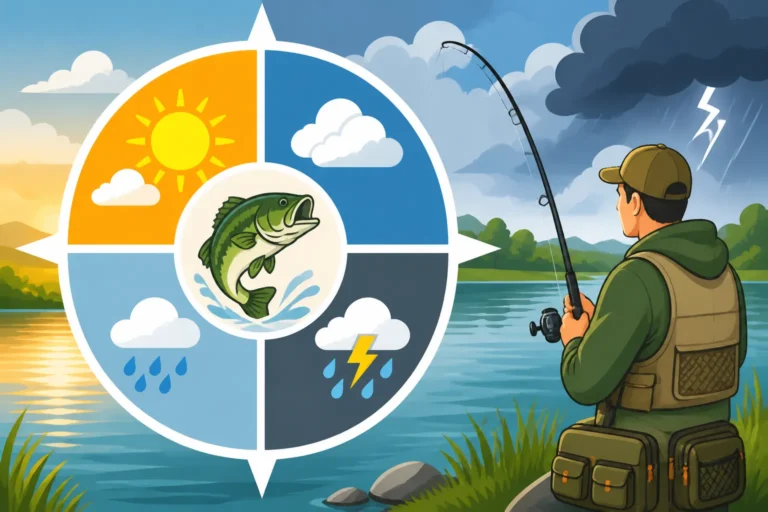
- Check the Weather: Rapid temperature changes or cold fronts can sometimes shut down the bite temporarily. Keep an eye on the forecast and adjust your expectations and techniques accordingly. You might find our article on Nebraska Fishing Weather and Barometric Pressure Tips helpful for understanding how conditions impact fish behavior.
- Be Patient and Persistent: Even during a hot run, there will be lulls. Stay patient, keep trying different retrieves and depths, and eventually, you'll likely hit another school of active fish. Persistence often pays off!
- Consider a Combination Hunt and Fish Permit: If you're also a hunter, remember Nebraska offers a convenient Nebraska Combination Hunt and Fish Permit that covers both activities.
The Nebraska white bass spring run is an incredible opportunity for anglers of all skill levels to enjoy fast-paced action and bring home some delicious fish. By understanding their migratory patterns, choosing the right gear, employing effective techniques, and respecting the regulations, you're well on your way to a memorable and productive outing.
Disclaimer
Please note that fishing regulations and conditions can change rapidly. Always consult the latest Nebraska Game and Parks Commission regulations before heading out on the water. This guide is for informational purposes only and does not constitute legal advice regarding fishing laws.