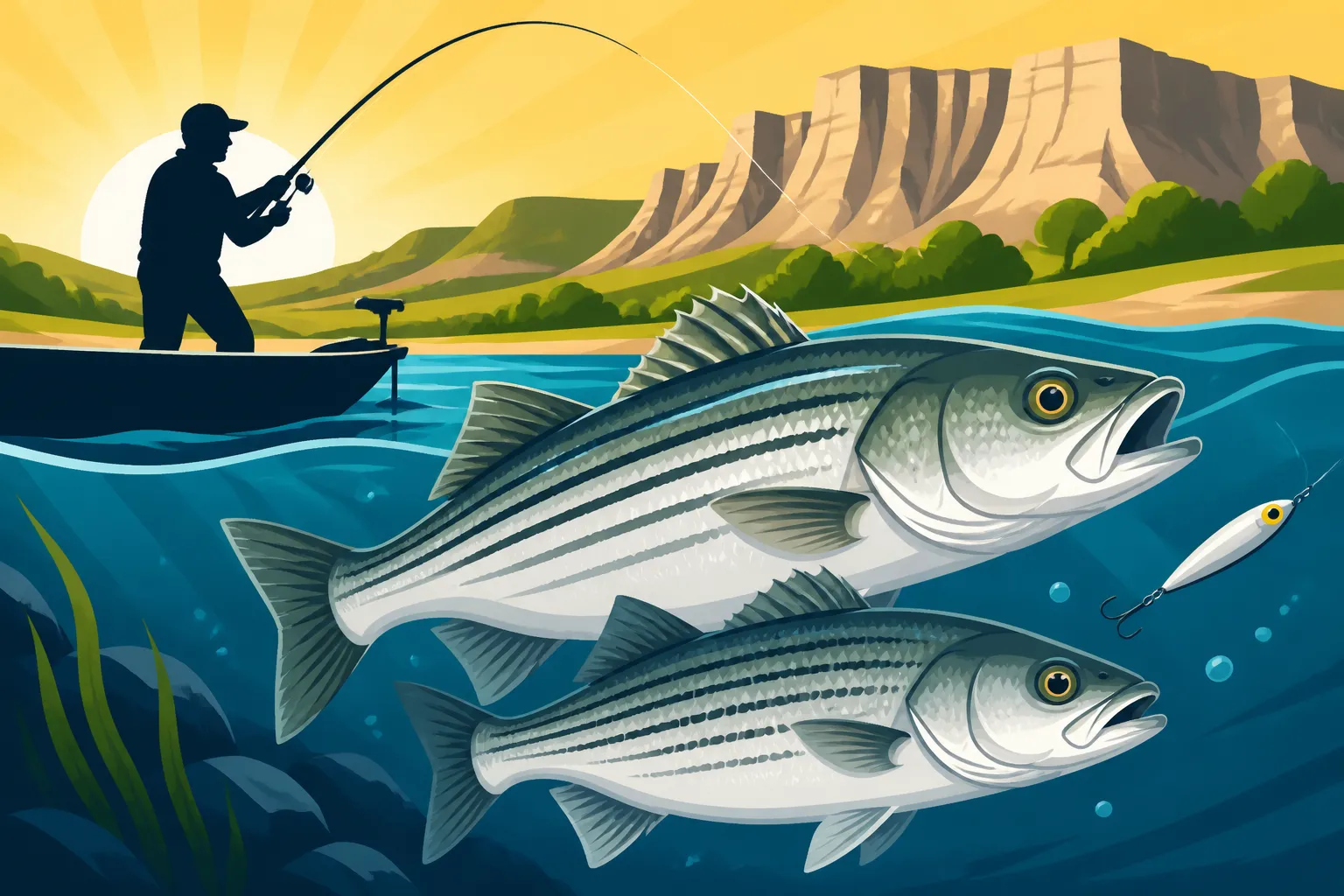
How to Catch Striped Bass and Wipers
There's nothing quite like the electrifying jolt of a powerful fish ripping line off your reel, making your arms burn, and your heart pound. For many anglers in Nebraska, that kind of intense action is exactly what they chase when targeting striped bass and wipers. These hard-fighting fish can be elusive, making the pursuit a challenging but incredibly rewarding experience. If you've ever felt frustrated trying to pinpoint their schools or figure out what lures they're hitting, you're not alone. This guide is dedicated to breaking down everything you need to know to successfully catch these tenacious predators in the Cornhusker State.
Understanding Striped Bass and Wipers in Nebraska
Before we dive into the nitty-gritty of catching these fish, it's crucial to understand what makes them tick, where they live, and what they feed on. Knowing their nature is the first step to figuring out how to outsmart them.
What Exactly Are We Talking About
When people talk about "stripers" in Nebraska, they're generally referring to two distinct but related fish: the pure-strain striped bass (Morone saxatilis) and the hybrid striped bass, affectionately known as "wipers" (Morone saxatilis x Morone chrysops). Pure striped bass are true ocean fish, native to the Atlantic and Gulf coasts, but they've been successfully stocked in landlocked freshwater reservoirs like Nebraska's Lake McConaughy. They are powerful, migratory, and can grow to impressive sizes, making them a true trophy fish.
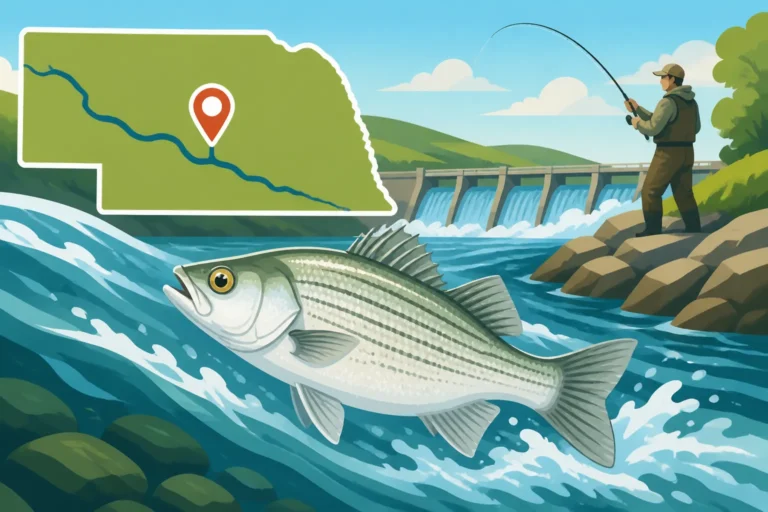
Wipers, on the other hand, are a cross between a striped bass and a white bass. They were developed to combine the fighting spirit and size potential of the striped bass with the adaptability and growth rate of the white bass, creating a fantastic sport fish for inland waters. You'll find wipers in several Nebraska reservoirs, including Lake McConaughy, Harlan County Reservoir, Sherman Reservoir, and Calamus Reservoir. Both species are known for their incredible strength and endurance, delivering a fight that few other freshwater fish can match. They hit lures with a vengeance and pull hard, making them a prime target for anglers seeking an adrenaline rush.
Where These Powerhouses Live
Understanding the preferred habitat of striped bass and wipers is paramount to locating them. These fish are true open-water predators, often found suspended over deep water, patrolling main lake points, or congregating around submerged humps and channels. In massive reservoirs like Lake McConaughy, the sheer expanse of water can feel overwhelming, but these fish aren't just swimming aimlessly. They are constantly on the move, shadowing their primary food source: baitfish.
For pure striped bass, Lake McConaughy is the king in Nebraska. They prefer the vast, deep, clear waters of "Big Mac," often suspending in the water column at specific depths dictated by baitfish schools and water temperature. Wipers are a bit more widespread, thriving in Lake McConaughy but also providing excellent fishing in places like Harlan County Reservoir, a large flood control reservoir in south-central Nebraska, and Sherman Reservoir, known for its strong wiper population. Calamus Reservoir in the Sandhills also holds a healthy population. These fish are pelagic, meaning they live in the open water, so you won't typically find them tucked into shallow cover like largemouth bass. Instead, think about the deeper sections of the main lake, particularly areas with structure that might hold baitfish.
Their Forage and Feeding Habits
The key to catching striped bass and wipers is understanding what they eat and how they hunt. Their diet revolves almost entirely around baitfish. In Nebraska, gizzard shad are often the primary forage, but other species like alewives (in McConaughy) and smaller white bass can also be on the menu. These predators are opportunistic feeders, often hunting in schools and herding baitfish to the surface or against submerged structures.
When a school of wipers or stripers encounters a school of baitfish, the results can be explosive. They'll push the bait to the surface, creating what anglers call "boils" or "feeding frenzies," where the water literally erupts with splashing fish. These events are highly visible and signal prime opportunities for anglers. Outside of these frenzies, they'll cruise deeper, using their keen eyesight and lateral lines to detect baitfish schools. Their feeding patterns can be highly influenced by light conditions, often becoming more active during low light hours, cloudy days, or when the moon phase creates favorable conditions. Targeting areas where baitfish are abundant, either visually or with electronics, is the most consistent way to put these fish in the boat.
Essential Gear for Taming Nebraska's Stripers and Wipers
Catching a hard-fighting fish like a striped bass or wiper requires robust gear that can stand up to their power. Skimping on tackle will lead to broken lines, bent hooks, and lost fish, which is incredibly frustrating after you've worked hard to find them.
Rods, Reels, and Line: The Core Setup
To effectively battle these powerful fish, you're going to need a stout rod and a reel with a smooth, reliable drag system. For rods, think medium-heavy to heavy power with a fast action. This setup provides the backbone needed to cast larger lures and absorb the shock of a strike, while the fast action gives you sensitivity and quick hook-setting power. A 7-foot to 7-foot 6-inch rod is often ideal, offering good casting distance and leverage. Whether you prefer spinning or baitcasting gear is a personal choice, but both can be effective. A good quality baitcasting reel, capable of handling heavier lines and delivering smooth, long casts, is excellent for trolling and throwing larger lures. For spinning reels, look for models in the 3000-5000 size range, also with a strong drag, which are versatile for casting a variety of lures.
Line choice is critical. Braided line is almost a must-have for striped bass and wipers due to its incredible strength-to-diameter ratio and lack of stretch, which provides excellent sensitivity and hook-setting power over long casts or deep water. A 30 to 50-pound test braided line is a good starting point. However, because braided line is highly visible, you'll want to tie on a fluorocarbon leader, typically 15 to 30-pound test, using a strong knot like an FG knot or an Albright knot. Fluorocarbon is nearly invisible underwater and offers good abrasion resistance, which is important when these fish are thrashing around. You can find a fantastic selection of these components, from reputable brands, readily available on platforms like Amazon. For more detailed insights into line choices for various species, check out our guide on the best fishing line for Nebraska Walleye, as many principles apply here too.
Lures and Baits That Get Their Attention
When it comes to lures, you'll want to focus on presentations that mimic baitfish and can be retrieved quickly or trolled effectively. Large crankbaits, especially those with rattles and a deep-diving bill, are phenomenal for trolling, covering large amounts of water and attracting strikes from fish suspended in the water column. Colors that imitate gizzard shad or chrome patterns are often highly effective. Topwater plugs, such as "walking the dog" style baits or poppers, create irresistible commotion on the surface, drawing explosive strikes, especially during low-light conditions or when fish are schooling near the surface. These are excellent for those exhilarating surface feeding frenzies.
Swimbaits, both hard-bodied and soft plastic paddle tails rigged on heavy jig heads, are versatile and can be cast, retrieved, or vertically jigged. Bucktail jigs, often tipped with a soft plastic trailer, are deadly when fish are holding deeper or you need to get a lure down quickly to a breaking school. Heavy spoons, like Kastmasters or similar jigging spoons, are also highly effective for vertical jigging into deep schools of fish or casting into surface boils. For live bait, gizzard shad, if legal and available, are king. Large shiners or creek chubs can also be very effective. Rig them with a circle hook through the nose or back, allowing them to swim naturally. Remember to always check Nebraska Fishing Regulations Explained for specific bait restrictions in any given body of water.
Electronics and Other Critical Tools
In the expansive waters where striped bass and wipers roam, electronics are not just a luxury; they're an absolute necessity. A high-quality fish finder with down imaging and side imaging capabilities can be a game-changer. These technologies allow you to scan vast areas quickly, pinpointing schools of baitfish and the larger predatory fish lurking nearby, even if they're off to the side of your boat or suspended deep in the water column. You'll want to pay close attention to depth contours, sudden drop-offs, and submerged humps where fish might ambush prey. For a deep dive into using your sonar effectively, take a look at our guide on How to Read a Fish Finder for Walleye, as the principles are similar for finding these open-water cruisers.
A good GPS-enabled trolling motor with "Spot-Lock" or anchor mode is another invaluable tool. This allows you to precisely hold your position over a detected school of fish or a productive piece of structure, even in windy conditions, without having to drop a traditional anchor. This is especially helpful when you find a hot spot and want to make repeated passes or jig vertically. Finally, don't forget the basics: a large, sturdy landing net with a deep, rubberized mesh is essential for safely landing these big, powerful fish without harming them or tangling hooks. A good pair of long-nosed pliers or hook removers are also vital for safely unhooking fish, especially when using treble hooks, and sturdy gloves can protect your hands from sharp fins and hooks.
Top Techniques for Catching Striped Bass and Wipers
These powerful fish require specific tactics to consistently bring them to the net. Their nomadic nature means you often have to cover a lot of water or be ready to react quickly to their feeding patterns.
Trolling for Open Water Cruisers
Trolling is arguably one of the most effective ways to locate and catch striped bass and wipers, especially in large reservoirs. It allows you to cover vast expanses of open water, presenting lures at various depths until you find where the fish are holding. The goal is to imitate a fleeing baitfish, triggering a predatory strike. You'll typically want to troll at speeds ranging from 2.5 to 4.0 miles per hour, though this can vary depending on the lure type and fish activity. Experimentation is key.
Deep-diving crankbaits are the workhorses for trolling. Look for models that can reach depths of 15-30 feet or more, depending on the depth you're marking bait and fish on your electronics. Using line counter reels is incredibly helpful for replicating successful presentations once you find the right depth. Planer boards can be employed to spread out your lines, covering a wider swath of water and presenting lures away from the boat's motor, which can sometimes spook fish. Focus your trolling passes over main lake basins, long points, humps, and along the edges of old creek channels. Often, these fish will relate to a thermocline during summer months, so presenting lures just above or within that layer can be highly productive. Many of these trolling techniques are similar to what's used for other species; learn more in our guide on How to Troll for Walleye in Nebraska.
Casting and Jigging When Schools are Active
Few things are as exhilarating as encountering a surface feeding frenzy, or "boil," where wipers or stripers are actively smashing baitfish on the surface. When you spot birds diving, frantic baitfish leaping, or explosions on the water, it's time to spring into action. Approach cautiously, cutting your motor well before you get too close to avoid spooking the school. Cast fast-moving lures like topwater plugs, swimbaits, or heavy spoons directly into the chaos. The retrieve should be aggressive and quick, mimicking a panicked baitfish. Often, the fish will hit almost immediately.
Even without visible surface activity, casting can be effective when you've located a suspended school with your electronics. If the fish are deeper, vertical jigging with heavy spoons or bucktail jigs can trigger bites. Position your boat directly over the school using your Spot-Lock trolling motor. Drop your jig to the depth of the fish, then impart a sharp snapping retrieve, letting the lure flutter back down on a semi-slack line. Watch your fish finder intently; often, you'll see a fish dart up to inspect your lure before hitting it. This is a game of quick reflexes and precise lure presentation. Keep a variety of sizes and colors of these lures in your tackle box, maybe even picking up a few options from Amazon to ensure you're prepared for any situation.
Live Baiting for Consistent Bites
While artificial lures offer the thrill of the chase, sometimes live bait is the undisputed champion, especially when fish are finicky or holding deep. Live bait fishing for striped bass and wipers can be incredibly effective, offering a more natural presentation that these predators find hard to resist. The challenge often lies in sourcing appropriate live bait. Gizzard shad, which are their natural forage, are usually the most effective. If live shad aren't an option, large shiners or robust creek chubs can also work well.
There are several ways to present live bait. One common method is free-lining: simply hook a lively baitfish through the nose or just in front of the dorsal fin with a circle hook and let it swim naturally in the water column. This works best when fish are suspended or near the surface. For deeper presentations, a Carolina rig with a sliding egg sinker and a fluorocarbon leader can keep your bait near the bottom or at a desired depth. Another effective technique is to use a slip bobber rig, allowing you to suspend a live baitfish at a precise depth where you're marking fish on your sonar. Always ensure your bait is lively and swimming naturally; a dead or listless bait will rarely draw a strike from these active hunters. Keep your live bait well-aerated in a large baitwell or cooler to maintain its vitality.
Seasonal Strategies for Success
The behavior of striped bass and wipers changes throughout the year, driven primarily by water temperature and the location of their food source. Adapting your strategy to the season is crucial for consistent success.
Spring: Pre-Spawn and Early Season Aggression
As water temperatures begin to rise in early spring, usually when they hit the 50s Fahrenheit (10-15°C), striped bass and wipers start to become more active, moving out of their deep winter haunts. This is a pre-spawn period for many baitfish, and these predators are looking to feed aggressively. They often push into shallower areas of the main lake, particularly those with access to deep water nearby. Main lake points, especially those with some rock or gravel, and large coves that receive good sun exposure are prime targets.
During this time, you can have excellent success trolling crankbaits along these points and coves, experimenting with different depths until you find where the fish are holding. Casting jerkbaits or swimbaits can also be very effective, mimicking the baitfish that are starting to become more active. Look for areas where schools of gizzard shad are congregating. The fish might not be as active on the surface as in summer, but they'll be cruising and feeding below. This is a great time to focus on slower, more methodical presentations as the water is still on the cooler side.
Summer: Deep Water and Topwater Action
Summer fishing for striped bass and wipers often presents a dual challenge and opportunity. As the water warms, these fish will seek out cooler, deeper water during the hottest parts of the day. This means you'll need to focus your efforts on the main lake basins, deep humps, and submerged creek channels, often finding them suspended anywhere from 20 to 60 feet deep, relating to the thermocline. Deep trolling with large crankbaits and vertical jigging with heavy spoons or bucktails are the primary tactics for these deeper fish.
However, the summer also brings the most electrifying action: topwater feeding frenzies. In the early mornings, late evenings, or on cloudy days, large schools of wipers and stripers will push baitfish to the surface, creating explosive "boils." This is when those topwater plugs, like poppers and walking baits, really shine. Keep a close eye on the water's surface for any sign of activity and listen for the telltale sounds of splashing fish. When you see a boil, move in quickly but quietly, and cast directly into the action. This is truly heart-pounding fishing and often produces multiple hook-ups. Don't forget that long summer days also mean more time on the water, so ensure you understand Nebraska Fishing Daily Bag and Possession Limits before you head out.
Fall: The Pre-Winter Feeding Frenzy
As fall approaches and water temperatures begin to drop, striped bass and wipers enter a "pre-winter" feeding frenzy. This is one of the best times of the year to target them, as they aggressively fatten up for the colder months. The fish will often become less predictable in their depth, moving shallower during certain times of the day, particularly on sunny afternoons, and retreating to deeper water as cold fronts push through. They often follow baitfish into shallower creek channels and main lake points, becoming very accessible.
Trolling large crankbaits remains highly effective during the fall, but don't shy away from casting swimbaits, jerkbaits, and even large spinnerbaits (for wipers) along these productive areas. Look for concentrations of baitfish on your electronics, as the predators will likely be close by. The fish can be incredibly active, delivering powerful strikes. This is a fantastic time for both boat anglers covering large areas and sometimes even shore anglers if they can access deep points where fish are pushing bait. Keep an eye on weather patterns; stable weather often leads to more predictable and aggressive feeding behavior.
Advanced Tips and Considerations
While basic techniques will get you started, a few advanced insights can elevate your striped bass and wiper fishing to the next level. These fish can be challenging, and every little bit of knowledge helps.
Reading the Water and Interpreting Electronics
Becoming proficient at reading the water and interpreting your sonar is paramount for consistent success with these pelagic fish. On the water's surface, always be on the lookout for visual cues: diving birds (especially gulls or terns) are often a dead giveaway that baitfish are being pushed to the surface by feeding predators. Look for ripples, splashes, or outright "boils" where the water is erupting. Even subtle disturbances can indicate activity.
On your fish finder, learn to differentiate between baitfish schools and larger game fish. Baitfish will often appear as dense, sometimes enormous, clouds. Wipers and striped bass will typically show up as larger, individual arcs or clumps of arcs, often positioned just below or within the baitfish schools. Pay attention to the depth at which you're marking them. Note the thermocline during summer; fish will often be concentrated around this layer. Use your side imaging to scan wide areas for suspended schools, and your down imaging to get a clear picture directly beneath your boat. Understanding current, especially in reservoir tailwaters or areas where rivers flow in, can also be critical, as these fish often position themselves to ambush bait caught in the flow.
Handling and Regulations
Given the powerful fight these fish put up, proper handling is essential for the health of the fish, especially if you plan to release them. Their sheer size and strength can make them difficult to manage. Always use a large, rubberized landing net to scoop them up. Avoid dragging them onto sandy or rocky banks if possible. Once in the net, handle them gently. If keeping the fish, dispatch it quickly and humanely. If releasing, try to keep the fish in the water as much as possible. Use pliers to quickly remove hooks. If the fish is deeply hooked, consider cutting the line rather than trying to rip out the hook, as this often causes more damage.
It's also absolutely critical to be intimately familiar with the Nebraska Fishing Daily Bag and Possession Limits, as these can vary by species, water body, and season. For instance, Lake McConaughy typically has specific regulations for pure striped bass that might differ from wiper regulations in other lakes. Always consult the current Nebraska Fishing License Guide and regulations booklet from the Nebraska Game and Parks Commission before your trip. Being informed ensures you're fishing legally and contributing to the conservation of these incredible species.
Patience and Persistence Pay Off
Let's be realistic: catching striped bass and wipers isn't always easy. These fish are nomadic, they can be spread out across vast bodies of water, and their feeding patterns can change on a dime due to weather, bait movement, or angling pressure. There will be days when you spend hours searching, marking bait, marking fish, and trying every lure in your box without a single bite. Those days can be frustrating, to say the least.
However, the reward for persistence is immense. The sheer power of a striped bass or wiper on the end of your line is a memory that will stick with you forever. It takes patience to keep running patterns, trying different depths, and switching up lures until you crack the code. It takes persistence to stay out on the water, even when conditions aren't ideal, knowing that at any moment, that surface boil could erupt or your trolling rod could get slammed. Learn from every outing, keep a log of what worked (and what didn't), and embrace the challenge. The more time you put in, the better you'll become at understanding these magnificent fish, and the more often you'll experience that incredible, line-peeling fight.
Here's a quick comparison of fishing characteristics for these two exciting species:
| Feature | Pure Striped Bass (Lake McConaughy) | Wipers (Various Nebraska Reservoirs) |
|---|---|---|
| Primary Habitat | Deep, clear, open water; often pelagic. | Open water, but may relate more closely to structure (humps, points). |
| Average Size | Larger, often 10-20 lbs+ (can exceed 30 lbs). | Typically 5-15 lbs (can exceed 20 lbs in large reservoirs). |
| Fight Characteristics | Sustained, powerful, long runs. | Explosive initial run, then strong, bulldogging fight. |
| Preferred Forage | Alewives, Gizzard Shad. | Gizzard Shad, other small baitfish. |
| Key Techniques | Deep trolling, live bait, targeting surface boils. | Trolling, casting to boils, jigging, live bait. |
| Trophy Potential | Very high, especially in Lake McConaughy. | High, excellent fighting fish. |
| Availability | Primarily Lake McConaughy. | Lake McConaughy, Harlan County, Sherman, Calamus. |
Disclaimer
Fishing conditions and regulations in Nebraska can change. Always consult the latest rules and regulations from the Nebraska Game and Parks Commission before heading out on the water. This guide provides general information and recommendations, but local conditions and specific regulations should always take precedence. Be safe, respect the environment, and enjoy your time fishing!