How Wind Direction Affects Walleye Fishing
It can be incredibly frustrating to head out to your favorite Nebraska walleye spot, only to find the fish seemingly vanished or completely uninterested. You've got your gear, your bait, and your optimism, but if the wind isn't cooperating, it can feel like you're just casting into a void. Many anglers underestimate just how much wind direction impacts walleye behavior and, consequently, our fishing success. This guide will dive deep into how different wind patterns influence these elusive fish and give you actionable strategies to adjust your approach for a more productive day on the water.
Understanding the Fundamental Connection Between Wind and Walleye
Think about it from a walleye's perspective: their world is entirely aquatic, but the wind profoundly affects that world by stirring up the surface. It’s not just about the waves; it’s about what those waves and currents do beneath the surface. Walleye are highly sensitive to changes in their environment, and wind is a huge disruptor and, often, an opportunity.
How Wind Creates Current and Changes Water Temperature
When the wind blows across a lake or reservoir, it doesn't just create ripples; it creates a surface current that can extend surprisingly deep, especially on larger bodies of water like Lake McConaughy. This current can concentrate baitfish, push plankton, and even subtly alter water temperatures in specific areas. Walleye, being opportunistic predators, will follow these currents and the food they bring.
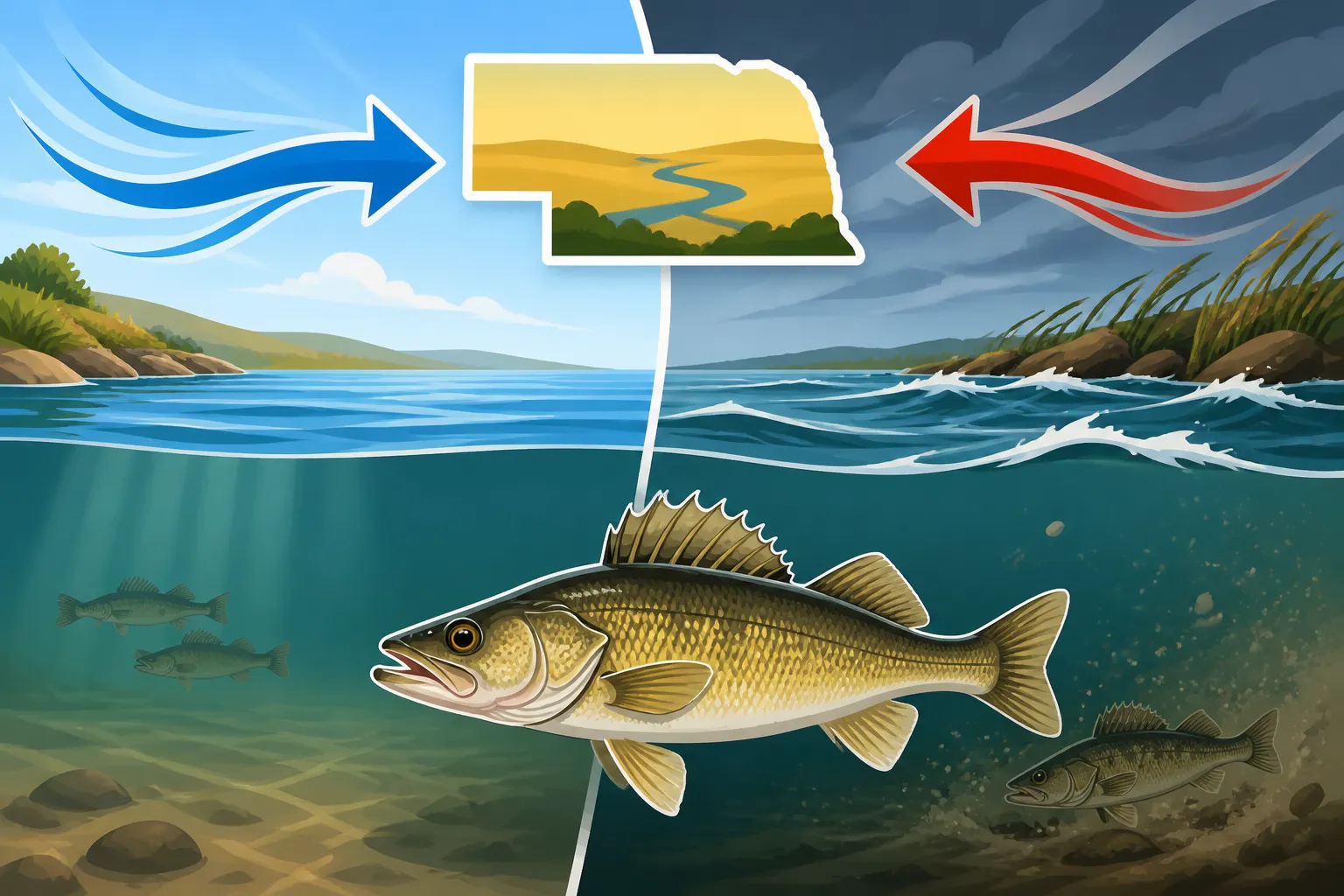
Consider a strong north wind blowing over a long stretch of water. It's not just making the boat bounce; it's pushing warmer surface water and all the tiny organisms within it towards the south end of the lake. Baitfish, which feed on these organisms, will follow, and guess what follows the baitfish? Our toothy friends, the walleye. Conversely, if a cold front comes through with a fierce west wind, it might cool the surface water rapidly, potentially driving walleye deeper or to more sheltered areas. Understanding these basic mechanics is the first step to knowing How to Fish for Walleye in Nebraska effectively when the wind is a factor.
Oxygenation and Turbidity: More Wind Benefits Walleye
Wind also plays a critical role in oxygenating the water, especially in shallower areas. Waves churn the surface, mixing air into the water, which can invigorate fish and make them more active. This is particularly important in warmer months when oxygen levels can naturally dip.
Furthermore, wind can increase turbidity, or cloudiness, in the water. While too much can be bad, a little turbidity can actually be a walleye's best friend. Walleye have excellent low-light vision, a distinct advantage in murkier conditions. When the wind kicks up sand or sediment along shorelines or shallow flats, it creates a natural "cover" for walleye, allowing them to ambush prey more easily without being detected. This is why you often hear anglers talk about a "walleye chop" – a slight to moderate chop on the water's surface that breaks up light penetration and gives walleye the advantage.
Decoding Specific Wind Directions for Walleye Success
Not all wind is created equal, and knowing which direction the wind is coming from can significantly inform your fishing strategy. It’s not just a matter of comfort; it's about predicting where the walleye might be concentrated.
The Power of a West Wind
A steady west wind often signals stable weather, or at least a stable weather pattern that has been in place for a while. Walleye tend to respond positively to consistent conditions. West winds can create excellent current seams along points, islands, and submerged structures. These are prime ambush points where baitfish struggle against the current, making them easy targets.
When faced with a west wind, focus on the windblown side of structures or main lake points. The wave action will push baitfish and warm water (or cool, depending on the season) into these areas. Consider trolling crankbaits or casting jigs and soft plastics into the waves. The action of the boat rocking in the waves can sometimes even help impart a more natural movement to your lure. Many anglers swear by fishing the western banks of reservoirs during a west wind, as this can concentrate food and provide better low-light hunting conditions for the walleye.
North Wind: The Cold Front Challenge
Ah, the dreaded north wind! This often accompanies or follows a cold front, bringing with it a drop in air and water temperatures, clear skies, and high pressure. Walleye can become notoriously finicky during these conditions. They might move deeper, become less active, or hug tight to structure.
When a north wind hits, don't despair, but do adjust. Instead of aggressive presentations, think subtle. Walleye might be shallower early in the day right after the cold front passes, before they settle into deeper water. Focus on deeper points, humps, and the protected sides of structures that aren't getting the full brunt of the wind. Vertical jigging or slowly dragging a live bait rig can be more effective than fast trolling. Sometimes, finding areas where the north wind isn't directly hitting, perhaps a bay or cove on the south side of the lake, can offer more stable conditions. Remember, fish often seek refuge from drastic changes. You might also want to consult Nebraska Fishing Weather and Barometric Pressure Tips for more guidance on dealing with post-cold front conditions.
East Wind: A Mixed Bag of Conditions
An east wind is often a tricky one. It can precede or accompany unstable weather, bringing rain, storms, or fluctuating pressure. Walleye behavior can be erratic under these circumstances. Sometimes they go on a feeding frenzy before a major front, and other times they shut down completely.
During an east wind, pay close attention to barometric pressure. If it's falling, walleye might become more aggressive. If it's rising or steady but low, they might be more lethargic. Focus on transition areas – where shallow water meets deep, or where soft bottom transitions to hard. These areas can act as staging points for walleye adapting to changing conditions. You might find success fishing riprap shorelines or current breaks with jigging spoons or blade baits. Keep an eye on the sky and be prepared for changing weather, as east winds often bring that kind of uncertainty.
South Wind: The Warming Trend Bringer
A south wind typically brings warmer temperatures and often signifies improving or stable conditions, especially after a period of cold. This can make walleye more active and willing to chase. The warmer air can warm surface waters, which can kick-start baitfish activity.
With a south wind, target windblown shorelines, reefs, and points on the northern side of a lake. These areas will accumulate warmer water and forage, attracting walleye. Trolling crankbaits is often a go-to strategy here, allowing you to cover water and find active fish. The increased wave action also creates that desirable "walleye chop," breaking up light and giving fish confidence to feed shallower. You might find some excellent opportunities to catch walleye in Nebraska when the wind has been blowing from the south for a day or two. Don't be afraid to experiment with faster retrieves or larger baits under these conditions.
Adjusting Your Strategy and Gear for Windy Conditions
Knowing why wind matters is great, but knowing how to adapt is what puts fish in the boat. Dealing with wind effectively often means making adjustments to your boat control, lure choices, and fishing techniques.
Mastering Boat Control in the Wind
One of the biggest challenges of wind is maintaining boat control. If you're drifting too fast or getting blown off course, your presentation suffers. This is where a good trolling motor with a Spot-Lock feature (like those offered by Minn Kota or MotorGuide) becomes invaluable. It lets you anchor electronically, holding your position even in strong gusts, allowing you to focus on fishing.
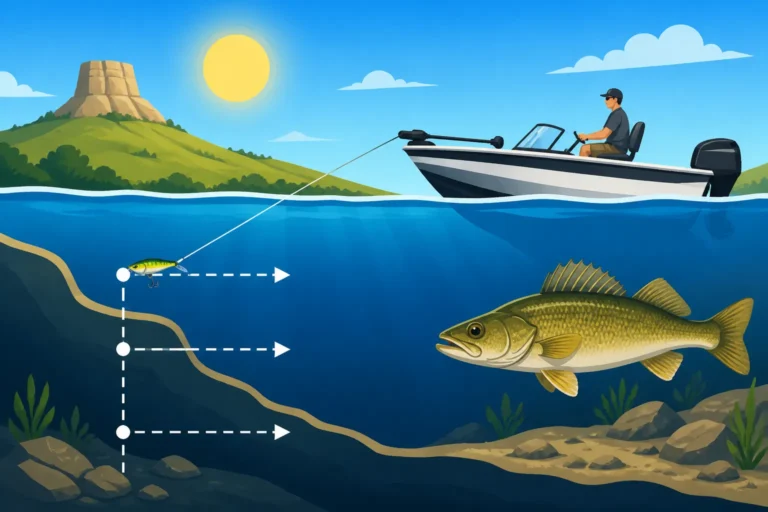
If you don't have electronic anchoring, you'll need to work harder. Try using a drift sock (also known as a sea anchor) to slow your drift. Deploy it off the bow for better control, or off the stern if you're back-trolling. When How to Troll for Walleye in Nebraska, a drift sock can help you maintain a consistent speed. Positioning your boat carefully relative to the wind and structure is key. Often, it's better to fish into the wind, slowly moving forward, rather than letting the wind push you randomly. This allows for better bait presentation and line feel.
Lure and Bait Choices for Windy Days
Windy days often mean you need to get your lure down efficiently and keep it there. Lighter baits can be difficult to control and feel in heavy chop.
- Jigs: Increase your jig head weight. If you normally use 1/4 ounce, try 3/8 or even 1/2 ounce to maintain bottom contact in wind-generated current. Pair them with durable soft plastics available on Amazon, like Berkley Gulp! or Z-Man ElaZtech, which hold up well to aggressive bites and don't rip off easily.
- Crankbaits: Deeper diving crankbaits can be excellent for trolling into the wind, as they dig down and stay in the strike zone. Colors that stand out in murky water caused by wind, like chartreuse, orange, or firetiger, can be particularly effective.
- Live Bait Rigs: When using live bait like nightcrawlers or minnows, heavier bottom bouncers or sinkers are essential to keep your bait near the bottom where walleye often lurk. Consider a snell with a shorter leader if the current is strong, to keep your bait from washing too far away from the weight. For effective Best Bait for Nebraska Walleye, adjusting sinker weight is crucial on windy days.
Table: Walleye Wind Direction Strategy Summary
| Wind Direction | Typical Weather Pattern | Walleye Behavior Tendency | Recommended Strategy | Key Gear Adjustment |
|---|---|---|---|---|
| West Wind | Stable, fair | Active, feeding | Target windblown points, current seams, main lake structures | Troll crankbaits, heavier jigs |
| North Wind | Cold front, high pressure | Finicky, deeper | Fish protected deep points, humps, sheltered bays | Slower presentations, vertical jigging, live bait |
| East Wind | Unstable, pre-front | Erratic, can be aggressive before front | Transition areas, riprap, current breaks | Vary retrieve speeds, try blade baits, pay attention to pressure |
| South Wind | Warming, improving | Active, chasing | Windblown northern shorelines, reefs, shallow structure | Faster retrieves, larger crankbaits, cover water |
Line Management and Sensitivity
Wind makes it harder to feel subtle bites. The bow in your line from the wind pushing it around can mask those faint taps. To combat this, use braided line. Its lack of stretch offers superior sensitivity, helping you detect bites even in choppy conditions. A good quality fluorocarbon leader, like those you can find on Amazon, can be tied to your braid for invisibility and abrasion resistance. Keep your rod tip low to the water to minimize the amount of line exposed to the wind. This reduces "wind bow" and keeps you more connected to your lure. For details on your line choices, check out Best Fishing Line for Nebraska Walleye.
Ultimately, adapting to wind is about understanding its mechanics and being willing to adjust. The walleye are there, you just have to know how to present your offering in a way they can find and are willing to strike, regardless of which way the Nebraska wind is blowing!
Disclaimer
This article is for general informational purposes only and does not constitute professional advice. Laws, prices and regulations vary by location and change over time. Consult a qualified professional for guidance on your specific situation.