Best Lures for the White Bass Run in Nebraska
That feeling when the water starts to warm up, the days get longer, and you know the white bass are about to explode into action – it's pure anticipation, isn't it? But then you show up, the fish are there, but they're not biting your lure, and it can be incredibly frustrating. This guide is all about cutting through that guesswork, detailing the best lures to stock your tackle box with and how to present them effectively, ensuring you're ready to capitalize on the exhilarating Nebraska white bass run.
Understanding the Nebraska White Bass Run Phenomenon
The white bass run in Nebraska is one of the most exciting times of the year for many anglers, a true spectacle of nature that offers fast-paced action. These fish, a relative of the striped bass, move into shallower waters and up tributary rivers to spawn, creating incredible fishing opportunities. If you've ever been caught in the middle of a white bass feeding frenzy, you know exactly what I'm talking about – it's an experience unlike any other, with fish hitting almost anything you throw at them. But getting to that point requires understanding their behavior and having the right tools.
When and Where It Happens
Typically, the white bass run in Nebraska kicks off in late March and really heats up through April and into early May, depending on water temperatures. They're looking for that sweet spot, usually between 55 and 65 degrees Fahrenheit, to start their annual pilgrimage. You'll find them concentrating in the warmer, shallower sections of reservoirs, but the real show often happens as they push into the lower reaches of rivers and creeks that feed into those larger bodies of water. Think about the Platte River as it enters reservoirs like Lake McConaughy, or the smaller streams flowing into Harlan County Reservoir or Branched Oak Lake.
When these conditions align, white bass can be found in massive schools, often indicated by diving birds or disturbances on the water's surface as they chase baitfish. Understanding Nebraska White Bass Spring Run patterns is crucial. They are particularly active during these spawning migrations, driven by instinct and hunger, which makes them aggressive and relatively easy to catch if you're presenting the right lure in the right place. Being aware of the local weather and water conditions through resources like the Nebraska Fishing Calendar Month by Month can give you a significant edge in timing your trips.
Why Lures Matter for This Frenzy
During the run, white bass are often in a highly competitive feeding state. They're not just looking for food; they're reacting to anything that looks like an easy meal or a threat to their territory. This means that presentation, action, and visibility of your lure become incredibly important. A lure that mimics their natural prey, like shad or minnows, will get bites, but sometimes a flashy, erratic lure that simply triggers an aggressive strike is even more effective.
Unlike some more finicky species, white bass aren't usually put off by a slightly oversized lure during this period. In fact, a slightly larger profile might even stand out better in a crowded school. The key is to offer something that grabs their attention quickly and effectively. Having a diverse selection of lures that can be retrieved at various depths and speeds allows you to adapt to the specific mood and location of the fish on any given day. You don't want to be caught on the water when the fish are busting on top, and all you have are deep-diving crankbaits.
Top Lure Categories for White Bass
When it comes to the white bass run, anglers across Nebraska have developed a go-to arsenal of lures that consistently produce. These aren't fancy, super-expensive baits; they're often simple, effective designs that tap into the white bass's aggressive nature and feeding habits. It’s about having a few tried-and-true options that you can confidently throw and know they’ll get bit.
Small Jigs and Soft Plastics
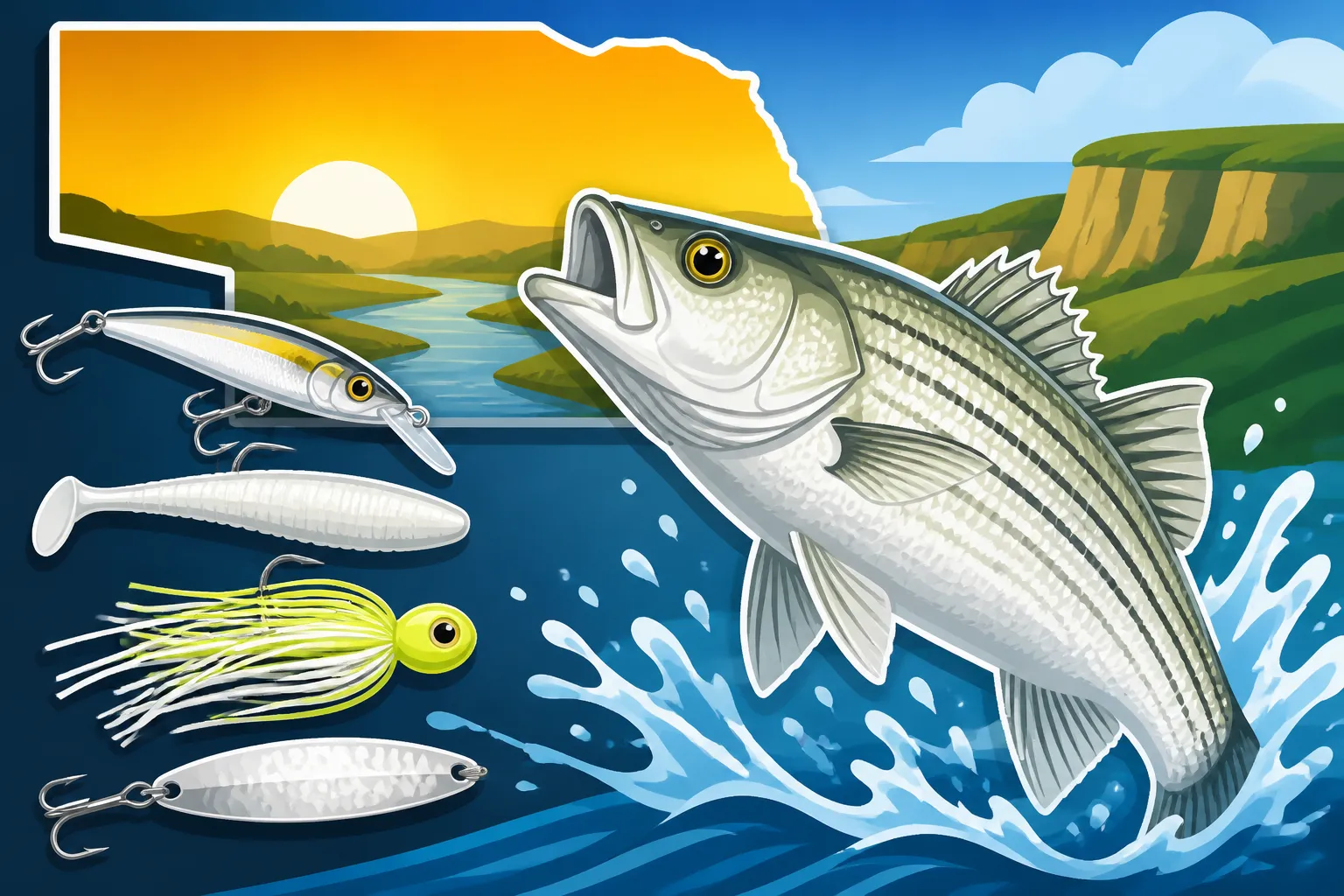
Jigs, especially those dressed with soft plastics, are arguably the most versatile and effective lures for white bass during the run. The beauty of a jig lies in its simplicity and the sheer variety of presentations it offers. A 1/8 to 1/4 ounce jig head, paired with a small curly tail grub, paddle tail swimbait, or even a simple tube jig, can be absolutely deadly. Colors like white, chartreuse, pink, and silver are perennial favorites because they mimic baitfish or provide a high-contrast flash.
The key to fishing jigs and soft plastics is to vary your retrieve. You can cast them out and let them sink, then slowly reel them in with a twitching motion, mimicking a wounded baitfish. Or, you can jig them vertically under the boat if you've marked a school. For those epic topwater frenzies, a lighter jig retrieved quickly just below the surface can be irresistible. Many anglers find great success stocking up on these versatile baits, often found in bulk packs on Amazon, giving them a wide range of options for different water clarity and conditions. When these fish are stacked up in rivers like the Platte, a simple jig-and-grub combo can lead to non-stop action, allowing you to easily hit your Nebraska white bass daily bag limit.
Inline Spinners
Inline spinners are another classic for white bass and for good reason: they work! The spinning blade creates flash and vibration that white bass find irresistible. Brands like Rooster Tail and Mepps are legendary for their effectiveness. Sizes ranging from 1/8 to 1/4 ounce are usually perfect for these feisty fish. The flash of the blade, often silver or gold, combined with a colorful hackle or plastic body, triggers aggressive strikes, especially when fish are actively chasing bait.
You can fish inline spinners with a simple cast-and-retrieve method, allowing the blade to do all the work. Vary your retrieve speed until you find what the fish prefer. Sometimes a steady, fast retrieve triggers a chase, while other times a slower, stop-and-go retrieve can tempt hesitant fish. These are particularly effective in moving water, such as currents found in the Missouri River Fishing in Nebraska or the Platte River Fishing Guide, where the current helps activate the blade and present the lure naturally. They are also fantastic for covering a lot of water quickly, helping you locate those roving schools of white bass.
Crankbaits and Lipless Crankbaits
When white bass are holding a bit deeper or you need to cover more water quickly, crankbaits and lipless crankbaits become incredibly effective. Small to medium-sized crankbaits (think 1/4 to 1/2 ounce) with tight wobbles that dive to a few feet are excellent for mimicking fleeing baitfish. Colors that imitate shad or perch, or vibrant chartreuse and chrome, are often top producers.
Lipless crankbaits, like a Rat-L-Trap or Strike King Red Eye Shad, are phenomenal because they sink rapidly and can be fished at any depth. Their loud rattles and strong vibrations are a beacon for aggressive white bass. You can cast them out, let them sink to your desired depth, and then rip them back in, often pausing to let them flutter on the fall – a move that often triggers vicious strikes. These are especially good when the white bass are spread out over flats or along channel edges in larger reservoirs. They are also durable lures, and picking up a multi-pack of different colors on Amazon can be a smart move for any serious angler targeting the white bass run.
Spoons
Metal spoons, both casting spoons and jigging spoons, also have a place in the white bass angler's tackle box. Casting spoons, like a Kastmaster or a Little Cleo, are fantastic for throwing long distances to reach distant schooling fish. Their wobbling action on the retrieve, combined with their flashy appearance, can be incredibly enticing.
Jigging spoons, on the other hand, are ideal for vertical presentations. If you locate a school of white bass suspended below your boat with your fish finder, dropping a jigging spoon directly into the school and ripping it up and letting it fall can ignite a feeding frenzy. The erratic fall and flash mimic a dying baitfish, which is often too tempting for white bass to resist. Spoons in chrome, silver, or gold finishes are usually the most reliable, especially when the water is clear and the sun is bright. This technique is particularly potent in areas where white bass are stacked up in deeper holes or river bends, waiting to ambush bait.
Presentation and Retrieval Techniques
Having the right lure is only half the battle; knowing how to present it effectively is what truly seals the deal. White bass can be aggressive, but sometimes they're surprisingly picky. Mastering a few key presentation and retrieval techniques will significantly increase your success rate, allowing you to adapt to whatever mood the fish are in on a given day during their spring migration.
Matching the Hatch and Water Conditions
While white bass are often not overly selective, paying attention to what they're actually feeding on can make a big difference. If you notice schools of small shad or minnows flickering at the surface, using lures that closely mimic their size and color will be highly effective. This is often referred to as "matching the hatch." If the water is clear, natural baitfish patterns like silver, white, or light blue can be superb. However, if the water is murky or stained, brighter, more contrasting colors like chartreuse, orange, or even hot pink will stand out better and help fish locate your lure.
Furthermore, water depth and current are major factors. In shallow, faster-moving river sections, a lightweight jig or a small inline spinner might be ideal because it can be kept in the strike zone without constantly snagging. In deeper reservoir settings, a heavier jig or a diving crankbait will help you reach fish suspended lower in the water column. The best anglers are always observing their surroundings and adjusting their lure choices and presentation to match the prevailing conditions.
Retrieval Speed and Action
White bass are known for their aggressive strikes, and often, a fast, erratic retrieve is the ticket. When they're in a feeding frenzy, you can often simply reel in a spinner or lipless crankbait as fast as you can, and they'll smash it. However, there are days when a more subtle approach is needed. Sometimes, a slow, steady retrieve with a small jig, punctuated by a few twitches of the rod tip, can be what they're looking for, especially if they are a bit lethargic due to a passing cold front or a lull in their feeding activity.
Experimentation is key. Start with a moderate to fast retrieve, and if you're not getting bites, slow it down. Try a stop-and-go retrieve, letting your lure flutter or pause momentarily. For jigs, a "lift and drop" or "snap jigging" technique can be incredibly effective, mimicking a fleeing or dying baitfish. Don't be afraid to mix it up until you find the cadence that triggers strikes. The beauty of the white bass run is that when you find that sweet spot, the action can be non-stop.
Gear Considerations
While white bass don't require heavy tackle, having the right rod, reel, and line can significantly enhance your experience and success. A light to medium-light spinning rod, typically 6 to 7 feet long, paired with a matching spinning reel, is ideal. This setup allows for long casts with lightweight lures and provides excellent sensitivity to detect those subtle bites, though white bass strikes are often anything but subtle! Many anglers find great Best Rods and Reels for Nebraska Fishing options suitable for white bass.
For line, a 6 to 10-pound monofilament or fluorocarbon is generally sufficient. If you prefer braided line for its sensitivity and strength, a 10 to 15-pound braid with a fluorocarbon leader of 6 to 8 pounds works wonderfully, especially in clearer waters. The fluorocarbon leader becomes virtually invisible underwater, which can be an advantage when the fish are a bit wary. Strong hooks are also important; while white bass aren't known for breaking tackle, their energetic fights can bend weaker hooks. Ensuring your line is in good condition and regularly checked for abrasions will save you from heartbreaking break-offs during what could be a banner day. For river fishing, a lightweight Best Kayaks for Nebraska Fishing can offer unparalleled access to prime white bass runs.
Advanced Tips for Maximizing Your Catch
You've got the lures, you understand the basics of presentation, but how do you take your white bass fishing during the run from good to absolutely fantastic? It comes down to refining your approach, paying close attention to details, and being prepared to adapt. The white bass run can be incredibly dynamic, with conditions and fish behavior changing by the hour, so having a few advanced strategies up your sleeve can make all the difference.
Scouting and Locating Schools
One of the biggest keys to consistent white bass success is finding the fish. While birds diving can be a dead giveaway, you won't always have such obvious signs. Start by targeting known white bass hotspots in Nebraska, especially the lower sections of rivers and creeks feeding into major reservoirs. Look for current breaks, submerged structure, transition areas from deep to shallow, and the mouths of feeder creeks. Fish tend to stack up in these areas as they migrate and stage for spawning.
A good fish finder can be an invaluable tool. Look for large schools of baitfish, and you can bet the white bass won't be far behind. Often, white bass will appear as large, dense blobs on your sonar, sometimes right on the bottom, other times suspended in the middle of the water column. Don't be afraid to cover water, whether by boat, kayak, or on foot along the bank, until you locate active fish. Once you find one, there are almost certainly more. Remember to be mindful of Nebraska Fishing Regulations Explained as you scout.
Adapting to Changing Conditions
The weather in Nebraska can be famously fickle, and rapidly changing conditions can significantly impact the white bass bite. A sudden cold front, a shift in wind direction, or even a change in cloud cover can alter fish behavior. On bright, sunny days with clear water, fish might prefer more subtle, natural-colored lures and deeper presentations. On cloudy days or in stained water, brighter colors and lures with more vibration and flash often perform better.
Strong winds can push baitfish and white bass into sheltered areas, or conversely, create current and chop that triggers a feeding spree. Be prepared to change your lure selection, retrieve speed, and even your fishing location throughout the day. If the bite slows down, don't keep doing the same thing. Try a different color, a different depth, or a different lure altogether. That's why having a diverse selection of lures, including some obscure choices, readily available in your tackle box from places like Amazon, is so important.
Essential Tackle Box Additions
Beyond the main lure categories, a few other items are critical for white bass success. Firstly, a good pair of polarized sunglasses will help you spot subtle movements in the water and identify structure. Secondly, a small pair of pliers or a hook remover is essential for quickly and safely unhooking fish, especially when the action is hot. White bass have small, sharp teeth, and speed is key to getting your lure back in the water.
Finally, don't underestimate the power of a few extra jig heads and soft plastic bodies. These can get snagged or torn up quickly during a fast bite, so having plenty of replacements is a must. Carrying a variety of jig head weights (1/8 oz, 1/4 oz, 3/8 oz) will allow you to quickly adjust to different depths and current speeds. Keeping a clean, organized tackle box with these essentials will ensure you're always ready for whatever the white bass run throws at you, allowing you to focus on the thrill of the catch rather than rummaging for gear. If you're looking for Best Places to Fish in Nebraska that are prime for white bass, make sure your tackle box is ready for action.
| Lure Type | Best Conditions | Retrieval Strategy | Pros | Cons |
|---|---|---|---|---|
| Small Jigs | All conditions, especially clear/light current | Twitch & retrieve, vertical jigging, slow steady retrieve | Versatile, mimics baitfish, can be subtle or aggressive | Can be light for heavy current, small hooks can bend |
| Inline Spinners | Moving water, schooling fish, covering water | Steady retrieve, varied speed | High flash & vibration, covers ground quickly, easy to use | Can get snagged in heavy cover, less depth control |
| Crankbaits | Deeper water, target specific depths | Steady retrieve, troll | Reaches deeper fish, strong vibration, good baitfish imitation | Can be expensive, depth limited by lure design |
| Lipless Crankbaits | Any depth, covering water, windy conditions | Rip & pause, steady retrieve, jigging | Sinks fast, loud rattle, versatile depth control, good for wind | Can be prone to snagging on bottom if not careful |
| Spoons | Long casts, vertical jigging, schooling fish | Cast & retrieve (wobble), rip & fall (jigging) | Excellent flash, heavy for long casts, mimics dying baitfish | Can be heavy for light tackle, less effective in heavy cover |
Disclaimer
Please note that fishing regulations, including license requirements, bag limits, and specific rules for certain water bodies, are subject to change. Always consult the latest Nebraska Game and Parks Commission regulations before heading out on the water. This guide is for informational purposes only and does not supersede official regulations.