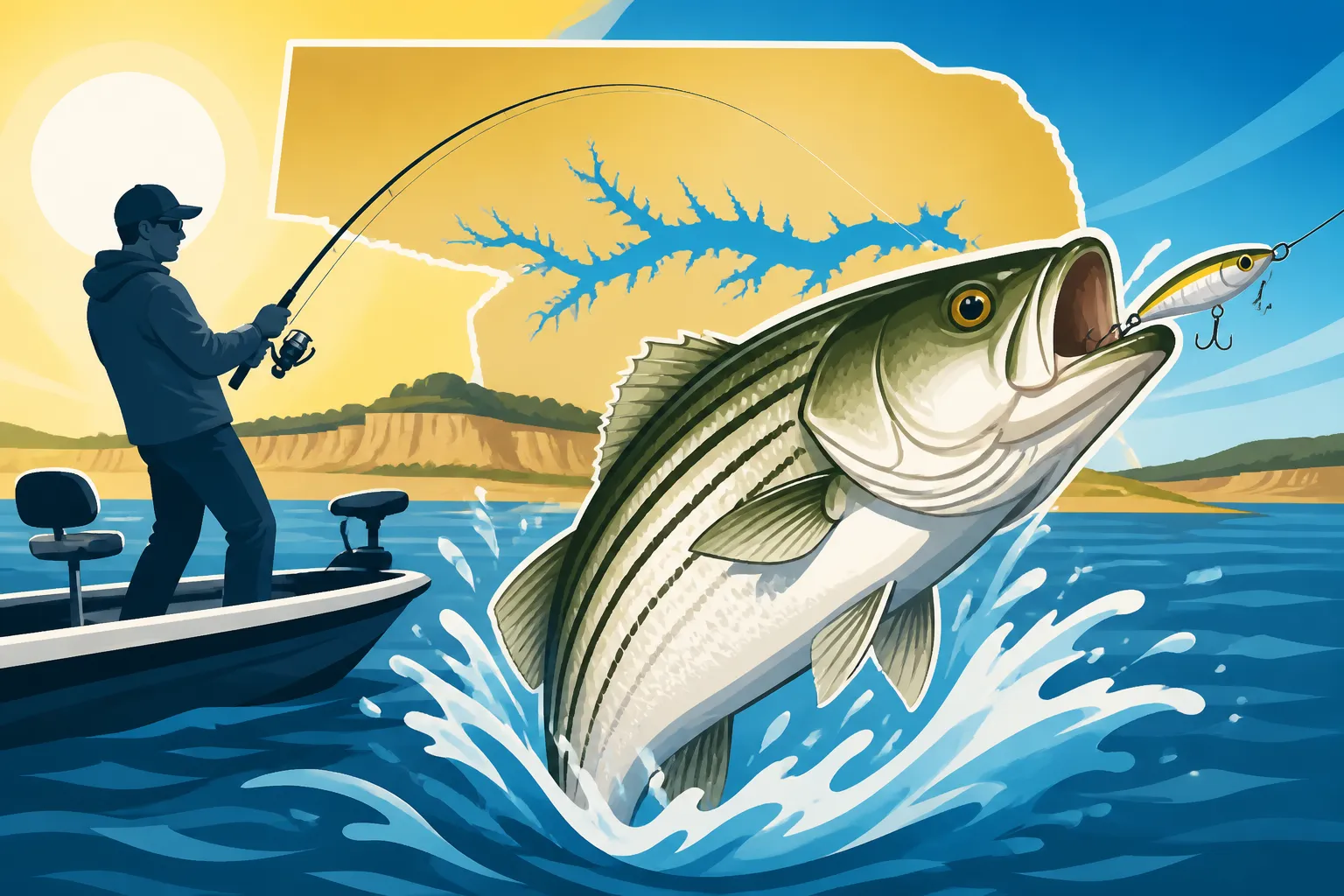
How to Catch Striped Bass at Lake McConaughy
There's nothing quite like the thrill of chasing striped bass, especially in a vast and sometimes intimidating body of water like Lake McConaughy. Many anglers feel overwhelmed by "Big Mac's" sheer size and the seemingly elusive nature of these powerful fish, making it tough to know where to start. This comprehensive guide is here to cut through that frustration, offering proven strategies, gear insights, and practical tips to significantly improve your chances of catching striped bass in Nebraska's premier reservoir.
Understanding Lake McConaughy's Striped Bass
Lake McConaughy, often affectionately called "Big Mac," is a true gem in Nebraska, known for its deep, clear waters and incredible fishery. For many, the striped bass is the ultimate prize here, a hard-fighting fish that will test your tackle and your patience. But before you even think about casting a line, it's crucial to understand where these magnificent fish prefer to hang out and how their behavior shifts throughout the year.
Where Striped Bass Thrive in Big Mac
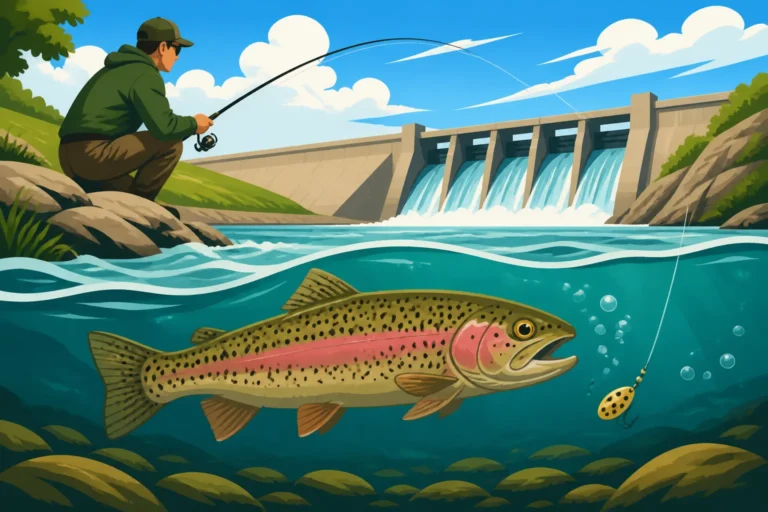
Striped bass are pelagic, meaning they love open water, but they're also opportunistic predators that will relate to structure. In a lake as vast as McConaughy, this means they could be almost anywhere. However, over the years, certain areas have proven to be consistent hotspots. The dam face itself, particularly the riprap leading up to it and the deeper waters immediately offshore, is a prime location. This area often holds schools of baitfish, attracting hungry stripers. Submerged islands, deep humps, and sudden drop-offs that transition from shallower flats into deep water are also key structures. These features act like underwater highways and ambush points for schooling fish.
Remember, stripers are often chasing baitfish like gizzard shad, which also move around. If you find the bait, you're usually close to the stripers. Look for congregations of bait on your fish finder in the main lake basin, especially in areas with a good amount of current or wind pushing nutrients. During certain times of the year, particularly in warmer months, stripers might also venture into larger coves and arms of the lake if there's ample bait and cooler, deeper water available. The key is to think like a baitfish trying to hide, or a predator trying to trap them.
Seasonal Movements and Patterns
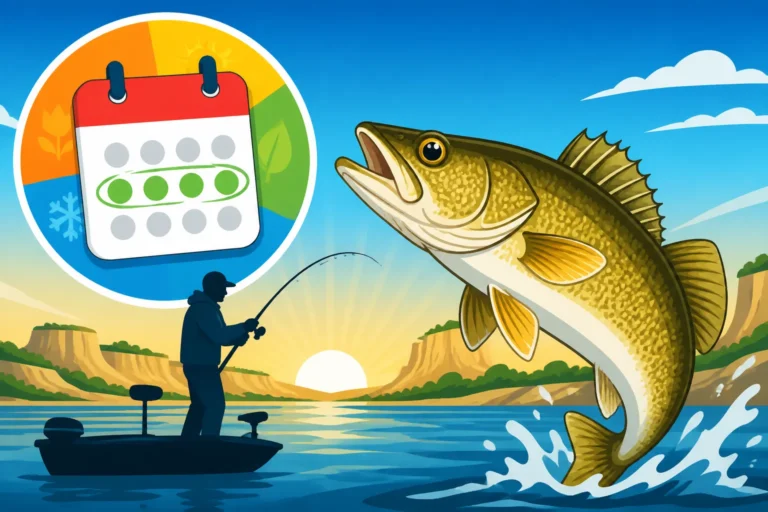
The behavior of striped bass in Lake McConaughy is heavily influenced by water temperature and the availability of their primary food source. Understanding these seasonal shifts is paramount to consistent success.
- Spring: As ice recedes and water temperatures begin to rise, usually in April and May, stripers become more active. They'll often move into shallower areas to feed, sometimes even following baitfish into the upper reaches of the lake or shallower coves where the water warms first. This can be a fantastic time for casting a variety of lures. The post-spawn period for other species also offers a bounty of easy meals for hungry stripers. Don't be afraid to target areas that hold a good concentration of gizzard shad, as the stripers won't be far behind.
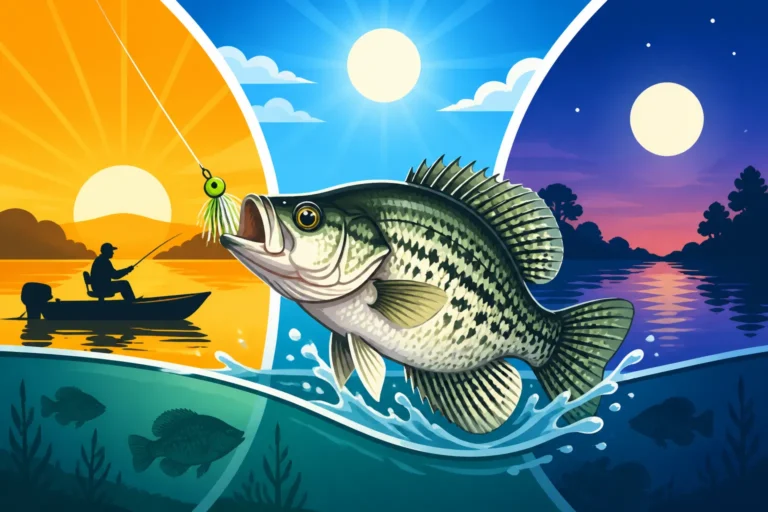
- Summer: The dog days of summer see stripers moving to deeper, cooler water, often suspending over the main lake basin or relating to deep structure. This is when your fish finder becomes your best friend. They’ll actively hunt schools of baitfish in these deeper zones. Early mornings and late evenings can still bring them shallower, especially if there's a good low-light bite, but during midday, expect to find them down deep. Night fishing can also be incredibly productive in summer, as stripers become more comfortable feeding under the cover of darkness. Many anglers have great success targeting walleye during the same season, and a good Lake McConaughy Walleye Fishing guide can offer crossover tips for finding deep structure and bait.
- Fall: As water temperatures begin to cool in September and October, stripers become incredibly aggressive, trying to pack on weight for the winter. They'll often move back into shallower areas and cruise along points, humps, and main lake structures. This is arguably one of the best times of the year to catch trophy stripers, as they are actively feeding and more predictable in their movements. Look for massive schools of baitfish being pushed to the surface by predatory stripers, a phenomenon known as "boils" or "blowups."
- Winter: Ice fishing for stripers is less common but not unheard of. Under the ice, stripers will often suspend in deep water, becoming less active but still catchable. If the lake doesn't freeze entirely, they'll remain deep, moving slowly and conserving energy. Vertical jigging with heavy spoons or large blade baits can entice a strike. However, the best time of year for a Nebraska fishing trip for stripers is generally spring and fall when they are most accessible and active.
Essential Gear and Tackle for Striper Success
Going after striped bass on Lake McConaughy isn't like panfishing with a cane pole; these fish are strong, and the environment can be demanding. Having the right equipment is critical, not just for catching fish but for handling them safely and effectively.
Rods, Reels, and Line Choices
When you're battling a powerful striped bass in open water, your gear needs to be up to the task. For rods, a medium-heavy power rod, typically 7 to 8 feet long, is ideal. Whether you prefer spinning or baitcasting is a personal choice, but ensure the reel seat and guides are robust. A fast action tip will help you feel subtle bites, while the strong backbone is essential for setting the hook and fighting big fish. For reels, look for models with a smooth, powerful drag system. A 3000-5000 series spinning reel or a similar sized baitcasting reel (like a 30-40 size for low-profile or a 6500 series for round baitcasters) will give you the line capacity and cranking power you need.
Line choice is equally important. Many experienced striper anglers opt for braided line as their main line due to its incredible strength-to-diameter ratio and lack of stretch, which enhances sensitivity. A 30-50 pound test braided line is a good starting point. You’ll want to tie on a fluorocarbon leader, usually 15-25 pound test, to the end of your braid. Fluorocarbon is nearly invisible underwater, helping to fool wary fish, and its abrasion resistance is a huge advantage when fishing around rocky structure or a striper's rough mouth. This setup is incredibly versatile and allows you to tackle different fishing situations effectively, similar to what you'd use for targeting large walleye.
Top Baits and Lures for Lake McConaughy Stripers
Striped bass are aggressive predators, and they'll hit a variety of baits and lures, but some consistently outperform others.
- Live Bait: There's arguably no more effective bait for stripers than live gizzard shad or large shiners. These are the natural forage for stripers in Lake McConaughy. Anglers often catch their own bait using cast nets or sabiki rigs, which can be purchased readily on platforms like Amazon. Presenting live bait on a slip bobber, freelined behind the boat, or even on a downrigger can be incredibly deadly. Cut bait, especially fresh gizzard shad, can also be very effective when stripers are less active or for night fishing, as the scent trail draws them in.
- Artificial Lures:
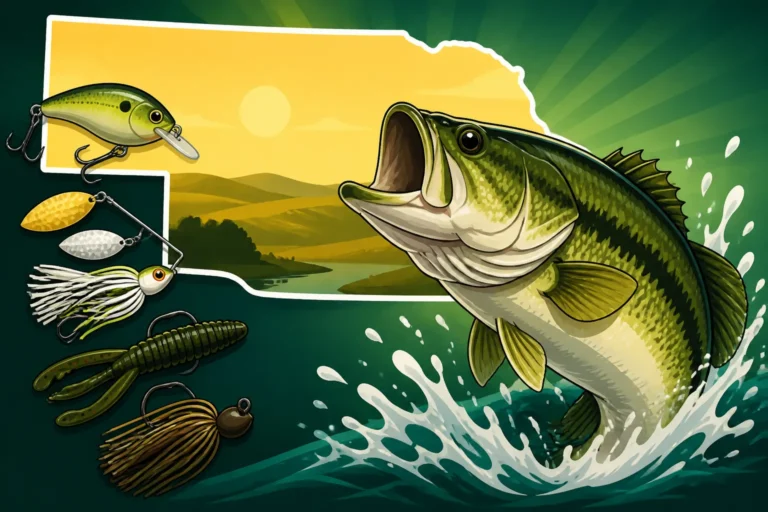
- Crankbaits: Deep-diving crankbaits are a staple for trolling and casting to suspended fish. Look for lures that can reach depths of 15-30 feet or more, mimicking shad. Popular choices include Rapala Deep Tail Dancers, Berkley Dredgers, or Strike King XD series.
- Swimbaits: Soft plastic swimbaits, rigged on weighted jig heads, are fantastic for mimicking injured baitfish. They can be cast and retrieved or vertically jigged. Sizes from 4-7 inches are generally good.
- Jerkbaits: Long, slender jerkbaits are excellent for eliciting reaction strikes, especially when twitched and paused. They can be effective in spring and fall when stripers are shallower.
- Spoons: Heavy metal spoons, like a Kastmaster or a War Eagle spoon, are fantastic for vertical jigging to deep-suspended schools of stripers. Drop them down, rip them up, and let them flutter on the fall – it often triggers a strike.
- Topwater Lures: During low-light conditions or when stripers are actively busting on the surface (the aforementioned "boils"), a large topwater plug can create explosive strikes. Think walk-the-dog lures or poppers. Few things get the adrenaline going like a striper blowing up on a topwater bait.
Must-Have Accessories
Beyond your rods and reels, a few key accessories will make your striper fishing experience more successful and enjoyable. First and foremost, a quality fish finder with GPS capabilities is almost non-negotiable on Lake McConaughy. The lake is huge, and locating baitfish schools and deep structure is paramount. Models from Lowrance or Humminbird are industry standards, and many are available through online retailers like Amazon. A reliable GPS will help you mark hotspots, navigate safely, and return to productive areas.
You’ll also need a heavy-duty landing net with a long handle. Striped bass are powerful fish, and trying to hoist a 10-20 pound striper into a boat by the line is a recipe for disaster. A good net protects both you and the fish. Long-nose pliers or a hook remover are essential for safely extracting hooks, especially from toothy fish. Lastly, a large cooler with plenty of ice is a must for keeping your catch fresh if you plan to harvest them. Always check the current Nebraska Fishing Daily Bag and Possession Limits before you go.
Effective Techniques for Landing Big Stripers
The vastness of Lake McConaughy means that a single technique won't always work. Successful striper anglers are often versatile, adapting their approach to the conditions and the fish's mood.
Trolling Strategies
Trolling is perhaps the most popular and effective method for covering large amounts of water and locating active striped bass, especially during summer when they suspend over open water or hold to deep structure. The key is to match your trolling speed and lure depth to the fish and bait you're seeing on your electronics.
Start by varying your speeds between 2.5 and 4.0 miles per hour, adjusting based on how the fish react. If you see fish on your graph at 20-30 feet, use deep-diving crankbaits that reach that depth or utilize planer boards and lead core line to get your baits down. Downriggers are also highly effective for presenting lures or live bait at precise depths. Troll along established contours, over submerged humps, and through the main lake basin where you've marked baitfish. Don't be afraid to make S-turns or speed up and slow down occasionally; these changes in action can often trigger a strike from a hesitant fish. Many of the same principles for How to Troll for Walleye in Nebraska apply here, just on a larger scale with more robust tackle.
Casting and Jigging Tactics
While trolling covers water, casting and jigging allow for more precise presentations, especially when you've located a school of fish or are targeting specific structure.
- Casting to Schools: When you encounter a "boil" (stripers actively pushing bait to the surface), quickly motor upwind of the action (but not into it, you'll spook them!) and cast topwater lures, spoons, or swimbaits into the frenzy. Retrieve aggressively, mimicking an injured baitfish. This is often a visual, heart-pounding experience. For non-surface activity, casting deep-diving crankbaits or large swimbaits to points, humps, or the dam face can also be productive. Let the lure get down to depth before starting your retrieve.
- Vertical Jigging: If you mark stripers suspended deep or holding tight to bottom structure, vertical jigging can be incredibly effective. Use heavy metal spoons, blade baits, or large soft plastic swimbaits on jig heads. Drop your lure directly down to the fish you see on your fish finder, then employ an aggressive lift-and-drop retrieve, or subtle shakes, to entice a bite. This technique is particularly useful in winter or when fish are less active.
Live Bait Fishing Techniques
Live bait is often the ace up your sleeve, especially when the bite is tough or you're targeting truly big stripers. The trick is to present it naturally.
- Freeline/Slip Bobber: If stripers are shallow or suspended at a known depth, a simple freeline setup with a single hook through the nose or back of a live shad, allowed to swim naturally, can be deadly. A slip bobber can help present the bait at a consistent depth.
- Downriggers: For deep, suspended fish, downriggers allow you to present live bait precisely at the same depth as the fish and bait balls you're seeing on your electronics. This is a highly effective way to target less active fish without spooking them with heavy weights.
- Balloon Rigs: When fishing from shore or anchored in a boat on windy days, a balloon rig can keep your live bait suspended at a desired depth and allow it to drift with the current or wind, covering more water naturally. This mimics a struggling baitfish near the surface.
Navigating Lake McConaughy's Unique Challenges
Fishing Lake McConaughy can be an incredible experience, but its size and diverse conditions also present unique challenges that experienced anglers learn to respect and overcome.
Reading the Water and Weather
Lake McConaughy is a massive body of water, meaning conditions can change rapidly and differ significantly from one end of the lake to the other. Pay close attention to wind direction and speed. Strong winds can create large waves, making navigation difficult and affecting water clarity. However, wind can also be your friend, pushing baitfish into certain areas or creating current seams that stripers will ambush from. A good understanding of weather patterns will help you plan your trips effectively. High-pressure systems often lead to slower bites, while approaching fronts can trigger aggressive feeding. Always keep an eye on the forecast and be prepared for sudden changes. Knowing How Wind Direction Affects Walleye Fishing can provide similar insights for stripers that relate to current and baitfish movement.
Water clarity also plays a role. While Big Mac is generally known for its clear water, runoff from rain can temporarily muddy certain areas. Stripers can still be caught in stained water, but you might need to use more vibration-inducing lures or scented baits. Learning to interpret your electronics, especially using side imaging sonar, will help you find those subtle changes in bottom composition and structure, which are often key holding areas for fish.
Navigating the Vastness of "Big Mac"
The sheer scale of Lake McConaughy can be daunting for newcomers. It's easy to get lost or waste valuable fishing time searching for fish. This is where your GPS and fish finder become indispensable tools. Before you even launch your boat, spend time studying maps of the lake. Identify potential hotspots, major points, humps, and drop-offs. Use the GoOutdoorsNE Online Permit System to check for any alerts or specific regulations that might be in effect.
Safety is paramount on such a large lake. Always inform someone of your float plan, carry all required safety equipment, and dress for the conditions. When you're out on the water, don't be afraid to move if you're not finding fish. Stripers are mobile, and you need to be too. If you've covered an area thoroughly without success, pick up your gear and explore another promising location marked on your GPS. Learning the lake over time, through personal experience and by consulting Lake McConaughy Fishing Guide resources, will undoubtedly improve your success.
| Season | Primary Techniques | Recommended Lures / Baits | Typical Depths | Notes |
|---|---|---|---|---|
| Spring | Casting, Trolling | Swimbaits, Jerkbaits, Deep Crankbaits, Live Shad | 5-20 feet | Fish move shallower, active feeding. Look for warmer water. |
| Summer | Trolling, Vertical Jigging, Night Fishing | Deep Crankbaits, Spoons, Live Shad, Cut Bait | 20-50+ feet (suspended) | Fish move deeper to cooler water. Early morning/late evening bites. |
| Fall | Trolling, Casting to Boils | Topwater, Swimbaits, Spoons, Deep Crankbaits, Live Shad | 10-40 feet | Aggressive feeding, excellent time for trophy fish. Look for surface activity. |
| Winter | Vertical Jigging | Heavy Spoons, Blade Baits, Large Jigging Raps | 30-60+ feet (suspended) | Less active, slower retrieves. Ice fishing possible if safe. |
Disclaimer
Fishing regulations, conditions, and fish behavior can change. Always consult the official Nebraska Game and Parks Commission regulations before fishing. This guide is for informational purposes only and does not guarantee fishing success.