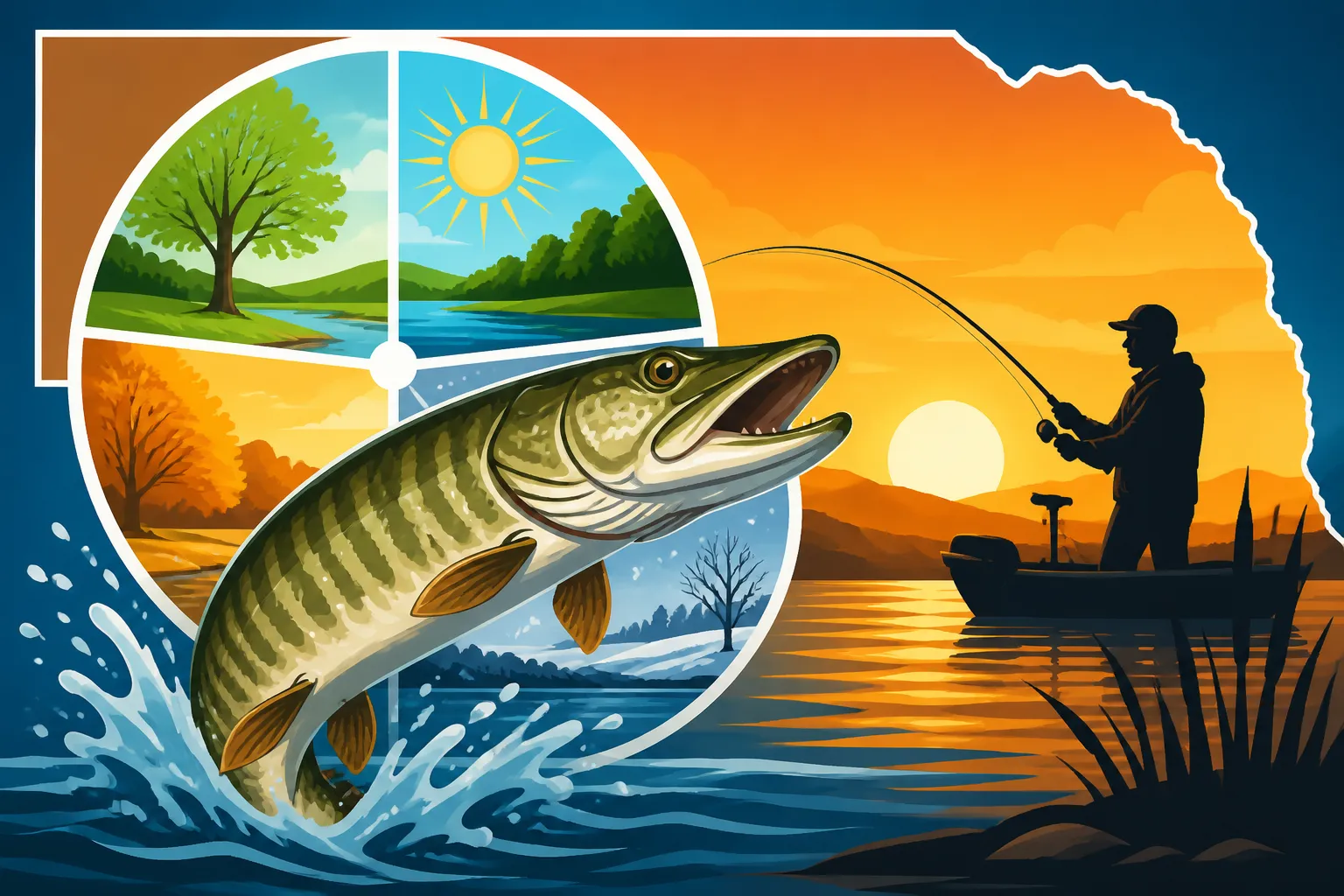
Best Time of Year to Catch Muskie in Nebraska
Trying to pin down the best time to catch a Muskie in Nebraska can feel like chasing a ghost – they're notoriously elusive, often called "the fish of 10,000 casts." It’s a real challenge, but understanding their seasonal movements and habits is your biggest advantage in increasing your odds. This comprehensive guide will walk you through the annual cycle of Nebraska Muskie, highlighting the prime windows and specific tactics to make your Muskie dreams a reality.
Understanding Muskie Behavior Through the Seasons
Muskies, or muskellunge, are apex predators, and their behavior is heavily dictated by water temperature, available forage, and spawning cycles. Unlike some other fish that might bite consistently throughout the year, Muskie fishing in Nebraska has very distinct peaks. Knowing these seasonal shifts is absolutely crucial for success.
Spring Muskie Awakening Post-Spawn
As the ice retreats and spring truly sets in, usually from late April through May, Nebraska's Muskie begin to stir from their winter lethargy. This isn't necessarily the peak time for sheer numbers of catches, but it’s a critical period for understanding their post-spawn patterns. After the grueling process of spawning, which typically happens when water temperatures are in the low to mid-50s Fahrenheit, these fish are often recovering and, frankly, pretty hungry.
During this post-spawn phase, Muskie will often be found shallower, near their spawning grounds in bays, coves, and areas with submerged vegetation. They're looking for an easy meal to regain their strength. The bite can be somewhat sporadic, as they're not yet in full summer feeding mode, but a well-presented lure can entice a strike from a big, recuperating fish. This is a time to focus on slower presentations, perhaps using larger bucktails or glide baits that don't require an overly aggressive chase. Think about those calmer, warmer days right after a cold front has passed, when the sun has had a chance to warm the shallows.
Summer Muskie Patterns: Weeds and Open Water
As Nebraska's lakes fully warm up into the 60s and 70s Fahrenheit, Muskie activity tends to pick up significantly, making summer a solid time for targeting these powerful fish. From June through August, Muskie will settle into their preferred summer haunts, which often means dense weed beds, submerged timber, and the edges of deeper main lake structure. They use these areas for ambush points, lying in wait for unsuspecting prey.
During the summer, Muskie can be found in a variety of depths. Early morning and late evening often see them cruising shallower weed edges, while midday heat might push them to deeper breaks or suspended in open water over thermoclines, following schools of baitfish. Fast-moving lures like large bucktails, spinnerbaits, and even topwater lures (especially during low-light conditions) can be highly effective. The key is covering a lot of water and presenting lures aggressively to trigger a reaction strike. Understanding Nebraska Fishing Regulations Explained for specific waters is always important, as length limits for Muskie can be quite restrictive to protect the population.
Fall Muskie Frenzy: The "Autumn Turnover" Bite
Without a doubt, late summer into fall is widely considered the absolute best time of year to catch Muskie in Nebraska. As water temperatures begin to drop from the high 60s into the 50s and low 40s Fahrenheit, typically from September through November, Muskie enter a period of intense feeding, often referred to as "the fall turnover bite." They sense the coming winter and are instinctively driven to pack on as much weight as possible.
This is when Muskie are at their most aggressive and predictable. They move shallower in many lakes, following schools of baitfish that are also fattening up. Large crankbaits, jerkbaits, and even dead baits (where legal) fished slowly and deliberately can be incredibly effective. The challenge during this period isn't so much finding active fish, but enduring the colder weather and putting in the hours. This is the time when trophy Muskie are most often caught. If you're serious about landing a big one, dedicating time to How to Fish a Reservoir During Fall Turnover is essential, as the changing water columns affect fish behavior significantly.
Winter Muskie Challenges: Ice Fishing Considerations
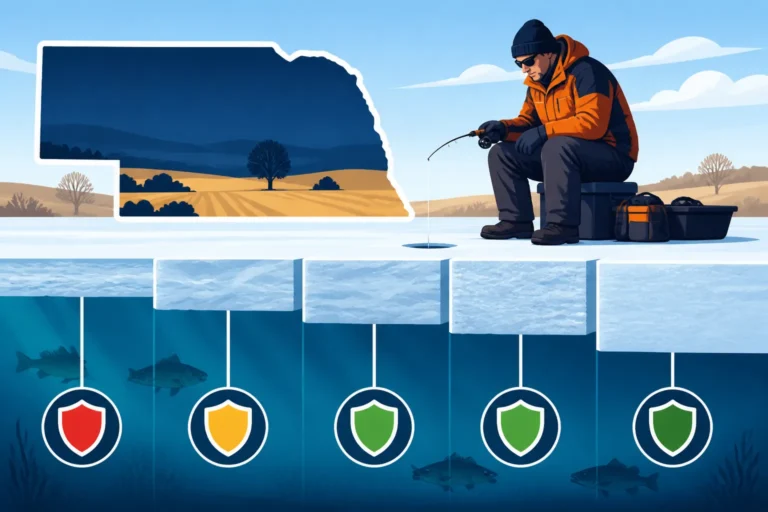
While some adventurous anglers do try to target Muskie through the ice, winter is generally the toughest season for Muskie fishing in Nebraska. Muskie metabolism slows down dramatically in cold water, and they become far less active. They'll often hold tight to deep structure or dense cover, conserving energy.
Catching a Muskie through the ice typically requires extreme patience and often involves using large dead baits or jigging very large spoons and baits, hoping to tempt a lethargic fish. While technically possible, it's not the prime season for Muskie and the odds are significantly lower compared to the fall bite. Most dedicated Muskie anglers will store their gear and dream of spring, or focus on other species during this time. For those interested in the possibility, a deep dive into Nebraska Ice Fishing Gear Guide might offer some insights on equipment, although specific Muskie ice gear is a niche.
Key Factors Influencing Muskie Success
Beyond just the calendar, several environmental factors play a massive role in whether you’ll have a successful Muskie outing. Understanding these nuances can help you fine-tune your approach no matter the season.
Water Temperature and Oxygen Levels
Water temperature is perhaps the single most critical factor for Muskie activity. As cold-blooded creatures, their metabolism is directly tied to the water's warmth. In very cold water (below 40°F), they are sluggish and less likely to chase. In their ideal temperature range (mid-50s to low 70s), they are active and aggressive. During the heat of summer, Muskie will seek out cooler, deeper water, or areas with good current and higher dissolved oxygen levels.
Conversely, in spring and fall, as the water reaches those optimal temperatures, they become much more active. During periods of thermal stratification in summer, Muskie will often be found near the thermocline – the layer where water temperature changes rapidly – as this often provides the best balance of temperature and oxygen for both them and their prey. Using a good fish finder to locate these temperature breaks can be a game-changer.
Forage Base and Hunting Grounds
Muskie are opportunistic predators, and their movements are largely dictated by the location of their food sources. Whether it’s schools of shad, white bass, smaller walleye, or perch, Muskie will position themselves to intercept these prey items. If you can locate the baitfish, you're often one step closer to finding Muskie.
This means paying attention to sonar readings, observing surface activity, and understanding the natural habits of various baitfish species. For example, during the fall, as baitfish schools push into shallower bays or suspend over open water, Muskie will follow them, creating those intense feeding opportunities. Identifying prime hunting grounds like weed lines, rock piles, submerged timber, and deep points is crucial. Think of it like this: if the grocery store is full, the predators will be nearby! This applies to all predatory fish, from Walleye Fishing in Nebraska to Muskie.
Weather Conditions and Barometric Pressure
Weather can make or break a Muskie trip. Stable weather patterns, especially a few days of consistent conditions, often lead to more predictable Muskie behavior. Frontal systems, particularly cold fronts, can shut down the bite for a day or two as fish become less active and retreat to deeper cover.
Barometric pressure also plays a significant role. A rising or high-pressure system, often associated with clear skies and calm winds after a cold front, can make Muskie sluggish. Conversely, a falling or low-pressure system, often preceding a storm, can trigger aggressive feeding as fish sense the change and feed heavily before the weather turns. This is where understanding How Barometric Pressure Affects Fishing in Nebraska becomes a vital part of your strategy. Pay attention to weather forecasts not just for comfort, but for predicting fish activity.
Top Nebraska Muskie Waters and Their Seasonal Nuances
Nebraska isn't famous for its Muskie fishing in the way some northern states are, but we do have some fantastic opportunities, particularly if you know where to look and when. The state’s Muskie fishery is sustained primarily through stocking efforts by the Nebraska Game and Parks Commission.
Merritt Reservoir: Nebraska's Muskie Mecca
When anyone talks about Muskie fishing in Nebraska, Merritt Reservoir near Valentine is the first place that comes to mind, and for good reason. It's consistently stocked and has produced some truly giant fish, including the current state record. Merritt is a Sandhills lake, known for its clear water and abundant vegetation, making it prime Muskie habitat. For a detailed guide, check out Merritt Reservoir Muskellunge Fishing Tips.
- Spring: Post-spawn Muskie at Merritt will often be found in the shallower, warmer bays and around the extensive weed growth in the northern arms of the reservoir. Slow-rolling bucktails or twitching glide baits near these areas can be effective.
- Summer: As the weeds mature and water warms, Muskie will relate to the deep weed lines and submerged timber, particularly in the mid-lake and southern sections. Topwater in the mornings, followed by aggressive bucktailing or cranking along weed edges during the day, are popular tactics.
- Fall: This is when Merritt truly shines for Muskie. As water temperatures drop, fish become incredibly active. They will often move into shallower depths, gorging on the abundant yellow perch and other baitfish. Large jerkbaits, deep-diving crankbaits, and even large rubber baits are deadly. Focus on areas where baitfish are congregating. The clarity of Merritt's water means you might need longer leaders and more natural presentations.
Other Potential Muskie Destinations
While Merritt is the undisputed king, other Nebraska waters have been stocked with Muskie or tiger Muskie (a sterile hybrid of Muskie and northern pike) and can offer opportunities, albeit with lower populations.
- Box Butte Reservoir: Located in the Nebraska Panhandle, Box Butte has received Muskie stockings in the past. It's a smaller, shallower reservoir compared to Merritt, with different types of cover like standing timber and brush. Muskie here might behave similarly to pike, relating heavily to structure.
- Calamus Reservoir: Another Sandhills lake, Calamus offers clear water and good forage. While more known for walleye and wipers, it has also received Muskie stockings. Targeting Muskie here might involve focusing on deeper points and submerged timber.
- Sherman Reservoir: This central Nebraska reservoir is well-known for its abundant walleye and white bass. Muskie stockings have occurred here as well, and these fish would likely prey heavily on the abundant baitfish. The often turbid water of Sherman might make brighter lures more effective.
It's always a good idea to consult the current Nebraska Game and Parks fishing guide for the most up-to-date stocking information and regulations for these specific lakes. The presence of Northern Pike Fishing in Nebraska in some of these waters can sometimes lead to confusion, as young Muskie can be mistaken for pike. It's important to know your target species. For a general understanding of these elusive fish, you can learn How Big a Muskellunge Is and Where They Live in Nebraska.
Essential Gear and Tactics for Seasonal Muskie Angling
Muskie fishing isn't just about timing; it's also about having the right tools for the job. These fish are powerful, have razor-sharp teeth, and demand heavy-duty gear. Trying to land a Muskie with inadequate tackle is a recipe for heartbreak.
Rods, Reels, and Line for Monster Muskie
When it comes to Muskie, think heavy-duty. You'll need specialized equipment designed to handle large, aggressive fish and heavy lures.
- Rods: For Muskie, a long (8' to 9'6"), heavy to extra-heavy power, fast-action casting rod is standard. These rods provide the leverage needed to cast big baits long distances and absorb the shock of a powerful strike. Brands like St. Croix, G. Loomis, or Shimano offer excellent Muskie-specific rods that you can often find on Amazon. A good Muskie rod might feel like overkill for other species, but it's essential.
- Reels: High-quality baitcasting reels with a strong drag system and a high line capacity are a must. Reels with a gear ratio in the 6.1:1 to 7.1:1 range are versatile for both burning bucktails and retrieving larger, slower baits. Again, Penn, Abu Garcia, or Daiwa are trusted names. Ensuring your reel is properly maintained and spooled with fresh line is critical before every trip.
- Line: Braided line is the only choice for Muskie fishing. It offers superior strength, sensitivity, and resistance to abrasion. Opt for 80-100 lb test braided line. This might sound excessive, but it's not about the fish's weight; it's about casting heavy lures, resisting toothy encounters, and pulling fish out of dense cover. Always use a heavy fluorocarbon or wire leader (100-150 lb test) at least 12-18 inches long to prevent bite-offs. This is non-negotiable. If you're wondering about general heavy tackle, exploring Best Tackle for Nebraska Walleye Fishing can give you a baseline, then size up from there significantly.
Lure Selection by Season
Matching your lure to the season and current conditions is key. Muskie are smart, and they see a lot of lures.
- Spring: Post-spawn Muskie can be a bit finicky. Slower presentations often work best. Large bucktails (double-bladed for maximum flash and vibration), glide baits, and larger soft plastics retrieved slowly can be effective. Consider baits with natural color patterns mimicking perch or shad.
- Summer: This is a time for speed and aggression. Fast-moving bucktails, large spinnerbaits, and medium to deep-diving crankbaits are popular choices. Topwater lures, like prop baits or walk-the-dog style baits, can be exhilarating during low-light hours or calm conditions over weed beds. Don't be afraid to experiment with brighter, more aggressive colors if the water has some stain.
- Fall: The "bulking up" period calls for big baits that offer a substantial meal. Large jerkbaits (both dive-and-rise and glider styles), deep-diving crankbaits that reach Muskie depths, and massive rubber baits (like Medussas or Bull Dawgs) are excellent. Some anglers even use large dead baits or suckers (where legal) fished under a bobber or on quick-strike rigs. The colder water often means a slower, more deliberate retrieve, with pauses that allow the bait to suspend. You can find a huge variety of these specialized lures on Amazon to cover all your seasonal needs.
| Season | Typical Water Temps (F) | Primary Location | Effective Lure Types | Key Tactics |
|---|---|---|---|---|
| Spring | 50s-low 60s | Shallow bays, coves, recovering spawn areas, new weed growth | Large bucktails (slower retrieve), glide baits, soft plastics, minnow baits | Slower, methodical presentations; target warmer pockets |
| Summer | Mid 60s-mid 70s | Deep weed lines, submerged timber, main lake structure, open water | Fast bucktails, spinnerbaits, medium/deep crankbaits, topwater (low light) | Aggressive, fast retrieves; cover lots of water; reaction strikes |
| Fall | 50s-low 40s | Mid-depth breaks, rock piles, baitfish concentrations, deep weed edges | Large jerkbaits, deep crankbaits, big rubber baits, dead baits (where legal) | Slower, deliberate retrieves with pauses; target major food sources |
| Winter | Below 40s | Deep structure, dense cover, bottom | Large spoons, dead baits (where legal), large soft plastics (jigged) | Very slow, patient presentations; extremely challenging |
Essential Accessories and Safety Gear
Landing a Muskie is only half the battle; handling it safely for both the fish and the angler is paramount.
- Large Landing Net: A Muskie-specific net with a wide hoop and deep, rubberized mesh is essential. This protects the fish's slime coat and fins and helps you control it.
- Long-Nose Pliers & Jaw Spreaders: Muskie have numerous sharp teeth. Never put your hand in a Muskie's mouth. Use long pliers to remove hooks and jaw spreaders to hold their mouth open safely if needed. A pair of bolt cutters might even be wise if a hook is deeply embedded and cannot be removed without harming the fish.
- Hook Files/Sharpeners: Keep your hooks razor-sharp. A dull hook can mean a lost fish.
- Gloves: Heavy-duty, fish-handling gloves can protect your hands from teeth and gill rakers.
- First Aid Kit: Accidents happen. Be prepared for cuts, scrapes, and hook injuries.
- Camera: Have a good camera ready, but prioritize the fish's health for a quick photo and release.
- Release Tools: A bump board for measuring and clear instructions on proper catch and release techniques. For Muskie, minimizing time out of water is critical. Check out Catch and Release Best Practices in Nebraska.
- Appropriate Clothing: Dress for the weather. Muskie fishing often means long days on the water in variable conditions. Layers, rain gear, and sun protection are key. You can find quality outdoor apparel and tools for handling fish on Amazon.
- Marine Radio/Phone: For safety, especially on larger reservoirs like Merritt, ensure you have reliable communication.
- Boat Safety Equipment: Remember to have all required Nebraska Boat Safety Equipment Requirements on board.
The dedication required for Muskie fishing is immense, but the reward of landing one of these freshwater giants makes every "10,000 casts" worth it. By understanding their seasonal patterns, focusing on key environmental factors, and equipping yourself with the right gear and knowledge, you significantly improve your chances of success on Nebraska waters.
Disclaimer
Fishing regulations, including license requirements, bag limits, and specific rules for certain water bodies, can change. Always consult the latest Nebraska Game and Parks Commission regulations before heading out. This guide provides general information and recommendations, but it is the angler's responsibility to adhere to all current laws and safety guidelines. Fishing can be inherently dangerous; exercise caution and prioritize safety on the water.