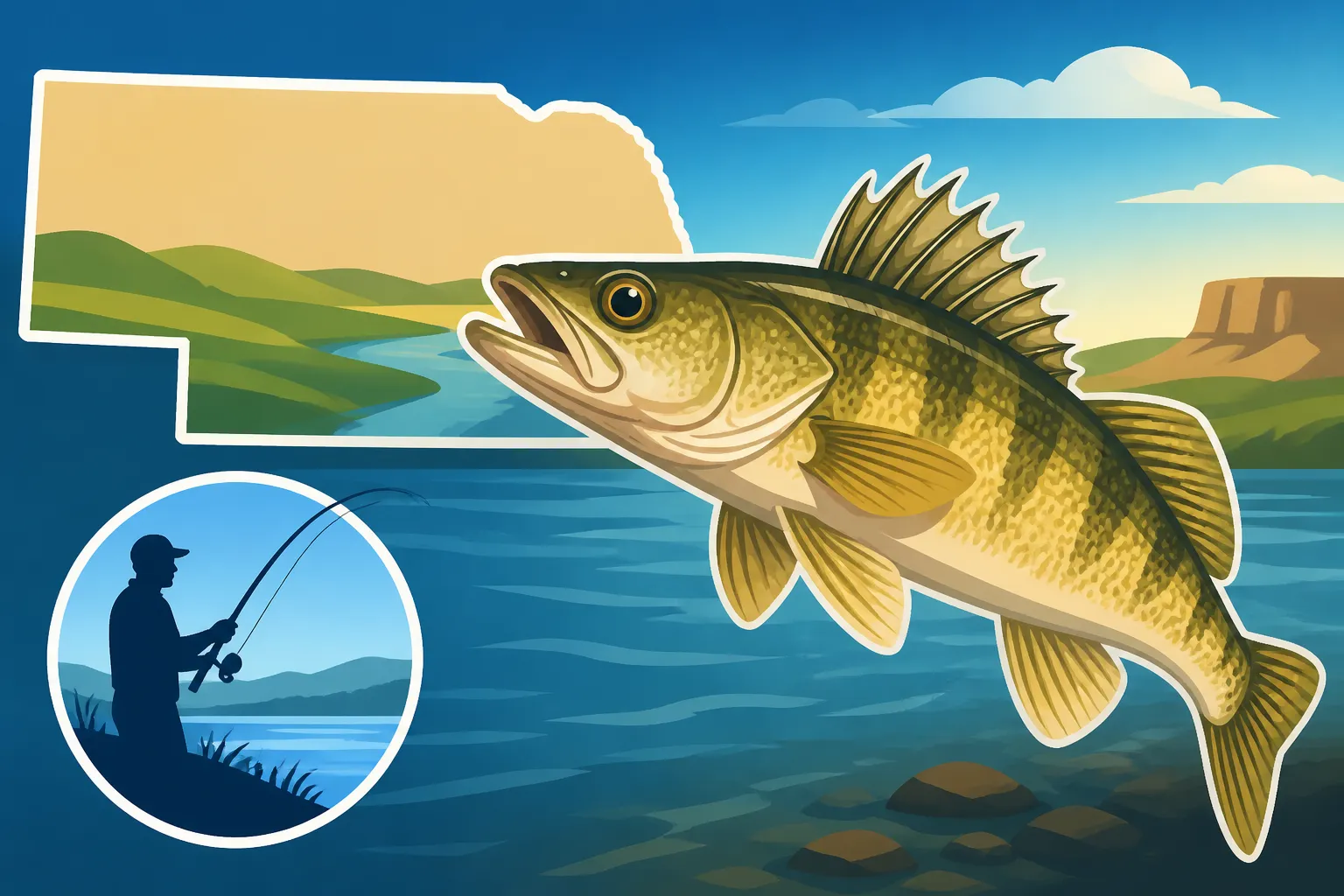
Are Sauger Common in Nebraska Waters?
It's completely understandable to wonder about specific fish species in Nebraska's vast waters, especially when you're casting lines and hearing whispers of different catches. Many anglers, new and seasoned alike, often ask, "Are sauger common in Nebraska waters?" It's a great question because while Nebraska is renowned for its walleye fishing, the sauger is a close cousin that can sometimes slip under the radar. This guide will dive deep into the world of sauger in the Cornhusker State, helping you understand where they live, how to tell them apart from walleye, and whether your chances of hooking one are good.
Understanding the Sauger: A Closer Look at This Elusive Fish
For many anglers, the sauger is often overshadowed by its more famous relative, the walleye. But don't let that fool you; the sauger is a fantastic sport fish in its own right, known for its strong fight and excellent table fare. The confusion is natural, as they look remarkably similar, sharing the same genus (Sander) and occupying similar habitats. However, a little knowledge goes a long way in distinguishing these two, and understanding the sauger's preferences can significantly boost your chances of finding them.
What Sets a Sauger Apart from a Walleye?
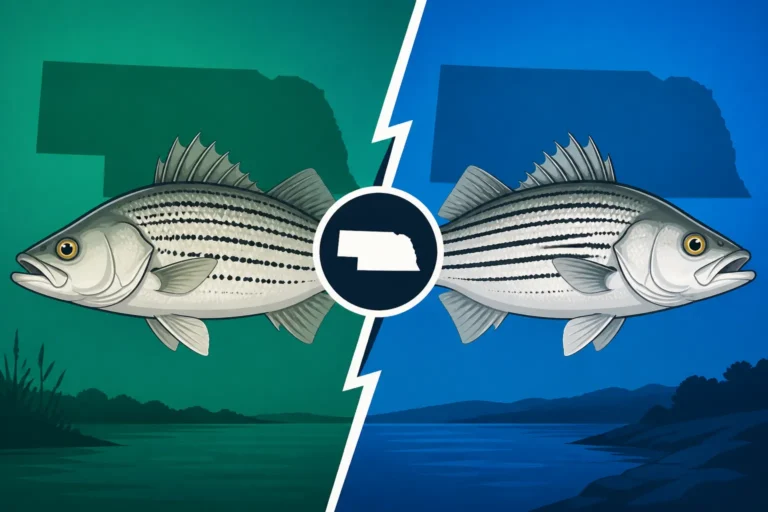
Visually, the sauger has a distinct elegance that, once you know what to look for, becomes quite clear. They tend to be a bit more slender than walleye, often with a sleeker profile. The most tell-tale signs, however, are on their dorsal fin and body. A sauger will typically have distinct dark spots on its first dorsal fin, whereas a walleye's first dorsal fin will usually be clear or have a single, dark blotch at its base. Another key identifier is the sauger's body pattern: they boast mottled, saddle-like blotches and darker markings along their sides, which provide excellent camouflage in turbid waters. Walleye, on the other hand, usually have a more uniform, golden-olive body color without these pronounced markings.
Beyond the aesthetics, there are subtle differences in their habitat preferences and behaviors that savvy anglers learn to observe. Walleye often prefer clearer, deeper lakes and reservoirs, while sauger are right at home in muddier, more current-heavy river systems. This distinction is crucial for pinpointing where to target each species in Nebraska. If you're studying up on How to Tell a Sauger From a Walleye, you'll find these visual cues are your best friend.
Sauger's Preferred Habitat and Behavior
Sauger are true river dwellers. They thrive in moving water, particularly in larger rivers and the tailwaters below dams. They are much more tolerant of turbidity and current than walleye, often congregating in areas where the water is a bit murkier, such as behind wing dams, in deep channels, or in eddies where they can ambush prey. They prefer rocky or gravelly bottoms, often seeking out deeper holes and current breaks.
Their feeding habits also reflect their environment. Sauger are opportunistic predators, ambushing smaller fish like shad, minnows, and even crayfish. They are quite active feeders, especially during periods of low light or in stained water where their excellent vision gives them an advantage. Understanding these preferences helps immensely when you're trying to locate them. For instance, if you're exploring Missouri River Fishing in Nebraska, you're automatically in sauger territory more so than if you were on a large, clear reservoir.
Where Nebraska Anglers Can Find Sauger
So, are sauger common in Nebraska waters? The short answer is: they are present, but not as widespread or abundant as walleye. You won't find them in every lake or pond. Instead, sauger are concentrated in specific, generally larger river systems. They are certainly a prized catch for those who target them, and knowing these hotspots is key to success.
The Mighty Missouri River and Its Tributaries
Without a doubt, the Missouri River is Nebraska's premier destination for sauger. This massive river system, with its constant current and often turbid water, provides the ideal habitat for sauger to thrive. Anglers often find success in the river's main channel, around its numerous wing dams, rock jetties, and deeper holes. The tailwaters belowGavins Point Dam, which forms Lewis and Clark Lake, are particularly productive, offering a fantastic year-round fishery for both walleye and sauger. Downstream, areas near Brownville and Rulo also hold good numbers of sauger.
Fishing the Missouri requires a bit of specific knowledge due to its strong currents and variable conditions. Many anglers use heavy jigs, crankbaits, or live bait rigs to get their presentations down to where the sauger are holding in the current. It's a different game than fishing a still lake, but incredibly rewarding when you hook into a feisty sauger. If you're curious about Missouri River Border Water Fishing License Rules, it's important to understand how permits work when crossing state lines on this shared resource.
Select Reservoirs and Connected Rivers
While sauger prefer rivers, some Nebraska reservoirs that are directly fed by or connected to major river systems can also hold populations. These are typically reservoirs with significant current flow or those where river conditions allow sauger to migrate upstream.
- Lewis and Clark Lake: As mentioned, this large reservoir on the Missouri River system definitely hosts sauger, especially near the dam and where the river enters the lake. The sauger here benefit from the constant flow and access to the main river channel. Anglers often catch them mixed in with walleye catches. Lewis and Clark Lake Walleye Fishing is very popular, but don't be surprised if a sauger makes an appearance.
- Smaller River Sections: While less common, certain stretches of Nebraska's larger interior rivers, like the lower Platte River, might occasionally yield a sauger, especially in deeper, well-oxygenated areas with good current. However, these are typically incidental catches rather than target fisheries.
It's important to keep an eye on local fishing reports and regulations, as populations can fluctuate. The Nebraska Game and Parks Commission (NGPC) provides excellent resources online, often detailing specific species presence in various bodies of water.
| Water Body | Primary Sauger Presence | Typical Habitat | Fishing Difficulty | Notes |
|---|---|---|---|---|
| Missouri River (main channel) | High | Deep channels, wing dams, current breaks, turbid | Moderate-High | Excellent for consistent sauger action, often mixed with walleye. |
| Lewis and Clark Lake | Moderate | Near dam, river inflow areas, deeper parts | Moderate | Good chance to catch sauger, especially in riverine sections. |
| Platte River (lower sections) | Low | Deeper holes, strong current areas | Low | Incidental catches possible; not a primary sauger destination. |
| Other Reservoirs/Lakes | Very Low / None | N/A | Very Low | Generally absent; focus on walleye or other species. |
Best Practices for Catching Nebraska Sauger
Targeting sauger requires a slightly different approach than typical lake walleye fishing, mostly due to their preference for current and often murkier conditions. If you're serious about adding a sauger to your catch list, understanding these techniques and preferred baits can make all the difference.
Gear and Tackle for Sauger Success
Given their riverine habitat, sauger fishing often involves getting your bait or lure down into the current and keeping it there. This usually means heavier tackle than you might use for lake fishing.
- Rods and Reels: A medium-heavy spinning or baitcasting rod, typically 6'6" to 7'6" in length, is a good choice. You'll want something with enough backbone to handle heavy weights and fight strong currents, but sensitive enough to feel subtle bites. Paired with a reel spooled with 10-20 lb braided line and a fluorocarbon leader (6-12 lb), you'll be well-equipped. Braided line offers superior sensitivity and strength, crucial for feeling those light bites in current and for pulling snags free. Many anglers find great options for these setups on platforms like Amazon, offering a wide range of choices to suit their budget.
- Weights and Rigs: Bottom-bouncing rigs, three-way swivels with a heavy sinker, or lead-head jigs are standard. River fishing means losing tackle, so don't be shy about stocking up on an assortment of bell sinkers or pyramid sinkers, ranging from 1/2 oz up to 2 oz or more, depending on current speed.
- Lures: Jigs are king for sauger. Tipping them with live bait (minnows or nightcrawlers) is often the most effective presentation. Blade baits and lipless crankbaits can also be very productive when jigged or retrieved slowly along the bottom. For those days when they're particularly aggressive, diving crankbaits in natural colors can also entice strikes, especially in deeper channels.
Effective Techniques for River Sauger
When you're out on the water, the way you present your bait is just as important as what you're presenting.
- Vertical Jigging: This is a go-to technique, especially in deeper holes or around submerged structures. Position your boat directly over a likely holding area and drop a jig, keeping it vertical and just off the bottom. Experiment with short lifts and drops, or slow drifts with the current, to cover ground.
- Bottom Bouncing/Drifting: For covering larger areas, especially along channel edges or flats, a bottom bouncer rig with a crawler harness or a plain snelled hook with a minnow is highly effective. Let the rig bounce and tumble along the bottom with the current, maintaining just enough line tension to feel the bites. This technique is often used in conjunction with a trolling motor to control your drift speed.
- Crankbait Trolling: In areas with more open water and consistent depth, trolling deep-diving crankbaits can be a great way to locate active fish. Match your crankbait's diving depth to the depth of the sauger's preferred holding structure. Check out resources like How to Troll for Walleye in Nebraska for similar tactics that apply to sauger.
- Shore Fishing Considerations: While boat fishing opens up more opportunities, shore anglers can still find success, especially in tailwater areas below dams or at accessible river access points with deep water and current. Focus on casting jigs or live bait rigs into current breaks, eddies, or deeper scour holes close to the bank. A good pair of polarized sunglasses, available on Amazon, can help you spot subtle changes in water current and structure.
Prime Seasons and Conditions
Sauger can be caught year-round in the Missouri River, but certain seasons offer better opportunities.
- Spring: As water temperatures rise, sauger become very active. This is an excellent time for jigging and drifting minnows. They often stage in deeper holes before moving to shallower areas to feed.
- Summer: During the warmer months, sauger will often seek out cooler, deeper water with good current and oxygen levels. Night fishing can be particularly productive as they move shallower to feed under the cover of darkness. Nebraska Night Fishing Rules are important to review.
- Fall: This is another prime time. As temperatures drop, sauger feed heavily in preparation for winter, becoming more aggressive. Crankbaits and jigs can be highly effective.
- Winter/Ice Fishing: Even in winter, sauger can be caught, especially in open water sections of the Missouri River or in areas below dams that remain ice-free. Ice fishing for sauger is less common, but if conditions allow on backwaters or protected areas of the river system, they can be targeted with small jigs and minnows through the ice. Nebraska Ice Fishing Regulations will apply here.
Sauger vs. Walleye: Why the Confusion Matters
The ongoing confusion between sauger and walleye isn't just about identification; it's about understanding the unique ecological roles and fishing opportunities each species presents. Both are members of the perch family, highly valued by anglers, but their subtle differences lead to varied fishing strategies and expected catches across Nebraska's diverse aquatic landscapes.
Ecological Niche and Stocking Programs
Walleye are the undisputed kings of Nebraska's warm-water fishery management. They are extensively stocked in many of the state's large reservoirs and lakes, where they thrive in clearer, open water environments. This widespread stocking, combined with their natural reproductive success in many of these impoundments, is why walleye are so common across Nebraska. The Nebraska Walleye Daily Bag Limit reflects their abundance and the robust fishery.
Sauger, on the other hand, are rarely, if ever, stocked in Nebraska. Their populations are primarily sustained through natural reproduction in specific river systems, most notably the Missouri River. They occupy a distinct ecological niche, preferring the often-turbid, flowing waters where walleye might struggle to compete or reproduce as effectively. This natural distribution is the primary reason sauger are far less common and more localized than walleye in Nebraska. If you're hoping to catch a pure sauger, you need to be fishing where they naturally thrive, not just where fish are stocked.
Hybridization: The Saugeye Factor
Adding another layer to the confusion is the existence of the saugeye, a sterile hybrid cross between a female walleye and a male sauger. Saugeye are actively stocked in some Nebraska waters because they combine desirable traits from both parents: the growth potential of a walleye with the hardiness and adaptability of a sauger, allowing them to tolerate a wider range of water conditions, including slightly muddier waters and fluctuating temperatures.
Saugeye are particularly popular in some of Nebraska's mid-sized reservoirs and pit lakes. They can grow quite large and offer an excellent fight. Visually, a saugeye often displays characteristics of both parents – some mottling like a sauger, but usually with a more prominent white tip on the caudal (tail) fin, a classic walleye trait. They also typically lack the distinct spots on the first dorsal fin that a pure sauger exhibits. Anglers targeting Walleye Fishing in Nebraska might encounter saugeye in certain impoundments, further blurring the lines of identification. It's a fun challenge to try and differentiate these fish on the water!
Importance of Accurate Identification for Regulations
Beyond the joy of distinguishing your catch, accurate fish identification is crucial for adhering to Nebraska's fishing regulations. While sauger and walleye often share similar length and bag limits, there can be subtle differences, especially regarding slot limits or specific water body rules. Misidentifying a fish could inadvertently lead to a violation.
For instance, understanding Nebraska Walleye Bag Limits means knowing what constitutes a walleye versus a sauger or saugeye. Always consult the most current Nebraska Fishing Guide, available from the Nebraska Game and Parks Commission or at most places where you buy your Nebraska Fishing License Guide. This guide provides detailed illustrations and descriptions to help you correctly identify your catch and stay within the legal harvest limits. When in doubt, it's always best to err on the side of caution and release the fish, or simply assume it falls under the more restrictive category if you plan to keep it.
Remember, every time you head out to fish, you're stepping into an amazing natural classroom. Learning the nuances between species like sauger and walleye not only makes you a more informed angler but also deepens your appreciation for Nebraska's incredible aquatic ecosystems.
Disclaimer
This article is for general informational purposes only and does not constitute professional advice. Laws, prices and regulations vary by location and change over time. Consult a qualified professional for guidance on your specific situation.