Best Time of Year to Catch a Trophy Walleye in Nebraska
Oh, the elusive Nebraska trophy walleye! We've all dreamt of it – that giant, emerald-eyed beauty that sends shivers down your spine just thinking about it. But let's be honest, trying to figure out the perfect time to hook one of these monsters can feel like searching for a needle in a haystack, especially with Nebraska's ever-changing weather and diverse waterways. This guide is here to cut through the confusion and give you a seasoned angler's perspective on when and how to maximize your chances of landing that fish of a lifetime.
Understanding the Walleye Life Cycle and Seasonal Movements in Nebraska
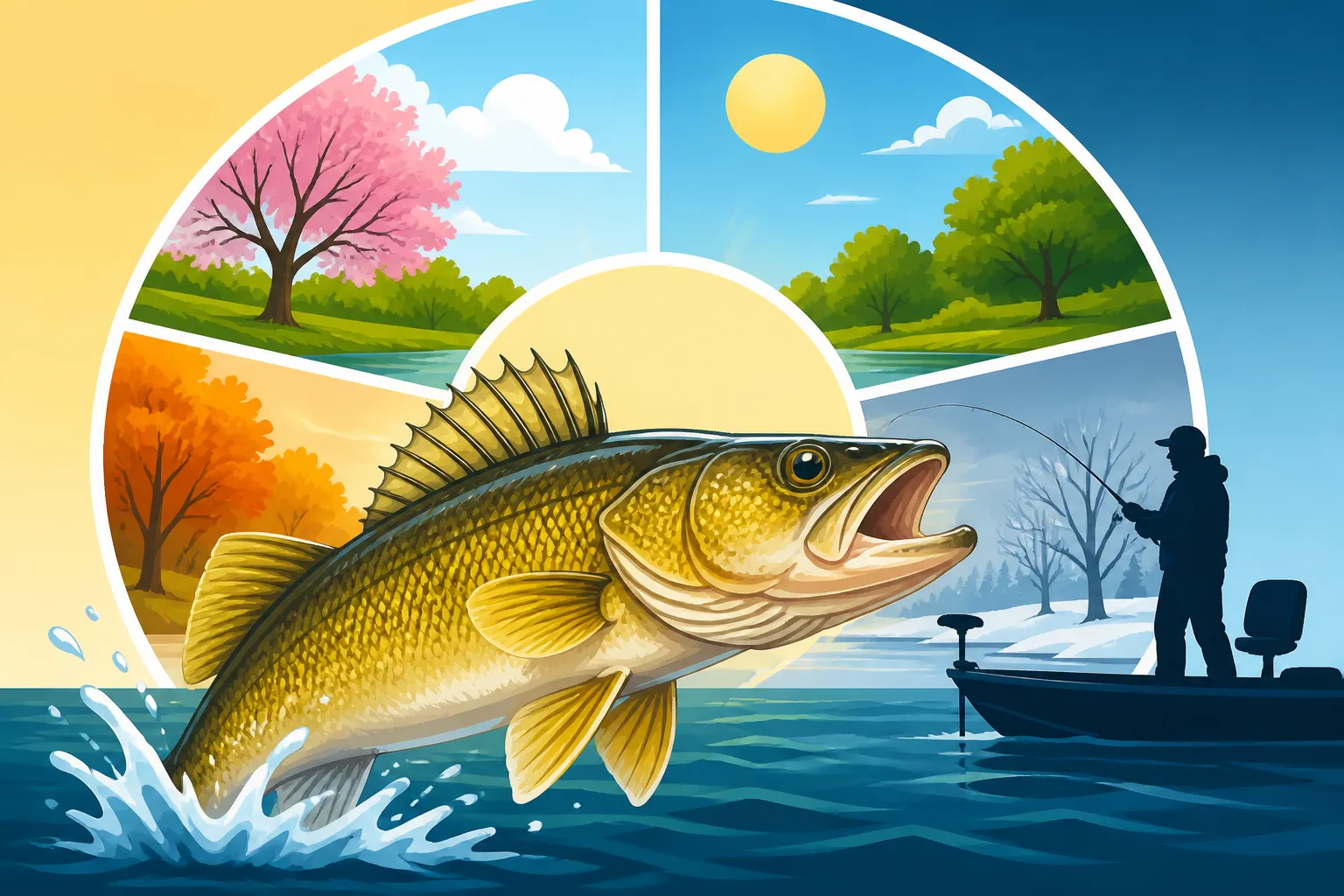
To consistently catch trophy walleye in Nebraska, you first need to think like a walleye. Their behavior, especially concerning feeding and reproduction, dictates where they'll be and how aggressively they'll bite. Nebraska's distinct seasons play a huge role in these patterns, transforming our lakes and rivers throughout the year.
Pre-Spawn Aggression: Late Winter to Early Spring
As the ice reluctantly retreats and water temperatures begin their slow climb from the chilly depths, walleye in Nebraska start to feel the undeniable pull of the spawn. This period, typically from late winter into early spring, is characterized by intense feeding. Female walleye, laden with eggs, need to pack on as much energy as possible for the arduous spawning process, and the males are right there with them, equally hungry.
You'll often find these fish staging in transition areas – think of shallower flats adjacent to deep channels or main lake basins, especially near creek inlets or river mouths where fresh, oxygenated water might be flowing in. They're not quite on the spawning beds yet, but they're getting ready, congregating in predictable patterns. This pre-spawn period is a fantastic time for trophy hunters because the largest females are at their heaviest, full of roe. They're aggressive, but they can also be particular about presentation due to the still-cold water.
Post-Spawn Recovery and Summer Feeding Frenzy
Once the spawn is complete, usually in late spring, walleye enter a recovery phase. The females, especially, are exhausted and thin, often retreating to deeper, cooler water to rest and recuperate. This can be a challenging time for anglers, as the bite often slows significantly. They're not actively feeding for a short period, much like humans needing a nap after a big event!
However, once they regain their strength, typically as water temperatures consistently rise into the 60s Fahrenheit, the summer feeding frenzy begins. Walleye scatter and establish summer patterns, often relating to deep structure like main lake points, submerged humps, rock piles, or the thermocline (that distinct layer where warm surface water meets cooler, deeper water). They're constantly on the hunt for baitfish, using their keen eyesight to ambush prey in low light or stained water. During summer, these fish are often spread out but highly active, requiring different tactics like trolling large crankbaits over expansive areas or jigging deep structure.
Fall Turnover and the "Second Bite"
Ah, fall in Nebraska – gorgeous leaves, crisp air, and a phenomenon known as "fall turnover." As surface waters cool in autumn, they become denser and sink, mixing with the deeper, warmer water below. This mixing process can initially disorient fish, making them harder to locate. However, once the water column stabilizes and oxygen levels become uniform throughout the lake, walleye enter another intense feeding period, often referred to as the "fall bite" or "second bite."
During this time, walleye are gorging themselves, building up fat reserves for the long, lean winter ahead. They become incredibly aggressive, chasing schools of baitfish that are also moving in response to the changing water conditions. You'll often find them relating to rocky points, sharp breaks, and secondary humps, often shallower than their summer haunts, as they follow baitfish schools. This is a prime window for catching large, healthy walleye that are at their peak weight before winter sets in.
The Prime Windows: Pinpointing Your Best Chances for a Trophy
While walleye can be caught year-round in Nebraska, if you're specifically targeting that personal best, there are two distinct periods that consistently produce the biggest fish. These windows are when the largest females are at their heaviest or most aggressive.
Early Spring: The Pre-Spawn Power Play
For many seasoned Nebraska walleye anglers, the early spring, specifically the few weeks leading up to the actual spawn, is the time to target a true trophy. Why? Because this is when the big female walleye are carrying a full complement of eggs, making them significantly heavier and bulkier than at any other point in the year. Imagine adding an extra pound or two of roe to an already large fish – that's your trophy potential right there!
Water temperatures in the high 30s to low 40s Fahrenheit are often the sweet spot. The fish are concentrated in staging areas, typically outside of spawning grounds but close enough to move in when conditions are right. They're actively feeding, but they can be lethargic due to the cold water, meaning your presentation needs to be slow and deliberate. Focus on areas with good cover like submerged timber or rock piles that offer ambush points near deeper water. A lot of anglers pay close attention to Nebraska Walleye Spawning Season to predict exactly when these fish will be at their heaviest. If you're wondering about the exact moment to hit the water, understanding Best Time of Day to Catch Walleye in Nebraska for pre-spawn can also give you an edge. Think overcast days or low-light conditions for the most active bite.
Late Fall: The Cold Water Feast
The other undeniable prime window for trophy walleye in Nebraska is late fall, after the water has cooled significantly but before ice forms. This is when walleye are undertaking their pre-winter feast. They know winter is coming, and they need to pack on the pounds to survive. While they won't have the added weight of eggs like in the spring, they will be incredibly fat and healthy.
During late fall, water temperatures can range from the low 50s down into the low 40s. Walleye become highly aggressive, chasing down schools of shad, perch, or other baitfish. They'll often be found shallower than their summer haunts, following the bait. This can make them more accessible to anglers, whether you're trolling or jigging. The key here is to find the baitfish – find the bait, and you'll find the walleye. Understanding How to Fish a Reservoir During Fall Turnover is crucial for this period, as the movement of water impacts fish location and activity. This season often rewards persistent anglers who aren't afraid of a little chill in the air.
Key Factors Beyond Season: What Else Influences Trophy Walleye Success
While timing is critical, it's certainly not the only ingredient in the recipe for a trophy walleye. Many other factors come into play, from where you cast your line to the equipment you use and even the weather itself. Overlooking these details can mean the difference between a picture-worthy catch and an empty cooler.
Location, Location, Location: Nebraska's Trophy Walleye Waters
You can fish the perfect season, but if you're not on a body of water known for producing big walleye, your chances are slim. Nebraska is blessed with several fantastic walleye fisheries, but a few stand out for consistently kicking out those giant, picture-worthy fish.
- Lake McConaughy: Often referred to as "Big Mac," this massive reservoir in western Nebraska is arguably the state's premier trophy walleye destination. Its vast open waters, abundant forage (like shad), and varied structure (from sandy flats to rock piles) create an ideal habitat for walleye to grow to exceptional sizes. Many anglers specifically target Lake McConaughy Walleye Fishing for their shot at a giant.
- Merritt Reservoir: Tucked away in the Sandhills, Merritt offers a different kind of walleye experience. Known for its clear waters and excellent structure, it consistently produces quality fish, including some real hogs. The clear water can make fishing challenging, but the rewards are often immense. For those looking for a diverse walleye fishery, Merritt Reservoir Walleye Fishing is a must-explore.
- Harlan County Reservoir: This large reservoir in south-central Nebraska is another powerhouse for walleye. Like McConaughy, it offers vast expanses and a strong forage base. It's often subject to wind, which can make for challenging boating conditions, but those who brave it can be amply rewarded with chunky walleye. Keep an eye on reports for Harlan County Reservoir Fishing as this lake can be phenomenal at certain times.
These lakes have the right blend of habitat, forage, and management to support a robust population of large walleye, making them your best bets.
Gear, Bait, and Technique for Giants
You wouldn't try to pull a tree stump with a garden hose, right? The same logic applies to trophy walleye. These are powerful, heavy fish, and your gear needs to be up to the task. Using undersized or inadequate equipment is a surefire way to lose a fish of a lifetime.
- Rods and Reels: Opt for medium-heavy to heavy power spinning or baitcasting rods, typically 6'6" to 7'6" in length, with a fast action tip for sensitivity. Pair them with a quality reel spooled with strong, abrasion-resistant line, such as 10-15 lb braided line with a fluorocarbon leader. A good Best Rod Setup for Nebraska Walleye article can provide more specific recommendations. You can find excellent options for durable rods and reels on platforms like Amazon, often with reviews from other dedicated walleye anglers.
- Baits and Lures: Trophy walleye often prefer larger meals. During the pre-spawn and fall feeding frenzies, think big live bait like large shiners or suckers, presented slowly on a slip-bobber or bottom bouncer. For artificials, larger crankbaits that mimic shad, deep-diving jerkbaits, and heavy jigs tipped with plastics or a minnow are often effective. Tactics like How to Troll for Walleye in Nebraska with large crankbaits or deep jigging can be incredibly productive. When the fish are deep, knowing How to Jig for Walleye in Nebraska effectively becomes an invaluable skill.
- Electronics: A quality fish finder with side imaging and down imaging capabilities can be your best friend in locating deep structure, bait balls, and ultimately, the walleye holding on them. It takes the guesswork out of finding productive water.
Weather, Water Conditions, and Angler Persistence
Mother Nature always has the final say. Understanding how weather and water conditions affect walleye behavior is paramount. A strong cold front can shut down the bite, while stable, overcast conditions might turn it on. Pay attention to:
- Barometric Pressure: A stable or slowly falling barometer often signals an active feeding period, while a rapidly rising barometer (often after a front) can make fish lethargic. Knowing How Barometric Pressure Affects Fishing in Nebraska can help you time your trips.
- Wind: Wind can be a friend or foe. A gentle breeze creates a "walleye chop" that breaks up light penetration, often making walleye more aggressive. Too much wind, however, makes boat control and presentation nearly impossible.
- Water Clarity: Walleye are visual predators, but they excel in slightly stained or turbid water, which gives them an advantage over their prey. Extremely clear water can make them skittish and harder to approach, especially during the day.
- Persistence: This is perhaps the most critical factor. Trophy walleye fishing isn't about instant gratification. It requires patience, dedication, and the willingness to adapt your tactics until you crack the code. The anglers who consistently catch big fish are the ones who put in the time, learn from every outing, and never give up.
Strategies for Maximizing Your Trophy Walleye Hunt
Landing a trophy walleye isn't just about luck; it's a strategic game of preparation, execution, and adaptation. If you want to elevate your chances beyond just "being in the right place at the right time," these strategies will set you up for success.
Researching and Scouting Your Chosen Lake
Before you even launch your boat or step onto the shore, a significant portion of your success is determined by your homework. Trophy walleye don't just appear anywhere; they inhabit specific areas, often relating to distinct underwater features.
Start by poring over contour maps of your target lake. Identify deep main lake points, submerged humps, sharp drop-offs, rock reefs, and creek channels. These are classic walleye holding areas. Look for bottlenecks where current might concentrate baitfish, or areas where different types of bottom transition, such as sand to rock. Sites like the Nebraska Game and Parks Commission often have detailed bathymetric maps that can be incredibly helpful. Online fishing forums or localized fishing reports (remember to look for general patterns, not specific hot spots, as those change daily) can also provide clues about general areas where larger fish have been caught historically. For example, if you're hitting Lake McConaughy, understanding its immense size and specific features will give you a significant advantage when targeting Walleye Fishing in Nebraska on such a large body of water.
Once on the water, use your electronics extensively. Don't just motor around; idle slowly over promising areas, marking any baitfish schools, individual large fish arches, or subtle depth changes your map might not show. Pay attention to changes in bottom composition. A good fish finder is an investment that pays dividends for trophy hunters.
Mastering Presentation and Bait Selection
Trophy walleye are often older, wiser, and more wary than their smaller counterparts. They're not always going to chase down every lure you throw. Your presentation needs to be impeccable, and your bait choice intentional.
During the cold-water periods of early spring and late fall, a slow, methodical approach is often best. Large live baits, such as a 6-8 inch shiner or suckers, rigged on a slip bobber or a Lindy Rig, can be irresistible. Allow the bait to sit in the strike zone for extended periods. When jigging, use heavier jigs with plastics or a minnow and employ a slow lift-and-drop retrieve, making sure the bait makes contact with the bottom. Sometimes, a subtle vibration or a pause is what triggers the bite.
For artificial lures, consider larger profile crankbaits in colors that mimic the local forage. For example, if shad are the primary baitfish, a silver or white crankbait will be a good choice. Experiment with different diving depths until you find where the fish are holding. Don't be afraid to try some of the more specialized, larger "muskie-sized" walleye baits, especially for those truly enormous fish that are looking for a substantial meal. When you're ready to upgrade your tackle or try out new, larger lures, platforms like Amazon offer a huge selection, allowing you to compare options and find exactly what you need.
| Season | Prime Walleye Activity | Typical Locations | Preferred Techniques | Best Bait/Lure Types |
|---|---|---|---|---|
| Early Spring | Pre-Spawn Aggression (Heavy Females) | Transitional zones, shallow flats near deep water, river inlets | Slow jigging, slip-bobber, trolling slow | Large shiners, suckers, heavy jigs, deep-diving jerkbaits |
| Late Spring | Post-Spawn Recovery (Slow Bite) | Deep water, immediate post-spawn holding areas | Vertical jigging, live bait rigging | Leeches, nightcrawlers, small jigs |
| Summer | Active Feeding (Scattered Fish) | Deep structure, main lake points, thermocline, humps | Trolling crankbaits, bottom bouncing, slip-bobber | Large nightcrawlers, crankbaits, spinner rigs, large minnows |
| Fall | Pre-Winter Feast (Aggressive) | Rocky points, sharp breaks, secondary humps, baitfish schools | Trolling crankbaits, casting jerkbaits, jigging | Large minnows, crankbaits, swimbaits, heavy jigs |
| Winter | Ice Fishing (Concentrated Fish) | Humps, points, weed edges, break lines | Jigging spoons, small jigs, tip-ups | Small minnows, waxworms, spoons, plastics |
Ethical Angling and Conservation for Future Trophies
Finally, a true trophy angler understands the importance of conservation. The largest female walleye are the most prolific spawners, contributing significantly to the health and future of the fishery. If you're lucky enough to catch a true giant, especially during the spring, consider practicing catch and release.
Handle these big fish with extreme care. Minimize their time out of the water, use a large, rubberized landing net to protect their slime coat, and support their body horizontally when lifting for a quick photo. Revive the fish thoroughly before releasing it, holding it gently in the water until it swims away under its own power. Proper Catch and Release Best Practices in Nebraska ensure that magnificent walleye can continue to spawn and provide thrill for other anglers in the future. We want our children and grandchildren to have the same shot at a fish of a lifetime, and responsible angling is how we make that happen.
Disclaimer
This article is for general informational purposes only and does not constitute professional advice. Laws, prices and regulations vary by location and change over time. Consult a qualified professional for guidance on your specific situation.