Invasive Fish Species in Nebraska
It's incredibly frustrating when you head out to your favorite Nebraska fishing hole, ready for a peaceful day on the water, only to find the ecosystem struggling under the weight of something that just doesn't belong. Invasive fish species and other aquatic hitchhikers are a genuine threat to our native fish populations, our beautiful waterways, and ultimately, our fishing experiences. This guide is here to shed light on these unwanted guests, explain the very real problems they cause, and most importantly, empower you with actionable steps you can take to protect Nebraska's precious aquatic resources.
Understanding the Threat: What Are Invasive Fish Species?
When we talk about invasive species, it’s not just some abstract scientific concept; it's a very real and present danger that impacts the quality of fishing and the health of our waters right here in Nebraska. These aren't just fish from another state; they're organisms that can wreak havoc on an established, delicate ecosystem.
Defining Invasive vs. Non-Native
It's easy to get these two terms mixed up, but there's a crucial difference that really matters for our Nebraska waters. A "non-native" species is simply one that didn't originate here. Think about something like rainbow trout, which are stocked in many Nebraska lakes for recreational fishing. They're not native to these specific waters, but they generally coexist without causing widespread ecological damage, largely because their populations are managed and they don't typically outcompete native species to a detrimental degree across the board.
An "invasive" species, however, is a non-native species that causes, or is likely to cause, economic or environmental harm or harm to human health. These are the troublemakers. They often reproduce rapidly, outcompete native species for food and habitat, introduce diseases, or alter the environment in ways that make it unsuitable for local flora and fauna. The key here is the harm they inflict. Imagine a school bully moving into a classroom and taking everyone else's lunch money; that's kind of what an invasive species does to our native fish. They don't just exist; they actively disrupt.
How Invasive Fish Enter Nebraska Waters
You might wonder how these unwanted invaders even get into our lakes and rivers in the first place. It’s not usually a grand conspiracy or a deliberate act of malice. More often than not, it's a combination of accidental transport and, regrettably, sometimes well-intentioned but misguided human actions.
One of the most common ways invasive species spread is through recreational activities. Anglers unknowingly move tiny organisms or fish eggs from one body of water to another on their boats, trailers, fishing gear, or even wading boots. Picture yourself pulling your boat out of a lake after a great day of fishing, but unbeknownst to you, a few microscopic zebra mussel larvae or some aquatic vegetation carrying invasive snail eggs are clinging to your hull or lodged in your livewell. If you launch that boat in a new lake without proper cleaning, you've just become an unwitting accomplice in the spread. This is why following "Clean, Drain, Dry" protocols is absolutely vital, and it's a message we cannot stress enough. For more on this, check out How to Clean a Boat to Prevent Zebra Mussels in Nebraska.
Another significant vector is bait. Sometimes, anglers use live bait, and at the end of the day, instead of properly disposing of any leftover minnows or crayfish, they dump them into the water. If that bait happens to be a species not native to that particular lake or river, it can establish a new population. Even worse, sometimes non-native bait fish can carry parasites or diseases that native fish have no natural immunity against, leading to devastating outbreaks. Then there are the truly unfortunate cases where people, perhaps with a pet fish they no longer want, decide to "set it free" in a local pond. While the intention might be kind, the consequences for the existing ecosystem can be catastrophic. These small, seemingly harmless acts have a cumulative impact that can drastically alter our fishing landscapes.
Common Invasive Fish Species in Nebraska
Nebraska, with its diverse waterways from the mighty Missouri River to countless reservoirs and sandpit lakes, unfortunately, plays host to several invasive species. Knowing who they are and what they look like is the first step in being part of the solution.
Asian Carp (Bighead, Silver, Grass)
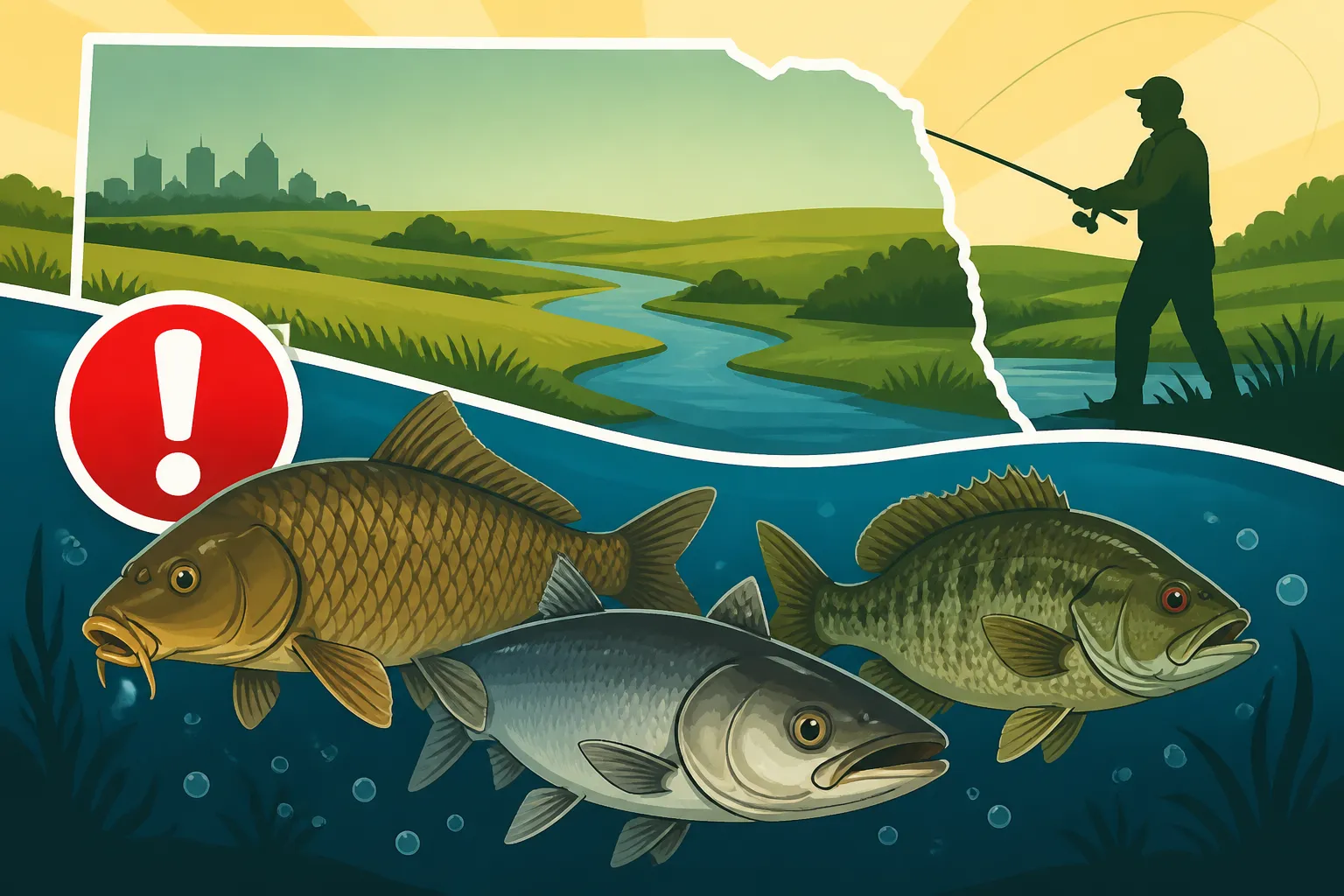
When you talk about invasive fish in Nebraska, Asian carp are usually at the top of the list, and for good reason. The three primary species we encounter are Bighead, Silver, and Grass carp, and each brings its own set of problems. These fish were originally brought to the U.S. for aquaculture purposes and to help control aquatic vegetation in wastewater treatment plants and ponds. Unfortunately, they escaped into open waterways, including the Missouri and Platte Rivers, and have been spreading ever since.
Bighead and Silver carp are filter feeders, meaning they consume vast quantities of plankton, which is the base of the food chain. This directly competes with native species like paddlefish, bigmouth buffalo, and even larval game fish such as walleye and crappie. Imagine a buffet where a few huge, hungry guests come in and eat almost all the appetizers before anyone else gets a chance – that’s what these carp do to the plankton supply. Silver carp are particularly infamous for their tendency to jump out of the water when startled by boat engines, posing a physical hazard to boaters and anglers. If you've ever been smacked by a 20-pound flying fish, you know the frustration! Grass carp, on the other hand, are voracious vegetarians, capable of consuming aquatic plants at an alarming rate, which can decimate crucial habitats and food sources for other fish, waterfowl, and invertebrates. You can learn more about How to Identify an Invasive Carp Species in Nebraska to help distinguish them.
The presence of Asian carp is a serious concern, particularly in larger river systems like the Missouri River. While they can provide a unique fishing opportunity for some, their sheer numbers and ecological impact are undeniable. Knowing the difference between these invasive carp and our native common carp, or even buffalo fish, is essential.
Zebra Mussels and Quagga Mussels
While not fish themselves, zebra and quagga mussels are perhaps the most insidious and widely recognized aquatic invasive species (AIS) impacting Nebraska's waters. These tiny freshwater mollusks, typically no larger than a fingernail, can attach to almost any hard surface, forming dense colonies. They hail from Eastern Europe and were first detected in the Great Lakes in the late 1980s. Since then, they have spread rapidly, hitchhiking on boats, trailers, and other aquatic recreational equipment.
The impact of these mussels on the aquatic environment and human infrastructure is staggering. Ecologically, they are highly efficient filter feeders, removing massive amounts of plankton from the water column. This clarification might seem good at first glance, but it robs native species of their primary food source, disrupting the entire food web. Fish populations, especially those that rely on plankton directly or indirectly, can suffer significant declines. They also attach to native mussels, suffocating them and leading to population crashes. For anglers, these mussels can be a nightmare. They colonize boat hulls, motors, dock pilings, and even fishing gear, potentially fouling props, clogging engine cooling systems, and damaging equipment. Walking barefoot near infected shorelines can also be hazardous, as their sharp shells can cause painful cuts. This is why Nebraska has strict regulations regarding AIS, including requiring an Nebraska Aquatic Invasive Species Stamp. Every time you move your boat, you have a critical role to play in preventing their spread.
Other Potential Invaders or Problematic Non-Natives
Beyond the big hitters like Asian carp and zebra mussels, there are other species that, while perhaps not as dramatically impactful or widespread as "invasive" in all contexts, can still cause problems or represent a potential future threat if not managed.
Common Carp: Now, the common carp has been in Nebraska for a very long time, introduced in the 19th century, and is well-established. It’s technically a non-native species, and while many anglers enjoy catching them, they do have invasive tendencies. They can degrade water quality by rooting around on the bottom, stirring up sediment and nutrients, which contributes to turbidity and algae blooms. This makes it harder for sight-feeding fish and aquatic plants to thrive. While we have learned to coexist with them to some extent, their presence significantly alters the natural balance of many shallow, fertile waters. You can find more information on Nebraska Carp Fishing.
Rusty Crayfish: These feisty crustaceans, native to parts of the Ohio River Basin, have shown up in some Nebraska waters. Rusty crayfish are aggressive, reproduce quickly, and can outcompete native crayfish for food and habitat. They also consume vast amounts of aquatic vegetation, which can destabilize aquatic ecosystems, reduce cover for young fish, and deplete food sources for game fish. They're also known to eat fish eggs, which is a huge problem for native fish recruitment. While they may not be as immediately visible as a jumping silver carp, their subtle but persistent impact can be highly detrimental to our fisheries. Anglers need to be extra careful not to transport these guys in bait buckets or on equipment.
Here's a quick look at some key invasive species and what you need to know:
| Invasive Species | Primary Impact on Nebraska Waters | Key Identification Trait | Angler Action |
|---|---|---|---|
| Bighead Carp | Competes with native filter feeders (plankton). | Large head, eyes below mouth, mottled grey/black. | Do not release live. Utilize for food. Report sightings. |
| Silver Carp | Competes with native filter feeders, jumps when startled. | Silver body, eyes below mouth, lacks scales on head, tends to jump. | Do not release live. Utilize for food. Report sightings. |
| Grass Carp | Devours aquatic vegetation, destroys habitat. | Torpedo-shaped, large scales, distinct lateral line. | Triploid (sterile) versions are stocked. Illegal to possess fertile. |
| Zebra/Quagga Mussels | Filter plankton from water, foul equipment, sharp shells. | Small (fingernail size), D-shaped shells, often striped (zebra). Attach to hard surfaces. | Clean, Drain, Dry all boats/gear. Report sightings. |
| Rusty Crayfish | Outcompete native crayfish, eat vegetation/fish eggs. | Large, smooth claws with "rusty" spots on carapace sides. | Do not use as bait. Do not transport. Destroy if caught. |
The Impact on Nebraska's Ecosystem and Anglers
The presence of invasive species isn't just an inconvenience; it's a fundamental threat that can permanently alter our aquatic environments and undermine the very essence of what makes fishing in Nebraska so special. The ripple effects extend far beyond just one species, touching every aspect of the ecosystem and our recreational pursuits.
Ecological Disruption
Imagine a finely tuned machine, where every gear and lever has a specific role. Our natural ecosystems are much the same, with complex food webs and delicate balances honed over millennia. Invasive species come in and throw a wrench into that machine, causing widespread ecological disruption.
Firstly, they often outcompete native species for vital resources like food and habitat. Silver carp, for instance, are incredibly efficient filter feeders. They can consume so much plankton that there’s simply not enough left for native larval fish, minnows, and even larger filter feeders like paddlefish. This competition can lead to a decline in native populations, affecting everything up the food chain, including the popular game fish we love to catch. Similarly, grass carp can decimate beds of aquatic vegetation, which are crucial nurseries for young fish, shelter for adults, and food for many invertebrates and waterfowl. Without these plant beds, entire micro-ecosystems can collapse. You can easily see this impact if you look at areas of the Platte River Fishing Guide or Missouri River Fishing in Nebraska.
Secondly, invasive species can introduce new diseases and parasites that native populations have no natural immunity against. A new pathogen brought in by an unsuspecting invasive fish could decimate a native species, potentially leading to mass die-offs and long-term population struggles. It's a silent killer that can wipe out generations of fish without ever being directly seen.
Thirdly, invasive species can physically alter the environment. Zebra mussels, with their ability to filter vast amounts of water, can make the water unnaturally clear, which changes light penetration and temperature, favoring some species while hindering others. Their massive colonies can also change substrate composition and water flow patterns. The common carp, while established, still contributes to turbidity and nutrient cycling by rooting around on the bottom, making the water murkier and encouraging less desirable algal blooms, which reduces water quality for many desirable game fish.
Economic and Recreational Consequences
The ecological impacts inevitably spill over into significant economic and recreational consequences for all Nebraskans. When invasive species take hold, everyone eventually pays a price.
From an economic standpoint, the costs are substantial. Municipalities and industries that rely on water intakes, such as power plants and water treatment facilities, often have to spend millions of dollars to clear pipes and screens clogged by zebra mussel colonies. Navigation channels on large rivers can be impacted by invasive aquatic plants. Furthermore, declines in native fish populations due to competition or habitat destruction can directly hit the local tourism and bait industries. Fewer fish mean fewer anglers, which means less revenue for tackle shops, boat dealers, guides, and related businesses across the state.
For anglers, the recreational consequences are perhaps the most direct and frustrating. Imagine planning a trip to Lake McConaughy Fishing Guide or Merritt Reservoir Fishing Guide only to find that your favorite fishing spot is now overrun with Asian carp, or that the numbers of walleye you used to catch have significantly dropped due to competition for food. Or perhaps you're pulling your boat out of the water at Lewis and Clark Lake Fishing Guide and realize your engine is overheating because zebra mussels have clogged your cooling system. These are real scenarios. The joy of catching a diverse range of native fish can diminish, and the frustration of dealing with fouled equipment or declining catches can make people less inclined to participate in fishing at all. Protecting our fisheries from invasive species is not just about preserving nature; it's about preserving our heritage and our future recreational opportunities.
What Anglers Can Do: Prevention and Management
The good news amidst the challenges is that anglers are actually on the front lines of defense against invasive species. Our actions, both individually and collectively, can make a monumental difference in preventing their spread and protecting Nebraska’s precious waterways. We often say "an ounce of prevention is worth a pound of cure," and nowhere is that more true than with aquatic invasive species.
Stop Aquatic Hitchhikers: Clean, Drain, Dry
This mantra is the single most important thing every boater and angler can commit to. It's simple, effective, and absolutely critical to stopping the spread of microscopic invaders like zebra mussel larvae, plant fragments, and other unwanted organisms.
Clean: Before leaving any launch ramp, thoroughly inspect your boat, trailer, fishing gear, waders, and any equipment that has been in the water. Remove all visible mud, plants, fish, and mussels. A stiff brush or even your hand can dislodge many hitchhikers. Pay special attention to hidden areas like anchor ropes, cleats, and transom wells. If possible, a good pressure wash at home, away from storm drains, is ideal. You can find excellent portable pressure washers on Amazon that make this job much easier, ensuring you blast away any lingering threats before your next outing.
Drain: Pull the drain plugs from your boat before leaving the launch area. This isn't just a suggestion; it's often a legal requirement. Drain all water from your livewells, bilge, and bait buckets. Water can harbor microscopic larvae and organisms you can't see with the naked eye. This includes the water in your engine's lower unit, which can be tilted down to drain completely. Many invasive species can survive in small puddles of water for extended periods, so getting rid of every drop is crucial.
Dry: Allow your boat and all equipment to completely dry for at least five days before launching into another body of water. If you can't let it dry for that long, consider using hot, high-pressure water to clean it. Sunlight and heat are excellent natural disinfectants, killing off many invasive organisms. This waiting period is a passive but powerful defense, ensuring that any remaining organisms are desiccated and no longer viable. Remembering these steps and making them a habit after every trip is truly the angler's superpower against invasives.
Responsible Bait Use and Disposal
What you do with your bait can have a huge impact on preventing new invasions. It’s a common scenario: you’ve got some leftover minnows or worms after a successful day, and you think, "I'll just let them go, it's harmless." Unfortunately, it's not.
Never release live bait: This is the golden rule. Any live bait you purchase, whether it's minnows, shiners, or even crayfish, could potentially be carrying diseases or parasites, or might be a species not native to the waters you're fishing. Releasing them could introduce a new problem that drastically alters the local ecosystem. Even if you're sure they're a native species, they could still introduce genetic strains or pathogens from a different area. It’s simply not worth the risk.
Proper disposal methods: The best practice is to dispose of any leftover live bait in the trash. Bag it up and put it in a refuse container, or take it home and dispose of it there. You can also kill the bait and freeze it for future use as dead bait, as long as local regulations permit. For worms and leeches, consider reusing them for your next trip if they're still alive, or simply dispose of them in the trash. Never, ever dump a bait bucket full of water and living organisms into a new lake or stream. This seemingly small act can have massive repercussions, potentially costing countless dollars and damaging our fisheries for generations. Always be aware of specific regulations on bait use in different waters, as some areas have stricter rules to protect vulnerable ecosystems.
Reporting Sightings and Following Regulations
Being an informed and vigilant angler is another key part of protecting Nebraska's waters. The state has specific regulations designed to combat invasive species, and our adherence to these rules is paramount.
Why reporting matters: If you encounter what you suspect is an invasive species, whether it's an unusual fish, a cluster of zebra mussels on a rock, or unfamiliar aquatic vegetation, it's important to report it. Agencies like the Nebraska Game and Parks Commission rely on public sightings to track the spread of these species and implement management strategies. Take a clear photo, note the location (GPS coordinates if possible), and contact the appropriate authorities. Your report could be the early warning sign that prevents a full-blown infestation in a new area. For example, if you see Are Silver Carp a Problem in Nebraska Rivers? in a new lake, reporting it quickly can allow for faster intervention.
Understanding and following specific rules: Nebraska has clear guidelines, like the need for a Nebraska Aquatic Invasive Species Stamp for registered boats and requirements for cleaning, draining, and drying. There are also specific rules about the possession and transport of certain species. For instance, it's generally illegal to transport live bighead or silver carp. You must understand and abide by these regulations. Fishing without understanding the rules about transport or possession could lead to fines and unknowingly contribute to the problem. Always check the current Nebraska Fishing Regulations Explained before heading out. Being a responsible angler means not just knowing how to catch fish, but also how to protect the environment they live in for future generations.
Fishing for Invasive Species: A Unique Opportunity
While invasive species pose significant threats, some of them also offer a unique and often thrilling fishing opportunity. Instead of viewing them solely as pests, many anglers are embracing the challenge of targeting these fish, not only for the sport but also as a form of active management. It’s a way to turn a negative into a positive, and it can be incredibly rewarding.
Targeting Common Carp and Asian Carp
Let's be honest, common carp often get a bad rap. But for many, especially those looking for a powerful fight or accessible bank fishing, they are an incredible species to target. And when it comes to the Asian carp, taking them out of the water is a direct contribution to ecosystem health.
Common Carp: These fish are abundant in many Nebraska lakes and rivers. They are powerful fighters, making them a fantastic sport fish, especially on lighter tackle. They respond well to simple baits like corn, bread, dough balls, or even pieces of hot dog. Setting up a still-fishing rig with a basic bobber or a bottom rig with a sinker can lead to consistent action. For a stronger fight, consider stepping up your gear slightly – a medium-heavy rod with a good spinning reel spooled with 10-15 lb test line will give you a thrilling battle. Many anglers find the challenge of catching large carp on light tackle to be immensely enjoyable. Furthermore, if prepared correctly, common carp can be quite tasty, offering another reason to keep a few for the dinner table. You can find suitable strong hooks and sturdy line on Amazon to ensure your gear can handle these heavy hitters.
Asian Carp (Bighead and Silver): These carp are less commonly targeted with traditional rod and reel methods because they are filter feeders and don't typically strike lures or baited hooks. However, some specialized techniques can be effective. For Bighead carp, chumming with finely crushed grains or other particulate matter can sometimes draw them in, and then using small flies or tiny jigs resembling plankton can sometimes coax a bite. Silver carp are even more challenging with traditional methods due to their filter-feeding nature, but they are often caught through snagging, especially during periods when they are concentrated. Remember that snagging rules vary by location and season, so always check the Nebraska Fishing Regulations Explained. These fish also offer a considerable amount of meat and are often considered good eating, particularly when smoked or ground. Removing them from the water is a direct benefit to the ecosystem.
Bowfishing as a Management Tool
If you're looking for an active, engaging, and highly effective way to help manage invasive fish populations, bowfishing is an exhilarating option that's gaining popularity. It's not for everyone, but for those who enjoy archery and the thrill of the hunt, it's a fantastic sport.
Bowfishing involves using specialized archery equipment (a bow, an arrow with a barbed point, and a reel attached to the bow) to shoot fish in the water. It’s a visual sport, often done from a boat in shallow areas or at night with lights. In Nebraska, bowfishing is an approved method for harvesting many non-game and invasive species, including common carp and the various Asian carp. It’s particularly effective for Asian carp because they often swim in large schools near the surface, making them visible targets. The act of bowfishing for these species directly contributes to reducing their numbers, which can alleviate some of the competitive pressure on native fish populations.
Before you dive into bowfishing, it's crucial to understand the Nebraska Bowfishing Rules and ensure you have the correct equipment and know how to use it safely. Always check the regulations for specific waters, as some areas may have restrictions. Many bowfishing enthusiasts find their gear, from specialized bows to arrows and reels, on Amazon, which offers a wide selection. It's a challenging and rewarding sport that provides a hands-on way to make a difference in the fight against invasive species while enjoying the outdoors.
Disclaimer
This article is for general informational purposes only and does not constitute professional advice. Laws, prices and regulations vary by location and change over time. Consult a qualified professional for guidance on your specific situation.