Best Fillet Knife for Walleye and Catfish
There's nothing quite like the feeling of a successful day out on the water, reeling in a beautiful walleye or a hard-fighting catfish. But for many of us, the joy can quickly turn to frustration when it comes time to clean our catch. A dull, unwieldy knife can turn the simple task of filleting into a messy, unsafe chore, wasting precious meat and leaving you exasperated. This comprehensive guide is here to cut through the confusion, helping you choose the absolute best fillet knife for tackling both delicate walleye and robust catfish, ensuring you maximize your harvest with ease and confidence.
The Unsung Hero of the Fish Fry: Why Your Fillet Knife is Crucial
Think about it: you put in the hours, battled the elements, and finally landed that prize fish. Why would you let all that effort go to waste with a substandard tool for the final, crucial step? A good fillet knife isn't just a convenience; it's an essential piece of equipment that impacts the quality of your meal, your safety, and your overall enjoyment of the fishing experience.
Maximizing Your Catch: Getting Every Ounce of Meat
One of the biggest frustrations anglers face is leaving good meat on the bone. With a dull or improperly designed knife, it's incredibly easy to butcher a fillet, leaving jagged edges and significant amounts of delicious fish clinging to the frame. This isn't just wasteful; it's a disservice to the fish you worked so hard to catch. A sharp, flexible fillet knife allows you to precisely follow the bone structure, separating the meat cleanly and efficiently.
Imagine coming home from a stellar day of Lake McConaughy Walleye Fishing with a cooler full of beautiful fish. You want to get those clean, boneless fillets that look like they came from a professional. The right knife makes this possible, allowing you to slice along the spine, glide over the rib cage, and effortlessly remove the skin, ensuring you get the maximum yield from every single fish. This means more tasty meals for you and your family, and less goes into the waste bin.
Beyond just the quantity, the quality of the fillet also benefits. Clean cuts reduce bruising and tearing of the delicate flesh, preserving its texture and flavor. A pristine fillet cooks more evenly and presents beautifully on the plate, making your hard-earned catch even more rewarding. It’s about respecting the fish and your effort, from the first cast to the final bite.
Safety First: A Sharp Knife is a Safe Knife
It might sound counterintuitive, but a truly sharp knife is far safer to use than a dull one. When a knife is dull, you have to apply significantly more pressure to make a cut. This extra force increases the risk of the knife slipping, leading to potentially serious cuts to your hands or fingers. Trying to saw through tough skin or bone with a blunt edge is a recipe for disaster in the kitchen or at the cleaning station.
A sharp fillet knife, on the other hand, glides through flesh with minimal effort. It does the work for you, requiring less force and more controlled movements. This allows you to maintain a firm grip on both the knife and the fish, reducing the chances of a slip. When you're dealing with slippery fish and wet hands, having a tool that performs reliably is paramount.
Beyond the blade itself, hand fatigue can also be a safety concern. Spending a long time wrestling with a dull knife can tire your hands, making you more prone to mistakes. A well-designed, sharp knife reduces this fatigue, allowing you to fillet your entire catch, even a Nebraska Channel Catfish Daily Limit, without feeling like you've just wrestled a bull. This focus on comfort and efficiency directly translates to a safer filleting experience for every angler.
Tailoring Your Tool: Walleye's Finesse vs. Catfish's Power
One of the common mistakes anglers make is thinking one fillet knife can do it all. While a general-purpose knife can handle some tasks, optimizing for specific fish species makes a world of difference. Walleye and catfish present very different filleting challenges, and the ideal knife for each reflects these differences.
Walleye, known for their delicate, flaky white meat, have relatively thin skin and a bony structure that requires a precise touch. Filleting a walleye often involves intricate maneuvers, such as gliding a flexible blade over a delicate rib cage to preserve as much meat as possible. You need a blade that can bend and flex to hug those contours without tearing the flesh. Accuracy and finesse are the name of the game.
Catfish, especially larger specimens, are an entirely different beast. Their skin can be incredibly tough and leathery, sometimes requiring a more robust blade to initiate the cut. Their bone structure is also thicker and more substantial. While finesse is still important, you often need a knife with a bit more backbone to power through the initial skinning and to separate larger sections of meat from the spine without the blade flexing too much. Trying to use a super-flexible walleye knife on a big flathead catfish can be a frustrating and inefficient experience.
Deciphering the Blade: What Makes a Fillet Knife Great
Choosing the best fillet knife for your needs involves looking at several key characteristics. It’s not just about how sharp it is out of the box, but how it feels in your hand, how it performs under pressure, and how well it stands up to repeated use and maintenance. Let's break down the essential features you should consider for your next Nebraska Fishing adventure.
Length and Flex: The Dynamic Duo for Precision
The length and flexibility of a fillet knife blade are arguably its most critical features, directly impacting how effectively and cleanly you can process different sizes and species of fish. There's no single "perfect" length or flex; it's about matching the tool to the task.
For smaller fish, or for intricate detail work on larger species, a shorter blade (typically 6 to 7 inches) offers greater control and maneuverability. This allows you to make precise cuts around fins and bones without excess blade getting in the way. For walleye, where precision around the rib cage is paramount, a moderately flexible blade in this size range often performs beautifully. The flexibility allows the blade to bend and follow the natural curve of the bones, separating the meat with minimal waste.
Larger fish, such as substantial channel catfish or big wipers, often benefit from a longer blade (8 to 10 inches or more). A longer blade allows you to make a single, sweeping cut along the length of the fish, which can be more efficient and result in a cleaner fillet. For catfish, a slightly stiffer blade is often preferred. While still offering some flex, it needs enough rigidity to push through tough skin and thicker bone structures without bending too much, which could lead to imprecise or jagged cuts. A blade that's too flexible on a large, robust fish can feel flimsy and difficult to control, making the job much harder.
Steel Matters: Edge Retention and Corrosion Resistance
The material of the blade is fundamental to a knife's performance and longevity. Most fillet knives are made from stainless steel, but not all stainless steels are created equal. The specific alloy used influences two critical factors: how long the blade holds a sharp edge (edge retention) and how resistant it is to rust and corrosion. Given the wet, often salty (if you're on border waters like the Missouri River) environment of fish cleaning, corrosion resistance is paramount.
High-carbon stainless steel is a popular choice for fillet knives. It strikes a good balance, offering decent edge retention and excellent corrosion resistance. This means your knife will stay sharp through several fish before needing a touch-up, and it won't pit or rust easily if properly cared for, even after being exposed to fish slime and water. Some premium knives might use even harder steels that offer superior edge retention, meaning they stay razor-sharp for even longer, but these can sometimes be a bit more challenging to sharpen when they eventually do dull.
Regardless of the specific steel, a good quality blade will maintain its integrity under pressure. It won't chip or bend easily when encountering bone, and its edge will stand up to repeated slicing. Investing in a knife with good quality steel means less time sharpening and more time enjoying your catch. Remember, even the best steel needs proper care, but a good foundation makes all the difference.
Grip and Ergonomics: Comfort for the Long Haul
A knife's handle is just as important as its blade, especially when you're filleting multiple fish. A poorly designed handle can lead to hand cramps, fatigue, and even increase the risk of an accident due to a lost grip. Ergonomics and grip security are crucial for a comfortable and safe filleting experience.
Look for a handle that fits comfortably in your hand, offering a secure, non-slip grip even when wet or covered in fish slime. Materials like textured rubber, high-quality polymers, or composite materials are excellent choices because they provide superior traction compared to smooth plastic or polished wood. Some handles feature finger grooves or specific contours that mold to your hand, enhancing control and reducing strain.
The balance of the knife also plays a role. A well-balanced knife feels like an extension of your hand, allowing for fluid, controlled movements. If the blade feels too heavy or too light compared to the handle, it can throw off your rhythm and make precise cuts more challenging. When you're processing a substantial haul of fish after a successful day of Lewis and Clark Lake Walleye Fishing, the comfort and security of your knife's handle can make the difference between an enjoyable task and a frustrating ordeal. Prioritize a handle that feels natural, secure, and comfortable for extended use.
Manual Fillet Knives: The Traditional Choice
For many anglers, the manual fillet knife is a classic tool, revered for its simplicity, control, and the satisfaction of a job well done by hand. It's the go-to for countless fishing trips and kitchen sessions, offering a direct connection between the angler and their catch.
Advantages and Disadvantages of Traditional Knives
Manual fillet knives are prized for their unparalleled control. The angler dictates every movement, every angle, and every ounce of pressure. This precise control is invaluable for delicate work, like tracing the rib cage of a walleye or meticulously removing skin. They are also incredibly portable, requiring no power source, making them ideal for cleaning fish on the bank, at a remote campsite, or out on the boat. A manual knife is quiet, lightweight, and often more affordable than its electric counterparts. Plus, there's a certain traditional satisfaction that comes from cleanly filleting a fish with a well-honed manual blade.
However, manual knives do have their drawbacks. They demand a certain level of skill and practice to use effectively, especially for achieving consistently clean fillets. Hand fatigue can become a real issue, particularly when processing a large number of fish or tackling tougher species like big catfish. Keeping a manual knife razor-sharp requires regular maintenance, which means honing and sharpening after each use or extended session. While some find this part of the ritual, others might see it as a chore. Ultimately, the performance of a manual knife relies heavily on the angler's technique and the sharpness of the blade.
Top Choices for Walleye Filleting
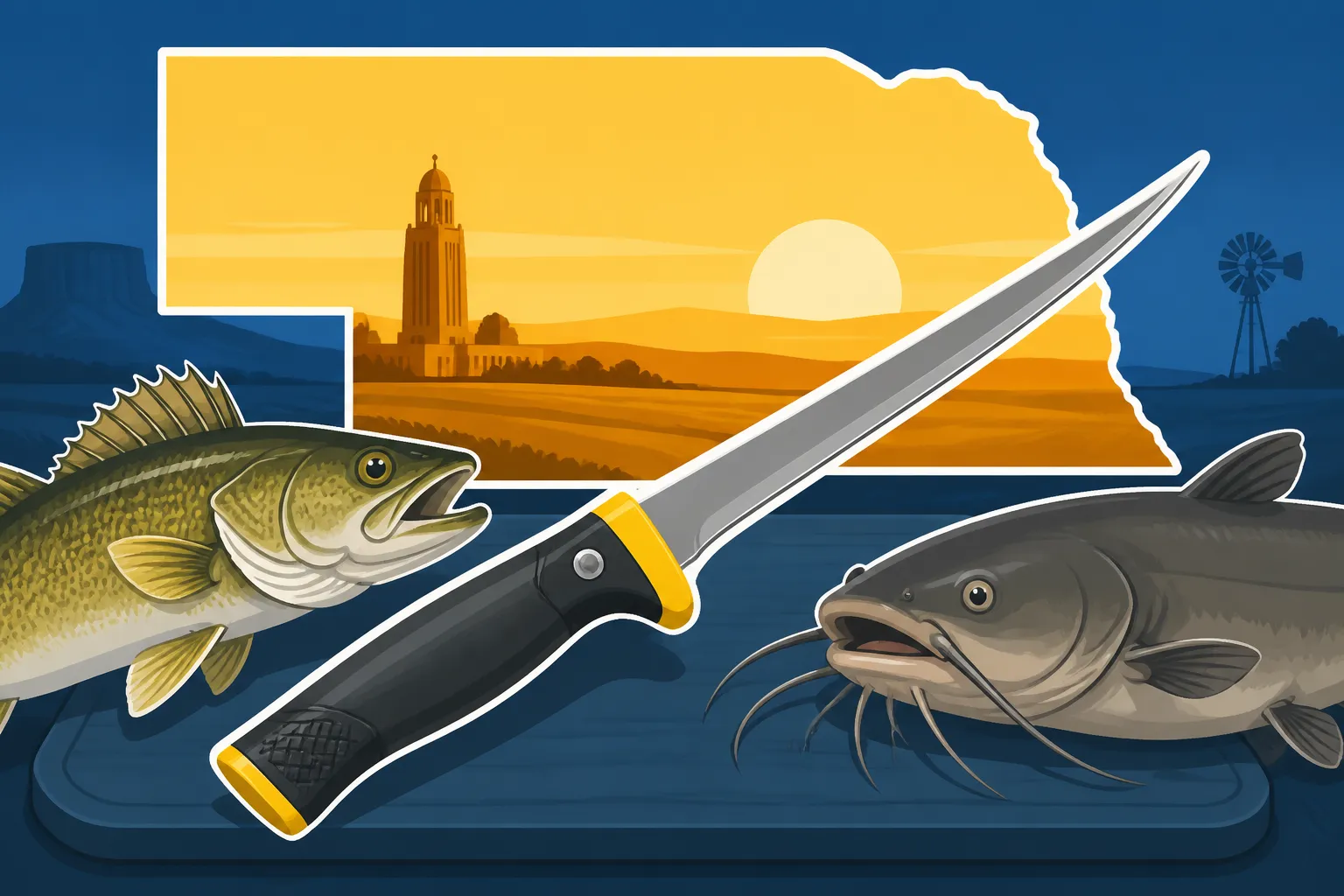
When it comes to filleting walleye, precision and flexibility are key. Walleye have thin bones and delicate meat, so you want a blade that can glide smoothly along the bone structure without tearing the flesh. The ideal manual knife for walleye typically features a thinner, more flexible blade, usually in the 6- to 8-inch range. This length offers a good balance of reach and maneuverability, allowing you to make long, clean cuts down the spine and then articulate around the rib cage with ease.
The flexibility of the blade is crucial because it allows the knife to bend and conform to the natural curves of the fish's anatomy. This "hugging" action ensures maximum meat removal from the bones, leaving minimal waste. Look for blades with a fine, sharp point that can initiate cuts cleanly and precisely. Handles should be ergonomic and provide a non-slip grip, as walleye can be quite slippery. Many anglers swear by particular brands known for their thin, razor-sharp blades that are perfect for this delicate task. You'll find an excellent selection of both flexible walleye knives and robust catfish knives at your local Bass Pro Shops or online at Amazon.
Sturdy Blades for Nebraska Catfish
Catfish, especially the bigger channel cats and flatheads found in Nebraska's rivers and reservoirs, present a different challenge than walleye. Their skin is tougher and their bone structure is more robust, demanding a knife with a bit more backbone. For catfish, you'll generally want a manual fillet knife with a slightly stiffer, thicker blade, often in the 7- to 9-inch range, or even longer for truly massive fish. While some flexibility is still good, too much can make it difficult to power through the tough skin and dense areas of meat and bone.
The added rigidity helps the blade maintain its course when cutting through the initial tough skin layer and when separating thick fillets from the spine. A strong, sharp point is also beneficial for piercing the tough hide to start the filleting process. Handles are just as important here, needing to be incredibly secure and comfortable, providing ample leverage for the more strenuous cuts required for a large catfish. When you're looking to clean your biggest catch, like a hefty Missouri River channel cat, a sturdy manual knife gives you the power and control needed to get the job done efficiently. Don't compromise; choose a knife that can stand up to the challenge of Nebraska's hard-fighting catfish.
Electric Fillet Knives: Powering Through Your Catch
For anglers who prioritize speed, efficiency, and reduced fatigue, electric fillet knives have become an indispensable tool. They take much of the physical effort out of cleaning fish, making quick work of even the largest hauls.
When an Electric Knife Shines
Electric fillet knives truly shine when you have a significant number of fish to clean or when you're dealing with larger, tougher species. Imagine coming off the water after a banner day of Lewis and Clark Lake Walleye Fishing with a full livewell. Instead of spending hours meticulously hand-filleting each fish, an electric knife can process them in a fraction of the time. The vibrating, reciprocating blades do the hard work, effortlessly slicing through flesh and even small bones with remarkable speed.
They are particularly beneficial for species with tough skin or thick bones, like bigger catfish or northern pike, where manual filleting can be physically demanding. Anglers who experience hand or wrist fatigue from traditional knives often find electric models to be a game-changer, allowing them to continue enjoying the full process of fishing from catch to plate. While some purists argue they offer less "feel," the speed and consistency for volume cleaning are undeniable. For anyone facing a mountain of fish, an electric knife transforms a tedious chore into a quick, satisfying task.
Choosing the Right Electric Knife
Selecting the right electric fillet knife involves more than just picking the first one you see. You'll want to consider the power of the motor, the quality of the blades, and the overall design. A robust motor is crucial, especially if you plan to tackle larger fish regularly. A stronger motor will maintain consistent speed and power without bogging down, leading to cleaner cuts and less strain on the unit.
Blade selection is another key factor. Most electric knives come with interchangeable blades of various lengths and flexibility. For walleye, you might prefer a thinner, more flexible blade for precise work around the rib cage. For catfish, a longer, stiffer blade will power through thicker skin and bone. Some models offer specialized blades for different tasks. Look for blades made from high-quality stainless steel that resist corrosion and hold their edge well.
Comfort and grip are just as important here as with manual knives. The handle should be ergonomic, allowing for a secure grip, and the overall weight distribution should feel balanced to reduce hand fatigue. Consider the trigger or power button placement – it should be easily accessible and comfortable for prolonged use. A quick look at options on Amazon or at your local Bass Pro Shops will show you the variety available.
Battery-Powered vs. Corded Options
Electric fillet knives primarily come in two forms: corded and cordless (battery-powered). Each has its distinct advantages and applications, so choosing between them depends largely on your typical cleaning environment.
Corded Electric Fillet Knives are powerhouses. They offer consistent, uninterrupted power as long as they're plugged into an outlet. This makes them ideal for use at home, at a fish cleaning station with available electricity, or anywhere reliable power is readily accessible. There's no concern about battery life, and they often boast stronger motors designed for heavy-duty, prolonged use. If your primary filleting takes place in a dedicated space with an outlet, a corded model is often the most reliable and powerful choice.
Battery-Powered (Cordless) Electric Fillet Knives, on the other hand, offer unparalleled portability and flexibility. They are perfect for cleaning fish on the boat, at a remote fishing camp, or anywhere an electrical outlet isn't available. Modern lithium-ion batteries provide impressive run times and consistent power delivery, often enough to clean a substantial cooler full of fish on a single charge. Many come with multiple batteries, so you can swap them out as needed. The trade-off is usually a slightly higher price point and the need to remember to charge batteries, but the freedom from cords can be invaluable for many anglers. When you're out chasing a Nebraska Walleye Daily Bag Limit and want to clean them quickly before heading home, a cordless option makes a lot of sense.
Maintaining Your Fillet Knife for Longevity
A good fillet knife is an investment, and like any valuable tool, it performs best and lasts longest with proper care. Neglecting your knife will quickly lead to a dull, ineffective, and potentially rusted blade, undoing all the benefits of choosing a quality tool.
Sharpening Techniques for Peak Performance
A sharp knife is a happy knife – and a safe knife! Even the highest quality blade will eventually dull with use, and knowing how to restore its edge is a fundamental skill for any angler. There are several popular methods for sharpening fillet knives, each with its own technique.
For quick touch-ups and maintaining a working edge, a honing steel is an excellent tool. It doesn't actually remove metal but realigns the microscopic edge of the blade, bringing back its keenness. Use it regularly, even during a long filleting session, to keep your knife performing optimally. For knives that have become truly dull, a whetstone (also known as a sharpening stone) or a pull-through sharpener is needed. Whetstones require practice to maintain a consistent angle, but they offer the most control and can achieve a razor-sharp edge. For convenience, many anglers prefer pull-through sharpeners, which guide the blade through pre-set abrasive stages. While often quicker, they can remove more metal and might not achieve the same fine edge as a skilled whetstone user. Regardless of the tool, maintaining a consistent, correct sharpening angle (typically around 15-20 degrees per side for fillet knives) is paramount. A good sharpener is an essential part of your Best Fishing Gear for Nebraska Anglers.
Cleaning and Storage Best Practices
After a successful filleting session, the work isn't quite over. Proper cleaning and storage are vital to prevent corrosion, bacterial growth, and damage to the blade. Immediately after use, thoroughly wash your knife with warm, soapy water. Pay close attention to removing all fish residue, blood, and slime from both the blade and the handle. A small brush can be helpful for getting into any crevices.
Once cleaned, it's absolutely crucial to dry the knife completely. Moisture is the enemy of steel, and even stainless steel can rust if left wet for extended periods. Use a clean towel to wipe down the entire knife, ensuring no water droplets remain. For manual knives, storing them in a protective sheath or a dedicated knife block prevents the blade from bumping against other tools, which can dull or chip the edge. Never store a wet knife in its sheath, as this traps moisture and promotes corrosion.
For electric fillet knives, follow the manufacturer's instructions carefully regarding blade removal and cleaning. Most blades can be washed and dried like manual blades, while the motor unit usually needs to be wiped down. Ensure the motor unit is completely dry before storing. Proper cleaning not only extends the life of your knife but also ensures good hygiene, especially when preparing food. Taking these few extra minutes after cleaning your Nebraska Crappie Daily Limit will keep your knife in prime condition for countless filleting sessions to come.
Manual vs. Electric Fillet Knives: A Quick Comparison
To help you decide which type of fillet knife is best for your angling style and cleaning needs, here's a quick comparison of manual and electric options:
| Feature | Manual Fillet Knife | Electric Fillet Knife |
|---|---|---|
| Pros | Excellent control, highly portable, quiet, no power needed, often more affordable, traditional feel. | Speed, reduced hand fatigue, ideal for high volume, handles tough skin/bones easily. |
| Cons | Requires skill/practice, can cause hand fatigue for large hauls, needs frequent sharpening. | Can be noisy, requires power source (outlet or charged battery), less "feel" for delicate cuts, typically higher cost. |
| Best Use | Precision filleting, smaller catches, remote locations, anglers who enjoy the "art" of filleting. | High volume filleting, larger/tougher fish (e.g., big catfish), reducing physical effort, quick processing. |
| Skill Level | Requires more skill and practice for optimal results. | Easier for beginners to achieve clean fillets, less technique-dependent. |
| Maintenance | Regular sharpening and cleaning. | Blade cleaning and occasional battery charging (for cordless models). |
Conclusion
Choosing the right fillet knife truly elevates your entire fishing experience, transforming the sometimes-dreaded task of cleaning your catch into a satisfying and efficient process. Whether you opt for the nuanced control of a well-crafted manual blade or the powerful efficiency of an electric model, investing in a quality knife tailored to the species you target in Nebraska will pay dividends. You'll enjoy more meat from every fish, greater safety in your cleaning routine, and the sheer pleasure of having the perfect tool for the job. So, take the time to select wisely, maintain your edge, and savor every delicious bite from your next Nebraska fishing adventure! For a comprehensive approach to getting all your gear in order, consider consulting our guide on Best Tackle Box Setup for Nebraska Anglers.
Disclaimer
This article is for general informational purposes only and does not constitute professional advice. Laws, prices and regulations vary by location and change over time. Consult a qualified professional for guidance on your specific situation.