Best Live Bait for Walleye at Lake McConaughy
If you've ever spent a beautiful day out on the vast waters of Lake McConaughy, chasing after those elusive walleye, you know the frustration when they just don't seem interested in anything you throw at them. It can feel like they're playing hard to get, especially in such a massive and diverse body of water. This guide is all about cutting through that mystery and giving you the insider scoop on the very best live baits that consistently get those Lake Mac walleye to bite, along with how to rig and care for them so your next trip is a success.
Why Live Bait is a Game Changer for Walleye at Lake McConaughy
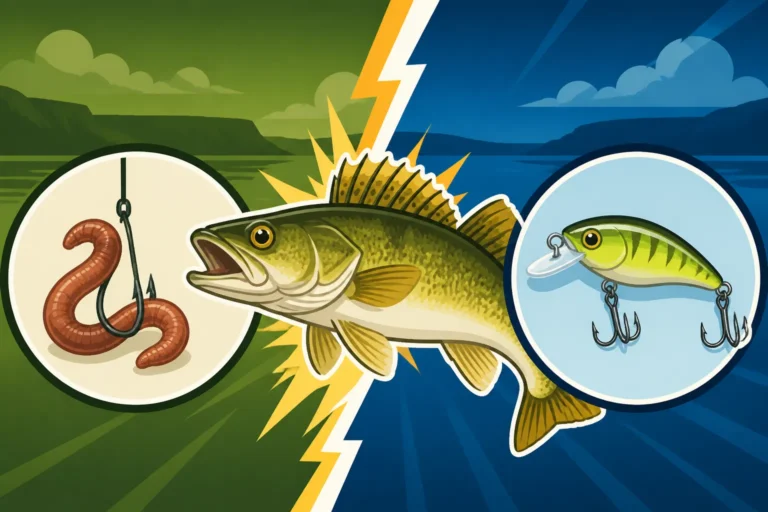
When it comes to walleye fishing, especially in a large, dynamic reservoir like Lake McConaughy, live bait often holds an undeniable edge. I've heard countless stories, and experienced it myself, where artificial lures just don't cut it, but a well-presented live offering turns a slow day into a memorable one. This isn't to say artificials don't work – they absolutely do, and we'll touch on that another time. But there's just something about the natural movement, scent, and texture of live bait that triggers the predatory instinct of a walleye in a way few other things can.
Think about it: walleye are primarily sight and scent feeders, especially in the clear waters that Big Mac is known for. A struggling minnow or a wiggling nightcrawler sends out irresistible vibrations and odors that can call a walleye from a distance. The natural action is something artificials try to mimic, but can rarely replicate perfectly. When fish are finicky, or in colder water conditions, their metabolism slows, and they might prefer an easy, natural meal over expending energy to chase down a fast-moving crankbait. Plus, for those times when you're just soaking bait on a leisurely evening, nothing beats the effectiveness of live bait.
The Appeal of Natural Movement and Scent
Walleye are opportunistic predators. They're tuned into the subtle cues of their prey. A live minnow, for instance, isn't just a piece of plastic; it's a living creature, swimming erratically, trying to escape. That frantic, vulnerable behavior is a huge trigger. The minute changes in direction, the faint shimmer of scales, the actual scent molecules released into the water – these are all signals that scream "easy meal" to a hungry walleye. In a vast lake like McConaughy, where fish can be spread out and water conditions vary, maximizing these natural appeals can significantly increase your chances of getting a bite.
Moreover, the scent trail left by live bait is crucial. Unlike artificial lures, which rely on flash and vibration, live bait constantly emits natural odors that travel through the water. This can be particularly effective in stained or turbid water, or during low-light conditions when visibility is reduced. Walleye have an excellent sense of smell, and they use it to track down prey. A strong, natural scent can guide them directly to your hook, even when they can't see the bait clearly. This combination of sight, scent, and natural movement creates a presentation that's incredibly difficult for a walleye to ignore, even when they're not in an aggressive feeding mood.
Overcoming Finicky Walleye Behavior
Lake McConaughy walleye can be notoriously picky, especially after experiencing a lot of fishing pressure or during certain weather patterns. I've been out there on days when it felt like I was casting into an empty bathtub, despite knowing the fish were there. This is where live bait truly shines. When walleye are in a neutral or negative feeding mood, they often won't chase down a fast-moving lure. Instead, they prefer something that presents itself as an easy, high-calorie meal. A slowly drifted minnow or a nightcrawler suspended under a slip bobber setup for panfish can be just the ticket.
The subtlety of live bait can be the deciding factor. It allows you to present a bait that stays in the strike zone longer, giving a hesitant walleye more time to decide. The natural texture also plays a role once they decide to mouth the bait; they're less likely to spit out something that feels real compared to a hard plastic lure. This can lead to deeper hook sets and a higher landing ratio. Understanding when to switch from aggressive artificial presentations to a more subdued live bait approach is a hallmark of successful walleye anglers on Lake Mac.
Top Live Baits for Lake McConaughy Walleye
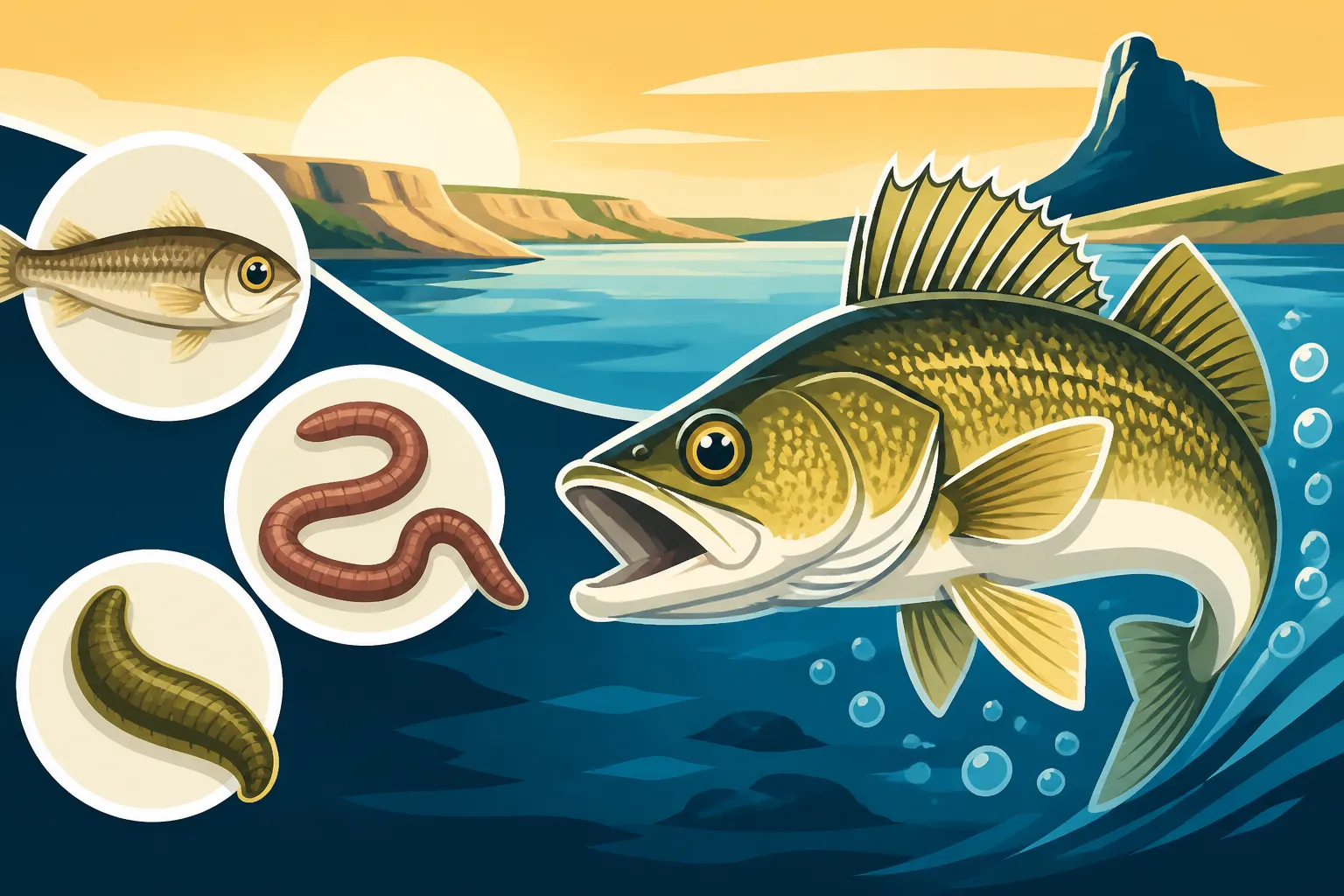
Alright, let's get down to the brass tacks: what exactly should you be threading onto your hook? For walleye on Lake McConaughy, there are three primary live baits that consistently outperform others. Each has its own strengths, and knowing when and how to use them can make all the difference.
Minnows: The Perennial Favorite
Minnows are, without a doubt, the quintessential walleye bait. They just work. Their natural forage base often includes various small baitfish, so offering a lively minnow is essentially giving the walleye exactly what they're looking for. Shiners, fatheads, and chubs are popular choices, and their size can range from a couple of inches for jigging up to 4-5 inches for trolling or larger presentations.
When fishing Lake McConaughy, smaller shiners (2-3 inches) are fantastic for jigging, especially in colder water or when walleye are holding tight to structure. They're perfect for a quick, enticing dart. For larger walleye or when pulling presentations like bottom bouncers, a 3-4 inch creek chub or larger shiner can be more effective. The key is to keep them lively! A dead or lethargic minnow is far less appealing. You'll want to hook them lightly through the lips or just behind the dorsal fin, making sure not to impede their swimming action. Many anglers swear by the natural action of a minnow when drifting or slow-trolling, giving it a subtle wiggle that mimics a distressed baitfish. You can often find a good selection of lively minnows at local bait shops around the lake or even at larger retailers like Bass Pro Shops before you head out.
Nightcrawlers: Versatile and Irresistible
Ah, the humble nightcrawler! These aren't just for panfish and catfish; walleye absolutely love them. Nightcrawlers offer a completely different presentation than minnows, and their squirming, scent-emitting action can be incredibly enticing. They are perhaps one of the most versatile live baits out there, working well in a variety of conditions and fishing methods.
One of the biggest advantages of nightcrawlers is their scent. They release a powerful, earthy aroma into the water that walleye can detect from a good distance. This makes them excellent for trolling with a crawler harness for walleye, a rig specifically designed to spin and undulate the worm in the water, creating a visual and scent-based explosion. You can also fish them effectively under a slip bobber or on a plain jig head. For optimal presentation, many anglers "half-harness" them, threading only part of the worm onto the hook and letting the tail wiggle freely. This keeps the presentation natural and allows for a longer, more active scent trail. Nightcrawlers are also relatively easy to keep alive compared to minnows, making them a convenient option for longer trips. Remember, fresh, lively nightcrawlers are always best, so keep them cool and moist.
Leeches: The Underrated Secret Weapon
Leeches are often overlooked by casual anglers, but seasoned walleye fishermen on Lake McConaughy know they can be absolute gold, especially during certain times of the year. They are incredibly resilient, staying alive and active on a hook for a long time, and their undulating movement is something walleye find irresistible.
The best time to use leeches is often during late spring and summer when water temperatures are warmer. They are less effective in very cold water. Hooked through the sucker at one end, a leech will stretch, contract, and swim with a sinuous, enticing motion. They are fantastic when fished on a jig, under a bobber, or even slow-trolled on a plain hook behind a bottom bouncer. Leeches are tough bait; they're hard for smaller fish to pick apart, meaning your bait stays on the hook longer, waiting for that walleye strike. This durability makes them a favorite for many anglers who prefer not to constantly re-bait. You'll want to buy quality leeches from a reputable bait shop, as their vitality directly impacts their effectiveness.
| Live Bait | Pros | Cons | Best Uses |
|---|---|---|---|
| Minnows | Natural forage, strong visual appeal, erratic swimming action | Fragile, require good aeration, susceptible to small fish | Jigging, slow-trolling, bottom bouncing, slip bobber |
| Nightcrawlers | Strong scent trail, versatile, durable, easy to keep alive | Can be stolen by panfish, less "natural" movement than a minnow (unless harnessed) | Crawler harnesses, jigging, slip bobber, soaking on the bottom |
| Leeches | Very tough, long-lasting on hook, unique undulating action, resilient | Less active in cold water, can be harder to find reliably | Jigging, slip bobber, slow-trolling with a plain hook, vertical presentations |
Rigging and Presenting Live Bait Effectively
Having the right live bait is only half the battle; knowing how to present it effectively is crucial for success on Lake McConaughy. The vastness of this lake means walleye can be anywhere from shallow flats to deep main-lake structure, and your rigging needs to adapt to these conditions.
The Art of Jigging Live Bait
Jigging with live bait is perhaps one of the most active and rewarding ways to catch walleye. It allows you to feel every bump, tap, and subtle bite. For this technique, a simple lead head jig is your best friend. The weight of the jig should match the depth and current; a lighter jig for shallower water or less current, and a heavier one for deeper spots or strong wind.
When jigging, you'll typically tip your jig with a minnow hooked lightly through the lips or a small piece of nightcrawler. The key is to impart subtle action. A lift-and-drop motion, a slow drag, or even just letting it sit perfectly still, occasionally twitching your rod tip, can be incredibly effective. Pay close attention to your line; walleye often inhale bait so gently that the bite feels like nothing more than a slight weight or a subtle "tick." This method is excellent for probing specific areas like submerged humps, rock piles, or along breaks, and it's a fantastic way to fish when the walleye are holding tight to the bottom. For colder water periods, vertical jigging directly over fish marked on your sonar can be deadly. Don't be afraid to experiment with jig colors, but often, natural tones like black, brown, or olive green are effective when combined with live bait. Check out our guide on How to Jig for Walleye in Nebraska for more detailed tips.
Mastering the Slip Bobber Technique
When walleye are suspended, hesitant, or scattered over structure, the slip bobber rig is often the answer. This technique allows you to present live bait at a precise depth, suspending it perfectly in the strike zone without the bait constantly dragging on the bottom. It's especially effective in calmer conditions or when you want a more subtle, natural presentation.
A slip bobber rig consists of a bobber stop (a piece of string or rubber on your line), a bead, the slip bobber itself, another bead, a weight (often a split shot or small sinker), and finally, your hook. The beauty of the slip bobber is that you can easily adjust the depth by sliding the bobber stop up or down your line. This is ideal when you're targeting walleye that are holding at a specific depth, say, 10 feet over a 20-foot flat. You can rig it with a lively minnow hooked through the nose, a whole nightcrawler, or a leech. The natural movement of the live bait beneath the bobber is what draws the walleye in. When the bobber goes down, you know you've got a bite! This is a particularly relaxing and effective method for bank anglers or those who enjoy a more passive fishing style.
The Effectiveness of Bottom Bouncing and Trolling
For covering large areas of Lake McConaughy and searching for scattered walleye, bottom bouncing or slow trolling live bait rigs are incredibly effective. These techniques allow you to present your bait near the bottom, where walleye often feed, while still moving efficiently through potential fishing grounds.
A bottom bouncer is essentially an L-shaped wire rig with a weight on the bottom and an arm for your leader. The weight bounces along the lakebed, keeping your bait presentation just above it, reducing snags and keeping your bait in the walleye's eye-line. You'll typically attach a snell rig with a live minnow, nightcrawler harness, or a leech behind the bottom bouncer. The key is to maintain a slow, consistent speed, just enough to keep the bouncer occasionally tapping the bottom. This method is fantastic for covering flats, transitions, and expansive main-lake structure where fish might be spread out. For even faster coverage or when walleye are chasing, a dedicated trolling setup using a crawler harness for walleye or a live minnow rig behind a planer board can be a highly productive way to locate aggressive fish. Many anglers find great success targeting different depths using these methods, especially during mid-day when walleye might be less active near the surface.
Tips for Sourcing and Keeping Live Bait Fresh
One of the most critical aspects of successful live bait fishing is the quality and vitality of your bait. A lively minnow, an energetic nightcrawler, or a wiggly leech will always outperform a dead or sluggish one. Taking the time to properly source and care for your bait can dramatically increase your catch rate.
Where to Purchase Quality Live Bait
Finding good live bait means starting with a reliable source. While some anglers prefer to catch their own bait, for convenience and consistency, purchasing from a bait shop is usually the way to go. Look for local bait and tackle shops around Lake McConaughy or on your way to the lake. These shops often have the freshest local stock and can give you tips on what's currently working.
When buying bait, inspect it carefully. Minnows should be lively and swimming actively, not floating or swimming erratically near the surface. Nightcrawlers should be plump and firm, not skinny or mushy. Leeches should be active and moving. Don't be afraid to ask the staff about their bait's freshness. If you're on a long road trip or can't find a local shop, larger sporting goods stores like Bass Pro Shops or even big box retailers sometimes carry live bait, though their selection might be more limited. Purchasing your bait on the day you plan to fish, or the evening before, is always a good practice to ensure maximum freshness. Sometimes, if you're planning a trip ahead, you can even order certain baits online, though this usually applies more to things like leeches from specialty suppliers.
Essential Gear for Keeping Bait Alive
Keeping live bait alive and kicking requires a few essential pieces of gear. This isn't just about convenience; it directly impacts your success on the water.
For minnows, a good minnow bucket with an aerator is non-negotiable. An aerator introduces oxygen into the water, which is vital for minnow survival. Battery-operated aerators are readily available and quite effective. You'll also want to make sure the water stays cool; warm water holds less oxygen and stresses minnows. Some anglers use frozen water bottles in their minnow buckets to keep the temperature down, especially on hot summer days. Changing the water periodically, especially if it gets dirty or you notice minnows dying, is also important. Retailers like Amazon offer a wide variety of portable aerators and insulated bait buckets that can make a huge difference.
Nightcrawlers are a bit hardier but still require care. A worm bedding compound or peat moss in a breathable container (like a Styrofoam cooler with small holes or a dedicated worm box) will keep them happy. The key is cool, moist, and dark conditions. Avoid direct sunlight at all costs. You can often buy specialized worm dirt or simply use peat moss, ensuring it's damp but not waterlogged. For leeches, they do best in a simple container of cool, clean water, again with a change of water every day or two if you're keeping them for an extended period. Some people add a pinch of non-iodized salt to the leech water to harden their skin and make them more active, but always research this before trying it.
Maximizing Bait Life on the Water
Once you're out on Lake McConaughy, the challenge shifts to maintaining that freshness. On a hot day, a minnow bucket can quickly become a death trap if not managed properly. Position your bait container in the coolest, shadiest part of your boat or bank setup. If you're using a boat, keep the minnow bucket submerged in the lake itself whenever possible, as the lake water is usually cooler than the air temperature inside your boat. Just make sure it's secured and won't float away!
If you're fishing from shore, a shady spot under a tree is ideal. Regularly check on your bait. If you notice minnows becoming lethargic, try adding a little fresh, cool water or checking your aerator. For nightcrawlers and leeches, keeping them out of direct sun and ensuring their bedding or water remains cool and clean is paramount. A small cooler dedicated to bait, especially on those long summer days, can be a lifesaver. Remember, the livelier your bait, the more action it puts out, and the more likely it is to attract a hungry walleye. Investing a little time and effort in bait care truly pays off in Nebraska fishing. Consider these tips as part of your overall Best Fishing Gear for Nebraska Anglers strategy.
Walleye Behavior and Live Bait Selection
Understanding walleye behavior on Lake McConaughy can significantly inform your live bait choices. These fish are creatures of habit, influenced heavily by water temperature, light conditions, and time of year. Matching your bait to their current mood and environment is a sophisticated skill that comes with experience.
Seasonal Considerations for Live Bait
The time of year dictates a lot about walleye behavior, and consequently, which live bait will be most effective. In the colder waters of early spring and late fall, walleye metabolism slows down. They're often less willing to chase, making a subtle, easy meal like a small, lively minnow incredibly appealing. Jigging minnows slowly on structure, or fishing them under a slip bobber, can be deadly during these transitional periods. This aligns with tactics for Spring Fishing in Nebraska or Fall Fishing in Nebraska.
As water temperatures rise in late spring and into summer, walleye become more active. This is when nightcrawlers, especially on spinner rigs, really shine. The added vibration and visual appeal of a spinning blade combined with the enticing scent and wiggle of a nightcrawler can cover a lot of water and provoke aggressive strikes from active fish. Leeches also become highly effective in summer's warmer waters, as their natural movement and toughness make them ideal for various presentations, including suspended under a bobber over deep structure. During the peak of summer, when the sun is high and bright, a deep-fished minnow or crawler can tempt walleye that have retreated to cooler, darker depths. Understanding Nebraska Fishing Seasons Explained helps you tailor your approach.
Water Clarity and Light Conditions
Lake McConaughy can offer a range of water clarities, from crystal clear to slightly stained, and this also impacts bait choice. In very clear water, like what you often find in certain parts of Big Mac, walleye rely heavily on sight. This means your bait presentation needs to be natural and subtle. A lively minnow, perfectly presented, is often superior as it mimics their natural prey with high fidelity. Fluorocarbon leaders can also be beneficial in these conditions to reduce line visibility.
In stained or slightly turbid water, where visibility is reduced, scent becomes even more crucial. This is where nightcrawlers truly excel, as their continuous release of odor can draw walleye in from a greater distance. While minnows still work, the strong scent trail of a crawler or the added vibration of a spinner rig paired with a crawler can be the difference-maker. Light conditions, too, play a role. During low light conditions (dawn, dusk, or overcast days), walleye are often more aggressive and roam more freely. All three live baits can be effective. However, in bright sunlight, walleye typically retreat to deeper, darker water or heavy cover. Presenting your live bait vertically or via bottom bouncing in these deeper zones becomes essential. Remember, walleye eyes are built for low light, so bright light makes them uncomfortable, pushing them to seek refuge. This is important when considering Best Time of Day to Catch Walleye in Nebraska.
Conclusion: Putting it All Together for Lake Mac Walleye Success
Fishing for walleye on Lake McConaughy is an experience unlike any other in Nebraska. It's a vast, challenging, and incredibly rewarding fishery. While there are countless lures and techniques you can employ, leaning on the proven effectiveness of live bait often provides that consistent edge needed to turn a good day into a great one. Whether you're patiently jigging a minnow, dragging a nightcrawler harness, or soaking a leech under a slip bobber, understanding the nuances of each bait and how to present them effectively will significantly boost your success rate.
Remember to prioritize the freshness and vitality of your bait. A healthy, lively offering is far more enticing than a sluggish one. Invest in the right gear to keep your bait in top condition, from aerated minnow buckets to cool worm bedding. Pay attention to the subtle cues from the lake itself – water temperature, clarity, and the time of year – to help you decide which live bait will be your walleye magnet. Don't be afraid to experiment! Sometimes, the fish have a preference on any given day, and a willingness to switch between minnows, nightcrawlers, and leeches is often what separates the consistent anglers from the rest. With these tips and a little patience, your next trip to Lake Mac should have you reeling in those prized walleye. And for more specific information on what to expect, be sure to check out our Lake McConaughy Walleye Fishing guide and read up on the Nebraska Walleye Daily Bag Limit before you head out.
Disclaimer
This article is for general informational purposes only and does not constitute professional advice. Laws, prices and regulations vary by location and change over time. Consult a qualified professional for guidance on your specific situation.