Best Fishing Kayak Under $600
It’s a tale as old as time for many anglers in Nebraska: you dream of hitting those quiet coves, gliding stealthily along a river bank, or slipping into that secret pond no motorboat can reach. But then you start looking at fishing kayaks, and the price tags on some of those beauties can make your wallet scream for mercy. Don't throw in the towel just yet! This guide is all about showing you how to find an excellent fishing kayak for under $600, proving that you absolutely can get on the water without emptying your savings account.
Why Kayak Fishing is a Game Changer for Nebraska Anglers
Kayak fishing has exploded in popularity across Nebraska, and for very good reason. It offers a unique blend of accessibility, stealth, and a connection to nature that’s hard to beat. For many of us who love to fish, the idea of owning a big bass boat or a decked-out walleye rig is just a distant fantasy, but a kayak makes that dream of getting on the water much more attainable and manageable.
The Unmatched Access and Stealth on Nebraska Waters
One of the biggest advantages of a fishing kayak, especially in a state like Nebraska with its diverse waterways, is the incredible access it provides. Think about those hidden backwaters on the Missouri River, the winding stretches of the Platte, or the small, secluded sandpit lakes tucked away where larger boats simply can't navigate. A kayak, with its shallow draft and maneuverability, can get you into these prime fishing grounds with ease. You can slip through tight channels, paddle over submerged logs, and explore nooks and crannies that hold untouched fish.
Beyond just getting there, the stealth a kayak offers is truly a game changer. Imagine paddling silently up to a lily pad field where largemouth bass are hiding, or quietly approaching a submerged point where walleye are staging. There’s no noisy outboard motor to spook the fish, no prop wash to disturb the water. This quiet approach often translates into more bites and a less pressured fishing experience. It’s particularly effective for species that are easily alarmed, allowing you to present your bait or lure naturally and observe their behavior without disturbance.
Cost-Effectiveness Beyond the Initial Purchase
While the initial purchase price of a fishing kayak is certainly attractive compared to a powerboat, the long-term cost-effectiveness is where it truly shines. Forget about expensive fuel bills – your engine runs on breakfast burritos and coffee! There's no oil to change, no spark plugs to replace, and typically much less maintenance overall than a motorized vessel. This means more money in your pocket for bait, lures, and perhaps even a nice Nebraska Annual Fishing Permit for the year.
Furthermore, storage and transportation are vastly simpler. You don’t need a huge garage or an expensive storage unit; many kayaks can be stored on their side in a shed, on a wall rack in the garage, or even outdoors under a cover. Transport is often as simple as strapping it to the roof of your car, truck, or even a small trailer. This ease of ownership reduces many of the hidden costs and logistical headaches associated with traditional boating, making kayak fishing a sustainable and enjoyable hobby for years to come.
Understanding What You Get in a Fishing Kayak Under $600
When you're shopping for a fishing kayak on a budget, it's crucial to set realistic expectations. While you won't get all the bells and whistles of a $2,000+ model, there are fantastic, functional kayaks available that will absolutely get you on the water and catching fish in Nebraska. The key is knowing what to look for and where you might need to make a few compromises.
Realistic Expectations for Budget Kayaks
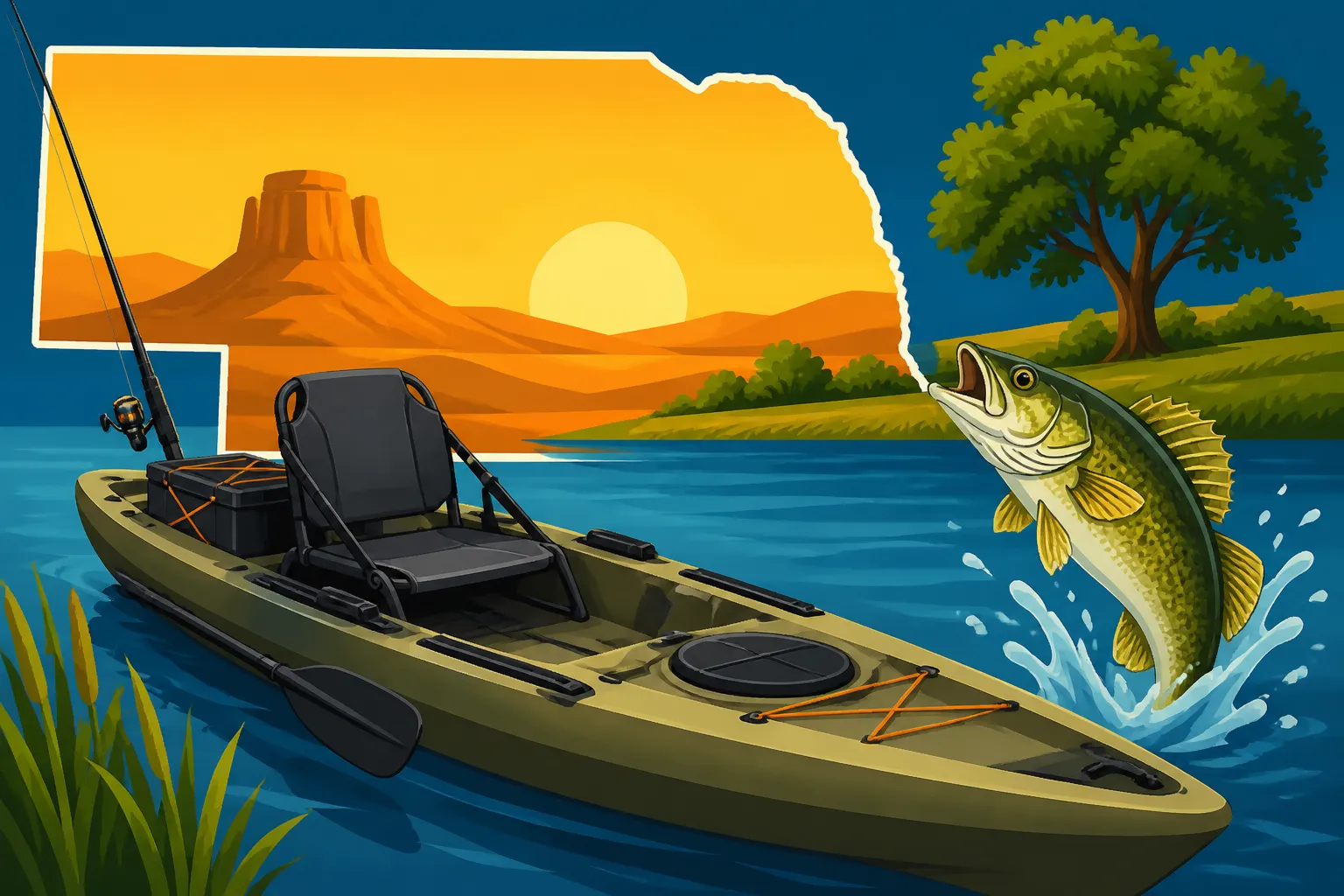
Let's be honest: a kayak under $600 is going to be a workhorse, not a luxury cruiser. You'll likely find that these kayaks are generally more basic in their features. Don't expect a super-elevated, stadium-style seat that you can stand up on easily, or integrated electronic mounts with intricate wiring channels. Pedal drives, which offer hands-free propulsion, are almost certainly out of this price range. Instead, you'll be looking at paddle-powered kayaks, predominantly sit-on-top models, which offer excellent stability and ease of entry/exit.
The materials used will typically be durable, rotomolded polyethylene – a plastic that can take a beating from rocks, stumps, and accidental drops. While they might show scratches over time, they’re incredibly resilient. The main compromises will likely come in terms of advanced comfort features, top-tier speed, and highly specialized fishing integrations. However, a basic, well-designed hull will provide all the core functionality you need to paddle, stay stable, and fish effectively. Many anglers, myself included, started on these budget-friendly models and had countless successful outings.
Key Features to Prioritize in a Sub-$600 Model
Given the budget, you'll want to focus on a few non-negotiables that will make your fishing experience enjoyable and productive.
- Stability: This is probably the most important factor, especially for new kayak anglers. A wider, flatter hull design will offer superior initial stability, meaning it feels solid when you first get in and as you move around slightly to cast or reach for tackle. This confidence in your stability is critical for enjoying your time on the water, reducing the risk of an unexpected swim, and allowing you to focus on fishing. Think about standing up to sight fish – while not impossible in some budget kayaks, it's less of a priority than simply staying upright and comfortable while seated.
- Storage: Even a basic fishing kayak needs places for your gear. Look for models with at least a couple of flush-mount rod holders behind the seat. A large, open tankwell area in the stern (rear) with bungee cords is essential for securing a cooler, a tackle crate, or a dry bag. Some models might even offer a small bow hatch or a center console for keys, wallet, and phone, though these are often smaller and less sophisticated in this price range.
- Comfort: While you might not get a fancy framed seat, look for a kayak that comes with at least a basic padded seat or a molded-in seat that has attachment points for an aftermarket pad. Even a few hours on a hard plastic seat can get uncomfortable. Many budget kayaks come with a simple backrest and seat pad that can be upgraded later. Pay attention to footpeg adjustments; being able to comfortably brace your feet is important for paddling efficiency and overall comfort.
- Portability: Consider how you'll get the kayak to and from the water. Lighter kayaks are easier to load onto a car roof or truck bed by yourself. Shorter kayaks are also generally easier to maneuver off the water. If you plan to launch frequently by yourself, weight and length are critical considerations. Most kayaks in this range will weigh between 50-75 pounds, which is manageable for one person with good technique, or two people easily.
Top Kayak Features to Look for in the Budget Segment
Now that we understand the general landscape of budget fishing kayaks, let's dive into some specific features that will make a big difference in your experience, particularly when navigating the diverse fishing environments Nebraska has to offer.
Stability and Hull Design for Nebraska's Lakes and Rivers
The shape of a kayak's hull largely dictates its performance, especially its stability and speed. For budget fishing kayaks, stability almost always takes precedence over blistering speed, which is exactly what you need when you're focusing on casting and landing fish. You'll typically encounter a few common hull designs:
- Flat Bottom (Pontoon-style): These kayaks are usually wider and have a very flat bottom. They offer incredible initial stability, making them feel very secure, even for beginners. This design is fantastic for calmer waters like small ponds, the less current-heavy sections of rivers, or sheltered coves on larger reservoirs like Branched Oak Lake or Pawnee Lake. The trade-off is often slower paddling speed and less efficient tracking in a straight line, but for focused fishing, that stability is golden.
- V-Hull (or Modified V): Less common in the sub-$600 fishing kayak category, these hulls are designed more for speed and tracking. They cut through the water more efficiently, but offer less initial stability. You might find a very subtle V in some designs trying to balance stability with a bit more speed.
- Tunnel Hull: Some fishing kayaks, even in the budget range, might feature a "tunnel" or twin-hull design. This essentially creates two pontoons under the kayak, enhancing stability and often allowing for better tracking. These can be excellent choices for anglers who want a very stable platform.
When looking at stability, consider the width of the kayak. Generally, wider kayaks (around 30-34 inches) will be more stable than narrower ones. For Nebraska fishing, where you might encounter everything from glassy still water to choppy reservoir conditions or river currents, a stable platform is paramount. You want to feel confident reaching for your tackle box, re-tying a knot, or even leaning slightly to net a fish. While standing to cast is a feature usually found in more expensive models, some wider budget kayaks can offer enough stability for a quick stand-up stretch if you're careful. Remember, a Best Kayak Anchor for Still Fishing can also greatly enhance your stability by keeping you in place.
Storage and Rigging Options for Anglers
Even a basic fishing kayak needs to be functional for fishing. Look closely at the storage and rigging options, as these can often be enhanced with aftermarket accessories.
- Rod Holders: Most budget fishing kayaks will come equipped with at least two flush-mount rod holders located behind the seat. These are great for securely holding rods while paddling or when you're actively fishing with another rod. Some might even include a single adjustable rod holder in the front, which is a fantastic bonus for different fishing techniques. If not, don't worry, these can be easily added later using track systems or bolt-on mounts.
- Accessible Storage: The stern tankwell is your primary cargo area. Ensure it's large enough to accommodate a standard milk crate (a popular, inexpensive tackle management solution) or a small cooler for drinks and snacks. Bungee cords are essential here for securing your gear. A front hatch, if present, is usually smaller and best for items you want to keep dry, like a phone or car keys. Some budget kayaks also feature small, open storage trays or cup holders in the cockpit area for quick access to lures, pliers, or a beverage.
- Accessory Mounting Points: While dedicated track systems are usually a premium feature, some budget kayaks will offer flat surfaces or molded-in attachment points that allow for easy installation of aftermarket accessory mounts. This is where brands like Bass Pro Shops and Amazon become invaluable, offering a wide array of bolt-on rod holders, fish finder mounts, and other accessories that can customize your kayak to your specific needs. Even if it's just a flat surface, the ability to drill and bolt on a RAM mount or similar system gives you flexibility.
Comfort and Durability Considerations
Comfort over long hours on the water and the kayak's ability to withstand the rigors of transport and use are crucial for a budget purchase.
- Seat Type: This is often the biggest compromise in budget kayaks. Many will come with a basic, molded-in seat area with a thin pad and a simple fabric backrest. While functional, these can become uncomfortable after a few hours. If a kayak offers a more elevated or framed seat even in the sub-$600 range, consider it a significant upgrade. Otherwise, factor in the potential for an aftermarket seat pad or a more comfortable kayak seat down the line. A comfortable seat directly impacts how long you can stay on the water, which directly impacts your fishing success.
- Material and Construction: As mentioned, rotomolded polyethylene is the standard. It's tough, resilient, and relatively inexpensive to produce, making it ideal for budget kayaks. Look for a hull that feels sturdy, without excessive flex. Pay attention to scupper holes (self-draining holes) – make sure they are present, especially on sit-on-top kayaks, to drain any water that gets into the cockpit.
- Skid Plates/Keel Guards: If you plan on launching your kayak in areas without proper boat ramps, like dragging it across gravel or dirt paths to get to a river, a molded-in skid plate or a durable keel guard on the stern can significantly extend the life of your kayak. These protect the most abrasion-prone part of the hull from wear and tear, which is a common issue for anglers who frequently use less-developed access points. This kind of protection ensures your investment lasts, especially if you're exploring lesser-known spots mentioned in guides like Best Nebraska Rivers for Float Fishing Trips.
Where to Find and Buy Your Budget Fishing Kayak
Finding that perfect sub-$600 fishing kayak often comes down to knowing where to look and being a little patient. Both online retailers and brick-and-mortar stores offer different advantages, and understanding the purchasing landscape can help you snag a great deal.
Exploring Online Retailers and Local Stores
When it comes to purchasing, you have two main avenues: online or in person. Each has its pros and cons, and savvy shoppers often blend both approaches.
- Online Retailers (e.g., Amazon): The sheer variety of kayaks available online is often unmatched by any single physical store. Websites like Amazon offer a vast selection of models from various manufacturers, often at competitive prices due to lower overheads. You can easily compare specifications, read countless customer reviews, and often find kayaks that include free shipping, which is a huge benefit given the size of these items. The downside, however, is that you can't physically inspect the kayak before buying it. You can't sit in it to test comfort, feel its weight, or get a true sense of its dimensions. This means relying heavily on measurements and user feedback. Make sure to check the return policy carefully, especially regarding large items, as returning a kayak can be a logistical challenge and might involve significant shipping costs if it's not what you expected.
- Local Outdoor Stores (e.g., Bass Pro Shops): Shopping at a physical store like Bass Pro Shops or a smaller, independent outdoor outfitter offers a tangible experience. You can see the kayak, touch it, and often even sit in it (or at least a similar model) to gauge comfort and fit. This "test drive" can be invaluable in making sure the kayak feels right for your body type and fishing style. Store associates can also provide expert advice, answer specific questions about local waters, and help you compare different models side-by-side. While the selection might not be as vast as online, you often benefit from personalized service, immediate availability, and easier returns if there's an issue. Plus, it's a great opportunity to pick up other essential gear like a Beginner Fishing Gear Guide for Nebraska or a Nebraska Fishing License Guide.
Many people find success by doing their research online, narrowing down a few models they like, and then trying to find those (or similar) models at a local store to get a feel for them before making a final decision.
Timing Your Purchase and Looking for Deals
Just like with any significant purchase, timing can play a big role in getting the best price on a budget fishing kayak.
- End-of-Season Sales: The absolute best time to find a deal is often at the end of the traditional paddling season, typically late fall or early winter. Retailers want to clear out inventory to make room for new models, leading to significant discounts. If you can wait, buying your kayak in October, November, or December can save you a good chunk of change.
- Holiday Sales: Keep an eye out for major holiday sales events, such as Black Friday, Cyber Monday, or even Memorial Day and Labor Day sales. These are common times for retailers, both online and brick-and-mortar, to offer promotions on outdoor gear.
- Used Market: Don't overlook the used market! Websites like Craigslist, Facebook Marketplace, or local classifieds can be treasure troves for gently used fishing kayaks. People upgrade, move, or simply find they don't use their kayak as much as they thought. You can often find excellent quality kayaks that were originally well over $600 for significantly less. Just be sure to inspect the kayak thoroughly for any cracks, significant damage, or large repairs before purchasing, and consider how it was stored. A used kayak is a great way to start kayak fishing without the full initial investment, letting you save up for things like a good Fish Finder for Ice Fishing if you decide to expand your horizons later.
| Feature / Kayak Type | Basic Angler | River Explorer | Stability Seeker |
|---|---|---|---|
| Typical Price Range | $300-$450 | $450-$600 | $500-$600 |
| Length | 9-10 ft | 10-12 ft | 10-11 ft |
| Width | 28-31 inches | 30-33 inches | 32-35 inches |
| Weight | 45-60 lbs | 55-70 lbs | 60-75 lbs |
| Hull Design | Flat bottom | Moderate V/Flat | Tunnel/Pontoon |
| Rod Holders | 2 flush-mount | 2-4 flush-mount, sometimes 1 adjustable | 2 flush-mount, often multiple accessory mounting points |
| Storage | Rear tankwell w/ bungee | Rear tankwell w/ bungee, small bow hatch | Large rear tankwell, open cockpit storage |
| Seat | Molded-in with basic pad | Basic padded seat & backrest | Basic padded seat, often upgradeable |
| Best For | Calm ponds, small lakes, beginners | Mild rivers, small to medium lakes, general purpose | Extreme stability, larger anglers, standing (carefully) |
Remember, getting into kayak fishing doesn't have to be a costly endeavor. With careful research and a focus on essential features, you can find a fantastic fishing kayak under $600 that will open up a whole new world of angling opportunities on Nebraska's beautiful waters. Whether you're targeting Nebraska Walleye Bag Limits or casting for Nebraska Channel Catfish Daily Limit, a budget kayak can get you right into the action.
Disclaimer
This article is for general informational purposes only and does not constitute professional advice. Laws, prices and regulations vary by location and change over time. Consult a qualified professional for guidance on your specific situation.