Why Wipers Are Stocked Instead of Pure Striped Bass
Nebraska Game and Parks Commission stocking choices explain wiper hybrid sterility and striped bass population control differences.
Know what’s on the line.
Gamefish and panfish profiles — identification, behavior, feeding habits, and species-specific strategies for every catch.

Nebraska Game and Parks Commission stocking choices explain wiper hybrid sterility and striped bass population control differences.
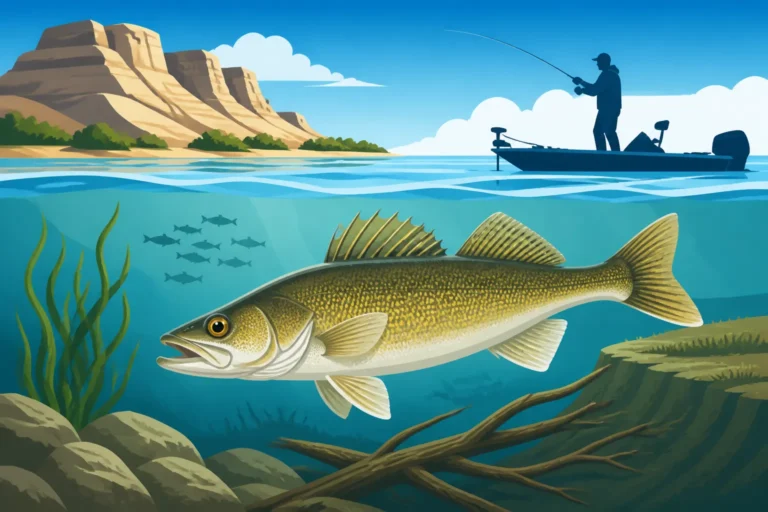
Lake McConaughy water characteristics, structural elements, and forage explain why this reservoir is an ideal habitat for walleye.

A 16-pound walleye from Nebraska waters qualifies for official Master Angler recognition by the Game and Parks Commission.

Nebraska state record walleye weighing 16 pounds, 2 ounces compares against the 25-pound world record caught in Tennessee.
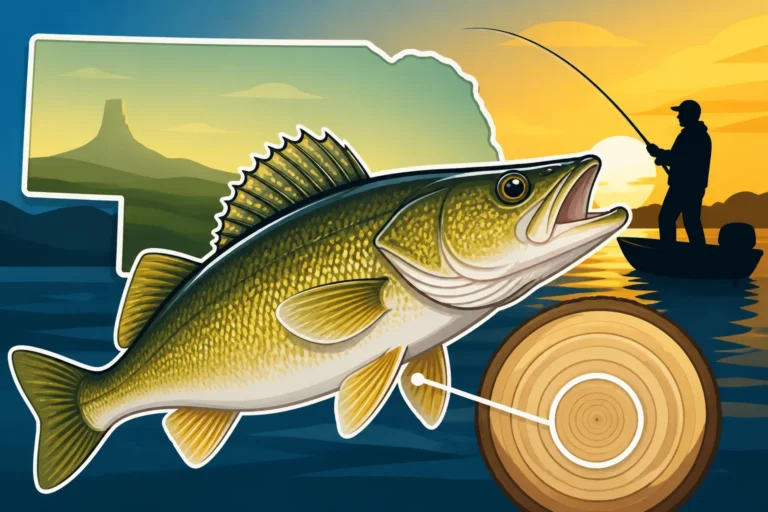
Nebraska trophy walleye age and growth rates depend on food availability, water temperature, genetics, and population density.

Nebraska pond environments, food availability, water quality, and stocking density dictate largemouth bass growth rates.

Nebraska channel catfish typically live ten to twenty years in the wild, though ideal conditions help some reach thirty.
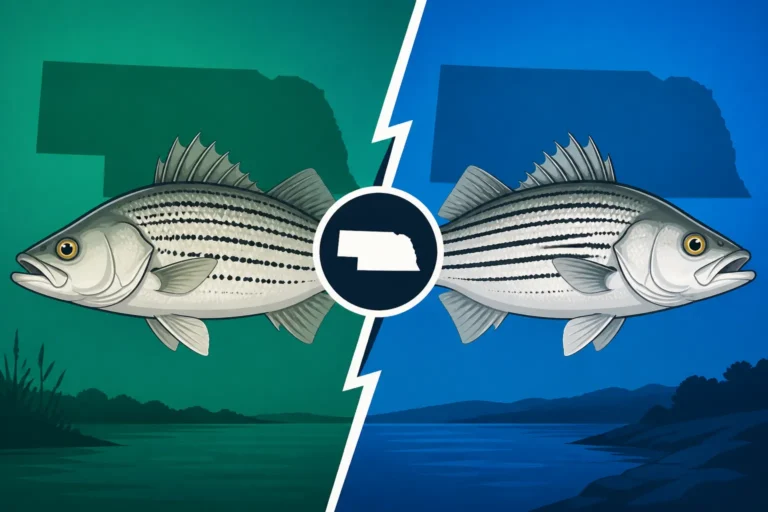
Nebraska anglers learn to identify pure striped bass and distinguish them from wipers in large reservoirs like Lake McConaughy.

Nebraska stocks hybrid striped bass annually in specific reservoirs, maintaining populations that control shad and test anglers.

Nebraska striped bass populations rely on stocking programs because reservoirs lack the flowing river currents needed for natural reproduction.